
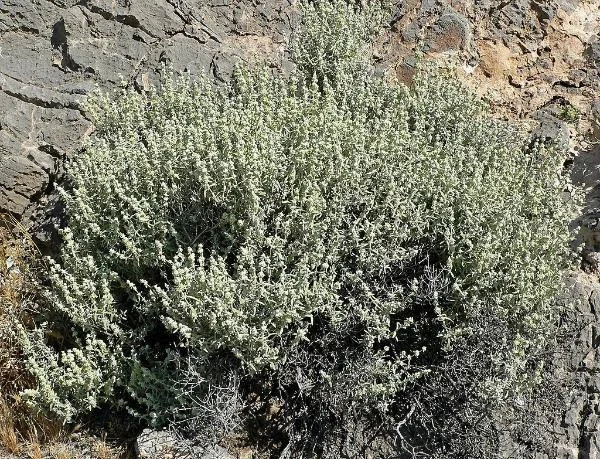
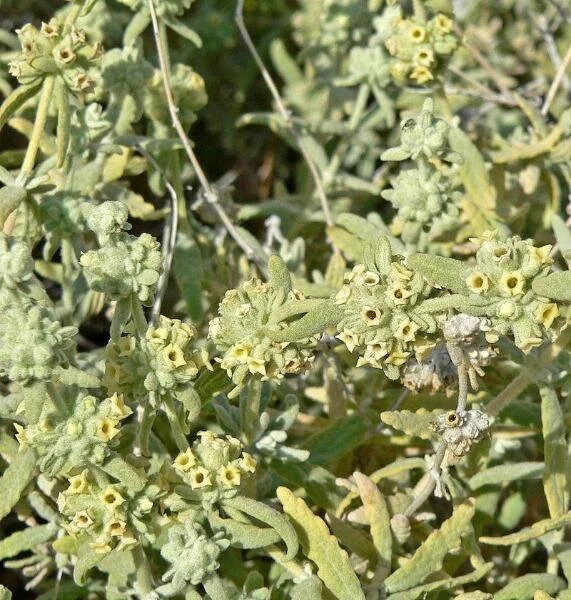
Buddleja Utahensis Seeds – Panamint Butterfly Bush – 20 Seed Pack – Outdoor Shrub
Original price was: $23.00.$15.80Current price is: $15.80.
Cultivate the distinctive Panamint Butterfly Bush with this pack of Buddleja Utahensis seeds. Ideal for arid landscapes, this unique dwarf shrub produces charming pale yellow flowers and is a great choice for those seeking rare butterfly bush seeds. Perfect for xeriscaping and attracting pollinators.
Shipping and Return policies:
We stand behind our plants with our Alive & Thrive Guarantee. If you experience any issues within the first 30 days, please email us, and our team will be happy to help. When needed, we’ll send you a one-time replacement free of charge to make sure your garden keeps growing strong.

Reasonable Price
We offer reasonable price

Support 24/7
Contact us 24 hrs a day
100% Money Back
You’ve 30 days to Return
Payment Secure
100% secure payment
Overview
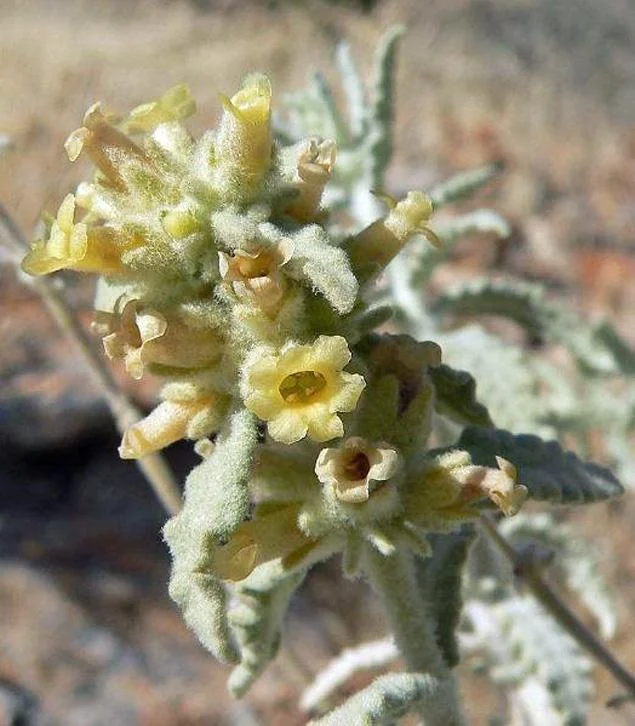
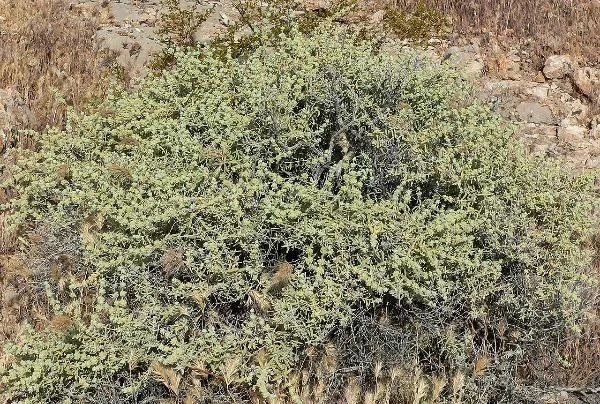
Embark on a rewarding gardening journey by growing the unique Buddleja Utahensis seeds. Also known as the Panamint Butterfly Bush, this intriguing dwarf shrub is native to the arid southwestern United States. It’s a fantastic choice for gardeners looking to introduce a tough, drought-tolerant plant with subtle beauty to their landscape. This species, belonging to the Scrophulariaceae family, is particularly suited to limestone-rich soils and elevations between 1800-7800 feet, often found thriving near Joshua trees. When mature, it forms a compact shrub, typically reaching up to 3 feet in height and width, making it an excellent addition to xeriscape gardens or rockeries.
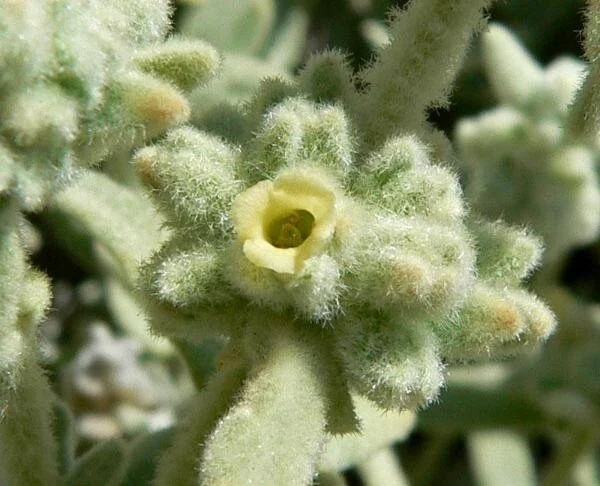
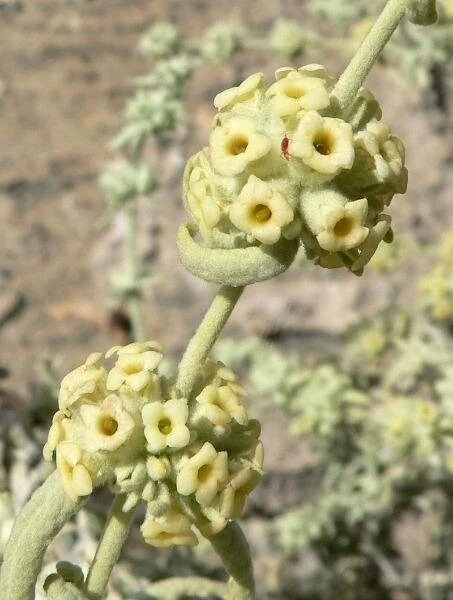
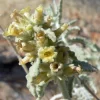
The Panamint Butterfly Bush is characterized by its grey-colored bark and sparse foliage on older growth, contrasting with new growth that features grey-hued leaves. Its most charming feature is the clusters of 15-30 pale yellow flowers, which add a delicate touch to the desert garden. While challenging to raise in temperate regions without specific conditions, the effort is well worth it for its unique aesthetic and resilience in appropriate climates. These Buddleja Utahensis seeds offer a chance to cultivate a truly special plant that stands out from more common butterfly bush varieties.
Key Benefits
Growing the Panamint Butterfly Bush from Buddleja Utahensis seeds offers several unique advantages, especially for gardeners in drier climates or those interested in native plant landscaping. Its distinct characteristics make it a valuable addition to various garden styles.
- Drought Tolerance: This dwarf shrub seeds option is exceptionally well-suited for arid environments, requiring infrequent watering once established. This makes it a sustainable choice for water-wise gardens and regions with limited rainfall.
- Unique Aesthetic Appeal: With its grey-green foliage and clusters of pale yellow flowers, the Panamint Butterfly Bush offers a subtle, natural beauty that complements desert and native plant landscapes, providing a distinct texture and color palette.
- Pollinator Attraction: Like other butterfly bushes, this species can attract local pollinators, contributing to the biodiversity of your garden and supporting local insect populations, despite its smaller flower size compared to its more common relatives.
- Compact Growth Habit: Reaching only about 3 feet tall and wide, it’s an ideal plant for smaller gardens, rock gardens, or as a low-maintenance border plant where space is a consideration.
- Adaptability to Poor Soils: This resilient plant thrives in less-than-ideal soil conditions, particularly favoring limestone, making it perfect for challenging sites where other plants might struggle.
- Xeriscaping Essential: As a desert butterfly bush, it’s an excellent candidate for xeriscaping projects, helping to create beautiful, low-water landscapes that are both environmentally friendly and visually appealing.
- Educational Value: Growing rare butterfly bush seeds like these provides a unique opportunity to learn about native plant species and their specific environmental requirements, fostering a deeper connection with local flora.
Plant Care & Growing Tips
Cultivating Buddleja Utahensis seeds to grow a thriving Panamint Butterfly Bush requires attention to its specific needs, especially concerning drainage and water. This is a plant that prefers conditions mimicking its native desert habitat. For successful germination, sow the Buddleja Utahensis seeds thinly on top of your chosen medium and lightly cover them. Ensure the medium remains consistently moist but not waterlogged, and place it in a bright spot. Crucially, do not cover the container, as these seeds require light to germinate. Maintain temperatures around 70-80°F (21-27°C) for optimal results. Germination can be spread out over a period of 1-5 weeks, so patience is key.
Once seedlings are established, transplant them carefully. The Panamint Butterfly Bush requires excellent drainage. A gritty, sandy, or rocky soil mix is ideal, especially one that mimics its favored limestone environments. Avoid heavy clay soils that retain too much moisture. Regarding watering, this desert butterfly bush is highly drought-tolerant once mature. Infrequent, deep waterings are far better than frequent shallow ones, allowing the soil to dry out completely between sessions. Overwatering is a common cause of failure for this species. It thrives in full sun, requiring at least 6-8 hours of direct sunlight daily to flourish. It is hardy in USDA Zones 8-9, meaning it can tolerate mild winters but may require protection in colder climates. Fertilization is generally not heavily needed in appropriate soils; a light, balanced fertilizer applied sparingly in spring is usually sufficient.
Common problems often stem from incorrect watering or poor drainage. Yellowing leaves can indicate overwatering, while wilting might suggest underwatering or root rot. Ensuring proper soil composition and a thoughtful watering schedule will prevent most issues. This dwarf shrub seeds option is generally pest-resistant, making it a relatively low-maintenance plant once its specific environmental needs are met. Remember that success with rare butterfly bush seeds often comes from replicating their natural habitat as closely as possible.
Size & Details
This product includes 20 Buddleja Utahensis seeds, offering you the opportunity to grow multiple Panamint Butterfly Bush plants. When mature, this distinctive dwarf shrub typically reaches a modest height and width of up to 3 feet (approximately 90 cm). Its compact size makes it an excellent choice for various landscape applications, including rock gardens, xeriscapes, and as an accent plant in arid-themed beds. The growth rate is moderate, with plants generally reaching their full size within a few years under optimal conditions. The seeds are shipped in a protective packet, ensuring their viability upon arrival.
The Panamint Butterfly Bush is known for its grey bark and pale yellow flowers, which emerge in clusters of 15-30. While it is a relatively slow grower from seed, the reward is a uniquely adapted and beautiful plant. Expect germination to occur over 1-5 weeks, with established plants showing significant growth in their second year. This species is particularly valued for its ability to thrive in challenging, dry conditions where many other flowering shrubs would fail, making these Buddleja Utahensis seeds a valuable addition for specialized gardening projects.
Frequently Asked Questions
- Q: How big does the Panamint Butterfly Bush get? A: The Panamint Butterfly Bush typically grows to a compact size of about 3 feet (90 cm) tall and 3 feet wide, making it a suitable dwarf shrub for various garden settings.
- Q: Is this an indoor or outdoor plant? A: This is primarily an outdoor plant, specifically adapted to arid, desert-like conditions. It thrives in full sun and requires excellent drainage, making it unsuitable for most indoor environments.
- Q: How much sunlight do Buddleja Utahensis seeds need to germinate? A: The Buddleja Utahensis seeds require light to germinate, so they should be sown on the surface of the medium and lightly covered, ensuring they receive bright light.
- Q: Is this plant easy to care for? A: While it is drought-tolerant and low-maintenance once established, it can be challenging to raise in temperate regions due to its specific requirements for excellent drainage and infrequent watering. It’s best suited for experienced gardeners or those in appropriate climates.
- Q: What condition will the seeds arrive in? A: The Buddleja Utahensis seeds will arrive in a sealed protective packet, ensuring their quality and viability for planting.
- Q: How long until the Panamint Butterfly Bush blooms? A: Plants grown from Buddleja Utahensis seeds typically take 1-2 years to reach blooming maturity, depending on growing conditions and care.
- Q: What’s the minimum temperature this dwarf shrub can tolerate? A: The Panamint Butterfly Bush is hardy in USDA Zones 8-9, meaning it can tolerate winter temperatures down to approximately 10-20°F (-12 to -6°C) but may need protection in colder climates.
- Q: Can I grow this plant in heavy clay soil? A: No, the Panamint Butterfly Bush requires excellent drainage and thrives in gritty, sandy, or rocky soils, particularly those with limestone. Heavy clay soils will likely lead to root rot and plant failure.
- Q: How often should I water my established Panamint Butterfly Bush? A: Once established, water infrequently and deeply, allowing the soil to dry out completely between waterings. This plant is highly drought-tolerant.
- Q: Are these rare butterfly bush seeds? A: Yes, Buddleja Utahensis is considered a less common variety of butterfly bush, native to specific arid regions, making these seeds a unique find for collectors and native plant enthusiasts.
Be the first to review “Buddleja Utahensis Seeds – Panamint Butterfly Bush – 20 Seed Pack – Outdoor Shrub”
You must be logged in to post a review.
People also Viewed


Sold 50 products
Original price was: $109.95.$79.98Current price is: $79.98.

Sold 50 products
Original price was: $25.00.$17.50Current price is: $17.50.

Flower Seeds
Olympic Onion Seeds – Allium crenulatum Flower Seeds – 10 Seed Pack – Outdoor Native Plant
Sold 50 products
Original price was: $25.00.$17.50Current price is: $17.50.

Sold 50 products
Original price was: $25.00.$17.50Current price is: $17.50.

Flower Seeds
Fuchsia vulcanica Seeds – 20 Pack – Vibrant Orange Coral Flowers for Garden & Containers
Sold 50 products
Original price was: $25.00.$17.50Current price is: $17.50.

Sold 50 products
Original price was: $116.98.$95.68Current price is: $95.68.

Sold 50 products
Original price was: $21.00.$14.10Current price is: $14.10.

Aquatic Plant Seeds
White Lotus Seeds – Nelumbo Nucifera Aquatic Pond Plant – 5 Seeds for Water Garden
Sold 50 products
Original price was: $29.00.$20.90Current price is: $20.90.RELATED posts
Awapuhi Wild Ginger Plant: Zones, Care, and Propagation
Learn which USDA zones suit awapuhi wild ginger, plus sunlight, water, planting, propagation, pests, size, [...]
Awapuhi Shampoo Ginger – Care, Growing Zones, and Differences
Learn how to grow awapuhi (shampoo) ginger, its USDA zones, watering schedule, propagation tips, and [...]
Awapuhi Shampoo Plant Buying Guide – Choose the Right Zingiber zerumbet
META: Learn which awapuhi (shampoo ginger) plant or rhizome pack gives the best natural shampoo, [...]
Awapuhi Plant for Sale: Complete Buying Guide
Find the right awapuhi (shampoo ginger) plant, size, price, soil mix, and online source. Practical [...]
Shampoo Ginger Plant for Sale – Buying Guide & Tips
Find the right shampoo ginger plant, size, price, and care tips. Quick guide for U.S. [...]
Shampoo Ginger Plant (Awapuhi) Care Guide
Learn how to grow, care for, and use shampoo ginger (Zingiber zerumbet), the tropical awapuhi [...]

How to Grow Cuban Oregano Plants: A Complete Care Guide
If you’ve ever wanted a plant that combines the culinary punch of traditional oregano with [...]
Aug

How to Grow Habanero Pepper Plants: A Step-by-Step Guide
Habanero pepper plants are prized for their vibrant colors, intense heat, and exceptional flavor, making [...]
Aug
Reviews
There are no reviews yet.