
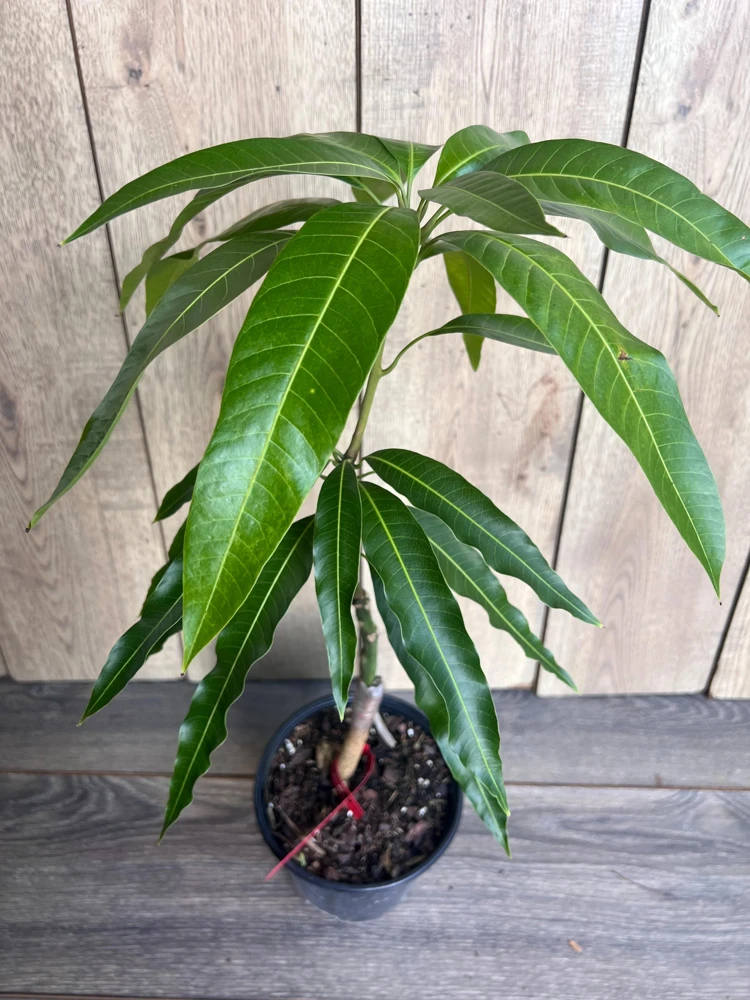
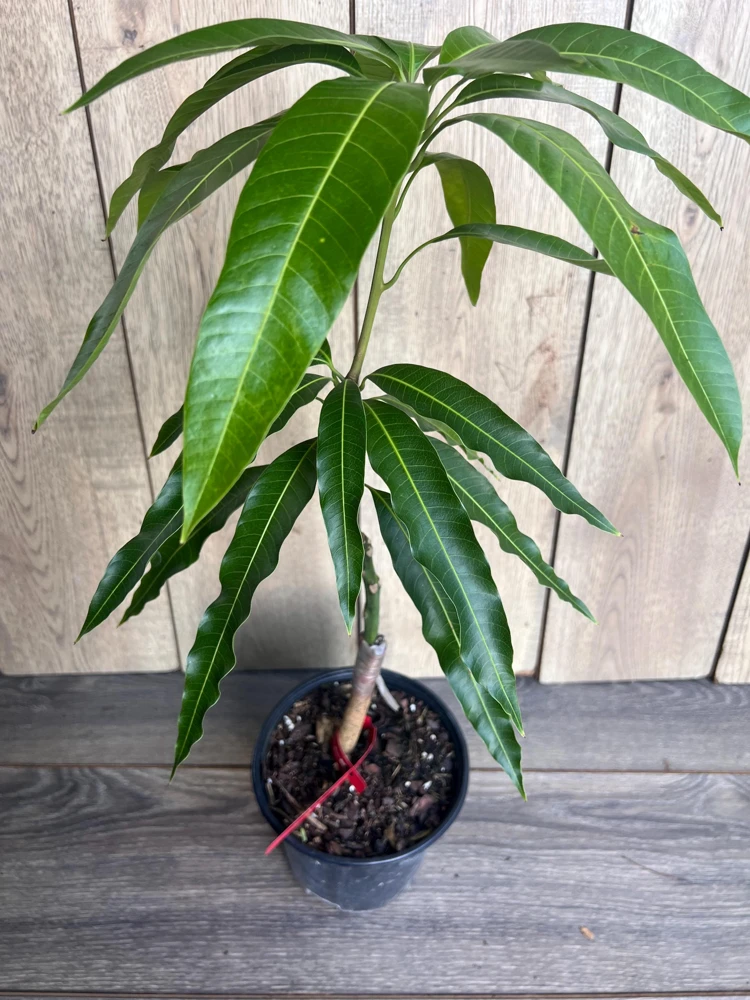
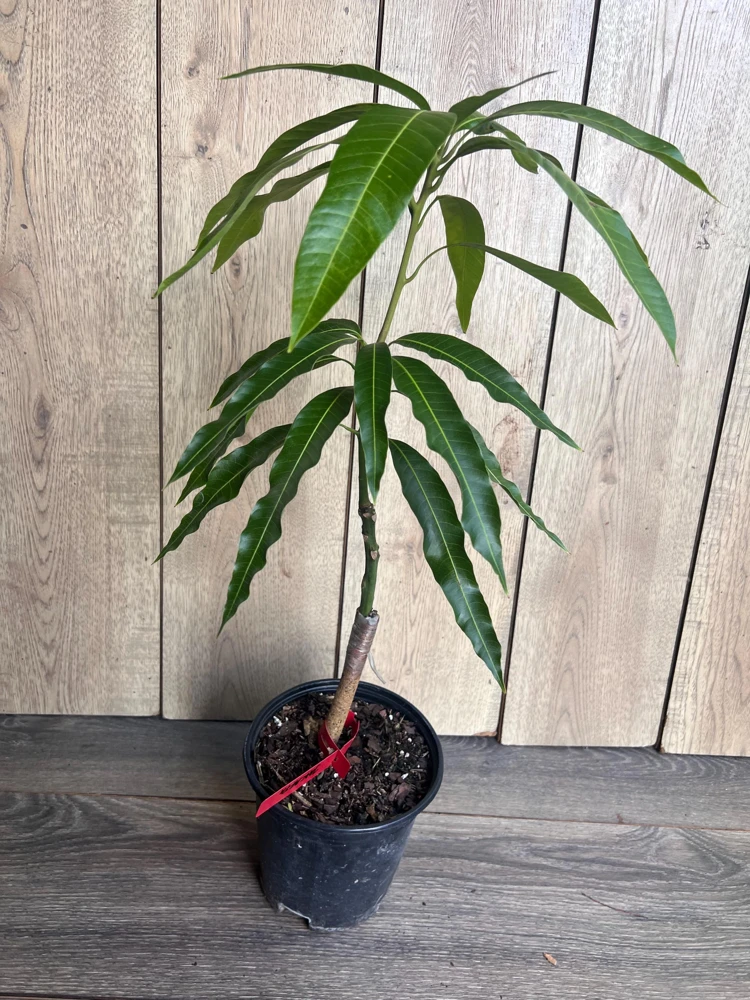
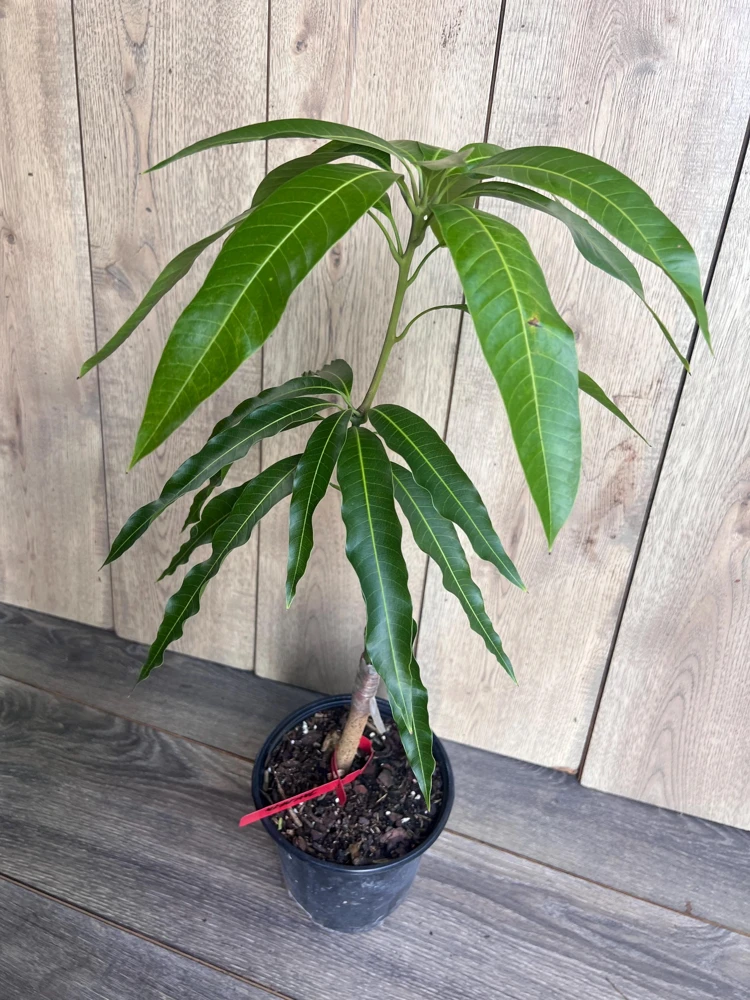
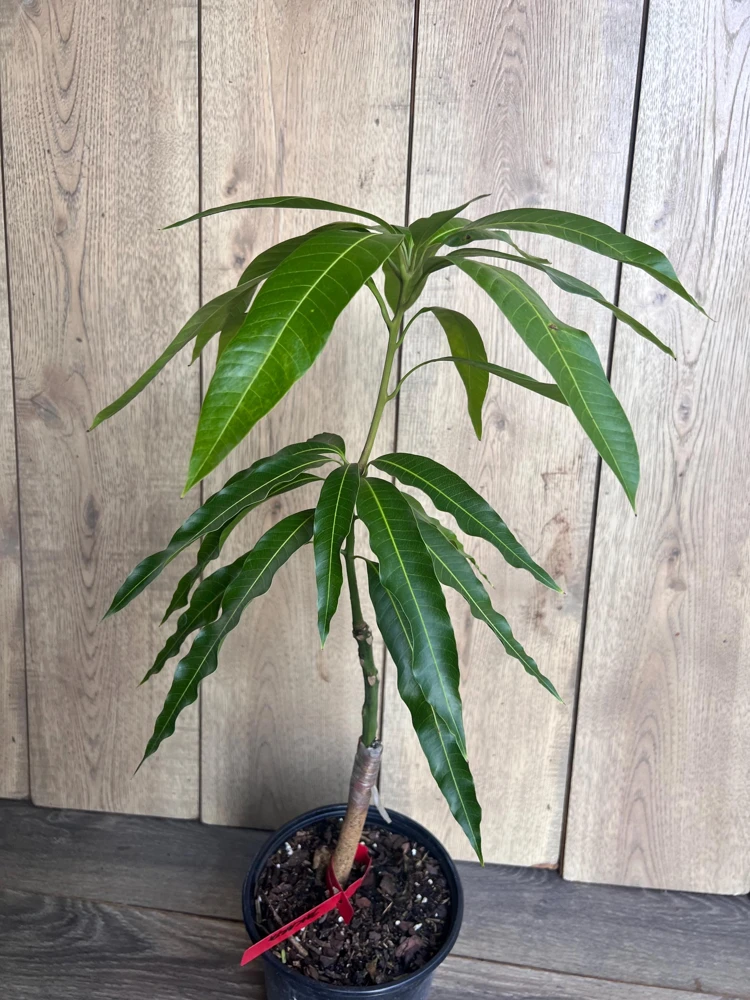
Grafted Jakarta Mango Tree Live Plant – 1/2 Gallon Pot – Tropical Fruit – Cannot ship to CA
Original price was: $145.91.$91.55Current price is: $91.55.
Bring the tropics to your home with a grafted Jakarta mango tree. This vigorous live plant, supplied in a 1/2 gallon pot, is perfect for cultivating your own delicious, medium-sized mangos. Enjoy the lush foliage and the promise of sweet, homegrown fruit.
Shipping and Return policies:
We stand behind our plants with our Alive & Thrive Guarantee. If you experience any issues within the first 30 days, please email us, and our team will be happy to help. When needed, we’ll send you a one-time replacement free of charge to make sure your garden keeps growing strong.

Reasonable Price
We offer reasonable price

Support 24/7
Contact us 24 hrs a day
100% Money Back
You’ve 30 days to Return
Payment Secure
100% secure payment
Overview
Embark on a tropical gardening adventure with the grafted Jakarta mango tree, a magnificent addition to any fruit enthusiast’s collection. This live plant, provided in a convenient 1/2 gallon pot, offers the unique opportunity to cultivate one of nature’s most beloved fruits. The Jakarta mango is renowned for its vigorous, upright growth habit, forming a dense, rounded canopy that can reach impressive heights of 20 to 25 feet with annual pruning. While not ideal for long-term container growth due to its natural vigor, it thrives when planted in the ground in suitable climates. Expect medium-sized mangos, typically weighing between 1 to 1.5 lbs, offering a delightful culinary experience straight from your garden. This tropical fruit tree is a true gem for those seeking to grow their own exotic produce.
The Jakarta mango variety is celebrated for its robust nature and the promise of delicious fruit. Despite its average yield, often influenced by disease pressures like powdery mildew, the quality of its fruit makes it a worthwhile endeavor for dedicated gardeners. Its lush green foliage provides a beautiful aesthetic, making it an attractive ornamental tree even before it bears fruit. With proper care and attention, your grafted Jakarta mango tree will become a focal point of your landscape, providing shade and fresh, sweet mangos for years to come. This plant is a fantastic choice for those looking to expand their edible garden with an exotic touch.
Key Benefits
Cultivating a grafted Jakarta mango tree offers a multitude of rewards for the home gardener:
- Homegrown Tropical Fruit: Enjoy the unparalleled taste of fresh, ripe mangos directly from your own garden. The Jakarta variety produces medium-sized fruits, perfect for snacking, desserts, or culinary creations.
- Vigorous Growth Habit: This mango tree is known for its strong, upright growth, developing a beautiful, densely rounded canopy. It can reach a substantial size, providing excellent shade and a lush, tropical aesthetic to your landscape.
- Grafted for Early Fruiting: Being a grafted plant, this Jakarta mango tree is more likely to bear fruit sooner than a seedling, allowing you to enjoy your harvest within a few years of planting.
- Attractive Ornamental Tree: Even when not fruiting, the Jakarta mango tree’s vibrant green foliage and stately presence make it a stunning addition to any yard or garden, enhancing its overall curb appeal.
- Enhances Biodiversity: Planting fruit trees like the grafted Jakarta mango tree contributes to local biodiversity, attracting pollinators and beneficial insects to your garden ecosystem.
- Satisfaction of Cultivation: There’s immense satisfaction in nurturing a plant from a young stage to a mature, fruit-bearing tree, providing a rewarding gardening experience for enthusiasts of all levels.
- Potential for Disease Resistance: While susceptible to some pressures, proper care can help mitigate common issues, ensuring a healthier and more productive tree. Understanding Jakarta mango plant care is key to success.
Plant Care & Growing Tips
Proper Jakarta mango plant care is essential for a healthy and productive tree. These tropical to subtropical plants thrive in warm temperatures and require abundant sunlight. Choose a location that receives full sun for at least 6-8 hours daily. The soil should be well-drained, ideally a loamy mix with a slightly acidic to neutral pH. If your soil is heavy clay or too sandy, amend it with organic matter like compost to improve drainage and fertility. Protection from strong winds is also crucial, as mango trees have shallow root systems that can be vulnerable.
Watering is vital, especially for young trees. Provide regular watering to establish a strong root system, particularly during dry spells. Once established, mango trees exhibit moderate drought tolerance but still benefit from consistent watering, especially during flowering and fruiting periods. Fertilize your grafted Jakarta mango tree with a balanced fertilizer specifically formulated for fruit trees. Apply fertilizer during the active growing season, typically in spring and summer, following the manufacturer’s instructions to support vigorous growth and fruit production.
Annual pruning helps maintain the tree’s shape, promotes good airflow, and allows sunlight to penetrate the canopy, which is important for fruit development and disease prevention. Prune during the dormant season, usually late winter or early spring, before new growth emerges. Monitor for common pests such as mango scale, aphids, and fruit flies, as well as diseases like anthracnose and powdery mildew. Implement good cultural practices, including proper sanitation and ensuring adequate airflow, to minimize problems. If necessary, use organic or chemical treatments as per label instructions. Thinning excess fruit clusters when they are small can lead to larger, healthier fruits and reduce the risk of branch breakage. Mulch around the base of the tree with wood chips or straw to conserve moisture, regulate soil temperature, suppress weeds, and improve soil structure, keeping the mulch a few inches from the trunk. For those interested in growing Jakarta mango, these tips will prove invaluable.
Size & Details
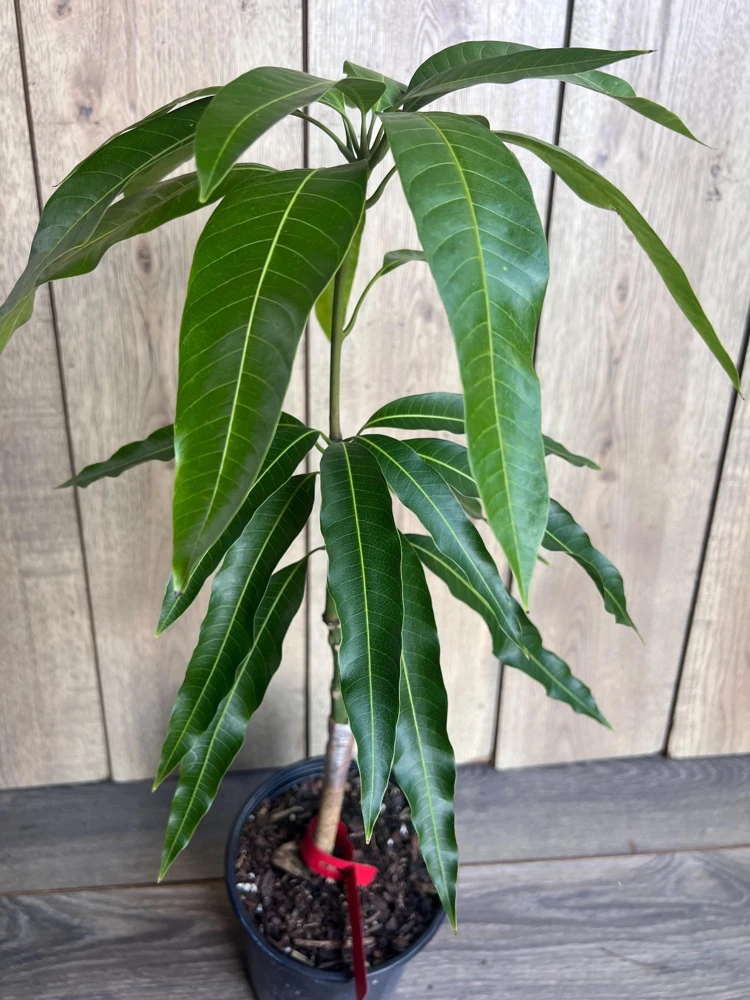
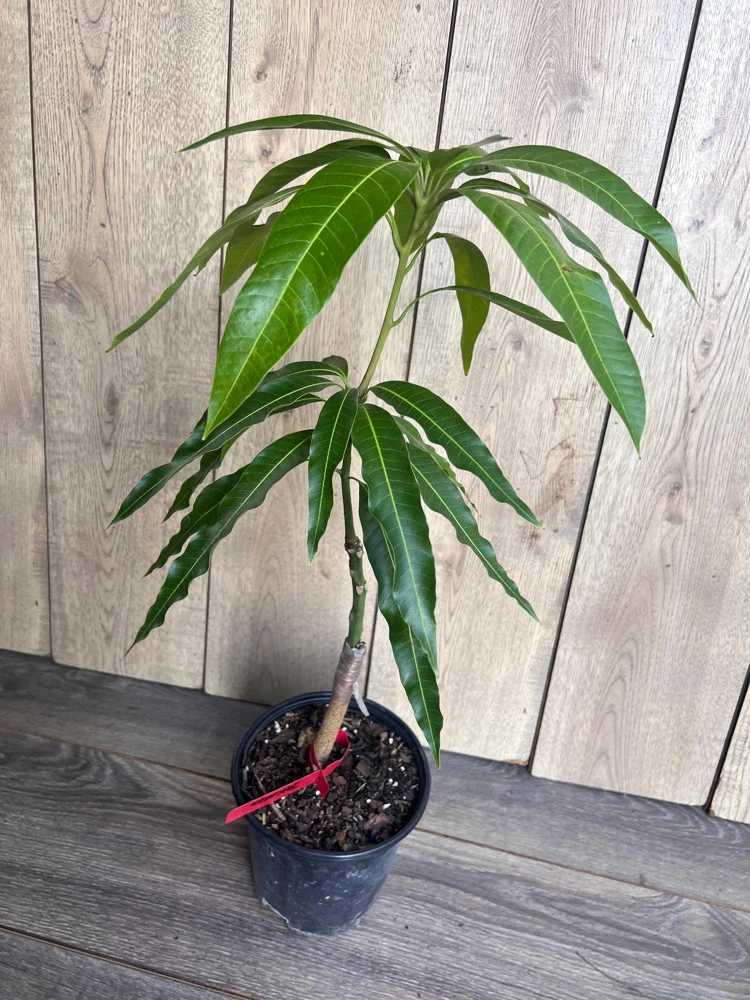
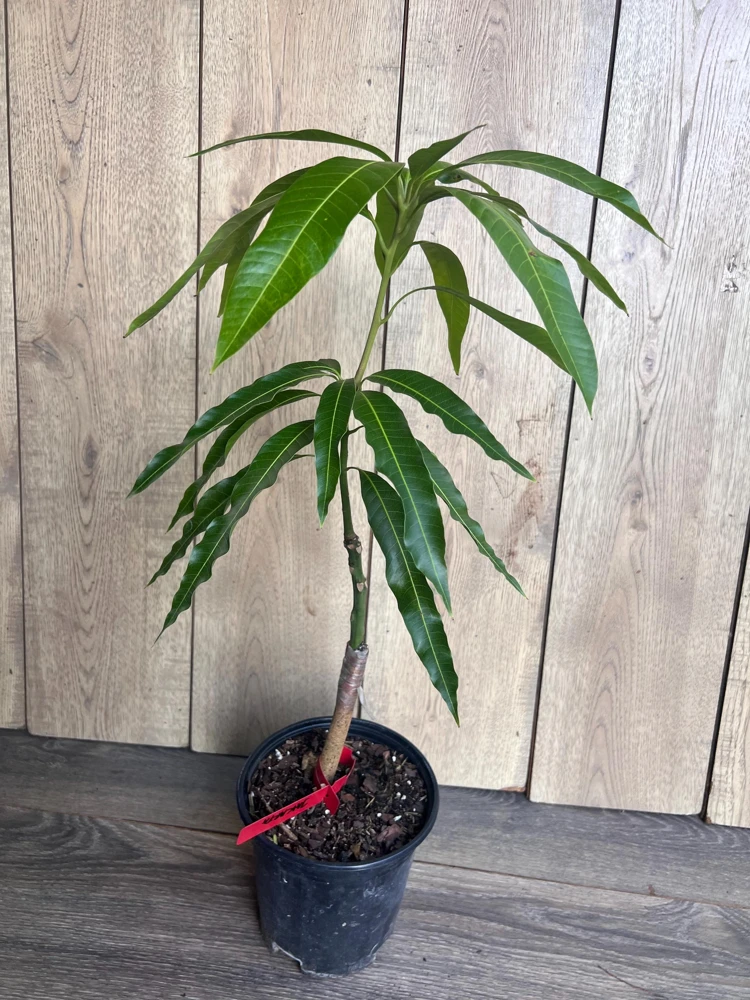
This grafted Jakarta mango tree is provided as a live plant in a 1/2 gallon nursery pot, ready for planting. The grafting process ensures that the tree will exhibit the desirable characteristics of the Jakarta variety and typically begins fruiting sooner than trees grown from seed. While exact initial height may vary, it is a young, healthy specimen poised for robust growth. The Jakarta mango is considered a large-sized mango tree, known for its vigorous and upright growth habit. With annual pruning, it can be maintained at a height of 20 to 25 feet, developing a densely rounded canopy. However, it is not suitable for long-term container growth or as a ‘condo’ mango due to its natural vigor and size potential.
The medium-sized mangos produced by this tree typically weigh between 1 to 1.5 lbs. Fruit production ranges from fair to average, with yields potentially influenced by disease pressures and cross-pollination compatibility. When considering a mango tree for sale, understanding its growth habit and care requirements is crucial. This live plant is carefully packaged to ensure its safe arrival, ready to be transplanted into your garden or a larger pot for a temporary period before permanent placement.
Frequently Asked Questions
- Q: How big does this plant get? A: The grafted Jakarta mango tree is a vigorous grower. With annual pruning, it can be kept between 20 to 25 feet tall, forming a large, rounded canopy. It is not recommended for long-term container growing due to its size.
- Q: What size pot does it come in? A: This live plant is shipped in a 1/2 gallon nursery pot, providing a healthy root system for immediate planting upon arrival.
- Q: Is this an indoor or outdoor plant? A: The Jakarta mango tree thrives in tropical to subtropical outdoor climates. It requires warm temperatures and ample sunlight and is generally not suitable for long-term indoor cultivation due to its size and light requirements.
- Q: How much sunlight does it need? A: This mango tree requires full sun, meaning at least 6-8 hours of direct sunlight per day, to ensure optimal growth and fruit production.
- Q: Is this plant easy to care for? A: While mango trees require specific care regarding watering, fertilization, and pruning, they are a rewarding plant for gardeners in suitable climates. Understanding Jakarta mango plant care is key to success.
- Q: What condition will it arrive in? A: Your mango tree for sale will arrive as a healthy, live plant, carefully packaged to minimize stress during transit. It will be rooted in its 1/2 gallon nursery pot.
- Q: How long until it blooms and fruits? A: As a grafted tree, it typically begins to bear fruit sooner than a seedling, often within 3-5 years of planting, given optimal growing conditions.
- Q: When is the best time to plant a Jakarta mango tree? A: The best time to plant is typically in the spring or early summer, after the last frost, allowing the tree ample time to establish itself before cooler weather.
- Q: Will it survive winter in my zone? A: Jakarta mango trees prefer tropical to subtropical climates and are sensitive to frost. They generally thrive in USDA zones 10-11 or higher. Protection is needed in colder zones.
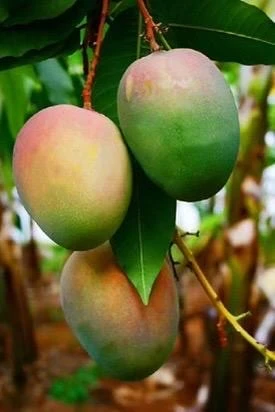
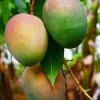
- Q: What are the typical fruit characteristics? A: The Jakarta mango produces medium-sized fruits, typically weighing between 1 to 1.5 lbs, known for their sweet flavor and juicy flesh. This makes growing Jakarta mango a truly delicious endeavor.
Be the first to review “Grafted Jakarta Mango Tree Live Plant – 1/2 Gallon Pot – Tropical Fruit – Cannot ship to CA”
You must be logged in to post a review.
People also Viewed
Sold 50 products
$32.38
Sold 50 products
$27.38
Sold 50 products
$32.38
Sold 50 products
$19.88
Sold 50 products
$62.38
Sold 50 products
$24.88
Houseplants
Phalaenopsis pulcherrima ‘Mauna Kea Snow’ Orchid Live Plant – White Flowers, Potted 2.5 in
Sold 50 products
$49.88
Sold 50 products
$49.88RELATED posts
Awapuhi Wild Ginger Plant: Zones, Care, and Propagation
Learn which USDA zones suit awapuhi wild ginger, plus sunlight, water, planting, propagation, pests, size, [...]
Awapuhi Shampoo Ginger – Care, Growing Zones, and Differences
Learn how to grow awapuhi (shampoo) ginger, its USDA zones, watering schedule, propagation tips, and [...]
Awapuhi Shampoo Plant Buying Guide – Choose the Right Zingiber zerumbet
META: Learn which awapuhi (shampoo ginger) plant or rhizome pack gives the best natural shampoo, [...]
Awapuhi Plant for Sale: Complete Buying Guide
Find the right awapuhi (shampoo ginger) plant, size, price, soil mix, and online source. Practical [...]
Shampoo Ginger Plant for Sale – Buying Guide & Tips
Find the right shampoo ginger plant, size, price, and care tips. Quick guide for U.S. [...]
Shampoo Ginger Plant (Awapuhi) Care Guide
Learn how to grow, care for, and use shampoo ginger (Zingiber zerumbet), the tropical awapuhi [...]
How to Grow Cuban Oregano Plants: A Complete Care Guide
If you’ve ever wanted a plant that combines the culinary punch of traditional oregano with [...]
Aug
How to Grow Habanero Pepper Plants: A Step-by-Step Guide
Habanero pepper plants are prized for their vibrant colors, intense heat, and exceptional flavor, making [...]
Aug
Reviews
There are no reviews yet.