
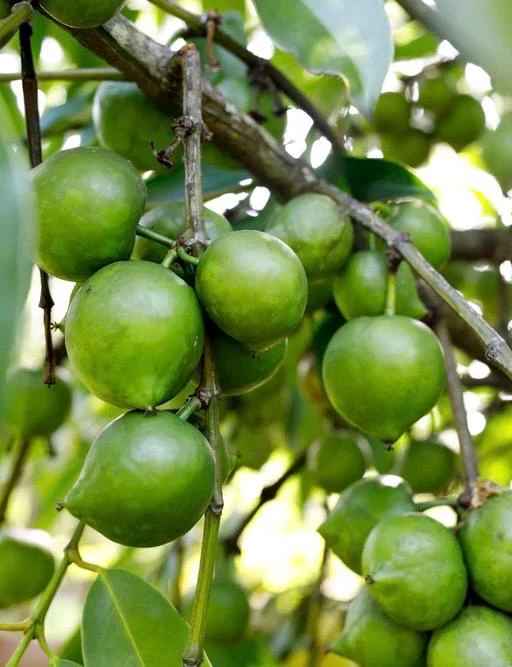
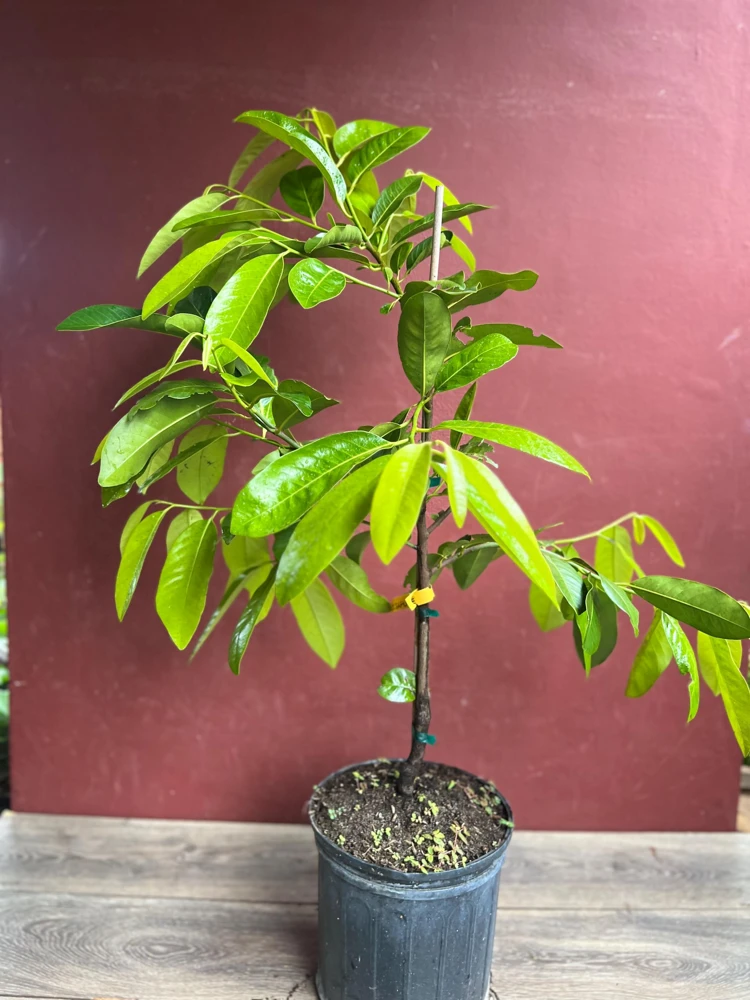
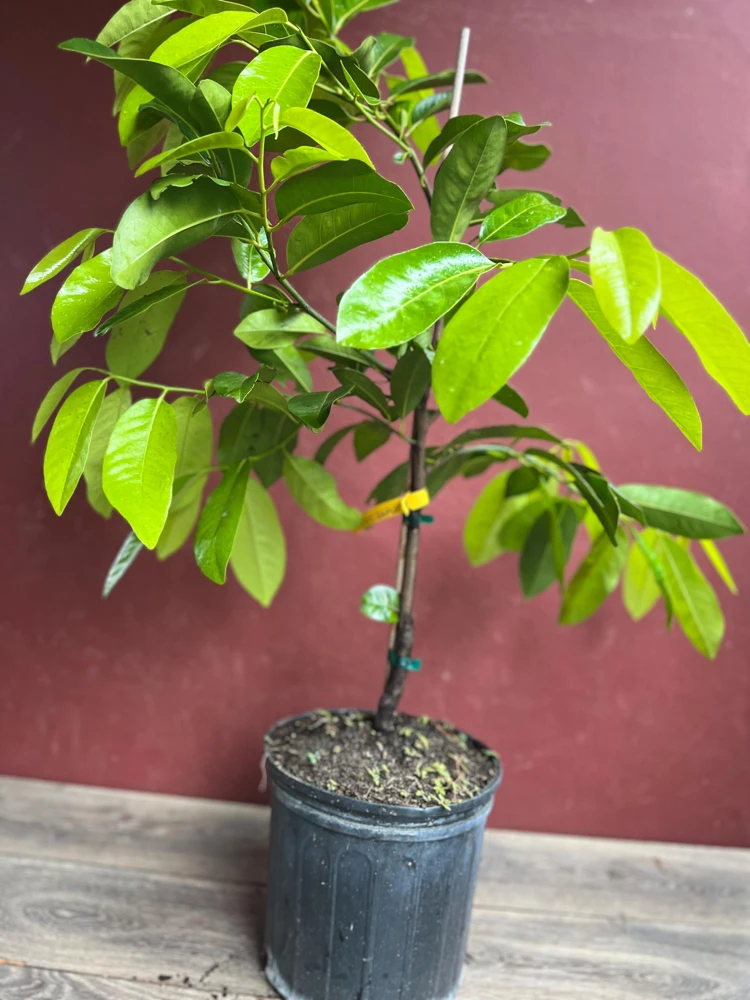
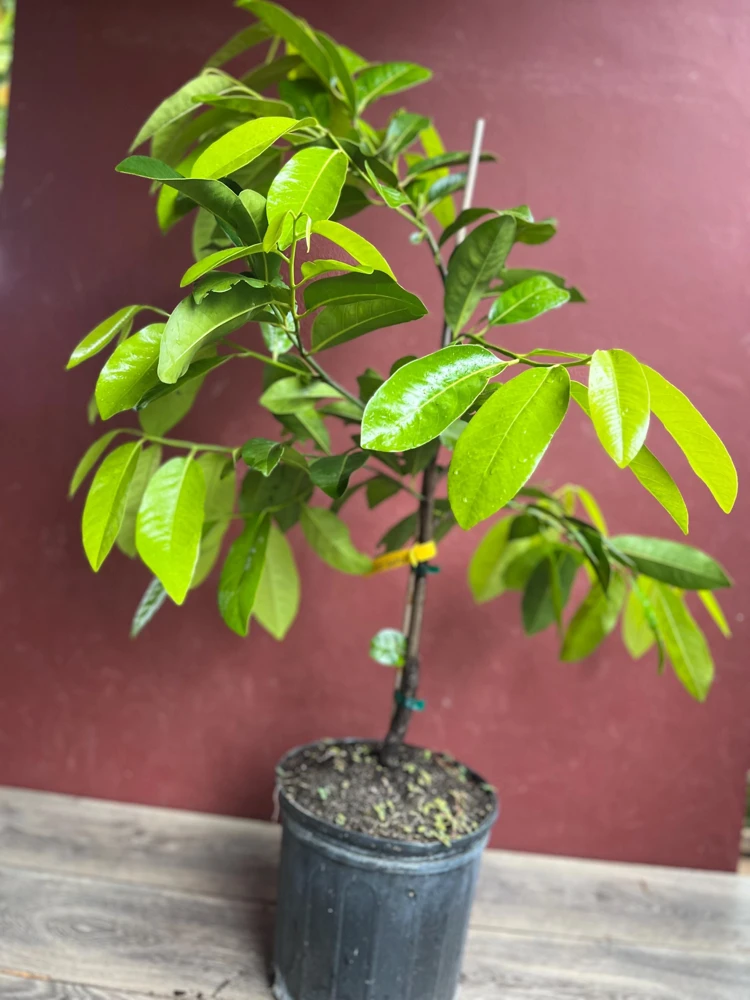
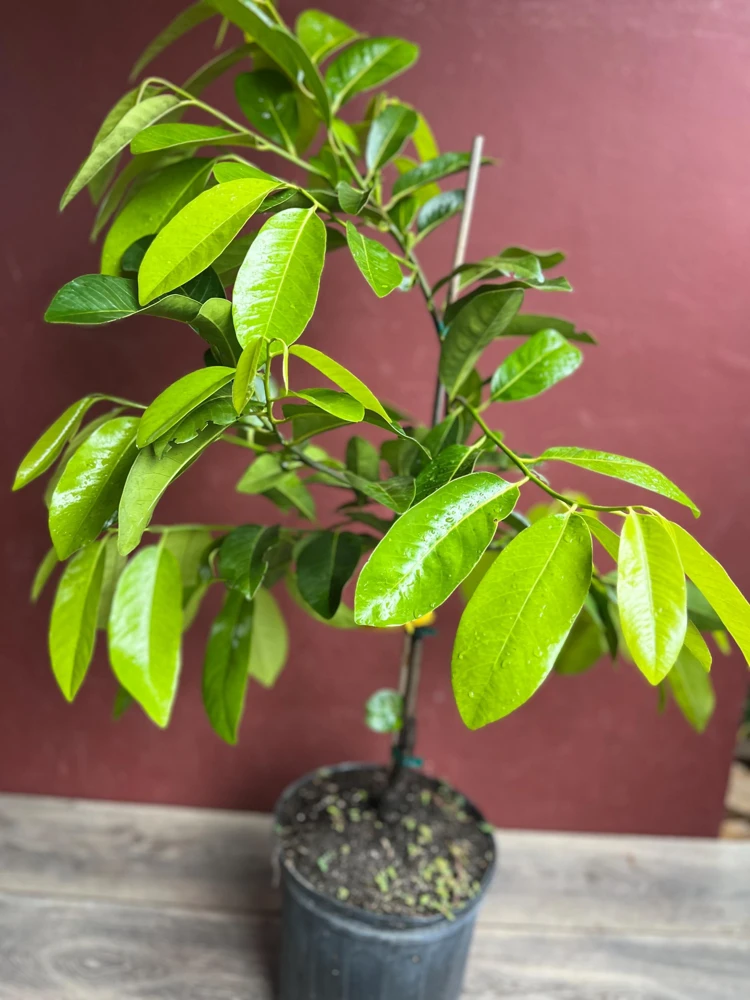
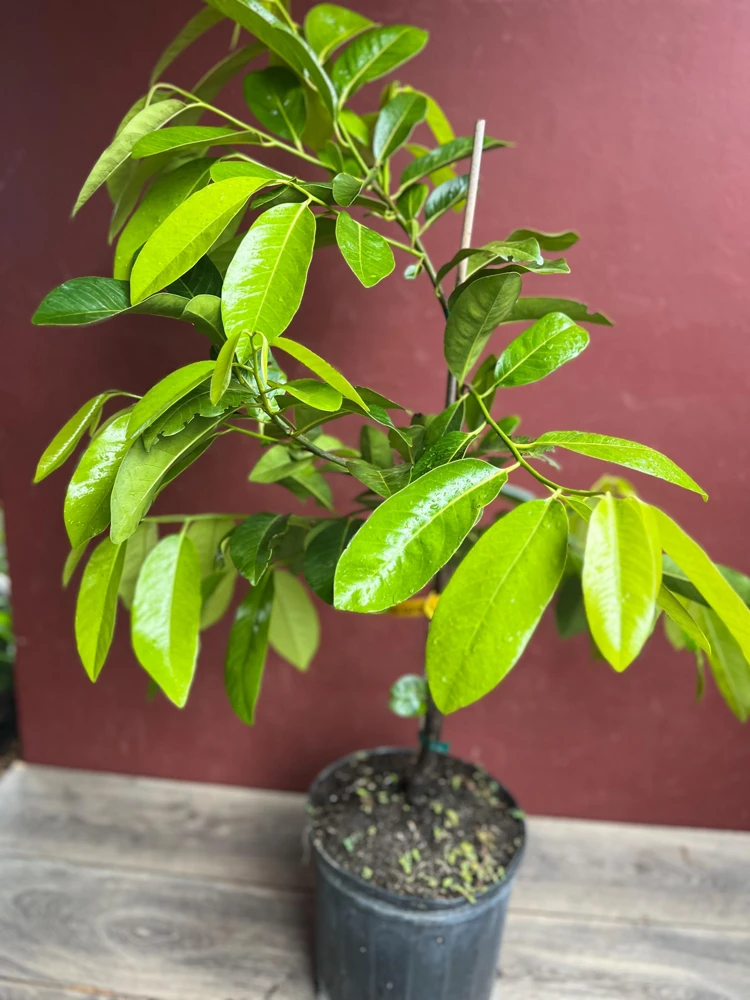
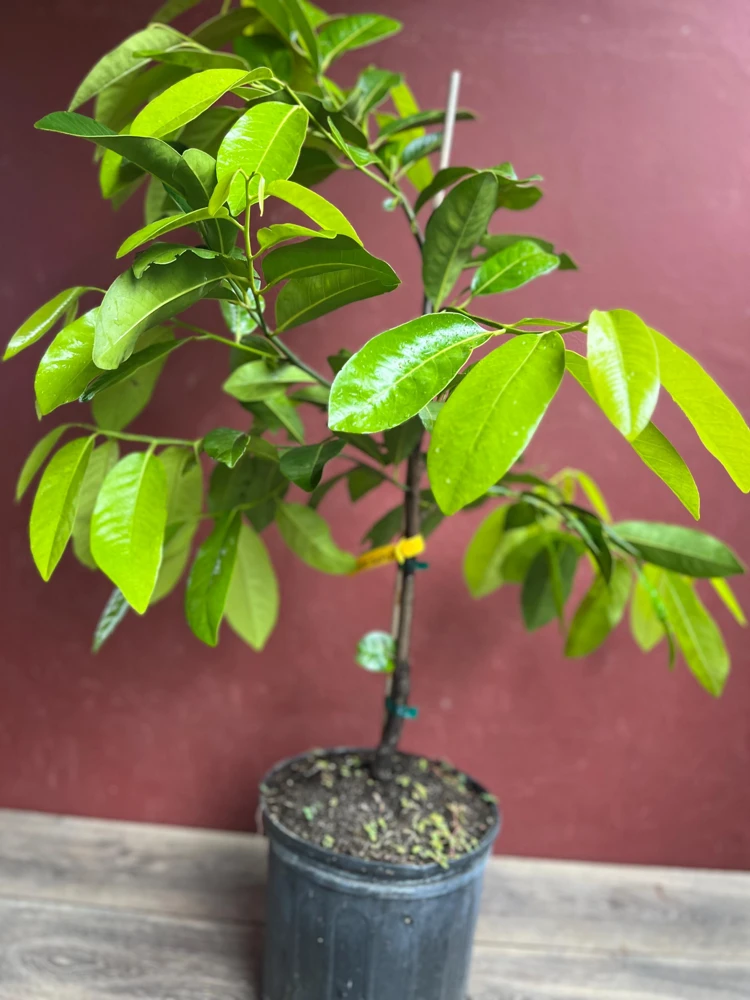
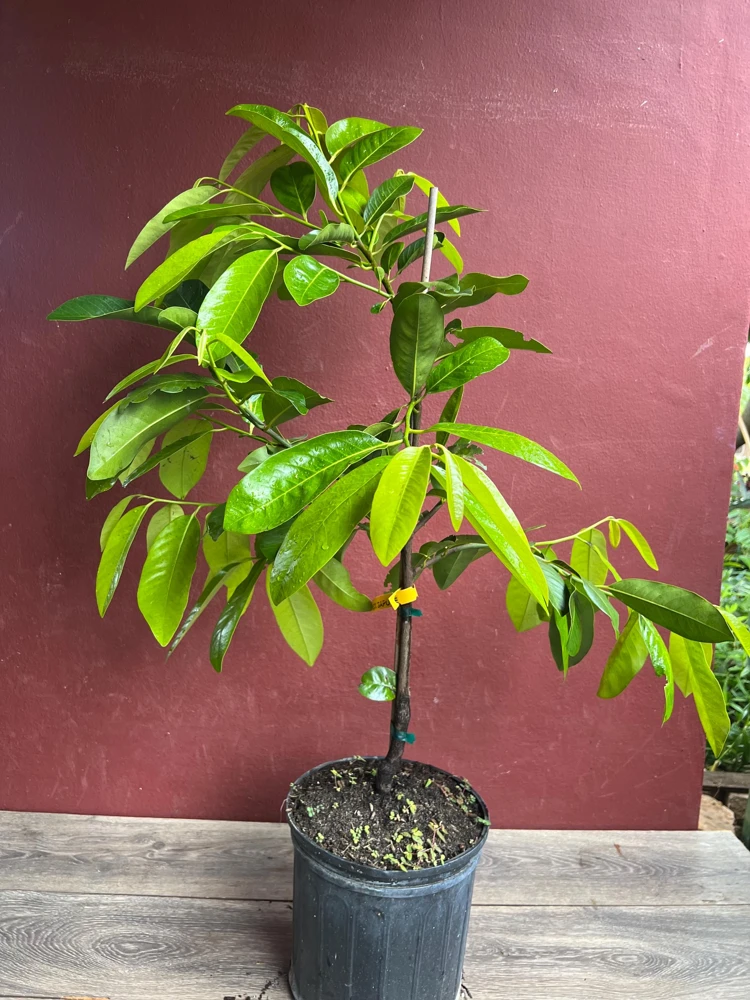
Black Sapote Reineke Live Plant – Grafted “Chocolate Pudding” Fruit Tree, 3 Gallon Pot – Cannot ship to CA
Original price was: $234.29.$143.13Current price is: $143.13.
Cultivate your own exotic treat with a black sapote live plant. This grafted ‘Reineke’ variety, known as the “chocolate pudding fruit tree,” comes in a 3-gallon pot, ready to thrive. Enjoy its unique, creamy, dark-fleshed fruit, perfect for fresh eating or culinary creations. A tropical delight for your garden or patio.
Shipping and Return policies:
We stand behind our plants with our Alive & Thrive Guarantee. If you experience any issues within the first 30 days, please email us, and our team will be happy to help. When needed, we’ll send you a one-time replacement free of charge to make sure your garden keeps growing strong.

Reasonable Price
We offer reasonable price

Support 24/7
Contact us 24 hrs a day
100% Money Back
You’ve 30 days to Return
Payment Secure
100% secure payment
Overview
Bring the taste of the tropics to your home with the black sapote live plant. Often celebrated as the “chocolate pudding fruit,” this unique grafted ‘Reineke’ variety offers a truly exceptional culinary experience. Native to Central and South America, the black sapote (Diospyros nigra) is renowned for its smooth, dark brown to black flesh that boasts a creamy texture and a flavor reminiscent of chocolate pudding. This live plant comes in a substantial 3-gallon pot, providing a well-established start for your fruit-bearing journey. Perfect for avid gardeners and exotic fruit enthusiasts, the black sapote is a fascinating addition that promises delicious rewards. Its striking appearance and delectable fruit make it a conversation starter and a versatile ingredient for a range of sweet dishes.
The ‘Reineke’ cultivar is specifically chosen for its desirable fruit characteristics and grafting ensures earlier fruit production compared to seed-grown trees. As a tropical fruit tree, it thrives in warm, humid environments, making it suitable for USDA Zones 10 and 11. Whether you’re looking to expand your edible landscape or simply enjoy a novel fruit, this black sapote live plant provides the opportunity to grow your own supply of this extraordinary “chocolate pudding” fruit.
Key Benefits
The black sapote live plant offers a multitude of benefits, both for your garden and your palate, making it a highly desirable addition for any plant enthusiast:
- Unique Edible Fruit: Enjoy the singular experience of harvesting your own “chocolate pudding” fruit. Its rich, dark, and creamy flesh is unlike any other, providing a gourmet treat directly from your garden.
- Grafted for Early Fruiting: This plant is grafted, which means it will produce fruit sooner and more reliably than a seedling. You won’t have to wait years to savor its delicious harvest.
- Versatile Culinary Ingredient: The fruit’s mild sweetness and velvety consistency make it an excellent ingredient for desserts, smoothies, puddings, and even savory dishes, adding an exotic twist to your recipes.
- Attractive Tropical Foliage: Beyond its fruit, the chocolate pudding fruit tree features lush, glossy green leaves, adding a vibrant, tropical aesthetic to your landscape or container garden.
- Self-Pollinating: While having multiple trees can enhance yield, the black sapote live plant is self-pollinating, meaning a single tree can produce fruit on its own.
- Good Source of Nutrients: Black sapote fruit is not only delicious but also provides vitamins and minerals, contributing to a healthy diet.
- Conversation Starter: The intriguing name and unique flavor of the “chocolate pudding fruit” are sure to captivate guests and spark interesting conversations.
Plant Care & Growing Tips
Proper black sapote care is essential to ensure a healthy and productive tree. This tropical fruit tree thrives in conditions that mimic its native environment. It prefers a location with full sun to light shade, ideally receiving at least 6-8 hours of direct sunlight daily to encourage robust growth and abundant fruiting. While tolerant of some shade, ample sun is key for optimal fruit development. Consistent watering is crucial, especially during the growing season; keep the soil consistently moist but never waterlogged. Ensure excellent drainage, as wet feet can be detrimental to the root system. A good way to check soil moisture is to feel the top inch or two of soil – if it feels dry, it’s time to water.
For soil, plant your black sapote live plant in well-draining, fertile soil enriched with plenty of organic matter, such as compost or well-rotted manure. These trees are highly tolerant of humidity and flourish in tropical and subtropical climates, making them perfect for USDA Zones 10 and 11. They are not frost-tolerant, so protection from cold temperatures is vital; consider bringing container-grown plants indoors during winter if you live in a cooler zone. Fertilize with a balanced, slow-release fertilizer formulated for fruit trees. Apply in early spring as new growth begins and again in late summer. Regular pruning helps maintain a healthy structure, promotes air circulation, and encourages fruit production. Remove any dead, diseased, or crossing branches to shape the canopy. While self-pollinating, encouraging local pollinators like bees can significantly improve your fruit yield from your grafted black sapote.
Size & Details
This black sapote live plant is a grafted specimen, ensuring genetic fidelity and earlier fruit production. It arrives in a robust 3-gallon nursery pot, providing a strong root system and a significant head start for growth. At the time of shipment, the plant typically stands approximately 2-3 feet tall, though exact dimensions may vary based on growth and seasonal pruning. Black sapote trees can eventually reach heights of 20-30 feet in ideal conditions, but can be maintained at a more manageable size through regular pruning, especially when grown in containers. The fruit typically matures in late fall to winter, with harvesting occurring when the green skin darkens and the fruit softens slightly. Expect a moderate growth rate, allowing you to enjoy the progression of your chocolate pudding fruit tree as it establishes itself and begins to bear fruit.
Frequently Asked Questions
- Q: How big does this black sapote live plant get? A: In ideal outdoor conditions, a black sapote tree can grow to 20-30 feet tall. However, when grown in a container or with regular pruning, its size can be managed to suit your space, often remaining much smaller, around 8-15 feet.
- Q: What size pot does it come in? A: This grafted black sapote comes in a 3-gallon nursery pot, providing a substantial root ball for a healthy start. You may wish to repot it into a larger container after some time, or plant it directly in the ground.
- Q: How much sunlight does the black sapote tree need? A: The chocolate pudding fruit tree thrives in full sun to light shade, requiring at least 6-8 hours of direct sunlight daily for optimal growth and fruit production. More sun generally means more fruit.
- Q: Is this plant easy to care for? A: While it is a tropical plant with specific needs for warmth and humidity, black sapote care is manageable for dedicated gardeners. Consistent watering, good drainage, and frost protection are the main considerations.
- Q: What condition will the black sapote live plant arrive in? A: Your plant will be carefully packaged and shipped in its 3-gallon nursery pot, ensuring it arrives healthy and ready for planting. We take great care to minimize stress during transit.
- Q: Can I grow the black sapote indoors? A: Yes, in cooler climates (below USDA Zone 10), the black sapote live plant can be grown in a large container and brought indoors during colder months, provided it receives ample light.
- Q: When is the best time to plant a black sapote? A: The best time to plant is typically in the spring or early summer, once the danger of frost has passed and temperatures are consistently warm, allowing the tree to establish itself before cooler weather.
- Q: What USDA Zones is this black sapote suitable for? A: The diospyros nigra (black sapote) is suitable for USDA Hardiness Zones 10 and 11, where it can be grown outdoors year-round. It is sensitive to frost.
- Q: How long until this grafted black sapote produces fruit? A: Since this is a grafted plant, it will produce fruit much faster than a seedling. You can often expect fruit production within 2-3 years after planting, given proper care and ideal growing conditions.
- Q: Is the black sapote fruit really like chocolate pudding? A: Yes, when fully ripe, the flesh of the black sapote live plant fruit turns dark brown to black, with a creamy texture and a mild, sweet flavor that many describe as reminiscent of chocolate pudding or custard.
Be the first to review “Black Sapote Reineke Live Plant – Grafted “Chocolate Pudding” Fruit Tree, 3 Gallon Pot – Cannot ship to CA”
You must be logged in to post a review.
People also Viewed
Sold 50 products
$32.38
Sold 50 products
$27.38
Sold 50 products
$32.38
Sold 50 products
$19.88
Sold 50 products
$62.38
Sold 50 products
$24.88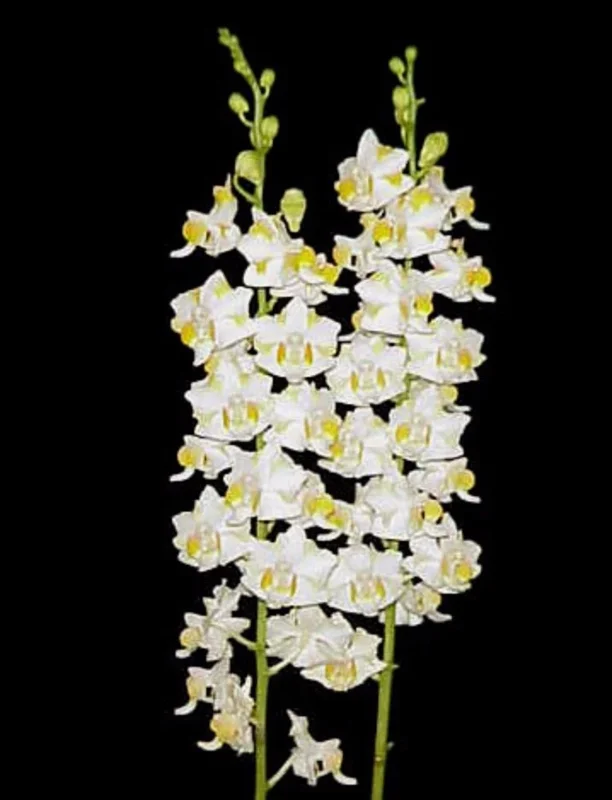
Houseplants
Phalaenopsis pulcherrima ‘Mauna Kea Snow’ Orchid Live Plant – White Flowers, Potted 2.5 in
Sold 50 products
$49.88
Sold 50 products
$49.88RELATED posts
Awapuhi Wild Ginger Plant: Zones, Care, and Propagation
Learn which USDA zones suit awapuhi wild ginger, plus sunlight, water, planting, propagation, pests, size, [...]
Awapuhi Shampoo Ginger – Care, Growing Zones, and Differences
Learn how to grow awapuhi (shampoo) ginger, its USDA zones, watering schedule, propagation tips, and [...]
Awapuhi Shampoo Plant Buying Guide – Choose the Right Zingiber zerumbet
META: Learn which awapuhi (shampoo ginger) plant or rhizome pack gives the best natural shampoo, [...]
Awapuhi Plant for Sale: Complete Buying Guide
Find the right awapuhi (shampoo ginger) plant, size, price, soil mix, and online source. Practical [...]
Shampoo Ginger Plant for Sale – Buying Guide & Tips
Find the right shampoo ginger plant, size, price, and care tips. Quick guide for U.S. [...]
Shampoo Ginger Plant (Awapuhi) Care Guide
Learn how to grow, care for, and use shampoo ginger (Zingiber zerumbet), the tropical awapuhi [...]
How to Grow Cuban Oregano Plants: A Complete Care Guide
If you’ve ever wanted a plant that combines the culinary punch of traditional oregano with [...]
Aug
How to Grow Habanero Pepper Plants: A Step-by-Step Guide
Habanero pepper plants are prized for their vibrant colors, intense heat, and exceptional flavor, making [...]
Aug

Reviews
There are no reviews yet.