
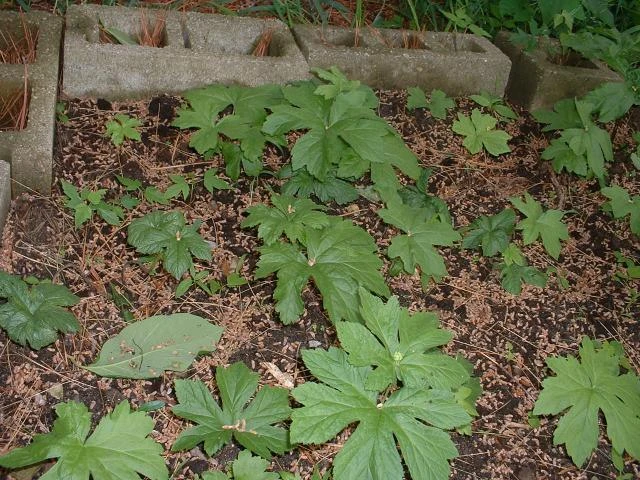
Golden Seal Roots – 10 Hydrastis Canadensis Bare Root Plants
Original price was: $39.00.$23.00Current price is: $23.00.
Cultivate your own medicinal garden with these 10 golden seal roots (Hydrastis Canadensis). These bare roots are ideal for planting in woodland gardens or shaded areas, known for their traditional uses and natural beauty. Grow your own source of this valuable herb.
Shipping and Return policies:
We stand behind our plants with our Alive & Thrive Guarantee. If you experience any issues within the first 30 days, please email us, and our team will be happy to help. When needed, we’ll send you a one-time replacement free of charge to make sure your garden keeps growing strong.

Reasonable Price
We offer reasonable price

Support 24/7
Contact us 24 hrs a day
100% Money Back
You’ve 30 days to Return
Payment Secure
100% secure payment
Overview
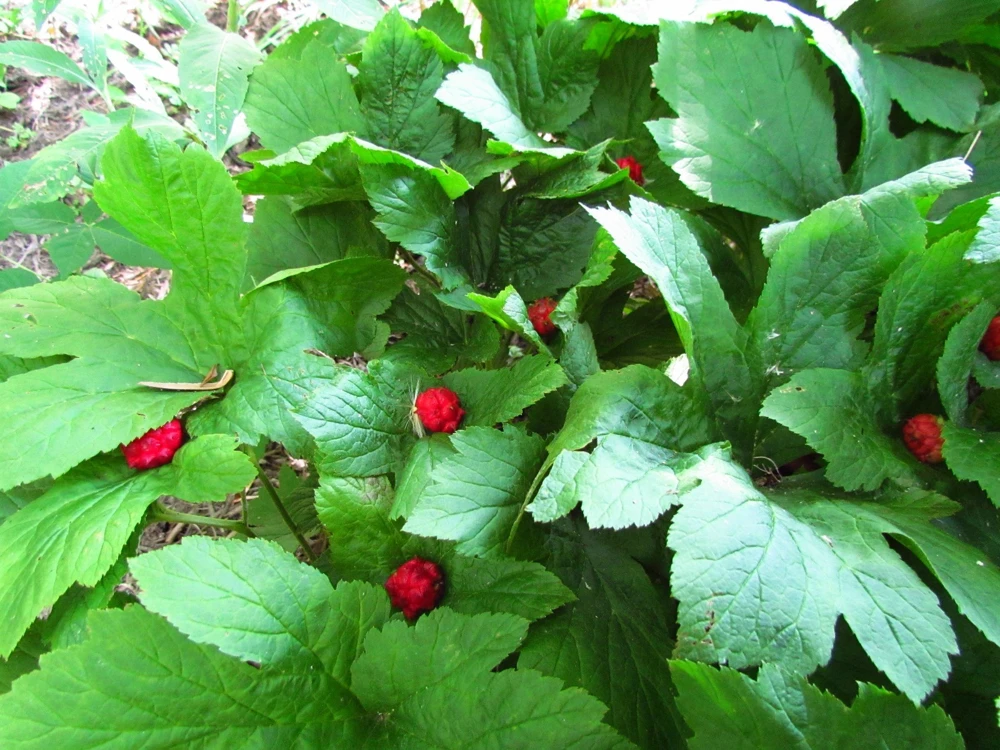
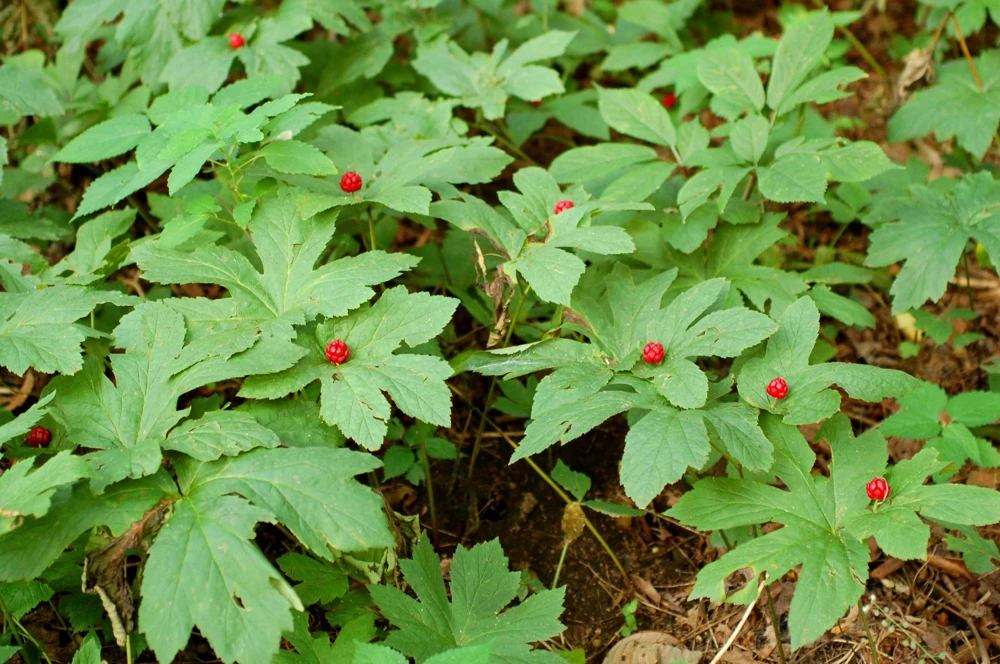
Cultivate your own natural remedies with these premium golden seal roots. This offering includes 10 golden seal roots of the botanical species Hydrastis Canadensis, provided as bare root plants ready for immediate planting. Golden Seal, also commonly known as Orangeroot or Yellow Root, is a highly valued perennial herb native to the eastern North American woodlands. Renowned for its distinctive yellow rhizomes, this plant has a long history of traditional use in herbal practices. These bare roots offer an excellent opportunity to establish this beneficial plant in your garden, contributing to both its natural beauty and your herbal collection. Perfect for shaded, moist environments, these roots will grow into mature plants that produce unique, single white flowers in spring, followed by raspberry-like fruit.
Our Hydrastis canadensis bare roots are carefully harvested and prepared to ensure viability and successful establishment in your garden. Whether you are an experienced herbalist or a home gardener looking to expand your plant collection with native species, Golden Seal is a rewarding addition. It thrives in conditions that mimic its natural woodland habitat, making it an excellent choice for shady borders, forest gardens, or under deciduous trees. Establishing these roots will not only provide you with a source of this esteemed herb but also enhance the biodiversity of your garden space.
Key Benefits
Adding golden seal roots to your garden offers a variety of benefits, from supporting local ecosystems to providing a source of a traditionally valued herb. These plants are a significant addition for anyone interested in native flora and sustainable gardening.
- Traditional Herbal Value: Golden Seal is widely recognized for its historical use in various traditional practices, primarily due to the alkaloids present in its roots. Growing your own allows for a fresh, accessible supply of this significant herb.
- Native Woodland Plant: As a native species to North America, Hydrastis canadensis is perfectly adapted to woodland environments. Planting it supports local ecosystems and provides habitat for beneficial insects.
- Shade Garden Enhancement: Ideal for those challenging shaded areas where many plants struggle. Golden Seal thrives in dappled light, bringing life and interest to the darker corners of your garden.
- Unique Appearance: The plant features attractive palmate leaves and produces small, unique white flowers in spring, followed by bright red, inedible berries, adding visual interest to your landscape.
- Long-Term Investment: Once established, these perennial bare root plants will return year after year, providing a continuous supply of roots for harvest and enjoyment.
- Low Maintenance Once Established: After the initial planting and establishment phase, Golden Seal requires minimal care, making it a rewarding plant for both novice and experienced gardeners.
- Supports Biodiversity: By integrating native plants like Golden Seal, you contribute to the overall health and biodiversity of your garden, attracting pollinators and other beneficial wildlife.
Plant Care & Growing Tips
Successfully growing golden seal roots requires understanding their natural habitat and replicating those conditions as closely as possible. These woodland natives prefer specific environments to thrive, ensuring a healthy and productive plant.
Sunlight Requirements: Golden Seal prefers partial to full shade. In its natural habitat, it grows on the forest floor, receiving dappled sunlight through the tree canopy. Avoid direct, intense afternoon sun, which can scorch its leaves. An ideal location would be under deciduous trees or on the north side of a building where it receives morning sun and afternoon shade.
Watering Schedule and Soil Moisture: Consistent moisture is crucial for Golden Seal. The soil should be kept consistently damp but not waterlogged. Water regularly, especially during dry spells, ensuring the roots do not dry out. A layer of mulch can help retain soil moisture and regulate soil temperature. These bare root plants are sensitive to drought, so monitoring soil moisture is key.
Soil Type and Drainage: A rich, well-draining, and slightly acidic to neutral soil (pH 6.0-7.0) is best. Mimic forest floor conditions by incorporating plenty of organic matter such as compost, leaf mold, or peat moss into the planting area. Good drainage is essential to prevent root rot, especially during wetter periods. Heavy clay soils should be amended to improve their structure.
Temperature Range and USDA Hardiness Zone: Golden Seal is hardy in USDA zones 3-8. It prefers cool, temperate climates and can tolerate cold winters. It needs a period of dormancy in colder temperatures. Protect young plants from late spring frosts. The ideal growing temperature range is typically between 50°F and 70°F (10°C and 21°C).
Fertilization Schedule and Type: Golden Seal generally does not require heavy fertilization if planted in rich, organic soil. An annual top-dressing of compost or well-rotted manure in spring is usually sufficient to provide necessary nutrients. Avoid high-nitrogen fertilizers, which can promote leafy growth at the expense of root development. For best results with your medicinal herbs, focus on soil health.
Common Problems and Solutions: The most common issues for Golden Seal are related to improper growing conditions. Yellowing leaves can indicate too much sun or nutrient deficiency. Root rot is a risk in poorly drained soils. Pests are generally not a major problem, but occasional slug or snail damage can occur; use organic slug baits if needed. Ensure proper air circulation to prevent fungal diseases, especially in humid conditions.
Size & Details
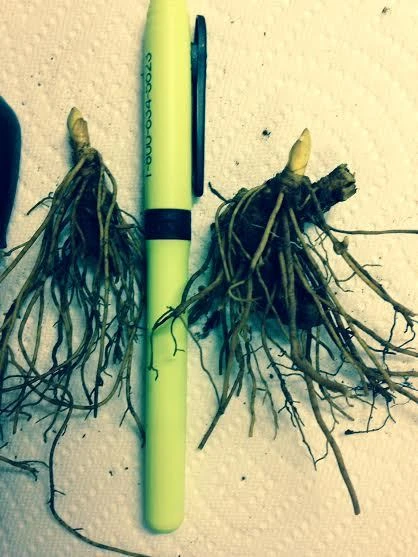
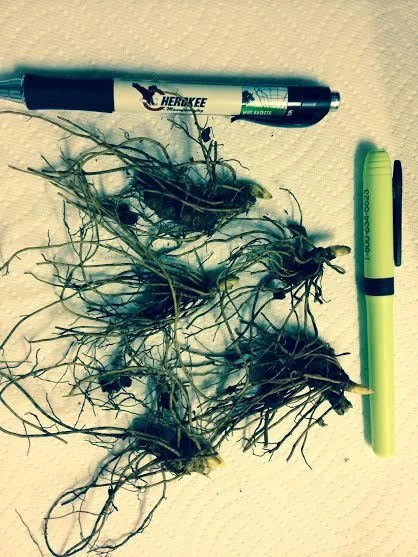
This offering includes 10 golden seal roots, provided as dormant bare root plants. Each root typically measures approximately 2-4 inches in length, ready for planting upon arrival. When mature, Golden Seal plants typically reach a height of 1-2 feet (30-60 cm) and spread about 1 foot (30 cm) wide. The growth rate is moderate, with plants generally establishing well in their first year and beginning to produce flowers and fruit in their second or third year. These bare root plants are shipped without soil or foliage, ensuring they are in their dormant state for optimal transplanting success. Expect vibrant green foliage in spring, followed by unique white flowers, and then bright red berries in late summer. Full maturity for root harvesting is typically reached after 3-5 years, providing a sustainable source of medicinal herbs.
Frequently Asked Questions
- Q: How big do these golden seal roots get? A: Each of the 10 golden seal roots provided is typically 2-4 inches long. Once planted, the mature plants will reach a height of 1-2 feet and spread about 1 foot wide.
- Q: Is this an indoor or outdoor plant? A: Golden Seal (Hydrastis canadensis) is primarily an outdoor woodland plant. It thrives in shaded garden areas that mimic its natural forest habitat.
- Q: How much sunlight does it need? A: These woodland plants prefer partial to full shade. Avoid direct afternoon sun, which can harm the foliage. Dappled sunlight or morning sun is ideal.
- Q: Is this plant easy to care for? A: Once established, Golden Seal is relatively low maintenance, especially if its preferred growing conditions (shade, moist, rich soil) are met. Initial care involves ensuring consistent moisture.
- Q: What condition will the bare root plants arrive in? A: The bare root plants will arrive dormant, without soil or foliage, carefully packaged to ensure their health and readiness for planting.
- Q: When is the best time to plant golden seal roots? A: The best time to plant golden seal roots is typically in early spring or fall when the soil is workable and temperatures are moderate.
- Q: Will it survive winter in my zone? A: Yes, Golden Seal is hardy in USDA zones 3-8, meaning it can withstand cold winter temperatures and will go dormant, returning in spring.
- Q: What kind of soil is best for golden seal? A: A rich, well-draining, slightly acidic to neutral soil with plenty of organic matter is ideal for growing Hydrastis canadensis.
- Q: Can I harvest the roots in the first year? A: It is generally recommended to wait 3-5 years before harvesting the roots to allow the plant to fully mature and establish, ensuring sustainable growth.
- Q: Are the berries on Golden Seal edible? A: No, the bright red berries produced by Golden Seal are not edible and should not be consumed.
Be the first to review “Golden Seal Roots – 10 Hydrastis Canadensis Bare Root Plants”
You must be logged in to post a review.
People also Viewed
Sold 50 products
$32.38
Sold 50 products
$27.38
Sold 50 products
$32.38
Sold 50 products
$19.88
Sold 50 products
$62.38
Sold 50 products
$24.88
Houseplants
Phalaenopsis pulcherrima ‘Mauna Kea Snow’ Orchid Live Plant – White Flowers, Potted 2.5 in
Sold 50 products
$49.88
Sold 50 products
$49.88RELATED posts
Awapuhi Wild Ginger Plant: Zones, Care, and Propagation
Learn which USDA zones suit awapuhi wild ginger, plus sunlight, water, planting, propagation, pests, size, [...]
Awapuhi Shampoo Ginger – Care, Growing Zones, and Differences
Learn how to grow awapuhi (shampoo) ginger, its USDA zones, watering schedule, propagation tips, and [...]
Awapuhi Shampoo Plant Buying Guide – Choose the Right Zingiber zerumbet
META: Learn which awapuhi (shampoo ginger) plant or rhizome pack gives the best natural shampoo, [...]
Awapuhi Plant for Sale: Complete Buying Guide
Find the right awapuhi (shampoo ginger) plant, size, price, soil mix, and online source. Practical [...]
Shampoo Ginger Plant for Sale – Buying Guide & Tips
Find the right shampoo ginger plant, size, price, and care tips. Quick guide for U.S. [...]
Shampoo Ginger Plant (Awapuhi) Care Guide
Learn how to grow, care for, and use shampoo ginger (Zingiber zerumbet), the tropical awapuhi [...]
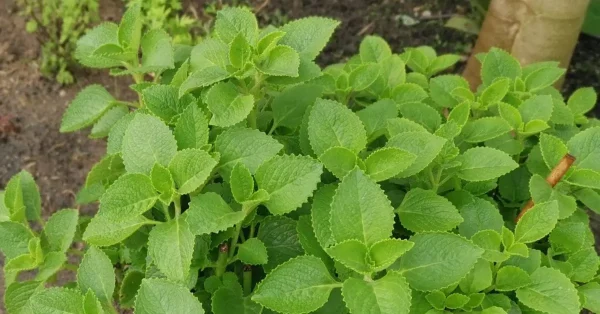
How to Grow Cuban Oregano Plants: A Complete Care Guide
If you’ve ever wanted a plant that combines the culinary punch of traditional oregano with [...]
Aug
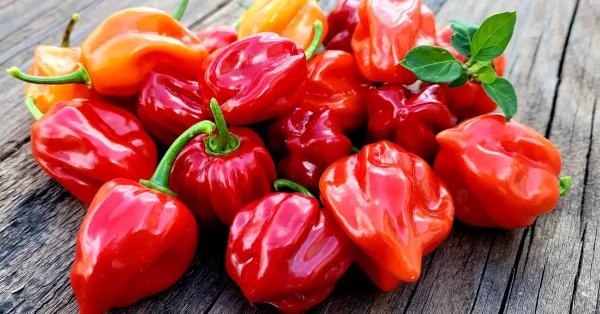
How to Grow Habanero Pepper Plants: A Step-by-Step Guide
Habanero pepper plants are prized for their vibrant colors, intense heat, and exceptional flavor, making [...]
Aug
Reviews
There are no reviews yet.