
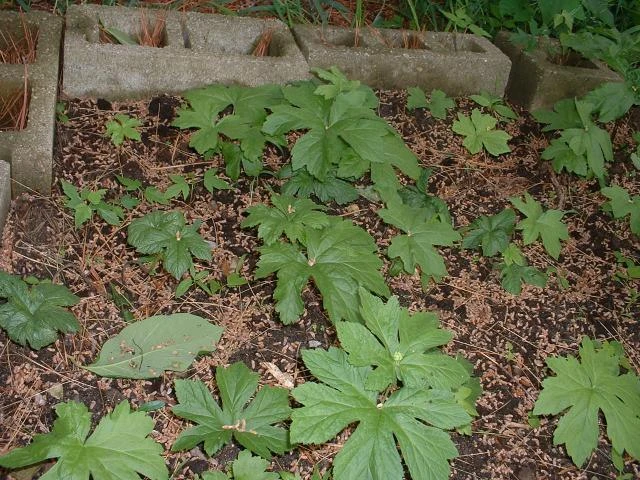
Golden Seal Bare Roots – Hydrastis canadensis – 20 Count
Original price was: $59.70.$43.70Current price is: $43.70.
Cultivate your own supply of golden seal bare roots (Hydrastis canadensis). This package contains 20 roots, perfect for establishing a new patch of this valuable perennial herb in your shade garden. Known for its historical uses, golden seal plant is a unique addition to any herbal collection.
Shipping and Return policies:
We stand behind our plants with our Alive & Thrive Guarantee. If you experience any issues within the first 30 days, please email us, and our team will be happy to help. When needed, we’ll send you a one-time replacement free of charge to make sure your garden keeps growing strong.

Reasonable Price
We offer reasonable price

Support 24/7
Contact us 24 hrs a day
100% Money Back
You’ve 30 days to Return
Payment Secure
100% secure payment
Overview
Cultivate the esteemed golden seal bare roots (Hydrastis canadensis) in your own garden. This offering provides 20 roots, ready for planting, allowing you to establish a thriving patch of this fascinating perennial herb. Golden Seal, also commonly known as Orangeroot or Yellow Puccoon, is a native North American woodland plant cherished for its vibrant yellow rhizomes and lush, palmate leaves. It typically grows to about 1 foot in height, forming attractive clumps that add a touch of natural beauty to shaded areas. Establishing hydrastis canadensis from bare roots is a rewarding process, offering a connection to traditional herbal practices and sustainable gardening. These roots are carefully harvested and prepared to ensure optimal viability upon arrival, giving you the best start for your new plants.
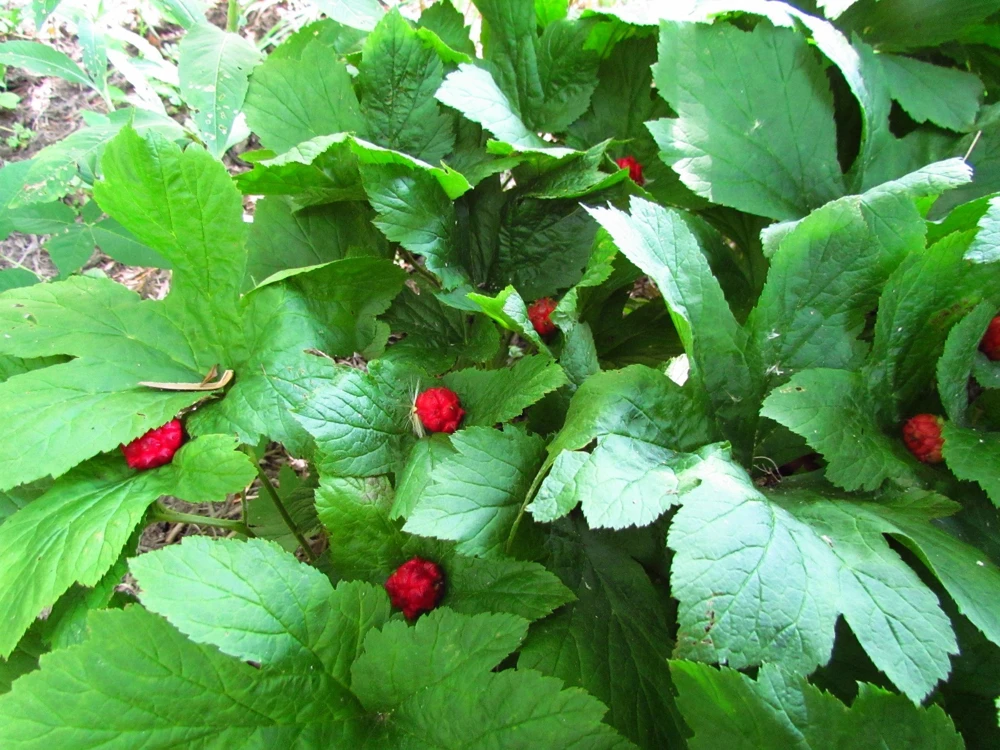
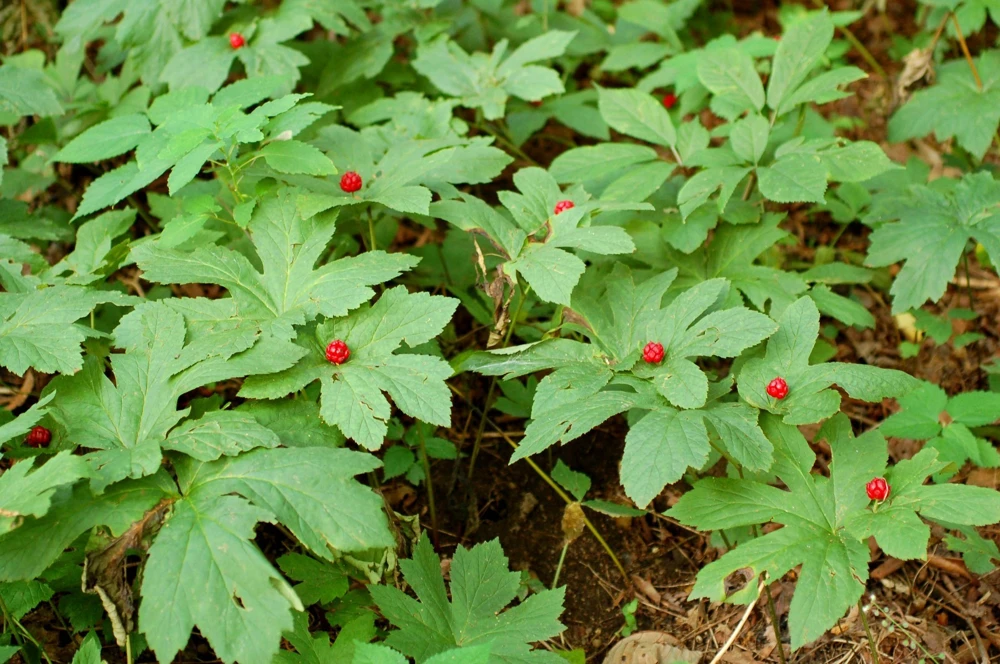
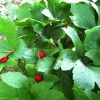
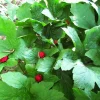
The distinctive appearance of Golden Seal, with its deeply lobed leaves and small, greenish-white flowers that emerge in spring, makes it a charming addition to any shade garden or woodland setting. Following the flowers, a cluster of bright red, raspberry-like berries develops, adding seasonal interest. While traditionally valued for its root, the entire plant contributes to a healthy ecosystem, providing ground cover and supporting local biodiversity. Planting these golden seal bare roots is an investment in both your garden’s aesthetic and its potential for practical use, offering a unique opportunity to grow a plant with a rich history and ongoing relevance.
Key Benefits
Growing golden seal bare roots offers a multitude of benefits, from enhancing your garden’s biodiversity to providing a historically significant plant for personal cultivation. Its ease of care in the right conditions makes it a suitable choice for various gardeners.
- Historical Significance: Cultivate a plant with a long and rich history of use, connecting you to traditional herbal practices and ethnobotanical studies. The golden seal plant has been valued for centuries.
- Shade Garden Beauty: Add lush green foliage and unique seasonal interest to your shaded garden areas. Its palmate leaves and red berries create an appealing visual texture in woodland settings.
- Ecosystem Support: Contribute to local biodiversity by planting a native species that provides ground cover and supports various garden organisms.
- Sustainable Cultivation: Grow your own supply of this valuable herb, reducing reliance on wild-harvested plants and promoting sustainable practices. Learning to grow golden seal helps preserve this species.
- Low Maintenance: Once established in its preferred environment, Golden Seal requires minimal ongoing care, making it an excellent choice for naturalized or woodland gardens.
- Unique Plant Form: Enjoy the distinctive growth habit and appearance of hydrastis canadensis, from its spring flowers to its autumn berries, offering year-round appeal.
Plant Care & Growing Tips
Successfully growing golden seal bare roots requires understanding its specific needs, particularly concerning light, soil, and moisture. Golden Seal thrives in conditions that mimic its native woodland habitat. It prefers a location with deep shade to partial shade; direct, harsh sunlight can scorch its leaves. Aim for an area that receives dappled light throughout the day or morning sun with afternoon shade. When planting your 20 roots, ensure the site is well-prepared to provide the ideal environment for establishment and growth.
The key to a healthy golden seal plant lies in its soil. It requires rich, moist, well-draining soil that is high in organic matter. Amend your planting area generously with compost, leaf mold, or other organic materials to create a loose, fertile medium. The soil pH should ideally be slightly acidic to neutral (6.0-7.0). Once planted, consistent moisture is crucial, especially during dry spells. However, avoid waterlogging, as this can lead to root rot. A good layer of mulch, such as shredded leaves or wood chips, can help retain soil moisture, suppress weeds, and regulate soil temperature, mimicking its natural forest floor environment. These conditions are vital to grow golden seal successfully.
Golden Seal is hardy in USDA Zones 3-8, tolerating a wide range of climates as long as its light and soil requirements are met. Fertilization is generally not necessary if the soil is rich in organic matter, but a light application of a balanced organic fertilizer in early spring can promote vigorous growth. Pests and diseases are generally not a major concern for hydrastis canadensis when grown in suitable conditions. Keep an eye out for slugs or snails, especially on young foliage. With proper care and attention to its preferred habitat, your golden seal bare roots will establish into a robust and beautiful perennial herb, allowing you to enjoy the benefits of these unique medicinal herbs for years to come.
Size & Details
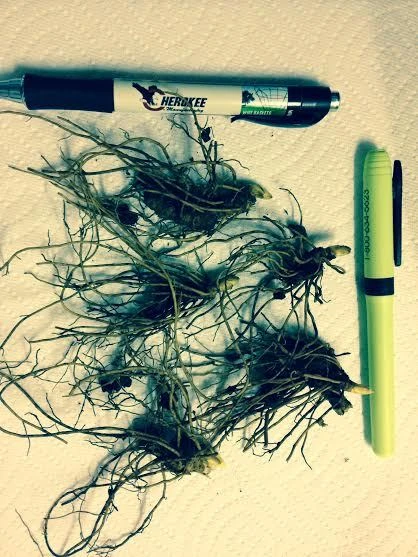
This offering includes 20 Golden Seal bare roots (Hydrastis canadensis), carefully selected for their vitality and readiness for planting. Each bare root is dormant, allowing for easy transportation and optimal establishment once planted. Upon planting, these roots will begin to sprout, developing into mature plants that typically reach a height of 10 to 15 inches with a similar spread, forming attractive clumps over time. The growth rate is moderate, with plants usually establishing well in their first year and expanding in subsequent seasons. Expect the first leaves to emerge in spring, followed by small flowers, and then the distinctive red berries in late summer to early autumn.
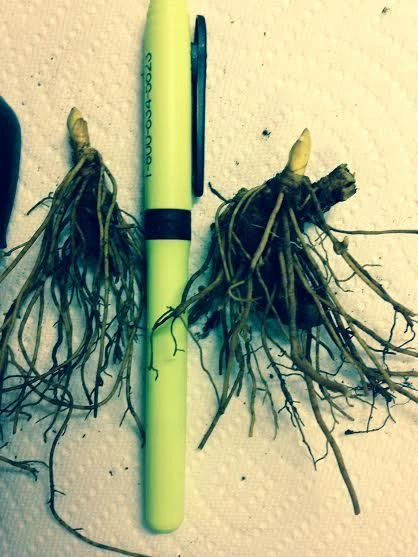
Golden Seal is a long-lived perennial, meaning once established, it will return year after year, gradually increasing in size and producing more roots. The roots themselves are typically thick and yellowish, giving the plant its common name. These bare roots are ideal for planting directly into your prepared garden bed in early spring or fall. They ship without soil or foliage, ready for immediate planting upon arrival. With proper care, these golden seal bare roots will provide a lasting and valuable addition to your shaded garden, allowing you to cultivate this historically important plant. This is an excellent way to start cultivating medicinal herbs from scratch.
Frequently Asked Questions
- Q: How big does the Golden Seal plant get? A: A mature golden seal plant typically grows to a height of 10 to 15 inches with a similar spread, forming attractive clumps over several years. Its size can vary slightly depending on growing conditions and age.
- Q: Is this an indoor or outdoor plant? A: Golden Seal (hydrastis canadensis) is an outdoor perennial plant that thrives in woodland garden settings. It is not typically grown as an indoor houseplant due to its specific light and soil requirements.
- Q: How much sunlight does Golden Seal need? A: Golden Seal prefers deep to partial shade. It thrives in areas with dappled sunlight or morning sun followed by afternoon shade. Direct, intense sunlight should be avoided as it can scorch the leaves.
- Q: What condition will the golden seal bare roots arrive in? A: The 20 roots will arrive dormant, without soil or foliage. This is the ideal condition for bare roots, allowing them to be planted directly into your garden for optimal establishment.
- Q: Is this plant easy to care for? A: Once established in the correct environment (shade, rich, moist, well-draining soil), Golden Seal is relatively low-maintenance. The most critical factors for success are proper site selection and consistent moisture. It’s easy to grow golden seal with the right conditions.
- Q: When is the best time to plant these bare roots? A: The best time to plant golden seal bare roots is in early spring, as the soil begins to warm, or in the fall before the first hard frost. This allows the roots time to establish before extreme temperatures.
- Q: What type of soil does Golden Seal prefer? A: Golden Seal thrives in rich, moist, well-draining soil that is high in organic matter. Amending the soil with compost or leaf mold is highly recommended to create the ideal growing medium for these medicinal herbs.
- Q: Will it survive winter in my zone? A: Yes, Golden Seal is a hardy perennial and will survive winter in USDA Zones 3-8. It will die back to the ground in colder months and re-emerge in spring.
- Q: How long until I see foliage from the golden seal bare roots? A: After planting in spring, you should typically see new foliage emerge within a few weeks to a couple of months, depending on soil temperature and growing conditions.
- Q: Can I propagate more plants from these roots? A: Yes, once established, Golden Seal can be divided. The rhizomes can be carefully separated and replanted to create new plants, allowing you to expand your patch of golden seal plant.
Be the first to review “Golden Seal Bare Roots – Hydrastis canadensis – 20 Count”
You must be logged in to post a review.
People also Viewed
Sold 50 products
$32.38
Sold 50 products
$27.38
Sold 50 products
$32.38
Sold 50 products
$19.88
Sold 50 products
$62.38
Sold 50 products
$24.88
Houseplants
Phalaenopsis pulcherrima ‘Mauna Kea Snow’ Orchid Live Plant – White Flowers, Potted 2.5 in
Sold 50 products
$49.88
Sold 50 products
$49.88RELATED posts
Awapuhi Wild Ginger Plant: Zones, Care, and Propagation
Learn which USDA zones suit awapuhi wild ginger, plus sunlight, water, planting, propagation, pests, size, [...]
Awapuhi Shampoo Ginger – Care, Growing Zones, and Differences
Learn how to grow awapuhi (shampoo) ginger, its USDA zones, watering schedule, propagation tips, and [...]
Awapuhi Shampoo Plant Buying Guide – Choose the Right Zingiber zerumbet
META: Learn which awapuhi (shampoo ginger) plant or rhizome pack gives the best natural shampoo, [...]
Awapuhi Plant for Sale: Complete Buying Guide
Find the right awapuhi (shampoo ginger) plant, size, price, soil mix, and online source. Practical [...]
Shampoo Ginger Plant for Sale – Buying Guide & Tips
Find the right shampoo ginger plant, size, price, and care tips. Quick guide for U.S. [...]
Shampoo Ginger Plant (Awapuhi) Care Guide
Learn how to grow, care for, and use shampoo ginger (Zingiber zerumbet), the tropical awapuhi [...]
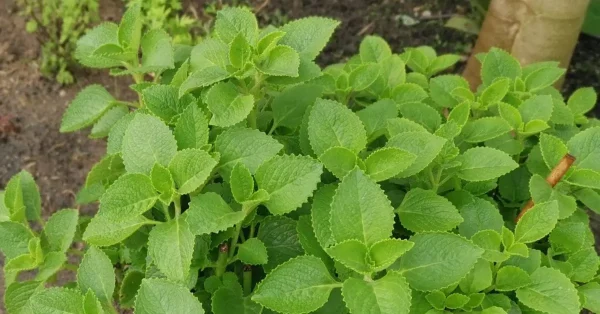
How to Grow Cuban Oregano Plants: A Complete Care Guide
If you’ve ever wanted a plant that combines the culinary punch of traditional oregano with [...]
Aug
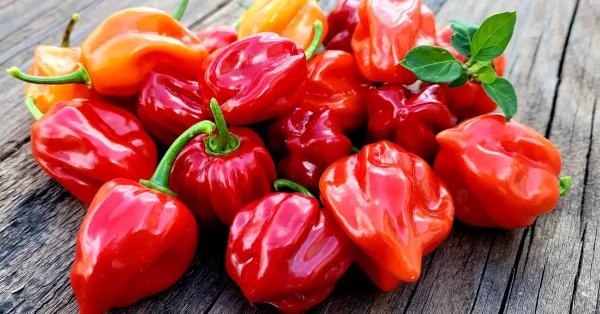
How to Grow Habanero Pepper Plants: A Step-by-Step Guide
Habanero pepper plants are prized for their vibrant colors, intense heat, and exceptional flavor, making [...]
Aug
Reviews
There are no reviews yet.