
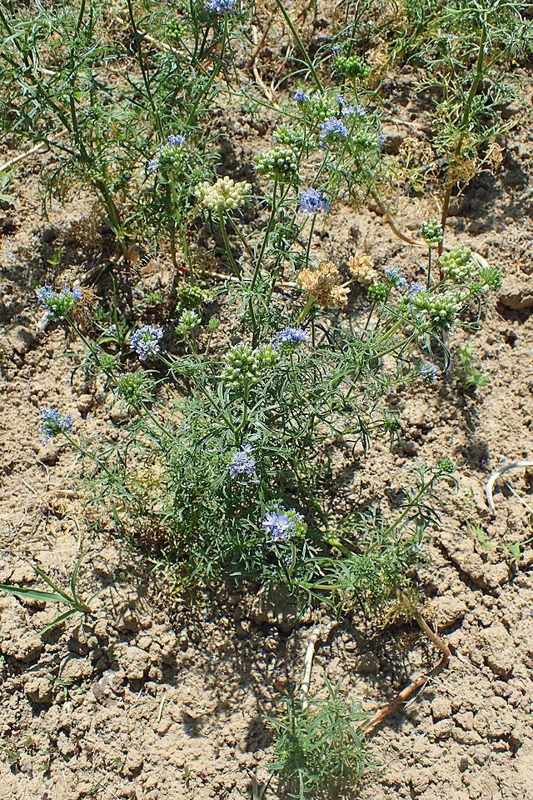
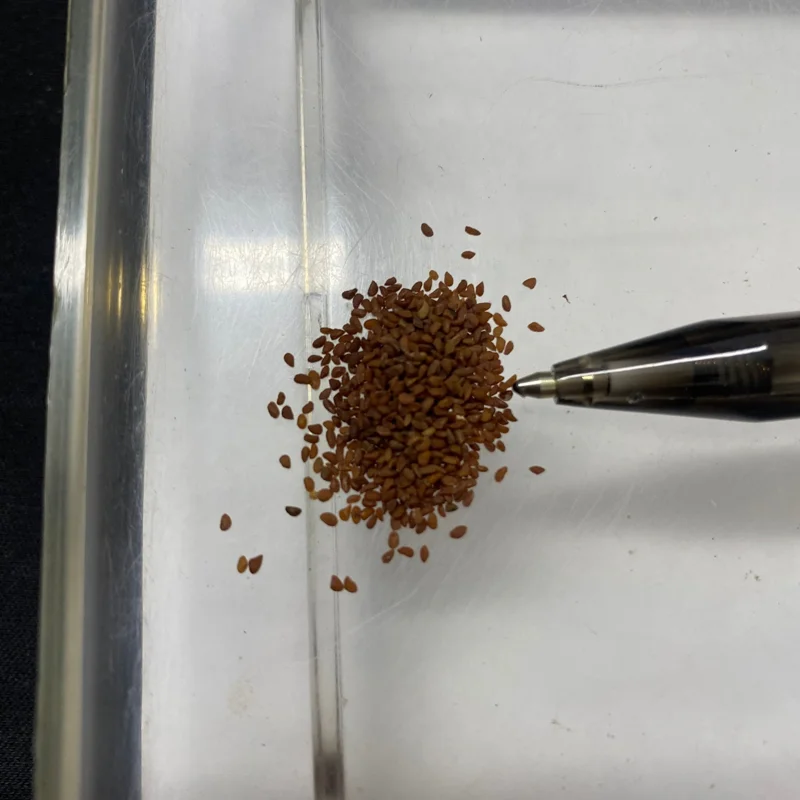
Globe Gilia Seeds – Gilia capitata Wildflower Seeds | 50 Count | Pollinator Attractor | Outdoor
Original price was: $25.00.$17.50Current price is: $17.50.
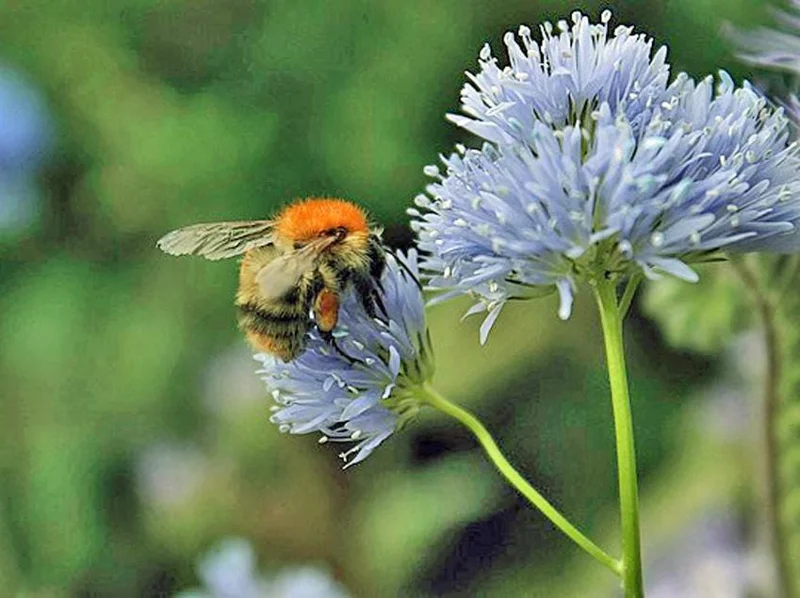
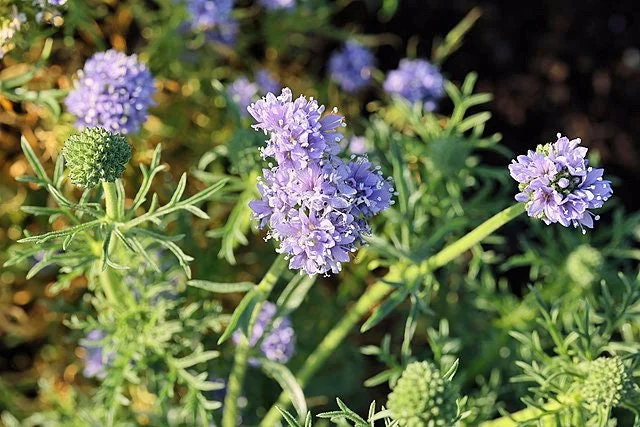
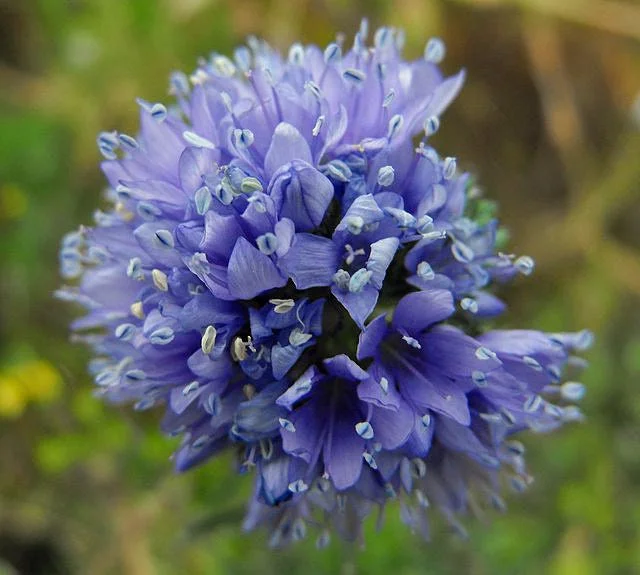
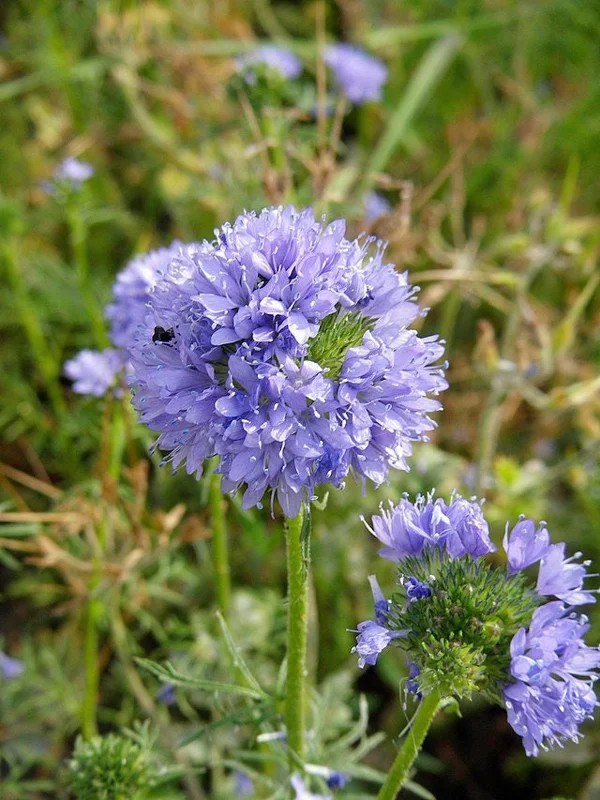
Discover the charm of Globe Gilia seeds (Gilia capitata), perfect for creating vibrant wildflower meadows and attracting beneficial pollinators. Each packet contains 50 Gilia capitata seeds, ready to transform your garden with their unique sky-blue, thimble-shaped flowers. These easy-to-grow blue wildflower seeds are ideal for naturalistic landscapes and native plant gardens.
Shipping and Return policies:
We stand behind our plants with our Alive & Thrive Guarantee. If you experience any issues within the first 30 days, please email us, and our team will be happy to help. When needed, we’ll send you a one-time replacement free of charge to make sure your garden keeps growing strong.

Reasonable Price
We offer reasonable price

Support 24/7
Contact us 24 hrs a day
100% Money Back
You’ve 30 days to Return
Payment Secure
100% secure payment
Overview
Introduce a touch of delicate beauty to your garden with our premium Globe Gilia seeds. These Gilia capitata seeds, commonly known as blue-thimble flower, offer a unique opportunity to cultivate a charming annual wildflower native to western North America. Each packet contains 50 Gilia capitata seeds, providing ample opportunity to establish a vibrant display. This plant is celebrated for its compact, rounded clusters of small, sky-blue to lavender flowers that sit atop slender stems, creating a visually striking resemblance to miniature thimbles or globes. Blooming from spring to early summer, Globe Gilia is not only a feast for the eyes but also a vital resource for local ecosystems, attracting a diverse range of pollinators like bees, butterflies, and hummingbirds. Whether you’re aiming to enhance biodiversity in a restoration project or simply add a splash of color to your wildflower garden, these Globe Gilia seeds are an excellent choice for any enthusiast of native flora.
Despite its annual life cycle, Gilia capitata readily self-sows, ensuring a continuous display of its delightful flowers year after year, often forming colorful patches in naturalized settings. Its adaptability to various well-drained soils and sun exposures makes it a versatile addition to rocky slopes, meadows, and xeriscapes. Cultivating these Gilia capitata seeds means investing in the ecological value of your landscape, providing essential nectar-rich blossoms for a thriving pollinator community. Embrace the splendor of North America’s wildflowers with these exquisite blue wildflower seeds.
Key Benefits
Planting Globe Gilia seeds offers a multitude of benefits for both your garden and the local environment. These versatile seeds grow into beautiful plants that contribute significantly to ecological health and garden aesthetics. Here are some of the key advantages:
- Attracts Pollinators: Gilia capitata seeds are renowned for producing nectar-rich flowers that are highly attractive to a wide array of pollinators, including bees, butterflies, and hummingbirds. This boosts local biodiversity and supports healthy ecosystems.
- Stunning Blue Blooms: Enjoy charming, compact clusters of sky-blue to lavender flowers that resemble miniature thimbles or globes, adding a unique and delicate visual appeal to any garden space. These blue wildflower seeds create a serene and naturalistic aesthetic.
- Easy to Grow Wildflower: Known for its relative ease of germination and growth, Globe Gilia is an excellent choice for both experienced gardeners and beginners looking to establish a low-maintenance, high-impact wildflower patch.
- Self-Sowing Annual: While an annual, Gilia capitata readily self-sows, ensuring a return of its beautiful blooms each year without the need for replanting, making it a sustainable choice for your garden.
- Drought Tolerant: Once established, Globe Gilia exhibits good drought tolerance, making it suitable for xeriscaping projects and gardens in arid or water-conscious regions.
- Versatile Landscape Use: Ideal for wildflower gardens, meadows, rocky slopes, and naturalistic landscapes. These native plant seeds are perfect for enhancing existing garden beds or creating new, vibrant areas.
- Enhances Biodiversity: By providing food and habitat for pollinators, growing Globe Gilia seeds actively contributes to the enhancement of local biodiversity and the overall health of your garden environment.
Plant Care & Growing Tips
Successfully growing Globe Gilia seeds involves understanding their natural preferences and providing suitable conditions. Gilia capitata seeds are relatively easy to germinate and cultivate, making them a rewarding addition to many gardens. For optimal growth, choose a location that receives full sun to partial shade. Full sun (at least 6 hours of direct sunlight daily) will generally produce the most robust plants and abundant blooms. In hotter climates, a little afternoon shade can be beneficial to prevent stress.
Well-drained soil is crucial for Globe Gilia. These plants thrive in soils that don’t retain excessive moisture, mimicking their native arid habitats. Sandy or loamy soils with good drainage are ideal. Avoid heavy clay soils that can become waterlogged. While adaptable, amending heavy soils with organic matter and sand can improve drainage significantly. Watering should be consistent during germination and establishment, keeping the soil moist but not waterlogged. Once established, Gilia capitata is fairly drought-tolerant and can tolerate drier conditions, requiring less frequent watering. The USDA hardiness zones for Globe Gilia are generally 3-10, indicating its wide adaptability across various climates.
Fertilization is typically not heavily required for blue wildflower seeds like Globe Gilia, especially in naturally fertile soils. If your soil is poor, a light application of a balanced, slow-release granular fertilizer at planting time can be beneficial. Avoid excessive nitrogen, which can lead to lush foliage at the expense of flowers. Common problems are rare, but good air circulation helps prevent fungal issues. Monitor for common garden pests, though Gilia capitata is generally resistant. Remember that scarification of the native plant seeds can aid germination by breaking the hard seed coat, which can be done by lightly rubbing them with sandpaper or nicking them with a sharp knife before sowing.
Size & Details
Our offering includes a packet of 50 Gilia capitata seeds, providing a generous quantity for planting. Once established, Globe Gilia typically grows to a height of 1-3 feet (30-90 cm) and spreads about 6-12 inches wide (15-30 cm), forming an upright, airy clump. The plants are annuals, meaning they complete their life cycle within one growing season, but they are prolific self-sowers, often returning year after year in suitable conditions. The delicate, sky-blue flowers typically bloom from late spring through early summer, providing a beautiful display for several weeks.
These Globe Gilia seeds are shipped as dry, raw seeds, ready for planting. Germination typically occurs within 1 to 3 weeks under optimal conditions, following scarification and consistent moisture. The plants reach maturity and begin to bloom within a few months of germination, offering a relatively quick reward for your gardening efforts. Their moderate growth rate makes them easy to manage in various garden settings, from borders to large wildflower areas. The compact nature of the individual plants allows for mass planting to create a stunning visual impact.
Frequently Asked Questions
- Q: How big does this plant get? A: Globe Gilia typically grows to a height of 1 to 3 feet (30-90 cm) and spreads about 6 to 12 inches (15-30 cm) wide, forming an attractive, upright clump of foliage and flowers.
- Q: Is this an indoor or outdoor plant? A: Globe Gilia seeds are intended for outdoor cultivation. They thrive in garden beds, meadows, and naturalized areas, attracting pollinators in an outdoor setting.
- Q: How much sunlight does it need? A: Globe Gilia performs best in full sun, requiring at least 6 hours of direct sunlight per day. It can tolerate partial shade, especially in hotter climates, but may produce fewer blooms.
- Q: Is this plant easy to care for? A: Yes, Globe Gilia is considered an easy-to-care-for wildflower. Once established from Gilia capitata seeds, it is relatively drought-tolerant and requires minimal maintenance, making it great for beginners.
- Q: What condition will the seeds arrive in? A: The 50 Gilia capitata seeds will arrive as dry, raw seeds in a protective packet, ready for you to prepare and plant according to the provided instructions.
- Q: How long until it blooms? A: After germination, which typically takes 1 to 3 weeks, Globe Gilia plants usually begin to bloom within a few months, typically from late spring to early summer.
- Q: When is the best time to plant Globe Gilia seeds? A: The best time to plant Globe Gilia seeds is in early spring after the last frost, or in fall in milder climates for spring blooms. Scarification can improve germination rates.
- Q: What’s the minimum temperature these plants can tolerate? A: While an annual, Globe Gilia is suitable for USDA hardiness zones 3-10. It will complete its life cycle and often self-sow before cold temperatures in colder zones.
- Q: Can I use these for a pollinator garden? A: Absolutely! Globe Gilia seeds are an excellent choice for a pollinator garden. The nectar-rich flowers are highly attractive to bees, butterflies, and hummingbirds.
- Q: What type of soil does Globe Gilia prefer? A: Globe Gilia prefers well-draining soil. Sandy or loamy soil types are ideal. Avoid heavy, waterlogged soils to ensure healthy growth of your blue wildflower seeds.
Be the first to review “Globe Gilia Seeds – Gilia capitata Wildflower Seeds | 50 Count | Pollinator Attractor | Outdoor”
You must be logged in to post a review.
People also Viewed
Sold 50 products
Original price was: $109.95.$79.98Current price is: $79.98.
Sold 50 products
Original price was: $25.00.$17.50Current price is: $17.50.
Flower Seeds
Olympic Onion Seeds – Allium crenulatum Flower Seeds – 10 Seed Pack – Outdoor Native Plant
Sold 50 products
Original price was: $25.00.$17.50Current price is: $17.50.
Sold 50 products
Original price was: $25.00.$17.50Current price is: $17.50.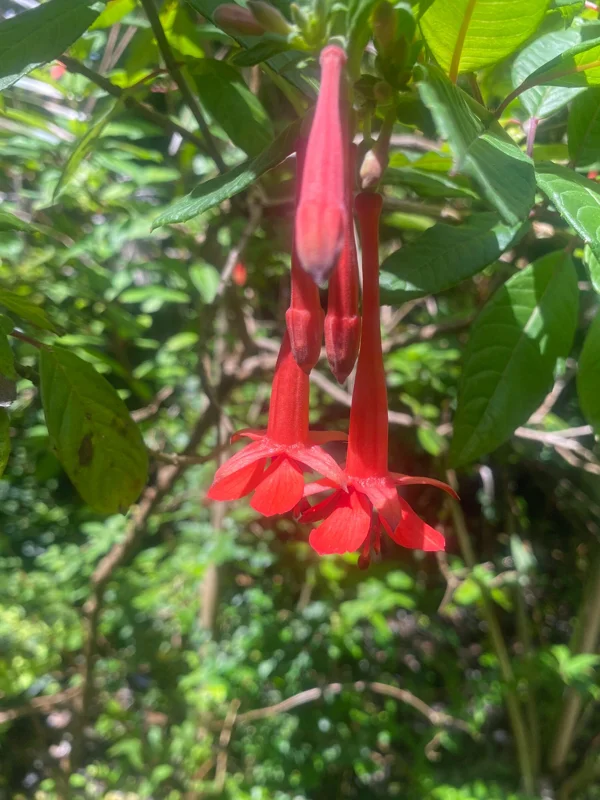
Flower Seeds
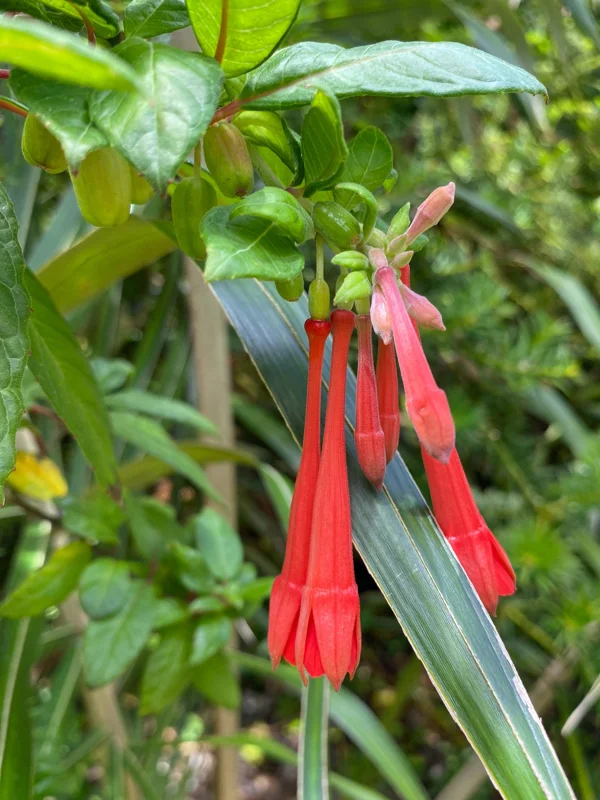
Fuchsia vulcanica Seeds – 20 Pack – Vibrant Orange Coral Flowers for Garden & Containers
Sold 50 products
Original price was: $25.00.$17.50Current price is: $17.50.
Sold 50 products
Original price was: $116.98.$95.68Current price is: $95.68.
Sold 50 products
Original price was: $21.00.$14.10Current price is: $14.10.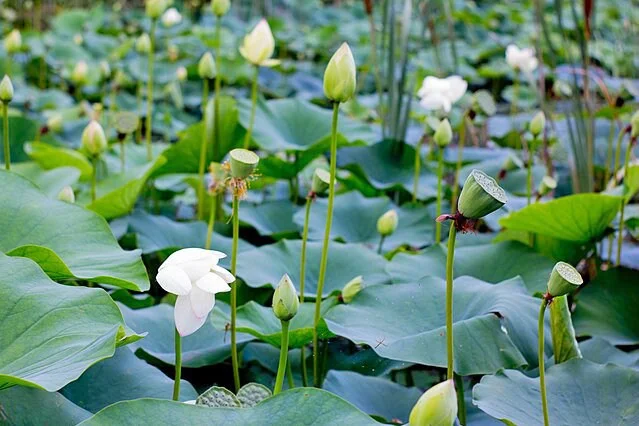
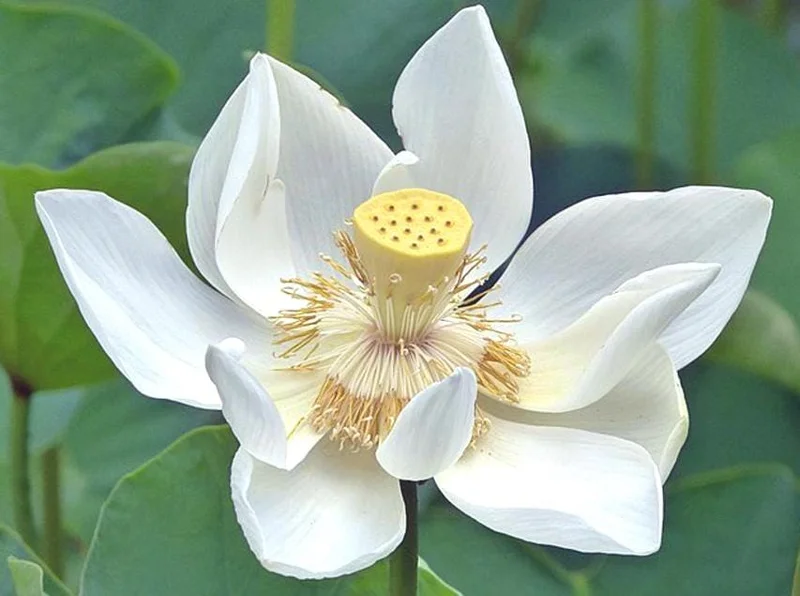
Aquatic Plant Seeds
White Lotus Seeds – Nelumbo Nucifera Aquatic Pond Plant – 5 Seeds for Water Garden
Sold 50 products
Original price was: $29.00.$20.90Current price is: $20.90.RELATED posts
Awapuhi Wild Ginger Plant: Zones, Care, and Propagation
Learn which USDA zones suit awapuhi wild ginger, plus sunlight, water, planting, propagation, pests, size, [...]
Awapuhi Shampoo Ginger – Care, Growing Zones, and Differences
Learn how to grow awapuhi (shampoo) ginger, its USDA zones, watering schedule, propagation tips, and [...]
Awapuhi Shampoo Plant Buying Guide – Choose the Right Zingiber zerumbet
META: Learn which awapuhi (shampoo ginger) plant or rhizome pack gives the best natural shampoo, [...]
Awapuhi Plant for Sale: Complete Buying Guide
Find the right awapuhi (shampoo ginger) plant, size, price, soil mix, and online source. Practical [...]
Shampoo Ginger Plant for Sale – Buying Guide & Tips
Find the right shampoo ginger plant, size, price, and care tips. Quick guide for U.S. [...]
Shampoo Ginger Plant (Awapuhi) Care Guide
Learn how to grow, care for, and use shampoo ginger (Zingiber zerumbet), the tropical awapuhi [...]
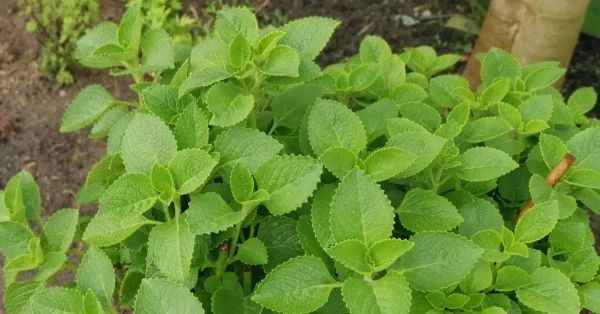
How to Grow Cuban Oregano Plants: A Complete Care Guide
If you’ve ever wanted a plant that combines the culinary punch of traditional oregano with [...]
Aug
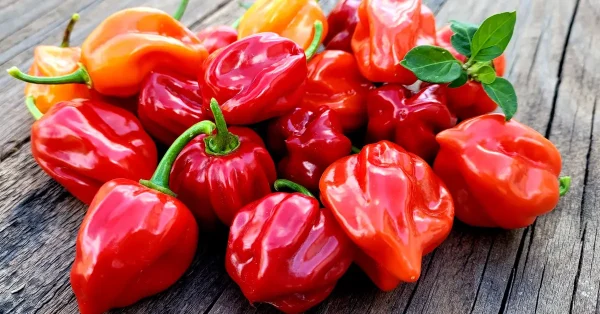
How to Grow Habanero Pepper Plants: A Step-by-Step Guide
Habanero pepper plants are prized for their vibrant colors, intense heat, and exceptional flavor, making [...]
Aug
Reviews
There are no reviews yet.