
Diplacus Longiflorus Seeds – Long-Flowered Monkeyflower – 100 Seeds – Outdoor Native Plant
Original price was: $25.00.$17.50Current price is: $17.50.
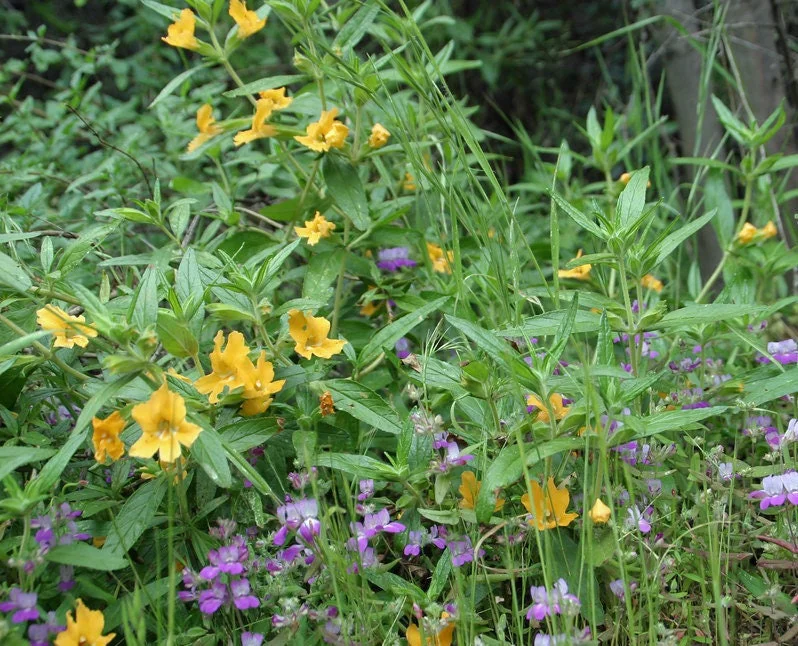
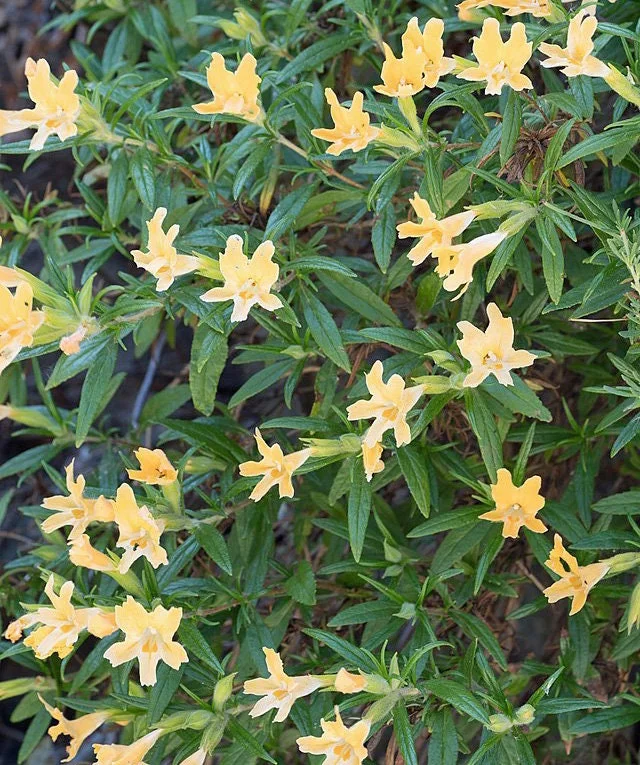
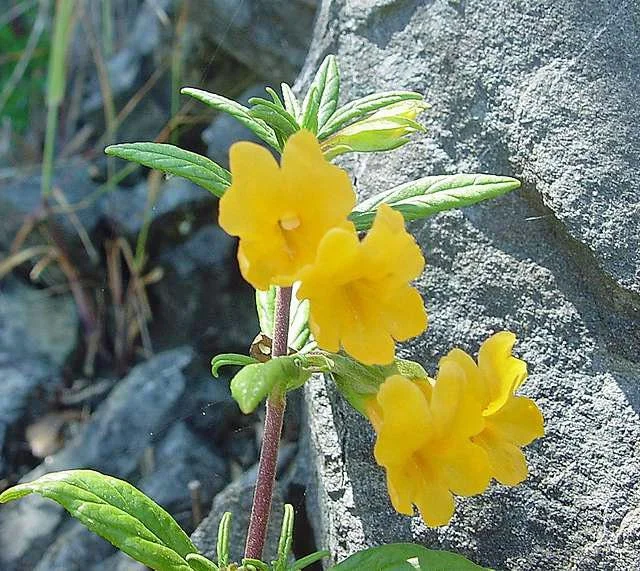
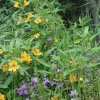
Cultivate the beautiful Long-Flowered Monkeyflower seeds (Diplacus longiflorus), a charming perennial native to California and Oregon. These 100 seeds will grow into plants featuring vibrant tubular flowers, ranging from pale yellow to deep orange-red, perfect for wildflower gardens and attracting pollinators like hummingbirds and bees. An excellent choice for adding natural beauty and wildlife interest to your outdoor space.
Shipping and Return policies:
We stand behind our plants with our Alive & Thrive Guarantee. If you experience any issues within the first 30 days, please email us, and our team will be happy to help. When needed, we’ll send you a one-time replacement free of charge to make sure your garden keeps growing strong.

Reasonable Price
We offer reasonable price

Support 24/7
Contact us 24 hrs a day
100% Money Back
You’ve 30 days to Return
Payment Secure
100% secure payment
Overview
Embark on a rewarding gardening journey with Long-Flowered Monkeyflower seeds. Known scientifically as Diplacus longiflorus, this enchanting perennial is a true gem of the American West, hailing from the diverse landscapes of California and Oregon. Each packet contains 100 seeds, offering ample opportunity to cultivate this striking native plant in your own garden. The Diplacus longiflorus seeds promise vigorous growth, transforming into robust plants adorned with unique, elongated tubular flowers. These blooms display a stunning spectrum of colors, from soft, buttery yellows to fiery orange-reds, often highlighted with intricate markings that enhance their visual appeal. Ideal for naturalistic landscapes, wildflower meadows, and restoration projects, the Long-Flowered Monkeyflower seeds are a fantastic choice for gardeners seeking to introduce resilient and beautiful indigenous flora.
The long-flowered monkeyflower is not only celebrated for its captivating beauty but also for its ecological value. Its nectar-rich flowers are a magnet for local pollinators, including busy bees and graceful hummingbirds, making it an essential component for supporting biodiversity in your garden. Thriving in a variety of conditions, this plant is an adaptable and resilient addition to many outdoor settings. Whether you’re a seasoned native plant enthusiast or a beginner eager to explore the world of wildflowers, growing Diplacus longiflorus seeds provides a fulfilling experience and contributes to a healthier ecosystem.
Key Benefits
Growing Long-Flowered Monkeyflower seeds offers a multitude of advantages for your garden and local environment. These seeds develop into plants that provide significant aesthetic and ecological benefits, enriching any outdoor space.
- Vibrant Floral Display: Enjoy a prolonged bloom period from late spring to early summer, showcasing an array of tubular flowers in shades of yellow to orange-red. These showy blooms add a dynamic splash of color to any garden design.
- Pollinator Magnet: The nectar-rich flowers are highly attractive to hummingbirds and various bee species, playing a crucial role in supporting local pollinator populations and enhancing garden biodiversity.
- Native Plant Resilience: As a native of California and Oregon, the Long-Flowered Monkeyflower seeds produce plants that are well-adapted to regional climates, often requiring less water and maintenance once established compared to non-native species.
- Versatile Landscape Use: Perfect for wildflower gardens, rock gardens, woodland edges, and restoration areas. Its adaptability makes it suitable for various garden styles and purposes.
- Low Maintenance: Once established, Diplacus longiflorus is relatively low-maintenance, thriving with moderate watering and well-drained soil, making it an excellent choice for busy gardeners.
- Eco-Friendly Gardening: By planting native species like the long-flowered monkeyflower, you contribute to local habitat restoration and create a sustainable, wildlife-friendly garden.
- Easy Germination: With proper stratification, Diplacus longiflorus seeds germinate with relative ease, offering a satisfying and successful growing experience for gardeners.
Plant Care & Growing Tips
Successful cultivation of Long-Flowered Monkeyflower seeds begins with understanding their specific needs. Diplacus longiflorus thrives in full sun to partial shade, ideally receiving at least 4-6 hours of direct sunlight daily to encourage abundant flowering. In hotter climates, some afternoon shade can prevent stress. For soil, this plant prefers well-drained conditions; soggy soil can lead to root rot. A sandy loam or rocky soil mix that mimics its native habitat is ideal. Regular moisture is crucial, especially during the establishment phase and dry periods. While it appreciates consistent watering, ensure the soil dries out slightly between waterings to avoid overwatering.
The long-flowered monkeyflower care regimen includes preparing the seeds for germination. Stratification is recommended to break dormancy. This can be achieved by placing the seeds in a moist medium (like damp sand or paper towels) in a refrigerator for several weeks. After stratification, sow the seeds lightly on the surface of a well-draining seed-starting mix. Maintain consistent moisture and provide warmth and bright, indirect light. Germination typically occurs within 2 to 4 weeks. Once seedlings are strong enough, gradually acclimate them to outdoor conditions before transplanting. Diplacus longiflorus is hardy in USDA Zones 7-10. Fertilization is generally not heavily required in good soil, but a balanced, slow-release fertilizer can be applied sparingly in spring if growth appears sluggish. Watch for common garden pests, though native plants often exhibit good natural resistance.
Size & Details
Each packet contains 100 seeds of Diplacus longiflorus, ensuring a generous supply to start your wildflower garden. Once established, the Long-Flowered Monkeyflower typically grows to a height of 1 to 3 feet (30-90 cm) and can spread similarly, forming an attractive, bushy perennial. Its growth rate is moderate, with plants generally establishing well in their first year and blooming from the second year onwards. These plants are shipped as dormant seeds, ready for stratification and planting. Expect vibrant blooms to appear from late spring through early summer, providing a continuous show of color.
The mature plants will develop slender, lance-shaped leaves that complement their striking tubular flowers. The adaptability of these plants to various well-drained soil types and sun exposures makes them a versatile choice for different garden settings. With proper long-flowered monkeyflower care, these plants will become a lasting and beautiful feature in your landscape, attracting beneficial wildlife for years to come. The provided Diplacus longiflorus seeds offer an economical and rewarding way to introduce this stunning native species into your outdoor living space.
Frequently Asked Questions
- Q: How big does the Long-Flowered Monkeyflower get? A: The Long-Flowered Monkeyflower typically grows to a height of 1 to 3 feet (30-90 cm) and can spread to a similar width, forming a lovely, bushy perennial. Its size can vary slightly depending on growing conditions and climate.
- Q: Is this an indoor or outdoor plant? A: Diplacus longiflorus is primarily an outdoor plant, native to California and Oregon. It thrives in outdoor garden settings where it can receive adequate sunlight and natural conditions.
- Q: How much sunlight do these seeds need to grow well? A: The plants grown from Long-Flowered Monkeyflower seeds prefer full sun to partial shade. They need at least 4-6 hours of direct sunlight daily for optimal growth and flowering, with some protection from intense afternoon sun in very hot regions.
- Q: Is this plant easy to care for? Is it good for beginners? A: Once established, the long-flowered monkeyflower is relatively easy to care for, especially when planted in conditions that mimic its native habitat. With proper stratification and initial care for the seeds, it can be a rewarding plant for beginners interested in native species.
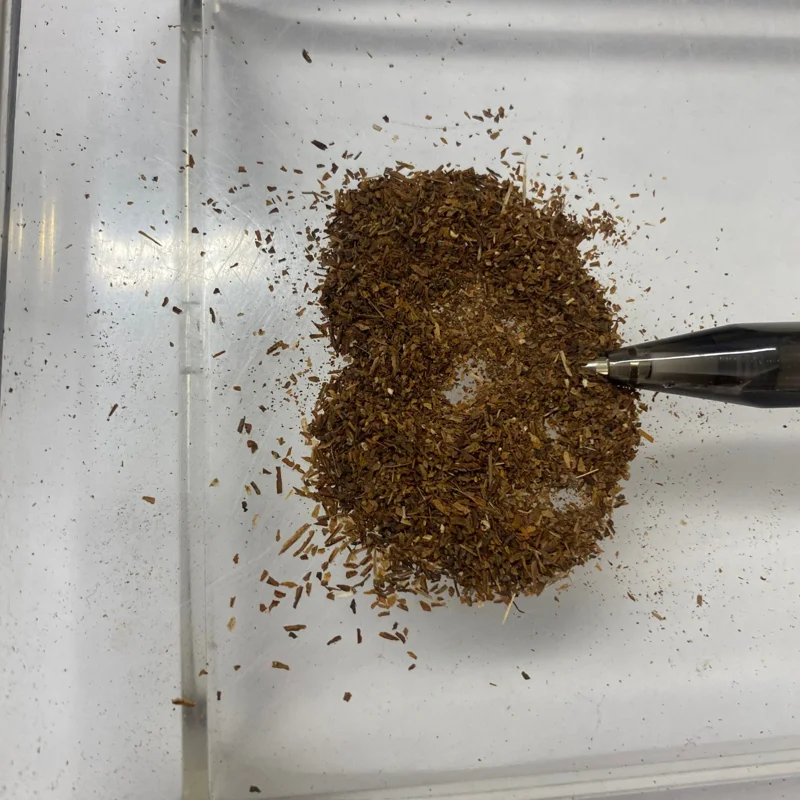
- Q: What condition will the seeds arrive in? A: The product consists of 100 seeds of Diplacus longiflorus, which will arrive dry and ready for stratification and planting. They are carefully packaged to ensure their viability upon arrival.
- Q: How long until the plants bloom from seed? A: After germination, Diplacus longiflorus seeds will typically grow into plants that begin to bloom from their second year onwards. Blooms usually appear from late spring to early summer.
- Q: Will it survive winter in my zone? A: The Long-Flowered Monkeyflower is hardy in USDA Zones 7-10. If you are in these zones, it should survive winter outdoors. In colder zones, it may need winter protection or be treated as an annual.
- Q: What type of soil is best for Diplacus longiflorus? A: Diplacus longiflorus prefers well-draining soil, such as a sandy loam or rocky soil. It’s crucial to avoid heavy, waterlogged soils to prevent root rot, which is important for successful monkeyflower germination and growth.
- Q: Are these seeds suitable for attracting pollinators? A: Absolutely! The vibrant, nectar-rich flowers of the Long-Flowered Monkeyflower are well-known for attracting hummingbirds and various bee species, making it an excellent choice for a pollinator garden.
- Q: Do I need to stratify the Diplacus longiflorus seeds? A: Yes, it is highly recommended to stratify Diplacus longiflorus seeds. This process mimics natural cold dormancy and significantly improves germination rates, ensuring a better start for your plants.
Be the first to review “Diplacus Longiflorus Seeds – Long-Flowered Monkeyflower – 100 Seeds – Outdoor Native Plant”
You must be logged in to post a review.
People also Viewed
Sold 50 products
Original price was: $109.95.$79.98Current price is: $79.98.
Sold 50 products
Original price was: $25.00.$17.50Current price is: $17.50.
Flower Seeds
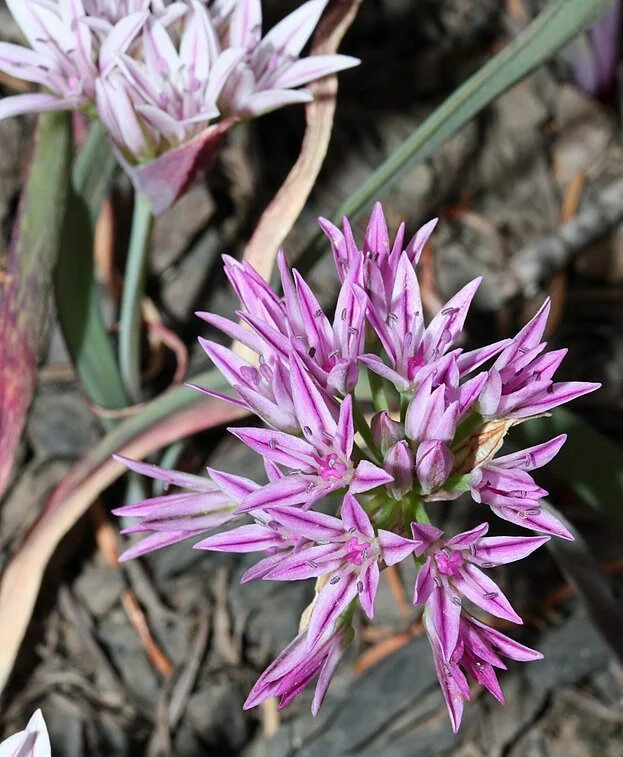
Olympic Onion Seeds – Allium crenulatum Flower Seeds – 10 Seed Pack – Outdoor Native Plant
Sold 50 products
Original price was: $25.00.$17.50Current price is: $17.50.
Sold 50 products
Original price was: $25.00.$17.50Current price is: $17.50.
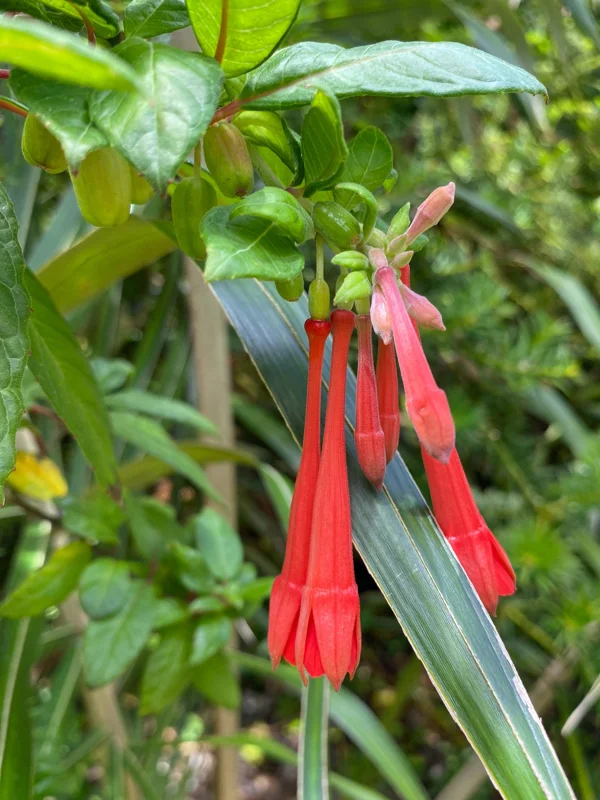
Flower Seeds
Fuchsia vulcanica Seeds – 20 Pack – Vibrant Orange Coral Flowers for Garden & Containers
Sold 50 products
Original price was: $25.00.$17.50Current price is: $17.50.
Sold 50 products
Original price was: $116.98.$95.68Current price is: $95.68.
Sold 50 products
Original price was: $21.00.$14.10Current price is: $14.10.
Aquatic Plant Seeds
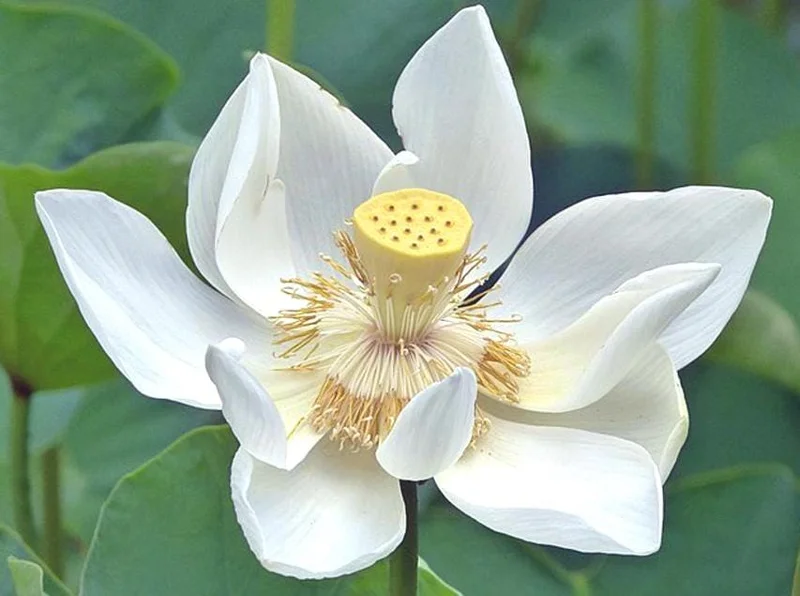
White Lotus Seeds – Nelumbo Nucifera Aquatic Pond Plant – 5 Seeds for Water Garden
Sold 50 products
Original price was: $29.00.$20.90Current price is: $20.90.RELATED posts
Awapuhi Wild Ginger Plant: Zones, Care, and Propagation
Learn which USDA zones suit awapuhi wild ginger, plus sunlight, water, planting, propagation, pests, size, [...]
Awapuhi Shampoo Ginger – Care, Growing Zones, and Differences
Learn how to grow awapuhi (shampoo) ginger, its USDA zones, watering schedule, propagation tips, and [...]
Awapuhi Shampoo Plant Buying Guide – Choose the Right Zingiber zerumbet
META: Learn which awapuhi (shampoo ginger) plant or rhizome pack gives the best natural shampoo, [...]
Awapuhi Plant for Sale: Complete Buying Guide
Find the right awapuhi (shampoo ginger) plant, size, price, soil mix, and online source. Practical [...]
Shampoo Ginger Plant for Sale – Buying Guide & Tips
Find the right shampoo ginger plant, size, price, and care tips. Quick guide for U.S. [...]
Shampoo Ginger Plant (Awapuhi) Care Guide
Learn how to grow, care for, and use shampoo ginger (Zingiber zerumbet), the tropical awapuhi [...]
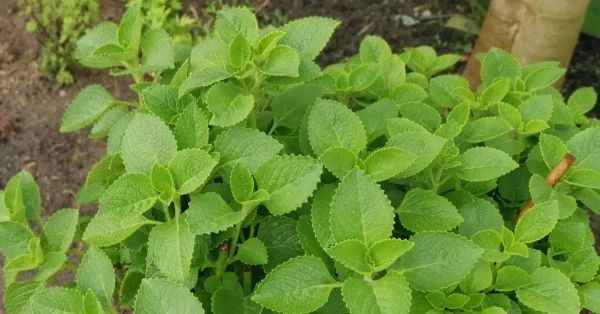
How to Grow Cuban Oregano Plants: A Complete Care Guide
If you’ve ever wanted a plant that combines the culinary punch of traditional oregano with [...]
Aug
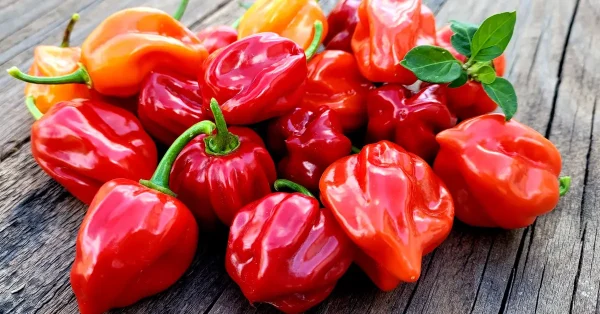
How to Grow Habanero Pepper Plants: A Step-by-Step Guide
Habanero pepper plants are prized for their vibrant colors, intense heat, and exceptional flavor, making [...]
Aug
Reviews
There are no reviews yet.