
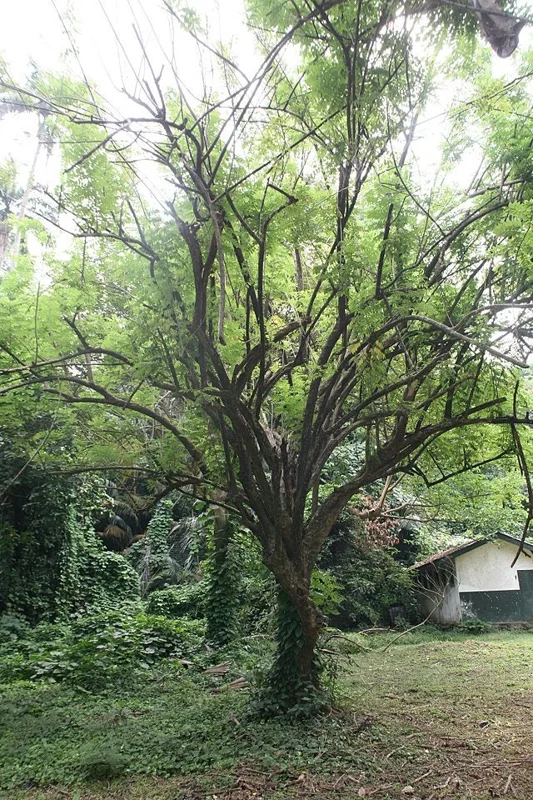
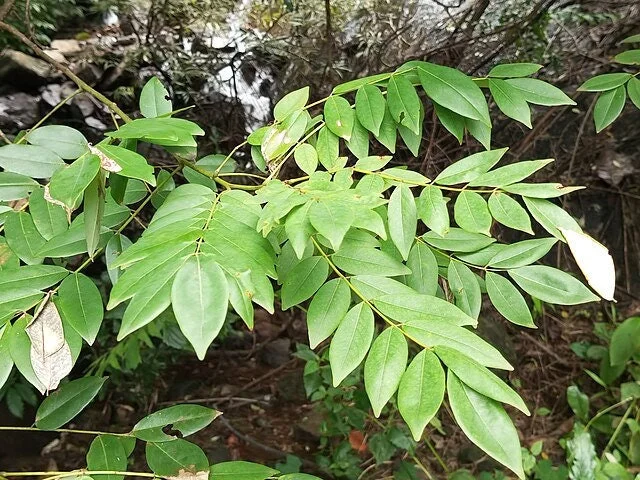
Gliricidia Sepium Seeds – Quick Stick Tree Seeds – 10 Count – Nitrogen-Fixing Agroforestry
Original price was: $25.00.$17.50Current price is: $17.50.
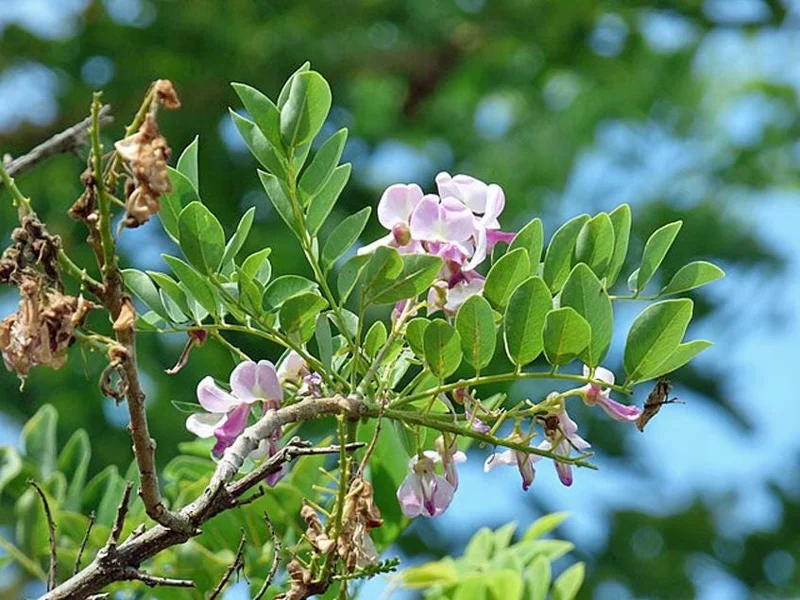
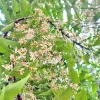
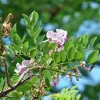
Cultivate Gliricidia Sepium seeds, also known as Quick Stick seeds or Madre de Cacao. These versatile tree seeds are ideal for agroforestry, soil enrichment, and creating live fences. Known for rapid growth and vibrant pink-lavender flowers, they are a valuable addition to sustainable farming practices.
Shipping and Return policies:
We stand behind our plants with our Alive & Thrive Guarantee. If you experience any issues within the first 30 days, please email us, and our team will be happy to help. When needed, we’ll send you a one-time replacement free of charge to make sure your garden keeps growing strong.

Reasonable Price
We offer reasonable price

Support 24/7
Contact us 24 hrs a day
100% Money Back
You’ve 30 days to Return
Payment Secure
100% secure payment
Overview
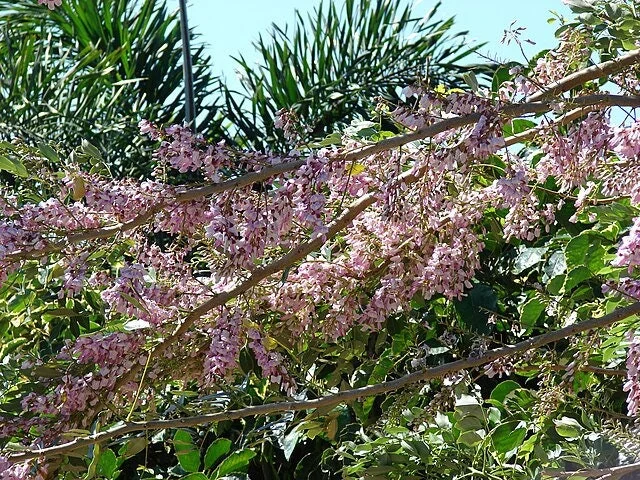
Introduce the remarkable Gliricidia Sepium seeds into your garden or agroforestry project. Commonly known as Quick Stick seeds or Madre de Cacao, this fast-growing leguminous tree is native to tropical regions, offering a multitude of benefits. Beyond its ornamental appeal with vibrant pink to lavender flowers arranged in long spikes, Gliricidia Sepium plays a significant role in ecological and agricultural systems. These seeds allow you to cultivate a versatile tree known for its ability to fix nitrogen in the soil, acting as a natural fertilizer. The tree’s trimmings readily decompose, further contributing to soil improvement, making it an excellent choice for sustainable agriculture and environmental conservation.
Gliricidia Sepium seeds are sought after by farmers and gardeners alike for their adaptability and numerous uses. From creating live fences and windbreaks to providing valuable fodder for livestock, this tree offers practical solutions for various needs. Its leaves are also recognized for their pesticidal properties, with extracts showing insecticidal and nematicidal effects. By planting these seeds, you embark on cultivating a multipurpose tree that supports biodiversity and enhances soil health, making it an invaluable asset for any tropical or subtropical landscape.
Key Benefits
Growing Gliricidia Sepium seeds provides a wide array of ecological and practical advantages, making it an excellent choice for diverse applications. These benefits contribute significantly to sustainable practices and overall garden health:
- Nitrogen Fixation: As a leguminous tree, Gliricidia Sepium effectively fixes atmospheric nitrogen into the soil, naturally enriching its fertility. This reduces the need for synthetic fertilizers, promoting healthier plant growth and soil structure.
- Soil Improvement: The tree’s trimmings decompose quickly, adding organic matter and essential nutrients back into the soil. This process enhances soil health, moisture retention, and microbial activity.
- Agroforestry Integration: Ideal for agroforestry systems, Gliricidia Sepium seeds can be grown alongside crops to provide shade, improve soil, and offer support for climbing plants. Its rapid growth makes it a quick solution for establishing beneficial tree cover.
- Livestock Fodder: The leaves of the Gliricidia Sepium tree are a nutritious and palatable source of fodder for livestock, including cattle, goats, and sheep. This provides a sustainable and readily available food source for farm animals.
- Live Fences & Windbreaks: Due to its fast growth and sturdy nature, Gliricidia Sepium is excellent for creating natural fences and windbreaks. These living barriers protect crops from strong winds and define property lines aesthetically.
- Pesticidal Properties: Extracts from Gliricidia Sepium leaves have demonstrated natural insecticidal and nematicidal effects. This offers an environmentally friendly alternative for pest management in gardens and farms.
- Ornamental Value: Beyond its practical uses, the tree boasts attractive pink to lavender flowers, adding a beautiful tropical touch to any landscape. The vibrant blooms enhance garden aesthetics and attract pollinators.
Plant Care & Growing Tips
Cultivating Gliricidia Sepium seeds is a straightforward process, making it accessible for both experienced gardeners and beginners. These trees thrive in tropical and subtropical climates and are known for their resilience and rapid growth. To ensure successful germination and healthy development, follow these essential care guidelines.
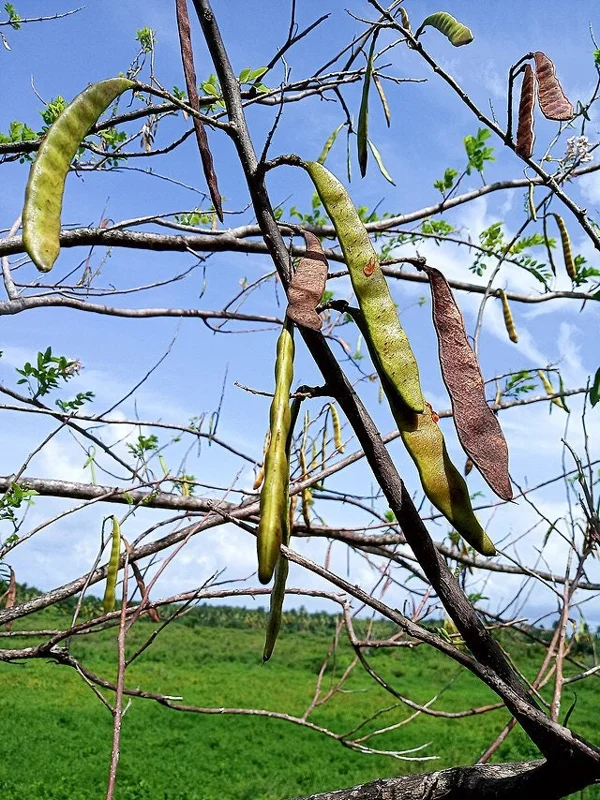
For germination, Gliricidia Sepium seeds do not require scarification, simplifying the initial steps. Begin by soaking the seeds in water for 12 to 24 hours to promote better water absorption. After soaking, plant the seeds in a well-draining potting mix, burying them at a depth approximately twice the size of the seed. Maintain a consistently warm and moist environment for optimal germination, ideally with temperatures between 70-80°F (21-27°C). Using a seed tray covered with a plastic bag can create a beneficial greenhouse effect, increasing humidity. Germination typically occurs within 1 to 3 weeks. Once seedlings have developed a few sets of true leaves, they can be transplanted into larger containers or directly into well-drained garden soil.
Once established, madre de cacao seeds grow into robust trees that prefer full sun exposure, meaning at least 6 hours of direct sunlight per day. While tolerant of various soil types, they perform best in well-draining, fertile soil. Regular watering is crucial during the establishment phase, but mature trees are relatively drought-tolerant. Fertilization is generally not heavily required due to its nitrogen-fixing capabilities, but a balanced, slow-release fertilizer can be applied once a year in spring if soil nutrients are poor. Gliricidia Sepium is a hardy tree, suitable for USDA zones 9-11, and can tolerate occasional pruning to maintain shape or harvest fodder. Keep an eye out for common pests, though its natural pesticidal properties often deter many. This versatile tree, also known as nitrogen-fixing tree seeds, adapts well to various conditions, making it a valuable and low-maintenance addition to your landscape.
Size & Details
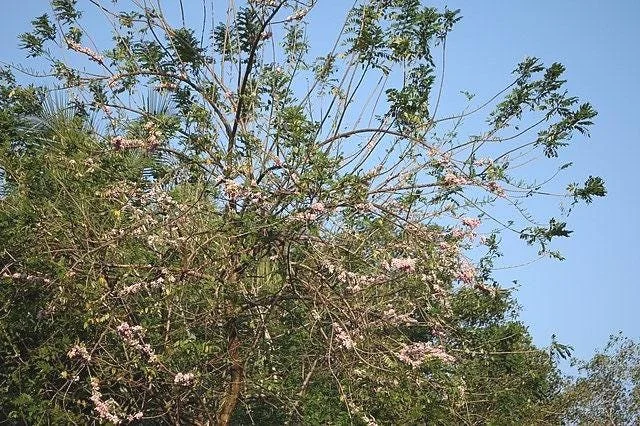
This offering includes 10 Gliricidia Sepium seeds, providing an excellent opportunity to start your own Quick Stick tree cultivation. These seeds are carefully selected to ensure viability and robust growth. Once germinated, Gliricidia Sepium is renowned for its rapid growth rate, quickly developing into a substantial tree. In ideal conditions, it can grow several feet in a single year, reaching mature heights of 30-50 feet (9-15 meters) with a spread of 15-30 feet (4.5-9 meters).
The trees develop a strong root system and a dense canopy, making them excellent for shade, erosion control, and as a component in diverse agroforestry systems. The seeds are shipped in a protective packet, ready for planting upon arrival. With proper care, you can expect these agroforestry tree seeds to establish quickly, providing benefits within a year or two of planting. The vibrant pink to lavender flowers typically appear during the dry season, adding a splash of color to the landscape.
Frequently Asked Questions
- Q: How big does this plant get? A: Gliricidia Sepium is a fast-growing tree that can reach heights of 30-50 feet (9-15 meters) with a spread of 15-30 feet (4.5-9 meters) at maturity. Its size can be managed with regular pruning for specific uses like fodder or live fences.
- Q: Is this an indoor or outdoor plant? A: Gliricidia Sepium is primarily an outdoor plant, thriving in tropical and subtropical climates. It requires significant sunlight and space to grow to its full potential. It is generally not suitable for indoor cultivation.
- Q: How much sunlight does it need? A: This tree prefers full sun exposure, meaning it needs at least 6 hours of direct sunlight per day to grow vigorously and produce abundant foliage and flowers.
- Q: Is this plant easy to care for? A: Yes, Gliricidia Sepium is considered relatively easy to care for, especially once established. It is drought-tolerant and adaptable to various soil types, making it a robust choice for many environments. Starting with Gliricidia Sepium seeds is a straightforward process.
- Q: What condition will the seeds arrive in? A: The Gliricidia Sepium seeds will arrive in a well-packaged, protective packet, ensuring their safety and viability for planting. They will be dry and ready for soaking and germination.
- Q: How long until the seeds germinate? A: Germination typically occurs within 1 to 3 weeks after planting, provided the seeds are kept warm and consistently moist. Soaking them for 12-24 hours beforehand can improve germination rates.
- Q: What’s the best time to plant these seeds? A: The best time to plant madre de cacao seeds is during the warm season, typically spring or early summer, when temperatures are consistently above 70°F (21°C). This ensures optimal conditions for germination and initial growth.
- Q: Will it survive winter in my zone? A: Gliricidia Sepium is best suited for USDA Hardiness Zones 9-11. It is sensitive to frost and will not survive prolonged freezing temperatures. In colder zones, it must be grown as an annual or protected indoors.
- Q: What are the main uses for this tree? A: This multipurpose tree is used for nitrogen fixation, soil improvement, livestock fodder, live fences, windbreaks, and even has natural pesticidal properties. It’s an excellent choice for sustainable agroforestry.
- Q: Are these considered nitrogen-fixing tree seeds? A: Yes, Gliricidia Sepium is a well-known nitrogen-fixing leguminous tree, making these seeds an excellent choice for improving soil fertility naturally.
Be the first to review “Gliricidia Sepium Seeds – Quick Stick Tree Seeds – 10 Count – Nitrogen-Fixing Agroforestry”
You must be logged in to post a review.
People also Viewed
Sold 50 products
Original price was: $109.95.$79.98Current price is: $79.98.
Sold 50 products
Original price was: $25.00.$17.50Current price is: $17.50.
Flower Seeds
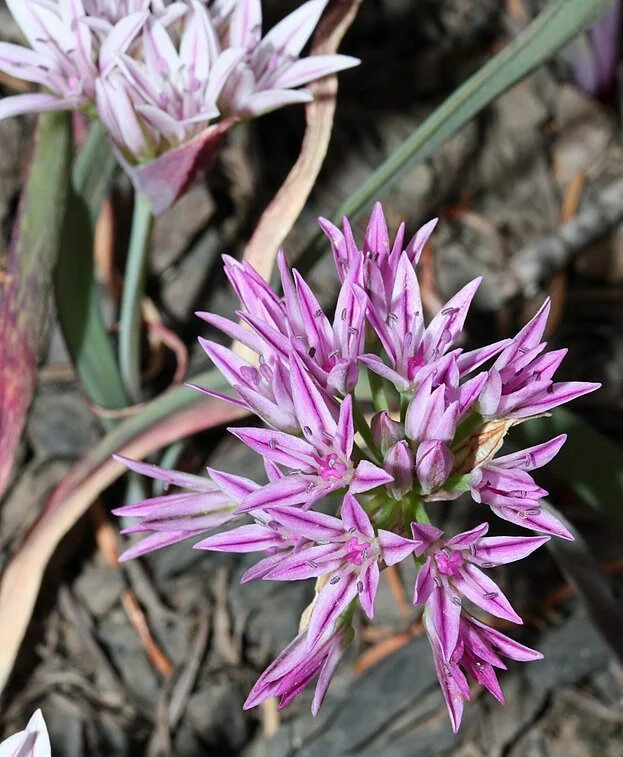
Olympic Onion Seeds – Allium crenulatum Flower Seeds – 10 Seed Pack – Outdoor Native Plant
Sold 50 products
Original price was: $25.00.$17.50Current price is: $17.50.
Sold 50 products
Original price was: $25.00.$17.50Current price is: $17.50.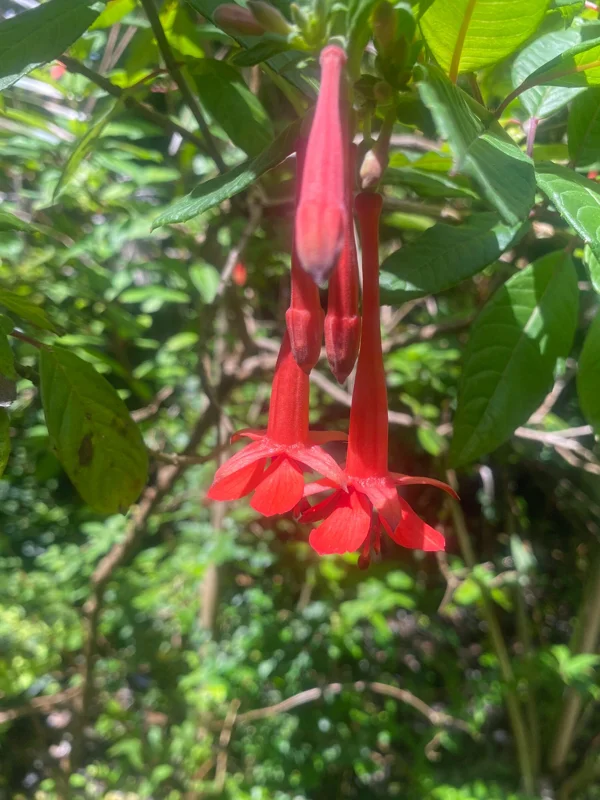
Flower Seeds
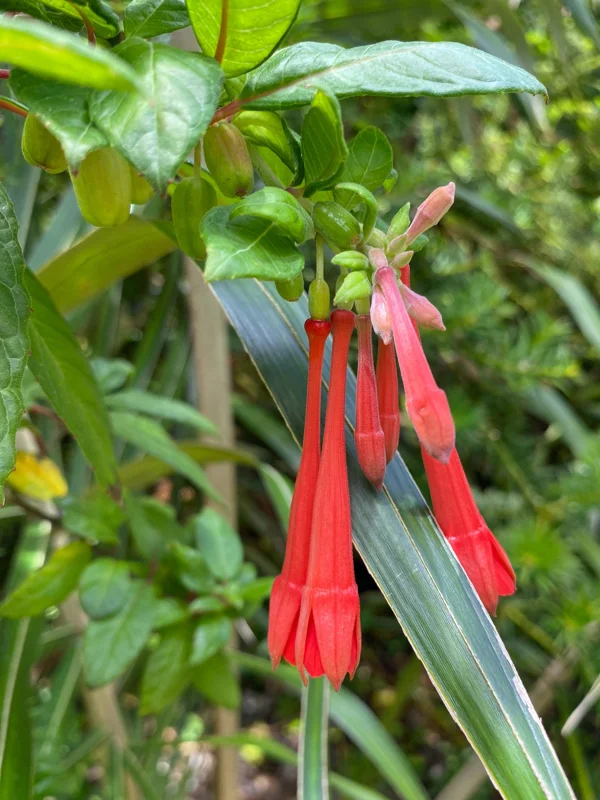
Fuchsia vulcanica Seeds – 20 Pack – Vibrant Orange Coral Flowers for Garden & Containers
Sold 50 products
Original price was: $25.00.$17.50Current price is: $17.50.
Sold 50 products
Original price was: $116.98.$95.68Current price is: $95.68.
Sold 50 products
Original price was: $21.00.$14.10Current price is: $14.10.
Aquatic Plant Seeds
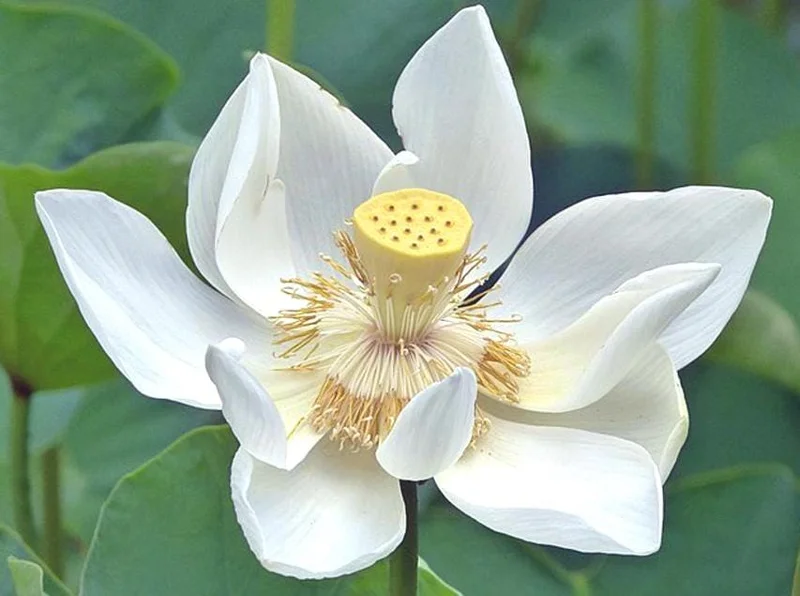
White Lotus Seeds – Nelumbo Nucifera Aquatic Pond Plant – 5 Seeds for Water Garden
Sold 50 products
Original price was: $29.00.$20.90Current price is: $20.90.RELATED posts
Awapuhi Wild Ginger Plant: Zones, Care, and Propagation
Learn which USDA zones suit awapuhi wild ginger, plus sunlight, water, planting, propagation, pests, size, [...]
Awapuhi Shampoo Ginger – Care, Growing Zones, and Differences
Learn how to grow awapuhi (shampoo) ginger, its USDA zones, watering schedule, propagation tips, and [...]
Awapuhi Shampoo Plant Buying Guide – Choose the Right Zingiber zerumbet
META: Learn which awapuhi (shampoo ginger) plant or rhizome pack gives the best natural shampoo, [...]
Awapuhi Plant for Sale: Complete Buying Guide
Find the right awapuhi (shampoo ginger) plant, size, price, soil mix, and online source. Practical [...]
Shampoo Ginger Plant for Sale – Buying Guide & Tips
Find the right shampoo ginger plant, size, price, and care tips. Quick guide for U.S. [...]
Shampoo Ginger Plant (Awapuhi) Care Guide
Learn how to grow, care for, and use shampoo ginger (Zingiber zerumbet), the tropical awapuhi [...]
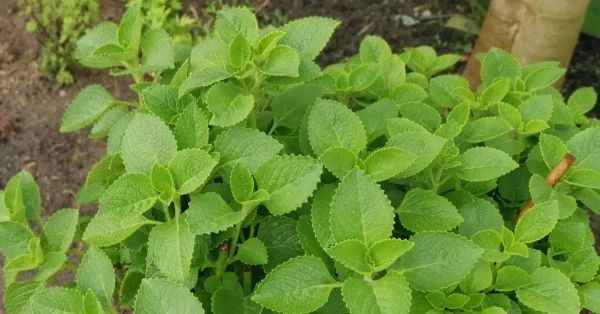
How to Grow Cuban Oregano Plants: A Complete Care Guide
If you’ve ever wanted a plant that combines the culinary punch of traditional oregano with [...]
Aug
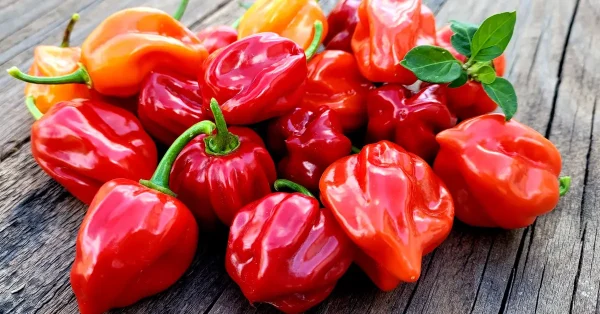
How to Grow Habanero Pepper Plants: A Step-by-Step Guide
Habanero pepper plants are prized for their vibrant colors, intense heat, and exceptional flavor, making [...]
Aug
Reviews
There are no reviews yet.