
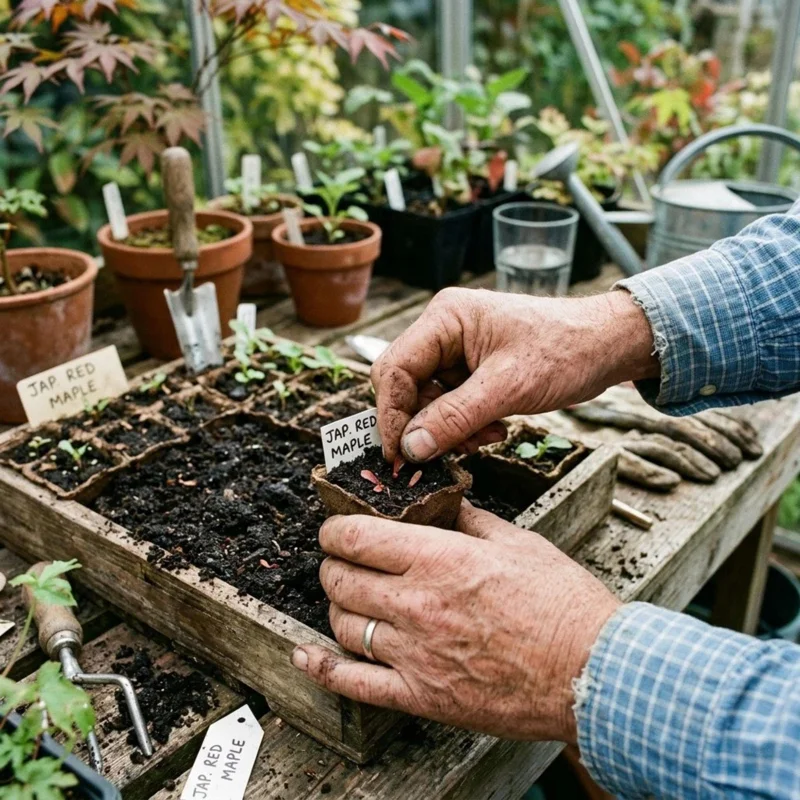
50 Red Japanese Maple Seeds – Acer Palmatum Ornamental Tree Seeds for Bonsai & Garden
Original price was: $19.98.$15.98Current price is: $15.98.
Cultivate timeless beauty with these red Japanese maple seeds (Acer palmatum). Perfect for creating elegant ornamental trees in your garden or training into intricate bonsai specimens. Each pack contains 50 high-quality seeds for a rewarding growing project.
Shipping and Return policies:
We stand behind our plants with our Alive & Thrive Guarantee. If you experience any issues within the first 30 days, please email us, and our team will be happy to help. When needed, we’ll send you a one-time replacement free of charge to make sure your garden keeps growing strong.

Reasonable Price
We offer reasonable price

Support 24/7
Contact us 24 hrs a day
100% Money Back
You’ve 30 days to Return
Payment Secure
100% secure payment
Overview
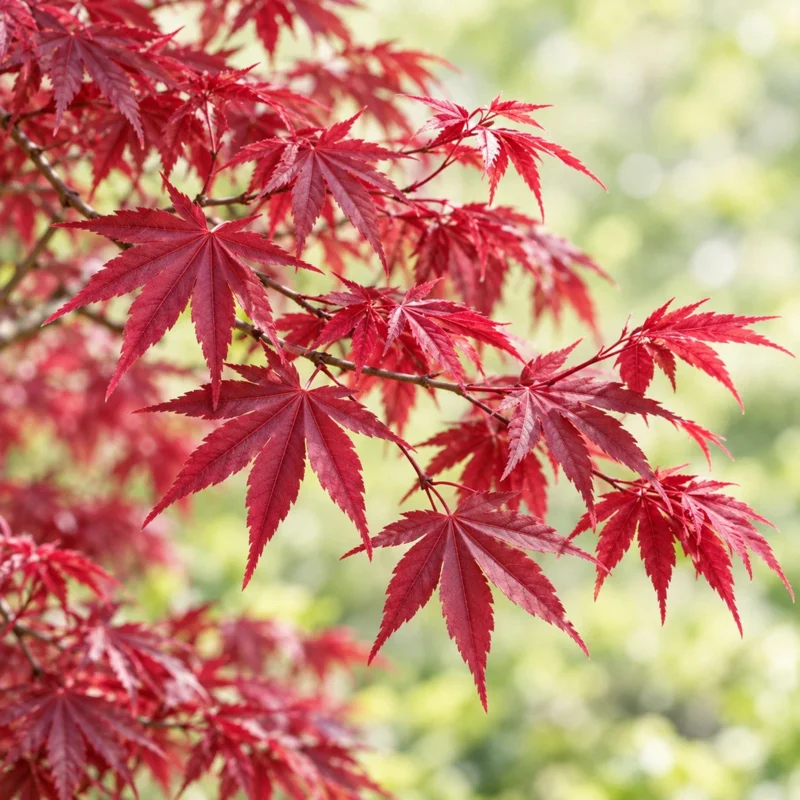
Embark on a rewarding gardening journey with red Japanese maple seeds. This pack contains 50 premium Acer palmatum seeds, offering a unique opportunity to grow one of the most admired ornamental trees in the world. Japanese Maples are celebrated for their stunning seasonal foliage, elegant branching structure, and versatile growth habits. From vibrant spring greens to fiery autumnal reds, the leaves of a Japanese Maple provide year-round visual interest and add a touch of sophistication to any landscape. These seeds are perfect for both seasoned gardeners looking to expand their collection and enthusiastic beginners eager to experience the joy of cultivating a tree from scratch. The process of growing Japanese Maples from seed is an engaging project that yields beautiful, long-lasting results, transforming your garden into a serene and captivating space.
Each Acer palmatum seeds packet is carefully prepared to ensure quality, providing you with the foundation for healthy, robust trees. Known botanically as Acer palmatum, the common name Red Japanese Maple perfectly describes the potential for spectacular fall color that these trees can achieve. While foliage color can vary by seedling and growing conditions, the genetics lean towards the coveted red hues that make these trees so popular. Whether you envision a stately specimen tree, a graceful accent in a border, or a meticulously shaped bonsai, these seeds provide the starting point for your horticultural aspirations. Discover the satisfaction of nurturing these exquisite trees from their earliest stages, watching them develop their unique character and charm.
Key Benefits
Growing red Japanese maple seeds offers a multitude of benefits, enriching your garden and providing a deeply satisfying experience. These seeds are not just a plant; they are an investment in future beauty and tranquility:
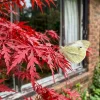
- Stunning Ornamental Appeal: Japanese Maples are renowned for their delicate, deeply lobed leaves and graceful forms. They provide year-round visual interest, with vibrant seasonal color changes that can range from lush greens to brilliant reds, oranges, and purples, making them a focal point in any garden or landscape.
- Versatile Garden Use: These trees can be grown as elegant landscape specimens, adding height and texture to garden beds, or as striking patio plants in containers. Their adaptable nature makes them suitable for various garden designs, from traditional to contemporary.
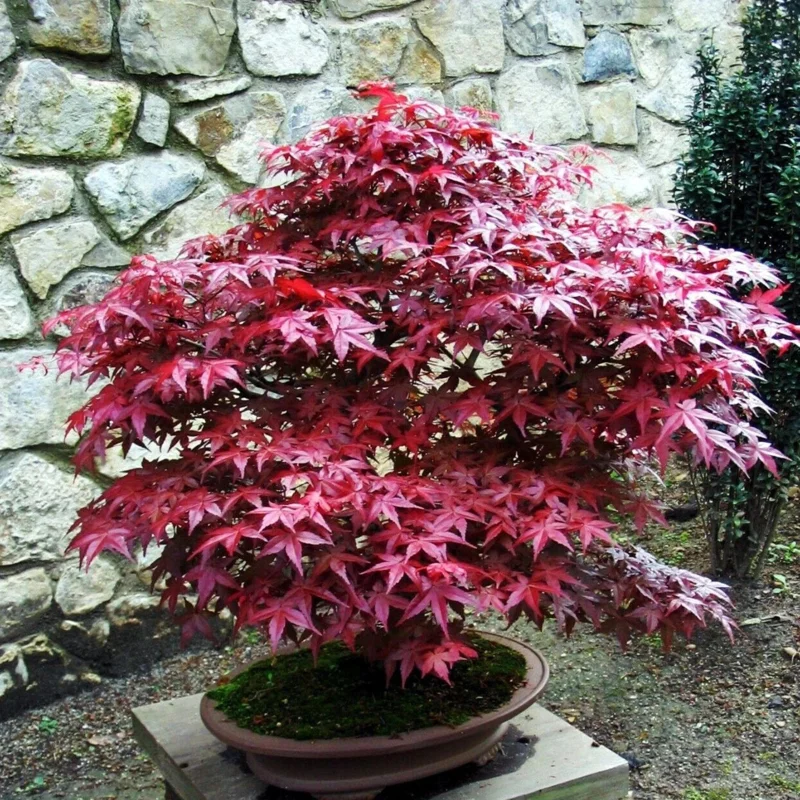
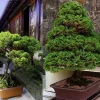
- Bonsai Potential: For enthusiasts of the ancient art of bonsai, these Japanese maple bonsai seeds offer an excellent opportunity. With patience and proper training, the seeds can be cultivated into exquisite miniature trees, showcasing their intricate branching and beautiful foliage on a smaller scale.
- Long-Term Investment: Japanese Maples are long-lived trees that appreciate in beauty and value over time. Planting them from seed allows you to witness their entire life cycle, creating a deeper connection to your garden and a legacy for future generations.
- Enjoyable Growing Project: The process of germinating and nurturing red Japanese maple seeds is a rewarding and educational experience. It fosters patience, observation, and a deeper understanding of plant biology, making it an ideal project for gardeners of all skill levels.
- Creates Shade and Shelter: As they mature, these ornamental trees can provide dappled shade, creating a cooler, more comfortable environment in your garden during warmer months. They also offer shelter for small birds and beneficial insects.
- Enhances Property Value: Well-established, healthy Japanese Maples can significantly enhance the aesthetic appeal and overall value of your home and garden, making them a desirable feature for any property.
Plant Care & Growing Tips
Successfully cultivating Acer palmatum seeds requires patience and adherence to specific care guidelines. The first crucial step is cold stratification, which mimics the natural winter conditions needed to break seed dormancy. Place your 50 red Japanese maple seeds in a moist, sterile medium like peat moss or sand, seal them in a plastic bag, and refrigerate for 90-120 days. Ensure the medium remains consistently moist but not waterlogged to prevent mold growth. After stratification, sow the prepared seeds about 1/4 inch deep in a well-draining seed-starting mix, ideally in individual pots or seed trays. A mix specifically designed for seedlings or a blend of peat, perlite, and sand works well.
Once sown, maintain consistent moisture in the growing medium, avoiding both drying out and overwatering. Provide suitable light conditions; young seedlings thrive in bright, indirect light. A north-facing window or filtered light outdoors is often ideal. Protect tender seedlings from harsh direct sun, strong winds, and extreme temperatures. Japanese Maples prefer a slightly acidic to neutral soil pH (6.0-7.0). As your seedlings grow, gradually acclimate them to outdoor conditions if they were started indoors. Transplant established seedlings carefully into larger containers or their final garden locations, ensuring minimal root disturbance. When planting in the garden, choose a site with good drainage and protection from intense afternoon sun, especially in warmer climates. Regular, deep watering is essential during the establishment phase, and a light, balanced fertilizer can be applied sparingly once the seedlings are robust enough.
For those interested in growing Japanese maple as bonsai, start shaping and pruning early to guide its form. Consistent watering is key, especially during dry spells, but ensure the soil never becomes waterlogged, which can lead to root rot. Monitor your young trees for pests and diseases, addressing any issues promptly with appropriate organic or chemical treatments. While relatively hardy, young Japanese Maples can be susceptible to environmental stresses. Providing a sheltered location and consistent care will significantly increase your success rate in cultivating these magnificent ornamental tree seeds into mature, beautiful specimens.
Size & Details
This product includes 50 red Japanese maple seeds (Acer palmatum), providing a generous quantity for your growing project. Japanese Maples typically grow into small to medium-sized ornamental deciduous trees, with their mature height and spread varying depending on the specific variety, growing conditions, and whether they are pruned for landscaping or bonsai. In a garden setting, they can reach heights of 10-25 feet, with a similar spread, forming a graceful, multi-stemmed structure. When cultivated as bonsai, their size is meticulously controlled through pruning and training, allowing them to remain compact and artfully shaped, often just a few inches to a couple of feet tall.
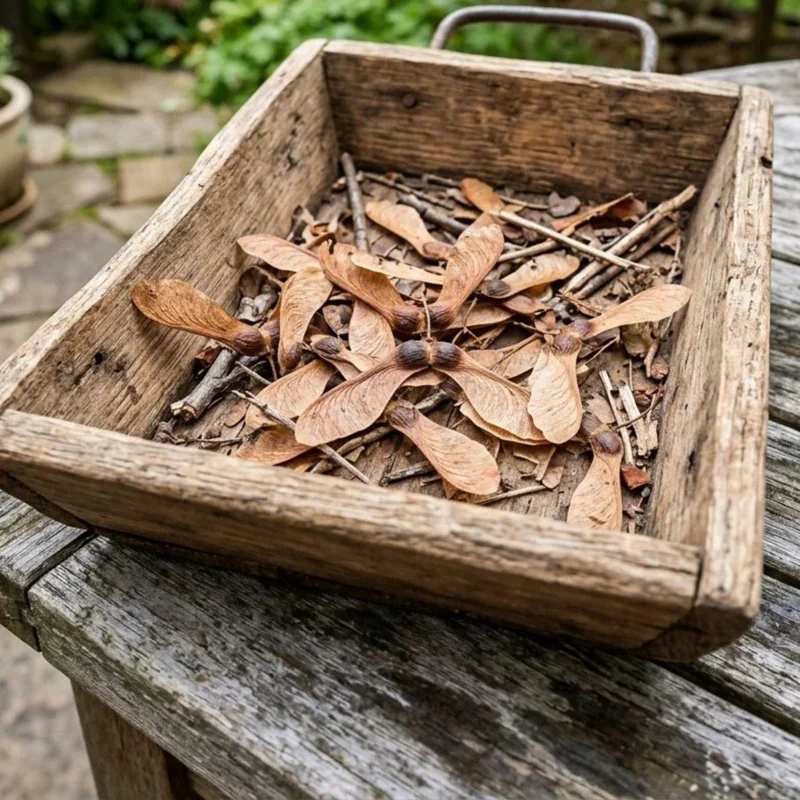
The seeds themselves are small and require a period of cold stratification to encourage germination. Once germinated, seedlings will grow at a moderate rate, typically reaching a few inches to a foot in their first year, depending on conditions. The foliage is deciduous, offering stunning seasonal changes from spring to fall. These Acer palmatum seeds are shipped in a protective packet, ready for you to begin the stratification and planting process. Expect several years of growth before the tree reaches a significant ornamental size, but the journey of nurturing these beautiful trees from seed is a rewarding experience in itself.
Frequently Asked Questions
- Q: How many red Japanese maple seeds are included in this pack? A: This pack contains 50 red Japanese maple seeds, providing ample opportunity to start your own collection of these beautiful ornamental trees.
- Q: Is it difficult to grow Japanese Maples from seed? A: Growing Japanese Maples from seed requires patience and specific steps, particularly cold stratification. While not overly difficult, it’s a rewarding project that benefits from careful attention to detail and consistent care.
- Q: What is cold stratification and why is it necessary for these seeds? A: Cold stratification is a process that mimics winter conditions, exposing the seeds to a period of moist cold. This is essential for Acer palmatum seeds to break their natural dormancy and prepare them for germination in the spring.
- Q: Can these seeds be used to grow bonsai trees? A: Yes, these Japanese maple bonsai seeds are excellent for cultivating bonsai. With proper pruning, training, and care, you can shape them into beautiful miniature trees, showcasing their intricate structure and elegant foliage.
- Q: What kind of soil do Japanese Maples prefer? A: Japanese Maples thrive in well-draining, slightly acidic to neutral soil. A good quality potting mix enriched with organic matter, or a garden soil amended with compost and perlite, is ideal for growing Japanese maple.
- Q: How much sun do young Japanese Maple seedlings need? A: Young red Japanese maple seeds seedlings prefer bright, indirect light. Protect them from harsh, direct afternoon sun, especially in warmer climates, as their delicate leaves can scorch.
- Q: When is the best time to plant these seeds? A: After completing the cold stratification period (which usually takes 90-120 days in the refrigerator), the best time to sow the seeds is in early spring, mimicking their natural emergence in nature.
- Q: What is the expected growth rate of Japanese Maple trees from these ornamental tree seeds? A: Japanese Maples typically have a moderate growth rate. You can expect seedlings to grow several inches to a foot in their first year, with growth accelerating as they establish.
- Q: Are Japanese Maples suitable for container growing? A: Yes, Japanese Maples are well-suited for container growing, especially smaller varieties or if you plan to prune them regularly. Ensure the container has excellent drainage and is appropriately sized for the tree.
- Q: What USDA hardiness zones are suitable for Japanese Maples? A: Most Japanese Maple varieties, including those grown from these red Japanese maple seeds, are hardy in USDA zones 5-8, though some can tolerate zone 4 or 9 with proper care and siting.
Be the first to review “50 Red Japanese Maple Seeds – Acer Palmatum Ornamental Tree Seeds for Bonsai & Garden”
You must be logged in to post a review.
People also Viewed
Sold 50 products
Original price was: $109.95.$79.98Current price is: $79.98.
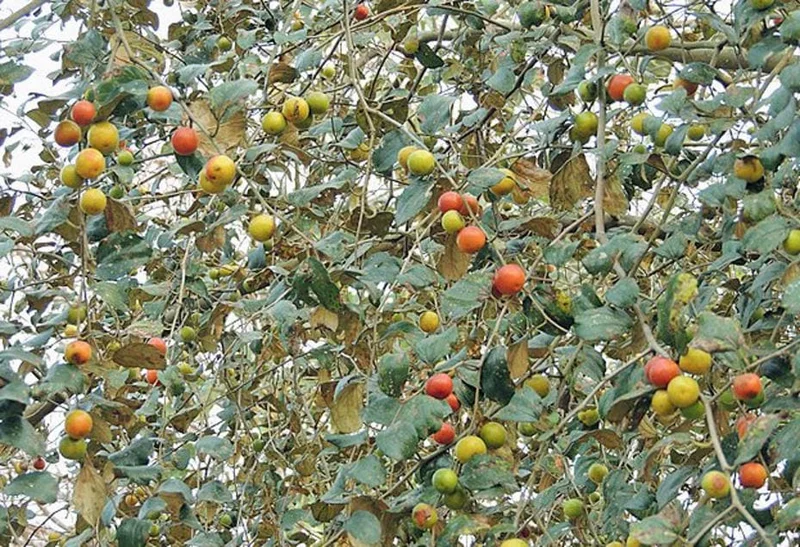
Sold 50 products
Original price was: $25.00.$17.50Current price is: $17.50.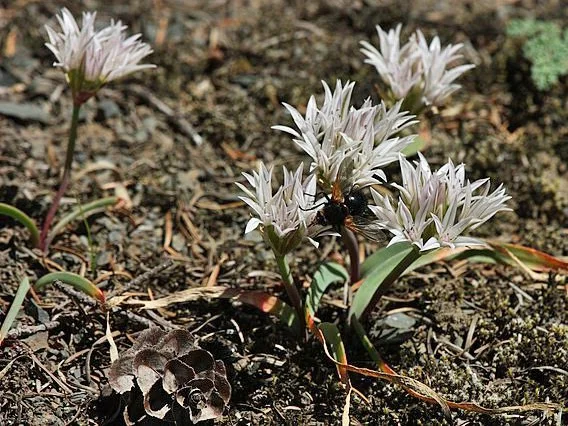
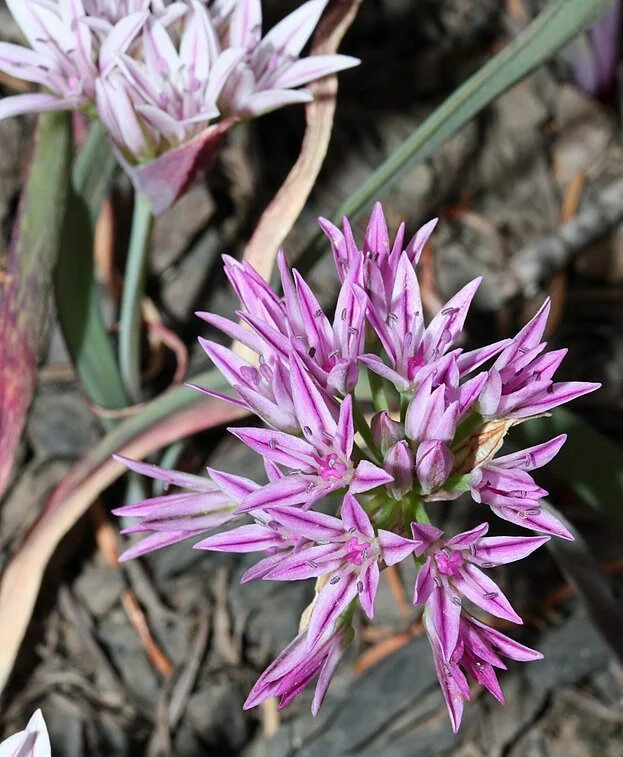
Flower Seeds
Olympic Onion Seeds – Allium crenulatum Flower Seeds – 10 Seed Pack – Outdoor Native Plant
Sold 50 products
Original price was: $25.00.$17.50Current price is: $17.50.
Sold 50 products
Original price was: $25.00.$17.50Current price is: $17.50.
Flower Seeds
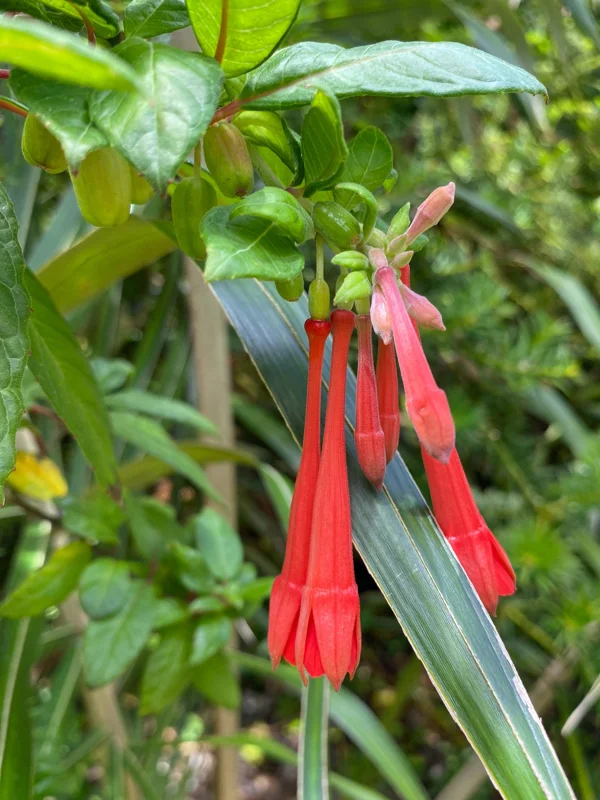
Fuchsia vulcanica Seeds – 20 Pack – Vibrant Orange Coral Flowers for Garden & Containers
Sold 50 products
Original price was: $25.00.$17.50Current price is: $17.50.
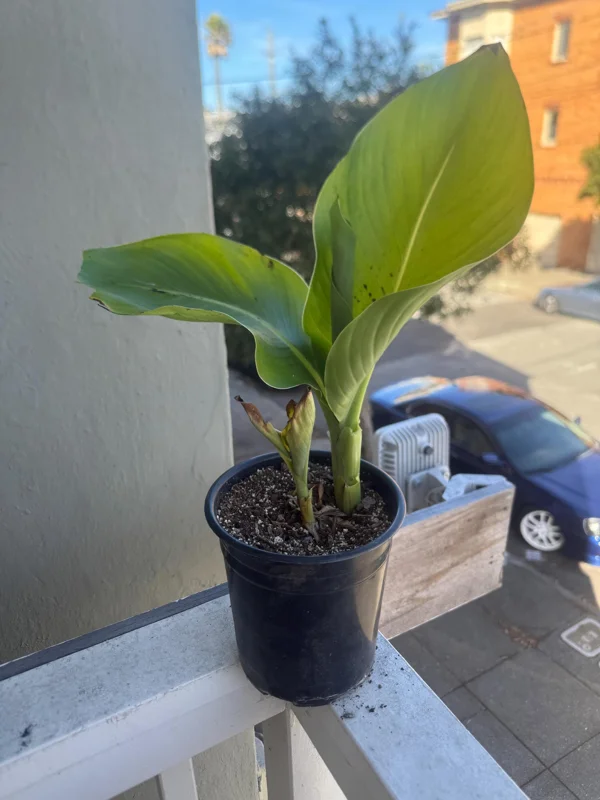
Sold 50 products
Original price was: $116.98.$95.68Current price is: $95.68.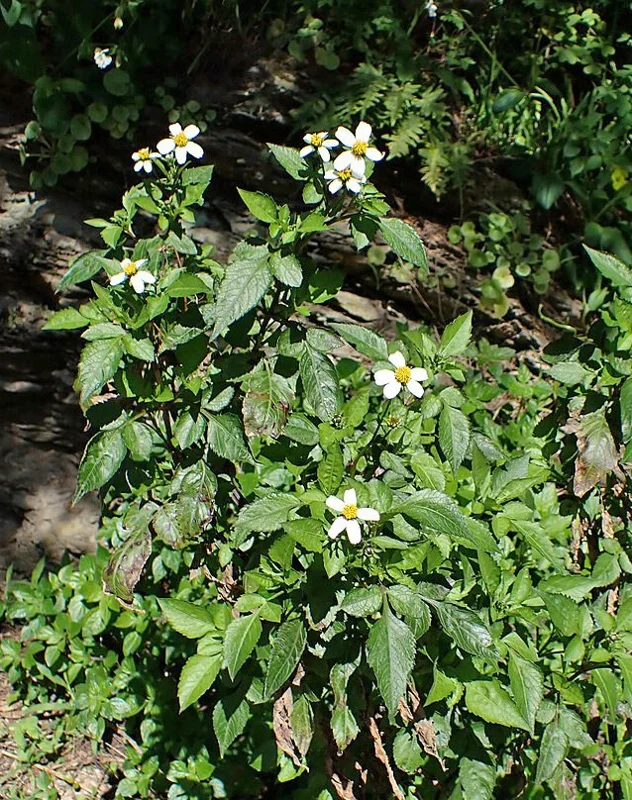
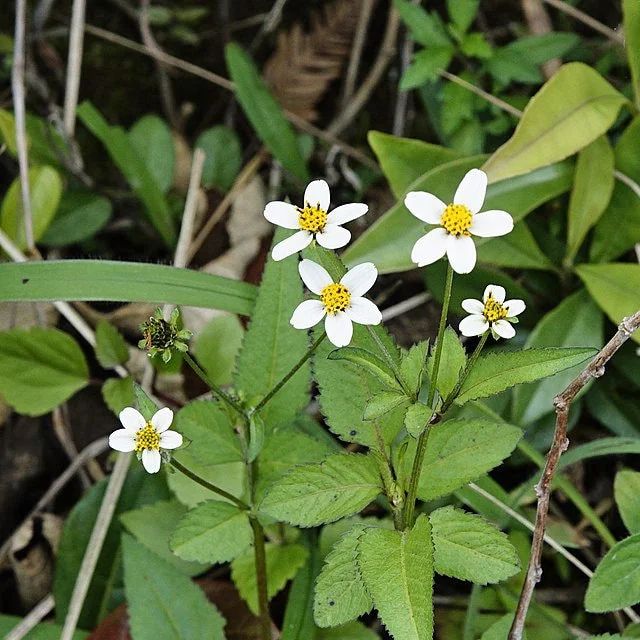
Sold 50 products
Original price was: $21.00.$14.10Current price is: $14.10.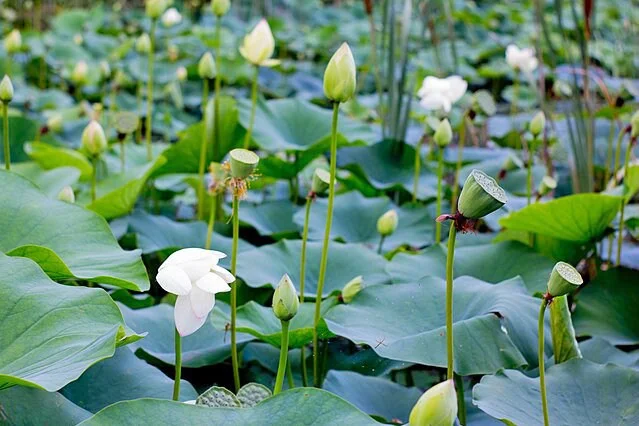
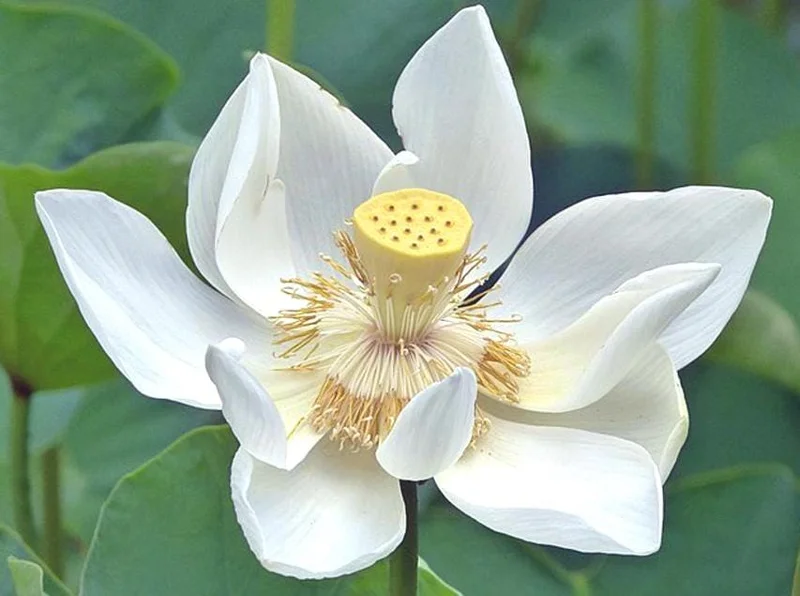
Aquatic Plant Seeds
White Lotus Seeds – Nelumbo Nucifera Aquatic Pond Plant – 5 Seeds for Water Garden
Sold 50 products
Original price was: $29.00.$20.90Current price is: $20.90.RELATED posts
Awapuhi Wild Ginger Plant: Zones, Care, and Propagation
Learn which USDA zones suit awapuhi wild ginger, plus sunlight, water, planting, propagation, pests, size, [...]
Awapuhi Shampoo Ginger – Care, Growing Zones, and Differences
Learn how to grow awapuhi (shampoo) ginger, its USDA zones, watering schedule, propagation tips, and [...]
Awapuhi Shampoo Plant Buying Guide – Choose the Right Zingiber zerumbet
META: Learn which awapuhi (shampoo ginger) plant or rhizome pack gives the best natural shampoo, [...]
Awapuhi Plant for Sale: Complete Buying Guide
Find the right awapuhi (shampoo ginger) plant, size, price, soil mix, and online source. Practical [...]
Shampoo Ginger Plant for Sale – Buying Guide & Tips
Find the right shampoo ginger plant, size, price, and care tips. Quick guide for U.S. [...]
Shampoo Ginger Plant (Awapuhi) Care Guide
Learn how to grow, care for, and use shampoo ginger (Zingiber zerumbet), the tropical awapuhi [...]
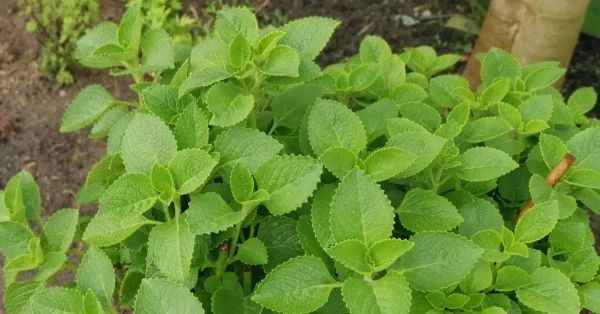
How to Grow Cuban Oregano Plants: A Complete Care Guide
If you’ve ever wanted a plant that combines the culinary punch of traditional oregano with [...]
Aug
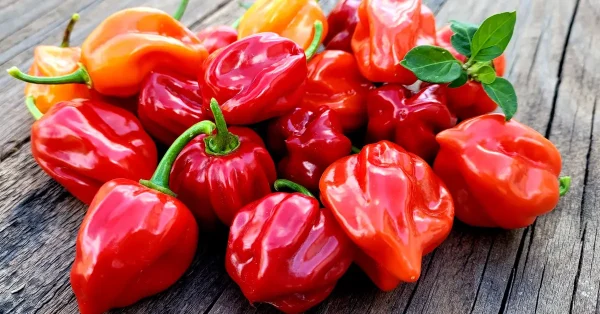
How to Grow Habanero Pepper Plants: A Step-by-Step Guide
Habanero pepper plants are prized for their vibrant colors, intense heat, and exceptional flavor, making [...]
Aug
Reviews
There are no reviews yet.