
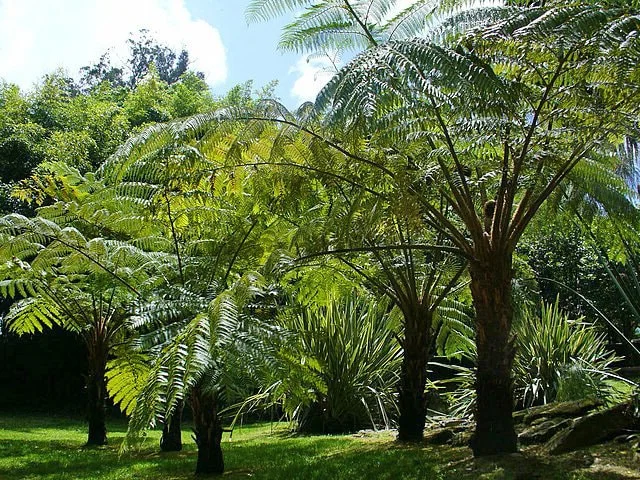
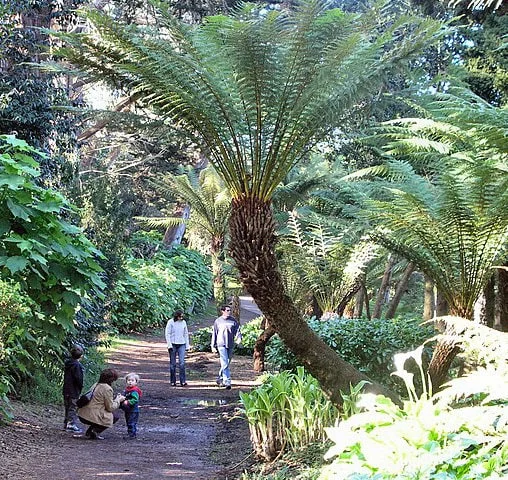
Dicksonia Antarctica Spores – Soft Tree Fern Seeds – 250 Count – Outdoor Zone 8-10
Original price was: $25.00.$17.50Current price is: $17.50.
Begin your journey to cultivate the majestic Dicksonia Antarctica spores, also known as the Soft Tree Fern seeds or Tasmanian Tree Fern. This packet contains 250 spores, offering the chance to grow an impressive fern renowned for its large fronds and distinctive trunk. Ideal for shaded, moist outdoor environments in USDA Zones 8-10.
Shipping and Return policies:
We stand behind our plants with our Alive & Thrive Guarantee. If you experience any issues within the first 30 days, please email us, and our team will be happy to help. When needed, we’ll send you a one-time replacement free of charge to make sure your garden keeps growing strong.

Reasonable Price
We offer reasonable price

Support 24/7
Contact us 24 hrs a day
100% Money Back
You’ve 30 days to Return
Payment Secure
100% secure payment
Overview
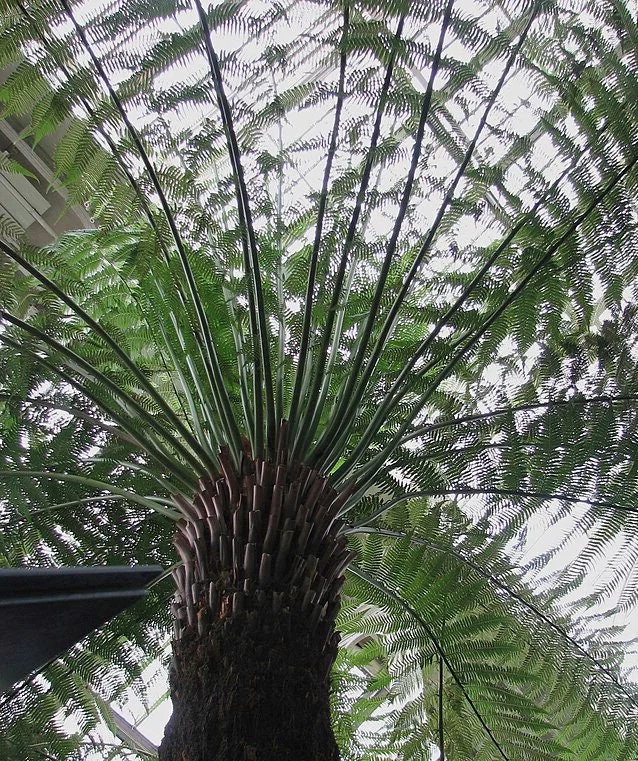
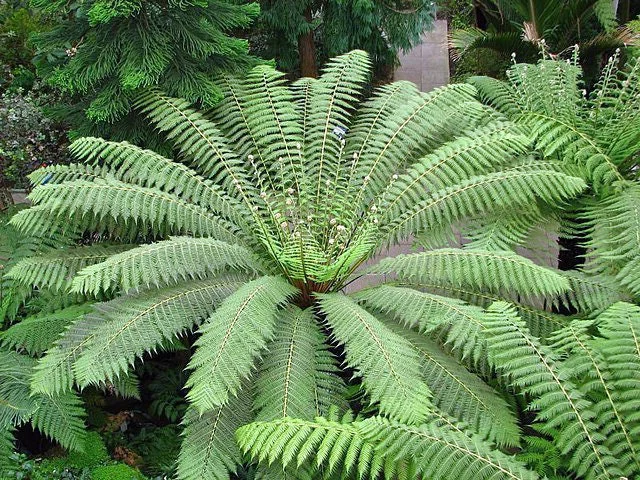
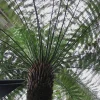
Embark on the rewarding challenge of growing the magnificent Dicksonia Antarctica spores, commonly known as the Soft Tree Fern or Tasmanian Tree Fern. This offering provides 250 viable spores, giving you the opportunity to cultivate one of the most iconic and impressive ferns native to eastern Australia, including Tasmania. Renowned for its impressive size, the Soft Tree Fern can develop fronds reaching up to 13 feet in length, gracefully arching from a stout, trunk-like stem that can grow up to 49 feet tall. The trunk itself is a distinctive feature, covered with a dense layer of fibrous roots that provide both stability and a unique aesthetic. Cultivating Dicksonia Antarctica spores is a patient process, but the result is a stunning, long-lived specimen that transforms any garden into a lush, temperate rainforest haven. These spores are perfect for dedicated gardeners looking to add a truly dramatic and ancient plant presence to their landscape.
The Tasmanian Tree Fern thrives in cool, moist, and shaded environments, making it an excellent choice for woodland gardens, near streams, or in sheltered gullies. While not for the beginner, successfully germinating and growing these spores offers immense satisfaction. With proper care, these ferns can tolerate light frosts when protected in USDA Zone 8, extending their popularity beyond their native range. The species plays a vital role in its ecosystem, providing essential habitat and food for various wildlife, and significantly contributes to the understory of forested areas. Prepare for a journey of patience and consistent care to witness the full splendor of this remarkable fern.
Key Benefits
Growing the Soft Tree Fern seeds from spores offers a unique and deeply satisfying horticultural experience, culminating in a striking addition to your outdoor space. The benefits extend beyond mere aesthetics, contributing to a vibrant and diverse garden environment.
- Dramatic Landscape Feature: The impressive size and unique trunk of the Soft Tree Fern create an immediate focal point, bringing a touch of ancient, lush rainforest to your garden or patio. Its large, arching fronds offer a captivating visual display.
- Habitat & Ecosystem Support: As a significant understory plant, the Dicksonia Antarctica provides shelter and food for local wildlife, enhancing biodiversity in your garden and contributing to a healthier ecosystem.
- Cool, Shaded Ambiance: Perfect for creating serene, shaded retreats in your garden, these ferns thrive in conditions where many other plants struggle, offering a refreshing, verdant atmosphere.
- Long-Lived & Enduring: Once established, Soft Tree Ferns are incredibly long-lived, becoming a permanent and increasingly majestic feature in your landscape for decades to come.
- Unique Growing Experience: Cultivating grow tree fern from spores is a rewarding challenge for experienced gardeners, offering a deeper connection to the plant’s life cycle and a sense of accomplishment.
- Architectural Interest: The fibrous, stout trunk provides significant architectural interest, adding texture and structure to garden designs, especially when contrasted with other foliage.
Plant Care & Growing Tips
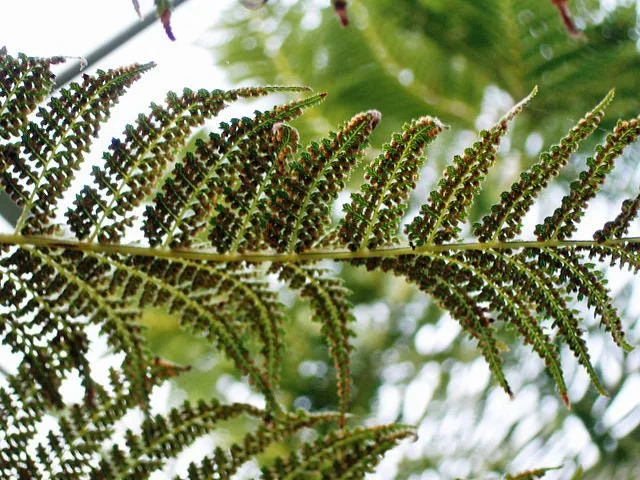
Germinating Dicksonia Antarctica spores and cultivating the resulting ferns requires a careful and patient approach, making it best suited for experienced growers. The process is slow and demands specific environmental conditions. To begin, sow the spores on a sterile, well-draining medium. A mix of peat and sand is often recommended to prevent fungal infections, which are a common challenge during spore germination. It is crucial to maintain a consistently moist environment for the spores; use a fine mist spray to water, as tiny spores can easily be displaced by a stronger stream. Covering the container with clear plastic or glass helps create a humid, greenhouse-like atmosphere, which is essential for germination.
Place the covered container in a warm, shaded location with indirect light. Optimal germination temperatures are around 20-25°C (68-77°F). Patience is key, as germination can take several weeks to many months. The first sign of success will be the appearance of a green film, which indicates the development of the prothallus – the initial stage of the fern’s lifecycle. Once the prothalli are large enough, they will produce tiny fern plants. These delicate plantlets can then be carefully transplanted into individual pots, using a similar sterile and well-draining medium. Gradually acclimate these young ferns to outdoor conditions, ensuring they remain protected from harsh sun and drying winds. Consistent moisture, shade, and protection from extreme temperatures are vital for the successful growth and establishment of your Dicksonia Antarctica. Protecting them in zone 8 during colder months is advised.
Size & Details
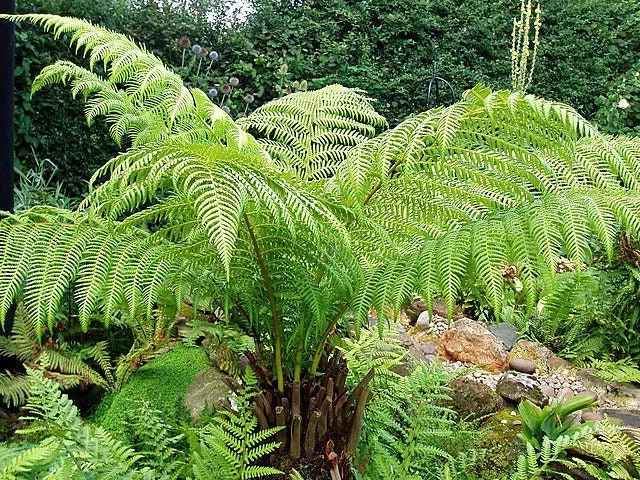
This product includes 250 viable Dicksonia Antarctica spores, providing ample opportunity to propagate this magnificent fern. The Soft Tree Fern is known for its impressive mature size, with fronds that can extend up to 4 meters (13 feet) in length. The distinctive trunk-like stem can grow up to 15 meters (49 feet) tall over many years, though in garden settings, it often reaches more manageable heights of 6-15 feet. Growth from spores is initially very slow, with the first true fronds appearing months after germination. Full maturity and trunk development will take several years, making this a long-term gardening project.
These spores ship in a protected packet, ready for immediate sowing. The ideal growing conditions are typically found in USDA Hardiness Zones 8-10, where the fern can tolerate light frosts if protected. The mature plant will form a broad canopy, requiring significant space in a shaded garden. The dense, fibrous trunk provides stability and retains moisture, contributing to the plant’s unique appearance and resilience. Cultivating Tasmanian Tree Fern from spores allows you to experience the full lifecycle of this ancient plant.
Frequently Asked Questions
- Q: How big does this plant get? A: The Dicksonia Antarctica can eventually reach impressive sizes, with fronds growing up to 13 feet long and the trunk-like stem reaching up to 49 feet tall in its native habitat. In cultivated gardens, it typically grows to a more modest 6-15 feet tall over many years.
- Q: Is this an indoor or outdoor plant? A: The Soft Tree Fern seeds are intended for growing outdoors. It thrives in temperate rainforest conditions and is suitable for outdoor gardens in USDA Hardiness Zones 8-10, requiring protection from heavy frosts.
- Q: How much sunlight does it need? A: This fern prefers cool, moist, and heavily shaded environments. It requires indirect light and should be protected from direct sunlight, which can scorch its fronds.
- Q: Is this plant easy to care for? A: Germinating and growing grow tree fern from spores is not for beginners due to the specific and patient care required for successful germination and establishment. Once established, mature plants are moderately easy to care for, mainly needing consistent moisture and shade.
- Q: What condition will the spores arrive in? A: The 250 Dicksonia Antarctica spores will arrive in a protective packet, ensuring their viability for sowing. They are dormant and ready for your germination process.
- Q: How long until it grows into a visible plant? A: Germination can take several weeks to many months, with tiny fern plants (sporophytes) appearing after the initial prothallus stage. Significant growth and the development of a noticeable fern plant will take considerable time and patience.
- Q: Will it survive winter in my zone? A: The Soft Tree Fern is hardy in USDA Zones 8-10. In Zone 8, it will require protection during winter from heavy frosts to ensure its survival. Zones 9-10 generally provide sufficient warmth.
- Q: What type of soil is best for germinating the spores? A: A sterile, well-draining medium such as a mix of peat and sand is recommended for germinating the Tasmanian Tree Fern spores to prevent fungal issues and provide adequate drainage.
- Q: Can I grow this in a container? A: While young ferns can be started in containers, due to their eventual large size, they are best suited for planting directly into the ground in appropriate climates. Large containers may be used for a period, but transplanting will eventually be necessary.
- Q: What is the ideal temperature for germination? A: Optimal germination occurs at temperatures around 20-25°C (68-77°F). Maintaining a consistent temperature is crucial for success.
Be the first to review “Dicksonia Antarctica Spores – Soft Tree Fern Seeds – 250 Count – Outdoor Zone 8-10”
You must be logged in to post a review.
People also Viewed
Sold 50 products
Original price was: $109.95.$79.98Current price is: $79.98.
Sold 50 products
Original price was: $25.00.$17.50Current price is: $17.50.
Flower Seeds
Olympic Onion Seeds – Allium crenulatum Flower Seeds – 10 Seed Pack – Outdoor Native Plant
Sold 50 products
Original price was: $25.00.$17.50Current price is: $17.50.
Sold 50 products
Original price was: $25.00.$17.50Current price is: $17.50.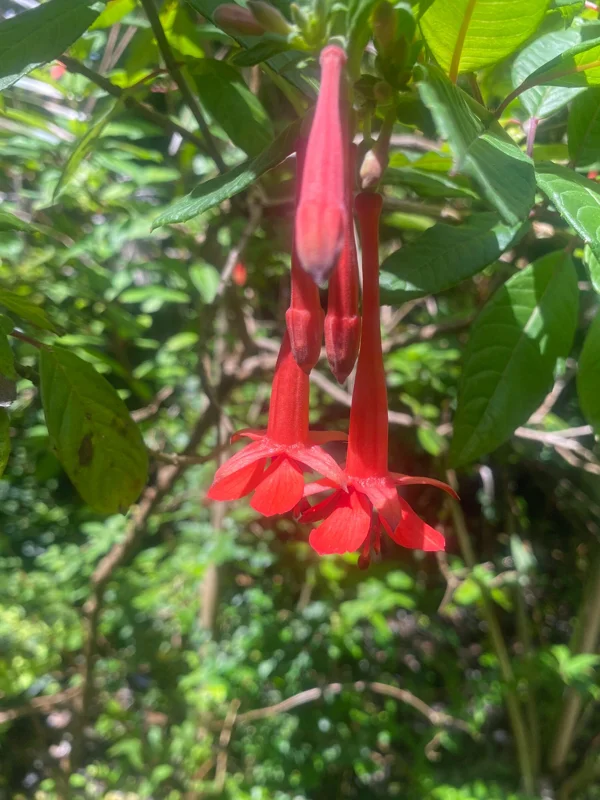
Flower Seeds
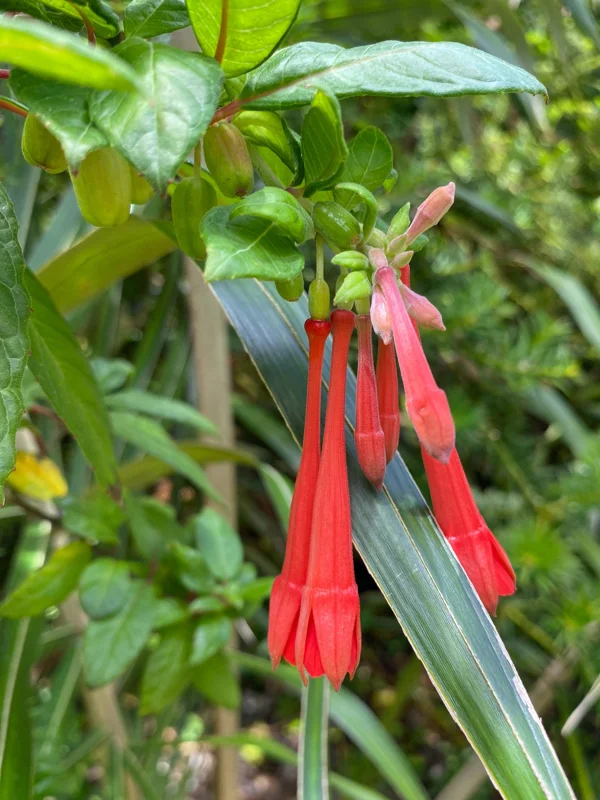
Fuchsia vulcanica Seeds – 20 Pack – Vibrant Orange Coral Flowers for Garden & Containers
Sold 50 products
Original price was: $25.00.$17.50Current price is: $17.50.
Sold 50 products
Original price was: $116.98.$95.68Current price is: $95.68.
Sold 50 products
Original price was: $21.00.$14.10Current price is: $14.10.
Aquatic Plant Seeds
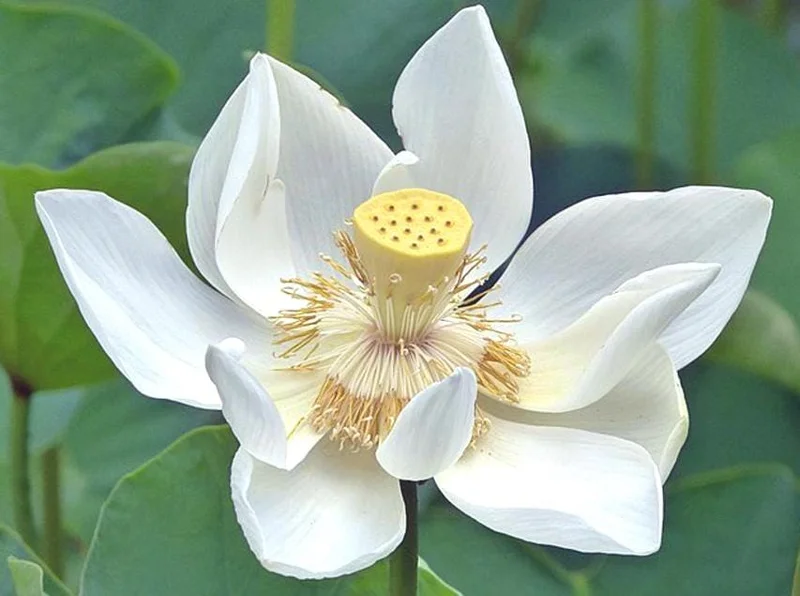
White Lotus Seeds – Nelumbo Nucifera Aquatic Pond Plant – 5 Seeds for Water Garden
Sold 50 products
Original price was: $29.00.$20.90Current price is: $20.90.RELATED posts
Awapuhi Wild Ginger Plant: Zones, Care, and Propagation
Learn which USDA zones suit awapuhi wild ginger, plus sunlight, water, planting, propagation, pests, size, [...]
Awapuhi Shampoo Ginger – Care, Growing Zones, and Differences
Learn how to grow awapuhi (shampoo) ginger, its USDA zones, watering schedule, propagation tips, and [...]
Awapuhi Shampoo Plant Buying Guide – Choose the Right Zingiber zerumbet
META: Learn which awapuhi (shampoo ginger) plant or rhizome pack gives the best natural shampoo, [...]
Awapuhi Plant for Sale: Complete Buying Guide
Find the right awapuhi (shampoo ginger) plant, size, price, soil mix, and online source. Practical [...]
Shampoo Ginger Plant for Sale – Buying Guide & Tips
Find the right shampoo ginger plant, size, price, and care tips. Quick guide for U.S. [...]
Shampoo Ginger Plant (Awapuhi) Care Guide
Learn how to grow, care for, and use shampoo ginger (Zingiber zerumbet), the tropical awapuhi [...]
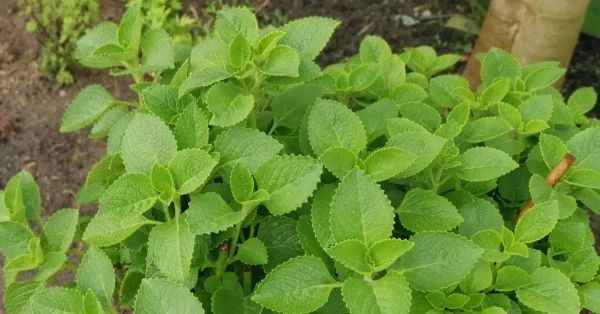
How to Grow Cuban Oregano Plants: A Complete Care Guide
If you’ve ever wanted a plant that combines the culinary punch of traditional oregano with [...]
Aug
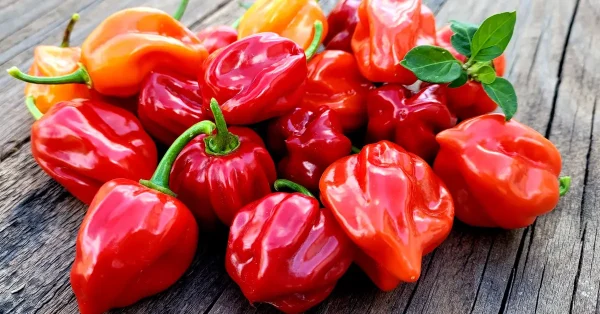
How to Grow Habanero Pepper Plants: A Step-by-Step Guide
Habanero pepper plants are prized for their vibrant colors, intense heat, and exceptional flavor, making [...]
Aug

Reviews
There are no reviews yet.