
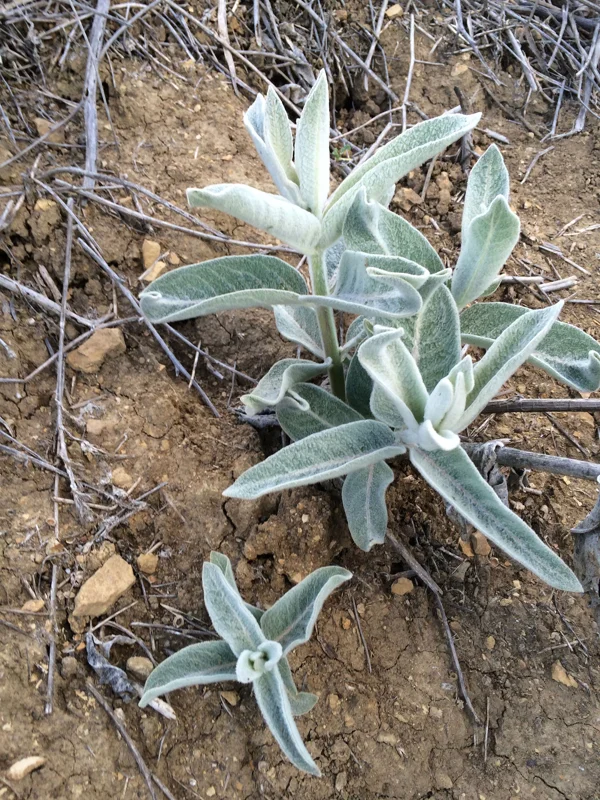
Asclepias eriocarpa Indian Milkweed Seeds – Woollypod Milkweed – 10 Seeds for Pollinators
Original price was: $23.00.$15.80Current price is: $15.80.
Cultivate Asclepias eriocarpa seeds, also known as Indian Milkweed seeds or Woollypod Milkweed. These native perennial seeds grow into a crucial host plant for Monarch butterfly larvae, supporting their lifecycle and attracting other pollinators. Ideal for gardens in Zones 6-8, it’s a drought-tolerant and ecologically valuable addition.
Shipping and Return policies:
We stand behind our plants with our Alive & Thrive Guarantee. If you experience any issues within the first 30 days, please email us, and our team will be happy to help. When needed, we’ll send you a one-time replacement free of charge to make sure your garden keeps growing strong.

Reasonable Price
We offer reasonable price

Support 24/7
Contact us 24 hrs a day
100% Money Back
You’ve 30 days to Return
Payment Secure
100% secure payment
Overview
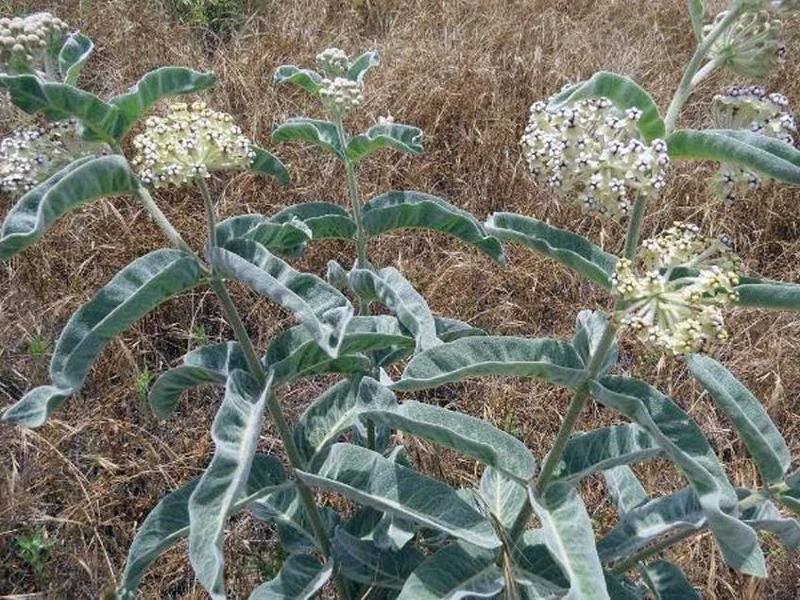
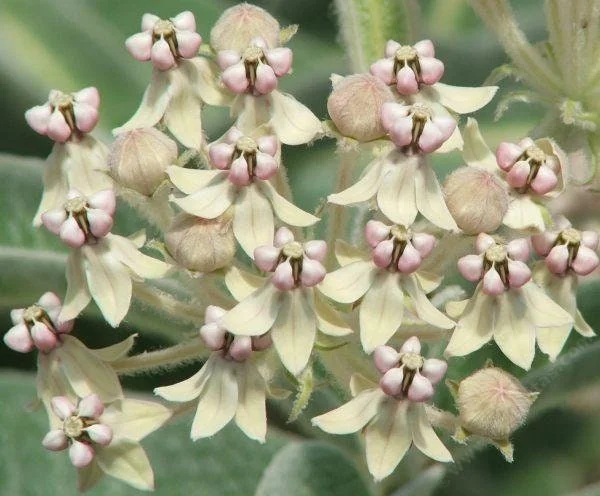
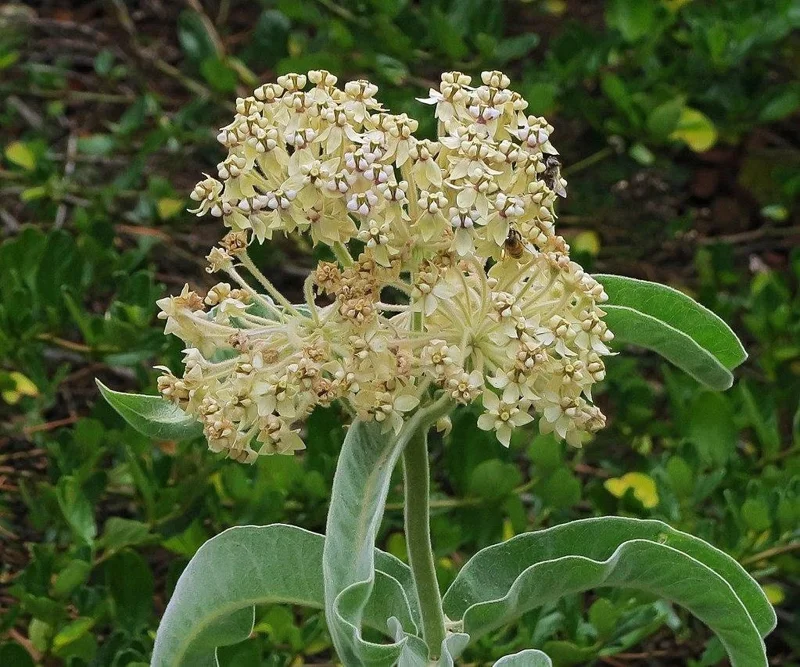
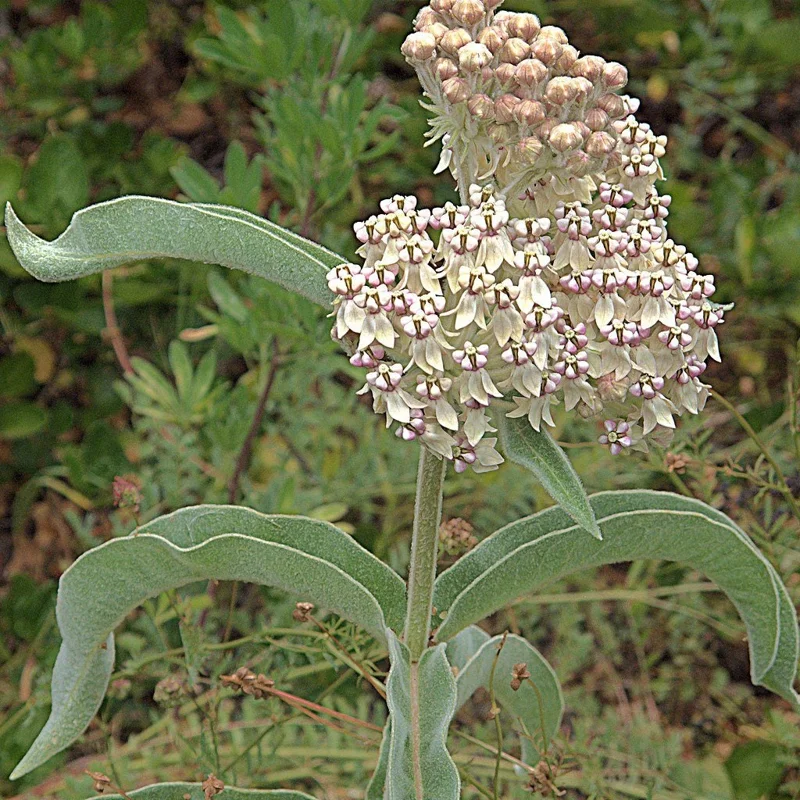
Embark on a rewarding gardening journey by planting Asclepias eriocarpa seeds. This offering provides 10 high-quality seeds of the Indian Milkweed, a distinctive native perennial renowned for its ecological importance. Also known as Woollypod Milkweed, this species is an essential component for any pollinator garden, particularly for those looking to support the iconic Monarch butterfly. The plant itself features unique gray-green leaves covered in fine hairs, giving them a soft, woolly texture. In summer, it produces clusters of small, cream-colored flowers that are a magnet for various pollinators. Growing from these seeds allows you to cultivate a plant that is not only visually appealing but also plays a vital role in local ecosystems.
Indian Milkweed seeds are a fantastic choice for gardeners seeking to enhance biodiversity and provide critical habitat. This plant is a primary host for Monarch butterfly larvae, meaning the caterpillars feed exclusively on its leaves. By growing Asclepias eriocarpa, you contribute directly to the Monarch population’s survival. These seeds are suitable for Zones 6-8 and mature into robust plants that are drought-tolerant and adapted to arid conditions, making them a sustainable choice for many landscapes. Start your journey to a more vibrant and ecologically friendly garden with these remarkable seeds.
Key Benefits
Planting Asclepias eriocarpa seeds offers a multitude of benefits for your garden and the environment. These seeds will grow into plants that are both beautiful and ecologically significant, contributing to a thriving ecosystem right in your backyard. Discover the advantages of incorporating this unique species:
- Monarch Butterfly Host Plant: The primary benefit of growing Asclepias eriocarpa seeds is providing a critical food source for Monarch butterfly larvae. This plant is essential for the Monarch lifecycle, helping to sustain their populations.
- Attracts Pollinators: Beyond Monarchs, the cream-colored flowers of the Woollypod Milkweed attract a wide array of other beneficial pollinators, including bees and other butterflies, promoting garden health and fruit/vegetable production.
- Drought-Tolerant: Once established, Indian Milkweed seeds grow into plants that are highly drought-tolerant, requiring minimal water and thriving in arid or dry conditions, making them ideal for xeriscaping.
- Unique Ornamental Appeal: The distinctive gray-green, finely-haired leaves and subtle cream flowers add unique texture and visual interest to garden beds and native plant landscapes.
- Low Maintenance: After initial establishment, this native perennial requires very little care, making it a perfect choice for busy gardeners or those seeking an ecologically beneficial plant without extensive effort.
- Ecological Restoration: By planting drought tolerant milkweed, you contribute to native habitat restoration and support local biodiversity, helping to re-establish vital plant-insect relationships.
- Adaptable to Various Soils: While preferring well-draining soil, Asclepias eriocarpa shows good adaptability to a range of soil types, as long as drainage is adequate.
Plant Care & Growing Tips
Growing Asclepias eriocarpa seeds into healthy, thriving plants requires a few key steps, particularly regarding germination and initial care. The seeds will benefit from scarification, which involves gently rubbing them with sandpaper or nicking them with a knife to break their tough outer coating. Following scarification, soak the seeds in warm water for 24 hours to further soften the seed coat. Prepare a well-draining potting mix, ideally a blend of equal parts sand and peat moss, ensuring it’s moist but not waterlogged. Plant the scarified seeds about 1/4 inch deep, providing adequate spacing for future growth.
Once planted, place the pot in a warm location with indirect sunlight and maintain consistent soil moisture through regular misting. Germination for Indian Milkweed seeds typically occurs within 1-5 weeks, though it can vary. After seedlings emerge, gradually acclimate them to direct sunlight. When the seedlings have developed several sets of true leaves, they are ready for transplanting into individual containers or directly into garden beds. Ensure ample spacing and consistent moisture during their establishment phase. This Woollypod Milkweed thrives in full sun and well-draining soil, becoming quite drought-tolerant once mature, flourishing in USDA Zones 6-8. Fertilization is generally not heavily required for established plants, especially in nutrient-rich native soils.
Size & Details
This product includes 10 Asclepias eriocarpa seeds, providing a foundation for cultivating multiple plants. Once established, the Indian Milkweed typically grows to a height of 1-3 feet (30-90 cm) and spreads about 1-2 feet (30-60 cm) wide, forming an upright, bushy perennial. The seeds are shipped in a protective packet, ready for planting. Expect germination within 1-5 weeks under optimal conditions, with plants reaching maturity and flowering in their second year after planting. The growth rate is moderate, establishing a robust root system before focusing on top growth. These plants are best suited for outdoor cultivation within their recommended hardiness zones.
The distinctive woolly leaves and cream-colored flowers make this drought tolerant milkweed a stand-out in native plant gardens. The seeds offer an economical way to plant a significant area or share with fellow gardening enthusiasts. While individual plant size can vary based on growing conditions, established plants are known for their resilience and ability to self-seed in favorable environments, contributing to a sustainable landscape. The mature plants are robust and require minimal intervention, making them an excellent choice for naturalized areas or pollinator gardens.
Frequently Asked Questions
- Q: How big does this plant get? A: Once mature, the Asclepias eriocarpa typically reaches a height of 1 to 3 feet and spreads about 1 to 2 feet wide, forming a sturdy, upright perennial. Its growth can vary slightly based on local conditions and care.
- Q: Is this an indoor or outdoor plant? A: This is primarily an outdoor plant, well-suited for garden beds, native plant landscapes, and pollinator gardens in USDA Zones 6-8. It thrives in full sun conditions.
- Q: How much sunlight does it need? A: Indian Milkweed requires full sun exposure to thrive, meaning at least 6-8 hours of direct sunlight per day. Adequate sunlight is crucial for healthy growth and abundant flowering.
- Q: Is this plant easy to care for? A: Yes, once established, the Woollypod Milkweed is considered low-maintenance. It is drought-tolerant and adapted to arid conditions, making it an easy-care option for gardeners.
- Q: What condition will the seeds arrive in? A: The Asclepias eriocarpa seeds will arrive in a protective seed packet, ensuring they are fresh and viable for planting. Instructions for germination and care will be included.
- Q: Can I use these seeds to attract Monarch butterflies? A: Absolutely! Growing Monarch host plant seeds like Asclepias eriocarpa is one of the best ways to support Monarch butterflies, as it provides the essential food source for their larvae.
- Q: When is the best time to plant these seeds? A: The best time to plant these seeds is typically in the spring after the last frost, or they can be sown in the fall for natural cold stratification if your climate allows.
- Q: What type of soil does this milkweed prefer? A: Asclepias eriocarpa prefers well-draining soil, ideally a sandy or loamy mix. It is quite adaptable but good drainage is key to preventing root rot.
- Q: Will it survive winter in my zone? A: This plant is hardy in USDA Zones 6-8. In these zones, it is a perennial and will die back in winter, returning from its roots in the spring.
- Q: How long until it blooms? A: Typically, plants grown from Asclepias eriocarpa seeds will begin to bloom in their second year after planting, producing cream-colored flowers in the summer months.
Be the first to review “Asclepias eriocarpa Indian Milkweed Seeds – Woollypod Milkweed – 10 Seeds for Pollinators”
You must be logged in to post a review.
People also Viewed

Sold 50 products
Original price was: $109.95.$79.98Current price is: $79.98.
Sold 50 products
Original price was: $25.00.$17.50Current price is: $17.50.
Flower Seeds
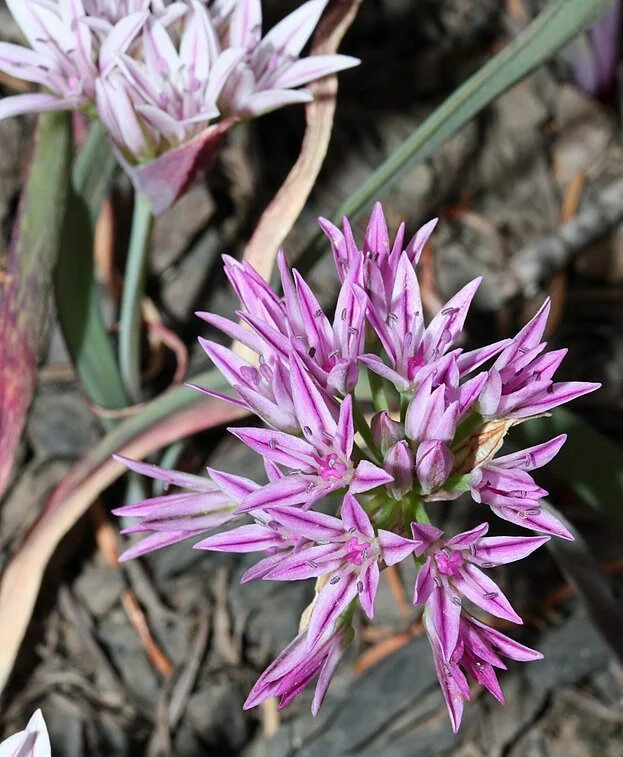
Olympic Onion Seeds – Allium crenulatum Flower Seeds – 10 Seed Pack – Outdoor Native Plant
Sold 50 products
Original price was: $25.00.$17.50Current price is: $17.50.
Sold 50 products
Original price was: $25.00.$17.50Current price is: $17.50.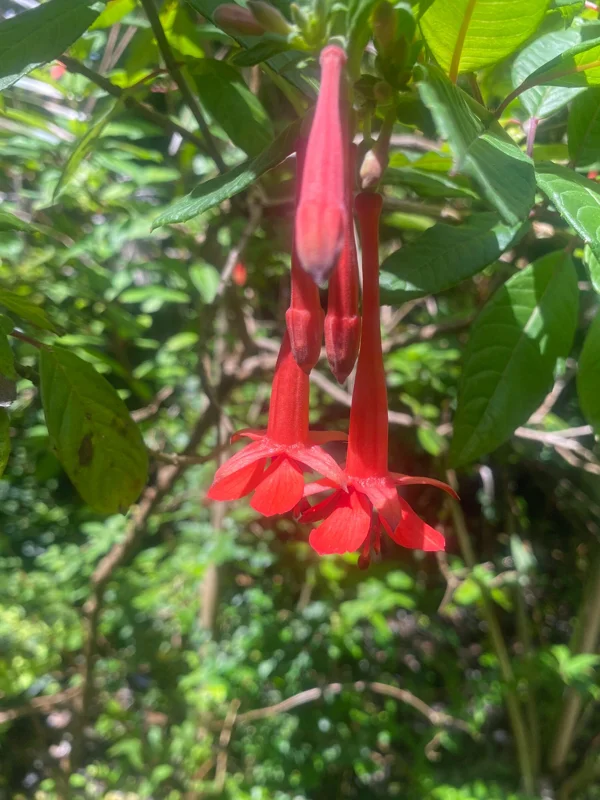
Flower Seeds
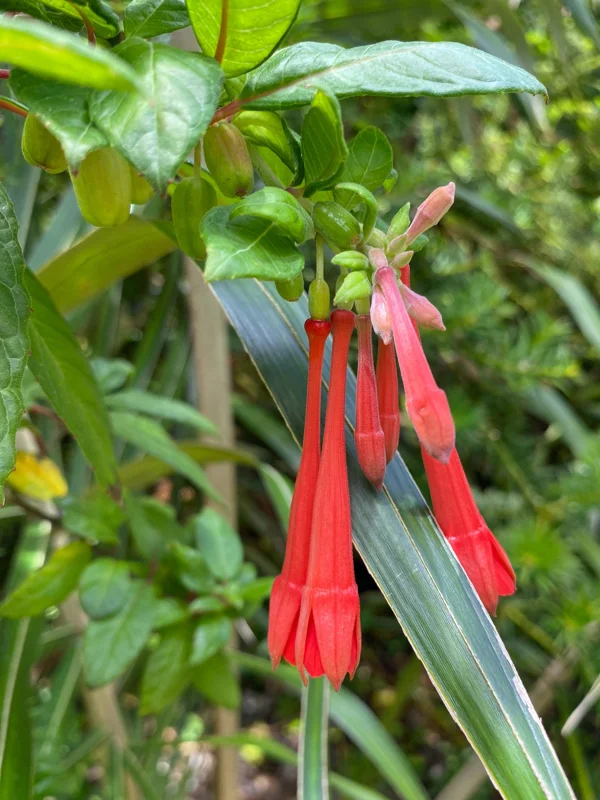
Fuchsia vulcanica Seeds – 20 Pack – Vibrant Orange Coral Flowers for Garden & Containers
Sold 50 products
Original price was: $25.00.$17.50Current price is: $17.50.
Sold 50 products
Original price was: $116.98.$95.68Current price is: $95.68.
Sold 50 products
Original price was: $21.00.$14.10Current price is: $14.10.
Aquatic Plant Seeds
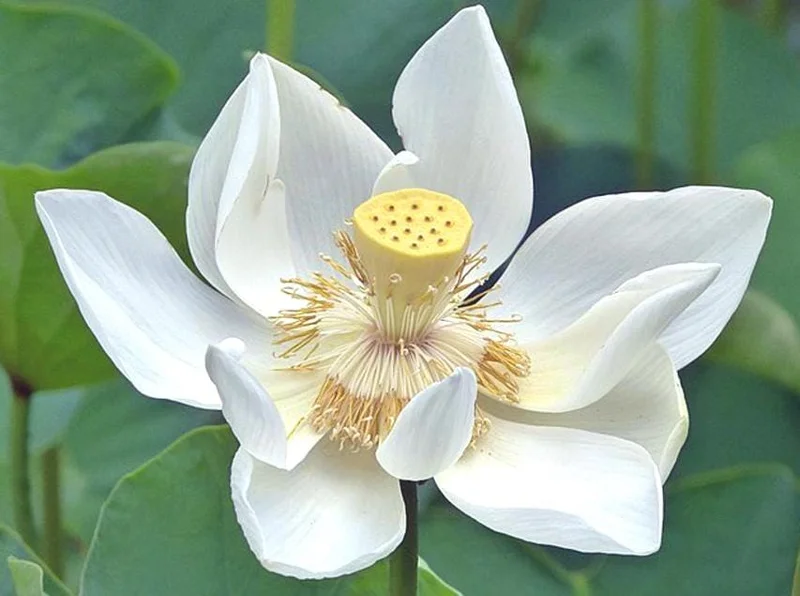
White Lotus Seeds – Nelumbo Nucifera Aquatic Pond Plant – 5 Seeds for Water Garden
Sold 50 products
Original price was: $29.00.$20.90Current price is: $20.90.RELATED posts
Awapuhi Wild Ginger Plant: Zones, Care, and Propagation
Learn which USDA zones suit awapuhi wild ginger, plus sunlight, water, planting, propagation, pests, size, [...]
Awapuhi Shampoo Ginger – Care, Growing Zones, and Differences
Learn how to grow awapuhi (shampoo) ginger, its USDA zones, watering schedule, propagation tips, and [...]
Awapuhi Shampoo Plant Buying Guide – Choose the Right Zingiber zerumbet
META: Learn which awapuhi (shampoo ginger) plant or rhizome pack gives the best natural shampoo, [...]
Awapuhi Plant for Sale: Complete Buying Guide
Find the right awapuhi (shampoo ginger) plant, size, price, soil mix, and online source. Practical [...]
Shampoo Ginger Plant for Sale – Buying Guide & Tips
Find the right shampoo ginger plant, size, price, and care tips. Quick guide for U.S. [...]
Shampoo Ginger Plant (Awapuhi) Care Guide
Learn how to grow, care for, and use shampoo ginger (Zingiber zerumbet), the tropical awapuhi [...]
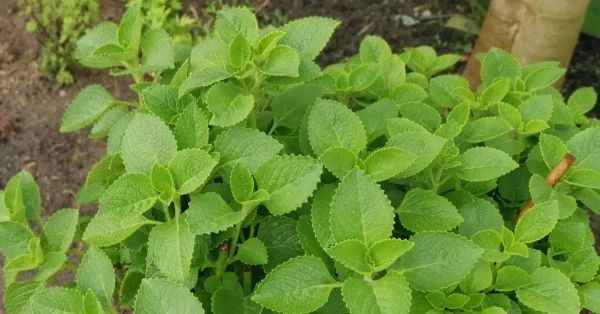
How to Grow Cuban Oregano Plants: A Complete Care Guide
If you’ve ever wanted a plant that combines the culinary punch of traditional oregano with [...]
Aug

How to Grow Habanero Pepper Plants: A Step-by-Step Guide
Habanero pepper plants are prized for their vibrant colors, intense heat, and exceptional flavor, making [...]
Aug

Reviews
There are no reviews yet.