
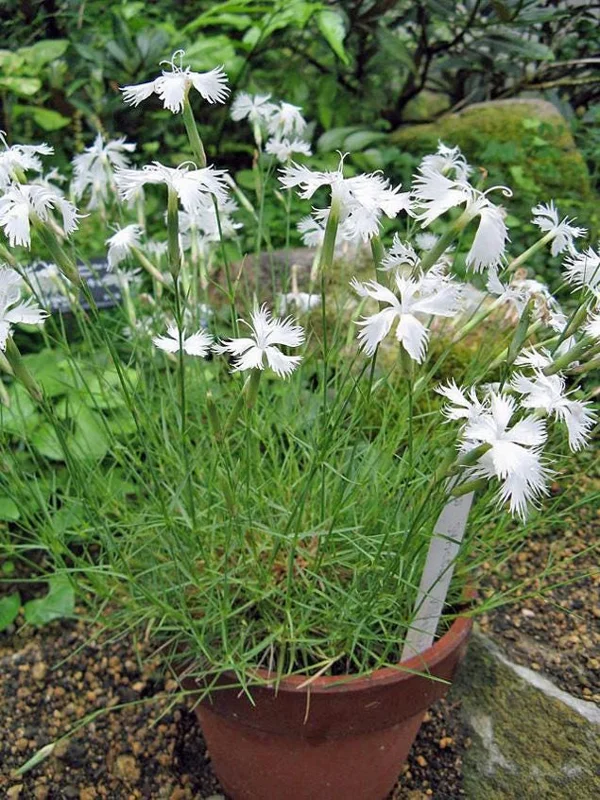
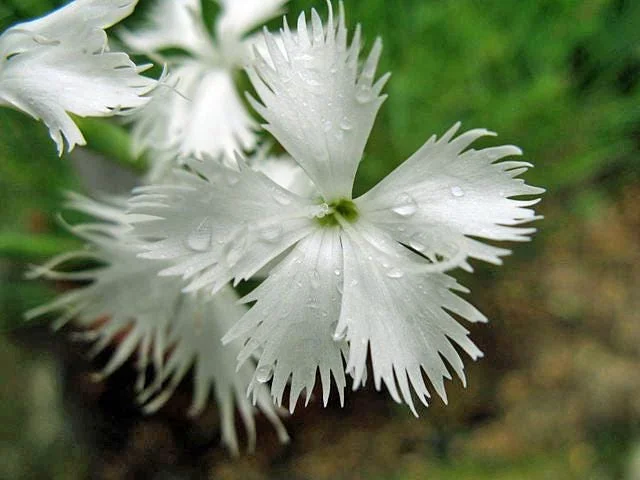
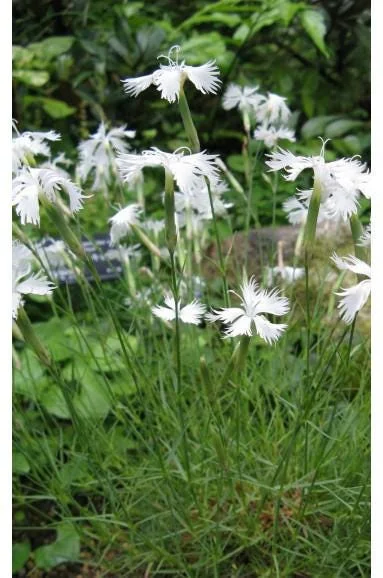
Dianthus strictus var. bebius Seeds – 20 Count – White Fringed Flowers, Fragrant, Outdoor
Original price was: $25.00.$17.50Current price is: $17.50.
Cultivate charming, compact Dianthus strictus var. bebius seeds from the eastern Mediterranean. This variety produces delicate, star-shaped, fragrant white flowers with finely fringed petals, perfect for rock gardens, borders, and alpine troughs. Enjoy a beautiful, drought-tolerant perennial for zones 3-8.
Shipping and Return policies:
We stand behind our plants with our Alive & Thrive Guarantee. If you experience any issues within the first 30 days, please email us, and our team will be happy to help. When needed, we’ll send you a one-time replacement free of charge to make sure your garden keeps growing strong.

Reasonable Price
We offer reasonable price

Support 24/7
Contact us 24 hrs a day
100% Money Back
You’ve 30 days to Return
Payment Secure
100% secure payment
Overview
Embark on a delightful gardening journey with Dianthus strictus var. bebius seeds, offering a captivating addition to any landscape. This compact perennial or biennial species, native to the rocky and mountainous regions of the eastern Mediterranean, is celebrated for its resilience and exquisite beauty. When you plant Dianthus strictus var. bebius seeds, you’re inviting a touch of refined elegance into your garden. This variety typically forms low-growing mounds of narrow, grass-like bluish-green foliage, providing a lovely textural contrast. The star of the show, however, are its delicate, star-shaped flowers, which emerge in a vibrant white. These blooms often feature finely fringed petals with subtle markings, appearing from late spring to early summer, and sometimes extending their display into early autumn under favorable conditions. Highly fragrant, these charming flowers are not just a treat for the senses but also a magnet for beneficial pollinators like bees and butterflies, making them a valuable asset to wildlife gardens. Ideal for a variety of garden styles, from rockeries to borders, these Dianthus strictus seeds promise a display of natural charm and enduring appeal.
Key Benefits
Choosing Dianthus strictus var. bebius seeds for your garden brings a multitude of advantages, blending aesthetic appeal with practical hardiness. This exceptional variety offers numerous reasons to become a staple in your outdoor space:
- Fragrant White Blooms: Enjoy an abundance of delicate, star-shaped white flowers that boast a delightful, strong fragrance. These blooms not only add visual beauty but also a sweet scent to your garden, enhancing its overall ambiance.
- Attracts Pollinators: The highly fragrant flowers act as a natural beacon for bees, butterflies, and other essential pollinators. Planting these Dianthus strictus var. bebius seeds supports local ecosystems and contributes to a healthier garden environment.
- Drought-Tolerant & Low Maintenance: Once established, this Dianthus variety exhibits excellent tolerance to drought and thrives in poor soils. This makes it an ideal choice for gardeners seeking resilient, easy-care plants that require minimal watering and attention.
- Compact & Versatile Growth: Forming low-growing mounds of attractive bluish-green foliage, this plant is perfectly suited for various garden applications. It excels in rock gardens, gravel beds, borders, and alpine troughs, where its refined texture and floral scent can be appreciated up close.
- Extended Bloom Period: While primarily blooming in late spring to early summer, the flowers can continue to appear into early autumn, providing a prolonged season of interest. This extended display ensures your garden remains vibrant and engaging for longer.
- Hardy Perennial: Suitable for USDA Zones 3-8, this Dianthus is a robust perennial (or biennial) that returns year after year. Its ability to withstand a wide range of climates makes it a reliable and long-lasting choice for many gardeners.
- Ideal for Xeriscaping: Given its drought tolerance and preference for well-drained, alkaline to neutral soils, this plant is an excellent candidate for xeriscaping projects, helping to create water-wise gardens without sacrificing beauty.
Plant Care & Growing Tips
Growing Dianthus strictus var. bebius seeds into thriving plants is a rewarding experience, especially with the right care. This species prefers full sun exposure, meaning it needs at least six hours of direct sunlight per day to achieve its best flowering performance and robust growth. Ensure your chosen planting site receives ample light, whether in a rock garden, border, or alpine trough. When it comes to soil, Dianthus strictus var. bebius is not particularly fussy, but it absolutely requires well-drained conditions. It thrives in alkaline to neutral soils and shows remarkable tolerance to poor, gritty soils once established. Avoid heavy, waterlogged clays, as excess moisture can lead to root rot. If your soil is heavy, amend it with grit or sand to improve drainage.
Watering should be consistent but moderate, especially during germination and establishment. Keep the soil evenly moist but never soggy. Once established, this Dianthus is quite drought-tolerant and can withstand periods of dryness, making it a low-maintenance option for busy gardeners. Fertilization is generally not heavily required, particularly in nutrient-poor soils which it tolerates well. If your soil is very poor, a light application of a balanced, slow-release granular fertilizer in early spring can encourage more vigorous growth and blooming. This plant is hardy in USDA Zones 3-8, meaning it can withstand cold winters. Protect young seedlings from late frosts. Common problems are few, but watch out for overwatering, which can lead to damping off in seedlings or fungal issues in mature plants. Pests are generally not a major concern for this resilient Dianthus strictus seeds variety.
Size & Details
When grown from Dianthus strictus var. bebius seeds, this charming plant typically forms compact, low-growing mounds of foliage, reaching an approximate height of 6-12 inches (15-30 cm) and spreading about 8-15 inches (20-38 cm) wide. The narrow, grass-like bluish-green leaves provide an attractive base for the delicate white flowers. Each seed packet contains 20 high-quality Dianthus strictus var. bebius seeds, providing a generous quantity for starting a new patch or filling multiple containers. The star-shaped flowers, often with finely fringed petals, appear from late spring to early summer, with potential reblooming into early autumn. This variety has a moderate growth rate, establishing itself well within the first growing season. Expect the first blooms within 4-6 months from germination under ideal conditions. The seeds ship in a protective packet, ready for immediate sowing or storage until the optimal planting period. This plant is an excellent choice for adding texture and long-lasting floral appeal to various garden settings.
Frequently Asked Questions
- Q: How big does this Dianthus plant get? A: Dianthus strictus var. bebius typically grows to a compact size, reaching about 6-12 inches (15-30 cm) in height and spreading 8-15 inches (20-38 cm) wide, forming neat, low-growing mounds of foliage.
- Q: Is this an indoor or outdoor plant? A: This Dianthus is primarily an outdoor plant, ideally suited for rock gardens, borders, and alpine troughs. It thrives in full sun and is hardy in USDA Zones 3-8.
- Q: How much sunlight does Dianthus strictus var. bebius need? A: For optimal growth and flowering, Dianthus strictus var. bebius requires full sun exposure, meaning at least 6 hours of direct sunlight per day.
- Q: Are these Dianthus strictus var. bebius seeds easy to germinate? A: Yes, these seeds are relatively easy to germinate. Sow them on the surface of a well-draining seed-starting mix, as they need light to germinate, and keep the soil moist at 18–22°C (65–72°F). Germination usually occurs within 7-14 days.
- Q: What kind of soil does this plant prefer? A: It thrives in well-drained, alkaline to neutral soils. It is very tolerant of poor, gritty soils and shows excellent drought tolerance once established. Avoid heavy, waterlogged conditions.
- Q: When is the best time to plant these Dianthus strictus seeds? A: Seeds can be started indoors in late winter to early spring, or sown directly outdoors after the last frost has passed in spring. This allows the plants to establish before summer heat.
- Q: Will this plant survive winter in my zone? A: Yes, Dianthus strictus var. bebius is hardy in USDA Zones 3-8, meaning it can tolerate cold winter temperatures within this range and will return as a perennial.
- Q: How long until it blooms from seed? A: Under ideal conditions, you can expect the first blooms from these Dianthus strictus var. bebius seeds within 4-6 months after germination, typically in late spring to early summer of the first year or the following year.
- Q: Is this plant good for attracting pollinators? A: Absolutely! The highly fragrant white flowers are a strong attractor for bees, butterflies, and other beneficial pollinators, making it an excellent choice for wildlife gardens.
- Q: Is this a perennial or biennial? A: Dianthus strictus var. bebius is typically described as a perennial or sometimes a biennial, meaning it will often return for multiple years in suitable climates.
Be the first to review “Dianthus strictus var. bebius Seeds – 20 Count – White Fringed Flowers, Fragrant, Outdoor”
You must be logged in to post a review.
People also Viewed
Sold 50 products
Original price was: $109.95.$79.98Current price is: $79.98.
Sold 50 products
Original price was: $25.00.$17.50Current price is: $17.50.
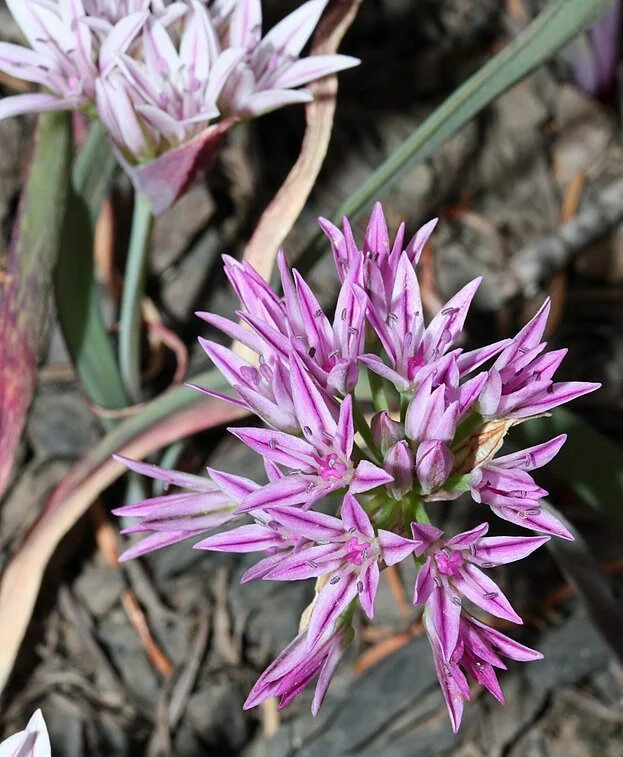
Flower Seeds
Olympic Onion Seeds – Allium crenulatum Flower Seeds – 10 Seed Pack – Outdoor Native Plant
Sold 50 products
Original price was: $25.00.$17.50Current price is: $17.50.
Sold 50 products
Original price was: $25.00.$17.50Current price is: $17.50.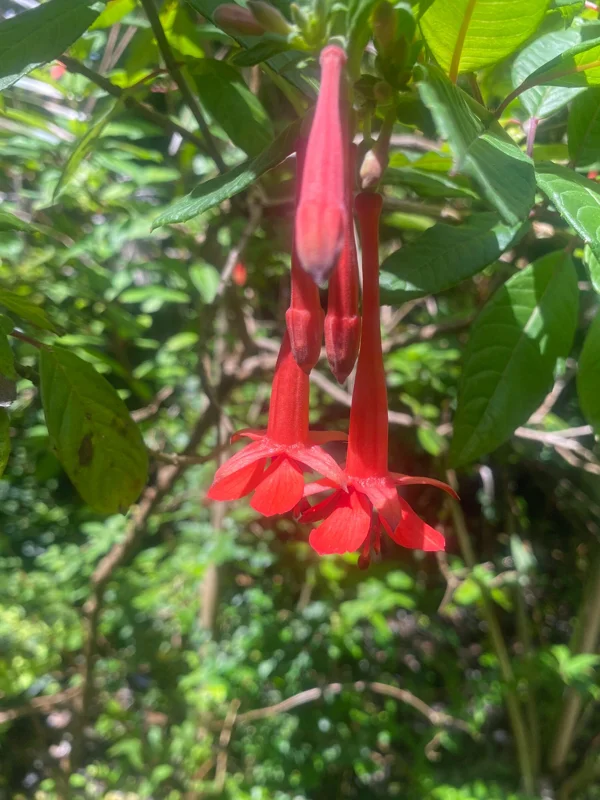
Flower Seeds
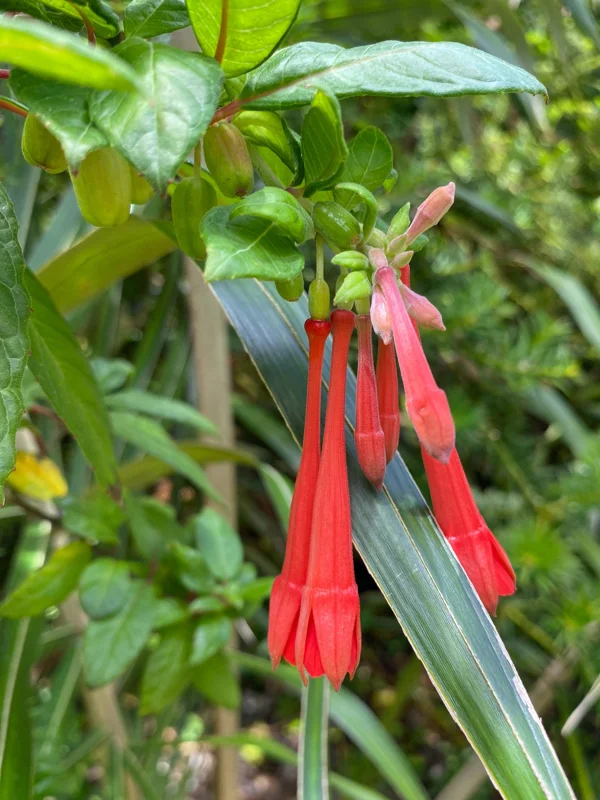
Fuchsia vulcanica Seeds – 20 Pack – Vibrant Orange Coral Flowers for Garden & Containers
Sold 50 products
Original price was: $25.00.$17.50Current price is: $17.50.
Sold 50 products
Original price was: $116.98.$95.68Current price is: $95.68.
Sold 50 products
Original price was: $21.00.$14.10Current price is: $14.10.
Aquatic Plant Seeds
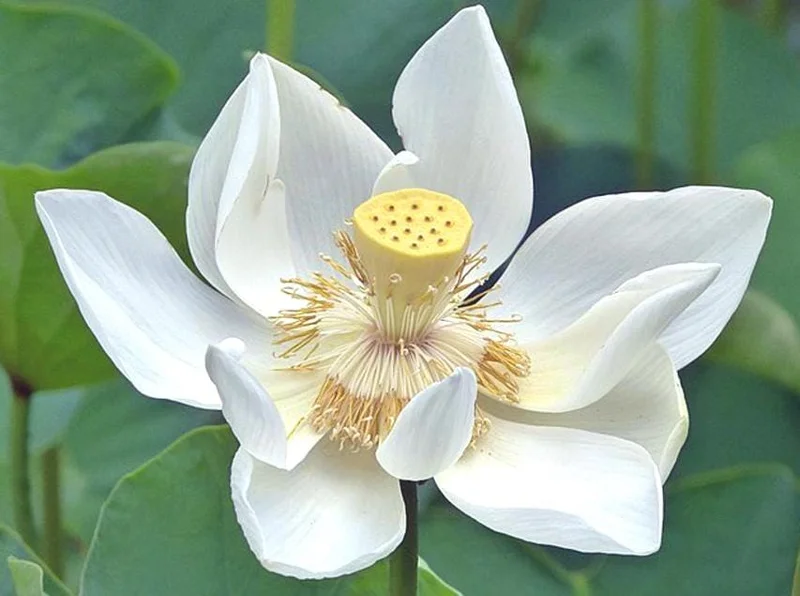
White Lotus Seeds – Nelumbo Nucifera Aquatic Pond Plant – 5 Seeds for Water Garden
Sold 50 products
Original price was: $29.00.$20.90Current price is: $20.90.RELATED posts
Awapuhi Wild Ginger Plant: Zones, Care, and Propagation
Learn which USDA zones suit awapuhi wild ginger, plus sunlight, water, planting, propagation, pests, size, [...]
Awapuhi Shampoo Ginger – Care, Growing Zones, and Differences
Learn how to grow awapuhi (shampoo) ginger, its USDA zones, watering schedule, propagation tips, and [...]
Awapuhi Shampoo Plant Buying Guide – Choose the Right Zingiber zerumbet
META: Learn which awapuhi (shampoo ginger) plant or rhizome pack gives the best natural shampoo, [...]
Awapuhi Plant for Sale: Complete Buying Guide
Find the right awapuhi (shampoo ginger) plant, size, price, soil mix, and online source. Practical [...]
Shampoo Ginger Plant for Sale – Buying Guide & Tips
Find the right shampoo ginger plant, size, price, and care tips. Quick guide for U.S. [...]
Shampoo Ginger Plant (Awapuhi) Care Guide
Learn how to grow, care for, and use shampoo ginger (Zingiber zerumbet), the tropical awapuhi [...]
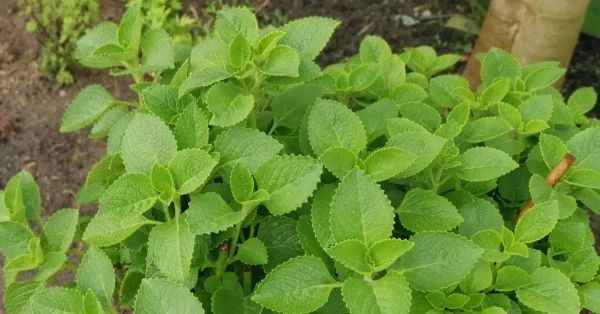
How to Grow Cuban Oregano Plants: A Complete Care Guide
If you’ve ever wanted a plant that combines the culinary punch of traditional oregano with [...]
Aug
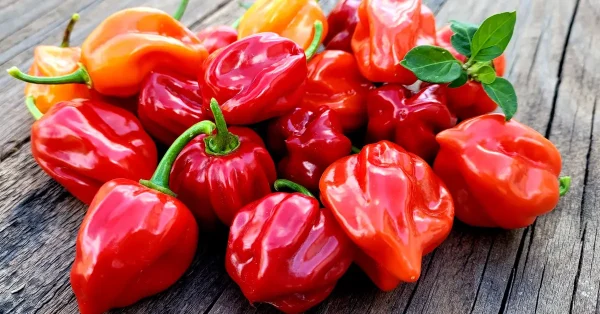
How to Grow Habanero Pepper Plants: A Step-by-Step Guide
Habanero pepper plants are prized for their vibrant colors, intense heat, and exceptional flavor, making [...]
Aug
Reviews
There are no reviews yet.