
Corydalis cava Seeds – Hollowroot Perennial Flower Seeds for Woodland Gardens – 10 Seeds
Original price was: $25.00.$17.50Current price is: $17.50.
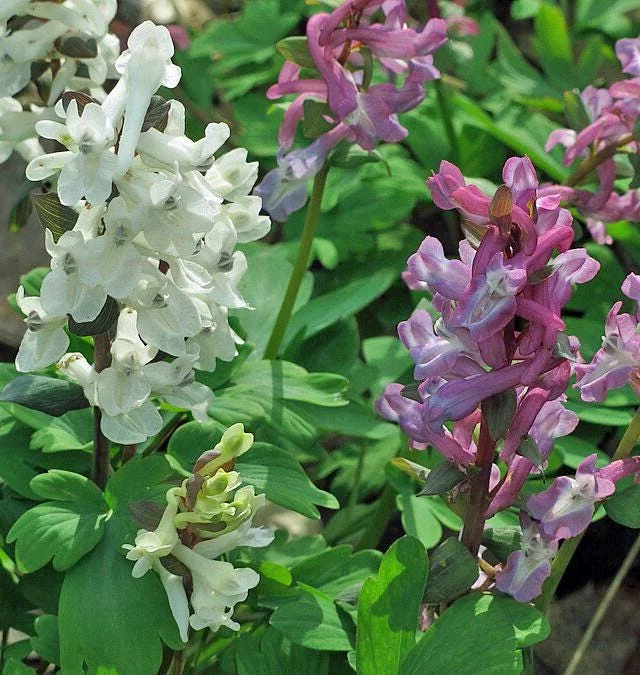
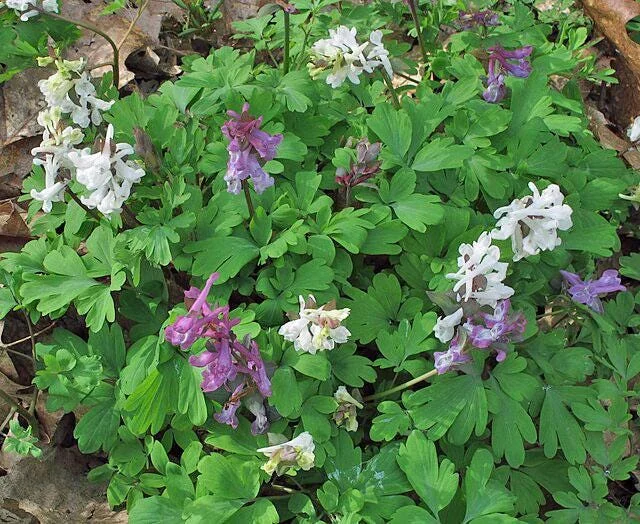
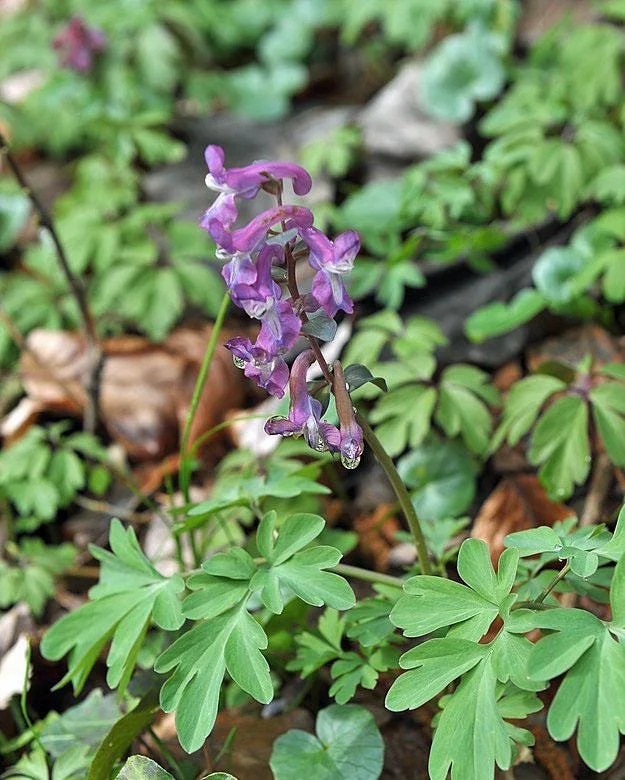
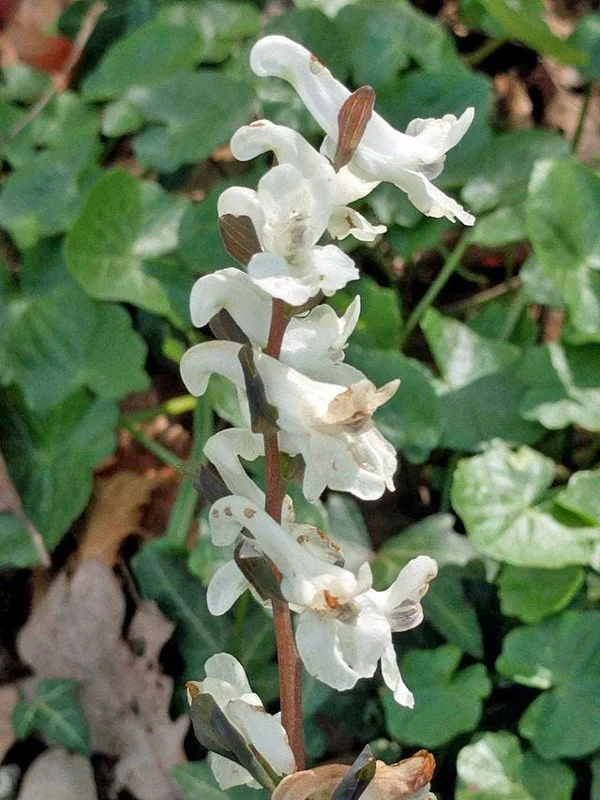
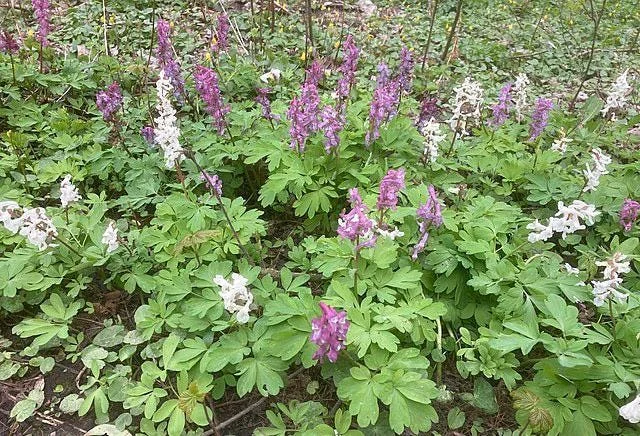
Cultivate the charming Corydalis cava seeds, also known as Hollowroot seeds, a delightful woodland perennial. These early spring flowering seeds produce delicate lacy foliage and tubular blooms in shades of lilac, mauve, purple, and white. Ideal for shade garden seeds, they bring ephemeral beauty to naturalistic settings and shaded rock gardens. Each pack contains 10 seeds for your garden.
Shipping and Return policies:
We stand behind our plants with our Alive & Thrive Guarantee. If you experience any issues within the first 30 days, please email us, and our team will be happy to help. When needed, we’ll send you a one-time replacement free of charge to make sure your garden keeps growing strong.

Reasonable Price
We offer reasonable price

Support 24/7
Contact us 24 hrs a day
100% Money Back
You’ve 30 days to Return
Payment Secure
100% secure payment
Overview
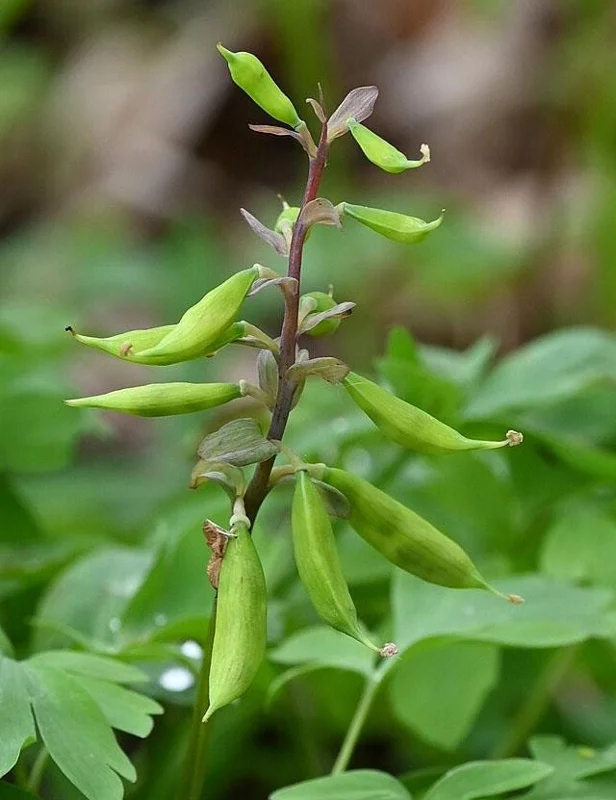
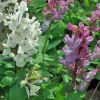
Discover the enchanting beauty of Corydalis cava seeds, perfect for establishing a truly unique woodland garden. Also known as Hollowroot, this delicate and early-blooming perennial is native to the serene woodlands of central and eastern Europe. Prized for its soft, lacy foliage and distinctive tubular spring flowers, Corydalis cava seeds offer a chance to cultivate a plant that brings ephemeral charm to shaded areas. Growing 6 to 12 inches tall, it emerges from a tuber in early spring, before the forest canopy fully develops, making it an ideal component for naturalistic woodland settings. The finely divided, fern-like leaves boast a soft bluish-green hue, forming a low mound beneath the elegant flower spikes. The blooms appear in clusters, showcasing a delightful range of colors from pale lilac and mauve to deep purple and pure white, each with a characteristic hollow spur at the back. Planting Corydalis cava seeds allows you to witness this captivating cycle firsthand, as the plant gracefully goes dormant by early summer after flowering and seed production, patiently awaiting the next spring.
These Hollowroot seeds are an excellent choice for gardeners looking to add early season interest and a touch of wild elegance to their landscapes. They are particularly suited for planting under deciduous trees or in shaded rock gardens where their brief but brilliant spring presence can be fully appreciated. The unique growth habit and beautiful blooms make Corydalis cava seeds a rewarding project for those who enjoy the intricate details of nature. With proper care and patience, these seeds will germinate and grow into the lovely perennials that define early spring in many European woodlands, bringing a piece of that natural beauty to your own garden.
Key Benefits
Growing Corydalis cava seeds offers numerous benefits for your garden, transforming shaded spaces into vibrant havens of early spring beauty. These unique plants provide a delightful display before most other perennials even begin to stir.
- Early Spring Interest: Corydalis cava seeds produce plants that are among the first to bloom in spring, offering vibrant color and delicate foliage when the garden is just waking up. This extends the season of interest in your landscape.
- Woodland Garden Essential: As a true woodland perennial, Hollowroot thrives in shaded, naturalistic settings, making it perfect for planting under trees or in areas with dappled light where other plants might struggle.
- Attractive Foliage and Flowers: The finely divided, lacy bluish-green leaves provide a soft texture, complementing the beautiful clusters of tubular flowers that range from pale lilac to deep purple and white, adding a sophisticated palette to your garden.
- Ephemeral Charm: Hollowroot seeds grow into plants that offer a unique ephemeral quality. They bloom and produce seeds, then gracefully go dormant by early summer, leaving space for later-season plants and adding a sense of anticipation each year.
- Low Maintenance Once Established: After the initial care for germination and establishment, Corydalis cava is relatively low-maintenance, preferring to be left undisturbed in its preferred shady, humus-rich environment.
- Supports Pollinators: Early spring flowers provide an important nectar source for early emerging pollinators, contributing to the biodiversity of your garden ecosystem.
- Naturalistic Appeal: Perfect for creating a natural, undisturbed look in your garden, these woodland perennial seeds blend seamlessly into wilder garden designs and shaded borders.
Plant Care & Growing Tips
Cultivating Corydalis cava seeds requires a bit of patience and specific conditions, particularly for germination, but the rewards of their early spring beauty are well worth the effort. These plants thrive in conditions that mimic their native woodland habitats. They prefer partial to full shade, especially protection from intense afternoon sun, which can scorch their delicate foliage. The ideal soil for Hollowroot seeds is humus-rich, moist, but exceptionally well-drained. Incorporating plenty of organic matter, such as compost or leaf mold, will create the loose, fertile environment these plants adore. Avoid heavy, waterlogged soils, as this can lead to tuber rot. The USDA hardiness zone for Corydalis cava is typically 4-9, making it suitable for a wide range of climates, provided its specific light and soil needs are met.
Watering is crucial, especially during the active growing period in spring. The soil should be kept consistently moist but never soggy. Once the plant goes dormant in early summer, reduce watering significantly, allowing the soil to dry out somewhat. Fertilization is not heavily required; a top-dressing of compost in early spring before new growth emerges is usually sufficient to provide adequate nutrients for these early spring flowering seeds. These plants are relatively pest and disease-free, especially when grown in appropriate conditions. Remember that patience is key with shade garden seeds like Corydalis cava, as it is a slow-establishing plant with a short active growing season. Its unique dormancy cycle means it disappears in summer, only to reappear with renewed vigor the following spring.
Size & Details
This product includes 10 Corydalis cava seeds, providing a generous start for your woodland garden project. Once germinated and established, the plants typically grow to a modest height of 6 to 12 inches (approximately 15-30 cm) tall. They form a compact, low mound of foliage, making them suitable for the front of shaded borders, underplanting deciduous trees, or nestled among rocks in a shaded rock garden. The growth rate is moderate, with plants typically blooming in their second year from seed. These woodland perennial seeds are best sown fresh, as viability decreases over time.
The plants emerge in early spring, typically flowering from March to May, depending on your climate and specific growing conditions. After flowering and setting seed, the foliage will yellow and the plant will go dormant by early summer, only to re-emerge the following spring. This ephemeral nature is a defining characteristic of Corydalis cava, adding a unique seasonal dynamic to your garden. The seeds are shipped in a protective packet, ready for you to begin the germination process, which involves a specific warm-cold-warm stratification cycle to mimic natural conditions and break dormancy effectively. Each pack of Corydalis cava seeds offers the promise of delicate beauty for years to come.
Frequently Asked Questions
- Q: How big does this plant get? A: Once mature, Corydalis cava typically grows to a height of 6 to 12 inches (15-30 cm) tall, forming a low mound of delicate foliage and flower spikes.
- Q: Is this an indoor or outdoor plant? A: Corydalis cava is an outdoor woodland perennial, best suited for naturalistic settings in partial to full shade in garden beds.
- Q: How much sunlight does it need? A: This plant thrives in partial to full shade, preferring protection from harsh afternoon sun to prevent foliage burn.
- Q: Is this plant easy to care for? A: While germinating Corydalis cava seeds requires specific stratification, once established, the plants are relatively low-maintenance, provided they are in their preferred humus-rich, moist, well-drained soil and shady conditions.
- Q: What condition will the seeds arrive in? A: Your Corydalis cava seeds will arrive in a protective packet, ready for you to begin the germination process. It’s recommended to sow them fresh for best results.
- Q: How long until it blooms from seed? A: Typically, Corydalis cava plants grown from Hollowroot seeds will begin to bloom in their second year after germination.
- Q: When is the best time to plant Corydalis cava seeds? A: It’s best to sow Corydalis cava seeds fresh, ideally in late summer or early fall, to allow them to undergo the necessary natural warm-cold-warm stratification cycle over winter for spring germination.
- Q: What’s the minimum temperature these plants can withstand? A: Corydalis cava is hardy in USDA Zones 4-9, meaning it can tolerate winter temperatures down to approximately -30°F to -20°F (-34°C to -29°C) with adequate snow cover or mulch.
- Q: What type of soil does Corydalis cava prefer? A: Corydalis cava thrives in humus-rich, moist, but very well-drained soil, mimicking its natural woodland habitat.
- Q: Do I need to stratify these early spring flowering seeds? A: Yes, Corydalis cava seeds require a specific warm-cold-warm stratification cycle to break dormancy and encourage germination.
Be the first to review “Corydalis cava Seeds – Hollowroot Perennial Flower Seeds for Woodland Gardens – 10 Seeds”
You must be logged in to post a review.
People also Viewed
Sold 50 products
Original price was: $109.95.$79.98Current price is: $79.98.
Sold 50 products
Original price was: $25.00.$17.50Current price is: $17.50.
Flower Seeds
Olympic Onion Seeds – Allium crenulatum Flower Seeds – 10 Seed Pack – Outdoor Native Plant
Sold 50 products
Original price was: $25.00.$17.50Current price is: $17.50.
Sold 50 products
Original price was: $25.00.$17.50Current price is: $17.50.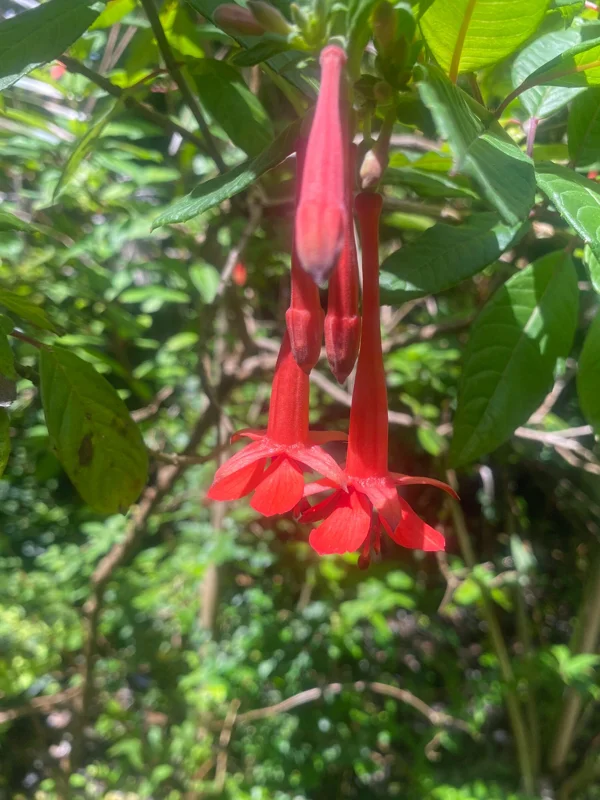
Flower Seeds
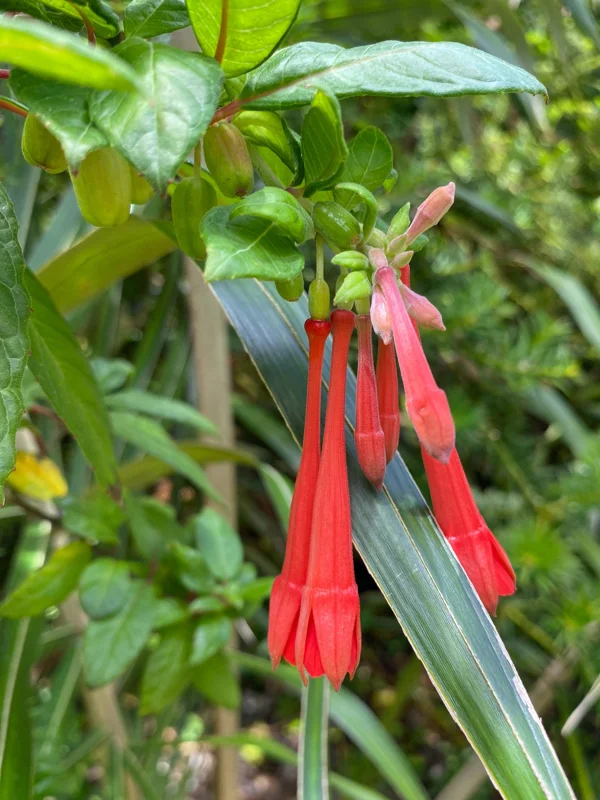
Fuchsia vulcanica Seeds – 20 Pack – Vibrant Orange Coral Flowers for Garden & Containers
Sold 50 products
Original price was: $25.00.$17.50Current price is: $17.50.
Sold 50 products
Original price was: $116.98.$95.68Current price is: $95.68.
Sold 50 products
Original price was: $21.00.$14.10Current price is: $14.10.
Aquatic Plant Seeds
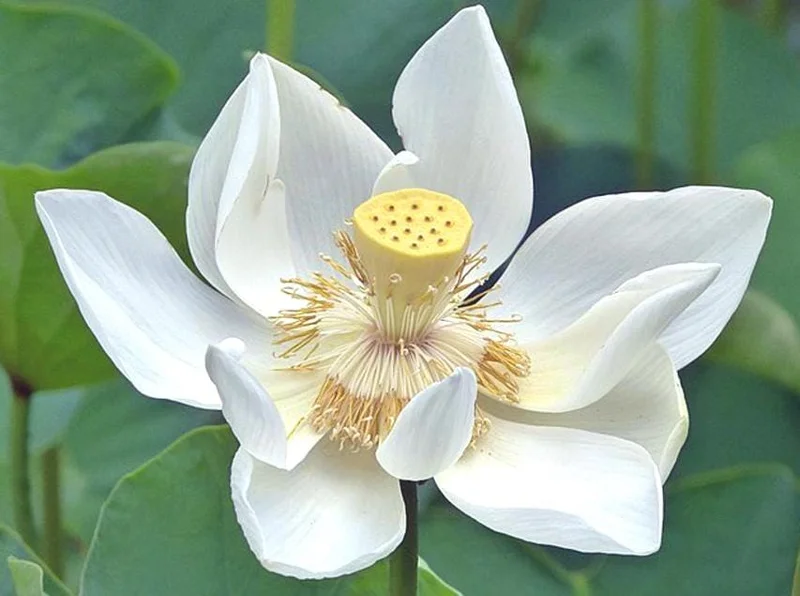
White Lotus Seeds – Nelumbo Nucifera Aquatic Pond Plant – 5 Seeds for Water Garden
Sold 50 products
Original price was: $29.00.$20.90Current price is: $20.90.RELATED posts
Awapuhi Wild Ginger Plant: Zones, Care, and Propagation
Learn which USDA zones suit awapuhi wild ginger, plus sunlight, water, planting, propagation, pests, size, [...]
Awapuhi Shampoo Ginger – Care, Growing Zones, and Differences
Learn how to grow awapuhi (shampoo) ginger, its USDA zones, watering schedule, propagation tips, and [...]
Awapuhi Shampoo Plant Buying Guide – Choose the Right Zingiber zerumbet
META: Learn which awapuhi (shampoo ginger) plant or rhizome pack gives the best natural shampoo, [...]
Awapuhi Plant for Sale: Complete Buying Guide
Find the right awapuhi (shampoo ginger) plant, size, price, soil mix, and online source. Practical [...]
Shampoo Ginger Plant for Sale – Buying Guide & Tips
Find the right shampoo ginger plant, size, price, and care tips. Quick guide for U.S. [...]
Shampoo Ginger Plant (Awapuhi) Care Guide
Learn how to grow, care for, and use shampoo ginger (Zingiber zerumbet), the tropical awapuhi [...]
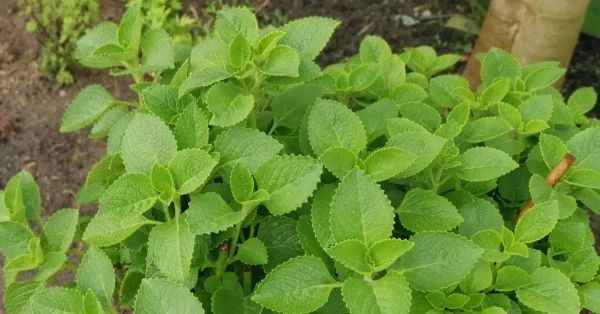
How to Grow Cuban Oregano Plants: A Complete Care Guide
If you’ve ever wanted a plant that combines the culinary punch of traditional oregano with [...]
Aug
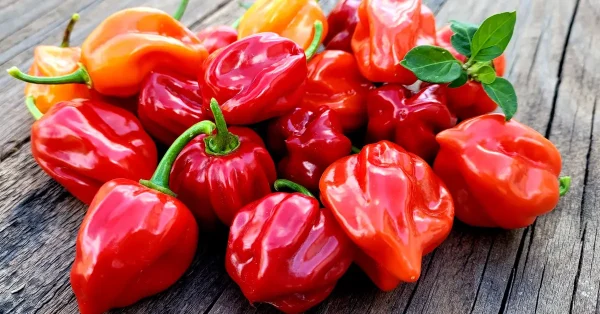
How to Grow Habanero Pepper Plants: A Step-by-Step Guide
Habanero pepper plants are prized for their vibrant colors, intense heat, and exceptional flavor, making [...]
Aug
Reviews
There are no reviews yet.