
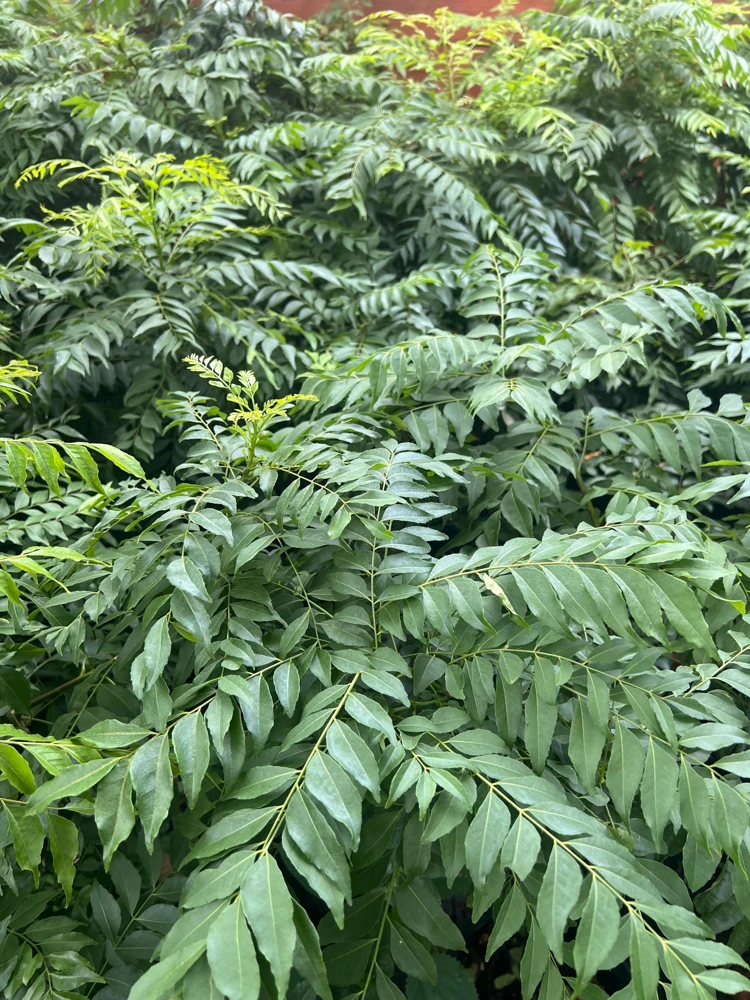
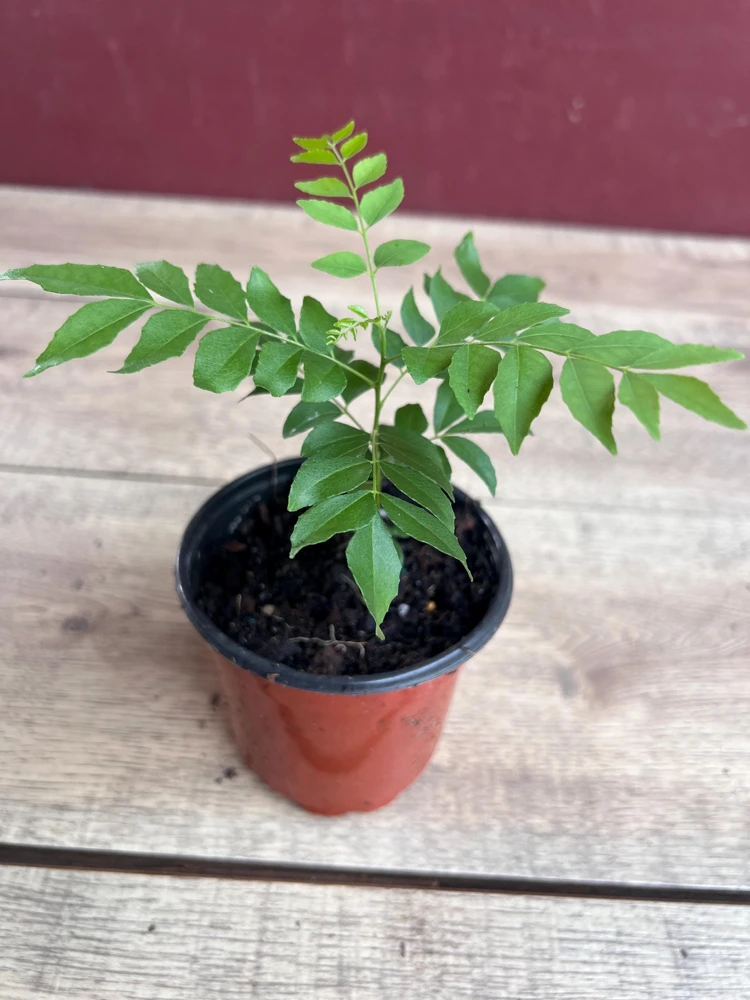
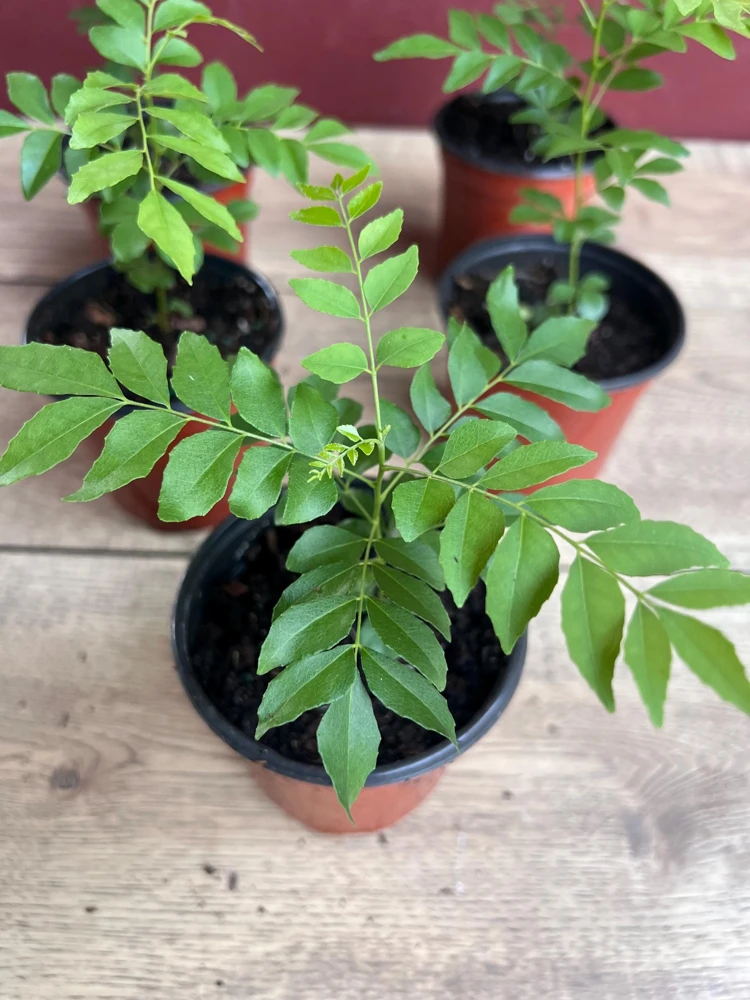
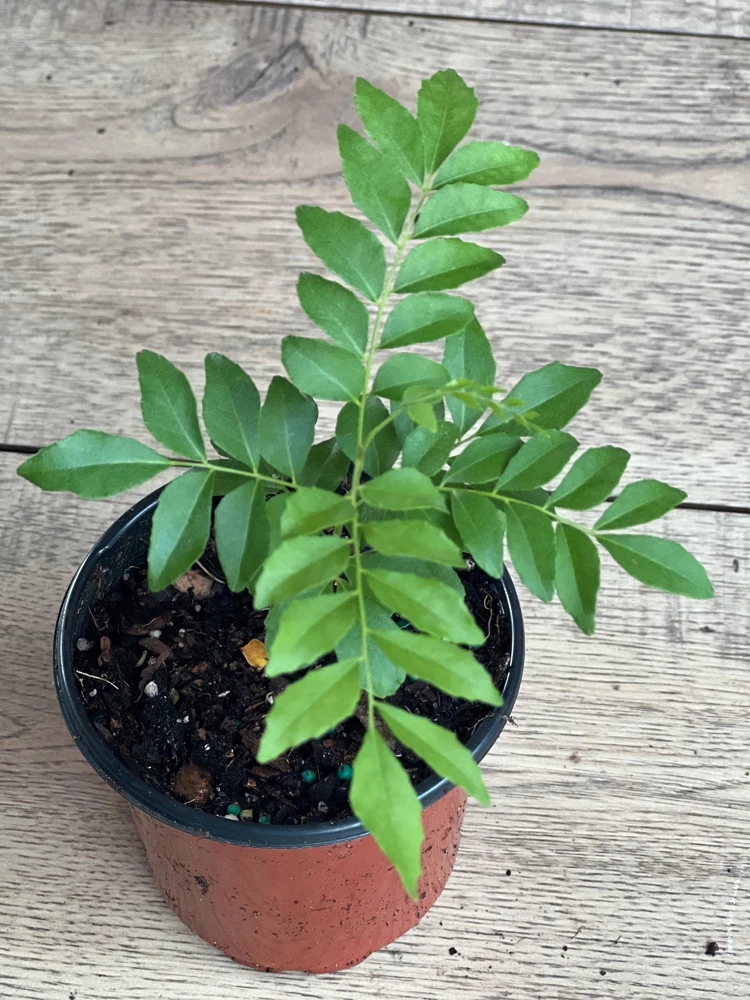
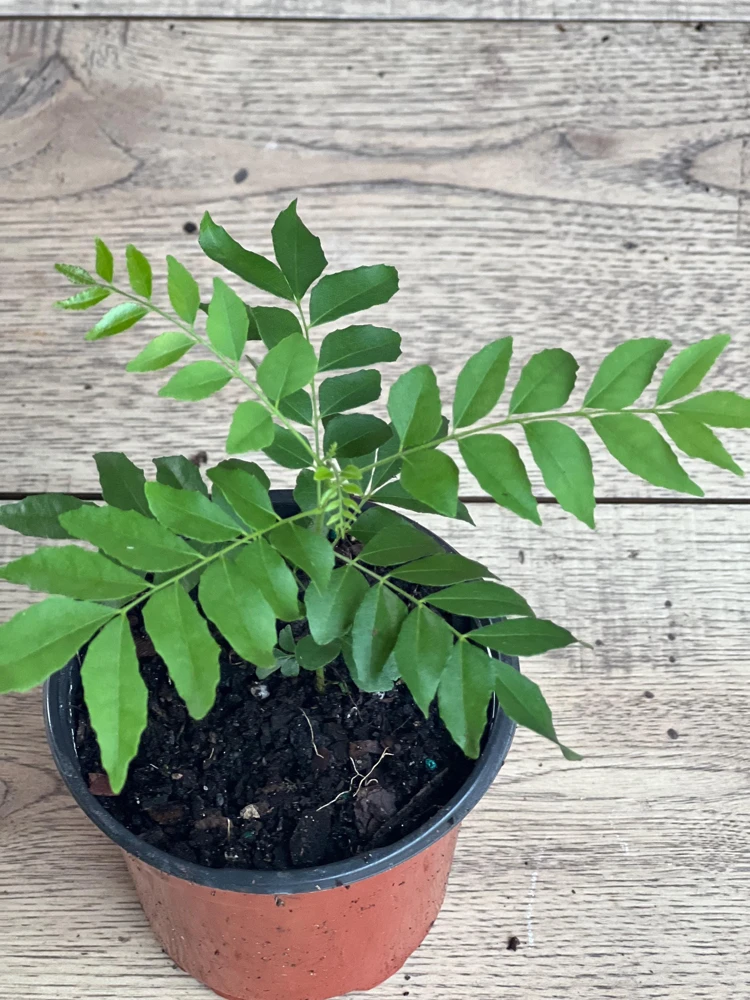
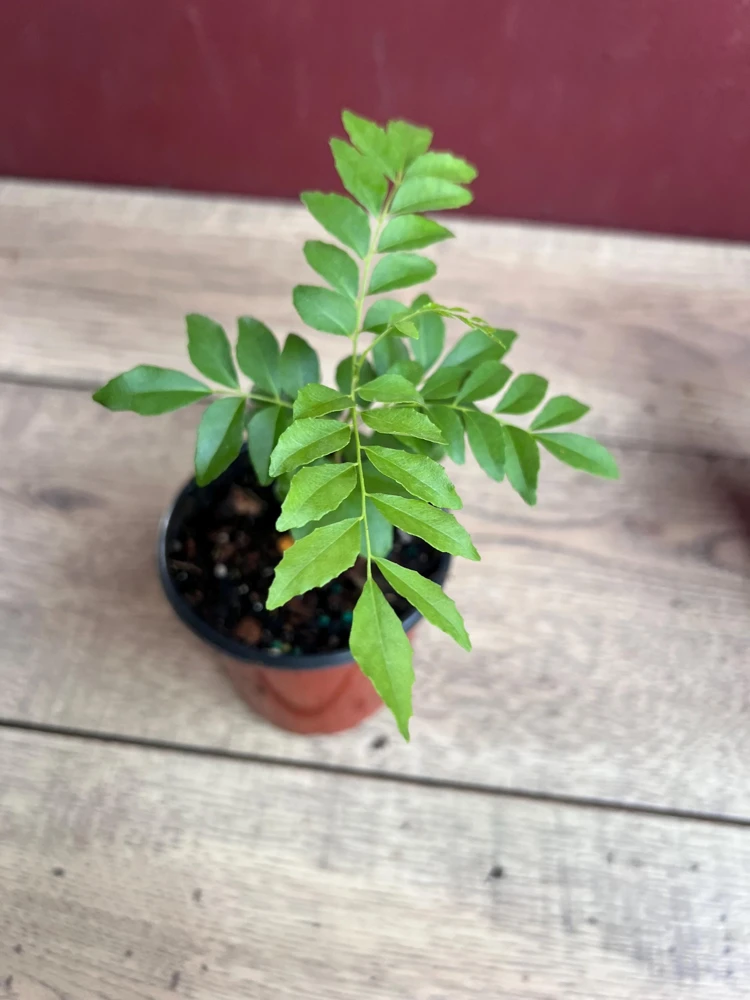
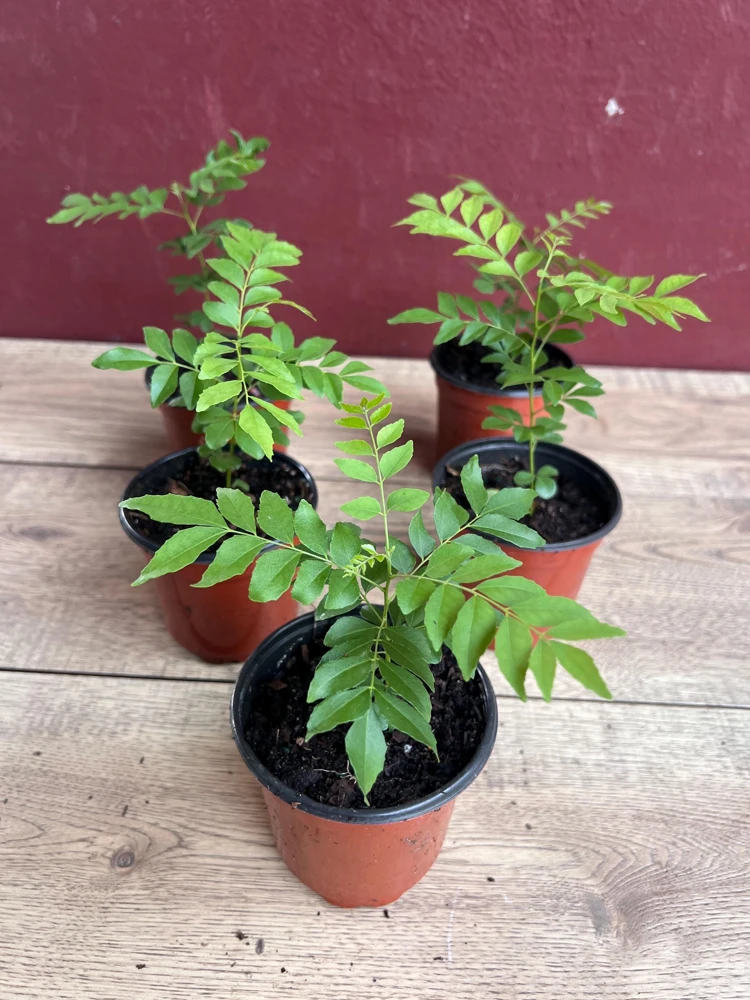
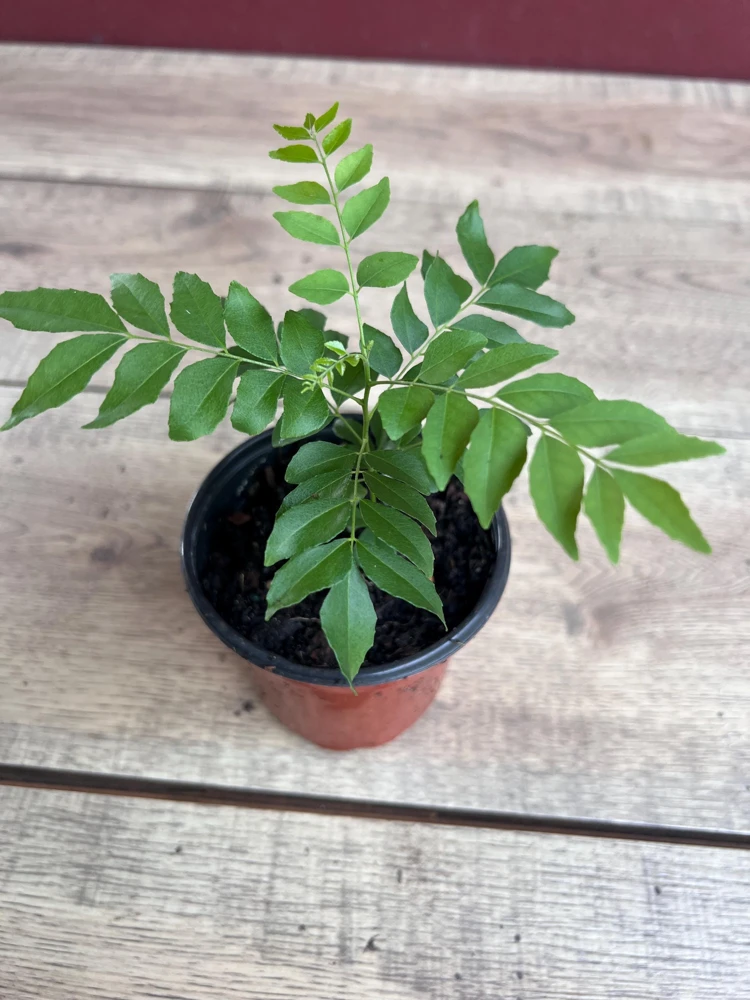
Curry Leaf Plant (Murraya Koenigii) – Live Herb in 4″ Pot – Aromatic Indoor/Outdoor – Cannot ship to CA
Original price was: $62.87.$40.51Current price is: $40.51.
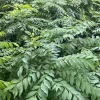
Bring the authentic flavors of Indian cuisine to your kitchen with a healthy curry leaf live plant. This aromatic Murraya Koenigii comes in a 4″ pot, ready to thrive indoors or outdoors in warm climates. Enjoy fresh, fragrant leaves for cooking and add a touch of exotic greenery to your space.
Shipping and Return policies:
We stand behind our plants with our Alive & Thrive Guarantee. If you experience any issues within the first 30 days, please email us, and our team will be happy to help. When needed, we’ll send you a one-time replacement free of charge to make sure your garden keeps growing strong.

Reasonable Price
We offer reasonable price

Support 24/7
Contact us 24 hrs a day
100% Money Back
You’ve 30 days to Return
Payment Secure
100% secure payment
Overview
Discover the joy of growing your own spices with this vibrant curry leaf live plant (Murraya Koenigii). Renowned for its distinctive, aromatic leaves, the curry leaf tree is an indispensable ingredient in South Asian cuisine, adding a unique depth of flavor to curries, stews, and various dishes. This beautiful plant, also known as karivepaku plant or sweet neem, is delivered in a healthy 4″ pot, making it easy to transplant and cultivate in your home or garden. Beyond its culinary appeal, the curry leaf live plant is an attractive evergreen shrub that can enhance your living space with its glossy foliage and pleasant fragrance. It’s a fantastic choice for both experienced gardeners and culinary enthusiasts looking to explore new flavors.
The Murraya Koenigii is a relatively low-maintenance plant that thrives in warm, humid conditions, making it suitable for growing indoors in cooler climates or outdoors in USDA zones 9 and above. With proper care, your curry leaf live plant will provide a continuous supply of fresh leaves for your culinary adventures. Its compact size when young makes it ideal for patios, balconies, or sunny windowsills, allowing you to enjoy its benefits even in smaller spaces.
Key Benefits
Cultivating a curry leaf live plant offers a multitude of advantages, from enhancing your cooking to enriching your home environment. Here are some of the key benefits:
- Fresh, Authentic Flavor: Nothing compares to the taste and aroma of fresh curry leaves straight from the plant. They provide a more intense and complex flavor profile than dried leaves, elevating your dishes to a new level of authenticity.
- Culinary Versatility:Curry leaf live plant leaves are a staple in Indian, Sri Lankan, and other South Asian cuisines, used in curries, stir-fries, tempering, chutneys, and more. Having a fresh supply encourages culinary experimentation.
- Aromatic Presence: The plant itself emits a pleasant, distinctive aroma that can naturally freshen your home or garden space. The fragrance is released when the leaves are bruised or cooked, adding to the sensory experience.
- Evergreen Beauty: With its glossy, dark green foliage, the Murraya Koenigii is an attractive ornamental plant. It can add a touch of lush greenery to your kitchen, balcony, or garden, even when not in bloom.
- Potential Health Benefits: Traditionally, curry leaves have been recognized for various medicinal properties, including antioxidant and anti-inflammatory effects, though further research is ongoing.
- Container Friendly: This curry leaf live plant is well-suited for container gardening, allowing it to be easily moved indoors during colder months, making it an excellent choice for a curry tree indoor plant.
- Educational & Rewarding: Growing your own herbs is a rewarding experience, offering insight into plant care and sustainable living. It’s also a great way to introduce children to gardening and the origins of food.
Plant Care & Growing Tips
Caring for your curry leaf live plant is relatively straightforward, especially when provided with the right conditions. This tropical to subtropical plant thrives with ample sunlight and consistent moisture. For optimal growth, place your plant in a location where it receives at least 6-8 hours of direct sunlight daily. If growing indoors, a south-facing window is ideal. In very hot climates, some afternoon shade can be beneficial to prevent leaf scorch. The curry leaf plant care routine involves regular watering; the soil should be kept consistently moist but never waterlogged. Allow the top inch of soil to dry out slightly between waterings to prevent root rot. During winter, reduce watering frequency as the plant’s growth slows.
The ideal soil for Murraya Koenigii is a well-draining, slightly acidic to neutral potting mix. A good quality all-purpose potting soil amended with some perlite or sand for improved drainage works well. Fertilize your curry leaf live plant every 4-6 weeks during the growing season (spring through fall) with a balanced liquid fertilizer or an organic fertilizer rich in nitrogen. Avoid fertilizing in winter. The plant prefers warm temperatures, ideally between 65-90°F (18-32°C). It is not frost-tolerant, so if you live in an area with cold winters, it’s best to grow your curry tree indoor or move it inside when temperatures drop below 40°F (4°C). Pruning can be done to maintain shape and encourage bushier growth, and it also promotes more leaf production for harvesting. Watch out for common pests like spider mites and scale insects, and treat them promptly with organic insecticidal soap if they appear. Consistent attention to these details will ensure a healthy and productive karivepaku plant.
Size & Details
This offering is for one healthy curry leaf live plant (Murraya Koenigii), delivered in a sturdy 4″ pot. The plant’s height will vary depending on its growth stage but typically ranges from 6-12 inches tall at the time of shipment, ready to grow into a more substantial shrub. Curry leaf plants are moderate growers and can reach heights of 6-15 feet in their natural habitat or when grown in the ground in ideal conditions. As a curry tree indoor plant in a container, its size will be more manageable, usually reaching 3-6 feet with regular pruning. The plant is shipped in its nursery pot with soil, ensuring minimal shock during transit and easy transition to your home or garden. Expect your plant to arrive with lush, green foliage, ready to start producing aromatic leaves for your culinary needs. With proper care, this plant will establish quickly and provide years of fresh curry leaves.
Frequently Asked Questions
- Q: How big does this plant get? A: When grown in a 4″ pot and kept indoors, your curry leaf live plant will typically reach 3-6 feet tall with pruning. If planted in the ground in warm climates, it can grow much larger, up to 15 feet.
- Q: What size pot does it come in? A: This curry leaf live plant is delivered in a 4″ pot, which is a great starter size for establishing the plant before transplanting to a larger container or garden bed.
- Q: Is this an indoor or outdoor plant? A: The Murraya Koenigii can be grown both indoors and outdoors. It thrives outdoors in USDA zones 9-11 year-round. In colder climates, it should be grown as a curry tree indoor plant or brought inside during winter.
- Q: How much sunlight does it need? A: Your karivepaku plant prefers full sun, needing at least 6-8 hours of direct sunlight daily for best growth. If indoors, place it in the brightest available window.
- Q: Is this plant easy to care for? A: Yes, with consistent watering and adequate sunlight, curry leaf plant care is considered relatively easy. It’s a resilient plant once established.
- Q: What condition will it arrive in? A: Your curry leaf live plant will arrive well-packaged in its nursery pot with soil, ensuring it is healthy and ready to be cared for upon arrival.
- Q: Can I use curry leaf in cooking? A: Absolutely! The primary purpose of growing a curry leaf live plant is for its aromatic leaves, which are essential in many South Asian dishes.
- Q: Is it pet-safe? A: While curry leaves are a food ingredient for humans, it’s generally advised to keep plants out of reach of pets, as some plants can cause mild irritation if ingested in large quantities.
- Q: When is the best time to plant? A: You can plant your curry leaf live plant anytime indoors. If planting outdoors, spring after the last frost is ideal to allow it to establish before summer.
- Q: Will it survive winter in my zone? A: If you are in USDA zones 9-11, it can survive winter outdoors. In colder zones, you must bring your curry tree indoor before temperatures drop below 40°F (4°C).
Be the first to review “Curry Leaf Plant (Murraya Koenigii) – Live Herb in 4″ Pot – Aromatic Indoor/Outdoor – Cannot ship to CA”
You must be logged in to post a review.
People also Viewed
Sold 50 products
$32.38
Sold 50 products
$27.38
Sold 50 products
$32.38
Sold 50 products
$19.88
Sold 50 products
$62.38
Sold 50 products
$24.88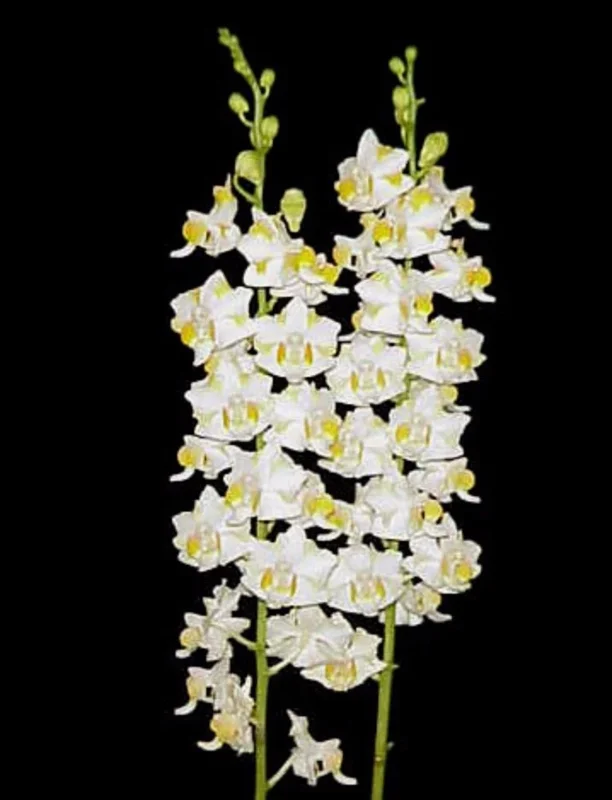
Houseplants
Phalaenopsis pulcherrima ‘Mauna Kea Snow’ Orchid Live Plant – White Flowers, Potted 2.5 in
Sold 50 products
$49.88
Sold 50 products
$49.88RELATED posts
Awapuhi Wild Ginger Plant: Zones, Care, and Propagation
Learn which USDA zones suit awapuhi wild ginger, plus sunlight, water, planting, propagation, pests, size, [...]
Awapuhi Shampoo Ginger – Care, Growing Zones, and Differences
Learn how to grow awapuhi (shampoo) ginger, its USDA zones, watering schedule, propagation tips, and [...]
Awapuhi Shampoo Plant Buying Guide – Choose the Right Zingiber zerumbet
META: Learn which awapuhi (shampoo ginger) plant or rhizome pack gives the best natural shampoo, [...]
Awapuhi Plant for Sale: Complete Buying Guide
Find the right awapuhi (shampoo ginger) plant, size, price, soil mix, and online source. Practical [...]
Shampoo Ginger Plant for Sale – Buying Guide & Tips
Find the right shampoo ginger plant, size, price, and care tips. Quick guide for U.S. [...]
Shampoo Ginger Plant (Awapuhi) Care Guide
Learn how to grow, care for, and use shampoo ginger (Zingiber zerumbet), the tropical awapuhi [...]
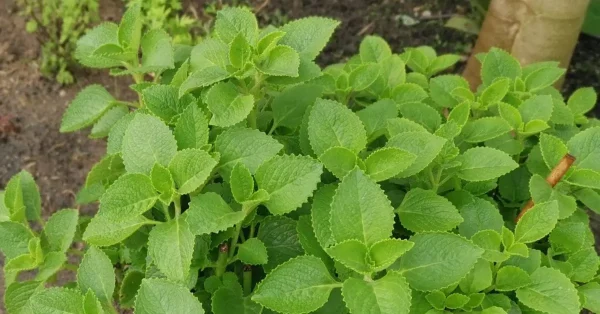
How to Grow Cuban Oregano Plants: A Complete Care Guide
If you’ve ever wanted a plant that combines the culinary punch of traditional oregano with [...]
Aug
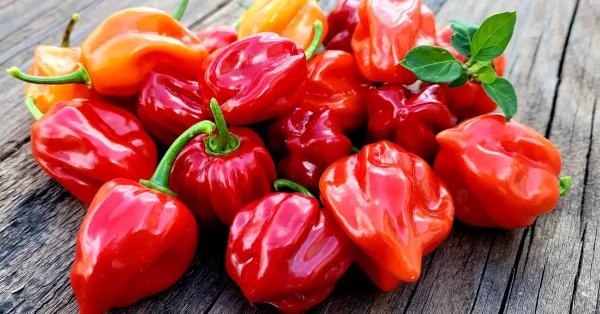
How to Grow Habanero Pepper Plants: A Step-by-Step Guide
Habanero pepper plants are prized for their vibrant colors, intense heat, and exceptional flavor, making [...]
Aug
Reviews
There are no reviews yet.