
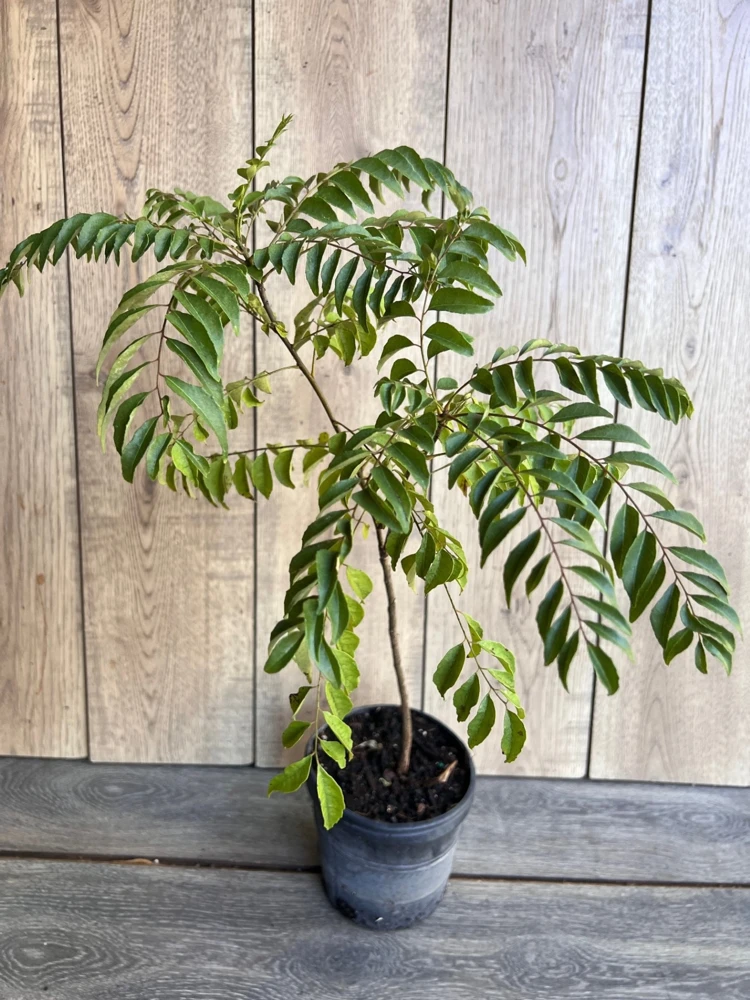
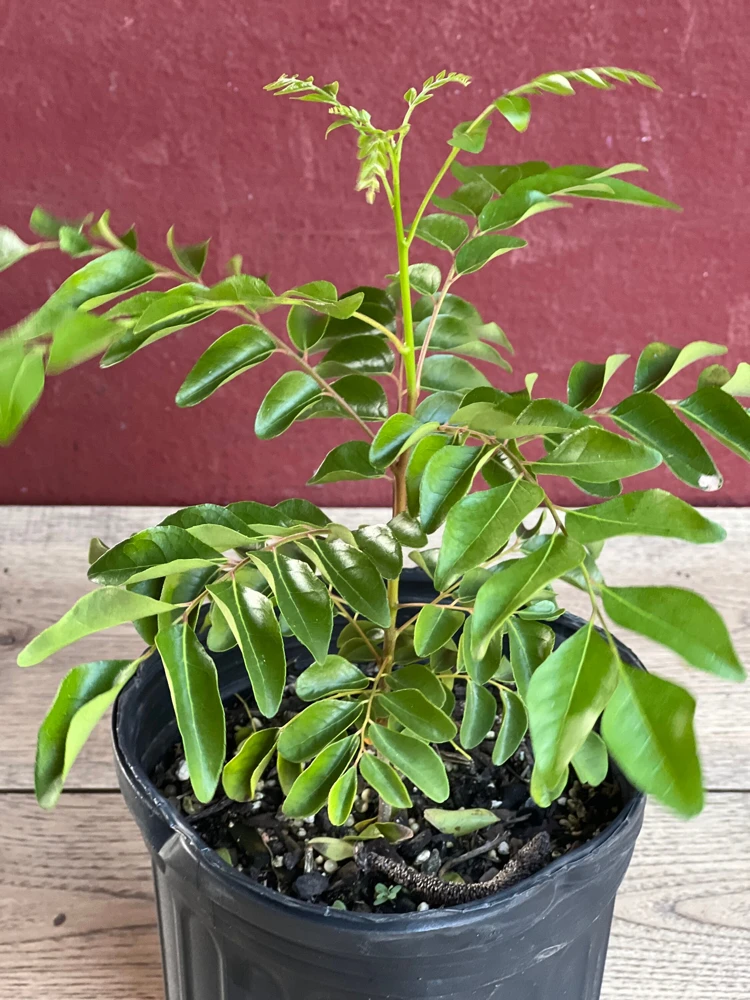
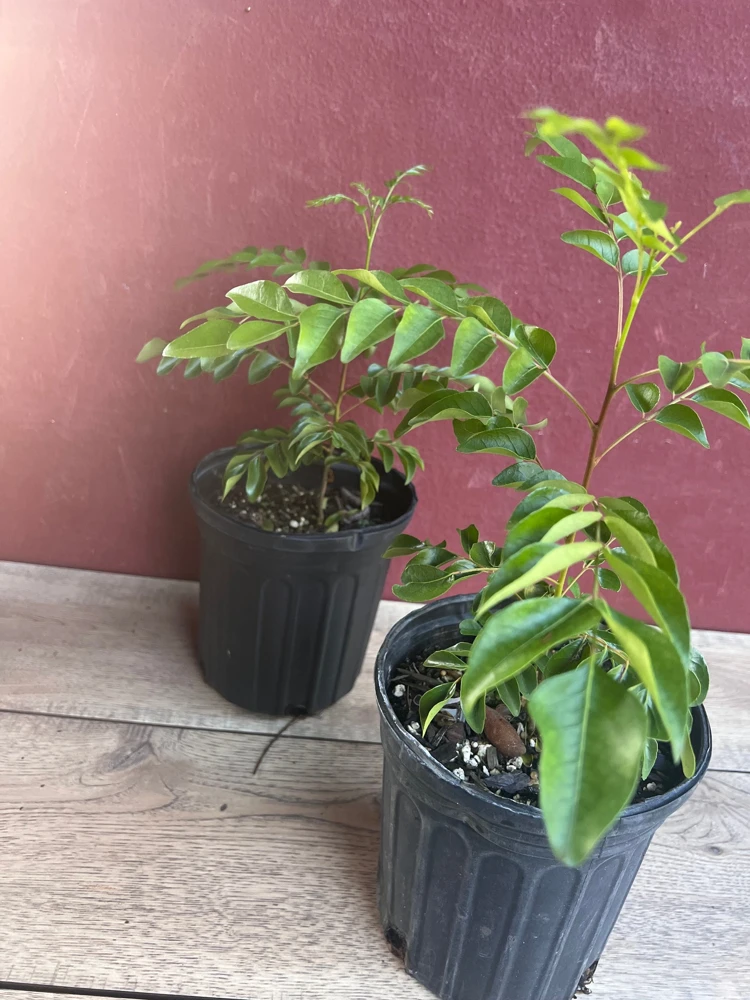
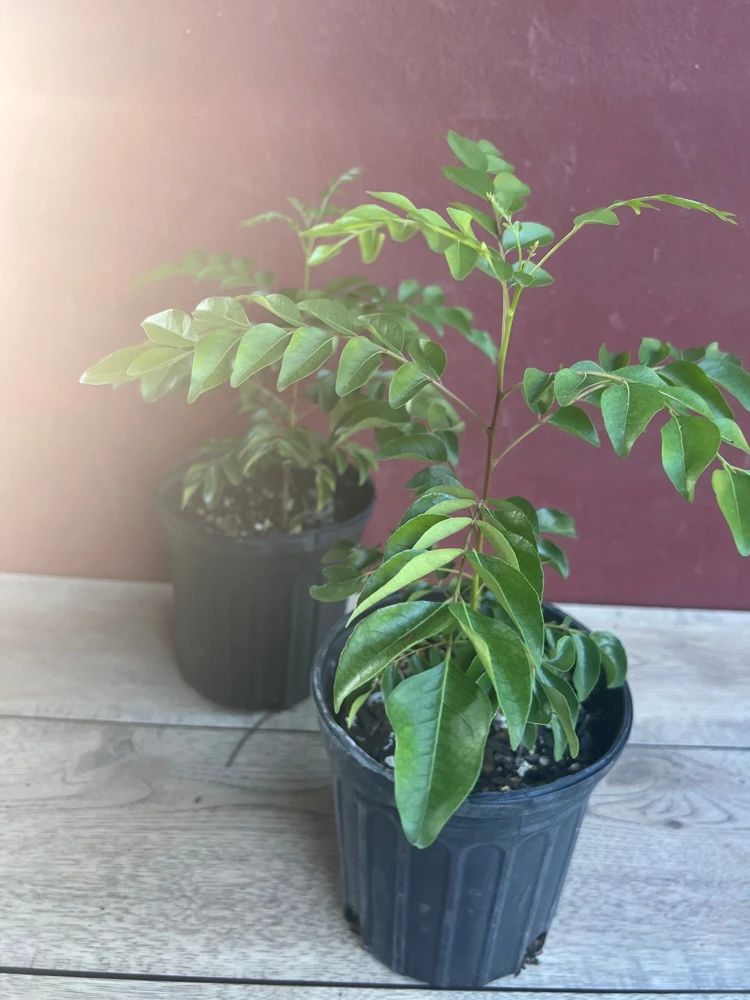
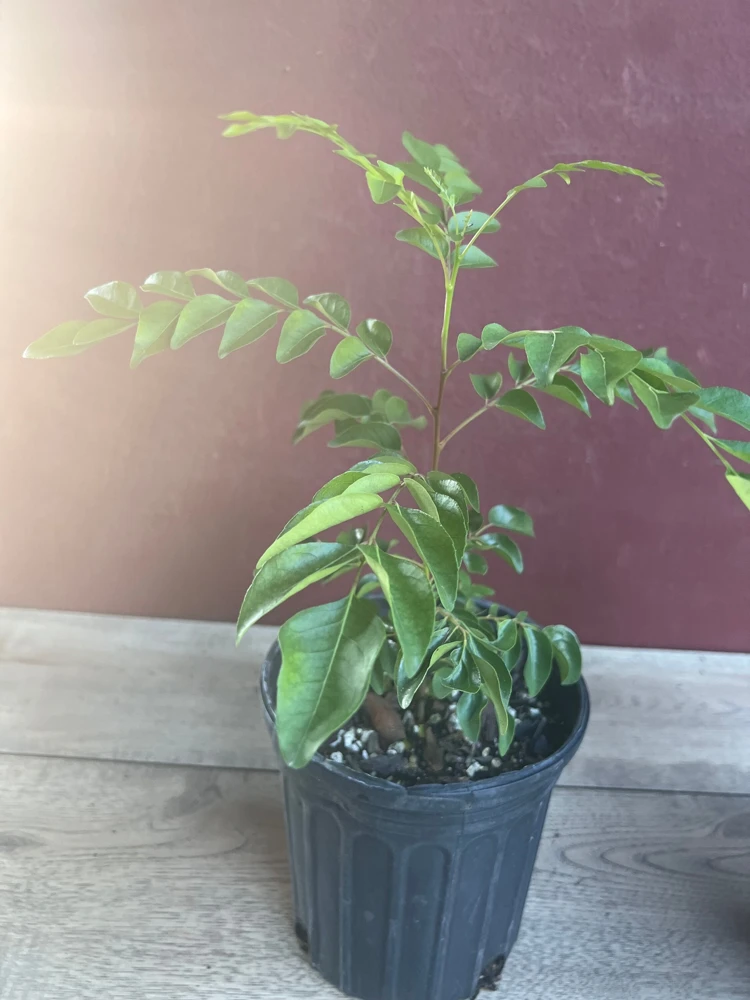
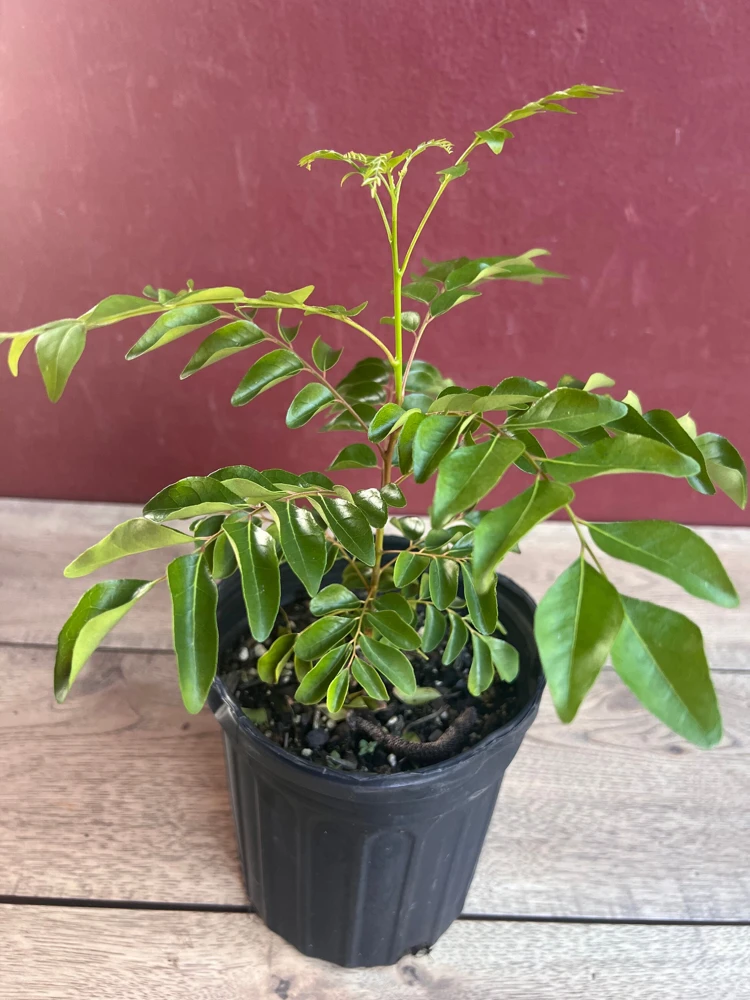
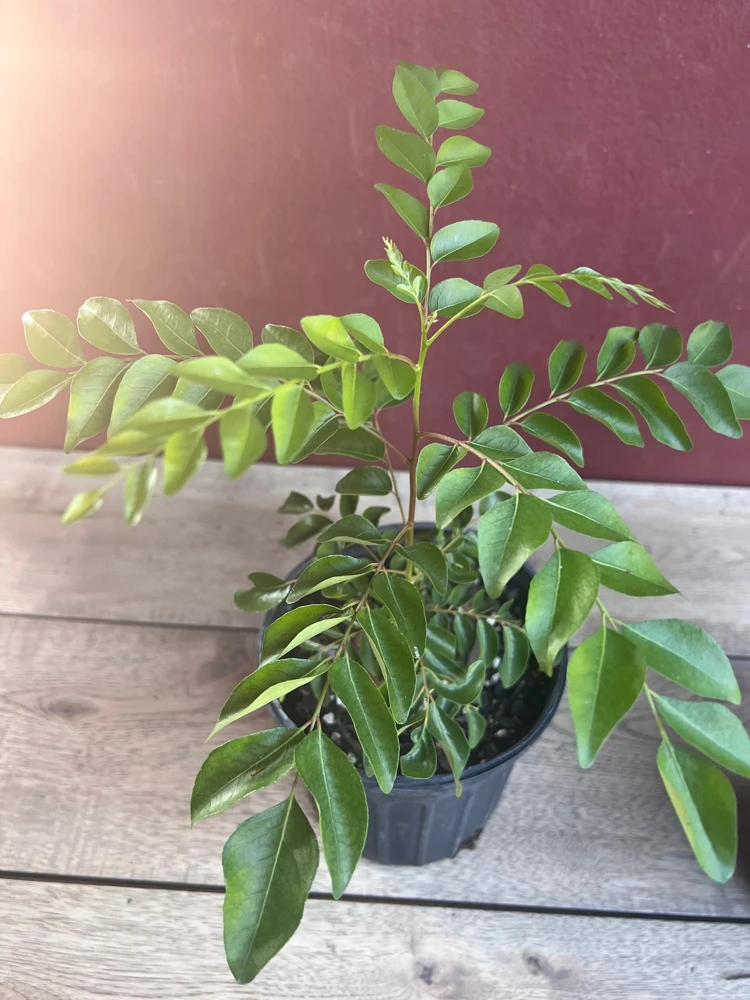
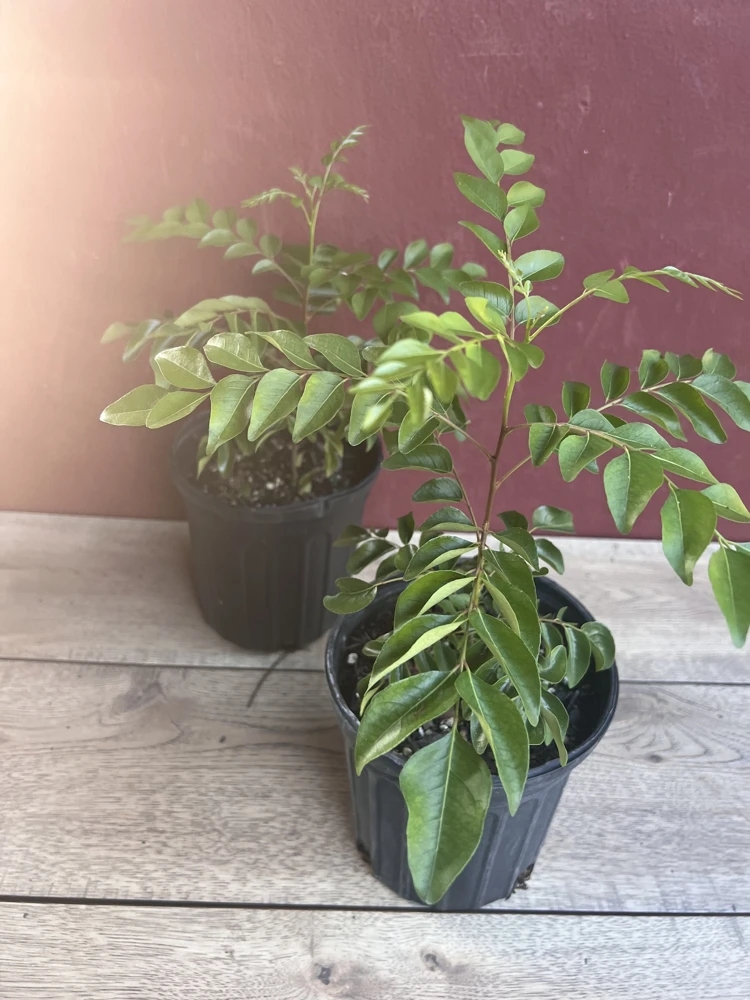
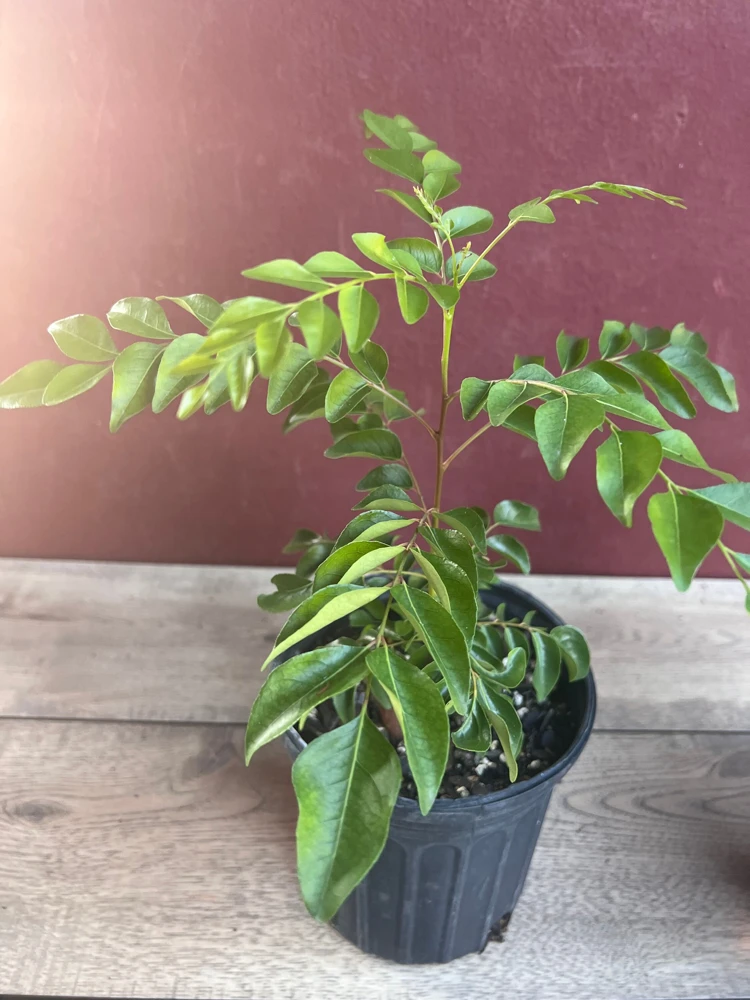
Curry Leaf Live Plant – Murraya Koenigii – 6 Inch Pot – Aromatic Culinary Herb – Cannot ship to CA
Original price was: $121.79.$73.83Current price is: $73.83.
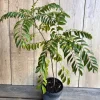
Bring the authentic taste of India to your kitchen with this vibrant curry leaf live plant. Grown in a 6-inch pot, this Murraya Koenigii specimen features aromatic foliage perfect for culinary use. It’s an evergreen bush that thrives in warm climates, offering fresh leaves for your favorite dishes. An excellent addition for any herb garden or sunny spot.
Shipping and Return policies:
We stand behind our plants with our Alive & Thrive Guarantee. If you experience any issues within the first 30 days, please email us, and our team will be happy to help. When needed, we’ll send you a one-time replacement free of charge to make sure your garden keeps growing strong.

Reasonable Price
We offer reasonable price

Support 24/7
Contact us 24 hrs a day
100% Money Back
You’ve 30 days to Return
Payment Secure
100% secure payment
Overview
Cultivate your own culinary delight with this vibrant curry leaf live plant, scientifically known as Murraya Koenigii. Native to India, this fast-growing evergreen bush or small tree is cherished for its highly aromatic and spicy foliage, which is an essential ingredient in many South Asian dishes. You will receive one healthy curry leaf live plant in a 6-inch pot, ready to thrive in your home or garden. Its distinct flavor and fragrance make it a must-have for any enthusiast of authentic cuisine. Beyond its culinary appeal, the curry tree also produces fragrant white flowers, adding a touch of beauty to its surroundings, followed by small black fruits that are not suitable for consumption but contribute to the plant’s overall charm.
The curry leaf live plant is a resilient and rewarding addition to any plant collection. It can be grown both indoors in a bright, sunny location or outdoors in warmer climates, flourishing with proper care. This plant offers a continuous supply of fresh leaves, far superior in flavor and aroma to dried alternatives. Whether you’re an experienced gardener or a budding chef, growing your own karivepaku plant ensures you always have the freshest ingredients at your fingertips, enhancing the taste and authenticity of your culinary creations.
Key Benefits
The curry leaf live plant offers a multitude of benefits, from its culinary uses to its aesthetic appeal and ease of growth. Having this plant in your home or garden provides fresh, organic ingredients right when you need them.
- Culinary Excellence: The primary benefit is the availability of fresh, aromatic curry leaves. These leaves are indispensable for authentic Indian, Sri Lankan, and other South Asian cuisines, imparting a unique, pungent, and slightly nutty flavor that dried leaves cannot replicate.
- Aromatic Foliage: Beyond cooking, the leaves release a delightful fragrance when brushed or crushed, contributing a pleasant aroma to your living space or garden area. This natural scent can be quite refreshing.
- Evergreen Beauty: As an evergreen, the curry leaf live plant maintains its lush green foliage throughout the year, providing continuous visual appeal. It serves as an attractive ornamental plant with its pinnate leaves and compact growth habit.
- Health Properties: Curry leaves are traditionally known for various health benefits, including digestive aid and antioxidant properties. Growing your own ensures a pesticide-free source of these beneficial leaves.
- Fast Growing: This plant is known for its relatively fast growth rate, meaning you won’t have to wait long to harvest a plentiful supply of leaves once established. It can quickly grow from six to twenty feet tall in ideal conditions.
- Versatile Growing: Suitable for container gardening, the curry tree indoor can thrive in pots, making it perfect for patios, balconies, or even indoors if given enough light. This flexibility allows gardeners in cooler climates to enjoy fresh leaves year-round.
- Relatively Low Maintenance: Once established, the murraya koenigii requires moderate care, making it suitable for gardeners of varying experience levels. It is quite drought-tolerant once mature, reducing the frequency of watering.
Plant Care & Growing Tips
Caring for your curry leaf live plant is straightforward, especially when you understand its basic needs for light, water, and soil. To ensure optimal growth and a bountiful harvest of fragrant leaves, providing the right environment is crucial. This plant thrives in warm, humid conditions and can be quite resilient when its fundamental requirements are met. Understanding these care tips will help your murraya koenigii flourish.
The curry leaf live plant absolutely loves sunlight. For best results, place it in the sunniest part of your garden or home where it can receive full sun exposure for at least 6-8 hours daily. Proper light is essential for developing strong, aromatic foliage. When it comes to soil, this plant prefers well-drained, fertile soil with a slightly acidic pH, ideally between 6.4 and 6.9. It also prefers drier soil conditions once established. Water regularly for the first two months after planting to help it establish, then allow the soil to dry out completely between waterings. Overwatering can be detrimental, especially for potted plants, so ensure good drainage. During winter, if the tree goes dormant or temperatures drop below freezing, reduce watering significantly.
The curry leaf live plant is frost-tender, meaning it does not tolerate consistently cold winters well. While it might survive a mild frost, prolonged cold will cause it to shed its leaves and go dormant until spring. It thrives in hot, humid climates. If you live in an area with cold winters, consider bringing your curry tree indoor during the colder months. Fertilization is generally only needed if a soil test indicates a deficiency; otherwise, it’s not a heavy feeder. Avoid fertilizing during winter dormancy. With these care guidelines, your karivepaku plant will provide you with fresh leaves for years to come.
Size & Details
This offering includes one healthy curry leaf live plant, carefully cultivated and shipped in a 6-inch nursery pot. At the time of shipping, the plant typically stands between 6 to 12 inches tall, measured from the base of the pot to the top of the foliage. The Murraya Koenigii is known for its robust growth and can reach anywhere from six to 20 feet tall when mature in ideal outdoor conditions, though it can be kept smaller through pruning, especially when grown in a container as a curry tree indoor. The plant has a moderate to fast growth rate, allowing for regular harvesting of its aromatic leaves.
The plant will arrive well-rooted and established in its pot, ensuring a smooth transition to your garden or a larger container. Its evergreen nature means it retains its lush green leaves throughout the year, providing continuous beauty and culinary utility. Expect your plant to begin producing fresh, harvestable leaves shortly after settling into its new environment, allowing you to enjoy the authentic flavor of murraya koenigii in your cooking.
Frequently Asked Questions
- Q: How big does this plant get? A: In ideal outdoor conditions, the curry leaf live plant can reach heights of 6 to 20 feet. When grown in a pot, its size can be managed with regular pruning, making it suitable for indoor environments or smaller garden spaces.
- Q: What size pot does it come in? A: Each curry leaf live plant is shipped in a sturdy 6-inch nursery pot, providing a good start for its growth. We recommend transplanting it to a slightly larger pot or directly into your garden upon arrival.
- Q: Is this an indoor or outdoor plant? A: The curry leaf live plant can be grown both indoors and outdoors. It thrives outdoors in warm, humid climates (USDA zones 9-11). In cooler regions, it can be grown as a curry tree indoor, provided it receives sufficient sunlight.
- Q: How much sunlight does it need? A: This plant requires full sun, meaning at least 6-8 hours of direct sunlight per day, for optimal growth and leaf production. Place it in the sunniest spot available.
- Q: Is this plant easy to care for? A: The curry leaf live plant is relatively easy to care for once established. Its main requirements are plenty of sunlight, well-draining soil, and moderate watering, allowing the soil to dry out between waterings.
- Q: Can I use curry leaf in cooking? A: Absolutely! The leaves of the murraya koenigii are highly prized for their unique flavor and aroma in various cuisines, especially Indian and Sri Lankan dishes. They are best used fresh for the most potent flavor.
- Q: How long until it produces leaves for harvest? A: Your karivepaku plant will likely have harvestable leaves upon arrival. With proper care, it will continue to produce new growth, allowing for regular harvesting of fresh leaves.
- Q: What condition will it arrive in? A: Your curry leaf live plant will arrive carefully packaged, healthy, and well-rooted in its 6-inch pot, ready for planting or continued growth in its container.
- Q: Will it survive winter in my zone? A: The curry leaf live plant is frost-tender. If you are in a region with temperatures consistently below freezing, it is best to bring the plant indoors for the winter or grow it in a greenhouse.
- Q: What kind of soil does it prefer? A: This plant prefers well-drained, fertile soil that is slightly acidic, with a pH between 6.4 and 6.9. It tolerates dry soil better than overly wet conditions.
Be the first to review “Curry Leaf Live Plant – Murraya Koenigii – 6 Inch Pot – Aromatic Culinary Herb – Cannot ship to CA”
You must be logged in to post a review.
People also Viewed
Sold 50 products
$32.38
Sold 50 products
$27.38
Sold 50 products
$32.38
Sold 50 products
$19.88
Sold 50 products
$62.38
Sold 50 products
$24.88
Houseplants
Phalaenopsis pulcherrima ‘Mauna Kea Snow’ Orchid Live Plant – White Flowers, Potted 2.5 in
Sold 50 products
$49.88
Sold 50 products
$49.88RELATED posts
Awapuhi Wild Ginger Plant: Zones, Care, and Propagation
Learn which USDA zones suit awapuhi wild ginger, plus sunlight, water, planting, propagation, pests, size, [...]
Awapuhi Shampoo Ginger – Care, Growing Zones, and Differences
Learn how to grow awapuhi (shampoo) ginger, its USDA zones, watering schedule, propagation tips, and [...]
Awapuhi Shampoo Plant Buying Guide – Choose the Right Zingiber zerumbet
META: Learn which awapuhi (shampoo ginger) plant or rhizome pack gives the best natural shampoo, [...]
Awapuhi Plant for Sale: Complete Buying Guide
Find the right awapuhi (shampoo ginger) plant, size, price, soil mix, and online source. Practical [...]
Shampoo Ginger Plant for Sale – Buying Guide & Tips
Find the right shampoo ginger plant, size, price, and care tips. Quick guide for U.S. [...]
Shampoo Ginger Plant (Awapuhi) Care Guide
Learn how to grow, care for, and use shampoo ginger (Zingiber zerumbet), the tropical awapuhi [...]
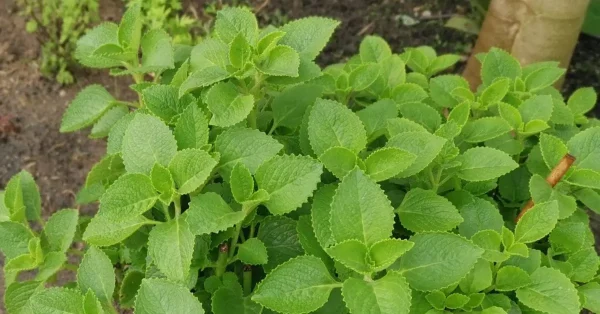
How to Grow Cuban Oregano Plants: A Complete Care Guide
If you’ve ever wanted a plant that combines the culinary punch of traditional oregano with [...]
Aug
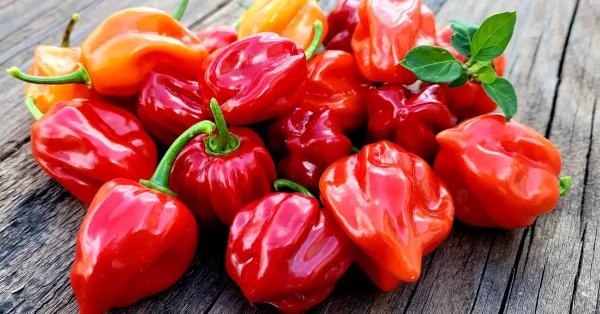
How to Grow Habanero Pepper Plants: A Step-by-Step Guide
Habanero pepper plants are prized for their vibrant colors, intense heat, and exceptional flavor, making [...]
Aug

Reviews
There are no reviews yet.