
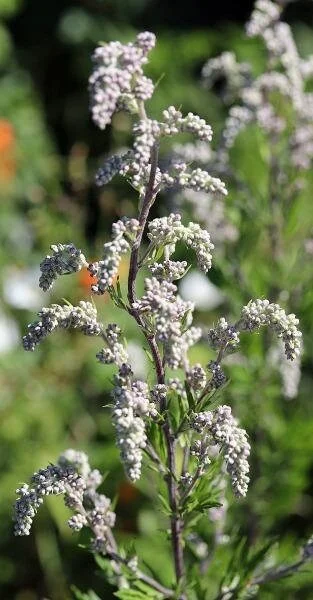
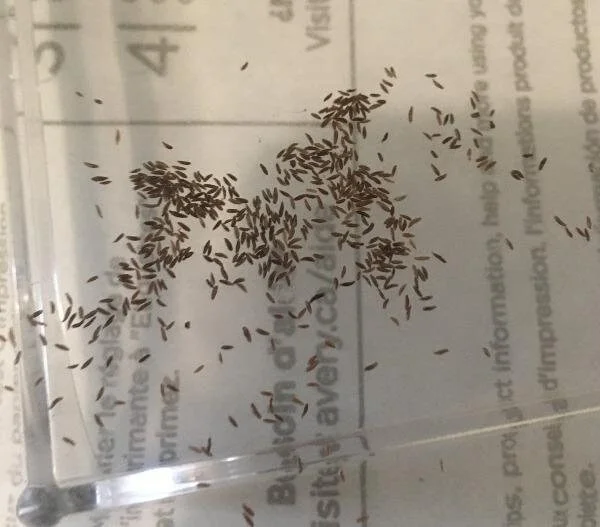
Common Mugwort Seeds – Artemisia vulgaris – Felon Herb – 20 Seed Pack – Outdoor
Original price was: $25.00.$17.50Current price is: $17.50.
Cultivate your own common mugwort seeds (Artemisia vulgaris) with this pack of 20 high-quality seeds. Known by many names including Sailor’s Tobacco and Felon Herb, this hardy perennial thrives outdoors, offering both historical intrigue and robust growth. Perfect for naturalizing areas or adding to an herb garden.
Shipping and Return policies:
We stand behind our plants with our Alive & Thrive Guarantee. If you experience any issues within the first 30 days, please email us, and our team will be happy to help. When needed, we’ll send you a one-time replacement free of charge to make sure your garden keeps growing strong.

Reasonable Price
We offer reasonable price

Support 24/7
Contact us 24 hrs a day
100% Money Back
You’ve 30 days to Return
Payment Secure
100% secure payment
Overview
Embark on a unique gardening journey with our premium common mugwort seeds. This pack contains 20 seeds of Artemisia vulgaris, a fascinating herbaceous perennial renowned for its resilience and rich history. Also known as St. John’s plant, Sailor’s Tobacco, Felon Herb, and Riverside Wormwood, mugwort has been cherished across various cultures for centuries. While some consider it a tenacious weed, its distinctive foliage and historical uses make it a captivating addition to any garden. Our artemisia vulgaris seeds provide an excellent opportunity to grow this robust plant, which is native to a vast range including North America, Asia, Europe, and Africa. It’s an ideal choice for gardeners looking for a low-maintenance, vigorous plant that brings a touch of wild beauty.
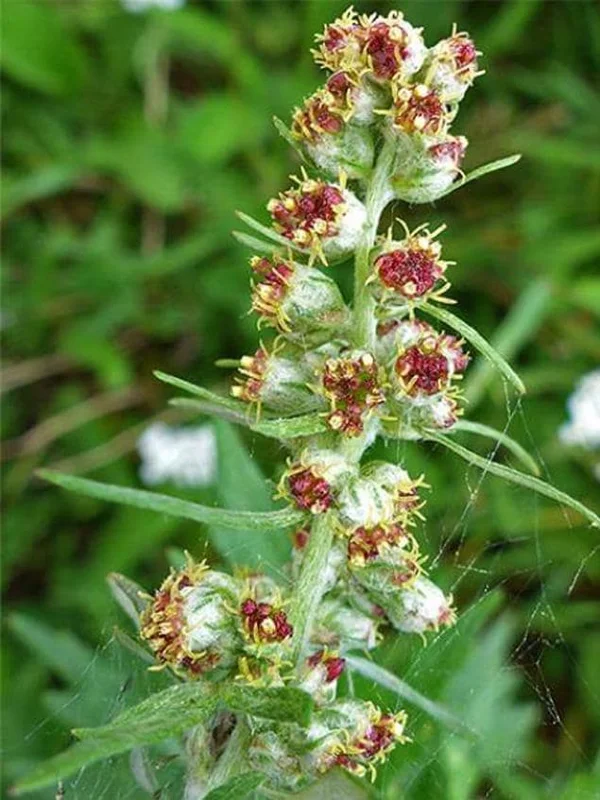
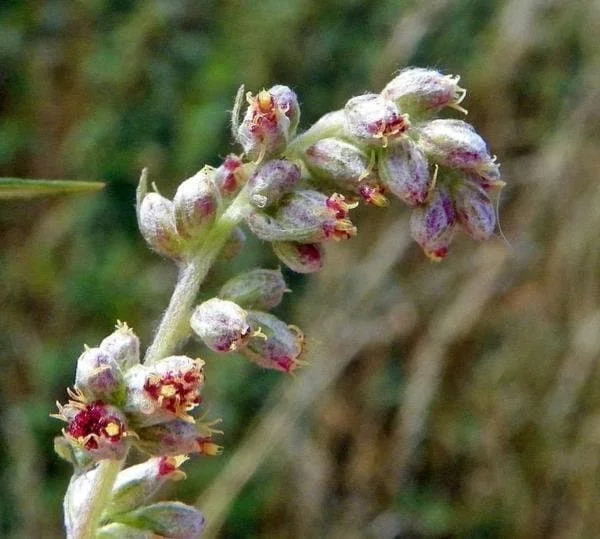
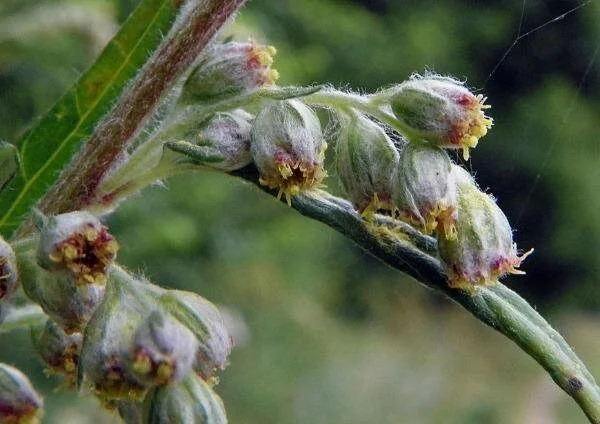
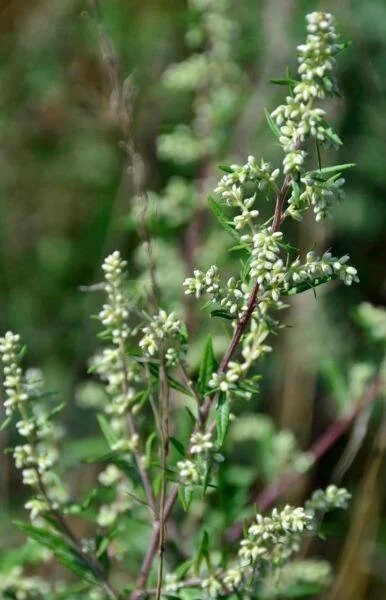
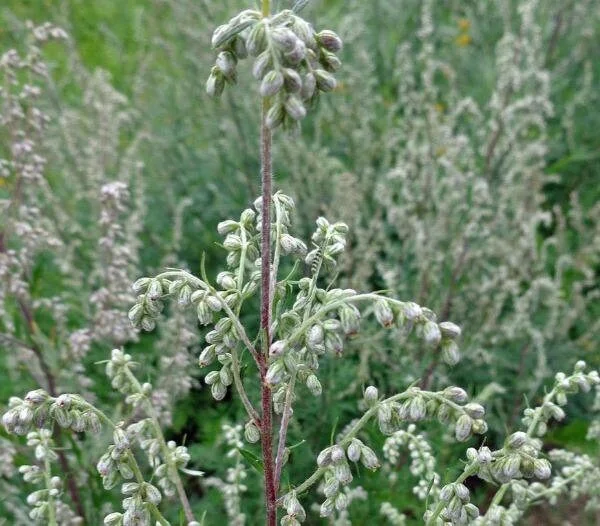
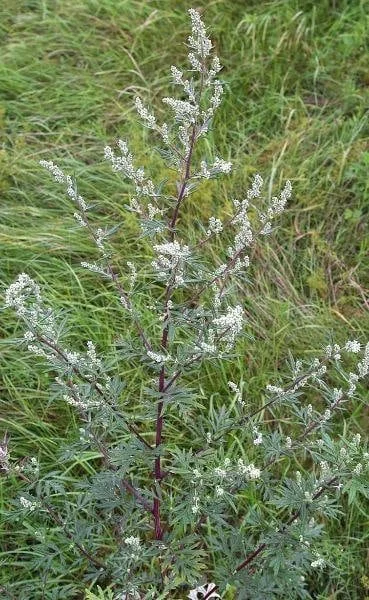
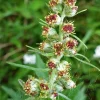
Common mugwort seeds are perfect for those interested in traditional herbs or creating a naturalized landscape. This plant adapts well to various conditions, particularly thriving in nitrogen-rich soils often found in waste places and roadsides. Growing from seeds allows you to experience the full life cycle of this intriguing perennial, from tiny seed to a mature plant reaching up to 3 feet tall and wide. Its rhizomatous root system means it will spread, creating a lush, dense patch over time. The subtle red/purple hues of its stems and tiny yellow to red flowers add understated beauty to its vigorous growth habit.
Key Benefits
Growing common mugwort seeds offers a range of benefits, from its hardiness to its historical significance and unique aesthetic. This resilient plant is an excellent choice for a variety of garden settings.
- Robust & Easy to Grow: Common mugwort seeds germinate into plants known for their vigorous growth and adaptability, making them suitable for gardeners of all experience levels. They tolerate a wide range of soil conditions and light exposures.
- Historical & Traditional Uses: Mugwort has a long history of use in traditional medicine and culinary practices across the globe. Exploring its historical context adds a layer of depth to your gardening experience.
- Naturalizing & Groundcover: Due to its spreading rhizomatous root system, mugwort is excellent for naturalizing areas, stabilizing soil, or creating a resilient groundcover in suitable zones.
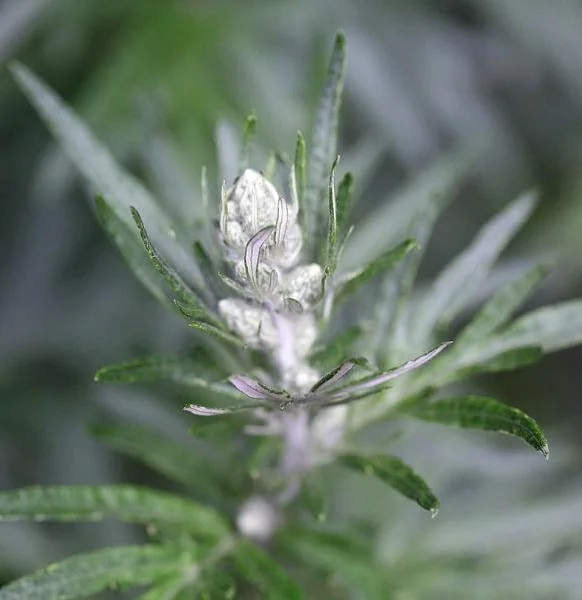
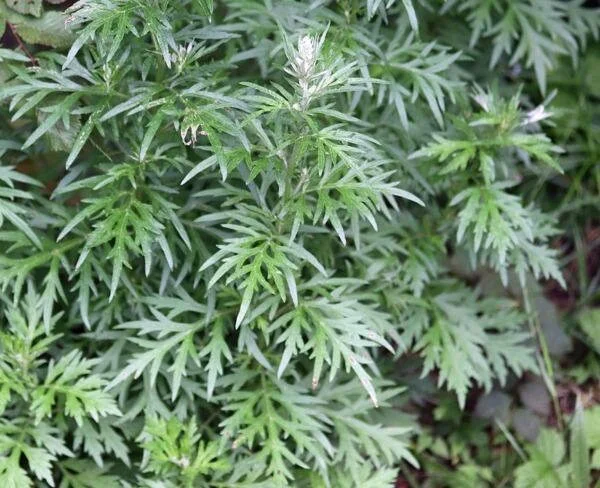
- Attractive Foliage: The plant features distinctive, deeply lobed foliage that adds texture and a unique visual appeal to garden beds. The faint red/purple stems provide subtle color interest.
- Pollinator Friendly: While its flowers are small, mugwort can attract various beneficial insects to your garden, contributing to local biodiversity.
- Drought Tolerant: Once established, artemisia vulgaris seeds grow into plants that are remarkably drought-tolerant, requiring less frequent watering compared to many other garden plants.
- Hardy Perennial: Mugwort is a cold-hardy perennial, returning year after year in USDA Zones 4-8, providing long-term value and consistent garden interest.
Plant Care & Growing Tips
Cultivating common mugwort seeds into thriving plants is a straightforward process, given its robust nature. To ensure successful germination and growth, attention to a few key details will be beneficial. Start by mixing your seeds with moistened soil in a ziplock bag and refrigerating them for 10 days; this cold stratification period aids germination. Afterward, sow the tiny seeds into a well-drained, sandy compost, covering them only to their own depth with a fine layer of sand or grit. Place the seed tray in bright light and maintain consistent moisture. Germination can be slow, so patience is key.
Once established, mugwort plant care is relatively low-maintenance. This plant prefers full sun to part shade, adapting well to various light conditions. It thrives in most soil types, particularly those that are nitrogenous and well-draining. Avoid overly wet or waterlogged conditions, as this can lead to root issues. In terms of hardiness, mugwort is suitable for USDA Zones 4-8, tolerating a range of winter temperatures. Fertilization is generally not necessary, especially in rich soils, as it can encourage overly vigorous growth. Monitor for excessive spreading due to its rhizomatous nature, and prune as needed to manage its size and spread. This plant is known for its resilience, making it an excellent choice for gardeners seeking a hardy and adaptable herb.
Size & Details
This product includes 20 high-quality artemisia vulgaris seeds, ready for you to sow and cultivate. When mature, the common mugwort plant typically reaches a height of up to 3 feet (approximately 90 cm) and can spread equally wide, forming a dense clump through its rhizomatous root system. The stems often display a faint red or purple coloration, adding subtle interest, while the small flowers range from yellow to red. Mugwort is a fast-growing perennial, quickly establishing itself once germinated. It is shipped as a packet of seeds, allowing you to start your plants indoors or directly sow them outdoors during the appropriate season. Expect seedlings to emerge slowly after cold stratification, with mature plants developing within one to two growing seasons. The seeds themselves are tiny, reflecting the plant’s natural propagation method.
Frequently Asked Questions
- Q: How big does common mugwort get? A: Common mugwort typically grows to about 3 feet tall and 3 feet wide, forming a dense clump. Its rhizomatous roots allow it to spread horizontally over time.
- Q: Is this an indoor or outdoor plant? A: Common mugwort is primarily an outdoor plant, thriving in garden beds, waste places, and roadsides. It is hardy in USDA Zones 4-8.
- Q: How much sunlight does it need? A: Mugwort grows best in full sun to partial shade. It is quite adaptable but will produce the most vigorous growth with ample sunlight.
- Q: Is this plant easy to care for? Is it good for beginners? A: Yes, mugwort plant care is relatively easy, making it an excellent choice for beginners. It’s a hardy and adaptable plant that tolerates a range of conditions once established.
- Q: What condition will the seeds arrive in? A: The product consists of 20 dried, viable common mugwort seeds packaged securely to ensure their quality upon arrival. You will need to stratify them before planting.
- Q: How long until mugwort blooms? A: Mugwort typically blooms in late summer to early fall, usually producing small, inconspicuous yellow to reddish flowers in its first or second year of growth from seed.
- Q: What’s the best time to plant common mugwort seeds? A: After cold stratification, it is best to sow artemisia vulgaris seeds in early spring, either indoors for transplanting or directly outdoors once the danger of hard frost has passed.
- Q: What type of soil does mugwort prefer? A: Mugwort is not particular about soil, but it thrives in well-draining, nitrogenous soils. It can tolerate a wide range of soil types, from sandy to loamy.
- Q: Can I use mugwort for culinary purposes? A: While historically used in some culinary traditions, it’s important to research specific uses and potential effects, as some Artemisia species can be potent.
- Q: Will it survive winter in my zone? A: If you are in USDA Zones 4-8, your common mugwort plant will survive the winter as a perennial, dying back to the ground and regrowing in spring.
Be the first to review “Common Mugwort Seeds – Artemisia vulgaris – Felon Herb – 20 Seed Pack – Outdoor”
You must be logged in to post a review.
People also Viewed


Sold 50 products
Original price was: $109.95.$79.98Current price is: $79.98.

Sold 50 products
Original price was: $25.00.$17.50Current price is: $17.50.

Flower Seeds
Olympic Onion Seeds – Allium crenulatum Flower Seeds – 10 Seed Pack – Outdoor Native Plant
Sold 50 products
Original price was: $25.00.$17.50Current price is: $17.50.

Sold 50 products
Original price was: $25.00.$17.50Current price is: $17.50.

Flower Seeds
Fuchsia vulcanica Seeds – 20 Pack – Vibrant Orange Coral Flowers for Garden & Containers
Sold 50 products
Original price was: $25.00.$17.50Current price is: $17.50.

Sold 50 products
Original price was: $116.98.$95.68Current price is: $95.68.

Sold 50 products
Original price was: $21.00.$14.10Current price is: $14.10.

Aquatic Plant Seeds
White Lotus Seeds – Nelumbo Nucifera Aquatic Pond Plant – 5 Seeds for Water Garden
Sold 50 products
Original price was: $29.00.$20.90Current price is: $20.90.RELATED posts
Awapuhi Wild Ginger Plant: Zones, Care, and Propagation
Learn which USDA zones suit awapuhi wild ginger, plus sunlight, water, planting, propagation, pests, size, [...]
Awapuhi Shampoo Ginger – Care, Growing Zones, and Differences
Learn how to grow awapuhi (shampoo) ginger, its USDA zones, watering schedule, propagation tips, and [...]
Awapuhi Shampoo Plant Buying Guide – Choose the Right Zingiber zerumbet
META: Learn which awapuhi (shampoo ginger) plant or rhizome pack gives the best natural shampoo, [...]
Awapuhi Plant for Sale: Complete Buying Guide
Find the right awapuhi (shampoo ginger) plant, size, price, soil mix, and online source. Practical [...]
Shampoo Ginger Plant for Sale – Buying Guide & Tips
Find the right shampoo ginger plant, size, price, and care tips. Quick guide for U.S. [...]
Shampoo Ginger Plant (Awapuhi) Care Guide
Learn how to grow, care for, and use shampoo ginger (Zingiber zerumbet), the tropical awapuhi [...]

How to Grow Cuban Oregano Plants: A Complete Care Guide
If you’ve ever wanted a plant that combines the culinary punch of traditional oregano with [...]
Aug

How to Grow Habanero Pepper Plants: A Step-by-Step Guide
Habanero pepper plants are prized for their vibrant colors, intense heat, and exceptional flavor, making [...]
Aug
Reviews
There are no reviews yet.