
Acmella Oleracea Seeds – Electric Daisy Toothache Plant, 20 Seeds, Culinary & Medicinal Herb
Original price was: $23.00.$15.80Current price is: $15.80.
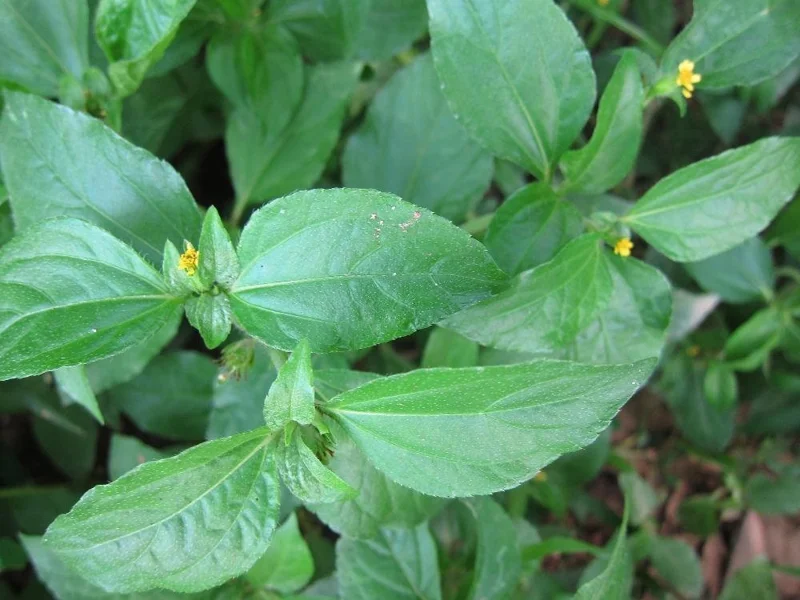
Cultivate your own unique Acmella oleracea seeds, also known as electric daisy plant or toothache plant. These 20 seeds will grow into vibrant plants known for their distinctive tingling sensation, perfect for culinary adventures or traditional uses. A fascinating addition to any garden.
Shipping and Return policies:
We stand behind our plants with our Alive & Thrive Guarantee. If you experience any issues within the first 30 days, please email us, and our team will be happy to help. When needed, we’ll send you a one-time replacement free of charge to make sure your garden keeps growing strong.

Reasonable Price
We offer reasonable price

Support 24/7
Contact us 24 hrs a day
100% Money Back
You’ve 30 days to Return
Payment Secure
100% secure payment
Overview
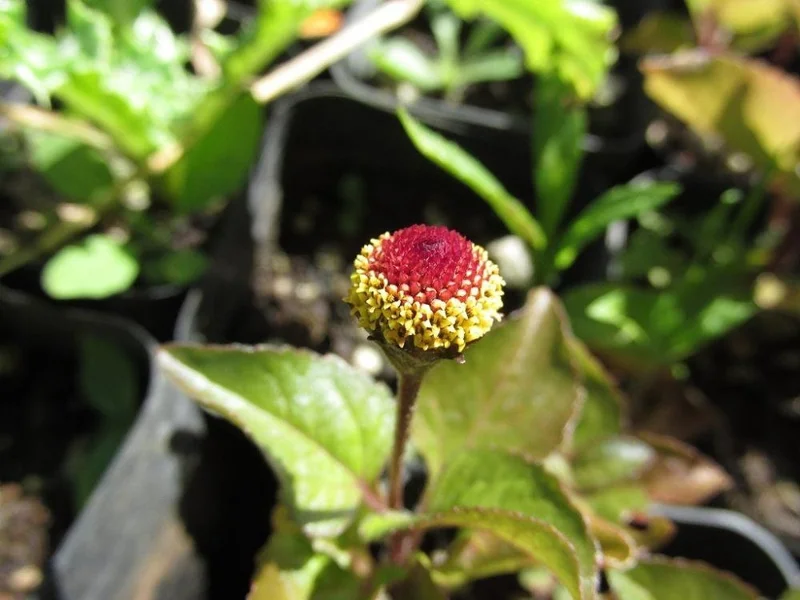
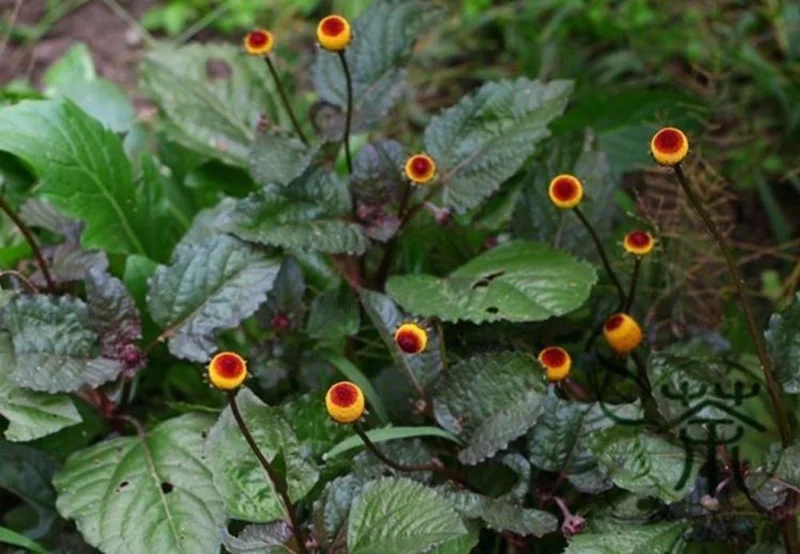
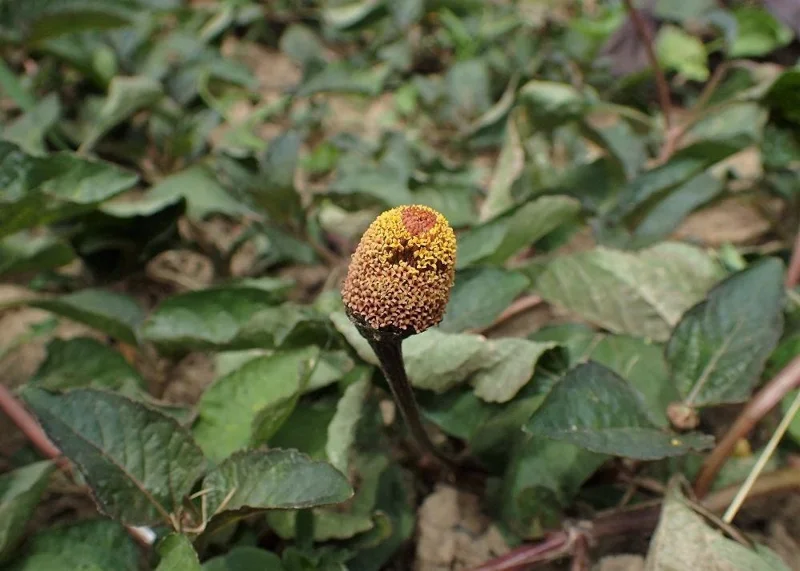
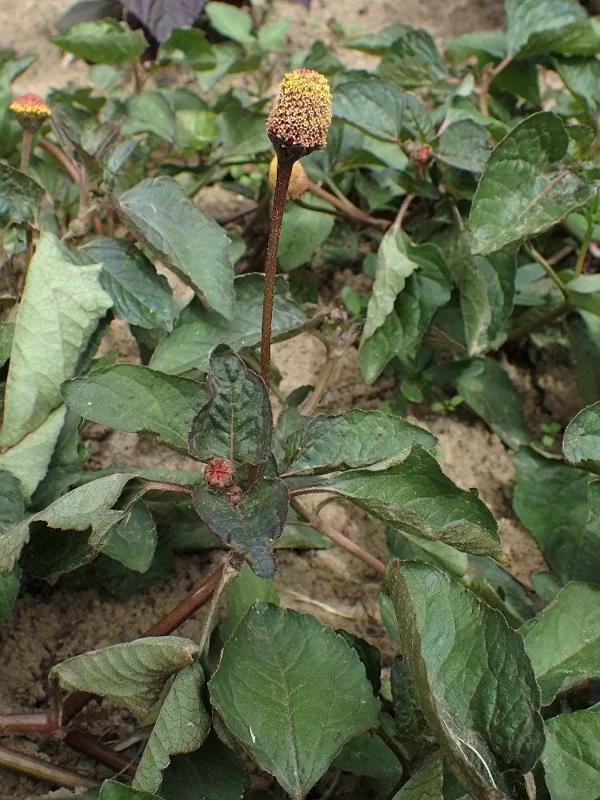
Discover the intriguing world of Acmella oleracea seeds, commonly known as the Toothache Plant, Electric Daisy, or Eyeball Plant. This tropical herbaceous plant is renowned for its vibrant yellow or red flower heads and the unique tingling, numbing sensation it produces when chewed. These 20 high-quality seeds allow you to cultivate this fascinating botanical wonder in your own garden. Acmella oleracea seeds are easy to grow, making them suitable for both novice and experienced gardeners eager to explore unique plants. Whether you’re interested in its traditional medicinal properties, culinary applications, or simply its ornamental appeal, the Electric Daisy offers a truly distinctive experience.
Native to tropical climates, the electric daisy plant is a versatile addition to herb gardens, container plantings, or as an ornamental border. Its cheerful, button-like flowers add a splash of color, while its leaves and flowers are celebrated for the spilanthol compound, responsible for its famous ‘electric’ sensation. Growing your own toothache plant seeds ensures a fresh supply of this remarkable herb, allowing you to enjoy its benefits right from your backyard. Dive into the unique sensation and vibrant beauty of Acmella oleracea.
Key Benefits
Growing Acmella oleracea seeds offers a range of fascinating benefits, bringing a touch of the extraordinary to your home garden. From unique culinary experiences to potential traditional uses, these plants are truly special.
- Unique Culinary Experience: The leaves and flowers of the electric daisy plant provide a distinctive tingling and numbing sensation, adding an ‘electric’ zest to salads, drinks, and various dishes. It’s a fantastic conversation starter at dinner parties.
- Traditional Medicinal Use: Historically, Acmella oleracea has been utilized in traditional medicine, particularly for soothing toothaches and promoting oral health due to its spilanthol content.
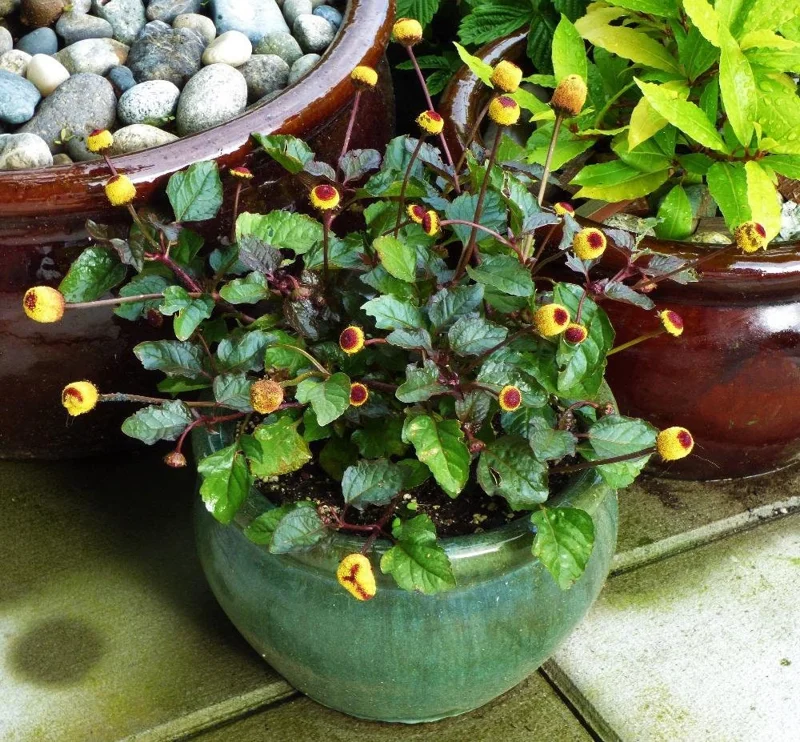
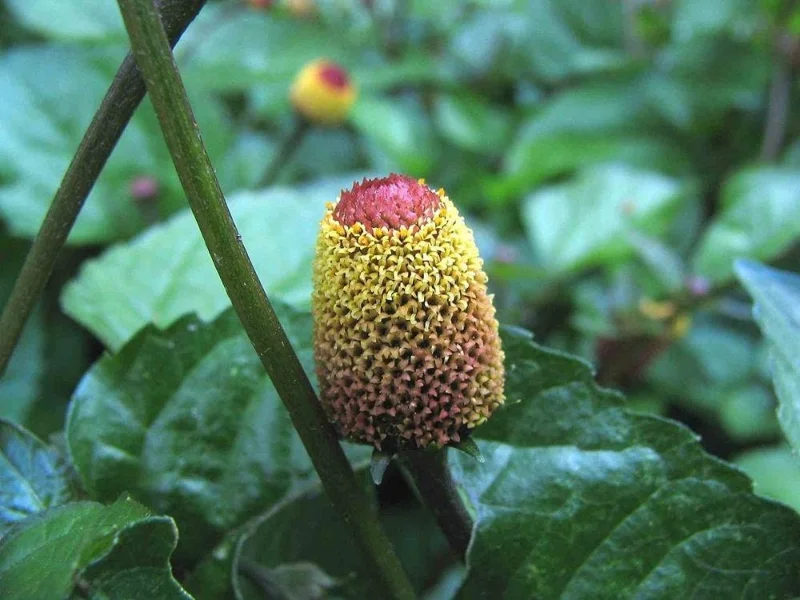
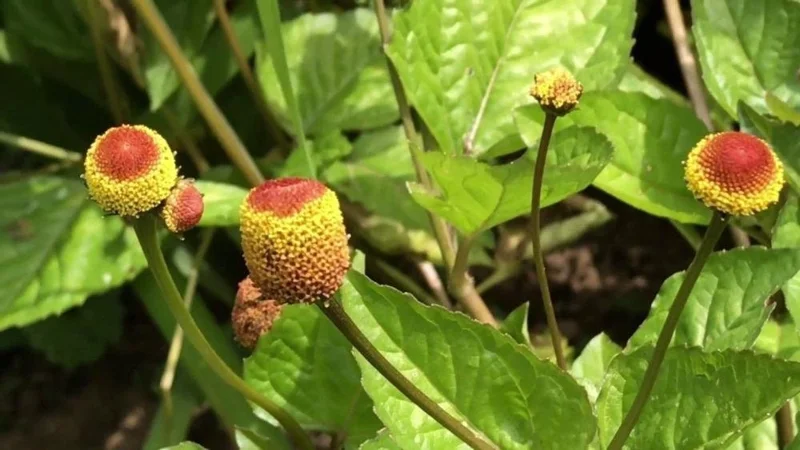
- Vibrant Ornamental Appeal: With its bright yellow or red button-like flowers, the Eyeball Plant adds a cheerful and exotic touch to garden beds, containers, or hanging baskets, attracting pollinators.
- Easy to Grow: These Acmella oleracea seeds are relatively simple to germinate and cultivate, making them an excellent choice for gardeners of all skill levels looking for something out of the ordinary.
- Compact Growth Habit: The plant typically maintains a manageable size, making it suitable for smaller gardens, urban balconies, or even indoor cultivation in bright light.
- Pollinator Friendly: The bright flowers attract beneficial insects like bees and butterflies, contributing to a healthy garden ecosystem.
Plant Care & Growing Tips
Successfully cultivating your Acmella oleracea seeds into healthy, thriving plants requires attention to a few key environmental factors. Originating from tropical regions, this plant thrives in warm conditions and appreciates consistent care. Understanding its needs will ensure a bountiful harvest of this unique herb.
For sunlight, the electric daisy plant prefers full sun to partial shade. In hotter climates, partial afternoon shade can protect it from intense heat. Aim for at least 6 hours of direct sunlight daily for optimal growth and flowering. When it comes to watering, maintain consistent moisture, especially during germination and establishment. The soil should be kept evenly damp but not waterlogged, as good drainage is crucial. Allow the top inch of soil to dry out slightly between waterings once the plant is established. Well-draining soil is essential; a rich, loamy soil with good organic matter is ideal. A standard potting mix amended with compost works well for container planting.
The toothache plant seeds thrive in warm temperatures, ideally between 68-77°F (20-25°C). It is tender to frost and should be grown as an annual in colder climates or brought indoors during winter. It is hardy in USDA Zones 9-11. Fertilize every 2-4 weeks during the growing season with a balanced liquid fertilizer to encourage robust growth and continuous flowering. Common problems are generally few, but watch for aphids or spider mites, which can be managed with organic insecticidal soap. Proper air circulation helps prevent fungal issues. Growing acmella oleracea seeds is a rewarding experience with these guidelines.
Size & Details
These Acmella oleracea seeds will develop into a bushy, herbaceous plant typically growing 12-18 inches tall and spreading about 18-24 inches wide. The growth rate is relatively fast, with plants often reaching maturity and beginning to flower within 2-3 months from germination. Each packet contains 20 viable seeds, providing a good quantity to start your own patch of this intriguing herb. The plants produce distinctive yellow or red button-like flowers, approximately 0.5-1 inch in diameter, which are the most potent part for the tingling sensation.
Seeds are shipped in a protective packet, ready for planting. With proper care, you can expect a continuous flush of flowers throughout the warm season. The plant’s compact size makes it an excellent choice for container gardening on patios, balconies, or even indoors if sufficient light is provided. The unique qualities of the eyeball plant seeds make them a must-have for adventurous gardeners and culinary enthusiasts alike.
Frequently Asked Questions
- Q: How big does the Acmella oleracea plant get? A: The electric daisy plant typically grows to a height of 12-18 inches (30-45 cm) and can spread about 18-24 inches (45-60 cm) wide, forming a bushy, compact plant ideal for various garden settings.
- Q: Is this an indoor or outdoor plant? A: Acmella oleracea thrives outdoors in warm, tropical climates (USDA Zones 9-11). In colder regions, it is best grown as an annual or can be cultivated indoors in a bright, sunny spot year-round.
- Q: How much sunlight do Acmella oleracea seeds need? A: This plant prefers full sun to partial shade, ideally receiving at least 6 hours of direct sunlight per day. In very hot climates, some afternoon shade can prevent scorching.
- Q: Is this plant easy to care for? A: Yes, the toothache plant seeds are relatively easy to germinate and grow. It’s considered low to moderate maintenance, requiring consistent watering and warmth. It’s a great choice for beginners looking for unique plants.
- Q: What condition will the seeds arrive in? A: The Acmella oleracea seeds will arrive in a sealed, protective packet, ensuring their viability and readiness for planting.
- Q: How long until the plant blooms after planting? A: After germinating your grow acmella oleracea seeds, you can typically expect the plant to start producing its distinctive flowers within 2-3 months under optimal growing conditions.
- Q: What’s the minimum temperature this plant can tolerate? A: Acmella oleracea is a tropical plant and is sensitive to cold. It will not tolerate frost and prefers temperatures above 50°F (10°C), thriving best between 68-77°F (20-25°C).
- Q: Can I use the leaves and flowers in cooking? A: Absolutely! The leaves and flowers are traditionally used in cooking to add a unique, tingling, and numbing sensation to salads, sauces, and beverages. It’s a popular ingredient in some South American and Asian cuisines.
- Q: Do I need to scarify the seeds? A: Yes, scarifying the eyeball plant seeds by lightly rubbing or nicking the seed coat, and then soaking them in warm water for 24 hours, can significantly improve germination rates.
- Q: Is the plant edible? A: Yes, both the leaves and flowers of Acmella oleracea are edible and safe for consumption, known for their unique flavor and sensation.
Be the first to review “Acmella Oleracea Seeds – Electric Daisy Toothache Plant, 20 Seeds, Culinary & Medicinal Herb”
You must be logged in to post a review.
People also Viewed
Sold 50 products
Original price was: $109.95.$79.98Current price is: $79.98.
Sold 50 products
Original price was: $25.00.$17.50Current price is: $17.50.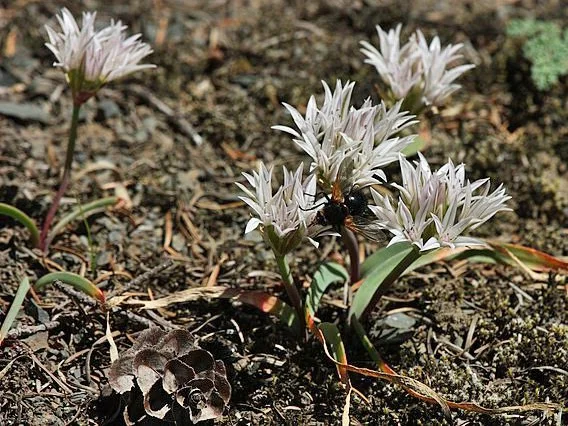
Flower Seeds
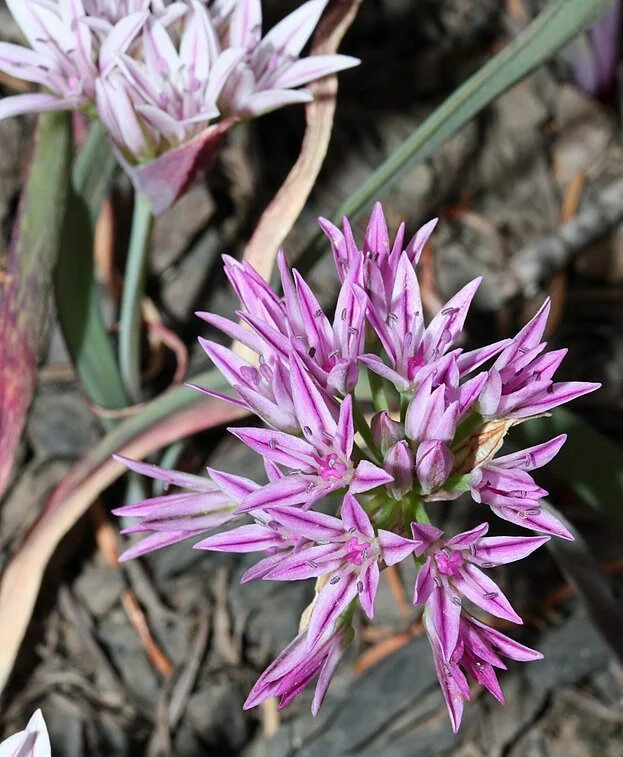
Olympic Onion Seeds – Allium crenulatum Flower Seeds – 10 Seed Pack – Outdoor Native Plant
Sold 50 products
Original price was: $25.00.$17.50Current price is: $17.50.
Sold 50 products
Original price was: $25.00.$17.50Current price is: $17.50.
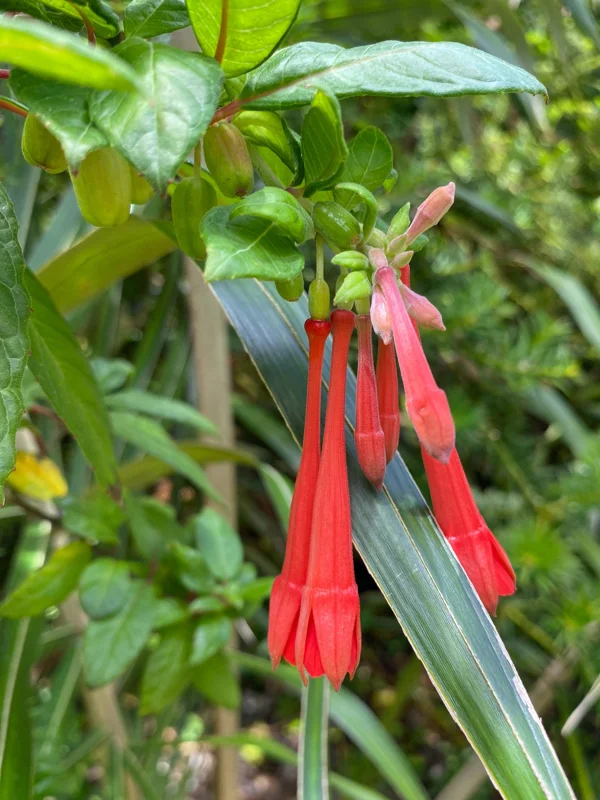
Flower Seeds
Fuchsia vulcanica Seeds – 20 Pack – Vibrant Orange Coral Flowers for Garden & Containers
Sold 50 products
Original price was: $25.00.$17.50Current price is: $17.50.
Sold 50 products
Original price was: $116.98.$95.68Current price is: $95.68.
Sold 50 products
Original price was: $21.00.$14.10Current price is: $14.10.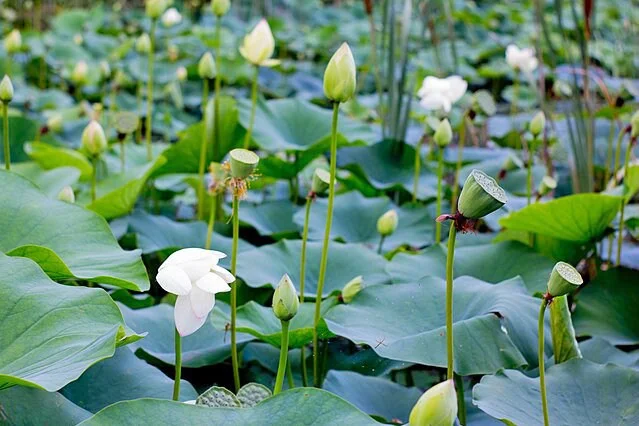
Aquatic Plant Seeds
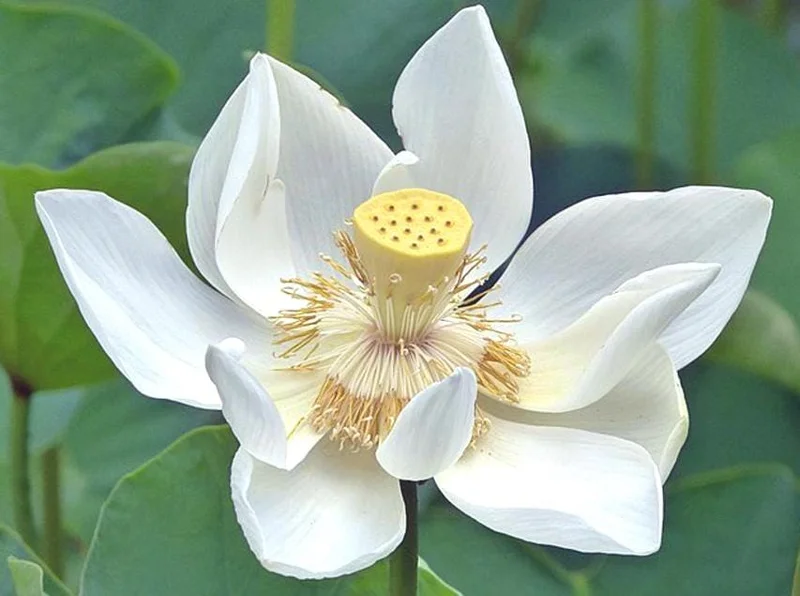
White Lotus Seeds – Nelumbo Nucifera Aquatic Pond Plant – 5 Seeds for Water Garden
Sold 50 products
Original price was: $29.00.$20.90Current price is: $20.90.RELATED posts
Awapuhi Wild Ginger Plant: Zones, Care, and Propagation
Learn which USDA zones suit awapuhi wild ginger, plus sunlight, water, planting, propagation, pests, size, [...]
Awapuhi Shampoo Ginger – Care, Growing Zones, and Differences
Learn how to grow awapuhi (shampoo) ginger, its USDA zones, watering schedule, propagation tips, and [...]
Awapuhi Shampoo Plant Buying Guide – Choose the Right Zingiber zerumbet
META: Learn which awapuhi (shampoo ginger) plant or rhizome pack gives the best natural shampoo, [...]
Awapuhi Plant for Sale: Complete Buying Guide
Find the right awapuhi (shampoo ginger) plant, size, price, soil mix, and online source. Practical [...]
Shampoo Ginger Plant for Sale – Buying Guide & Tips
Find the right shampoo ginger plant, size, price, and care tips. Quick guide for U.S. [...]
Shampoo Ginger Plant (Awapuhi) Care Guide
Learn how to grow, care for, and use shampoo ginger (Zingiber zerumbet), the tropical awapuhi [...]
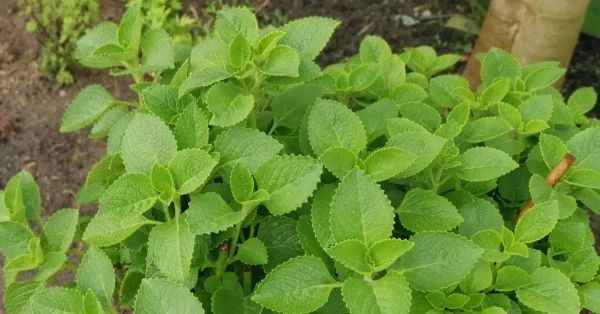
How to Grow Cuban Oregano Plants: A Complete Care Guide
If you’ve ever wanted a plant that combines the culinary punch of traditional oregano with [...]
Aug

How to Grow Habanero Pepper Plants: A Step-by-Step Guide
Habanero pepper plants are prized for their vibrant colors, intense heat, and exceptional flavor, making [...]
Aug
Reviews
There are no reviews yet.