
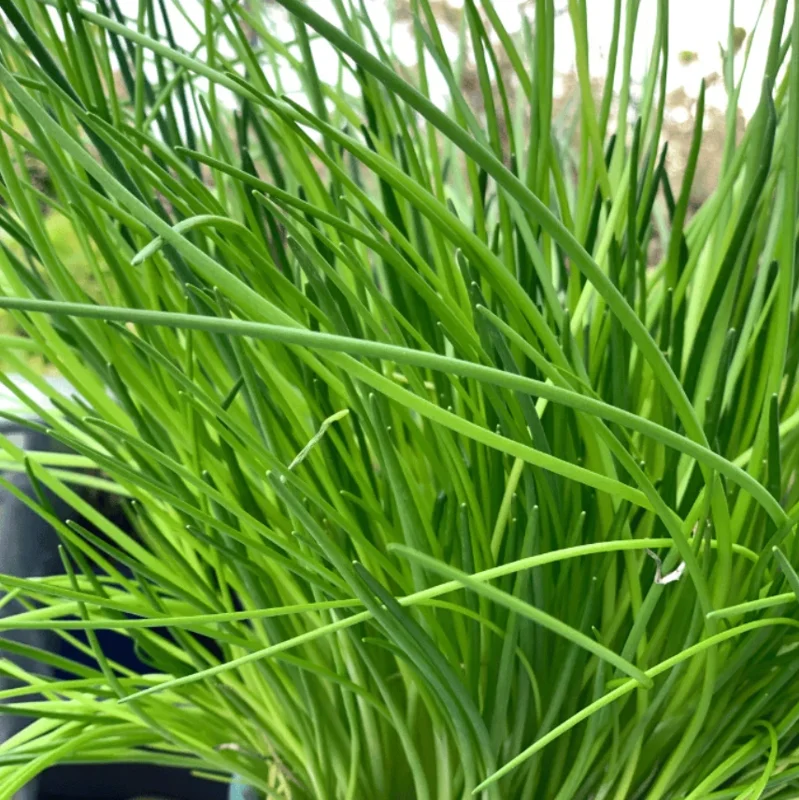
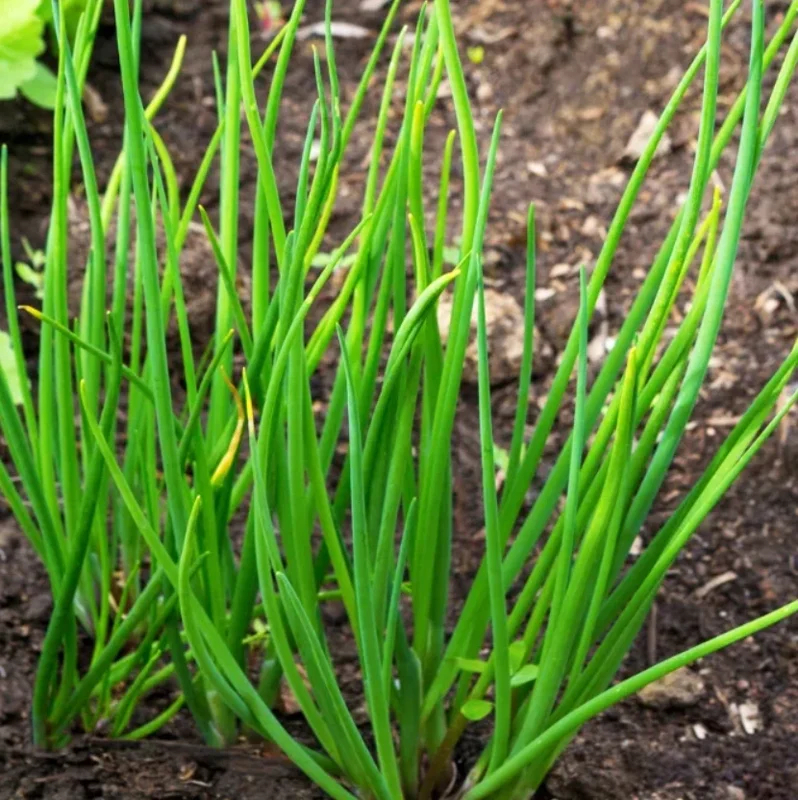
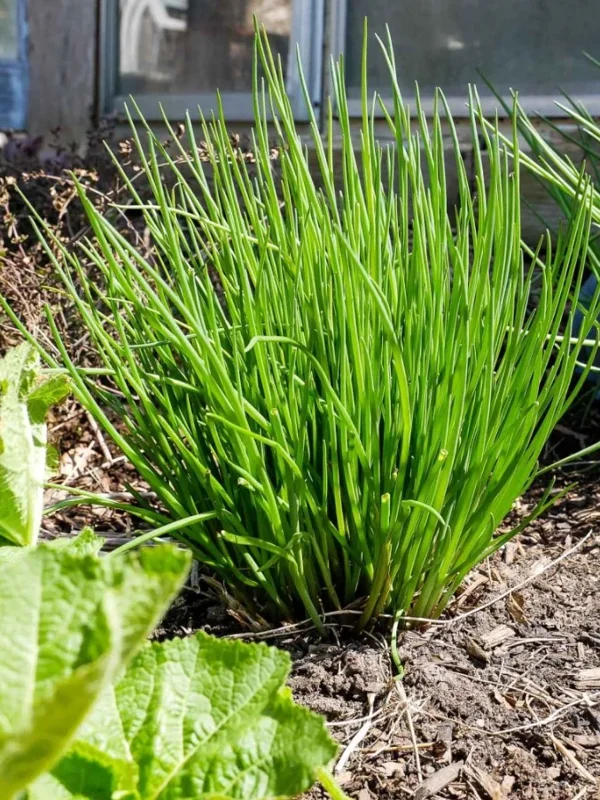
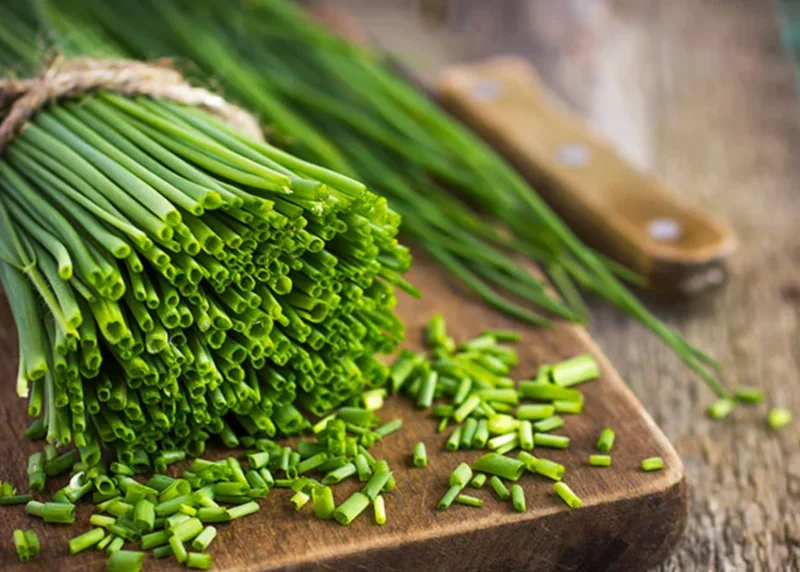
Chives Live Plant – 3-5″ Tall – Culinary Herb for Garden & Pots
$13.19
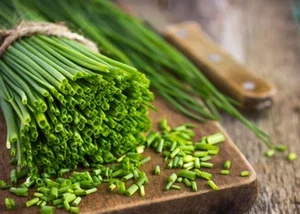
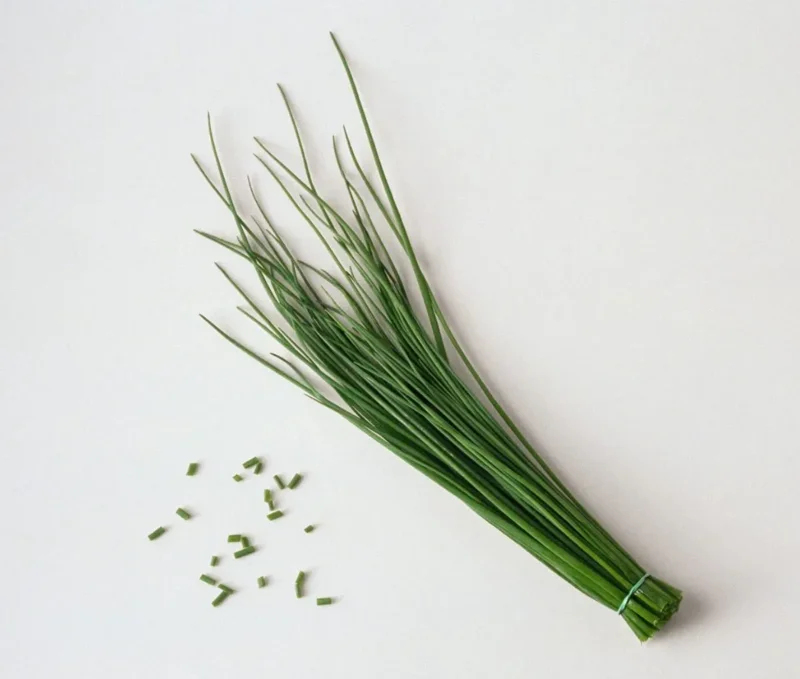
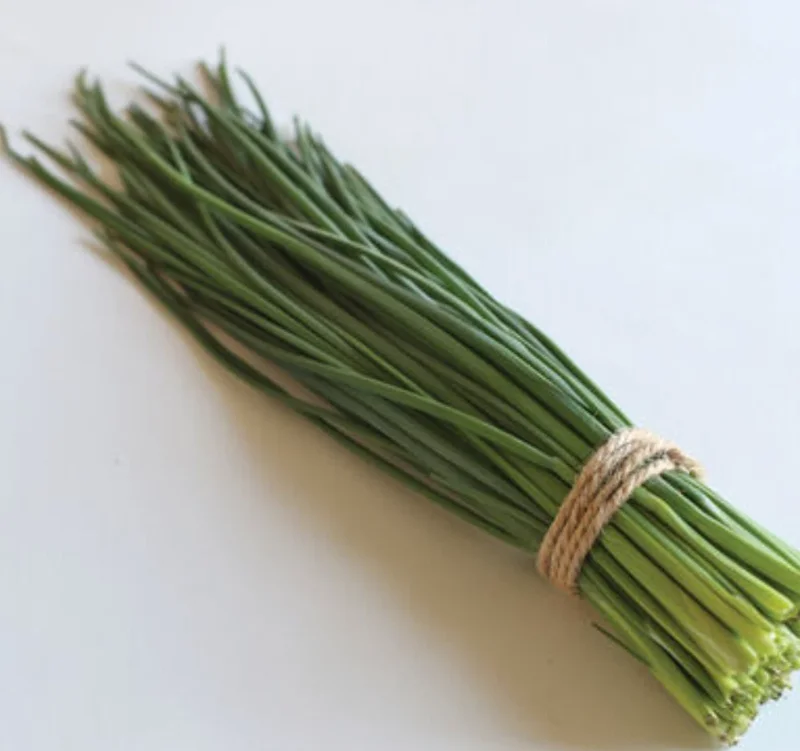
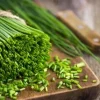
Bring the fresh taste of the garden to your kitchen with this chives live plant. Standing 3-5″ tall, this culinary herb is perfect for adding a mild oniony flavor to your dishes. Easy to grow in pots or directly in your garden, it’s a versatile and beautiful addition to any herb collection.
Shipping and Return policies:
We stand behind our plants with our Alive & Thrive Guarantee. If you experience any issues within the first 30 days, please email us, and our team will be happy to help. When needed, we’ll send you a one-time replacement free of charge to make sure your garden keeps growing strong.

Reasonable Price
We offer reasonable price

Support 24/7
Contact us 24 hrs a day
100% Money Back
You’ve 30 days to Return
Payment Secure
100% secure payment
Overview
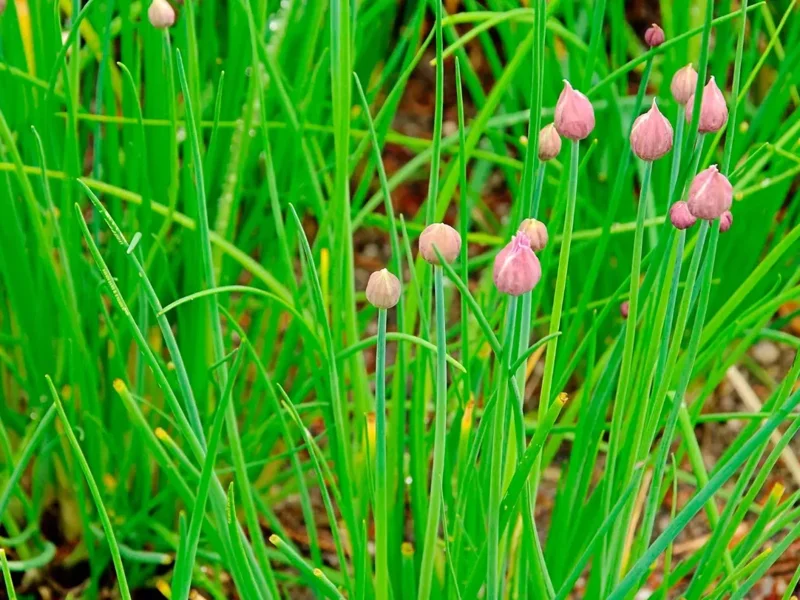
Experience the joy of growing your own fresh herbs with this vibrant chives live plant. Known for their delicate, onion-like flavor and attractive grass-like foliage, chives (Allium schoenoprasum) are a staple in many culinary traditions. This live plant arrives at a healthy 3-5 inches tall, ready to be transplanted into your garden or a favorite pot. Chives are a perennial herb, meaning they will return year after year, providing a continuous supply of aromatic greens. They are incredibly easy to care for, making them an excellent choice for both seasoned gardeners and beginners looking to embark on their herb-growing journey. Beyond their culinary uses, chives also produce charming purple flowers that can add a touch of beauty to your herb garden, and these flowers are edible too!
A member of the onion family, this chives live plant offers a milder, more nuanced flavor than onions or garlic, making it a versatile ingredient for countless dishes. Whether you’re garnishing a soup, flavoring an omelet, or adding zest to a salad, fresh chives elevate every meal. With minimal effort, you can enjoy the satisfaction of harvesting your own homegrown herbs, ensuring the freshest ingredients for your cooking. This robust plant is shipped without a pot to reduce waste and allow for easy transplantation into your preferred growing environment.
Key Benefits
Cultivating your own chives live plant offers a multitude of benefits, from enhancing your culinary creations to beautifying your garden space. This resilient herb is a fantastic addition to any home.
- Fresh Culinary Flavor: Enjoy the distinct, mild oniony taste of fresh chives anytime. Perfect for garnishing, flavoring eggs, potatoes, salads, and more, providing a gourmet touch to everyday meals.
- Easy to Grow: Chives are renowned for their low-maintenance nature, thriving with minimal fuss. They are an ideal choice for gardening novices and busy individuals alike, making growing chives a rewarding experience.
- Perennial Herb: Once established, your chives plant will return each year, providing a continuous harvest without the need for replanting. This makes them a cost-effective and sustainable choice for your herb garden.
- Attractive Foliage & Flowers: The slender, green, grass-like leaves add texture to your garden or kitchen windowsill. In spring, they produce beautiful, edible purple flowers that are a delightful visual and culinary bonus.
- Pest Deterrent: Chives can act as a natural deterrent to certain garden pests, helping to protect nearby plants from common nuisances, making them a beneficial companion plant.
- Versatile Usage: Beyond cooking, chives are sometimes used in traditional remedies. Their vibrant color and delicate texture make them a popular choice for food presentation.
- Space-Saving: This compact herb thrives in pots and containers, making it suitable for small gardens, balconies, or even sunny kitchen windowsills, allowing anyone to enjoy fresh chives.
Plant Care & Growing Tips
Caring for your chives live plant is straightforward and rewarding, ensuring a continuous supply of fresh herbs. Chives prefer a location with full sun to partial shade. For optimal growth and flavor, aim for at least 6 hours of direct sunlight per day. If growing indoors, place your plant near a south-facing window or under a grow light. While they can tolerate some shade, too little light can result in leggy growth and reduced flavor concentration. When it comes to watering, chives prefer consistently moist, but not waterlogged, soil. Water thoroughly when the top inch of soil feels dry to the touch. Avoid overwatering, which can lead to root rot. Good drainage is crucial for healthy chive plants.
The ideal soil for growing chives is well-draining, fertile, and rich in organic matter. A good quality potting mix works well for container planting, while garden beds should be amended with compost to improve soil structure and nutrient content. Chives are hardy in USDA Zones 3-10, tolerating a wide range of temperatures. They can withstand light frosts and will often go dormant in colder winters, returning vigorously in spring. Fertilize your chive plant sparingly; a balanced liquid fertilizer diluted to half strength every 4-6 weeks during the growing season is usually sufficient. Over-fertilization can lead to excessive foliage growth at the expense of flavor. To harvest, snip the outer leaves from the base of the plant with scissors, leaving at least 1-2 inches to encourage regrowth. Regular harvesting promotes bushier growth and prevents the plant from going to seed too quickly.
Common problems with chives plant care are generally minimal. Watch out for aphids, which can be dislodged with a strong spray of water or treated with insecticidal soap. Fungal issues like rust can occur in overly humid conditions; ensure good air circulation. If your chives start to look yellow, it might be due to overwatering or a nutrient deficiency. Adjust your watering schedule and consider a light feeding. Dividing your chive clumps every 3-4 years in early spring will help maintain plant vigor and prevent overcrowding, ensuring a healthy and productive patch of culinary herbs for many seasons.
Size & Details
This chives live plant arrives healthy and ready to thrive, typically measuring 3-5 inches tall from the base of the plant to the tip of its foliage. It is shipped without a pot, allowing you the flexibility to choose your preferred container or seamlessly transplant it directly into your garden bed. Chives have a moderate growth rate, and with proper care, you can expect to start harvesting small amounts of fresh leaves within a few weeks of planting. The mature plant typically forms a clump about 12-18 inches tall and wide, providing ample foliage for regular culinary use. As a perennial, it will establish itself and return year after year, offering a reliable source of fresh chives for your kitchen. Expect charming purple flowers to appear in late spring to early summer, adding an ornamental touch.
Frequently Asked Questions
- Q: How big will my chives plant get? A: Your chives live plant will arrive 3-5 inches tall and can grow into a mature clump approximately 12-18 inches tall and wide with proper care. Regular harvesting helps maintain a manageable size and encourages new growth.
- Q: Is this an indoor or outdoor plant? A: Chives are versatile and can be grown both indoors and outdoors. Outdoors, they thrive in garden beds or containers. Indoors, place them near a sunny window or under a grow light for best results, making them excellent culinary herbs for year-round enjoyment.
- Q: How much sunlight does my chives plant need? A: For optimal growth and flavor, your chives plant prefers at least 6 hours of direct sunlight per day. It can tolerate partial shade, but too little light may result in leggy growth.
- Q: Is this plant easy to care for? A: Yes, growing chives is very easy, making them an excellent choice for beginners. They are low-maintenance and forgiving, requiring consistent moisture and adequate sunlight to flourish.
- Q: What condition will the plant arrive in? A: Your chives plant will arrive healthy and vibrant, ready for planting. It is shipped without a pot to ensure safe transit and reduce waste, allowing you to plant it directly upon arrival.
- Q: Can I use chives in cooking immediately after planting? A: While you can snip a few leaves, it’s best to allow your chives live plant to establish itself for a week or two after planting. This helps the plant develop a strong root system before extensive harvesting.
- Q: What’s the best time to plant chives? A: Chives can be planted in spring after the last frost. If growing indoors, they can be planted year-round. They are hardy and will return each spring in most climates.
- Q: Do chives need special soil? A: Chives prefer well-draining, fertile soil rich in organic matter. A good quality potting mix or garden soil amended with compost is ideal for healthy chives plant care.
- Q: Are chives pet-safe? A: Like other members of the Allium family (onions, garlic), chives can be toxic to cats and dogs if ingested in large quantities. It’s best to keep pets from consuming them.
- Q: How often should I water my chives? A: Water your chives when the top inch of soil feels dry to the touch. They prefer consistently moist soil but do not like to be waterlogged, so ensure good drainage.
Be the first to review “Chives Live Plant – 3-5″ Tall – Culinary Herb for Garden & Pots”
You must be logged in to post a review.
People also Viewed
Sold 50 products
$32.38
Sold 50 products
$27.38
Sold 50 products
$32.38
Sold 50 products
$19.88
Sold 50 products
$62.38
Sold 50 products
$24.88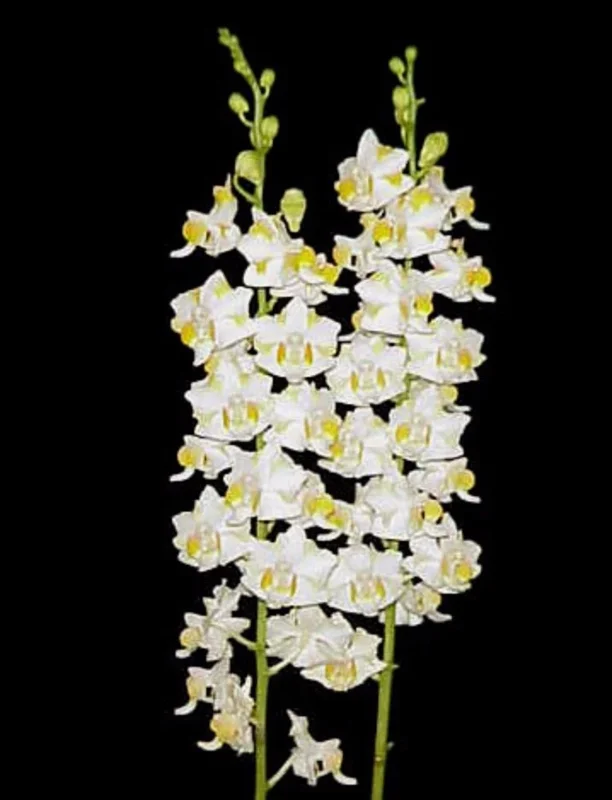
Houseplants
Phalaenopsis pulcherrima ‘Mauna Kea Snow’ Orchid Live Plant – White Flowers, Potted 2.5 in
Sold 50 products
$49.88
Sold 50 products
$49.88RELATED posts
Awapuhi Wild Ginger Plant: Zones, Care, and Propagation
Learn which USDA zones suit awapuhi wild ginger, plus sunlight, water, planting, propagation, pests, size, [...]
Awapuhi Shampoo Ginger – Care, Growing Zones, and Differences
Learn how to grow awapuhi (shampoo) ginger, its USDA zones, watering schedule, propagation tips, and [...]
Awapuhi Shampoo Plant Buying Guide – Choose the Right Zingiber zerumbet
META: Learn which awapuhi (shampoo ginger) plant or rhizome pack gives the best natural shampoo, [...]
Awapuhi Plant for Sale: Complete Buying Guide
Find the right awapuhi (shampoo ginger) plant, size, price, soil mix, and online source. Practical [...]
Shampoo Ginger Plant for Sale – Buying Guide & Tips
Find the right shampoo ginger plant, size, price, and care tips. Quick guide for U.S. [...]
Shampoo Ginger Plant (Awapuhi) Care Guide
Learn how to grow, care for, and use shampoo ginger (Zingiber zerumbet), the tropical awapuhi [...]
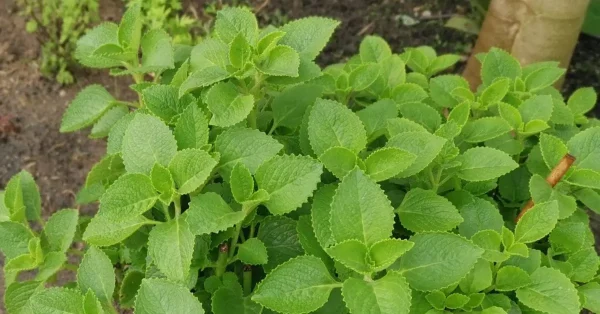
How to Grow Cuban Oregano Plants: A Complete Care Guide
If you’ve ever wanted a plant that combines the culinary punch of traditional oregano with [...]
Aug
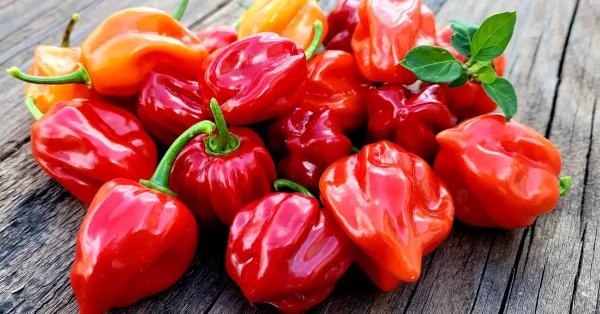
How to Grow Habanero Pepper Plants: A Step-by-Step Guide
Habanero pepper plants are prized for their vibrant colors, intense heat, and exceptional flavor, making [...]
Aug
Reviews
There are no reviews yet.