
Live Walking Onion Plants – 3 Plants Per Pot – Easy Grow Perennial Herb
$21.99
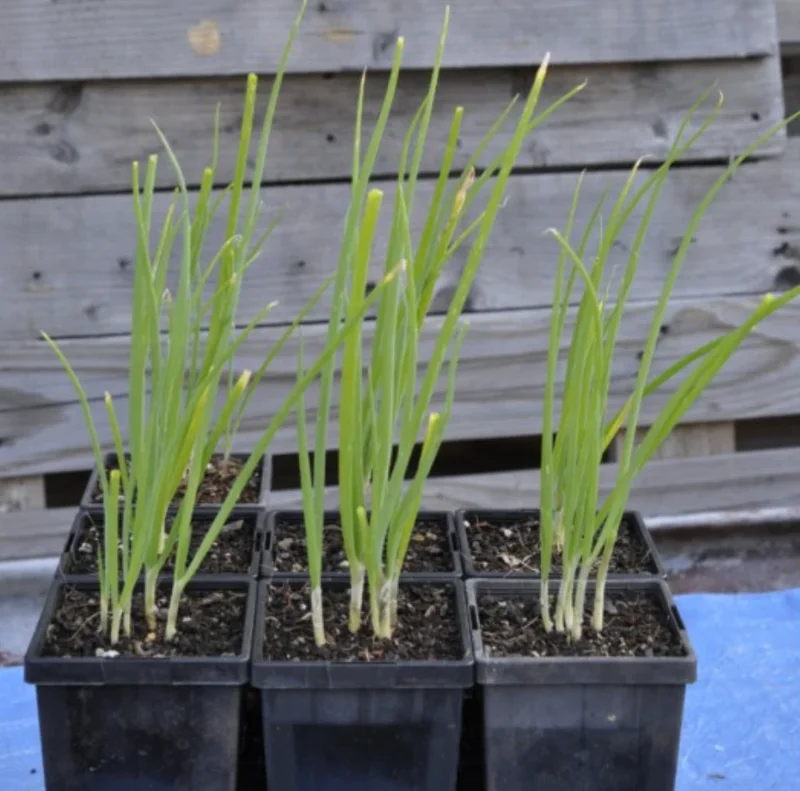
Cultivate your own supply of delicious and unique perennial onion plants with this offering of live walking onion plants. Each pot contains 3 established plants, ready to thrive in your garden. Known for their distinctive top-setting bulbils, these onions are incredibly easy to grow and self-propagating, providing a continuous harvest of greens and small bulbs.
Shipping and Return policies:
We stand behind our plants with our Alive & Thrive Guarantee. If you experience any issues within the first 30 days, please email us, and our team will be happy to help. When needed, we’ll send you a one-time replacement free of charge to make sure your garden keeps growing strong.

Reasonable Price
We offer reasonable price

Support 24/7
Contact us 24 hrs a day
100% Money Back
You’ve 30 days to Return
Payment Secure
100% secure payment
Overview
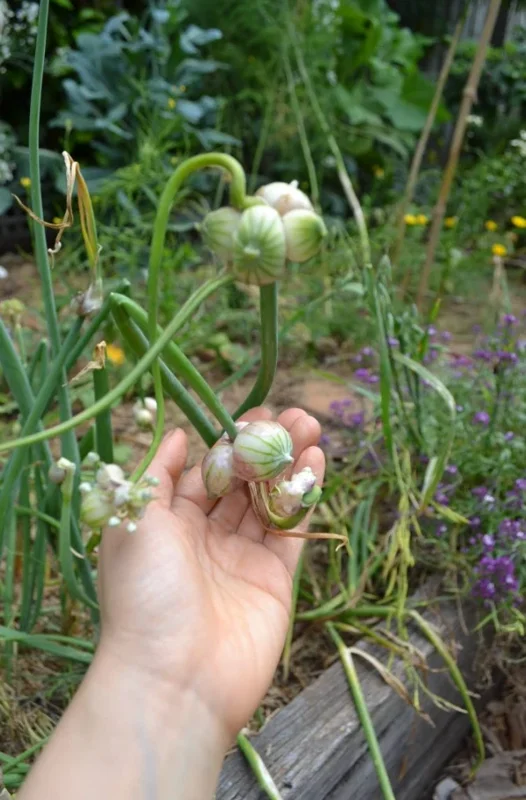
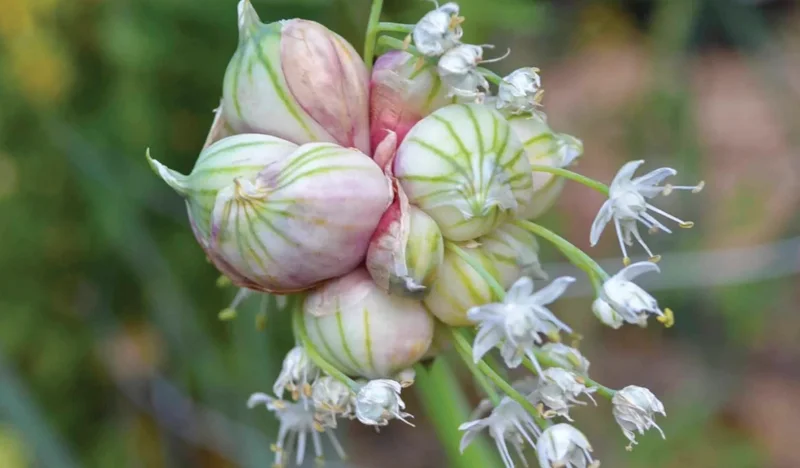
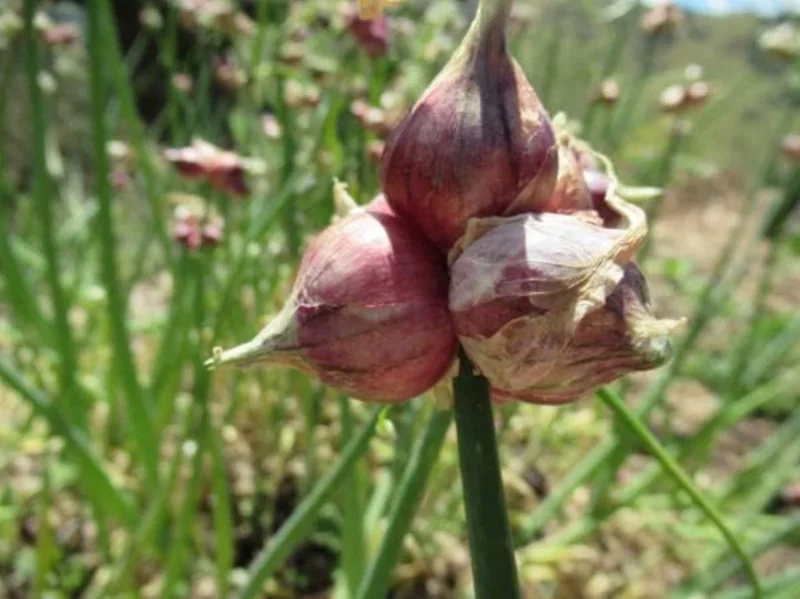
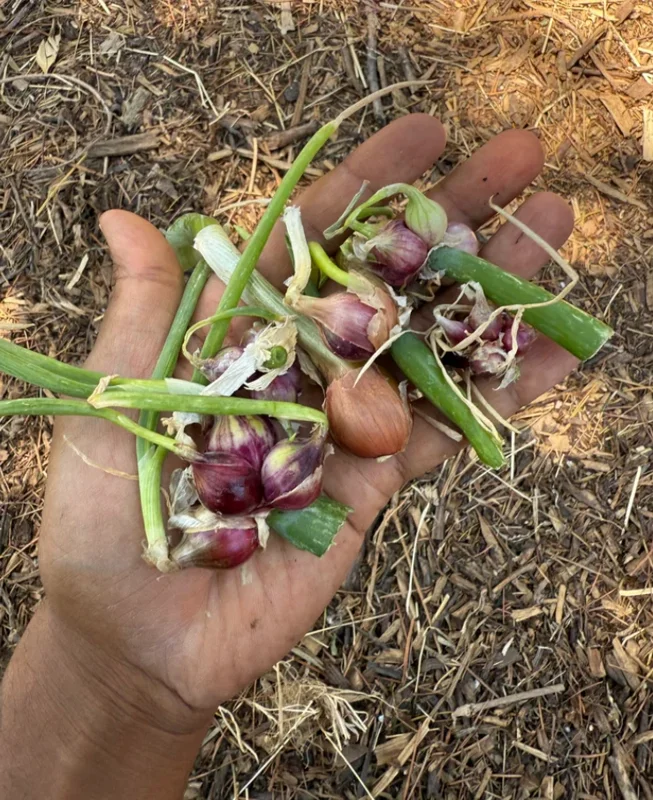
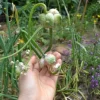
Bring the unique charm and culinary convenience of live walking onion plants to your home garden. Also known as Egyptian Walking Onions or Tree Onions, these remarkable perennials offer a continuous supply of fresh, mild onion flavor. Unlike traditional onions, walking onions produce small bulbils at the top of their stalks, which eventually weigh down the stem, causing them to ‘walk’ across the garden as they root into the soil. This natural propagation makes them an incredibly low-maintenance and rewarding addition to any edible landscape. Each pot contains 3 healthy, established plants, ensuring you get a robust start to your walking onion patch. They are perfect for gardeners seeking unusual, self-sufficient edible plants that provide year-round interest and harvest.
These fascinating plants are a true gardener’s delight, offering both an interesting growth habit and a delicious, versatile ingredient for your kitchen. Whether you’re an experienced horticulturist or a beginner looking for an easy-to-grow edible, live walking onion plants are an excellent choice. Their unique method of propagation means less work for you and more onions for cooking.
Key Benefits
Cultivating live walking onion plants offers a multitude of advantages for both the gardener and the chef. Their robust nature and unique growth cycle make them a standout choice:
- Continuous Harvest: Enjoy fresh onion greens from early spring through fall, and harvest the small bulbs throughout the season. The plant’s self-propagating nature ensures a steady supply without replanting annually.
- Unique Self-Propagation: The distinctive ‘walking’ habit of these onions means they effectively plant themselves. The top-setting bulbils arch over and root, creating new plants and expanding your patch effortlessly. This makes them incredibly low-maintenance.
- Exceptional Hardiness: These are robust perennial onion plants, highly tolerant of various growing conditions and cold temperatures, making them suitable for many USDA zones. They reliably return year after year.
- Culinary Versatility: Both the green tops and the small, pungent bulbils are edible. Use the greens like chives or scallions, and the bulbils in stir-fries, pickles, or roasted dishes for a distinct, mild onion flavor.
- Easy to Grow: Ideal for novice gardeners, walking onion care is minimal. They thrive with basic attention, requiring little intervention once established. They are resistant to many common pests and diseases.
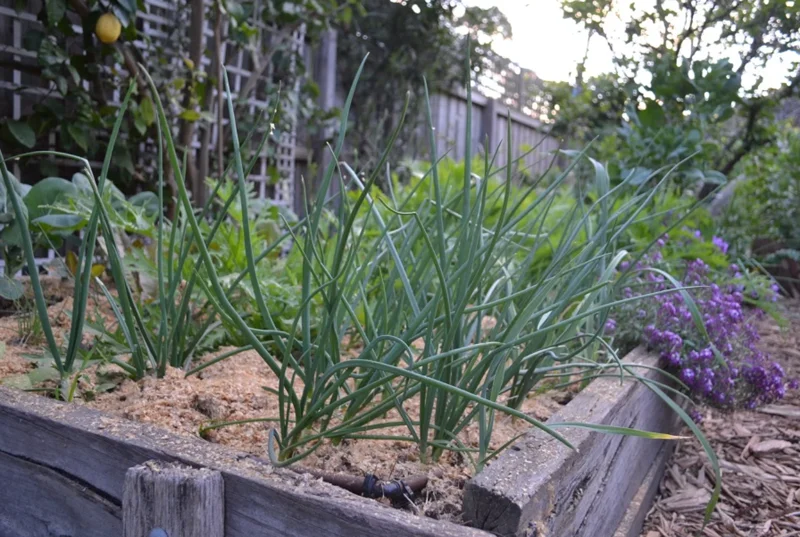
- Space-Efficient: Despite their walking habit, they don’t take up excessive space and can be grown in garden beds, raised beds, or even large containers, making them suitable for various garden sizes.
- Educational and Engaging: Watching the bulbils form and then root is a fascinating process, making them an interesting plant for children and adults alike to observe.
Plant Care & Growing Tips
Caring for live walking onion plants is wonderfully straightforward, making them a fantastic choice for gardeners of all experience levels. These resilient plants prefer a location with full sun, meaning at least 6-8 hours of direct sunlight per day, though they can tolerate partial shade, which might result in slightly smaller bulbils. Ensure your soil is well-draining and rich in organic matter. A slightly acidic to neutral pH (6.0-7.0) is ideal. When planting, space the individual plants about 8-12 inches apart to allow for their natural spreading habit. They are not particular about soil type but will benefit from good drainage to prevent root rot.
Watering should be consistent, especially during dry spells, but avoid overwatering. The soil should be kept consistently moist but not waterlogged. Once established, these perennial onion plants are quite drought-tolerant. Fertilize sparingly; a balanced organic fertilizer in early spring can boost growth, but they generally perform well without heavy feeding. They are cold-hardy and will die back in severe winters, only to re-emerge in spring. Pests are rarely an issue, and diseases are uncommon, further simplifying walking onion care. To encourage more greens, you can snip off the bulbils, or allow them to grow and root to expand your patch. Learning to grow walking onions is a rewarding experience.
Size & Details
Each order includes 3 vigorous live walking onion plants, securely rooted in a single nursery pot, ready for transplanting into your garden or larger containers. These plants are typically 4-8 inches tall upon arrival, with established root systems that ensure a smooth transition. Walking onions are known for their moderate growth rate, quickly establishing themselves and beginning to produce greens and bulbils in their first season. Mature plants can reach heights of 18-36 inches, with the arching flower stalks extending even further as the bulbils develop. The bulbils themselves are small, typically 0.5 to 1 inch in diameter. They are shipped as fully potted plants to minimize transplant shock and ensure healthy growth upon arrival, allowing you to begin to grow walking onions without delay.
These hardy perennials will provide a continuous harvest for many years. Expect them to produce edible greens throughout the growing season, with bulbils forming in late spring to early summer. You can harvest the greens as needed, much like chives or scallions, and the bulbils can be picked once they are well-formed. The subterranean bulbs are generally small and spicy, but the main harvest comes from the greens and top-sets. This makes them a highly efficient and productive choice for any kitchen garden.
Frequently Asked Questions
- Q: How big do these live walking onion plants get? A: Mature live walking onion plants typically grow 18-36 inches tall, with the top-setting bulbils causing the stalks to arch over. The bulbils themselves are usually 0.5 to 1 inch in diameter.
- Q: Is this an indoor or outdoor plant? A: These are primarily outdoor plants, thriving in garden beds or large outdoor containers. While they can be grown indoors temporarily, they are best suited for outdoor cultivation due to their size and light requirements.
- Q: How much sunlight do walking onions need? A: Perennial onion plants prefer full sun, meaning at least 6-8 hours of direct sunlight daily, for optimal growth and bulbil production. They can tolerate some partial shade but may produce fewer bulbils.
- Q: Is this plant easy to care for? A: Yes, walking onion care is very easy. They are known for being low-maintenance, hardy, and self-propagating, making them an excellent choice for beginner gardeners and those seeking fuss-free edibles.
- Q: What condition will it arrive in? A: Your live walking onion plants will arrive as 3 healthy, established plants in a single nursery pot, with their root systems intact and ready for transplanting.
- Q: When is the best time to plant walking onions? A: The best time to plant walking onions is in spring or early fall. This allows them to establish before extreme summer heat or winter cold.
- Q: Will it survive winter in my zone? A: Walking onions are very cold-hardy and typically survive winters in USDA Zones 3-9. They may die back to the ground in colder zones but will reliably re-emerge in spring.
- Q: Can I use Egyptian walking onion in cooking? A: Absolutely! Both the green tops and the small bulbils are edible. The greens can be used like scallions or chives, and the bulbils are great in stir-fries, roasted, or pickled. They have a mild, fresh onion flavor.
- Q: What is the minimum temperature these plants can tolerate? A: These hardy perennial onion plants can tolerate temperatures well below freezing, often down to -30°F (-34°C) or even colder, making them suitable for a wide range of climates.
- Q: How do I encourage more ‘walking’ or spreading? A: To encourage more spreading, allow the bulbils to fully develop and become heavy enough to bend the stalk to the ground. Once they touch the soil, they will naturally root and form new plants.
Be the first to review “Live Walking Onion Plants – 3 Plants Per Pot – Easy Grow Perennial Herb”
You must be logged in to post a review.
People also Viewed
Sold 50 products
$32.38
Sold 50 products
$27.38
Sold 50 products
$32.38
Sold 50 products
$19.88
Sold 50 products
$62.38
Sold 50 products
$24.88
Houseplants
Phalaenopsis pulcherrima ‘Mauna Kea Snow’ Orchid Live Plant – White Flowers, Potted 2.5 in
Sold 50 products
$49.88
Sold 50 products
$49.88RELATED posts
Awapuhi Wild Ginger Plant: Zones, Care, and Propagation
Learn which USDA zones suit awapuhi wild ginger, plus sunlight, water, planting, propagation, pests, size, [...]
Awapuhi Shampoo Ginger – Care, Growing Zones, and Differences
Learn how to grow awapuhi (shampoo) ginger, its USDA zones, watering schedule, propagation tips, and [...]
Awapuhi Shampoo Plant Buying Guide – Choose the Right Zingiber zerumbet
META: Learn which awapuhi (shampoo ginger) plant or rhizome pack gives the best natural shampoo, [...]
Awapuhi Plant for Sale: Complete Buying Guide
Find the right awapuhi (shampoo ginger) plant, size, price, soil mix, and online source. Practical [...]
Shampoo Ginger Plant for Sale – Buying Guide & Tips
Find the right shampoo ginger plant, size, price, and care tips. Quick guide for U.S. [...]
Shampoo Ginger Plant (Awapuhi) Care Guide
Learn how to grow, care for, and use shampoo ginger (Zingiber zerumbet), the tropical awapuhi [...]
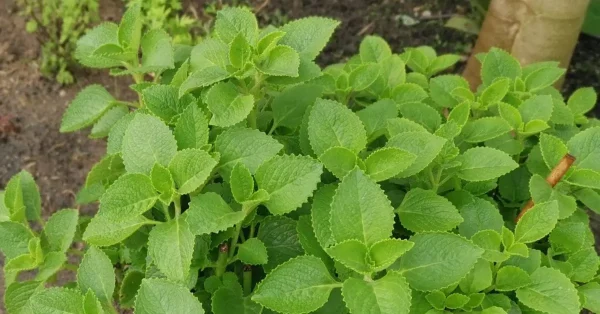
How to Grow Cuban Oregano Plants: A Complete Care Guide
If you’ve ever wanted a plant that combines the culinary punch of traditional oregano with [...]
Aug
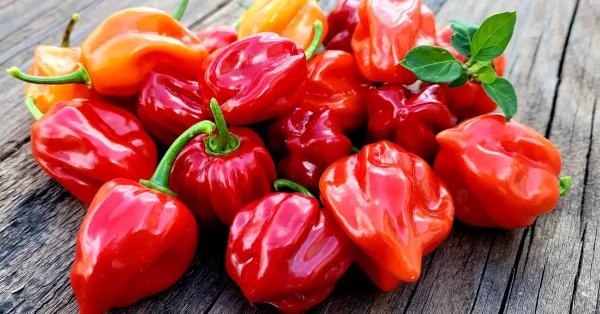
How to Grow Habanero Pepper Plants: A Step-by-Step Guide
Habanero pepper plants are prized for their vibrant colors, intense heat, and exceptional flavor, making [...]
Aug
Reviews
There are no reviews yet.