
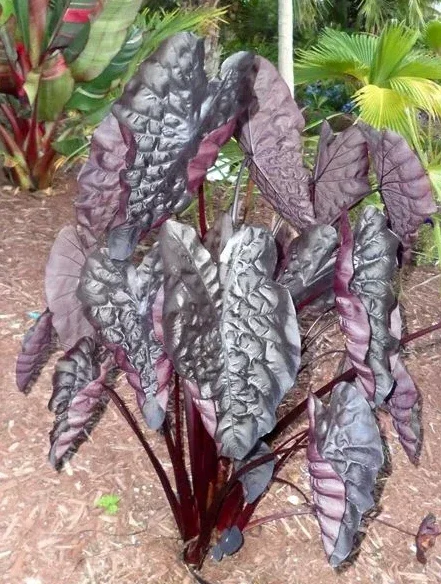
Black Ripple Colocasia Live Plant – 4-6″ Tall – Tropical Elephant Ear
$21.99
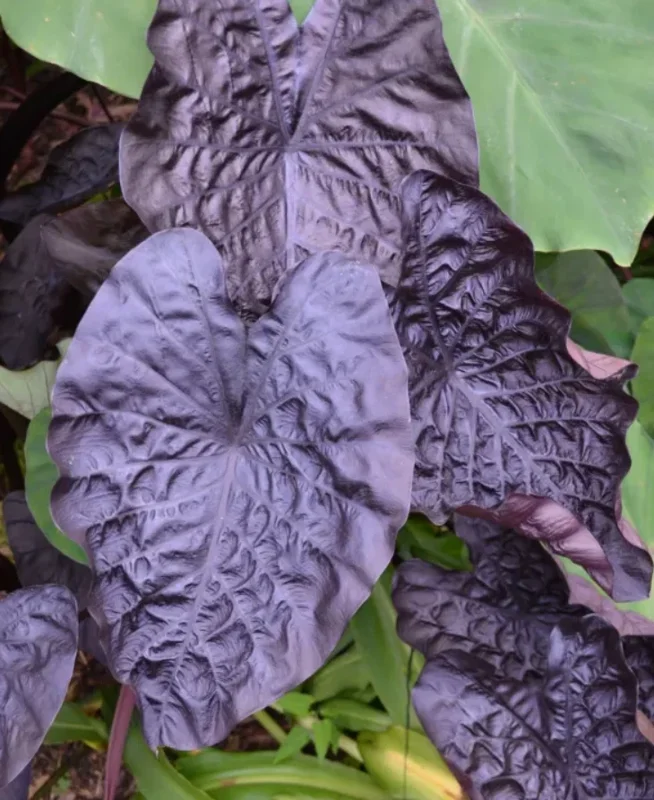
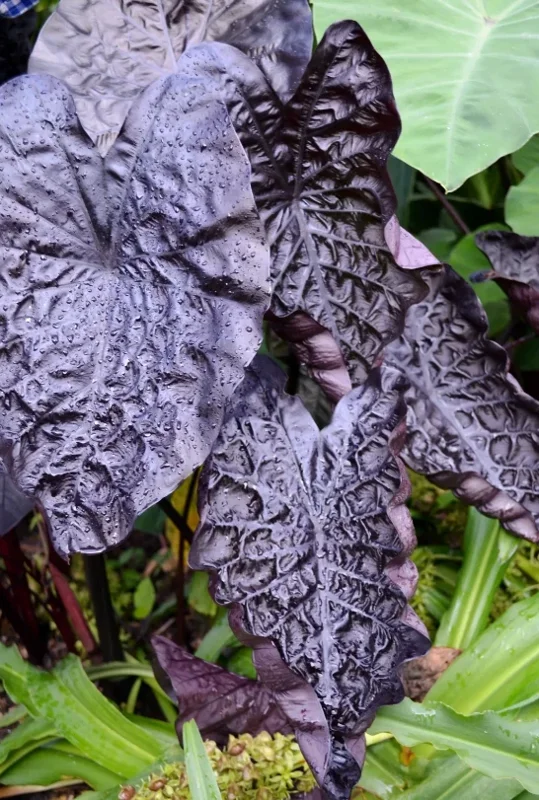
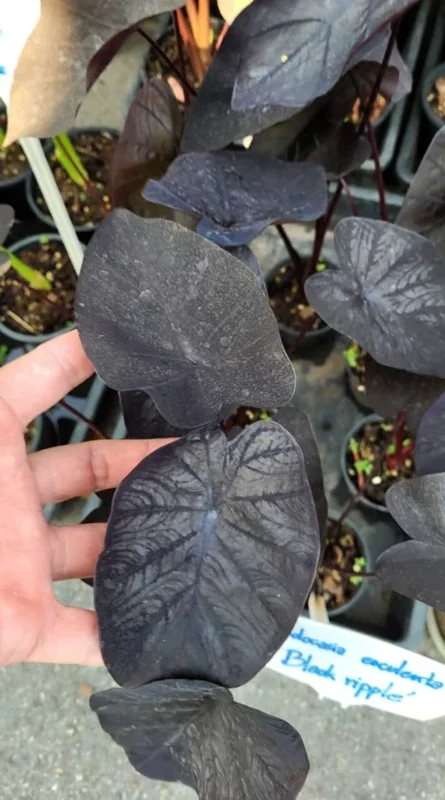
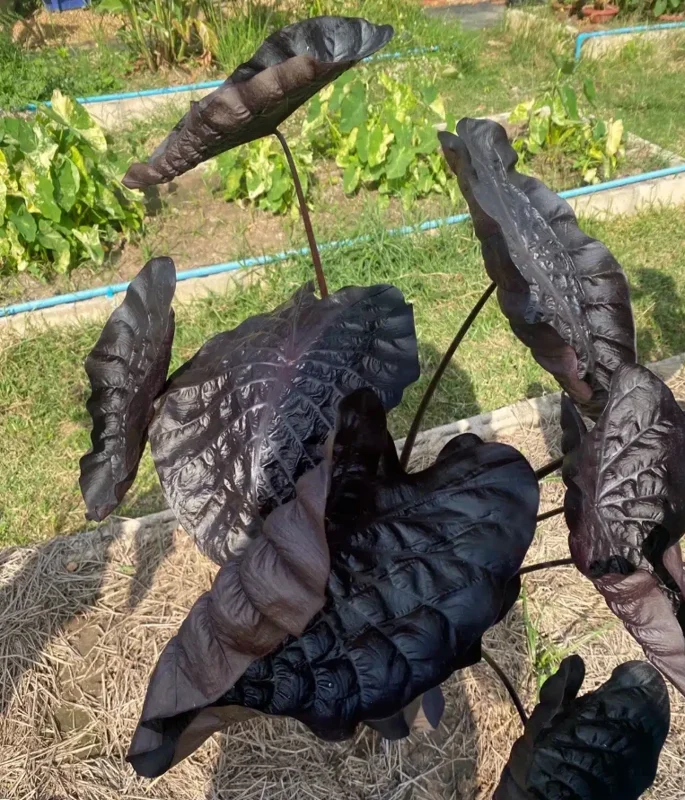
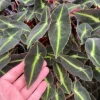
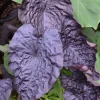
Introduce dramatic texture and color with the black ripple colocasia live plant. This tropical elephant ear features striking, dark, corrugated leaves, perfect for adding an exotic touch to your garden or patio. Grows 4-6″ tall at shipping and thrives in warm, humid conditions.
Shipping and Return policies:
We stand behind our plants with our Alive & Thrive Guarantee. If you experience any issues within the first 30 days, please email us, and our team will be happy to help. When needed, we’ll send you a one-time replacement free of charge to make sure your garden keeps growing strong.

Reasonable Price
We offer reasonable price

Support 24/7
Contact us 24 hrs a day
100% Money Back
You’ve 30 days to Return
Payment Secure
100% secure payment
Overview
Bring a touch of the tropics and unparalleled drama to your landscape with the magnificent black ripple colocasia live plant. Also known as Elephant Ear ‘Black Ripple’, this stunning plant is celebrated for its deeply corrugated, dark, almost black foliage that shimmers with a metallic sheen in the sunlight. Each leaf is a work of art, featuring prominent veins and a unique texture that sets it apart from other tropical plants. This particular offering provides a healthy, vibrant specimen, typically 4-6 inches tall, ready to establish itself and grow into a spectacular focal point. The colocasia esculenta black ripple is a true showstopper, ideal for creating a bold statement in garden beds, around water features, or as a striking container plant on patios and porches.
Originating from tropical and subtropical regions, Colocasia ‘Black Ripple’ thrives in warm, humid environments, reminiscent of its natural habitat. Its impressive size and dark coloration make it an excellent choice for contrast, pairing beautifully with brighter green or variegated plants. Whether you’re an experienced gardener looking for an exotic specimen or a beginner eager to explore the world of tropical foliage, this black ripple colocasia live plant offers both beauty and a relatively straightforward growing experience with proper care.
Key Benefits
The black ripple colocasia live plant offers a multitude of benefits, making it a highly sought-after addition to any plant collection or garden design. Its unique characteristics contribute significantly to its appeal and versatility:
- Dramatic Visual Impact: The most striking feature of the ‘Black Ripple’ is its intensely dark, almost black, corrugated leaves. This deep coloration provides an incredible contrast against lighter foliage and flowers, creating a truly dramatic and sophisticated aesthetic in any setting.
- Exotic Tropical Appeal: Transform your garden or indoor space into a tropical oasis. The large, wavy leaves evoke images of lush rainforests, adding an exotic and luxurious feel that is hard to replicate with other plants.
- Versatile Placement: This plant excels in various settings. It can be a stunning focal point in garden beds, a magnificent specimen in large containers on a patio, or even a bold accent near water features, where its dark leaves reflect beautifully.
- Relatively Low Maintenance: Despite its exotic appearance, the colocasia black ripple care requirements are manageable. With consistent moisture and warmth, it rewards gardeners with vigorous growth and a spectacular display.
- Rapid Growth: Given optimal conditions, Colocasia ‘Black Ripple’ is a fast grower, quickly reaching impressive sizes and filling out spaces with its opulent foliage. This rapid development provides almost instant gratification for gardeners.
- Unique Leaf Texture: Beyond its color, the corrugated, ripple-like texture of the leaves adds another layer of visual interest, making it a tactile as well as a visual delight. This unique texture enhances its appeal as a tropical foliage plant.
- Air Purification: Like many large-leafed plants, the elephant ear black ripple contributes to improving air quality by absorbing carbon dioxide and releasing oxygen, making your living space healthier and more refreshing.
Plant Care & Growing Tips
Caring for your black ripple colocasia live plant is essential for ensuring its vibrant growth and dramatic display. These tropical beauties thrive when their specific needs for light, water, and soil are met, allowing them to reach their full potential as a magnificent tropical foliage plant.
Sunlight Requirements
Colocasia ‘Black Ripple’ prefers bright, indirect light to partial shade. In hotter climates, morning sun with afternoon shade is ideal to prevent leaf scorching. In cooler regions or for indoor placement, it can tolerate more direct sun, but always monitor the leaves for signs of stress. Too much direct, intense sun can bleach the dark coloration, while too little light can lead to leggy growth and less vibrant foliage.
Watering Schedule and Soil Moisture Preferences
These plants are thirsty! Colocasias are known as ‘wet feet’ plants, meaning they love consistently moist soil. Water frequently, especially during warm weather, ensuring the soil never dries out completely. For potted plants, ensure good drainage while maintaining moisture. If growing outdoors, especially near ponds or in boggy areas, they will thrive. Reduce watering slightly during cooler months or if grown indoors where evaporation is slower. Overwatering in poorly draining soil can lead to root rot, so a balance of consistent moisture and good drainage is key for excellent colocasia black ripple care.
Soil Type and Drainage Requirements
The ideal soil for a black ripple colocasia live plant is rich, fertile, and well-draining, yet capable of retaining moisture. A mix containing compost or other organic matter will provide the nutrients and water retention these plants crave. While they love moisture, they do not appreciate stagnant water, so ensure your pots have drainage holes or that garden beds are not prone to waterlogging. A slightly acidic to neutral pH (6.0-7.0) is generally preferred.
Temperature Range and USDA Hardiness Zone
Colocasia ‘Black Ripple’ is a tropical plant and is sensitive to cold. It thrives in warm temperatures, ideally between 65-85°F (18-29°C). It is generally hardy in USDA Zones 8-11. In colder zones (7 and below), it can be grown as an annual or brought indoors for the winter. Protect from frost, as cold temperatures will damage or kill the foliage. If overwintering indoors, reduce watering and ensure it receives adequate light.
Fertilization Schedule and Type
During the active growing season (spring and summer), feed your ‘Black Ripple’ every 2-4 weeks with a balanced liquid fertilizer diluted to half strength. Alternatively, a slow-release granular fertilizer can be applied at the beginning of the growing season. Adequate fertilization promotes lush foliage and vigorous growth. Reduce or cease fertilization during the dormant period in fall and winter.
Common Problems and Solutions
Watch out for spider mites, especially in dry, indoor environments. Increase humidity and use insecticidal soap if needed. Fungal issues can arise from overwatering or poor air circulation; ensure good drainage and space plants appropriately. Yellowing leaves can indicate over or underwatering, or nutrient deficiency. Adjust your watering schedule and feeding as necessary. The colocasia esculenta black ripple is generally robust but benefits from watchful care.
Size & Details
This offering includes one healthy black ripple colocasia live plant, typically standing 4-6 inches tall from the base of the plant to the top of its foliage at the time of shipping. These plants are shipped without a pot, with their roots carefully wrapped to ensure moisture retention and minimize stress during transit. This method, often referred to as bare-root or semi-bare root, allows for easier planting upon arrival. Upon receiving your plant, it’s recommended to plant it promptly in a suitable container or garden bed to encourage quick establishment. Given optimal conditions, the ‘Black Ripple’ can grow quite rapidly, eventually reaching heights of 3-5 feet with a similar spread, creating a substantial and impactful presence in your garden. The leaves themselves can grow to impressive sizes, often 1-2 feet long, contributing to the plant’s grand stature. Expect vigorous growth throughout the warm season, with the plant maturing and displaying its full grandeur within one to two growing seasons.
Frequently Asked Questions
- Q: How big does this black ripple colocasia live plant get? A: At shipping, the plant is typically 4-6 inches tall. With proper care and ideal growing conditions, it can mature to a height of 3-5 feet with a similar spread, making a significant statement in your garden or container.
- Q: Is this an indoor or outdoor plant? A: The black ripple colocasia live plant can be grown both indoors and outdoors. Outdoors, it thrives in warm, humid climates (USDA Zones 8-11) or as an annual in colder regions. Indoors, it needs bright, indirect light and consistent humidity to flourish.
- Q: How much sunlight does this elephant ear black ripple need? A: It prefers bright, indirect light to partial shade. In very hot climates, afternoon shade is crucial to protect the leaves from scorching. Too much direct sun can fade the dark leaf coloration.
- Q: What condition will the plant arrive in? Is it shipped in soil? A: Your black ripple colocasia live plant will arrive with its roots carefully wrapped to maintain moisture during transit. It is shipped without a pot and not in soil, allowing for easier and safer transportation. You should plant it immediately upon arrival.
- Q: Is this plant easy to care for? Is it good for beginners? A: While it is a tropical plant, its care is relatively straightforward. Beginners who can provide consistent moisture, warmth, and adequate light will find the colocasia black ripple care manageable and rewarding.
- Q: When is the best time to plant the colocasia esculenta black ripple? A: The best time to plant is in spring or early summer, after all danger of frost has passed and soil temperatures have warmed up. This gives the plant ample time to establish before cooler weather sets in.
- Q: What’s the minimum temperature this tropical foliage plant can tolerate? A: Being a tropical plant, the ‘Black Ripple’ is not frost-tolerant. It thrives in temperatures above 65°F (18°C) and will suffer damage or die if exposed to freezing temperatures. In colder zones, it must be brought indoors for winter.
- Q: Can I grow this plant in a container? A: Absolutely! The black ripple colocasia live plant makes an excellent container plant. Choose a large pot with good drainage to accommodate its potential size and ensure consistent watering.
- Q: Why are the leaves on my colocasia turning yellow? A: Yellowing leaves can be a sign of various issues, most commonly inconsistent watering (either too much or too little), or a nutrient deficiency. Ensure your watering schedule is consistent and consider fertilizing during the growing season.
- Q: Does this plant attract pests? A: Like many plants, it can occasionally attract pests such as spider mites, especially in dry conditions. Regular inspection and maintaining good humidity can help prevent infestations.
Be the first to review “Black Ripple Colocasia Live Plant – 4-6″ Tall – Tropical Elephant Ear”
You must be logged in to post a review.
People also Viewed
Sold 50 products
$32.38
Sold 50 products
$27.38
Sold 50 products
$32.38
Sold 50 products
$19.88
Sold 50 products
$62.38
Sold 50 products
$24.88
Houseplants
Phalaenopsis pulcherrima ‘Mauna Kea Snow’ Orchid Live Plant – White Flowers, Potted 2.5 in
Sold 50 products
$49.88
Sold 50 products
$49.88RELATED posts
Awapuhi Wild Ginger Plant: Zones, Care, and Propagation
Learn which USDA zones suit awapuhi wild ginger, plus sunlight, water, planting, propagation, pests, size, [...]
Awapuhi Shampoo Ginger – Care, Growing Zones, and Differences
Learn how to grow awapuhi (shampoo) ginger, its USDA zones, watering schedule, propagation tips, and [...]
Awapuhi Shampoo Plant Buying Guide – Choose the Right Zingiber zerumbet
META: Learn which awapuhi (shampoo ginger) plant or rhizome pack gives the best natural shampoo, [...]
Awapuhi Plant for Sale: Complete Buying Guide
Find the right awapuhi (shampoo ginger) plant, size, price, soil mix, and online source. Practical [...]
Shampoo Ginger Plant for Sale – Buying Guide & Tips
Find the right shampoo ginger plant, size, price, and care tips. Quick guide for U.S. [...]
Shampoo Ginger Plant (Awapuhi) Care Guide
Learn how to grow, care for, and use shampoo ginger (Zingiber zerumbet), the tropical awapuhi [...]
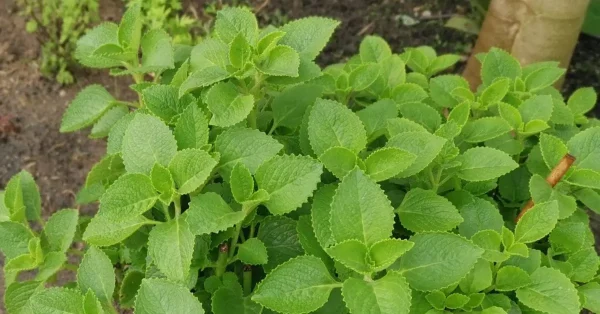
How to Grow Cuban Oregano Plants: A Complete Care Guide
If you’ve ever wanted a plant that combines the culinary punch of traditional oregano with [...]
Aug
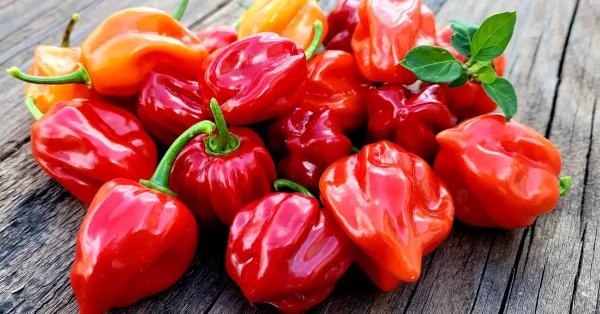
How to Grow Habanero Pepper Plants: A Step-by-Step Guide
Habanero pepper plants are prized for their vibrant colors, intense heat, and exceptional flavor, making [...]
Aug
Reviews
There are no reviews yet.