
Beargrass Seeds – Xerophyllum Tenax | 100 Seeds – Native North American Perennial
Original price was: $25.00.$17.50Current price is: $17.50.
Cultivate the resilient beauty of beargrass seeds (Xerophyllum tenax). This native North American evergreen perennial offers architectural foliage and dramatic creamy-white flower stalks, ideal for naturalistic landscapes and pollinator gardens. Each pack contains 100 seeds.
Shipping and Return policies:
We stand behind our plants with our Alive & Thrive Guarantee. If you experience any issues within the first 30 days, please email us, and our team will be happy to help. When needed, we’ll send you a one-time replacement free of charge to make sure your garden keeps growing strong.

Reasonable Price
We offer reasonable price

Support 24/7
Contact us 24 hrs a day
100% Money Back
You’ve 30 days to Return
Payment Secure
100% secure payment
Overview
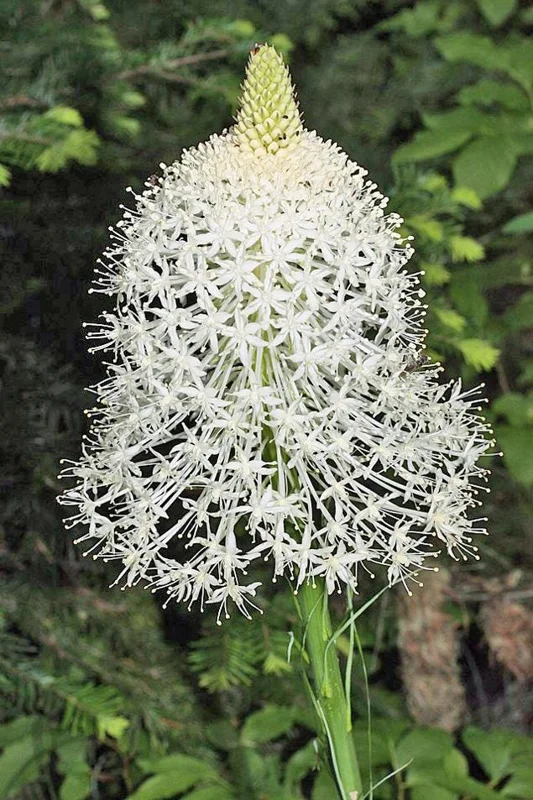
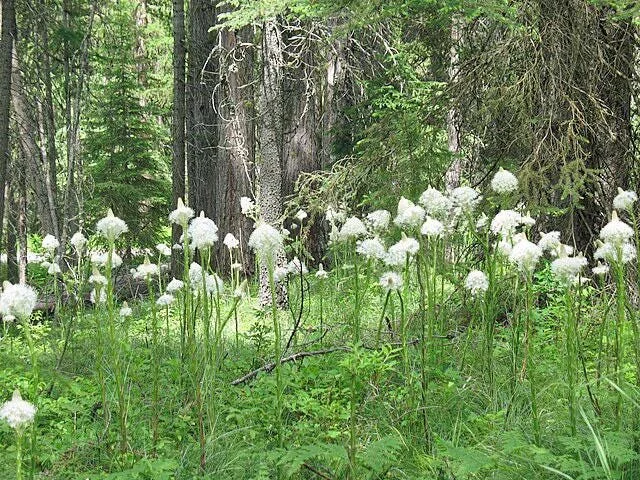
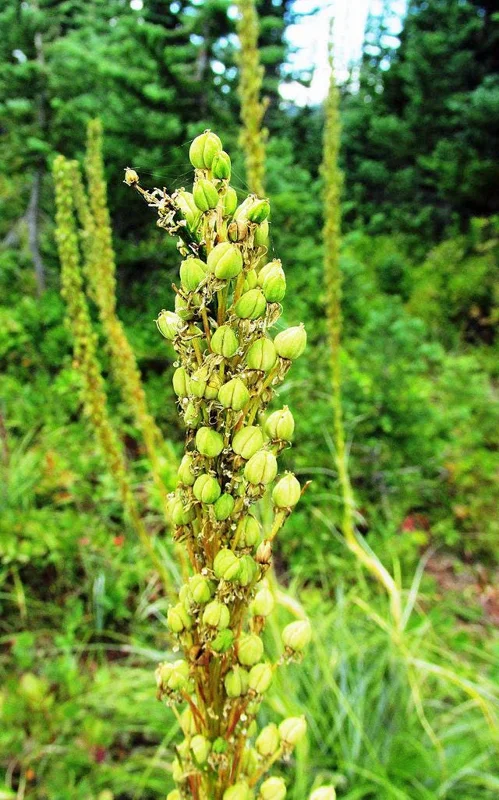
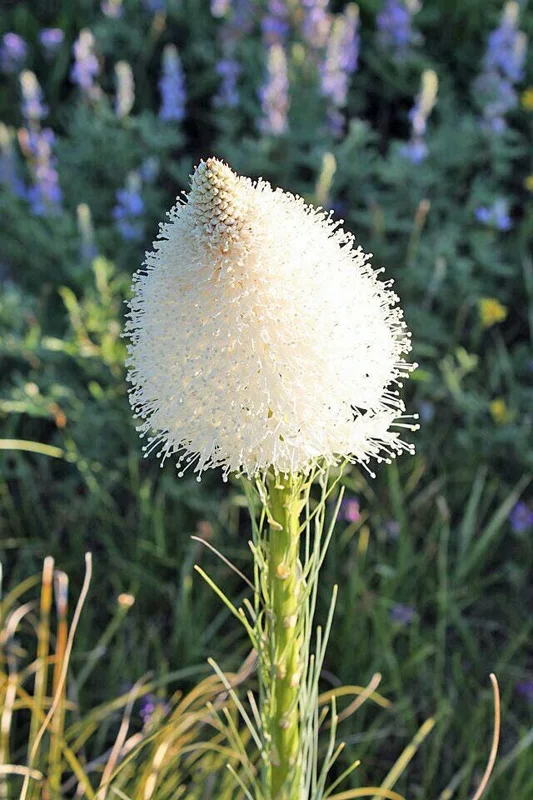
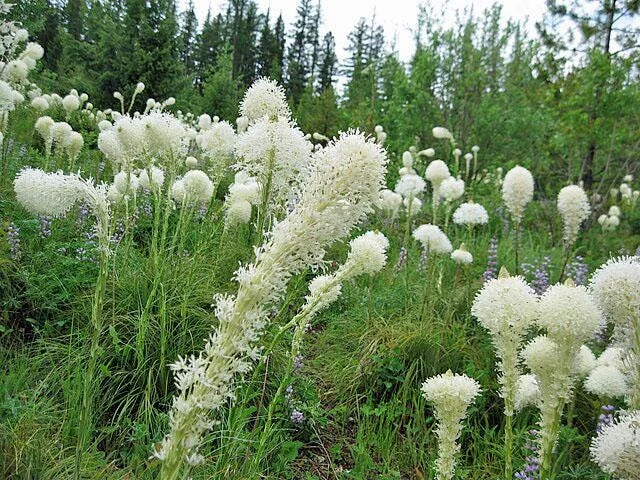
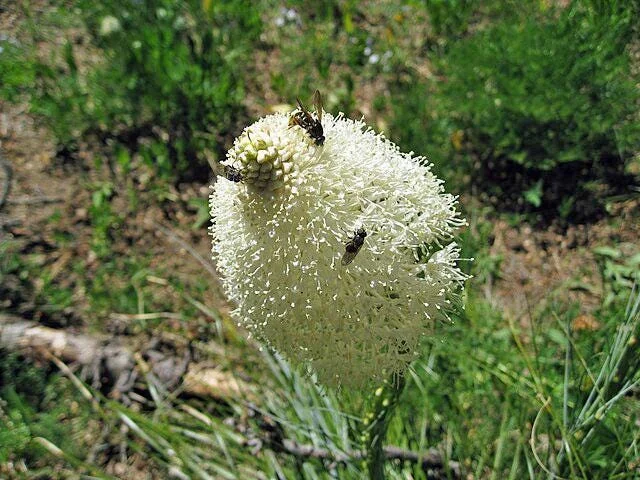
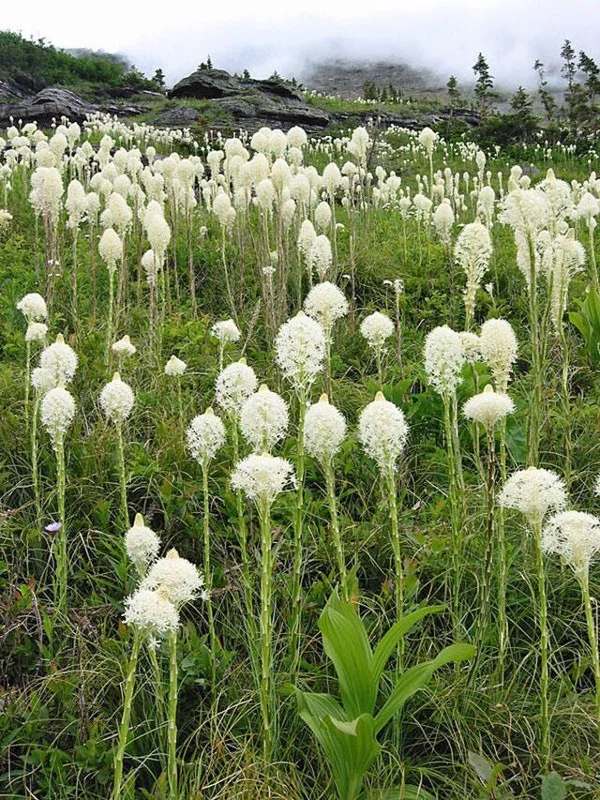
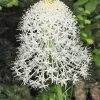
Discover the unique charm of beargrass seeds, allowing you to cultivate the distinctive Xerophyllum tenax plant in your own garden. Commonly known as beargrass, this striking evergreen perennial is native to the mountainous and subalpine regions of western North America. It forms dense clumps of long, narrow, grass-like leaves that provide a bold, architectural presence year-round. These tough, wiry, dark green leaves, often with finely serrated margins, can reach an impressive 2–3 feet in length. In early to mid-summer, mature plants produce dramatic flowering stalks, soaring 3–6 feet tall, crowned with a large, conical to cylindrical cluster of hundreds of small, creamy white, star-shaped flowers. These captivating blooms are highly attractive to pollinators, adding dynamic life and visual interest to your landscape. Starting with Xerophyllum tenax seeds offers a rewarding experience for gardeners seeking to introduce resilient and culturally significant native flora.
Beargrass is not only visually appealing but also holds significant cultural value, traditionally used by Indigenous peoples for basket weaving and other crafts due to its incredibly tough leaves. By planting beargrass seeds, you contribute to supporting local ecosystems and embracing biodiversity. This species thrives in cool climates, preferring full sun to partial shade and well-draining, often acidic soils. Once established, it becomes wonderfully drought-tolerant, making it an excellent choice for sustainable gardening. Whether you’re an experienced gardener or just beginning, growing beargrass from seed is a fulfilling endeavor that yields a truly spectacular and enduring plant.
Key Benefits
Growing beargrass seeds offers a multitude of benefits, transforming your garden into a haven of natural beauty and ecological harmony. This versatile plant provides year-round interest and contributes positively to its environment.
- Dramatic Landscape Presence: The long, wiry, evergreen leaves create a unique, architectural texture in the garden, providing visual interest even when not in bloom. Its upright form and persistent foliage make it a standout plant.
- Stunning Floral Display: In summer, towering stalks topped with hundreds of creamy white, star-shaped flowers emerge, creating a spectacular and eye-catching display that becomes a focal point in any garden.
- Attracts Pollinators: The abundant flowers are a magnet for various pollinators, including bees and butterflies, supporting local biodiversity and enhancing the health of your garden ecosystem. Planting beargrass seeds helps to create a vibrant pollinator habitat.
- Drought-Tolerant: Once established, Xerophyllum tenax seeds grow into plants that are highly drought-tolerant, requiring minimal supplemental watering. This makes them an excellent choice for water-wise gardening and arid climates.
- Low Maintenance: Beargrass is a robust and resilient plant that thrives with relatively little care. It tolerates a range of conditions and is generally pest and disease resistant, simplifying garden upkeep.
- Native Plant Benefits: As a native species, beargrass is well-adapted to its environment, contributing to the authenticity and ecological balance of native plant gardens and restoration projects.
- Cultural Significance: Beyond its aesthetic value, the plant’s tough leaves have historical significance, traditionally used by Indigenous peoples for weaving, adding a layer of cultural depth to your garden.
Plant Care & Growing Tips
Cultivating beargrass seeds requires patience, especially during germination, but the established plants are remarkably resilient. Begin by understanding its natural habitat. Xerophyllum tenax thrives in full sun to partial shade. For optimal flowering and robust growth, aim for at least 6 hours of direct sunlight per day. While it can tolerate some shade, too much will reduce flowering. The ideal soil for beargrass plant care is well-draining, often acidic, and can include rocky or sandy substrates. It is crucial to avoid heavy, waterlogged soils, as this can lead to root rot. If your soil is heavy clay, amend it generously with sand, grit, or organic matter to improve drainage.
Watering should be consistent during the establishment phase for young plants grown from beargrass seeds. Keep the soil consistently moist but never waterlogged. Once established, beargrass is highly drought-tolerant and will require infrequent watering, especially in cooler climates. Overwatering is a common mistake and should be avoided. This plant is adapted to cool climates and is hardy in USDA Zones 4-9. It prefers moderate temperatures and can tolerate cold winters. Fertilization is generally not heavily required; a light application of a balanced, slow-release fertilizer in spring can promote vigorous growth, but avoid over-fertilizing, which can encourage weak growth.
Germinating Xerophyllum tenax seeds requires cold stratification for 60-90 days at 34–40°F (1–4°C) to break dormancy. After stratification, sow seeds on the surface of a well-draining, acidic seed-starting mix, pressing lightly without covering, as light aids germination. Maintain consistent moisture and cool to moderate temperatures (60-70°F or 15-21°C). Germination can be slow and uneven, sometimes taking several months. Transplant carefully once seedlings are well-established. Minimal pruning is needed, primarily to remove spent flower stalks or any damaged foliage to maintain a tidy appearance. Keep an eye out for signs of poor drainage, which can manifest as yellowing leaves or a general decline in plant health.
Size & Details
This product includes 100 beargrass seeds (Xerophyllum tenax), ready for cultivation. These seeds will grow into an impressive evergreen perennial that forms dense clumps of tough, wiry, grass-like leaves. The foliage typically reaches 2–3 feet in length, providing a significant architectural element in the garden. When mature, the plant sends up dramatic flowering stalks that can rise 3–6 feet tall, making for a truly spectacular display. The growth rate from beargrass seeds is initially slow, particularly during germination and the seedling stage. However, once established, the plant exhibits a moderate growth rate, gradually expanding its clump size and producing more flowering stalks over the years.
Beargrass is typically grown as an outdoor landscaping plant due to its size and preferences for specific environmental conditions. It is shipped as a packet of high-quality seeds, allowing you the satisfaction of growing this unique native plant from scratch. While flowering may not occur in the first year after planting Xerophyllum tenax seeds, mature plants typically begin to produce their characteristic blooms in early to mid-summer, several years after germination. With proper care and patience, these seeds will yield robust and long-lived plants that enhance your garden’s beauty for many seasons.
Frequently Asked Questions
- Q: How big does a beargrass plant get? A: Beargrass leaves typically grow 2–3 feet long, and its dramatic flowering stalks can reach an impressive 3–6 feet in height, creating a significant vertical element in your garden.
- Q: Is this an indoor or outdoor plant? A: Beargrass (Xerophyllum tenax) is primarily an outdoor plant, best suited for garden beds, native landscapes, and naturalized areas due to its size and specific light and soil requirements. It thrives in open forests and meadows.
- Q: How much sunlight does beargrass need? A: For optimal growth and flowering, beargrass prefers full sun to partial shade, ideally receiving at least 6 hours of direct sunlight per day. Too much shade can reduce its blooming potential.
- Q: Is this plant easy to care for? A: While germinating beargrass seeds requires patience and specific stratification, established beargrass plants are relatively low-maintenance and drought-tolerant, making them a good choice for gardeners seeking resilient native plants.
- Q: What condition will the seeds arrive in? A: You will receive 100 beargrass seeds in a protective packet, ready for you to begin the cold stratification and germination process according to the provided instructions.
- Q: How long until beargrass blooms? A: Beargrass grown from seeds may take several years to reach maturity and produce its first flowering stalks. Patience is key, as these plants are long-lived and will reward you with stunning blooms once established.
- Q: What’s the minimum temperature beargrass can tolerate? A: Beargrass is a hardy plant, adapted to cool climates and typically thrives in USDA Hardiness Zones 4-9, meaning it can tolerate winter temperatures well below freezing.
- Q: What type of soil is best for growing beargrass? A: Beargrass thrives in well-draining, often acidic soils, including rocky or sandy substrates. Good drainage is crucial to prevent root rot, so amend heavy soils if necessary.
- Q: Can I really grow beargrass from seeds? A: Yes, you can successfully grow beargrass seeds with careful attention to their dormancy requirements, including a cold stratification period. The detailed instructions in the description will guide you through the process.
- Q: What are the main uses for beargrass in the garden? A: Beargrass is excellent for native plant gardens, rock gardens, naturalistic landscapes, and mass plantings where its architectural form and dramatic flowers can be showcased. It also attracts beneficial pollinators.
Be the first to review “Beargrass Seeds – Xerophyllum Tenax | 100 Seeds – Native North American Perennial”
You must be logged in to post a review.
People also Viewed


Sold 50 products
Original price was: $109.95.$79.98Current price is: $79.98.

Sold 50 products
Original price was: $25.00.$17.50Current price is: $17.50.

Flower Seeds
Olympic Onion Seeds – Allium crenulatum Flower Seeds – 10 Seed Pack – Outdoor Native Plant
Sold 50 products
Original price was: $25.00.$17.50Current price is: $17.50.

Sold 50 products
Original price was: $25.00.$17.50Current price is: $17.50.

Flower Seeds
Fuchsia vulcanica Seeds – 20 Pack – Vibrant Orange Coral Flowers for Garden & Containers
Sold 50 products
Original price was: $25.00.$17.50Current price is: $17.50.

Sold 50 products
Original price was: $116.98.$95.68Current price is: $95.68.

Sold 50 products
Original price was: $21.00.$14.10Current price is: $14.10.

Aquatic Plant Seeds
White Lotus Seeds – Nelumbo Nucifera Aquatic Pond Plant – 5 Seeds for Water Garden
Sold 50 products
Original price was: $29.00.$20.90Current price is: $20.90.RELATED posts
Awapuhi Wild Ginger Plant: Zones, Care, and Propagation
Learn which USDA zones suit awapuhi wild ginger, plus sunlight, water, planting, propagation, pests, size, [...]
Awapuhi Shampoo Ginger – Care, Growing Zones, and Differences
Learn how to grow awapuhi (shampoo) ginger, its USDA zones, watering schedule, propagation tips, and [...]
Awapuhi Shampoo Plant Buying Guide – Choose the Right Zingiber zerumbet
META: Learn which awapuhi (shampoo ginger) plant or rhizome pack gives the best natural shampoo, [...]
Awapuhi Plant for Sale: Complete Buying Guide
Find the right awapuhi (shampoo ginger) plant, size, price, soil mix, and online source. Practical [...]
Shampoo Ginger Plant for Sale – Buying Guide & Tips
Find the right shampoo ginger plant, size, price, and care tips. Quick guide for U.S. [...]
Shampoo Ginger Plant (Awapuhi) Care Guide
Learn how to grow, care for, and use shampoo ginger (Zingiber zerumbet), the tropical awapuhi [...]

How to Grow Cuban Oregano Plants: A Complete Care Guide
If you’ve ever wanted a plant that combines the culinary punch of traditional oregano with [...]
Aug

How to Grow Habanero Pepper Plants: A Step-by-Step Guide
Habanero pepper plants are prized for their vibrant colors, intense heat, and exceptional flavor, making [...]
Aug

Reviews
There are no reviews yet.