
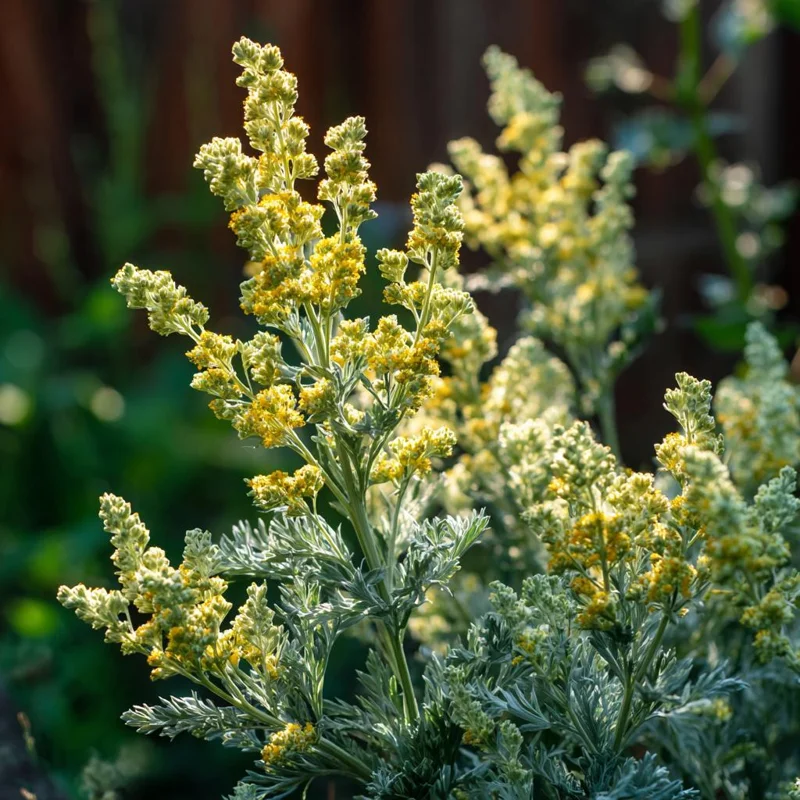
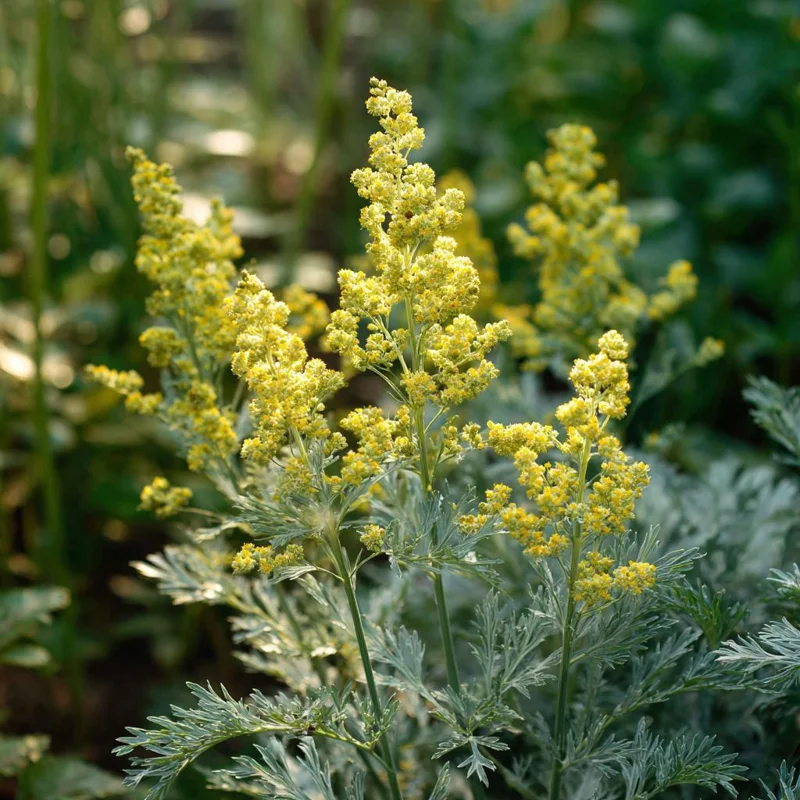
Wormwood Herb Seeds – 100 Seeds Heirloom Medicinal Aromatic Plant
Original price was: $31.99.$11.99Current price is: $11.99.
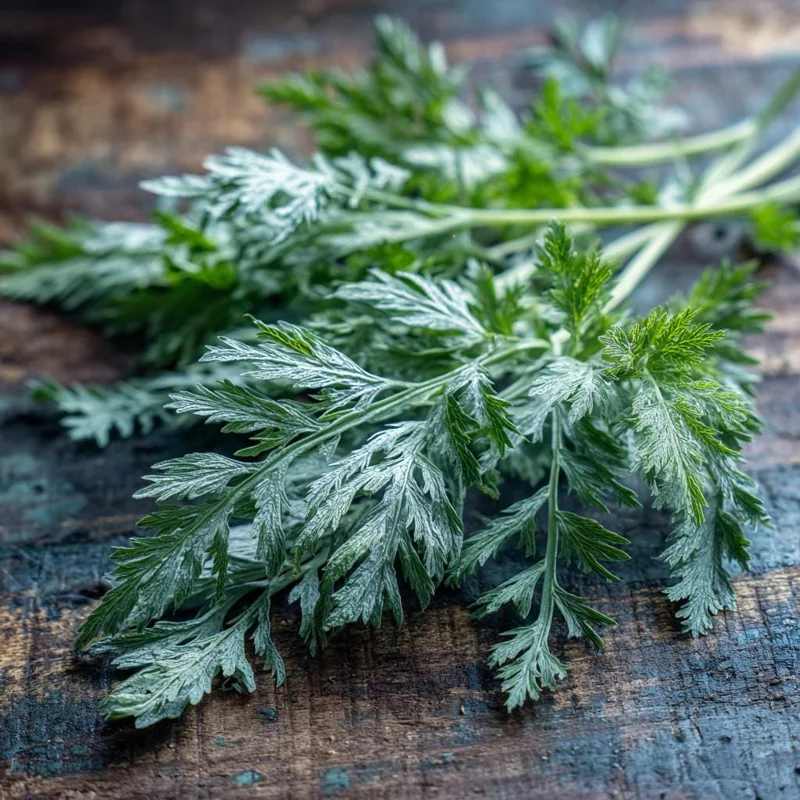
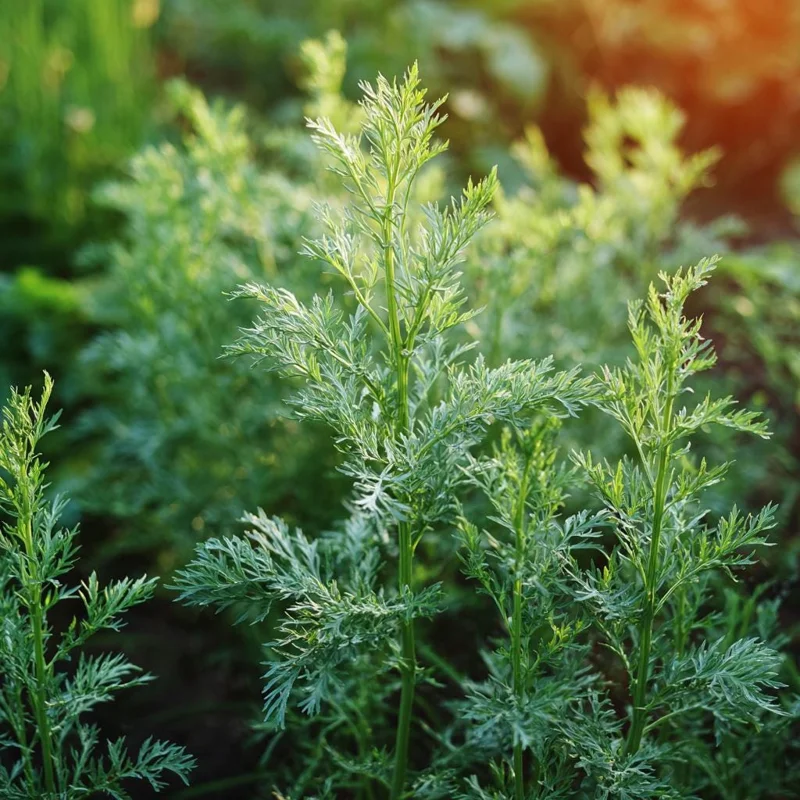
Cultivate wormwood herb seeds with this packet of 100 heirloom wormwood seeds. Known for its aromatic foliage and traditional uses, Artemisia absinthium seeds are ideal for herb gardens, pollinator landscapes, and medicinal plant enthusiasts. This hardy perennial is easy to grow wormwood in full sun, offering a unique and functional addition to your outdoor space.
Shipping and Return policies:
We stand behind our plants with our Alive & Thrive Guarantee. If you experience any issues within the first 30 days, please email us, and our team will be happy to help. When needed, we’ll send you a one-time replacement free of charge to make sure your garden keeps growing strong.

Reasonable Price
We offer reasonable price

Support 24/7
Contact us 24 hrs a day
100% Money Back
You’ve 30 days to Return
Payment Secure
100% secure payment
Overview
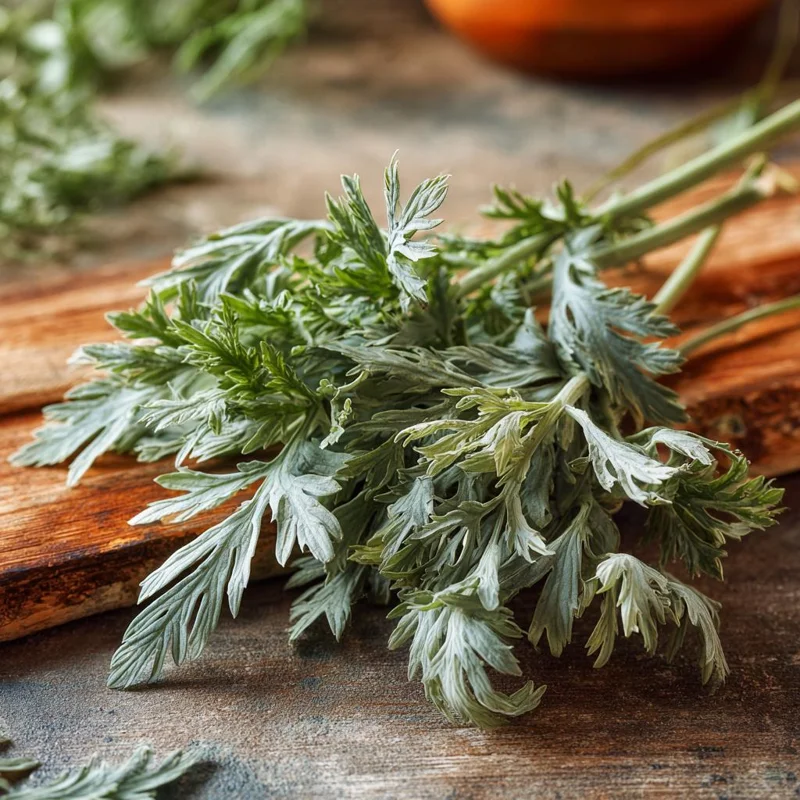
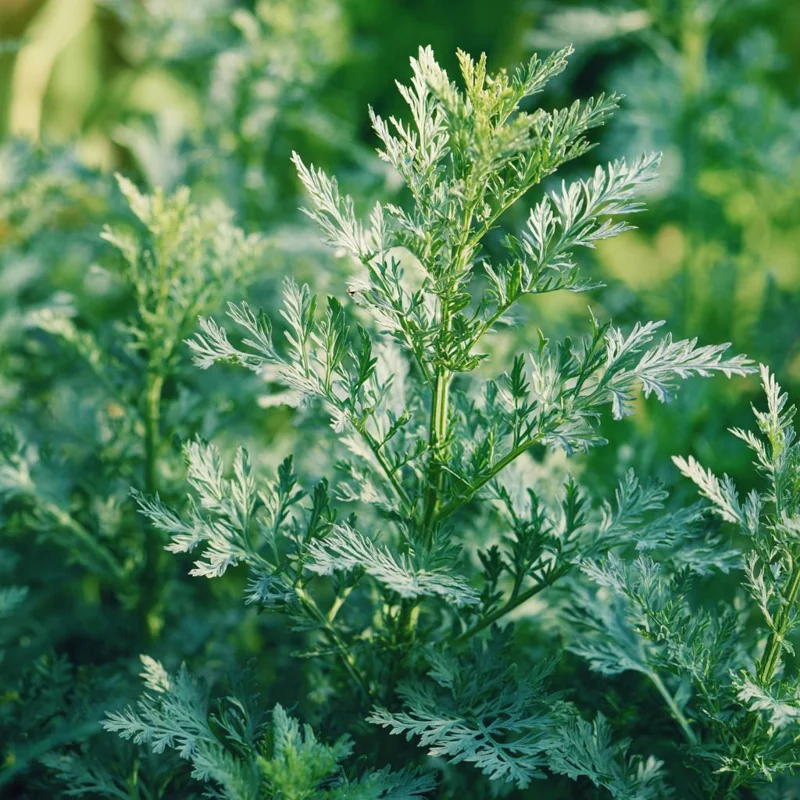
Discover the rich history and unique properties of wormwood herb seeds with this generous packet of 100 high-quality heirloom seeds. Wormwood, scientifically known as Artemisia absinthium, is a renowned perennial herb cherished for its striking silvery-green, aromatic foliage and its significant role in traditional herbal remedies and liqueurs. This robust plant is perfect for gardeners seeking to cultivate a distinctive and functional addition to their outdoor spaces. Whether you’re planning an herb garden, a pollinator-friendly landscape, or simply appreciate plants with historical significance, these seeds provide an excellent starting point for growing your own medicinal wormwood plant. With proper care, these seeds will germinate into hardy plants that thrive in various conditions, bringing both beauty and utility to your garden.
The cultivation of Artemisia absinthium seeds offers a rewarding experience, allowing you to connect with ancient traditions and enjoy the unique characteristics of this versatile herb. Its natural bitter compounds are well-regarded, and its fragrant leaves add an appealing sensory dimension to any garden. This heirloom variety ensures you are growing a plant with an authentic lineage, making it a valuable asset for both novice and experienced gardeners alike.
Key Benefits
Growing wormwood from seeds offers a multitude of advantages for both the gardener and the garden itself. This resilient herb provides aesthetic appeal, practical uses, and ecological benefits.
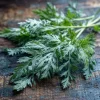
- Aromatic & Ornamental Value: The silvery-green leaves of the medicinal wormwood plant are highly aromatic, releasing a distinctive fragrance, and provide a beautiful, textural contrast in garden beds, making them an excellent choice for ornamental landscaping.
- Traditional Medicinal Uses: Wormwood herb seeds grow into plants historically used in various herbal remedies, renowned for their bitter compounds, and often associated with digestive health and other traditional applications.
- Pollinator Attraction: Once established, these plants can attract beneficial insects and pollinators to your garden, contributing to a healthier ecosystem and supporting local biodiversity.
- Drought Tolerance: After establishment, the heirloom wormwood plant is remarkably drought-tolerant, requiring minimal watering and making it a low-maintenance option for busy gardeners or those in drier climates.
- Hardy Perennial: As a hardy perennial, wormwood returns year after year, providing continuous beauty and utility without the need for annual replanting from Artemisia absinthium seeds.
- Versatile Use: Beyond its traditional medicinal and aromatic uses, wormwood leaves can be harvested for craft projects, natural pest deterrents, or simply enjoyed for their unique presence in the garden.
- Easy to Grow: These wormwood herb seeds are relatively easy to germinate and grow, making them suitable for gardeners of all experience levels who wish to grow wormwood.
Plant Care & Growing Tips
Cultivating wormwood herb seeds into mature, thriving plants requires attention to a few key environmental factors and care practices. Start your Artemisia absinthium seeds indoors 6–8 weeks before the last expected frost. Sow the seeds lightly on the surface of a high-quality, well-drained seed-starting mix, pressing them gently into the soil. Wormwood seeds require light for germination, so avoid burying them too deeply. Maintain a consistent temperature between 65–75°F (18–24°C) for optimal germination, which typically occurs within 14–21 days. Once seedlings are robust enough, transplant them outdoors after the danger of frost has passed, ensuring they are spaced 18–24 inches apart to allow for proper growth and air circulation.
For established plants, choose a location in full sun, as wormwood thrives with ample sunlight. The ideal soil should be well-drained and moderately fertile, with a preference for slightly sandy or rocky conditions. Once established, the medicinal wormwood plant is notably drought-tolerant, so water sparingly, allowing the soil to dry out completely between waterings to prevent root rot. Overwatering is a common mistake with this plant. Pruning is beneficial to maintain shape and encourage a bushier growth habit. Harvest leaves for culinary, medicinal, or craft uses once the plant is well-established. Minimal fertilization is typically needed; an annual application of a balanced, slow-release fertilizer in spring is usually sufficient. Keep an eye out for common garden pests, though wormwood’s strong aroma often deters many. Ensuring good air circulation around the plants can also help prevent fungal issues.
Size & Details
This product includes 100 wormwood herb seeds, providing ample opportunity to establish a thriving patch of this remarkable plant. Each seed has the potential to grow into a hardy perennial, forming a bushy plant that typically reaches a height of 2-4 feet (60-120 cm) and spreads about 1-3 feet (30-90 cm) wide. The growth rate is moderate, with plants generally maturing within one to two growing seasons. The seeds are packaged to ensure viability upon arrival, ready for you to grow wormwood in your garden. Wormwood plants typically display their characteristic silvery-green foliage throughout the growing season and may produce small, yellowish flowers in late summer, though they are primarily grown for their foliage and aromatic properties. These heirloom wormwood seeds offer a chance to cultivate a plant that will return year after year, providing a consistent source of its unique attributes.
Frequently Asked Questions
- Q: How big does the wormwood plant get from these seeds? A: From these wormwood herb seeds, plants typically grow to be about 2-4 feet tall and spread 1-3 feet wide. Their size can vary slightly depending on growing conditions and climate.
- Q: Is this an indoor or outdoor plant? A: While you start Artemisia absinthium seeds indoors, wormwood is primarily an outdoor plant. It thrives in full sun and is best suited for garden beds or large outdoor containers.
- Q: How much sunlight does wormwood need? A: Wormwood requires full sun exposure to thrive, meaning at least 6-8 hours of direct sunlight per day. This ensures robust growth and vibrant foliage for your medicinal wormwood plant.
- Q: Is this plant easy to care for? A: Yes, once established, wormwood is considered a relatively easy-care plant. It is drought-tolerant and requires minimal attention, making it suitable for beginners looking to grow wormwood.
- Q: What condition will the seeds arrive in? A: The wormwood herb seeds will arrive in a sealed packet, ensuring their freshness and viability for planting. They are ready for immediate sowing according to the provided instructions.
- Q: When is the best time to plant wormwood seeds? A: The best time to start your heirloom wormwood seeds indoors is 6-8 weeks before the last expected frost. Transplanting outdoors should occur after all danger of frost has passed in your region.
- Q: What’s the minimum temperature wormwood can tolerate? A: Wormwood is a hardy perennial, generally tolerant of temperatures down to USDA Zone 3. Established plants can withstand cold winters, though young seedlings are more vulnerable to frost.
- Q: Can I harvest the leaves for use? A: Yes, you can harvest the leaves of your medicinal wormwood plant once it is well-established. They can be used for various purposes, including aromatic applications and traditional remedies.
- Q: Do these seeds require stratification? A: No, wormwood herb seeds typically do not require cold stratification for germination. They need light to germinate, so surface sowing is recommended.
- Q: How long until the plants are mature? A: Wormwood plants generally reach maturity within one to two growing seasons, developing their full size and characteristic aromatic foliage.
Be the first to review “Wormwood Herb Seeds – 100 Seeds Heirloom Medicinal Aromatic Plant”
You must be logged in to post a review.
People also Viewed
Sold 50 products
$32.38
Sold 50 products
$27.38
Sold 50 products
$32.38
Sold 50 products
$19.88
Sold 50 products
$62.38
Sold 50 products
$24.88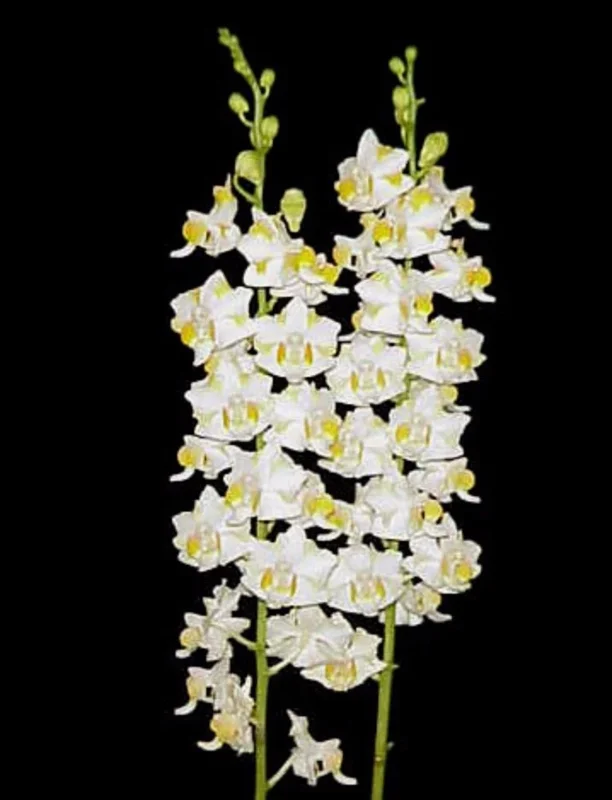
Houseplants
Phalaenopsis pulcherrima ‘Mauna Kea Snow’ Orchid Live Plant – White Flowers, Potted 2.5 in
Sold 50 products
$49.88
Sold 50 products
$49.88RELATED posts
Awapuhi Wild Ginger Plant: Zones, Care, and Propagation
Learn which USDA zones suit awapuhi wild ginger, plus sunlight, water, planting, propagation, pests, size, [...]
Awapuhi Shampoo Ginger – Care, Growing Zones, and Differences
Learn how to grow awapuhi (shampoo) ginger, its USDA zones, watering schedule, propagation tips, and [...]
Awapuhi Shampoo Plant Buying Guide – Choose the Right Zingiber zerumbet
META: Learn which awapuhi (shampoo ginger) plant or rhizome pack gives the best natural shampoo, [...]
Awapuhi Plant for Sale: Complete Buying Guide
Find the right awapuhi (shampoo ginger) plant, size, price, soil mix, and online source. Practical [...]
Shampoo Ginger Plant for Sale – Buying Guide & Tips
Find the right shampoo ginger plant, size, price, and care tips. Quick guide for U.S. [...]
Shampoo Ginger Plant (Awapuhi) Care Guide
Learn how to grow, care for, and use shampoo ginger (Zingiber zerumbet), the tropical awapuhi [...]
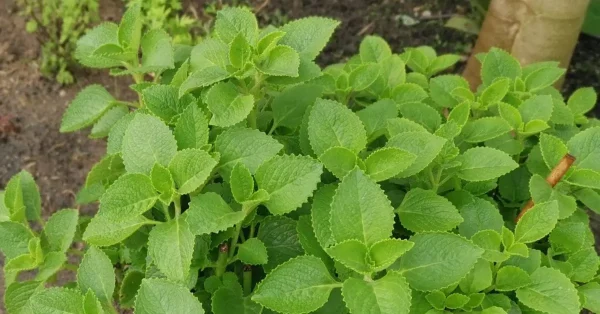
How to Grow Cuban Oregano Plants: A Complete Care Guide
If you’ve ever wanted a plant that combines the culinary punch of traditional oregano with [...]
Aug
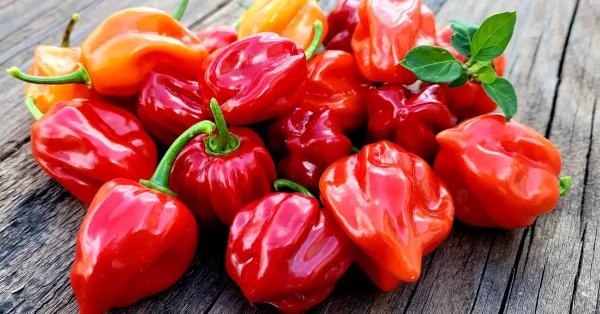
How to Grow Habanero Pepper Plants: A Step-by-Step Guide
Habanero pepper plants are prized for their vibrant colors, intense heat, and exceptional flavor, making [...]
Aug
Reviews
There are no reviews yet.