
Winterberry Holly Seeds – Ilex verticillata – 5 Seed Pack – Outdoor Shrub
Original price was: $23.00.$15.80Current price is: $15.80.
Cultivate stunning winterberry holly seeds (Ilex verticillata) for a vibrant winter landscape. This deciduous shrub offers bright red berries, attracting birds and providing year-round interest. Easy to grow and disease resistant, perfect for zones 4-9.
Shipping and Return policies:
We stand behind our plants with our Alive & Thrive Guarantee. If you experience any issues within the first 30 days, please email us, and our team will be happy to help. When needed, we’ll send you a one-time replacement free of charge to make sure your garden keeps growing strong.

Reasonable Price
We offer reasonable price

Support 24/7
Contact us 24 hrs a day
100% Money Back
You’ve 30 days to Return
Payment Secure
100% secure payment
Overview
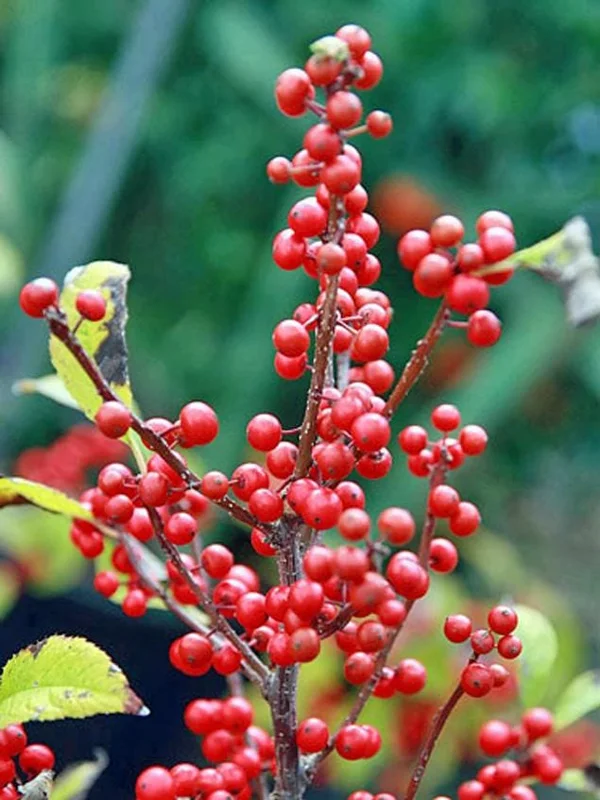
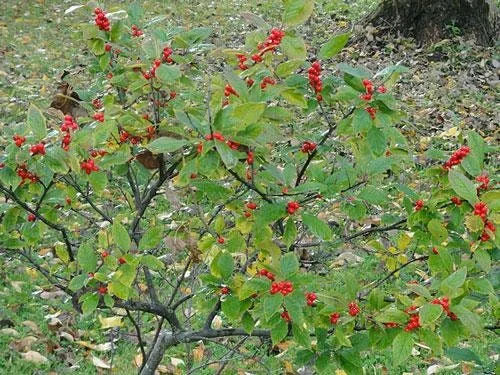
Discover the joy of growing your own winterberry holly seeds, botanically known as Ilex verticillata. This product offers a packet of 5 premium seeds, allowing you to cultivate this magnificent deciduous shrub in your garden. The winterberry holly seeds will develop into a plant renowned for its spectacular display of bright red berries that persist throughout the winter, long after its leaves have fallen. Native to eastern Canada and the eastern and central U.S., Winterberry Holly is also known by charming common names such as Black Alder, Canada Holly, Coralberry, Fever Bush, Michigan Holly, and simply Winterberry. It’s an exceptional choice for adding vibrant color and ecological value to your winter garden, providing a crucial food source for many bird species, including the American Robin. These seeds offer an exciting opportunity to introduce a hardy, low-maintenance, and visually striking plant to your outdoor space, enhancing its beauty and biodiversity.
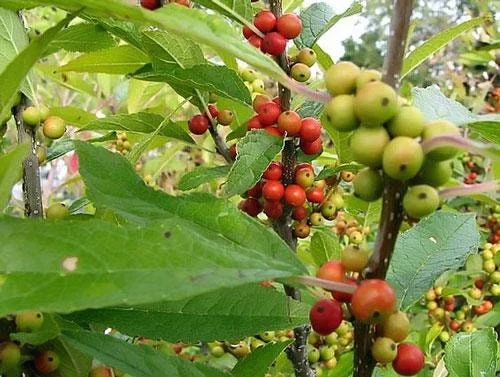
Starting ilex verticillata seeds is a rewarding experience, leading to a robust shrub that can thrive in a variety of conditions. Unlike many hollies, its leaves are not evergreen but exhibit a purplish-green hue before turning black and dropping, making the brilliant berries even more prominent. The plant is generally free from significant diseases or pests, making it an excellent choice for both novice and experienced gardeners. By planting these seeds, you’re not just growing a shrub; you’re creating a dynamic focal point that transforms your garden into a winter wonderland, full of life and color. This package contains 5 seeds, providing a great start to your winterberry project.
Key Benefits
The winterberry holly seeds you plant will mature into a shrub offering a multitude of benefits for your garden and local ecosystem. This plant is a true winter marvel, providing unparalleled beauty and ecological support.
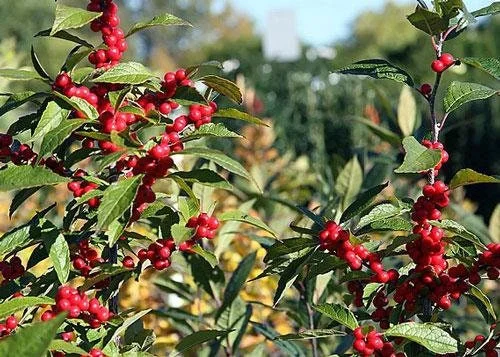
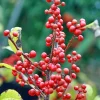
- Stunning Winter Interest: Enjoy a breathtaking display of bright red berries that adorn the bare branches throughout the winter months, offering vivid color when most other plants are dormant. These berries are a hallmark feature, making the plant a focal point in any winter landscape.
- Attracts Wildlife: The abundant berries serve as a vital food source for numerous bird species, particularly during the colder seasons. Planting winterberry holly seeds helps support local bird populations, bringing life and activity to your garden.
- Low Maintenance: Once established, Winterberry Holly is remarkably easy to care for. It exhibits strong resistance to common diseases and pests, reducing the need for extensive intervention and making it suitable for gardeners of all skill levels.
- Adaptable Growing Conditions: This versatile shrub can thrive in a wide range of environments, from full sun to full shade, and tolerates various soil types, including naturally wet areas and dry dunes. This adaptability makes it a reliable choice for diverse garden settings.
- Excellent for Landscape Design: Its attractive form, coupled with the striking berry display, makes it an ideal choice for hedges, borders, mass plantings, or as a standalone specimen. It adds structural interest and seasonal beauty to any garden design.
- Supports Biodiversity: Beyond birds, the plant’s natural habitat in wetlands, dunes, and grasslands contributes to broader ecological health, supporting a variety of local flora and fauna. By choosing to how to grow winterberry, you’re contributing to a healthier environment.
- Unique Deciduous Holly: Unlike evergreen hollies, its deciduous nature highlights the berries even more, creating a dramatic visual impact. The purplish-green leaves are also an interesting feature before they drop.
Plant Care & Growing Tips
Growing winterberry holly seeds requires a bit of patience, especially during the germination phase, but the resulting plant is incredibly resilient and easy to maintain. After cold stratification, sow the seeds into a well-drained, sandy compost and cover lightly with sand or grit. Place the seed tray in filtered bright light and keep moist until germination. Once seedlings emerge, provide them with consistent care to ensure healthy growth. These shrubs prefer average water needs and thrive in sandy, well-drained soil, though they are adaptable to various moisture levels, including naturally wet areas. They perform well in USDA Zones 4-9, demonstrating excellent cold hardiness.
For optimal berry production, Winterberry Holly should be planted in a location that receives full sun to part shade. While it can tolerate full shade, berry set may be reduced. Ensure adequate air circulation to prevent fungal issues. Fertilize sparingly in spring with a balanced, slow-release granular fertilizer if soil nutrients are poor. Pruning is typically done in late winter or early spring to remove dead or crossing branches and to shape the plant. Remember that ilex verticillata seeds will grow into plants that are dioecious, meaning you’ll need both a male and female plant for berry production. Plant one male pollinator for every 5-10 female plants to ensure a bountiful harvest of those iconic red berries. Understanding deciduous holly seeds and their specific needs will lead to a thriving, beautiful shrub.
Size & Details
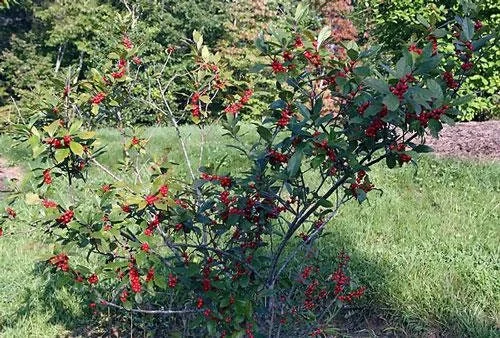
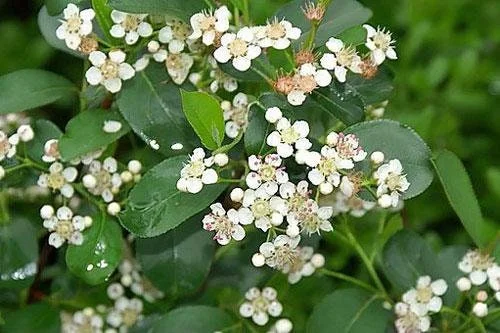
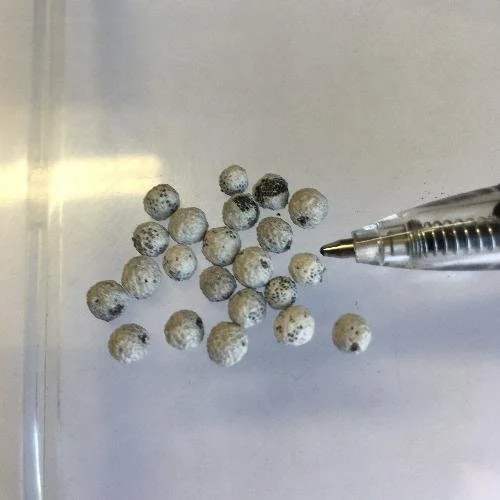
This product includes 5 winterberry holly seeds (Ilex verticillata), allowing you to begin cultivating this stunning shrub. Once mature, the Winterberry Holly typically grows to around 10 feet tall and 6 feet wide, forming a dense, rounded shrub. Its growth rate is moderate, and it can take a few years for the plant to reach its full mature size and begin producing a significant number of berries. The seeds will need cold stratification for successful germination. The small, inconspicuous white flowers bloom from April until July, followed by the development of bright red berries that appear in clusters throughout the winter, providing a long season of interest. These berries are not only decorative but also a vital food source for local wildlife, making it an excellent choice for a bird attracting plant seeds garden.
The leaves of the Winterberry Holly are unique among hollies, being deciduous and lacking the sharp teeth often associated with the genus. They are purplish-green before turning black and falling off in the autumn. The seeds are shipped in a protective packet, ready for stratification and planting. Expect to see significant growth and berry production within 3-5 years of successful germination and establishment, transforming your garden with its seasonal beauty and ecological benefits.
Frequently Asked Questions
- Q: How big does this Winterberry Holly plant get? A: Once mature, the Winterberry Holly (Ilex verticillata) typically grows to an average height of about 10 feet tall and spreads approximately 6 feet wide, forming a dense, upright shrub. Its size can vary slightly depending on growing conditions.
- Q: Is this an indoor or outdoor plant? A: Winterberry Holly is an outdoor plant, ideally suited for garden landscapes, naturalized areas, and borders. It is not suitable for indoor cultivation due to its size and specific environmental needs, including the requirement for a cold dormancy period.
- Q: How much sunlight does Winterberry Holly need? A: For optimal growth and the best berry production, Winterberry Holly prefers full sun to partial shade. While it can tolerate full shade, berry set may be less abundant in heavily shaded areas.
- Q: Is this plant easy to care for? A: Yes, Winterberry Holly is considered a low-maintenance plant once established. It is known for its hardiness, resistance to most pests and diseases, and adaptability to various soil and moisture conditions, making it relatively easy to care for, especially after successful germination of your winterberry holly seeds.
- Q: What condition will the seeds arrive in? A: The winterberry holly seeds will arrive in a protective packet, ready for you to begin the cold stratification process. They are dormant and require specific conditions to germinate successfully.
- Q: How long until it blooms and produces berries? A: Winterberry Holly plants grown from seeds will typically start to flower and produce berries within 3-5 years of successful germination and establishment. Berry production requires both male and female plants for pollination.
- Q: What is the best time to plant Winterberry Holly seeds? A: After the required cold stratification period (usually 90 days in the refrigerator), the seeds can be sown in late winter or early spring indoors, or directly outdoors after the last frost, ensuring the soil remains moist.
- Q: Will it survive winter in my zone? A: Yes, Winterberry Holly is very cold hardy and thrives in USDA Hardiness Zones 4-9, making it an excellent choice for surviving cold winters in a wide range of climates across the US.
- Q: What type of soil does Winterberry Holly prefer? A: Winterberry Holly is adaptable but prefers average water needs with sandy, well-drained soil. It naturally grows in wetlands, dry dunes, and grasslands, indicating its tolerance for varied moisture levels.
- Q: Can I use these seeds to attract birds to my garden? A: Absolutely! Growing bird attracting plant seeds like Winterberry Holly is an excellent way to invite birds to your garden. The bright red berries are a crucial food source for many bird species, especially in winter.
Be the first to review “Winterberry Holly Seeds – Ilex verticillata – 5 Seed Pack – Outdoor Shrub”
You must be logged in to post a review.
People also Viewed


Sold 50 products
Original price was: $109.95.$79.98Current price is: $79.98.

Sold 50 products
Original price was: $25.00.$17.50Current price is: $17.50.

Flower Seeds
Olympic Onion Seeds – Allium crenulatum Flower Seeds – 10 Seed Pack – Outdoor Native Plant
Sold 50 products
Original price was: $25.00.$17.50Current price is: $17.50.

Sold 50 products
Original price was: $25.00.$17.50Current price is: $17.50.

Flower Seeds
Fuchsia vulcanica Seeds – 20 Pack – Vibrant Orange Coral Flowers for Garden & Containers
Sold 50 products
Original price was: $25.00.$17.50Current price is: $17.50.

Sold 50 products
Original price was: $116.98.$95.68Current price is: $95.68.

Sold 50 products
Original price was: $21.00.$14.10Current price is: $14.10.

Aquatic Plant Seeds
White Lotus Seeds – Nelumbo Nucifera Aquatic Pond Plant – 5 Seeds for Water Garden
Sold 50 products
Original price was: $29.00.$20.90Current price is: $20.90.RELATED posts
Awapuhi Wild Ginger Plant: Zones, Care, and Propagation
Learn which USDA zones suit awapuhi wild ginger, plus sunlight, water, planting, propagation, pests, size, [...]
Awapuhi Shampoo Ginger – Care, Growing Zones, and Differences
Learn how to grow awapuhi (shampoo) ginger, its USDA zones, watering schedule, propagation tips, and [...]
Awapuhi Shampoo Plant Buying Guide – Choose the Right Zingiber zerumbet
META: Learn which awapuhi (shampoo ginger) plant or rhizome pack gives the best natural shampoo, [...]
Awapuhi Plant for Sale: Complete Buying Guide
Find the right awapuhi (shampoo ginger) plant, size, price, soil mix, and online source. Practical [...]
Shampoo Ginger Plant for Sale – Buying Guide & Tips
Find the right shampoo ginger plant, size, price, and care tips. Quick guide for U.S. [...]
Shampoo Ginger Plant (Awapuhi) Care Guide
Learn how to grow, care for, and use shampoo ginger (Zingiber zerumbet), the tropical awapuhi [...]

How to Grow Cuban Oregano Plants: A Complete Care Guide
If you’ve ever wanted a plant that combines the culinary punch of traditional oregano with [...]
Aug

How to Grow Habanero Pepper Plants: A Step-by-Step Guide
Habanero pepper plants are prized for their vibrant colors, intense heat, and exceptional flavor, making [...]
Aug
Reviews
There are no reviews yet.