
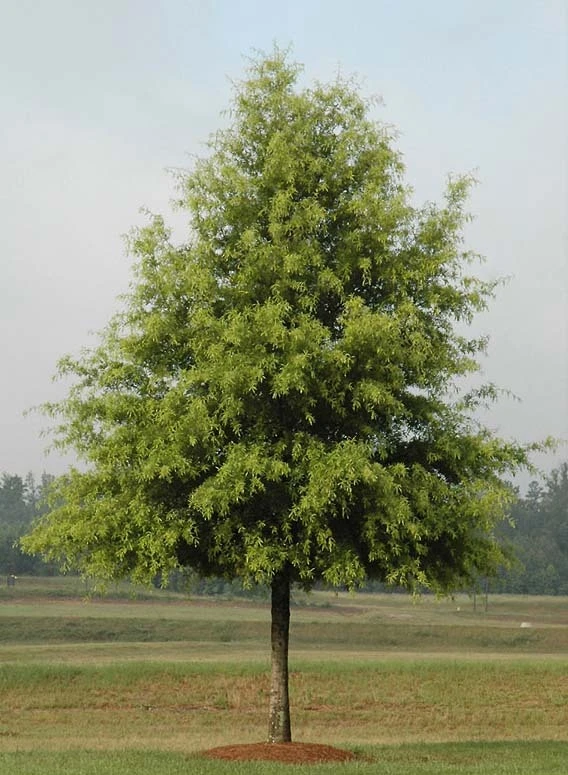
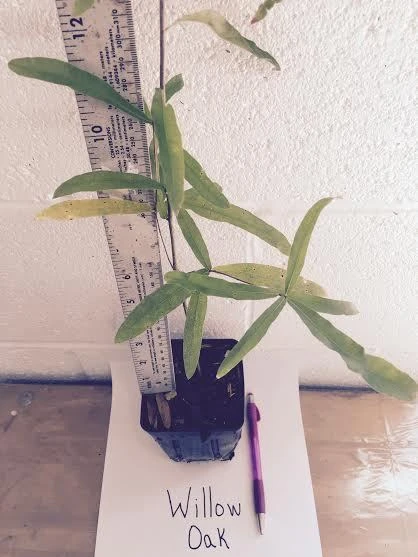

Willow Oak Live Tree Plant – Quart Pot – Fast Growing Shade Tree
Original price was: $32.10.$16.10Current price is: $16.10.
Bring a touch of elegance to your landscape with the willow oak live plant. This beautiful, fast-growing deciduous tree offers excellent shade and a distinctive willow-like foliage. Perfect for adding value and beauty to any yard, arriving in a convenient quart pot tree size, ready for planting.
Shipping and Return policies:
We stand behind our plants with our Alive & Thrive Guarantee. If you experience any issues within the first 30 days, please email us, and our team will be happy to help. When needed, we’ll send you a one-time replacement free of charge to make sure your garden keeps growing strong.

Reasonable Price
We offer reasonable price

Support 24/7
Contact us 24 hrs a day
100% Money Back
You’ve 30 days to Return
Payment Secure
100% secure payment
Overview
Introduce a classic and robust addition to your landscape with the willow oak live plant. Known for its graceful, willow-like leaves and strong, upright growth habit, the Quercus phellos is a highly sought-after deciduous tree. This particular offering arrives as a healthy young specimen in a quart-sized pot, making it an ideal starter for establishing a magnificent shade tree in your garden. The willow oak is celebrated for its rapid growth rate and adaptability, quickly transforming open spaces into lush, shaded retreats. Its fine-textured foliage provides a unique aesthetic among oak varieties, offering a delicate appearance that belies its hardy nature. Whether you’re looking to create a focal point, line a driveway, or provide ample shade for your home, the willow oak live plant is an excellent choice for long-term landscape enhancement.
This variety of oak is particularly valued for its urban tolerance and ability to thrive in a range of soil conditions once established. It’s an investment in your property’s future, providing ecological benefits such as wildlife habitat and improving air quality. The young tree, nurtured in its quart pot, is ready for transplanting into its permanent home, promising years of beauty and shade. Consider the willow oak for a resilient and attractive shade tree that will grow with your family.
Key Benefits
The willow oak live plant offers a multitude of benefits for any home gardener or landscaper. Its unique characteristics make it a standout choice for various applications:
- Exceptional Shade Provider: With its dense canopy and rapid growth, the willow oak live plant quickly establishes itself as a premier source of natural shade, reducing cooling costs and creating comfortable outdoor living spaces during hot summer months.
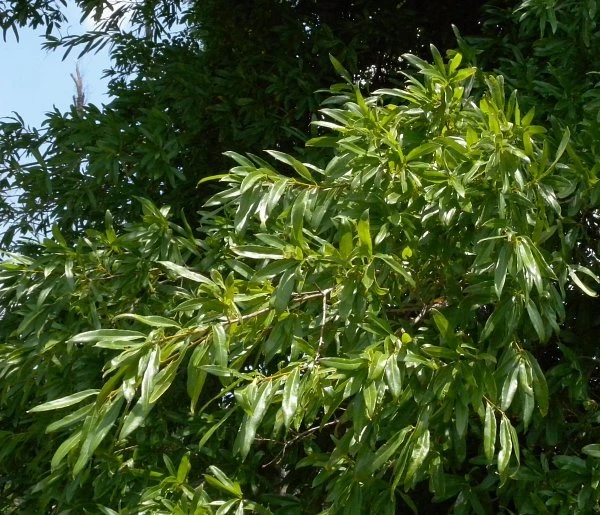
- Elegant, Fine-Textured Foliage: Unlike the typical lobed leaves of many oak species, the willow oak features slender, lance-shaped leaves that resemble those of a willow tree. This delicate texture adds a sophisticated and refined aesthetic to the landscape, offering visual interest throughout the growing season.
- Fast Growth Rate: This tree is known for its relatively quick development, meaning you won’t have to wait decades to enjoy its full benefits. It’s one of the best choices if you’re looking for a fast growing shade tree to establish quickly.
- Adaptable & Hardy: The willow oak demonstrates remarkable resilience, thriving in a wide range of soil types, including clay, and tolerating both wet and dry conditions once mature. It’s also quite tolerant of urban environments, making it a versatile option for various settings.
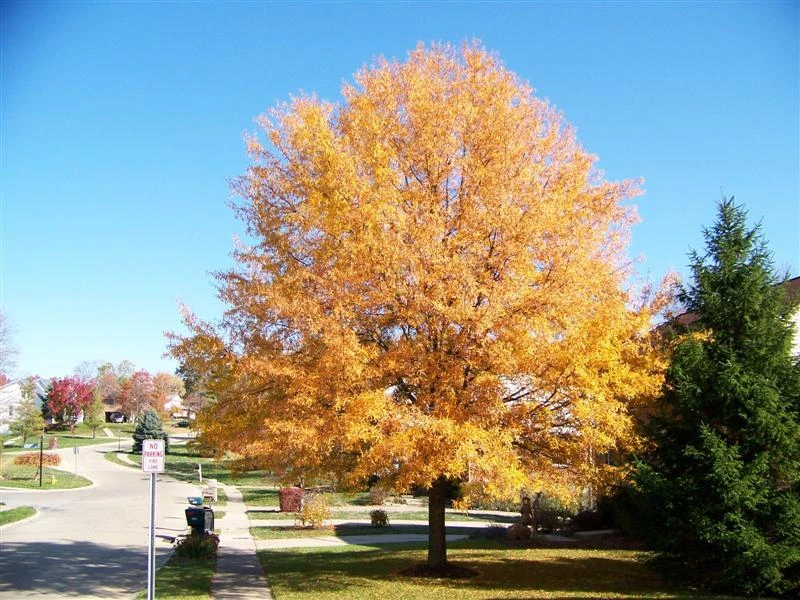
- Seasonal Interest: While primarily known for its summer shade, the willow oak also provides subtle beauty in other seasons. Its leaves turn a lovely yellow-bronze in the fall before dropping, and its sturdy branch structure offers architectural interest in winter.
- Wildlife Habitat: As with many oak trees, the willow oak produces acorns, which are a vital food source for various wildlife, including squirrels, deer, and birds, contributing to local biodiversity.
- Low Maintenance Once Established: After its initial planting and establishment period, the willow oak live plant requires minimal care, making it an excellent choice for those seeking a beautiful yet undemanding addition to their garden.
Plant Care & Growing Tips
Caring for your willow oak live plant ensures it develops into a robust and magnificent shade tree. When selecting a site, choose an area with ample space, as this tree can grow quite large. It prefers full sun, meaning at least 6 hours of direct sunlight per day, but can tolerate partial shade, especially in hotter climates. The willow oak is adaptable to a variety of soil types, but thrives best in moist, well-drained, acidic to neutral soils. It tolerates clay soils better than many other oak species, making it a good choice for challenging sites. For young trees, consistent moisture is crucial; water regularly, especially during dry spells, to encourage deep root development. Once established, it becomes quite drought-tolerant, though supplemental watering during prolonged dry periods will benefit its health and vigor.
When planting your quart pot tree, dig a hole that is twice as wide as the root ball and just as deep, ensuring the top of the root ball is level with the surrounding soil. Backfill with native soil, gently tamping to remove air pockets, and water thoroughly. A layer of mulch around the base will help retain soil moisture and regulate temperature. Fertilization is generally not necessary for established willow oaks, but a balanced, slow-release fertilizer can be applied in early spring for young trees or those in poor soil conditions. Pruning should focus on removing dead, damaged, or crossing branches to maintain a strong central leader and good branch structure. The willow oak tree care is relatively straightforward, making it a rewarding choice for both novice and experienced gardeners looking for an impressive oak tree landscaping solution.
Size & Details
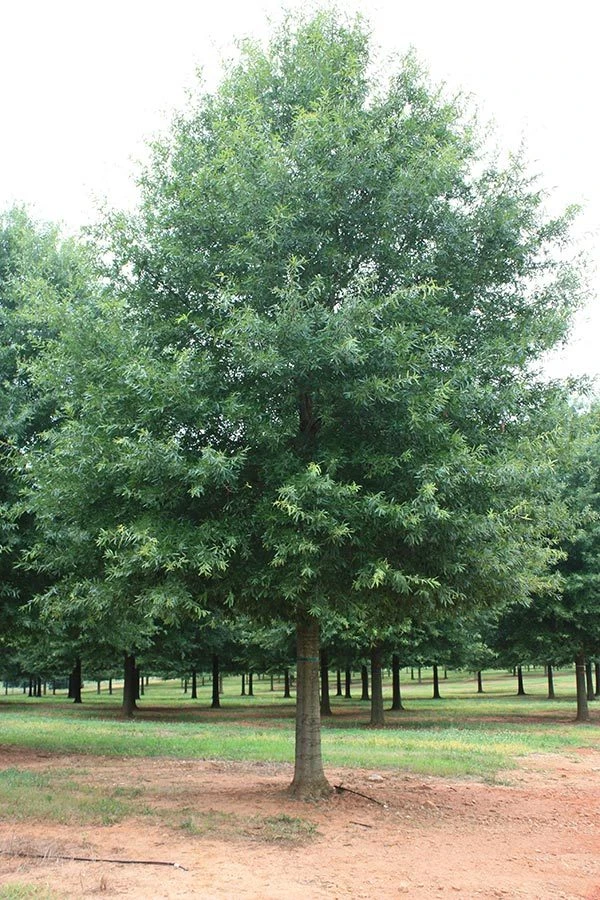
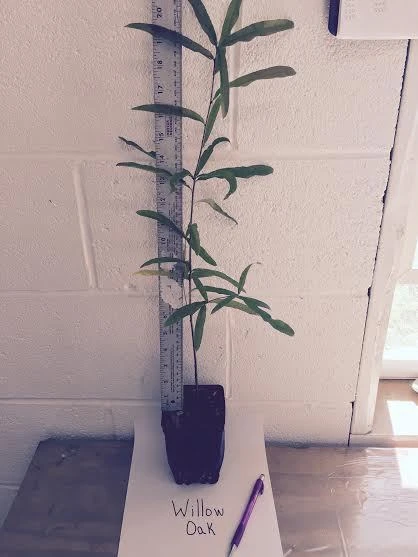
This offering is for a healthy willow oak live plant, supplied in a quart-sized nursery pot. While the exact height at shipping may vary, young trees typically stand between 12-24 inches tall, ready to be transplanted and begin their journey toward maturity. The willow oak is a moderately to fast-growing deciduous tree, capable of adding 1-2 feet of height per year under optimal conditions. Mature trees can reach an impressive height of 40-75 feet with a spread of 30-50 feet, forming a broad, rounded canopy that provides extensive shade. It typically develops a strong central leader and a dense, upright habit. The tree will arrive with its root system intact within the quart pot, ensuring a smooth transition to your garden. Expect the willow oak to begin producing its characteristic slender leaves in spring, providing a lush green canopy through summer, and offering a subtle yellow-bronze fall color before dormancy. This quart pot tree is a fantastic starting point for growing a long-lived and beautiful specimen.
Frequently Asked Questions
- Q: How big does this willow oak plant get? A: A mature willow oak live plant can reach an impressive height of 40-75 feet with a spread of 30-50 feet. It is a substantial shade tree, so ensure you have adequate space for its growth.
- Q: What size pot does it come in? A: This particular offering is for a willow oak plant shipped in a quart pot tree, providing a healthy root system ready for transplanting into your landscape.
- Q: Is this an indoor or outdoor plant? A: The willow oak live plant is an outdoor tree. It requires ample space, sunlight, and natural elements to thrive and reach its full potential as a shade tree.
- Q: How much sunlight does it need? A: For optimal growth, the willow oak prefers full sun, meaning at least 6 hours of direct sunlight daily. It can tolerate partial shade, but growth may be slower.
- Q: Is this plant easy to care for? A: Yes, once established, the willow oak tree care is relatively low-maintenance. It’s quite adaptable to various conditions and becomes drought-tolerant after its initial establishment period.
- Q: What condition will it arrive in? A: Your willow oak will arrive as a healthy young plant in its quart nursery pot, with its root system protected and ready for planting. We take care to ensure safe transit.
- Q: How long until it provides significant shade? A: As a fast growing shade tree, the willow oak will begin to provide noticeable shade within a few years of planting, with its canopy expanding significantly over 5-10 years.
- Q: What’s the best time to plant a willow oak? A: The best time for planting a willow oak is typically in the spring or fall, when temperatures are moderate and allow the tree to establish its root system before extreme heat or cold.
- Q: Will it survive winter in my zone? A: Willow oaks are generally hardy in USDA Zones 5-9. If you are within these zones, your tree should survive winter with proper care and establishment.
- Q: Can I use this for oak tree landscaping in an urban area? A: Yes, willow oaks are known for their tolerance to urban conditions, including compacted soils and air pollution, making them an excellent choice for urban oak tree landscaping projects.
Be the first to review “Willow Oak Live Tree Plant – Quart Pot – Fast Growing Shade Tree”
You must be logged in to post a review.
People also Viewed
Sold 50 products
$32.38
Sold 50 products
$27.38
Sold 50 products
$32.38
Sold 50 products
$19.88
Sold 50 products
$62.38
Sold 50 products
$24.88
Houseplants
Phalaenopsis pulcherrima ‘Mauna Kea Snow’ Orchid Live Plant – White Flowers, Potted 2.5 in
Sold 50 products
$49.88
Sold 50 products
$49.88RELATED posts
Awapuhi Wild Ginger Plant: Zones, Care, and Propagation
Learn which USDA zones suit awapuhi wild ginger, plus sunlight, water, planting, propagation, pests, size, [...]
Awapuhi Shampoo Ginger – Care, Growing Zones, and Differences
Learn how to grow awapuhi (shampoo) ginger, its USDA zones, watering schedule, propagation tips, and [...]
Awapuhi Shampoo Plant Buying Guide – Choose the Right Zingiber zerumbet
META: Learn which awapuhi (shampoo ginger) plant or rhizome pack gives the best natural shampoo, [...]
Awapuhi Plant for Sale: Complete Buying Guide
Find the right awapuhi (shampoo ginger) plant, size, price, soil mix, and online source. Practical [...]
Shampoo Ginger Plant for Sale – Buying Guide & Tips
Find the right shampoo ginger plant, size, price, and care tips. Quick guide for U.S. [...]
Shampoo Ginger Plant (Awapuhi) Care Guide
Learn how to grow, care for, and use shampoo ginger (Zingiber zerumbet), the tropical awapuhi [...]
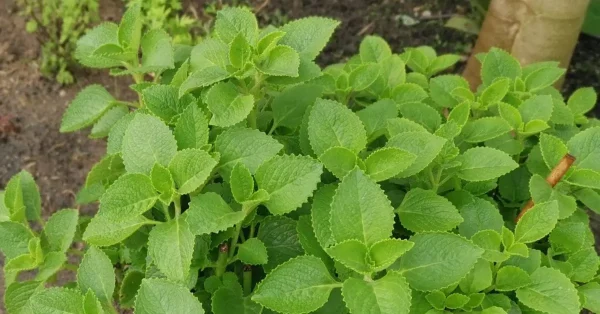
How to Grow Cuban Oregano Plants: A Complete Care Guide
If you’ve ever wanted a plant that combines the culinary punch of traditional oregano with [...]
Aug

How to Grow Habanero Pepper Plants: A Step-by-Step Guide
Habanero pepper plants are prized for their vibrant colors, intense heat, and exceptional flavor, making [...]
Aug



Reviews
There are no reviews yet.