
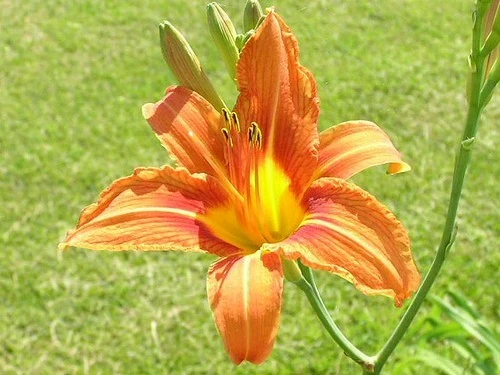
Wild Daylily Live Plant – 25 Root System Fans – Perennial Outdoor Flower
Original price was: $66.60.$50.60Current price is: $50.60.
Transform your garden with wild daylily root systems. This offering includes 25 fans, providing a robust start for a vibrant display of these popular perennial flowers, ideal for various landscape designs.
Shipping and Return policies:
We stand behind our plants with our Alive & Thrive Guarantee. If you experience any issues within the first 30 days, please email us, and our team will be happy to help. When needed, we’ll send you a one-time replacement free of charge to make sure your garden keeps growing strong.

Reasonable Price
We offer reasonable price

Support 24/7
Contact us 24 hrs a day
100% Money Back
You’ve 30 days to Return
Payment Secure
100% secure payment
Overview
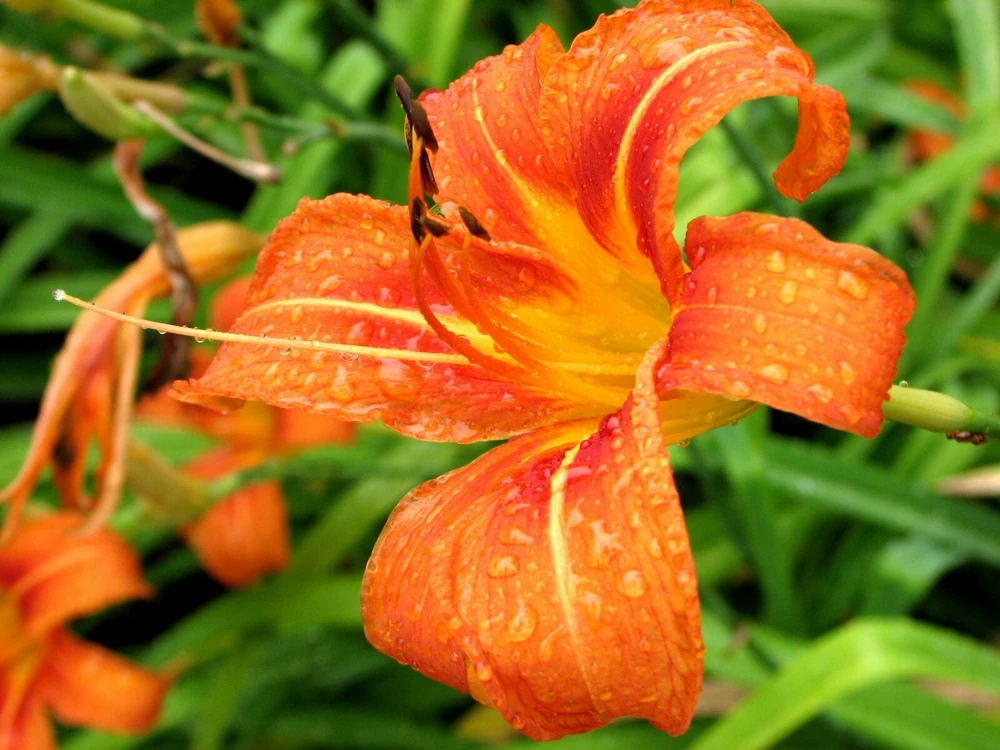
Introduce a touch of natural elegance to your outdoor space with these robust wild daylily root systems. Each order provides 25 fans, ensuring a substantial planting that will quickly establish and flourish. Wild daylilies, scientifically known as Hemerocallis fulva, are celebrated for their hardiness, ease of care, and striking blossoms. These perennial favorites are a fantastic choice for gardeners seeking reliable, long-blooming color that returns year after year with minimal fuss. Perfect for borders, mass plantings, or naturalized areas, the wild daylily root systems offer an excellent foundation for a beautiful and resilient garden landscape.
Daylilies are not true lilies but belong to the genus Hemerocallis, which translates to ‘beauty for a day,’ referring to the fact that each individual flower lasts only one day. However, each fan produces many buds, ensuring a continuous succession of blooms over several weeks, creating a stunning visual impact. These plants are known for their adaptability and ability to thrive in a wide range of conditions, making them a gardener’s delight. By planting these wild daylily root systems, you’re investing in a low-maintenance yet high-impact addition to your garden.
Key Benefits
Choosing wild daylily root systems for your garden brings a multitude of advantages, from their stunning aesthetics to their remarkable resilience. These plants are designed to thrive, offering long-term beauty and ease of maintenance.
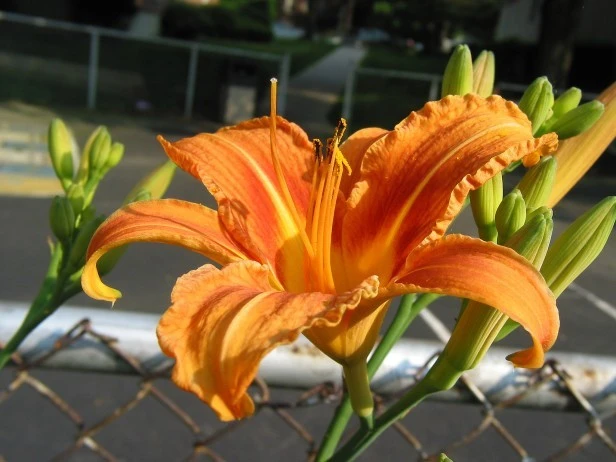
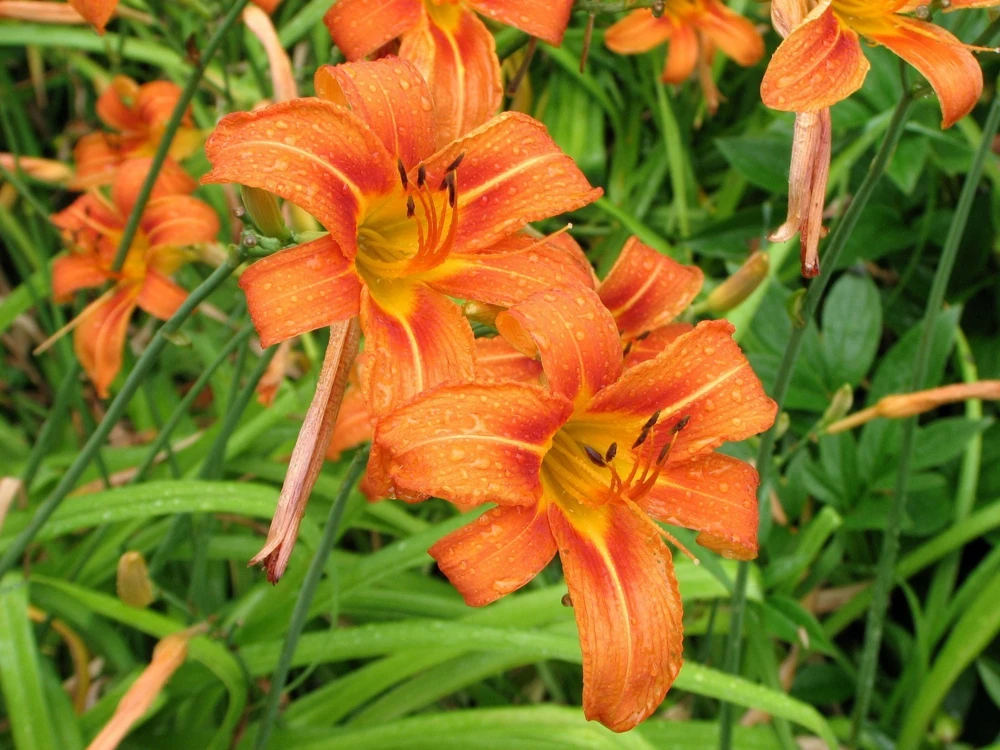
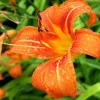
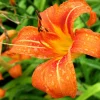
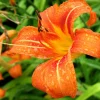
- Vibrant and Continuous Blooms: Enjoy a prolonged season of beautiful, trumpet-shaped flowers in shades of orange, red, or yellow, depending on the specific variety of wild daylily plant care. While each bloom lasts a day, the plant produces an abundance of buds for continuous color.
- Exceptional Hardiness: Daylilies are incredibly tough and adaptable, tolerating various soil types and environmental conditions. They are known to be drought-tolerant once established and can withstand colder temperatures, making them a reliable choice for many climates.
- Low Maintenance: Once planted, these daylilies require minimal attention. They are generally pest and disease resistant, reducing the need for constant monitoring and treatment. This makes growing wild daylilies an ideal option for busy gardeners.
- Erosion Control: Their fibrous root systems help to stabilize soil, making them an excellent choice for planting on slopes or in areas prone to erosion. The dense growth also helps suppress weeds.
- Versatile Landscaping: Whether used in mass plantings, as border plants, in naturalized areas, or alongside ponds, daylilies fit seamlessly into many garden designs. Their lush foliage and bright flowers create a dynamic visual interest.
- Attracts Pollinators: The colorful blooms are attractive to bees, butterflies, and hummingbirds, contributing to the biodiversity and health of your garden ecosystem.
- Long-Lived Perennial: As a perennial, the Hemerocallis fulva will return year after year, often increasing in size and bloom production over time, providing lasting beauty without the need for annual replanting.
Plant Care & Growing Tips
Caring for your wild daylily root systems is remarkably straightforward, making them perfect for both novice and experienced gardeners. These plants are incredibly forgiving and will reward you with an abundance of blooms if a few basic needs are met. When planting your 25 fans, ensure the crown (where the leaves meet the roots) is just at soil level, with the roots spread out beneath. Water thoroughly after planting to help settle the soil around the roots.
Daylilies thrive in full sun to partial shade. For the most abundant blooms, aim for at least 6 hours of direct sunlight per day. In hotter climates, some afternoon shade can prevent scorching of the foliage and prolong bloom time. They are not particular about soil type but prefer well-drained soil. Amend heavy clay soils with organic matter to improve drainage, and sandy soils with compost to enhance water retention. Once established, daylilies are quite drought-tolerant, but regular watering during dry spells, especially during their blooming period, will encourage healthier growth and more flowers. Avoid overwatering, as this can lead to root rot. To ensure continued vitality and prolific blooming, consider dividing your clumps every 3-5 years, which also gives you more wild daylily root systems to expand your garden.
Fertilize in early spring with a balanced granular fertilizer to support new growth and flower production. Deadhead spent blooms regularly to keep the plants looking tidy and to encourage the plant to put energy into producing more flowers rather than seeds. While generally pest-resistant, keep an eye out for aphids or thrips, which can be managed with insecticidal soap. Rust can occasionally be an issue, especially in humid conditions; ensure good air circulation around plants to minimize this risk. Understanding growing wild daylilies successfully means providing adequate light, drainage, and occasional feeding, allowing these resilient plants to flourish.
Size & Details
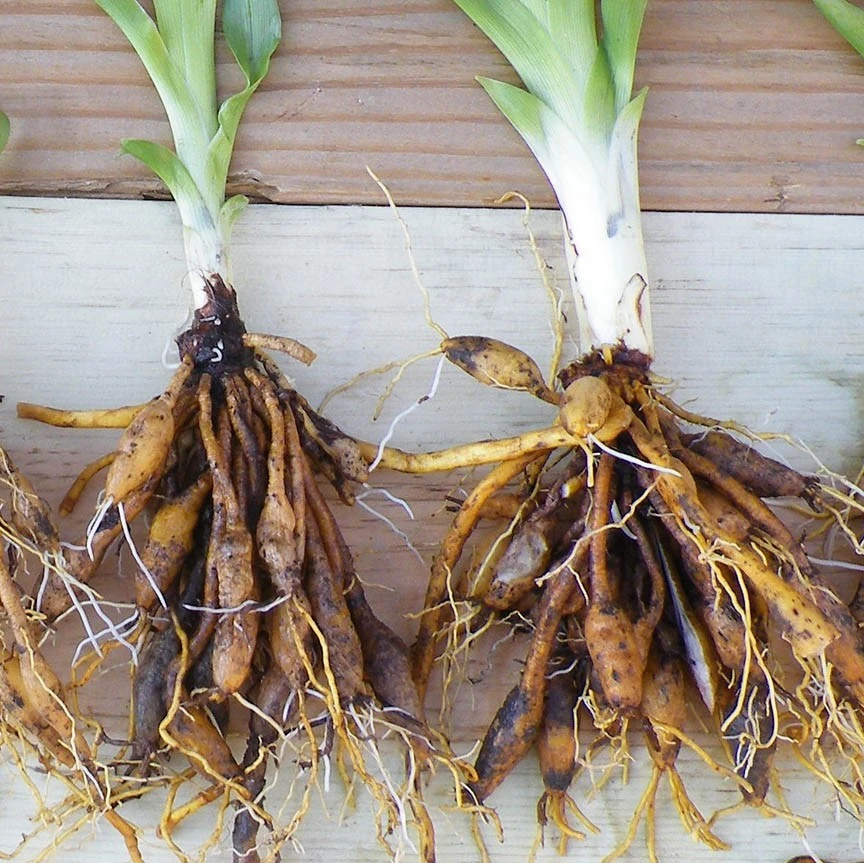
This offering includes 25 fans of wild daylily root systems, providing a generous quantity for creating a significant display in your garden. Each fan consists of a healthy root system and a segment of the plant crown, ready for planting. Once established, these daylilies typically grow to a height of 2-3 feet and spread similarly, forming dense clumps of foliage and flowers. The growth rate is moderate to fast, with plants often blooming in their first year after planting, especially under ideal conditions. The specific bloom time can vary slightly by region and cultivar, but generally, expect a vibrant display from early to mid-summer, sometimes reblooming in late summer or early fall. These are shipped as bare root fans, which is an excellent way to transport and plant hardy perennials like Hemerocallis fulva.
Frequently Asked Questions
- Q: How big do these wild daylily plants get? A: Once mature, wild daylily root systems typically produce plants that reach an average height of 2 to 3 feet tall and can spread equally wide, forming substantial clumps over time.
- Q: Is this an indoor or outdoor plant? A: These wild daylily root systems are specifically intended for outdoor planting. They are hardy perennials that thrive in garden beds, borders, and naturalized areas.
- Q: How much sunlight does a wild daylily need? A: For optimal blooming, wild daylilies require at least 6 hours of direct sunlight per day. They can tolerate partial shade, but flowering may be less prolific.
- Q: Is this plant easy to care for? A: Yes, growing wild daylilies is considered very easy. They are known for their hardiness, drought tolerance once established, and general resistance to pests and diseases, making them a low-maintenance choice.
- Q: What condition will the root systems arrive in? A: The wild daylily root systems will arrive as bare root fans, which means they are dormant plant divisions without soil, ready for immediate planting upon arrival.
- Q: How long until the wild daylilies bloom after planting? A: Many daylily varieties, especially when planted as healthy fans, can produce blooms in their first growing season. Expect a more robust display in the second year and beyond.
- Q: Will wild daylilies survive winter in my zone? A: Wild daylilies (Hemerocallis fulva) are incredibly cold-hardy and typically thrive in USDA Zones 3-9, making them suitable for overwintering in most temperate climates.
- Q: What is the best time to plant these daylily fans? A: The best time to plant wild daylily root systems is in early spring or early fall, allowing the plants to establish their root systems before extreme heat or cold.
- Q: Do these daylilies attract pollinators? A: Yes, the vibrant flowers of wild daylily root systems are attractive to various pollinators, including bees, butterflies, and even hummingbirds, adding life to your garden.
- Q: Can I use wild daylilies for erosion control? A: Absolutely. The extensive root systems of daylilies make them excellent for stabilizing soil on slopes and helping to prevent erosion, in addition to their aesthetic appeal.
Be the first to review “Wild Daylily Live Plant – 25 Root System Fans – Perennial Outdoor Flower”
You must be logged in to post a review.
People also Viewed
Sold 50 products
Original price was: $37.48.$23.98Current price is: $23.98.
Sold 50 products
$32.38
Sold 50 products
$27.38
Sold 50 products
$32.38
Sold 50 products
$19.88
Sold 50 products
$62.38
Sold 50 products
$24.88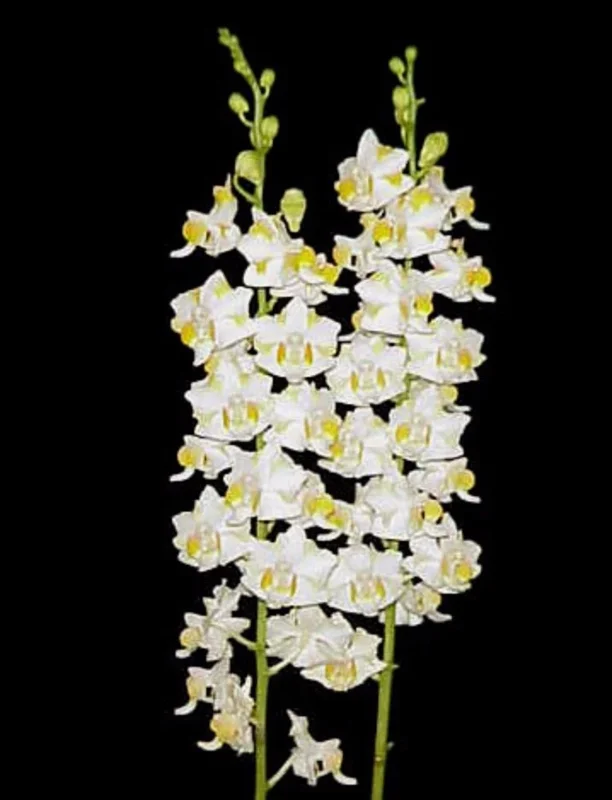
Houseplants
Phalaenopsis pulcherrima ‘Mauna Kea Snow’ Orchid Live Plant – White Flowers, Potted 2.5 in
Sold 50 products
$49.88RELATED posts
Awapuhi Wild Ginger Plant: Zones, Care, and Propagation
Learn which USDA zones suit awapuhi wild ginger, plus sunlight, water, planting, propagation, pests, size, [...]
Awapuhi Shampoo Ginger – Care, Growing Zones, and Differences
Learn how to grow awapuhi (shampoo) ginger, its USDA zones, watering schedule, propagation tips, and [...]
Awapuhi Shampoo Plant Buying Guide – Choose the Right Zingiber zerumbet
META: Learn which awapuhi (shampoo ginger) plant or rhizome pack gives the best natural shampoo, [...]
Awapuhi Plant for Sale: Complete Buying Guide
Find the right awapuhi (shampoo ginger) plant, size, price, soil mix, and online source. Practical [...]
Shampoo Ginger Plant for Sale – Buying Guide & Tips
Find the right shampoo ginger plant, size, price, and care tips. Quick guide for U.S. [...]
Shampoo Ginger Plant (Awapuhi) Care Guide
Learn how to grow, care for, and use shampoo ginger (Zingiber zerumbet), the tropical awapuhi [...]
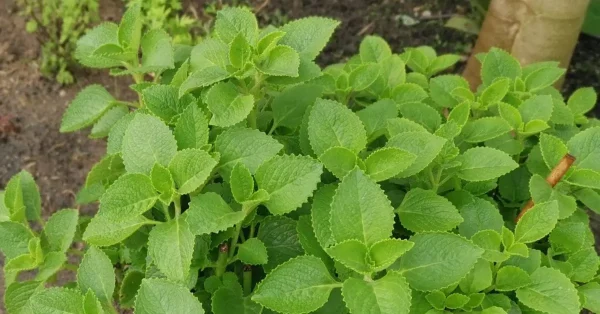
How to Grow Cuban Oregano Plants: A Complete Care Guide
If you’ve ever wanted a plant that combines the culinary punch of traditional oregano with [...]
Aug
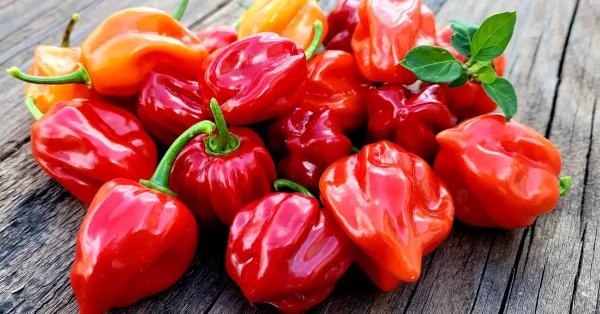
How to Grow Habanero Pepper Plants: A Step-by-Step Guide
Habanero pepper plants are prized for their vibrant colors, intense heat, and exceptional flavor, making [...]
Aug
Reviews
There are no reviews yet.