
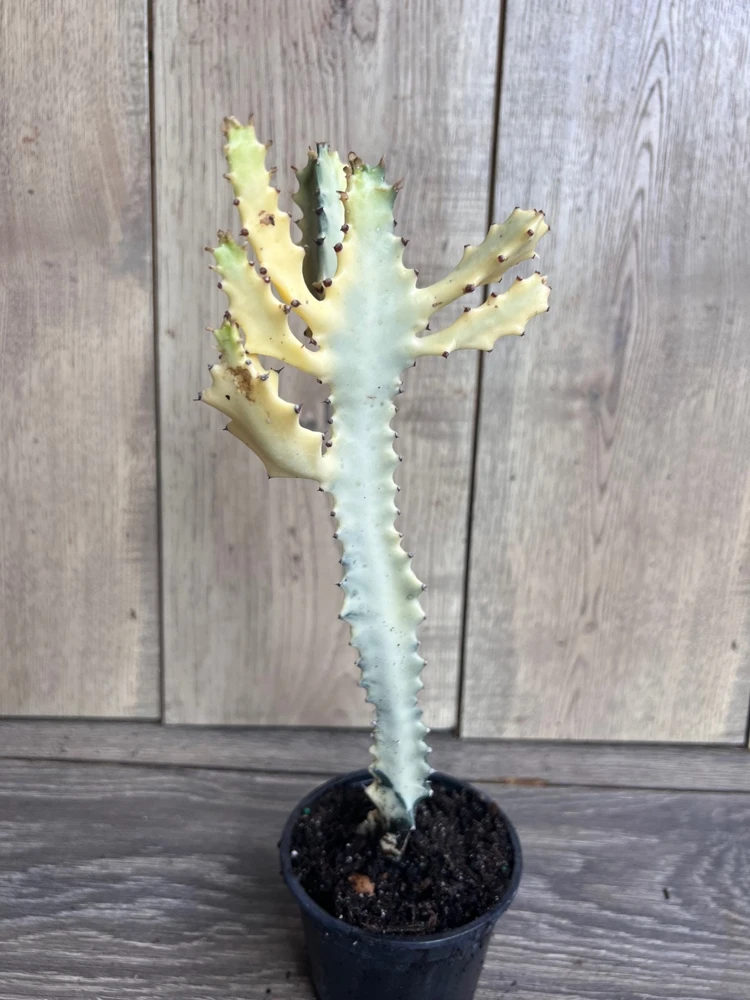
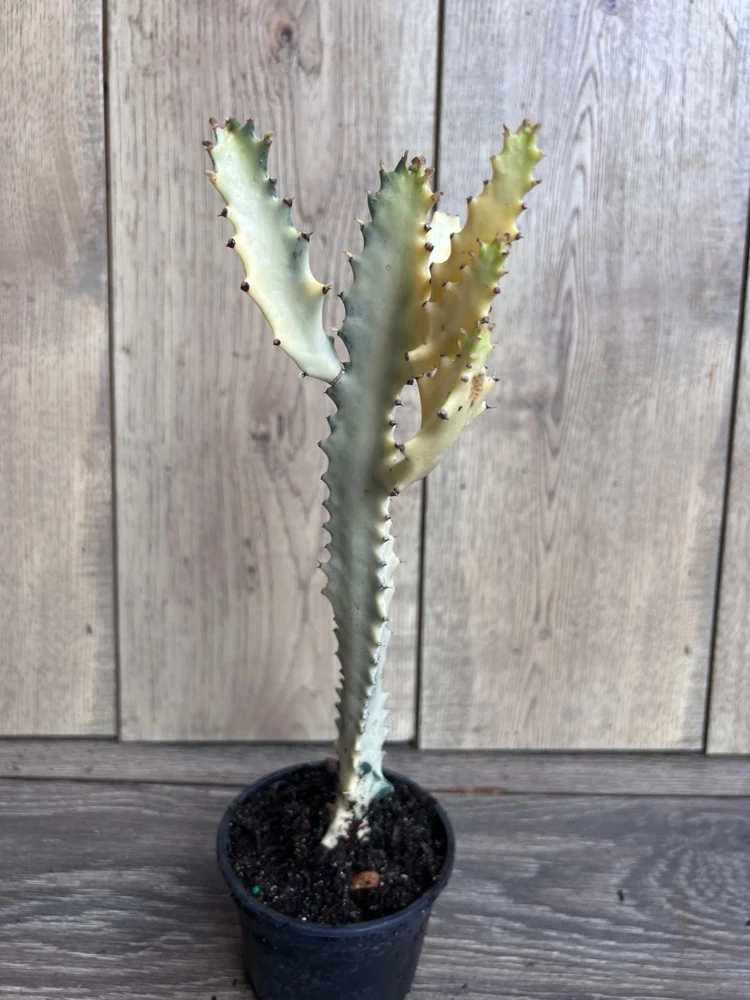
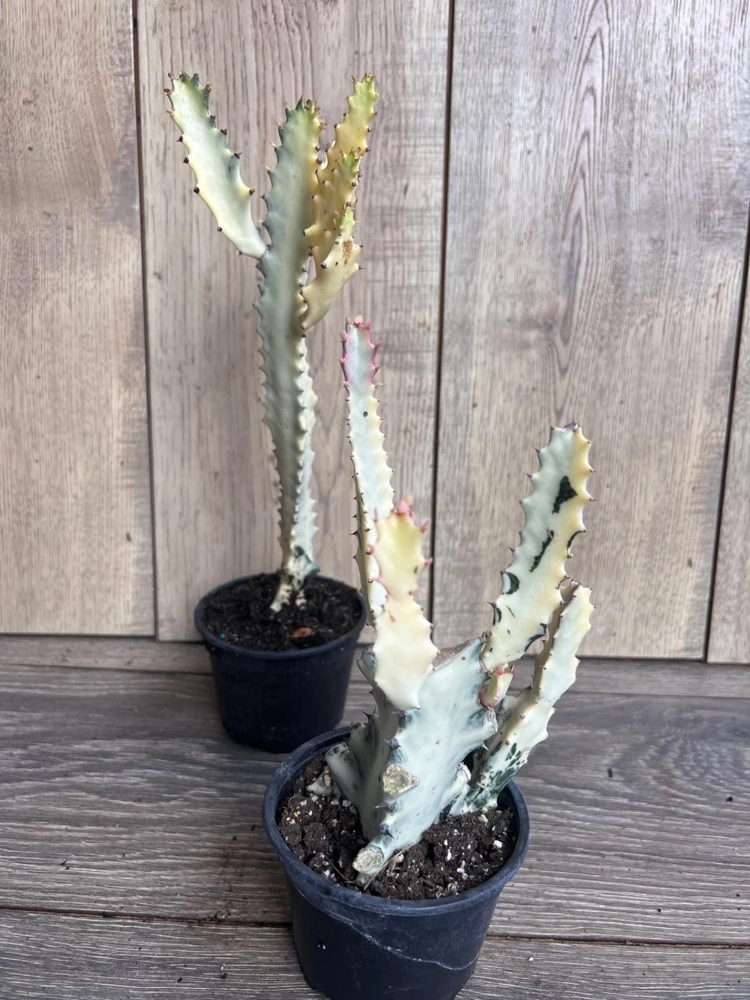
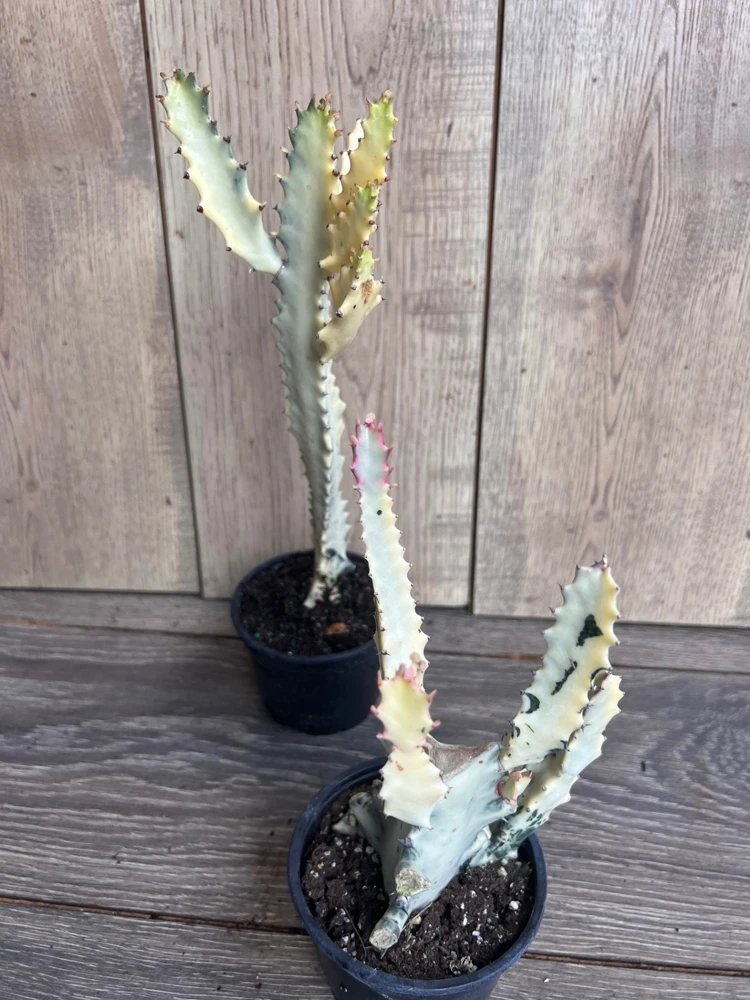
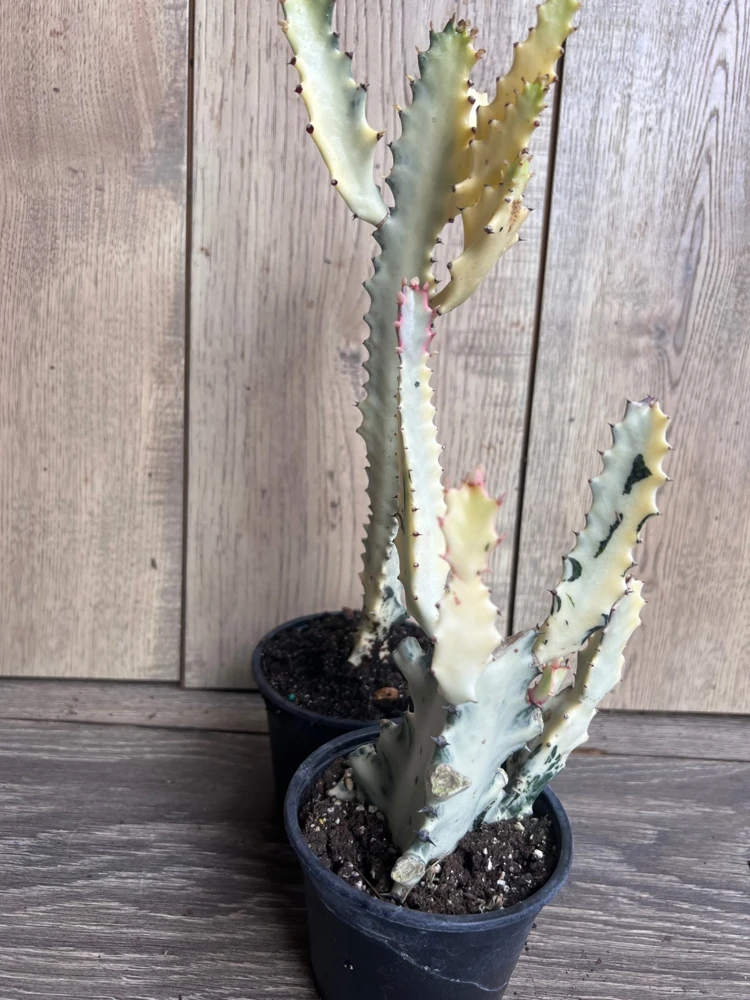
White Variegated Euphorbia Lactea Live Plant – Ghost Cactus in 4″ Pot – Indoor/Outdoor Succulent – Cannot ship to CA
Original price was: $89.37.$57.23Current price is: $57.23.
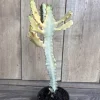
Bring home a stunning white variegated euphorbia lactea, often called ghost cactus plant, in a 4″ pot. This exotic and low-maintenance succulent is perfect for adding unique texture to your indoor or outdoor plant collection.
Shipping and Return policies:
We stand behind our plants with our Alive & Thrive Guarantee. If you experience any issues within the first 30 days, please email us, and our team will be happy to help. When needed, we’ll send you a one-time replacement free of charge to make sure your garden keeps growing strong.

Reasonable Price
We offer reasonable price

Support 24/7
Contact us 24 hrs a day
100% Money Back
You’ve 30 days to Return
Payment Secure
100% secure payment
Overview
Introduce a touch of the exotic to your plant collection with the magnificent white variegated euphorbia lactea, commonly known as the ghost cactus plant. This unique succulent, a true marvel of nature, is presented in a convenient 4-inch nursery pot, ready to adorn your home or garden. Despite its common name, the Euphorbia Lactea is a succulent, not a true cactus, though it shares a similar striking appearance with its sharp thorns along the ridges. Native to arid regions of Africa, including Eritrea, Sudan, Djibouti, Ethiopia, and Somalia, this plant thrives on minimal attention, making it an ideal choice for both seasoned plant enthusiasts and beginners seeking a distinctive, low-maintenance specimen. Its fascinating white variegation gives it a ghostly, ethereal quality that makes it a standout feature in any plant display. The rare euphorbia succulent is highly sought after for its architectural form and resilient nature, promising years of beauty with proper care.
The white variegated euphorbia lactea is a slow grower but can eventually reach impressive heights of 3-4 feet, making it a dramatic focal point. Its distinctive, upright stems, often described as candelabra-like, are a testament to its unique evolutionary adaptations to harsh environments. This plant is not only visually appealing but also remarkably self-sufficient, requiring infrequent watering and ample light. It’s important to handle this plant with care due to its sharp thorns and the milky white sap, which can be an irritant. However, with gloves and mindful handling, its cultivation is a rewarding experience. Embrace the allure of this extraordinary succulent and elevate your botanical haven with its unparalleled charm and robust character.
Key Benefits
The white variegated euphorbia lactea offers a myriad of benefits that make it an exceptional addition to any plant collection. Its unique aesthetics and hardy nature contribute to a rewarding ownership experience.
-
Exotic Visual Appeal: The striking white variegation against the green stems creates a truly unique and captivating appearance, earning it the nickname ghost cactus plant. Its architectural form adds a modern and artistic touch to any space, making it a conversation starter and a focal point.
-
Low Maintenance: Perfect for busy individuals or those new to plant care, this rare euphorbia succulent requires minimal watering and attention. Its drought-tolerant nature means it can withstand periods of neglect, making it incredibly forgiving.
-
Drought Tolerant: Hailing from arid climates, the white variegated euphorbia lactea is exceptionally drought-resistant. It stores water in its stems, reducing the need for frequent watering and making it an environmentally friendly choice.
-
Adaptable to Various Settings: While it thrives in bright light, this plant is quite adaptable to different indoor and outdoor conditions, as long as its basic light and watering needs are met. This versatility allows it to be enjoyed in various home or garden designs.
-
Unique Texture: The sharp thorns along its ridges provide a distinctive texture that contrasts beautifully with its smooth, variegated surfaces. This adds another layer of visual interest, distinguishing it from other succulents and cacti.
-
Long-Lived Specimen: With proper euphorbia lactea care, this plant can live for many years, growing into a substantial and impressive specimen. Its slow growth rate means it won’t quickly outgrow its space, providing long-term enjoyment.
Plant Care & Growing Tips
Caring for your white variegated euphorbia lactea is relatively straightforward, as it is a low-maintenance succulent. Understanding its specific needs will ensure it thrives and maintains its stunning appearance. Proper euphorbia lactea care focuses primarily on light, watering, and well-draining soil to mimic its natural desert habitat.
Light Exposure: This plant thrives in bright light. For indoor placement, choose a room that receives ample sunlight throughout the day, ideally near a south-facing window to maximize light exposure. If growing outdoors, select a spot where sunlight is accessible for most of the day, avoiding excessive shade which can inhibit growth. While adaptable, consistent bright light is crucial for the plant’s health and to encourage vibrant variegation. The more sunlight your candelabra cactus receives, the better it will grow and develop its full potential.
Watering: As a succulent native to dry ecosystems, the white variegated euphorbia lactea does not require frequent watering. The key is to allow the soil to dry out completely between waterings. Overwatering is the most common cause of problems for this plant. For indoor plants, water only when the soil is dry to the touch. For outdoor plants, where soil may dry out quicker, a slightly more frequent watering schedule might be necessary, but always check the soil moisture first. During its dormancy stage in fall and winter, reduce watering to once or twice a month. Excellent drainage is paramount; ensure your pot has drainage holes to prevent waterlogging.
Soil Type and Drainage: A well-draining cactus or succulent potting mix is essential for the white variegated euphorbia lactea. This type of soil prevents water from sitting around the roots, which can lead to rot. If your current soil retains too much moisture, consider amending it with perlite, pumice, or coarse sand to improve drainage. A pot with proper drainage holes is also crucial. When repotting, which is best done in spring or summer, use a fast-drying cactus soil. Allow one to two weeks after repotting before watering to let the roots settle and heal.
Temperature Range and USDA Hardiness Zone: The white variegated euphorbia lactea prefers warm temperatures and is not frost-tolerant. It thrives in typical indoor room temperatures, generally between 65-80°F (18-27°C). If grown outdoors, it is best suited for USDA Hardiness Zones 10-11, where temperatures rarely drop below freezing. If you live in a colder climate, it’s best to bring your plant indoors before the first frost. Protect it from cold drafts, especially during winter months.
Fertilization: This rare euphorbia succulent is not a heavy feeder. Fertilize sparingly, typically once a year during the growing season (spring or summer), with a balanced, diluted liquid fertilizer formulated for succulents or cacti. Avoid fertilizing during its dormant period. Too much fertilizer can harm the plant, so err on the side of caution.
Common Problems and Solutions: The most common issues arise from overwatering, leading to root rot. Symptoms include yellowing stems or a soft, mushy base. If detected early, allow the soil to dry out completely and reduce watering frequency. Pests are generally not a major problem, but occasionally mealybugs or spider mites can appear. Treat with insecticidal soap or neem oil. When handling, be mindful of the white sap, which can be an irritant; wear gloves to protect your skin. The thorns also require careful handling to avoid injury.
Size & Details
Your white variegated euphorbia lactea will arrive as a healthy, established live plant in a 4-inch nursery pot. The plant’s height will vary slightly but typically ranges from 4 to 8 inches from the soil line, showcasing its distinctive upright growth. As a slow-growing succulent, it will gradually increase in size, eventually reaching an impressive height of 3-4 feet in optimal conditions over several years. Its width will be proportionate to its height, forming a striking, columnar or candelabra-like silhouette. This ghost cactus plant is shipped in its nursery pot with well-draining soil, ensuring its stability and health during transit. The pot includes drainage holes, which are crucial for the plant’s well-being.
This particular specimen of rare euphorbia succulent is selected for its vibrant white variegation and robust health, ensuring you receive a high-quality plant. While it grows slowly, its mature size makes it an excellent long-term investment for adding a unique architectural element to your indoor or outdoor garden. The plant’s resilient nature means it adapts well to various settings, provided its basic care requirements are met. Expect your plant to settle into its new environment quickly, displaying its unique charm and requiring only minimal ongoing euphorbia lactea care to thrive.
Frequently Asked Questions
-
Q: How big does this white variegated euphorbia lactea get? A: This plant is a slow grower but can eventually reach impressive heights of 3-4 feet tall in ideal conditions. It will arrive in a 4-inch pot, typically 4-8 inches tall from the soil line, and will gradually grow larger over many years.
-
Q: Is this an indoor or outdoor plant? A: The white variegated euphorbia lactea can be grown both indoors and outdoors. Indoors, place it in a bright, sunny location. Outdoors, it thrives in full sun in warm climates (USDA Zones 10-11) and should be brought inside if temperatures drop below freezing.
-
Q: How much sunlight does the ghost cactus plant need? A: This succulent requires as much bright sunlight as possible to thrive. For indoor plants, a south-facing window is ideal. Outdoor plants should be placed in a spot that receives sunlight throughout the day, avoiding excessive shade.
-
Q: Is this plant easy to care for? Is it good for beginners? A: Yes, the white variegated euphorbia lactea is considered a low-maintenance plant and is excellent for beginners. Its drought-tolerant nature means it requires infrequent watering, making euphorbia lactea care relatively simple.
-
Q: What condition will the rare euphorbia succulent arrive in? A: Your plant will arrive as a healthy, live specimen, carefully packaged in its 4-inch nursery pot with appropriate soil. We take great care to ensure it reaches you in excellent condition, ready to be placed in its new home.
-
Q: How often should I water my candelabra cactus? A: Water only when the soil is completely dry to the touch. This plant is very susceptible to overwatering. During fall and winter dormancy, reduce watering to once or twice a month.
-
Q: What kind of soil is best for this plant? A: A well-draining cactus or succulent potting mix is essential. You can also amend regular potting soil with perlite or pumice to improve drainage. Good drainage is critical for preventing root rot.
-
Q: Are there any special precautions I should take when handling this plant? A: Yes, the white variegated euphorbia lactea has sharp thorns, and its milky white sap can be an irritant. Always wear gloves when handling or repotting to protect your skin from both the thorns and the sap.
-
Q: When is the best time to repot this succulent? A: Spring or summer are the prime times to repot your ghost cactus plant. Allow one to two weeks after repotting before watering to allow the roots to settle and heal.
-
Q: Will this rare euphorbia succulent bloom? A: While Euphorbia lactea can produce small, inconspicuous flowers, it is primarily grown for its striking variegated stems and architectural form rather than its blooms. Flowers are not its main ornamental feature.
Be the first to review “White Variegated Euphorbia Lactea Live Plant – Ghost Cactus in 4″ Pot – Indoor/Outdoor Succulent – Cannot ship to CA”
You must be logged in to post a review.
People also Viewed
Sold 50 products
$32.38
Sold 50 products
$27.38
Sold 50 products
$32.38
Sold 50 products
$19.88
Sold 50 products
$62.38
Sold 50 products
$24.88
Houseplants
Phalaenopsis pulcherrima ‘Mauna Kea Snow’ Orchid Live Plant – White Flowers, Potted 2.5 in
Sold 50 products
$49.88
Sold 50 products
$49.88RELATED posts
Awapuhi Wild Ginger Plant: Zones, Care, and Propagation
Learn which USDA zones suit awapuhi wild ginger, plus sunlight, water, planting, propagation, pests, size, [...]
Awapuhi Shampoo Ginger – Care, Growing Zones, and Differences
Learn how to grow awapuhi (shampoo) ginger, its USDA zones, watering schedule, propagation tips, and [...]
Awapuhi Shampoo Plant Buying Guide – Choose the Right Zingiber zerumbet
META: Learn which awapuhi (shampoo ginger) plant or rhizome pack gives the best natural shampoo, [...]
Awapuhi Plant for Sale: Complete Buying Guide
Find the right awapuhi (shampoo ginger) plant, size, price, soil mix, and online source. Practical [...]
Shampoo Ginger Plant for Sale – Buying Guide & Tips
Find the right shampoo ginger plant, size, price, and care tips. Quick guide for U.S. [...]
Shampoo Ginger Plant (Awapuhi) Care Guide
Learn how to grow, care for, and use shampoo ginger (Zingiber zerumbet), the tropical awapuhi [...]
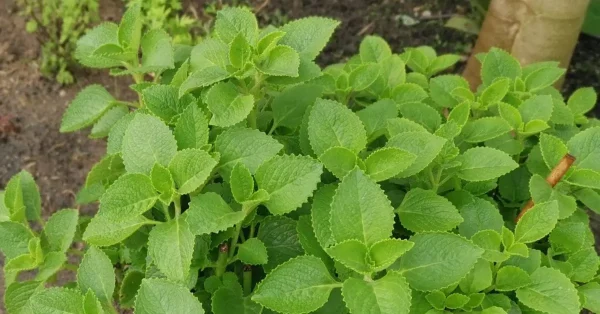
How to Grow Cuban Oregano Plants: A Complete Care Guide
If you’ve ever wanted a plant that combines the culinary punch of traditional oregano with [...]
Aug
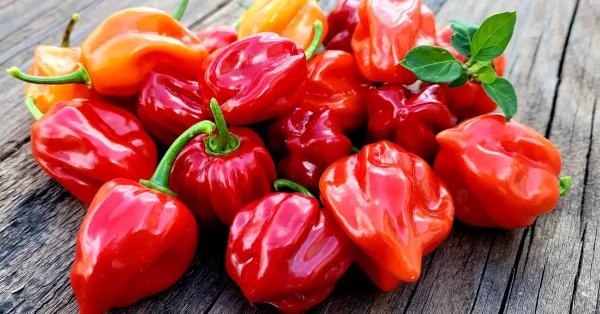
How to Grow Habanero Pepper Plants: A Step-by-Step Guide
Habanero pepper plants are prized for their vibrant colors, intense heat, and exceptional flavor, making [...]
Aug

Reviews
There are no reviews yet.