

White Pampas Grass Live Plant – Ornamental Perennial, Zones 7-11
Original price was: $49.98.$38.98Current price is: $38.98.
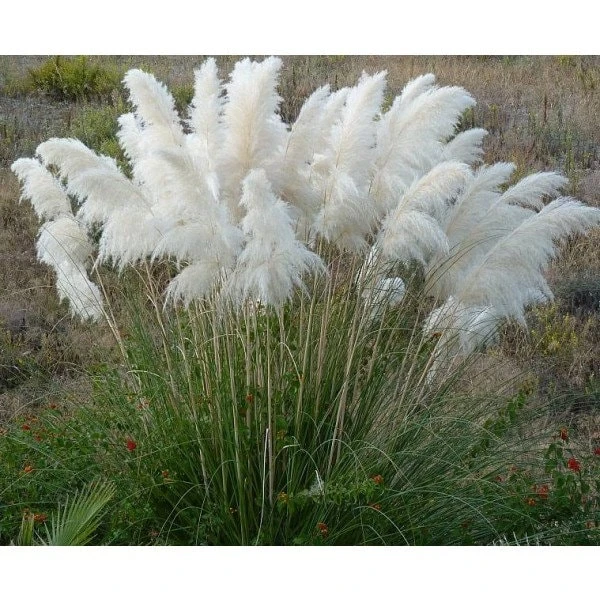
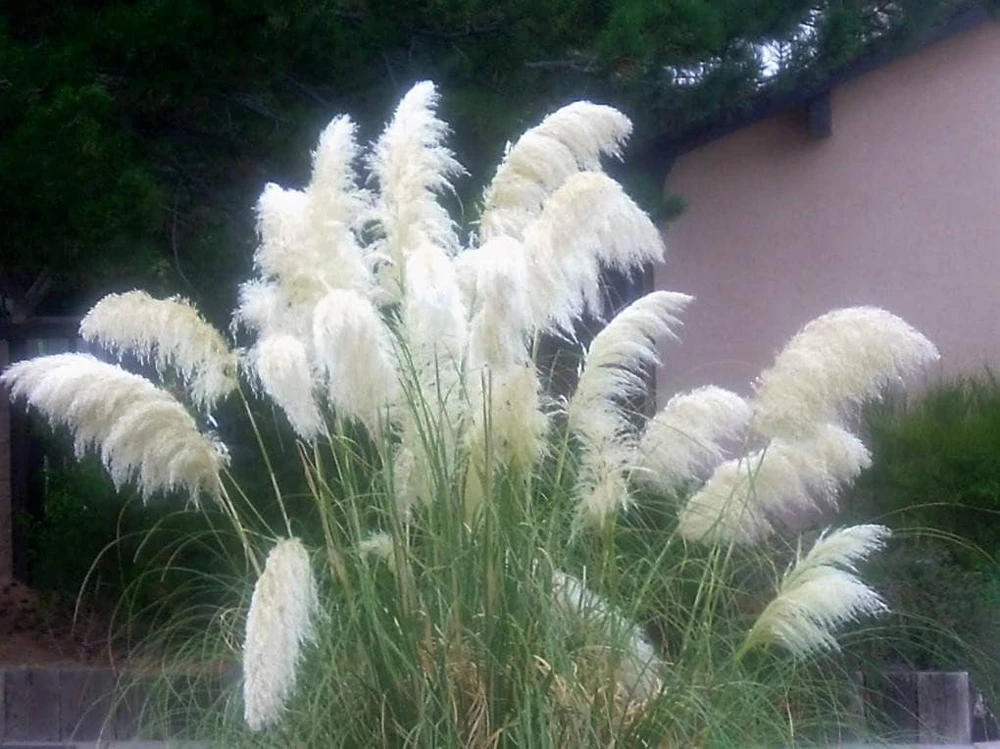
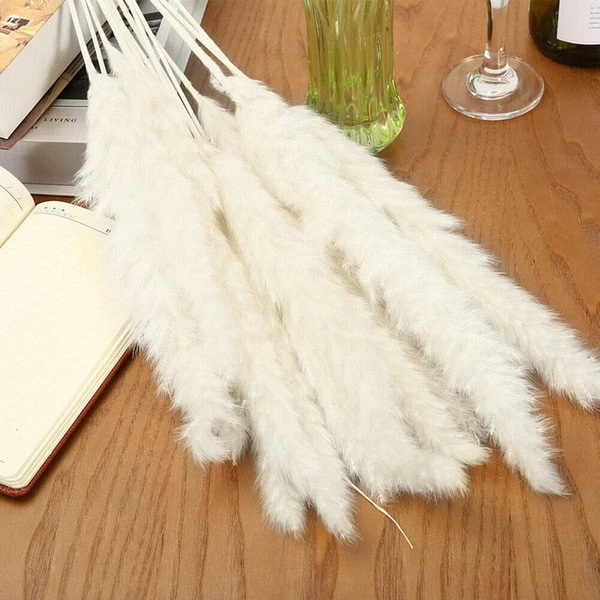
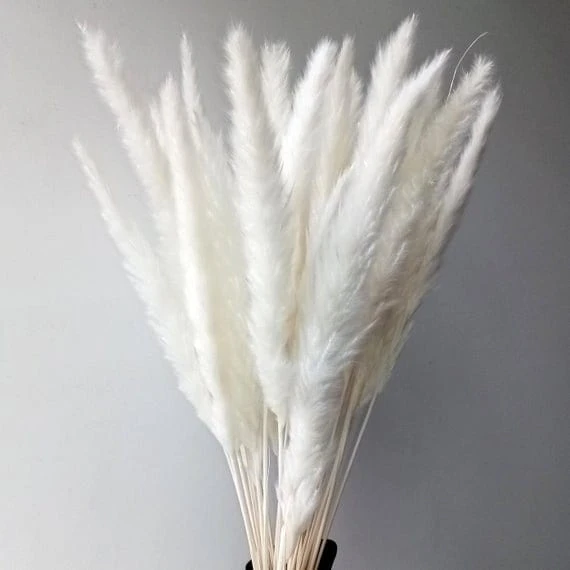
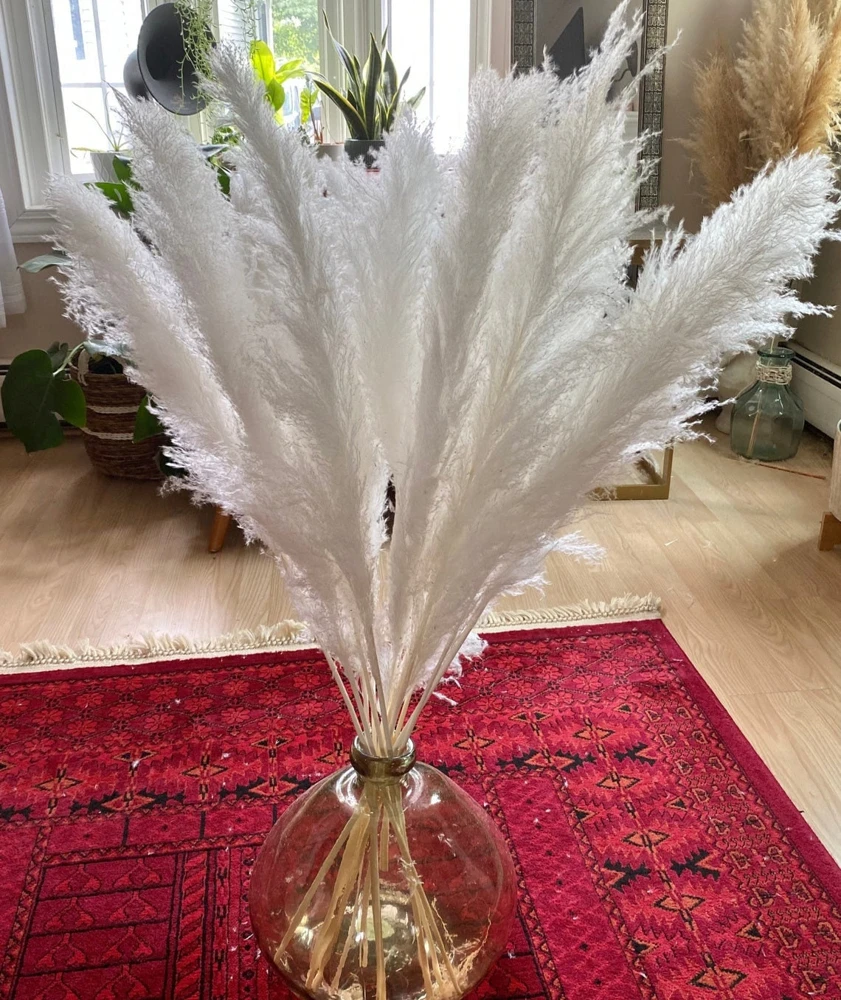
Add dramatic vertical interest to your garden with a white pampas grass live plant. This stunning ornamental perennial features soft, creamy white plumes in late summer, creating an eye-catching focal point. Ideal for borders and large landscapes, it’s a drought-tolerant and relatively low-maintenance choice for Zones 7-11.
Shipping and Return policies:
We stand behind our plants with our Alive & Thrive Guarantee. If you experience any issues within the first 30 days, please email us, and our team will be happy to help. When needed, we’ll send you a one-time replacement free of charge to make sure your garden keeps growing strong.

Reasonable Price
We offer reasonable price

Support 24/7
Contact us 24 hrs a day
100% Money Back
You’ve 30 days to Return
Payment Secure
100% secure payment
Overview
Introduce a touch of elegance and dramatic flair to your outdoor space with a white pampas grass live plant. This impressive ornamental grass, scientifically known as Cortaderia selloana, is renowned for its towering presence and magnificent feathery plumes. Originating from South America, pampas grass has become a popular choice for gardeners seeking a low-maintenance yet high-impact addition to their landscape. Its striking white plumes emerge in late summer and can persist through fall and into winter, offering extended seasonal interest. Whether used as a specimen plant, in large borders, or to create a natural screen, this ornamental grass for garden settings is sure to captivate attention and add a sophisticated texture to any design.
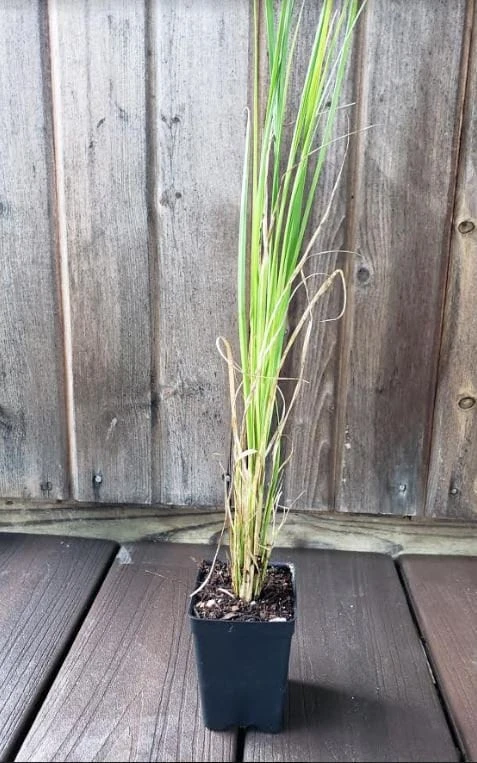
Each white pampas grass live plant is a rooted starter plant, carefully prepared for its journey to your garden. These plants are ideal for establishing new garden areas or enhancing existing ones, providing a robust foundation for future growth. Known for its resilience and adaptability, Cortaderia selloana is a fantastic choice for various garden styles, from contemporary to naturalistic. Its ability to thrive in challenging conditions makes it a favorite among landscapers and home gardeners alike, promising a spectacular display year after year.
Key Benefits
Choosing a white pampas grass live plant offers a multitude of benefits for enhancing your garden and landscape. Its unique characteristics make it a standout choice for adding beauty and structure with minimal fuss.
- Dramatic Visual Impact: The tall, arching green foliage topped with soft, creamy white plumes creates an undeniable focal point, adding significant vertical interest and texture to any garden design. This makes it an excellent choice for a dramatic landscape statement.
- Low Maintenance & Drought Tolerant: Once established, pampas grass requires minimal care, making it perfect for busy gardeners. It tolerates dry conditions well, reducing the need for frequent watering. This contributes to its reputation as a resilient tall garden grass.
- Erosion Control: Its extensive root system helps to stabilize soil, making it an effective plant for erosion control on slopes or in areas prone to soil runoff. This practical benefit complements its aesthetic appeal.
- Year-Round Interest: While the plumes are most prominent in late summer and fall, the foliage provides a consistent green backdrop throughout the growing season, offering continuous appeal.
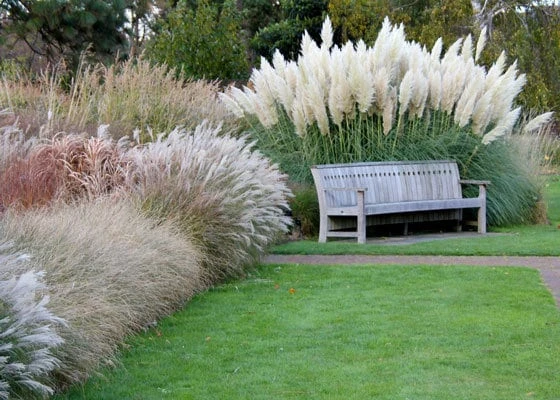
- Versatile Landscaping Use: Ideal for large borders, privacy screens, accent planting, or mass plantings. Its imposing size allows it to serve multiple functions within a landscape plan.
- Attracts Wildlife: The dense foliage and plumes can offer shelter for small birds and other garden creatures, contributing to local biodiversity.
- Hardy & Resilient: Thriving in USDA Hardiness Zones 7-11, this plant is known for its ability to withstand various environmental conditions, ensuring a long-lasting presence in your garden. Understanding proper pampas grass care ensures its longevity.
Plant Care & Growing Tips
Proper pampas grass care is straightforward, ensuring your white pampas grass live plant thrives and produces its stunning plumes. This robust plant generally requires minimal intervention once established, making it a rewarding addition to many landscapes. The key to successful growth lies in providing the right environment and performing routine maintenance.
Light: White pampas grass absolutely prefers full sun for optimal growth and flowering. Aim for at least 6-8 hours of direct sunlight per day. While it can tolerate partial sun, you may notice fewer and smaller plumes. Ensure it’s not overshadowed by larger trees or structures. Watering: Water moderately, especially during its establishment phase. Allow the soil to dry out completely between waterings to prevent root rot. Once mature, Cortaderia selloana is highly drought-tolerant and will generally only need supplemental watering during extended dry spells. Soil: This ornamental grass is not particular about soil type but thrives best in well-draining soil. It can tolerate poor soil conditions, but good drainage is crucial to prevent waterlogging. Adding organic matter can improve soil structure and fertility.
Temperature & Hardiness: White pampas grass thrives in warm temperatures and is suitable for USDA Hardiness Zones 7-11. It is not frost-hardy and may suffer damage in colder climates, though established plants in Zone 7 can often rebound from winter dormancy. Fertilizing: Fertilize in early spring with a balanced, slow-release granular fertilizer to promote healthy growth and strong plume development. Avoid over-fertilizing, as this can lead to excessive foliage growth at the expense of flowers. Pruning: The most significant aspect of pampas grass care is annual pruning. In late winter or early spring, before new growth begins, cut back the entire plant to about 12-18 inches from the ground. This encourages fresh growth and maintains a tidy appearance. Always wear gloves and long sleeves when pruning, as the leaf edges can be sharp. Pests & Diseases: Generally pest-resistant, white pampas grass may occasionally attract scale or aphids. Monitor your plant and treat with insecticidal soap if necessary. Good air circulation also helps prevent fungal issues.
Size & Details
This listing is for a rooted starter white pampas grass live plant. Each plant is unique and may vary slightly in size, color, or shape depending on the season and growing conditions. They are typically shipped either bare root or in a 2.5×4 inch greenhouse pot, ensuring they arrive ready for planting. When mature, a white pampas grass live plant can reach an impressive height of 6-10 feet, with its elegant plumes extending even further, adding significant height and presence to your garden. The spread can also be substantial, often reaching 4-6 feet wide, creating a lush, full form. Its vigorous growth habit means it will establish quickly in suitable conditions, developing its characteristic plumes in late summer to early fall.
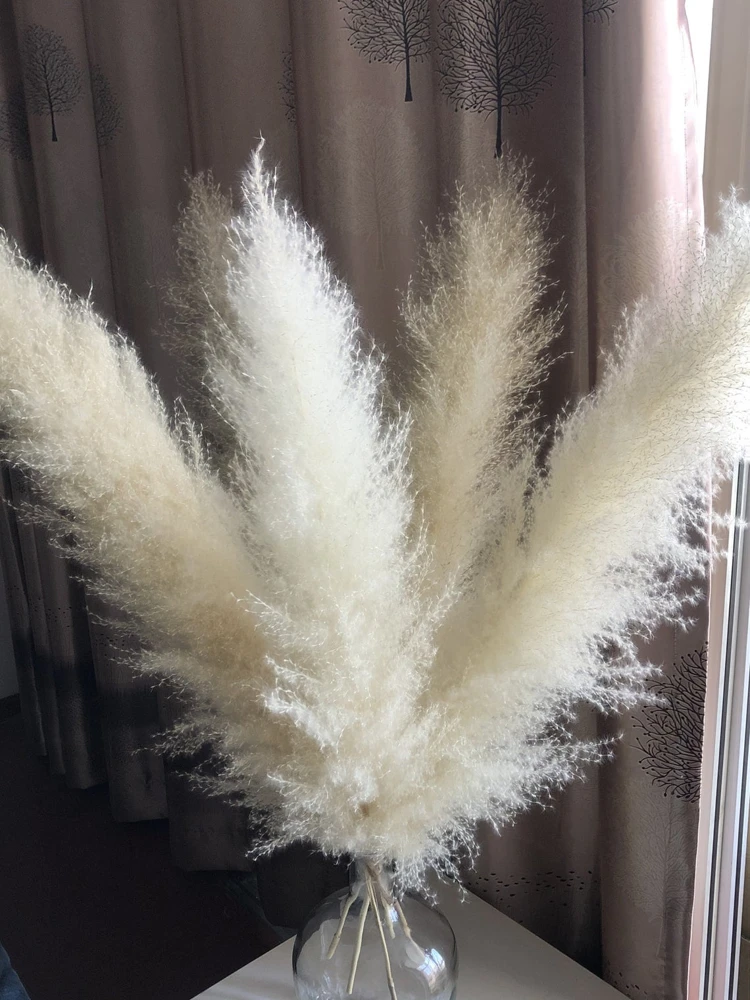
The plumes themselves can grow up to 2-3 feet long, providing a soft, feathery texture that contrasts beautifully with the green foliage. This rapid growth makes it an excellent choice for creating quick impact in new landscapes. While it ships as a starter plant, with proper care, it will rapidly develop into a magnificent specimen. The hardiness of Cortaderia selloana in Zones 7-11 ensures it will be a long-lasting feature in your outdoor space, providing beauty for many seasons. For those interested in a substantial and elegant tall garden grass, this is an ideal selection.
Frequently Asked Questions
- Q: How big does this white pampas grass live plant get? A: When mature, white pampas grass live plant can reach heights of 6-10 feet, with its plumes extending even taller. It can also spread 4-6 feet wide, forming a substantial clump in your garden.
- Q: Is this an indoor or outdoor plant? A: This is primarily an outdoor ornamental grass. While young plants can be temporarily kept indoors in very bright conditions, it thrives best in full sun outdoors in USDA Hardiness Zones 7-11.
- Q: How much sunlight does Cortaderia selloana need? A: Cortaderia selloana requires full sun, ideally 6-8 hours of direct sunlight per day, to achieve the best growth and most abundant plume production.
- Q: What condition will the plant arrive in? A: Your plant will arrive as a rooted starter plant, either bare root or in a 2.5×4 inch greenhouse pot, ready for planting. Its appearance may vary slightly based on the season.
- Q: Is this plant easy to care for? A: Yes, once established, white pampas grass is considered low-maintenance and drought-tolerant. The main care task is annual pruning in late winter or early spring. This makes it an ideal ornamental grass for garden beginners.
- Q: When is the best time to plant white pampas grass? A: The best time to plant is in spring after the last frost, or in early fall, to allow the roots to establish before extreme temperatures.
- Q: Will it survive winter in my zone? A: White pampas grass live plant is hardy in USDA Zones 7-11. In Zone 7, it may die back to the ground in winter but typically regrows from the roots in spring. In colder zones, it may not survive without significant winter protection.
- Q: What are the main benefits of planting tall garden grass like this? A: Key benefits include its dramatic visual appeal, low maintenance requirements, ability to provide year-round interest, and its effectiveness in erosion control and creating privacy screens.
- Q: Does pampas grass care involve specific soil types? A: While tolerant of various soil conditions, pampas grass prefers well-draining soil. Good drainage is more critical than soil richness.
- Q: Can I propagate white pampas grass? A: Pampas grass can be propagated by division in early spring. However, it’s important to note that Cortaderia selloana can be invasive in some regions, so check local regulations.
Be the first to review “White Pampas Grass Live Plant – Ornamental Perennial, Zones 7-11”
You must be logged in to post a review.
People also Viewed
Sold 50 products
$32.38
Sold 50 products
$27.38
Sold 50 products
$32.38
Sold 50 products
$19.88
Sold 50 products
$62.38
Sold 50 products
$24.88
Houseplants
Phalaenopsis pulcherrima ‘Mauna Kea Snow’ Orchid Live Plant – White Flowers, Potted 2.5 in
Sold 50 products
$49.88
Sold 50 products
$49.88RELATED posts
Awapuhi Wild Ginger Plant: Zones, Care, and Propagation
Learn which USDA zones suit awapuhi wild ginger, plus sunlight, water, planting, propagation, pests, size, [...]
Awapuhi Shampoo Ginger – Care, Growing Zones, and Differences
Learn how to grow awapuhi (shampoo) ginger, its USDA zones, watering schedule, propagation tips, and [...]
Awapuhi Shampoo Plant Buying Guide – Choose the Right Zingiber zerumbet
META: Learn which awapuhi (shampoo ginger) plant or rhizome pack gives the best natural shampoo, [...]
Awapuhi Plant for Sale: Complete Buying Guide
Find the right awapuhi (shampoo ginger) plant, size, price, soil mix, and online source. Practical [...]
Shampoo Ginger Plant for Sale – Buying Guide & Tips
Find the right shampoo ginger plant, size, price, and care tips. Quick guide for U.S. [...]
Shampoo Ginger Plant (Awapuhi) Care Guide
Learn how to grow, care for, and use shampoo ginger (Zingiber zerumbet), the tropical awapuhi [...]
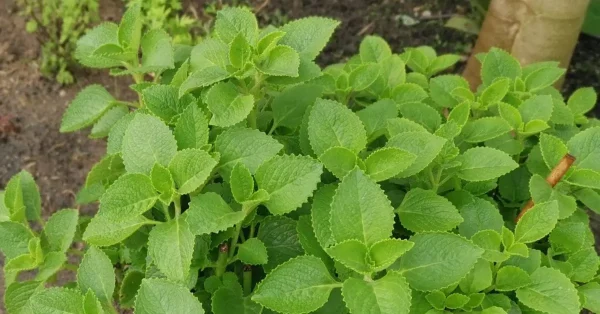
How to Grow Cuban Oregano Plants: A Complete Care Guide
If you’ve ever wanted a plant that combines the culinary punch of traditional oregano with [...]
Aug
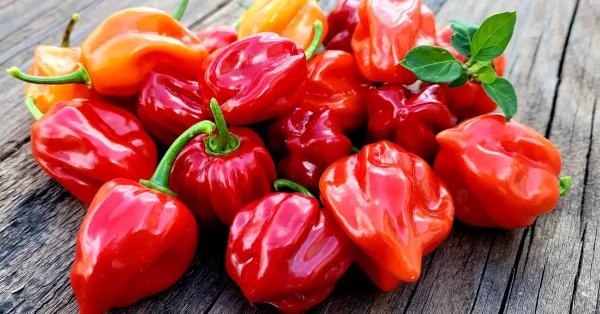
How to Grow Habanero Pepper Plants: A Step-by-Step Guide
Habanero pepper plants are prized for their vibrant colors, intense heat, and exceptional flavor, making [...]
Aug

Reviews
There are no reviews yet.