
White Mulberry Seeds – Morus alba Fruit Tree Seeds – 40 Seed Pack for Planting
Original price was: $25.00.$17.50Current price is: $17.50.
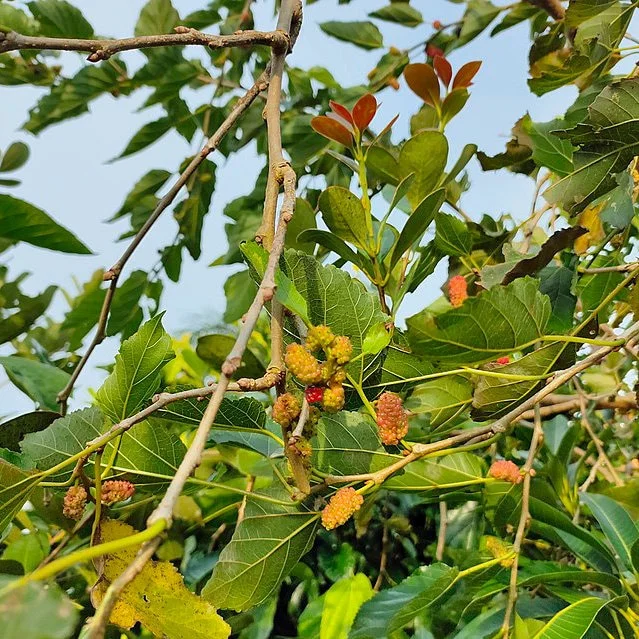
Cultivate your own delicious white mulberry seeds (Morus alba) with this pack of 40 seeds. Known for its rapid growth and abundant sweet fruits, this deciduous tree is perfect for home gardens, orchards, and landscapes. Enjoy fresh mulberries or use them in jams and pies.
Shipping and Return policies:
We stand behind our plants with our Alive & Thrive Guarantee. If you experience any issues within the first 30 days, please email us, and our team will be happy to help. When needed, we’ll send you a one-time replacement free of charge to make sure your garden keeps growing strong.

Reasonable Price
We offer reasonable price

Support 24/7
Contact us 24 hrs a day
100% Money Back
You’ve 30 days to Return
Payment Secure
100% secure payment
Overview
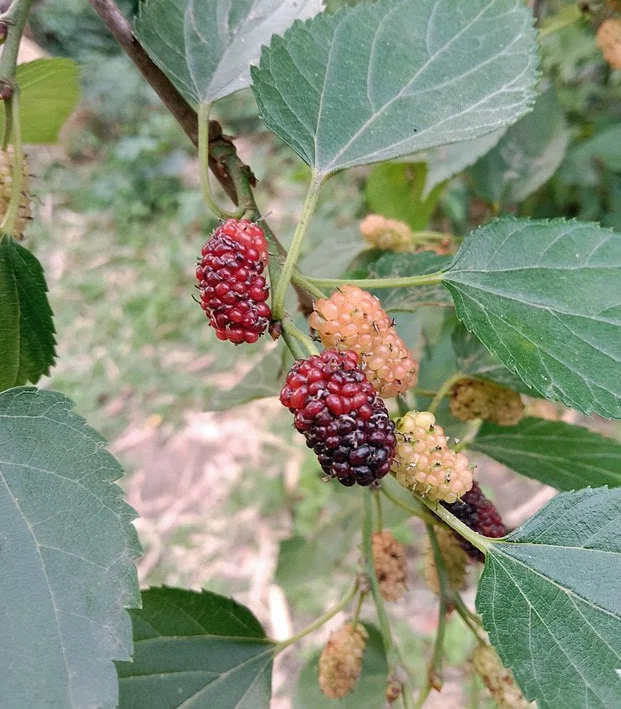
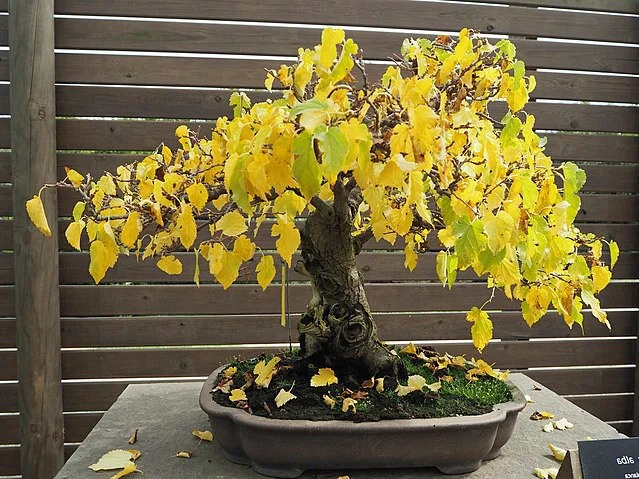
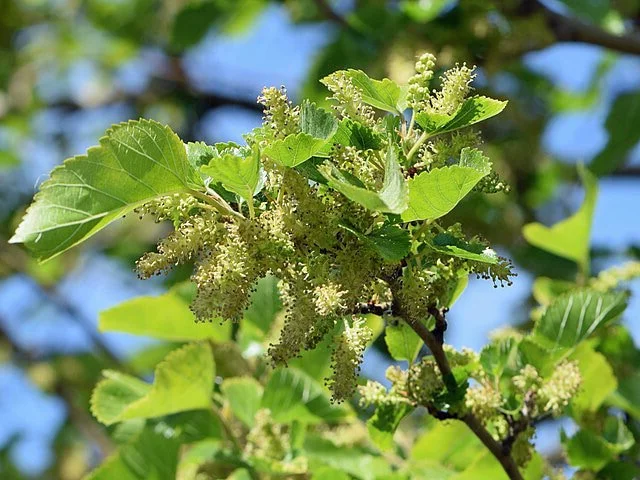
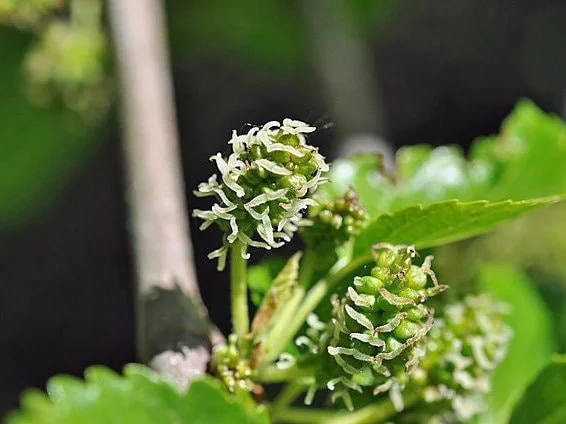
Embark on a rewarding gardening journey by cultivating your own white mulberry seeds. This pack of 40 seeds offers the opportunity to grow Morus alba, a remarkable deciduous tree celebrated for its succulent fruits and ornamental beauty. Originating from Asia, the White Mulberry is a medium-sized tree that provides dense shade with its heart-shaped, glossy green leaves, which transform into a vibrant golden-yellow display in the fall. In spring, subtle greenish-white flowers precede an impressive yield of sweet, juicy mulberries. These versatile fruits can range in color from white to red or black, depending on the specific cultivar, and are perfect for enjoying fresh, baking into pies, or preserving in jams and desserts. Growing your own Morus alba seeds allows you to experience the full lifecycle of this adaptable and fast-growing fruit tree, making it a fantastic addition to any garden.
The white mulberry tree is not just a source of delicious fruit; it’s also a robust and visually appealing plant that thrives in various environments. Its rapid growth rate and adaptable nature mean it can flourish in diverse soil types and climates, though it prefers well-draining soil and ample sunlight. Whether you’re an experienced gardener or just starting, planting these mulberry fruit seeds offers a sustainable way to enjoy fresh, homegrown produce and enhance your landscape with a beautiful, productive tree. Imagine harvesting your own sweet berries right from your backyard, knowing you’ve nurtured them from a tiny seed.
Key Benefits
The White Mulberry (Morus alba) offers a multitude of benefits for both the gardener and the environment. Growing this tree from white mulberry seeds provides a unique blend of aesthetic appeal and practical value.
- Abundant Edible Fruits: Enjoy a prolific harvest of sweet, juicy mulberries that are perfect for fresh eating, baking, jams, and desserts. The fruits are a delightful treat for both humans and local wildlife.
- Ornamental Value: With its attractive heart-shaped, glossy green leaves that turn golden-yellow in autumn, the Morus alba tree adds significant beauty to any landscape. It provides excellent shade during warmer months.
- Fast Growth Rate: This tree is known for its relatively rapid growth, allowing you to enjoy its benefits sooner. It quickly establishes itself, making it a satisfying choice for gardeners.
- Adaptable and Resilient: White Mulberry trees are highly adaptable to various soil types and climates, making them a hardy choice for many regions. They are relatively low-maintenance once established.
- Supports Wildlife: The abundant fruits provide a valuable food source for birds and other local wildlife, contributing to biodiversity in your garden.
- Versatile Use: Suitable for orchards, large landscapes, or even as a shade tree in a home garden, the deciduous fruit tree offers multiple uses beyond just fruit production.
- Sustainable Gardening: Growing from seeds is an eco-friendly way to expand your garden, offering a deep connection to the plant’s life cycle and promoting self-sufficiency.
Plant Care & Growing Tips
Successfully growing a white mulberry tree from seeds requires a few key steps, primarily stratification to mimic natural winter conditions. Once stratified, these adaptable trees are relatively straightforward to care for. For germination, place the white mulberry seeds in a moist paper towel or sand inside a sealed plastic bag and refrigerate at approximately 40°F (4°C) for 90 to 120 days. This cold stratification period is crucial for breaking dormancy and encouraging germination.
After stratification, plant the seeds about 1/4 inch deep in a well-draining potting mix, ideally in individual pots or seedling trays. Maintain consistent moisture without overwatering, and create a humid environment by covering the containers with a plastic bag or transparent lid. Place the pots in a warm area with indirect sunlight. Germination typically occurs within several weeks to a couple of months. Once seedlings develop a few sets of true leaves, they can be transplanted into larger pots or directly into the garden. Ensure the planting location offers full sunlight and well-draining soil, allowing ample space for the tree’s growth. The Morus alba tree thrives in USDA Zones 4-8, demonstrating its resilience to a range of temperatures.
For ongoing care, provide consistent watering, especially during dry spells, but avoid waterlogging. While adaptable, mulberries prefer full sun exposure for optimal fruit production. Fertilize annually in spring with a balanced, all-purpose fertilizer. Pruning can be done in late winter or early spring to shape the tree, remove dead branches, and encourage better fruit yield. Keep an eye out for common pests like aphids or scale, which can usually be managed with organic pest control methods or horticultural oil. By following these guidelines, your deciduous fruit tree will flourish, providing years of delicious harvests.
Size & Details
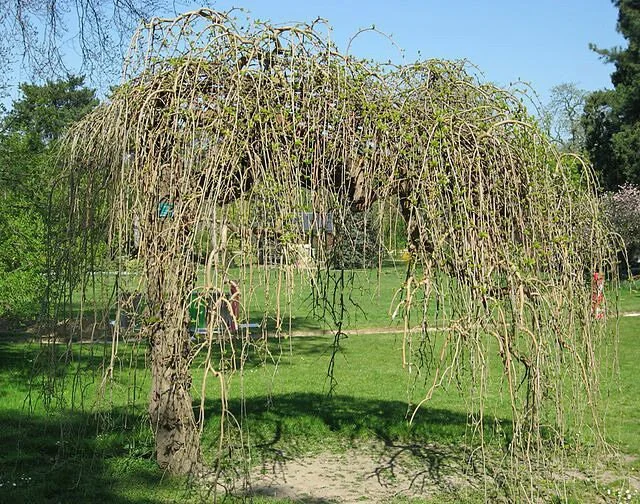
This product includes 40 white mulberry seeds (Morus alba) for planting. The White Mulberry is a medium-sized deciduous tree that, at maturity, typically reaches heights of 20-50 feet (6-15 meters) with a similar spread, creating a broad, rounded canopy. Its growth rate is considered rapid, allowing for quicker establishment in the landscape. The seeds are suitable for starting indoors or directly sowing outdoors after proper stratification.
When fully grown, the Morus alba tree produces sweet, edible fruits that vary in color from white to red or black, usually ripening in late spring to early summer. The tree is known for its hardiness and adaptability, thriving in a wide range of climates within USDA Zones 4-8. Each seed has the potential to grow into a productive fruit-bearing tree, offering a long-term investment for your garden or orchard. Expect the first significant fruit production to begin typically within 3-5 years after planting, depending on growing conditions.
Frequently Asked Questions
- Q: How big does a white mulberry tree get? A: A white mulberry tree can typically grow to a height of 20-50 feet (6-15 meters) with a similar spread, forming a dense, rounded canopy at maturity. Its size can be managed with proper pruning.
- Q: Is this an indoor or outdoor plant? A: The Morus alba tree is an outdoor plant, best suited for planting in gardens, orchards, or larger landscapes where it has ample space to grow. It is not typically grown as an indoor houseplant.
- Q: How much sunlight do white mulberry seeds need to grow? A: For optimal growth and fruit production, the resulting white mulberry tree will need full sun exposure, meaning at least 6-8 hours of direct sunlight per day.
- Q: Is this plant easy to care for? A: Once established, the white mulberry tree is considered relatively easy to care for due to its adaptable nature and resilience. The main challenge for beginners is the initial stratification process for the mulberry fruit seeds.
- Q: What condition will the seeds arrive in? A: The product contains 40 white mulberry seeds in their raw, dormant state, ready for stratification and planting. They are carefully packaged to ensure their viability upon arrival.
- Q: How long until a white mulberry tree produces fruit? A: A white mulberry tree grown from seed typically begins to produce fruit within 3 to 5 years after planting, with fruit production increasing as the tree matures.
- Q: Will it survive winter in my zone? A: The Morus alba tree is hardy and can survive winters in USDA Zones 4-8, making it suitable for a wide range of temperate climates across the US.
- Q: What is the best time to plant white mulberry seeds? A: After stratification, you can plant white mulberry seeds in early spring, once the danger of hard frost has passed, to give them the full growing season to establish.
- Q: Can I use the fruits for anything other than eating fresh? A: Absolutely! The sweet mulberries are excellent for making jams, jellies, pies, tarts, and other desserts. They can also be dried or frozen for later use.
- Q: What kind of soil does a white mulberry tree prefer? A: While adaptable, the deciduous fruit tree prefers well-draining soil. It can tolerate a range of soil types, including sandy, loamy, and clay soils, as long as they are not waterlogged.
Be the first to review “White Mulberry Seeds – Morus alba Fruit Tree Seeds – 40 Seed Pack for Planting”
You must be logged in to post a review.
People also Viewed
Sold 50 products
Original price was: $109.95.$79.98Current price is: $79.98.
Sold 50 products
Original price was: $25.00.$17.50Current price is: $17.50.
Flower Seeds
Olympic Onion Seeds – Allium crenulatum Flower Seeds – 10 Seed Pack – Outdoor Native Plant
Sold 50 products
Original price was: $25.00.$17.50Current price is: $17.50.
Sold 50 products
Original price was: $25.00.$17.50Current price is: $17.50.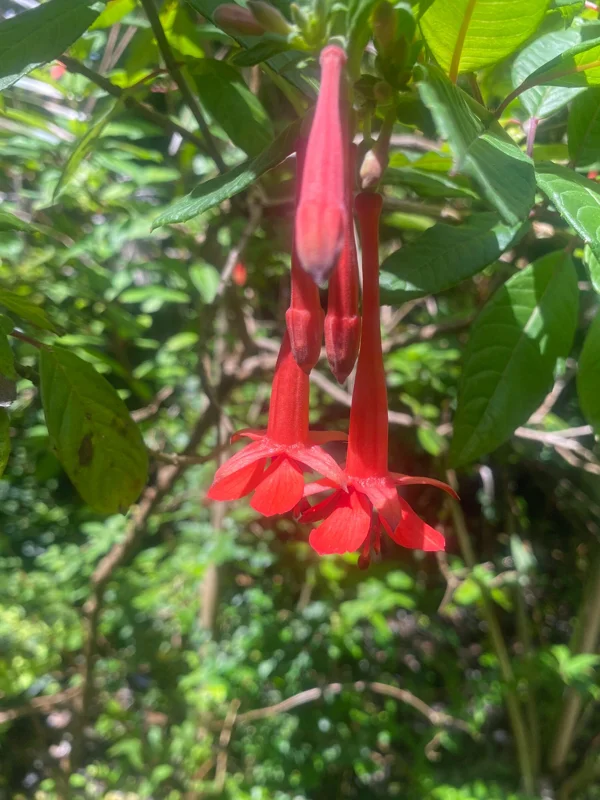
Flower Seeds
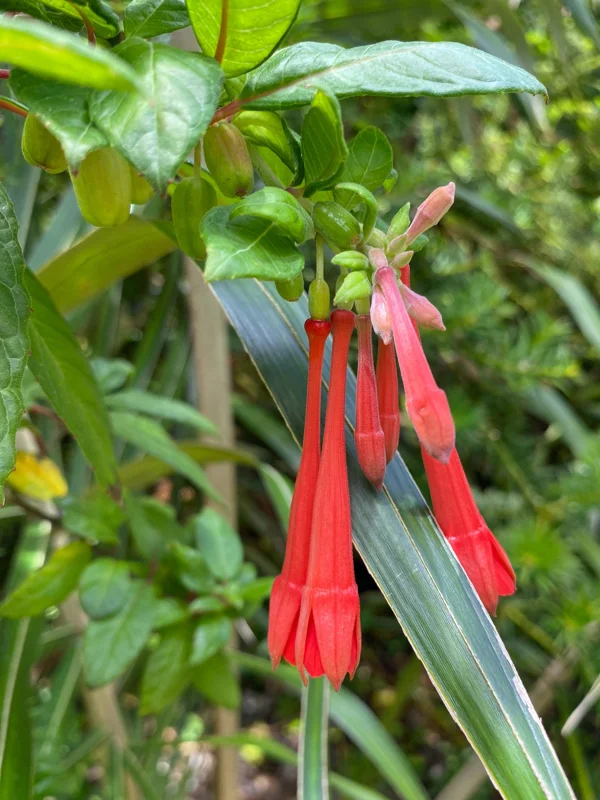
Fuchsia vulcanica Seeds – 20 Pack – Vibrant Orange Coral Flowers for Garden & Containers
Sold 50 products
Original price was: $25.00.$17.50Current price is: $17.50.
Sold 50 products
Original price was: $116.98.$95.68Current price is: $95.68.
Sold 50 products
Original price was: $21.00.$14.10Current price is: $14.10.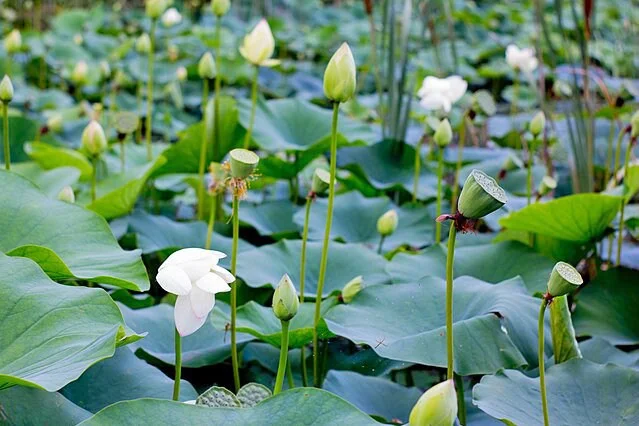
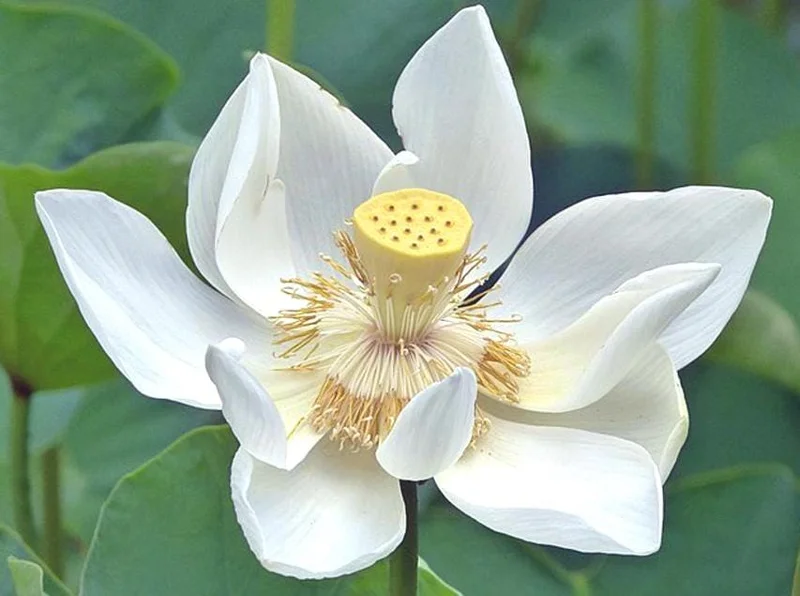
Aquatic Plant Seeds
White Lotus Seeds – Nelumbo Nucifera Aquatic Pond Plant – 5 Seeds for Water Garden
Sold 50 products
Original price was: $29.00.$20.90Current price is: $20.90.RELATED posts
Awapuhi Wild Ginger Plant: Zones, Care, and Propagation
Learn which USDA zones suit awapuhi wild ginger, plus sunlight, water, planting, propagation, pests, size, [...]
Awapuhi Shampoo Ginger – Care, Growing Zones, and Differences
Learn how to grow awapuhi (shampoo) ginger, its USDA zones, watering schedule, propagation tips, and [...]
Awapuhi Shampoo Plant Buying Guide – Choose the Right Zingiber zerumbet
META: Learn which awapuhi (shampoo ginger) plant or rhizome pack gives the best natural shampoo, [...]
Awapuhi Plant for Sale: Complete Buying Guide
Find the right awapuhi (shampoo ginger) plant, size, price, soil mix, and online source. Practical [...]
Shampoo Ginger Plant for Sale – Buying Guide & Tips
Find the right shampoo ginger plant, size, price, and care tips. Quick guide for U.S. [...]
Shampoo Ginger Plant (Awapuhi) Care Guide
Learn how to grow, care for, and use shampoo ginger (Zingiber zerumbet), the tropical awapuhi [...]
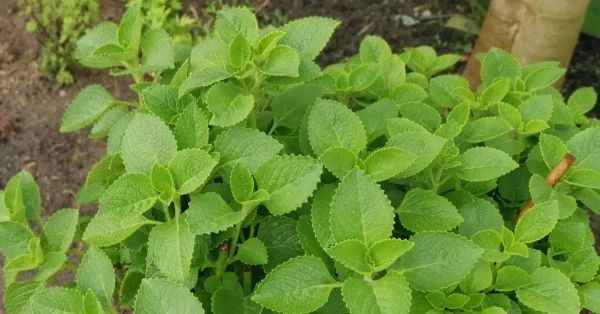
How to Grow Cuban Oregano Plants: A Complete Care Guide
If you’ve ever wanted a plant that combines the culinary punch of traditional oregano with [...]
Aug
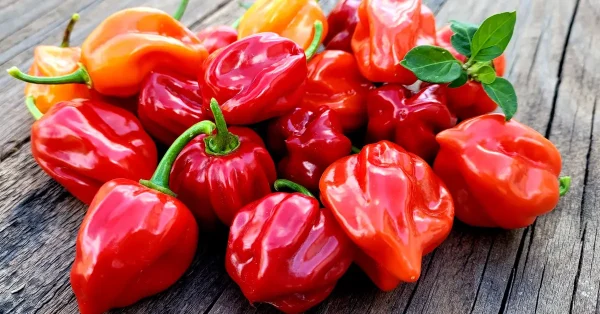
How to Grow Habanero Pepper Plants: A Step-by-Step Guide
Habanero pepper plants are prized for their vibrant colors, intense heat, and exceptional flavor, making [...]
Aug
Reviews
There are no reviews yet.