
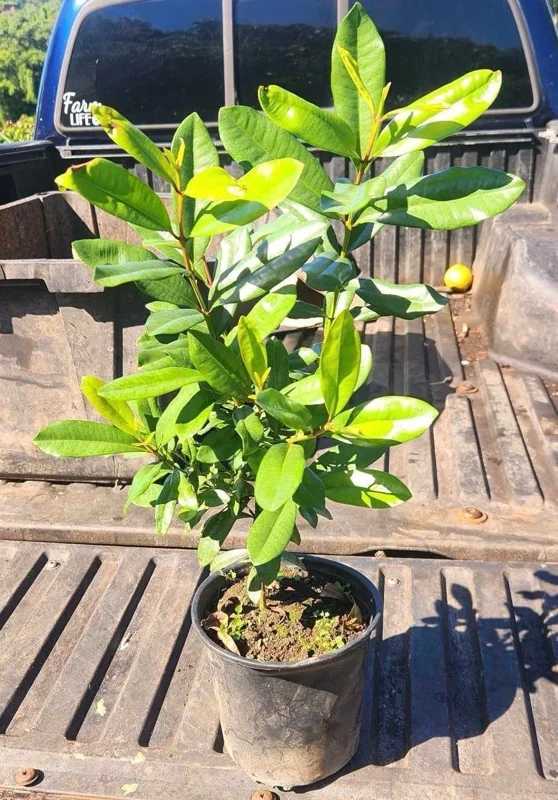
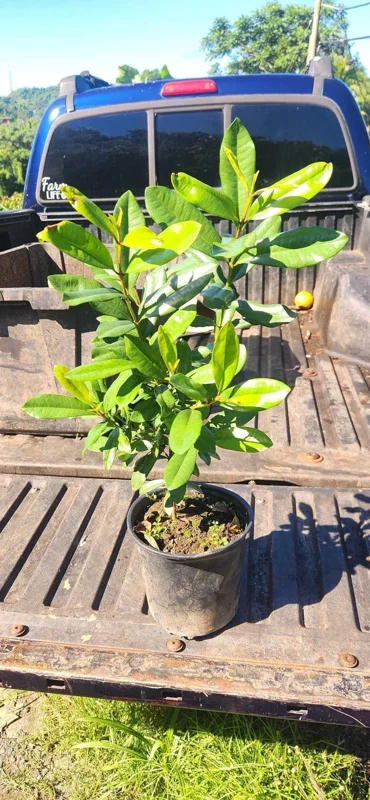
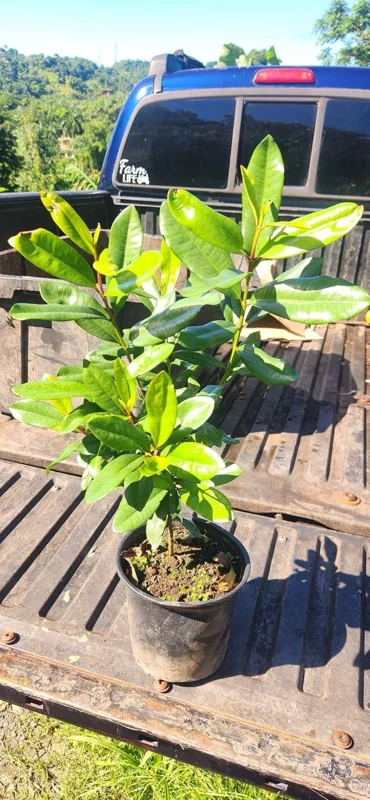
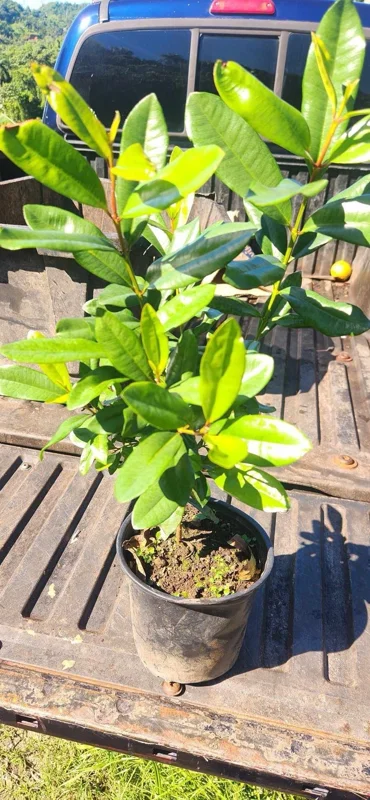
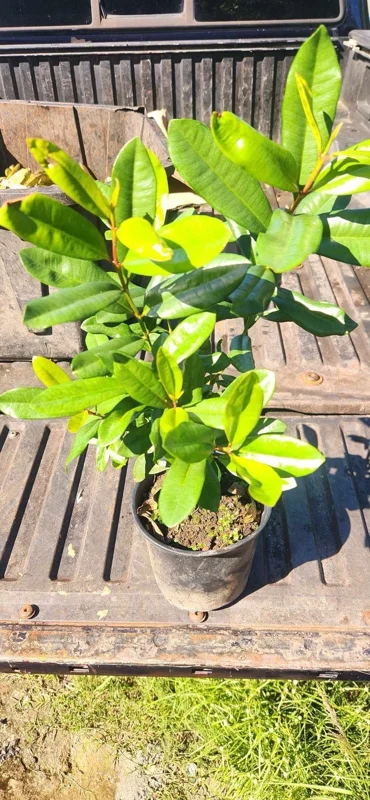
West Indian Bay Tree Live Plant (Pimenta racemosa) – 2-3 ft Tall Tropical Herb
$142.50
Cultivate the aromatic West Indian Bay Tree live plant (Pimenta racemosa) in your garden or a container. This tropical herb, also known as Malagueta, offers fragrant leaves perfect for Caribbean cooking, herbal teas, and bay rum. Enjoy its fresh, spicy aroma and easy-care nature.
Shipping and Return policies:
We stand behind our plants with our Alive & Thrive Guarantee. If you experience any issues within the first 30 days, please email us, and our team will be happy to help. When needed, we’ll send you a one-time replacement free of charge to make sure your garden keeps growing strong.

Reasonable Price
We offer reasonable price

Support 24/7
Contact us 24 hrs a day
100% Money Back
You’ve 30 days to Return
Payment Secure
100% secure payment
Overview
Introduce the captivating aroma of the Caribbean to your home or garden with the West Indian Bay Tree live plant (Pimenta racemosa). Also commonly known as Malagueta or Bay Rum Tree, this tropical evergreen is celebrated for its highly fragrant leaves, which are a staple in Caribbean cuisine, herbal remedies, and the creation of traditional bay rum. Our healthy, vibrant Pimenta racemosa plant specimens typically measure between 2-3 feet tall, arriving with a robust root system ready for planting. Whether you’re an experienced gardener or a budding enthusiast, this versatile plant offers both aesthetic appeal and practical benefits, bringing a touch of exotic charm to any space. It thrives in warm climates, making it an excellent choice for outdoor cultivation in suitable zones or as a cherished container plant indoors.
The West Indian Bay Tree live plant is more than just a decorative addition; it’s a living spice rack and an aromatic delight. Its glossy green leaves release a fresh, spicy, and rich scent that can invigorate your senses. Beyond its fragrant qualities, this tree is relatively easy to care for, adapting well to various growing conditions once established. Enhance your culinary adventures or simply enjoy the intoxicating fragrance this unique tropical plant provides, creating an inviting and exotic atmosphere right at your doorstep.
Key Benefits
The West Indian Bay Tree live plant offers a multitude of benefits, making it a highly desirable addition to any garden or indoor plant collection. From its aromatic leaves to its resilient nature, here are some of the key advantages:
- Culinary Versatility: The fragrant leaves of the Pimenta racemosa plant are a cornerstone in Caribbean cooking, used to impart a unique, spicy flavor to stews, soups, and marinades. They can also be brewed into refreshing and healthful herbal teas.
- Aromatic Appeal: Known for its fresh, spicy, and rich aroma, the leaves are traditionally used in the production of bay rum, a popular fragrance and aftershave. Having this plant at home allows you to enjoy its natural perfume.
- Tropical Ambiance: With its lush green foliage, the West Indian Bay Tree live plant instantly creates a tropical paradise feel, whether planted in the ground or in a decorative container on a patio or indoors.
- Drought Tolerance: Once established, this tree exhibits good drought resistance, making it a relatively low-maintenance option for gardeners in warmer climates.
- Adaptable Growth: It grows well both in containers and directly in the ground, offering flexibility for different garden sizes and styles, or for those who need to bring plants indoors during colder months.
- Medicinal & Herbal Uses: Beyond culinary applications, the leaves have been historically used in traditional medicine for their purported soothing and antiseptic properties.
- Evergreen Beauty: As an evergreen, the tree maintains its attractive foliage year-round, providing continuous greenery and fragrance in your landscape.
Plant Care & Growing Tips
Caring for your West Indian Bay Tree live plant is straightforward, especially if you provide it with the right conditions. This tropical species thrives in warm environments, making proper sunlight, watering, and soil crucial for its health and vigorous growth. Ensure your tree receives full sun to partial shade, ideally at least 6 hours of direct sunlight per day when outdoors. If grown indoors, place it near a bright, south-facing window or use supplemental grow lights to mimic its natural habitat. Adequate light is essential for the development of its fragrant leaves and overall vitality.
When it comes to watering, the Malagueta tree care involves moderate but consistent moisture. Allow the top inch or two of soil to dry out between waterings to prevent root rot, especially for container-grown plants. Good drainage is paramount; use a well-draining potting mix for containers and ensure garden soil doesn’t become waterlogged. A sandy loam soil enriched with organic matter is ideal. The tree prefers slightly acidic to neutral soil pH. For fertilization, a balanced slow-release fertilizer applied during the growing season (spring and summer) will support healthy foliage and robust growth. Reduce feeding during cooler months. Protect the plant from temperatures below 40°F (4°C); bring container plants indoors or provide frost protection for outdoor specimens in marginal zones. Regular pruning can help maintain its shape and encourage bushier growth. Watch out for common pests like spider mites or mealybugs, especially in dry indoor environments, and treat promptly with horticultural oil or insecticidal soap.
Size & Details
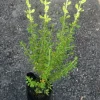
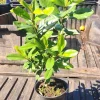
Our West Indian Bay Tree live plant typically arrives as a well-rooted specimen, standing approximately 2 to 3 feet tall from the base of the root ball to the top of the foliage. These are young, actively growing trees, similar to those pictured, ensuring a strong start in your garden or container. The growth rate is moderate, and with proper care, these trees can reach heights of 15 to 30 feet in ideal outdoor conditions, though they can be maintained at a smaller size through pruning, especially when grown in containers. Each plant is carefully selected for its health and vigor, featuring a robust root system that supports successful transplanting. The plant ships in a nursery pot, ready to be repotted into a larger container or directly into your garden. Expect new growth and increased fragrance as your fragrant herb plant acclimates to its new environment and begins to establish itself.
Frequently Asked Questions
- Q: How big does this West Indian Bay Tree get? A: In its natural outdoor environment, a West Indian Bay Tree live plant can grow up to 15-30 feet tall. However, when grown in a container, its size can be managed through pruning, typically staying within a more compact 6-10 feet.
- Q: Is this an indoor or outdoor plant? A: This plant thrives outdoors in warm, tropical climates (USDA zones 9-11). In cooler regions, it can be grown outdoors during warm months and brought indoors as a potted plant before temperatures drop, making it a versatile tropical bay tree.
- Q: How much sunlight does the Pimenta racemosa plant need? A: The Pimenta racemosa plant prefers full sun to partial shade, ideally receiving at least 6 hours of direct sunlight daily. If growing indoors, place it in the brightest spot available, such as a south-facing window.
- Q: Is this plant easy to care for? A: Yes, once established, the West Indian Bay Tree live plant is considered relatively easy to care for. It’s quite hardy and drought-resistant, requiring moderate watering and well-draining soil.
- Q: What condition will the plant arrive in? A: Your plant will arrive healthy, live, and well-rooted in a nursery pot, carefully packaged to ensure its safe transit. It will be ready for immediate planting or repotting.
- Q: Can I use the leaves for cooking? A: Absolutely! The fragrant leaves are a popular ingredient in Caribbean cooking, used to flavor stews, soups, and sauces. They can also be used to make herbal teas.
- Q: When is the best time to plant a Malagueta tree? A: The best time to plant a Malagueta tree care outdoors is in spring or early summer, allowing it ample time to establish before cooler weather. Potted plants can be transplanted any time indoors.
- Q: What type of soil is best for this plant? A: A well-draining soil mix is crucial. For container plants, a good quality potting mix with added perlite or sand works well. For garden planting, ensure your soil is loamy and amended with organic matter to improve drainage.
- Q: Will it survive winter in my zone? A: This tropical plant is sensitive to cold. It will only survive winters outdoors in USDA hardiness zones 9-11. In colder zones, it must be protected from frost or brought indoors.
- Q: Does this plant produce fruit? A: The West Indian Bay Tree live plant can produce small, dark, berry-like fruits, but they are not typically consumed and are less significant than the fragrant leaves.
Be the first to review “West Indian Bay Tree Live Plant (Pimenta racemosa) – 2-3 ft Tall Tropical Herb”
You must be logged in to post a review.
People also Viewed
Sold 50 products
Original price was: $37.48.$23.98Current price is: $23.98.
Sold 50 products
$32.38
Sold 50 products
$27.38
Sold 50 products
$32.38
Sold 50 products
$19.88
Sold 50 products
$62.38
Sold 50 products
$24.88
Houseplants
Phalaenopsis pulcherrima ‘Mauna Kea Snow’ Orchid Live Plant – White Flowers, Potted 2.5 in
Sold 50 products
$49.88RELATED posts
Awapuhi Wild Ginger Plant: Zones, Care, and Propagation
Learn which USDA zones suit awapuhi wild ginger, plus sunlight, water, planting, propagation, pests, size, [...]
Awapuhi Shampoo Ginger – Care, Growing Zones, and Differences
Learn how to grow awapuhi (shampoo) ginger, its USDA zones, watering schedule, propagation tips, and [...]
Awapuhi Shampoo Plant Buying Guide – Choose the Right Zingiber zerumbet
META: Learn which awapuhi (shampoo ginger) plant or rhizome pack gives the best natural shampoo, [...]
Awapuhi Plant for Sale: Complete Buying Guide
Find the right awapuhi (shampoo ginger) plant, size, price, soil mix, and online source. Practical [...]
Shampoo Ginger Plant for Sale – Buying Guide & Tips
Find the right shampoo ginger plant, size, price, and care tips. Quick guide for U.S. [...]
Shampoo Ginger Plant (Awapuhi) Care Guide
Learn how to grow, care for, and use shampoo ginger (Zingiber zerumbet), the tropical awapuhi [...]
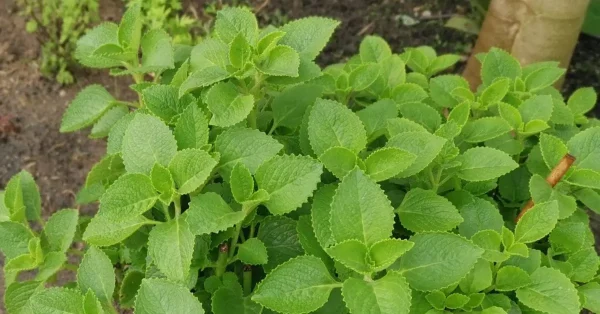
How to Grow Cuban Oregano Plants: A Complete Care Guide
If you’ve ever wanted a plant that combines the culinary punch of traditional oregano with [...]
Aug
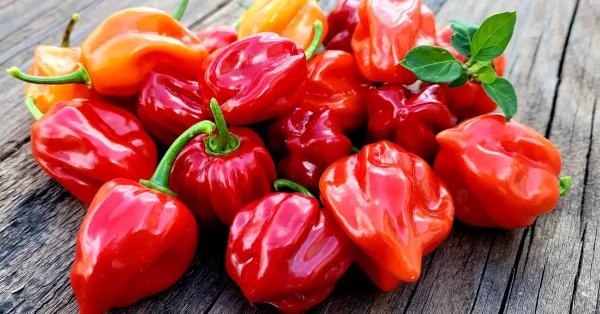
How to Grow Habanero Pepper Plants: A Step-by-Step Guide
Habanero pepper plants are prized for their vibrant colors, intense heat, and exceptional flavor, making [...]
Aug
Reviews
There are no reviews yet.