

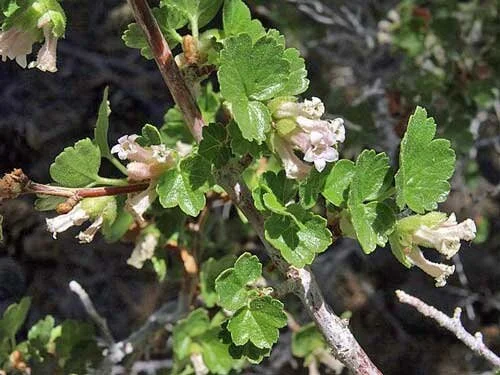
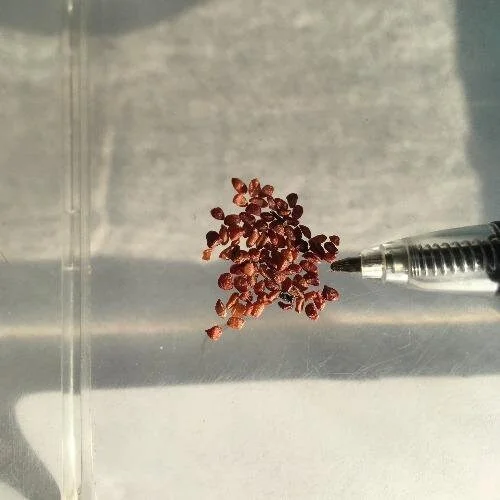
Wax Currant Seeds – Ribes cereum – 100 Seeds for Outdoor Gardens – Zones 3-10
Original price was: $21.00.$14.10Current price is: $14.10.
Cultivate the resilient and beautiful Wax Currant shrub from these high-quality Ribes cereum seeds. Each packet contains 100 seeds, perfect for enhancing your garden with delicate flowers and berries that attract wildlife. Ideal for a wide range of climates (Zones 3-10), these squaw currant seeds offer both ornamental charm and ecological value for your outdoor landscape.
Shipping and Return policies:
We stand behind our plants with our Alive & Thrive Guarantee. If you experience any issues within the first 30 days, please email us, and our team will be happy to help. When needed, we’ll send you a one-time replacement free of charge to make sure your garden keeps growing strong.

Reasonable Price
We offer reasonable price

Support 24/7
Contact us 24 hrs a day
100% Money Back
You’ve 30 days to Return
Payment Secure
100% secure payment
Overview
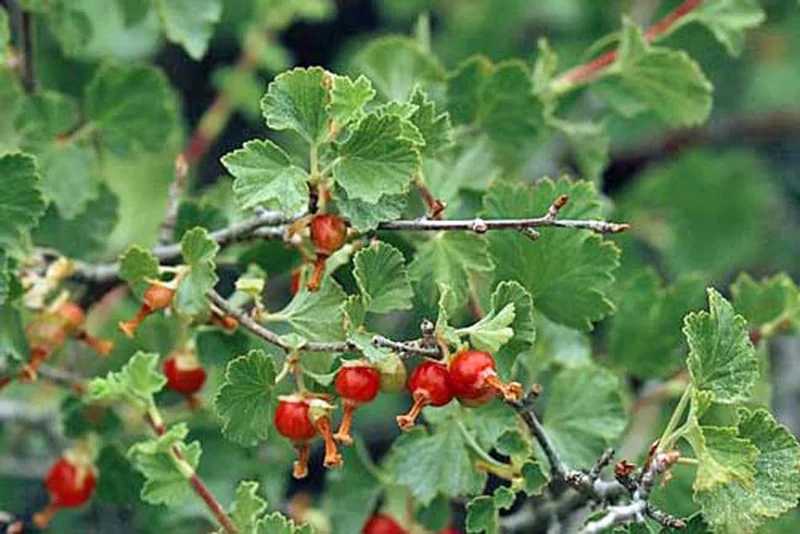
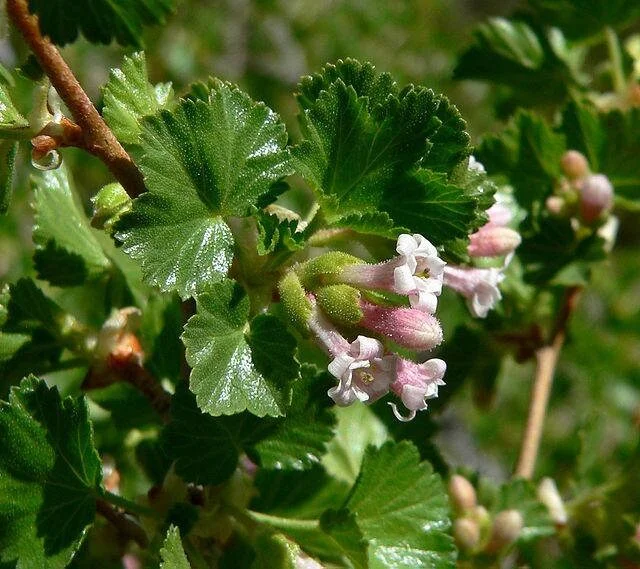
Embark on a rewarding gardening journey by planting Wax Currant seeds, scientifically known as Ribes cereum seeds. This offering provides 100 premium seeds of the resilient and deciduous Wax Currant, also commonly called squaw currant. Native to North America, particularly the western regions, this versatile shrub is celebrated for its delicate, pendulous clusters of small, tubular flowers that bloom in late spring, creating a charming display in shades of pink, white, or pale green. Following the blossoms, the plant produces small, round, waxy berries that transition from red to black, serving as a vital food source for wildlife and offering culinary potential for jams, jellies, and beverages. Growing your own Ribes cereum seeds allows you to cultivate a plant that is not only visually appealing but also ecologically valuable, making it a cherished addition to diverse garden settings across the western United States and Canada.
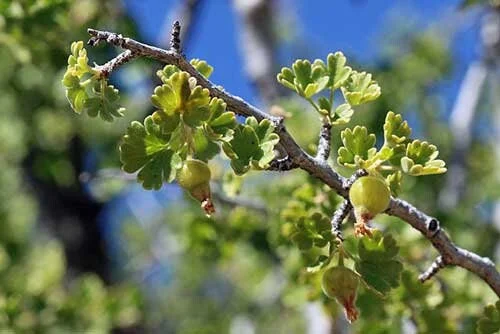
These Wax Currant seeds are an excellent choice for gardeners looking to establish a native, low-maintenance shrub that thrives in a variety of environments. Whether you’re aiming to create a wildlife-friendly habitat, add ornamental interest, or simply enjoy the historical and culinary uses of its berries, these seeds provide the perfect starting point. The shrub’s deeply lobed green leaves and arching branches further contribute to its aesthetic appeal, ensuring a beautiful and functional addition to your outdoor space.
Key Benefits
The Wax Currant shrub, grown from these exceptional seeds, offers a multitude of benefits for any garden or natural landscape. Its adaptability and ecological value make it a standout choice for various planting projects.
- Attracts Wildlife: The berries produced by the Wax Currant are a natural food source for birds and other small wildlife, helping to create a vibrant and biodiverse ecosystem in your garden.
- Ornamental Appeal: With its delicate flowers and attractive berries, the Ribes cereum plant provides year-round visual interest. The shrub’s arching branches and lobed green leaves add texture and beauty to any landscape design.
- Drought Tolerance: Once established, the Wax Currant is known for its resilience and ability to thrive in a range of soil types and conditions, including periods of drought, making it a low-maintenance option.
- Culinary Uses: The waxy berries, while tart, can be used to make delicious jams, jellies, and beverages, continuing a tradition of indigenous uses and offering a unique ingredient for the adventurous cook.
- Soil Adaptability: This shrub is well-adapted to various soil types, from woodlands to foothills and stream banks, demonstrating its versatility and ease of establishment in different garden environments.
- Erosion Control: Its robust root system can help stabilize soil on slopes and banks, contributing to erosion control in naturalized areas.
- Native Plant Value: Incorporating Wax Currant seeds into your garden supports native plant populations, promoting local biodiversity and resilience.
Plant Care & Growing Tips
Germinating and growing Wax Currant from seeds is a straightforward process, making it accessible for both novice and experienced gardeners. These Ribes cereum seeds generally do not require special pretreatment, simplifying the initial steps. Begin by planting the seeds in a well-draining soil mix, ideally composed of peat moss and sand to ensure adequate aeration and moisture retention. Sow the seeds at a shallow depth, approximately 1/4 inch, and then water the soil thoroughly to settle the seeds and initiate germination. Place the container in a sunny location that receives indirect sunlight, as direct harsh sun can be too intense for emerging seedlings. Expect germination to occur within a few weeks to a couple of months, depending on environmental conditions.
Once your Wax Currant seedlings are robust enough to handle, they can be carefully transplanted into your garden or chosen permanent location. This versatile shrub thrives in USDA Zones 3-10, indicating its broad adaptability to various climates. It prefers full sun to partial shade, with at least 4-6 hours of direct sunlight for optimal growth and berry production. While adaptable to various soil types, well-draining soil is crucial to prevent root rot. Water regularly during the first growing season to help establish a strong root system, then reduce frequency as the plant matures, as it becomes more drought-tolerant. Fertilization is generally not heavily required, but a balanced, slow-release fertilizer can be applied in early spring to support vigorous growth. Keep an eye out for common garden pests, though squaw currant seeds typically result in hardy plants with good resistance.
Size & Details
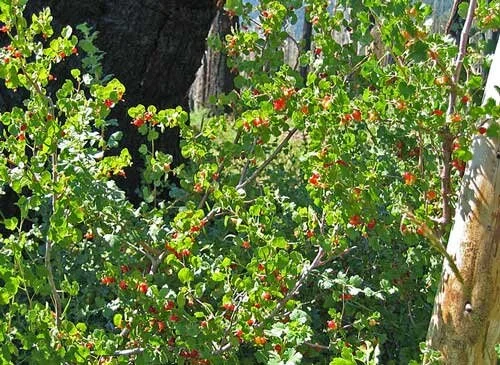
These Wax Currant seeds will grow into a resilient and attractive deciduous shrub. Typically, the Ribes cereum plant reaches a mature height of 3 to 6 feet with a similar spread, creating a rounded, arching form that adds structure and beauty to the landscape. Growth rate is moderate, allowing the plant to establish itself well within a few seasons. The seeds are provided in a quantity of 100, offering ample opportunity to cultivate multiple plants or for successive plantings. Once established, the shrub will produce its delicate flowers in late spring, followed by berries that ripen from mid-summer into fall. The plants grown from these Wax Currant seeds are shipped as dormant seeds, ready for you to begin the germination process at your preferred time, allowing for flexible planting schedules and the joy of watching your plants grow from the very beginning.
Frequently Asked Questions
- Q: How big does this plant get? A: The Wax Currant shrub typically grows to a mature height of 3 to 6 feet with a similar spread, forming a beautiful, rounded shape in your garden.
- Q: Is this an indoor or outdoor plant? A: Ribes cereum seeds are intended for growing outdoor shrubs. The resulting plants are hardy and well-suited for garden beds, borders, and naturalized areas.
- Q: How much sunlight does it need? A: This shrub thrives in full sun to partial shade, meaning it prefers at least 4-6 hours of direct sunlight per day for optimal growth and fruit production.
- Q: Is this plant easy to care for? A: Yes, the Wax Currant is considered a relatively low-maintenance plant once established, known for its resilience and adaptability to various conditions. It’s a great choice for gardeners looking for easy-to-care-for shrubs.
- Q: What condition will the seeds arrive in? A: Your purchase includes 100 high-quality, dormant Wax Currant seeds, carefully packaged to ensure they arrive in excellent condition, ready for planting.
- Q: How long until it blooms? A: After germination and establishment, you can typically expect your Ribes cereum shrubs to begin blooming in 2-3 years, with flowers appearing in late spring.
- Q: What’s the minimum temperature it can withstand? A: The Wax Currant is hardy in USDA Zones 3-10, indicating it can tolerate winter temperatures as low as -40°F (-40°C) in Zone 3.
- Q: Can I use the berries for culinary purposes? A: Yes, the waxy berries of the squaw currant are edible and traditionally used for making jams, jellies, and beverages, though they are quite tart when eaten fresh.
- Q: What kind of soil is best for these seeds? A: These Wax Currant seeds germinate best in a well-draining soil mix, often composed of peat moss and sand, to provide the ideal environment for root development.
Be the first to review “Wax Currant Seeds – Ribes cereum – 100 Seeds for Outdoor Gardens – Zones 3-10”
You must be logged in to post a review.
People also Viewed


Sold 50 products
Original price was: $109.95.$79.98Current price is: $79.98.

Sold 50 products
Original price was: $25.00.$17.50Current price is: $17.50.

Flower Seeds
Olympic Onion Seeds – Allium crenulatum Flower Seeds – 10 Seed Pack – Outdoor Native Plant
Sold 50 products
Original price was: $25.00.$17.50Current price is: $17.50.

Sold 50 products
Original price was: $25.00.$17.50Current price is: $17.50.

Flower Seeds
Fuchsia vulcanica Seeds – 20 Pack – Vibrant Orange Coral Flowers for Garden & Containers
Sold 50 products
Original price was: $25.00.$17.50Current price is: $17.50.

Sold 50 products
Original price was: $116.98.$95.68Current price is: $95.68.

Sold 50 products
Original price was: $21.00.$14.10Current price is: $14.10.

Aquatic Plant Seeds
White Lotus Seeds – Nelumbo Nucifera Aquatic Pond Plant – 5 Seeds for Water Garden
Sold 50 products
Original price was: $29.00.$20.90Current price is: $20.90.RELATED posts
Awapuhi Wild Ginger Plant: Zones, Care, and Propagation
Learn which USDA zones suit awapuhi wild ginger, plus sunlight, water, planting, propagation, pests, size, [...]
Awapuhi Shampoo Ginger – Care, Growing Zones, and Differences
Learn how to grow awapuhi (shampoo) ginger, its USDA zones, watering schedule, propagation tips, and [...]
Awapuhi Shampoo Plant Buying Guide – Choose the Right Zingiber zerumbet
META: Learn which awapuhi (shampoo ginger) plant or rhizome pack gives the best natural shampoo, [...]
Awapuhi Plant for Sale: Complete Buying Guide
Find the right awapuhi (shampoo ginger) plant, size, price, soil mix, and online source. Practical [...]
Shampoo Ginger Plant for Sale – Buying Guide & Tips
Find the right shampoo ginger plant, size, price, and care tips. Quick guide for U.S. [...]
Shampoo Ginger Plant (Awapuhi) Care Guide
Learn how to grow, care for, and use shampoo ginger (Zingiber zerumbet), the tropical awapuhi [...]

How to Grow Cuban Oregano Plants: A Complete Care Guide
If you’ve ever wanted a plant that combines the culinary punch of traditional oregano with [...]
Aug

How to Grow Habanero Pepper Plants: A Step-by-Step Guide
Habanero pepper plants are prized for their vibrant colors, intense heat, and exceptional flavor, making [...]
Aug

Reviews
There are no reviews yet.