
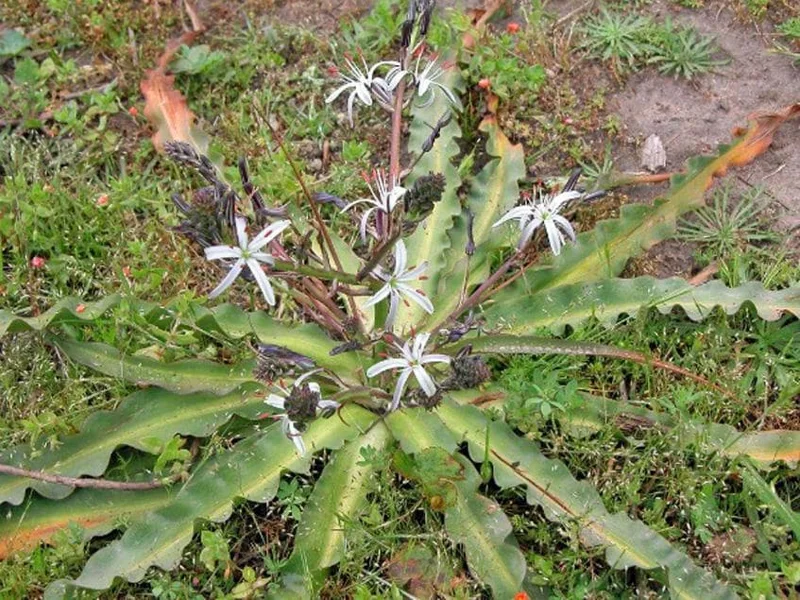
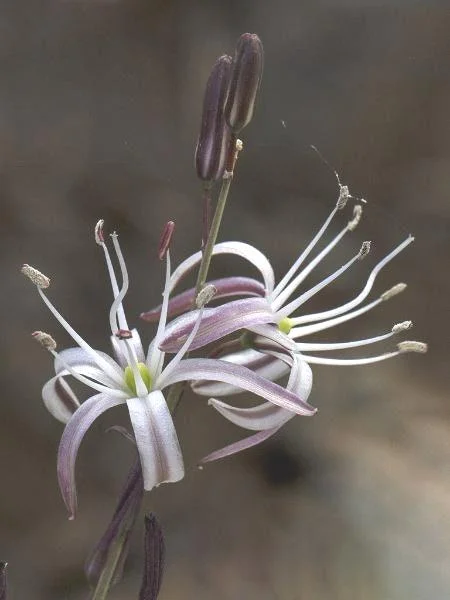
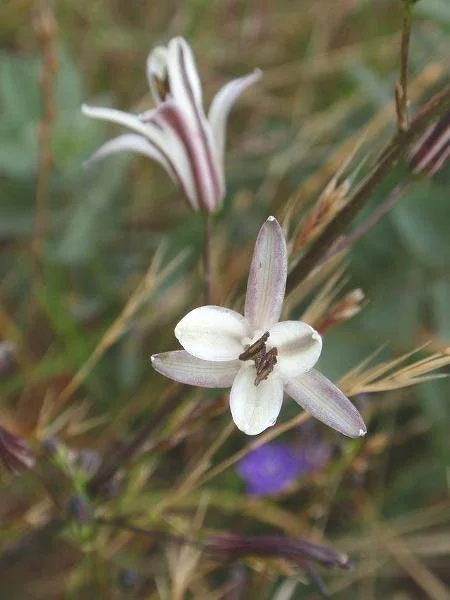
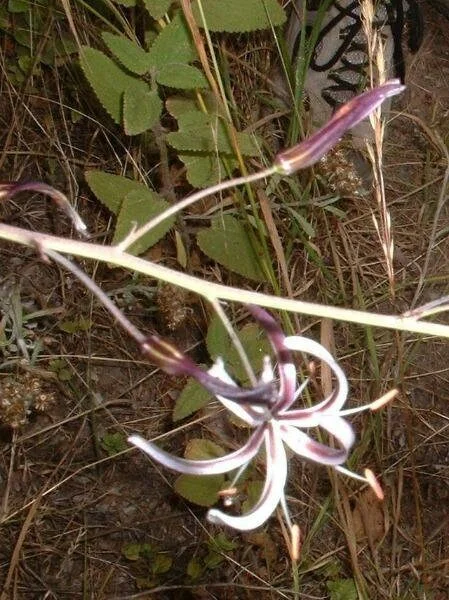
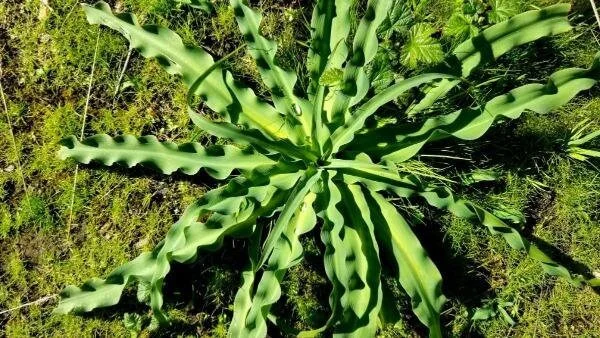
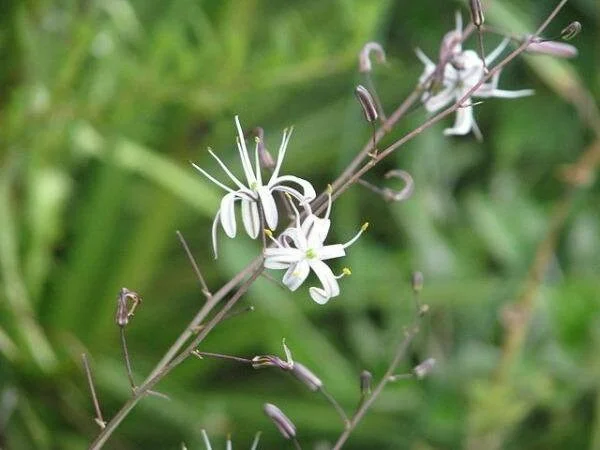
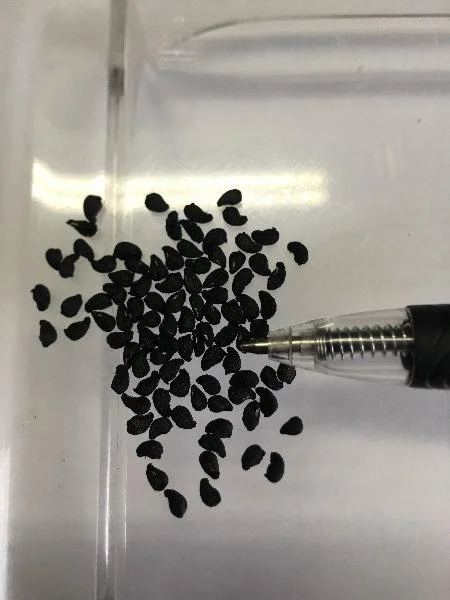
Wavyleaf Soap Plant Seeds – Chlorogalum pomeridianum – Amole Lily – 5 Seeds – Outdoor Perennial
Original price was: $25.00.$17.50Current price is: $17.50.
Discover the intriguing Wavyleaf Soap Plant seeds (Chlorogalum pomeridianum), also known as Amole Lily or California Soaproot. This native Californian perennial produces delicate white flowers and has historical significance. Ideal for outdoor gardens in USDA Zones 6-10, these Chlorogalum pomeridianum seeds offer a unique addition to your landscape.
Shipping and Return policies:
We stand behind our plants with our Alive & Thrive Guarantee. If you experience any issues within the first 30 days, please email us, and our team will be happy to help. When needed, we’ll send you a one-time replacement free of charge to make sure your garden keeps growing strong.

Reasonable Price
We offer reasonable price

Support 24/7
Contact us 24 hrs a day
100% Money Back
You’ve 30 days to Return
Payment Secure
100% secure payment
Overview
Cultivate a piece of Californian natural history in your garden with Wavyleaf Soap Plant seeds. Chlorogalum pomeridianum, commonly known as the Wavyleaf Soap Plant, California Soaproot, or Amole Lily, is a fascinating perennial native to the sun-drenched landscapes of California and Oregon. These unique plants are celebrated for their distinctive wavy leaves and charming white flowers that often open in the late afternoon. Growing from seeds allows you to experience the full life cycle of this resilient and historically significant plant. The Wavyleaf Soap Plant seeds are perfect for enthusiasts looking to add a touch of native flora to their outdoor spaces, attracting pollinators and offering a conversation starter with its intriguing past.
Originating from the western Sierra Nevada foothills, Klamath Mountains, and various open woodlands, rock bluffs, chaparral, and grasslands, the Chlorogalum pomeridianum is well-adapted to diverse conditions. Its robust nature makes it a rewarding plant to grow from seed, promising a beautiful display once established. The common name, “soap plant,” stems from the historical use of its bulb’s juice as a natural soap, while its fibers were traditionally crafted into small brushes. This makes growing Chlorogalum pomeridianum seeds not just a horticultural endeavor but also a connection to ethnobotanical heritage.
Key Benefits
Growing the Wavyleaf Soap Plant from seeds offers numerous benefits, enriching your garden with its unique characteristics and ecological value:
- Historical and Cultural Significance: The plant’s historical use as a natural soap and brush material adds an intriguing layer to its presence in your garden, offering a connection to traditional practices.
- Unique Ornamental Appeal: With its distinctive wavy leaves and delicate white flowers that often bloom in the afternoon, the Wavyleaf Soap Plant provides a unique visual interest that stands out in native plant gardens or naturalized landscapes.
- Drought Tolerance: Once established, Chlorogalum pomeridianum is remarkably drought-tolerant, making it an excellent choice for xeriscaping or gardens in arid regions with average water needs.
- Pollinator Attraction: The flowers attract various native pollinators, contributing to local biodiversity and supporting the ecosystem in your garden.
- Low Maintenance: This perennial requires minimal care once established, thriving with full sun exposure and average water, making it suitable for gardeners seeking resilient and easy-to-manage plants.
- Adaptability: Native to a range of habitats, it adapts well to different soil types and conditions, thriving in USDA Zones 6-10. This adaptability makes growing Amole Lily seeds a versatile option for many gardeners.
- Educational Value: Perfect for educational gardens, demonstrating native plant ecology, ethnobotany, and sustainable gardening practices. Learning how to grow soap plant can be a rewarding experience.
Plant Care & Growing Tips
Successfully growing Wavyleaf Soap Plant seeds requires attention to specific conditions to mimic their natural habitat. For optimal germination and growth, sow the seeds on top of the soil surface. Do not cover them with soil, as they require light for germination. Keep the soil consistently moist in a bright spot, but avoid covering with plastic, which can trap excessive humidity. Maintain temperatures around 65-75°F (18-24°C) for successful germination, which typically occurs within 7-30 days. Once seedlings emerge, ensure they receive ample light to prevent legginess.
For mature plants, the Wavyleaf Soap Plant thrives in full sun exposure. It prefers well-draining soil, typical of its native open woodlands and rocky bluffs. While it can tolerate various soil types, good drainage is crucial to prevent bulb rot. Water needs are average; once established, these plants are quite drought-tolerant, requiring less frequent watering. They are hardy in USDA Zones 6-10, capable of withstanding a range of temperatures. Fertilization is generally not necessary in rich garden soil, but a light application of a balanced slow-release fertilizer can be beneficial in poorer soils during the growing season. Watch for common garden pests, though Chlorogalum pomeridianum is generally robust. Proper spacing, allowing 2 feet wide per plant, ensures good air circulation and healthy growth. Understanding how to grow soap plant effectively means providing conditions that mirror its natural, resilient environment.
Size & Details
These Chlorogalum pomeridianum seeds will grow into robust perennial plants, reaching an impressive height of up to 3 feet (90 cm) and spreading about 2 feet (60 cm) wide. The plant develops a bulbous root system, which is characteristic of its common name, the soap plant. Each packet contains 5 seeds, providing a good start for establishing these unique plants in your garden. The Wavyleaf Soap Plant typically flowers in late spring to early summer, with delicate white blooms that add an ethereal quality to the landscape. Expect a moderate growth rate, with plants establishing well within their first year and developing into their full size over a few seasons. These seeds are ideal for direct sowing outdoors in spring or early summer, allowing them to establish before the cooler months. The mature plants offer a long-lasting presence in your garden, returning year after year.
Frequently Asked Questions
- Q: How big does the Wavyleaf Soap Plant get? A: The Wavyleaf Soap Plant typically grows to about 3 feet tall and spreads approximately 2 feet wide, forming a substantial clump once mature.
- Q: Is this an indoor or outdoor plant? A: Chlorogalum pomeridianum is primarily an outdoor perennial plant, best suited for garden beds, rockeries, or native plant landscapes in USDA Zones 6-10.
- Q: How much sunlight does it need? A: This plant thrives in full sun exposure, meaning it prefers at least 6 hours of direct sunlight per day for optimal growth and flowering.
- Q: Is this plant easy to care for? A: Once established, the Wavyleaf Soap Plant is considered low maintenance. It requires average water and well-draining soil, making it suitable for gardeners of varying experience levels.
- Q: What condition will the seeds arrive in? A: You will receive 5 seeds packaged for safe transit, ready for planting upon arrival.
- Q: When is the best time to plant Wavyleaf Soap Plant seeds? A: The ideal time to sow Amole Lily seeds is in spring to early summer, after the last frost, when soil temperatures are consistently warm.
- Q: Will it survive winter in my zone? A: The Wavyleaf Soap Plant is hardy in USDA Zones 6-10, meaning it can tolerate winter temperatures in these regions and will return each spring.
- Q: What kind of soil does Chlorogalum pomeridianum prefer? A: It prefers well-draining soil, including sandy, loamy, or rocky types. Good drainage is essential to prevent root and bulb rot.
- Q: How long does it take for the seeds to germinate? A: Germination for Chlorogalum pomeridianum seeds typically takes between 7 to 30 days under ideal conditions (65-75°F and consistent moisture).
- Q: Can the bulb be used as soap? A: Historically, the juice extracted from the bulb of the California soaproot seeds plant was used as a natural soap. However, it’s not recommended for modern use without proper knowledge and preparation.
Be the first to review “Wavyleaf Soap Plant Seeds – Chlorogalum pomeridianum – Amole Lily – 5 Seeds – Outdoor Perennial”
You must be logged in to post a review.
People also Viewed
Sold 50 products
Original price was: $109.95.$79.98Current price is: $79.98.
Sold 50 products
Original price was: $25.00.$17.50Current price is: $17.50.
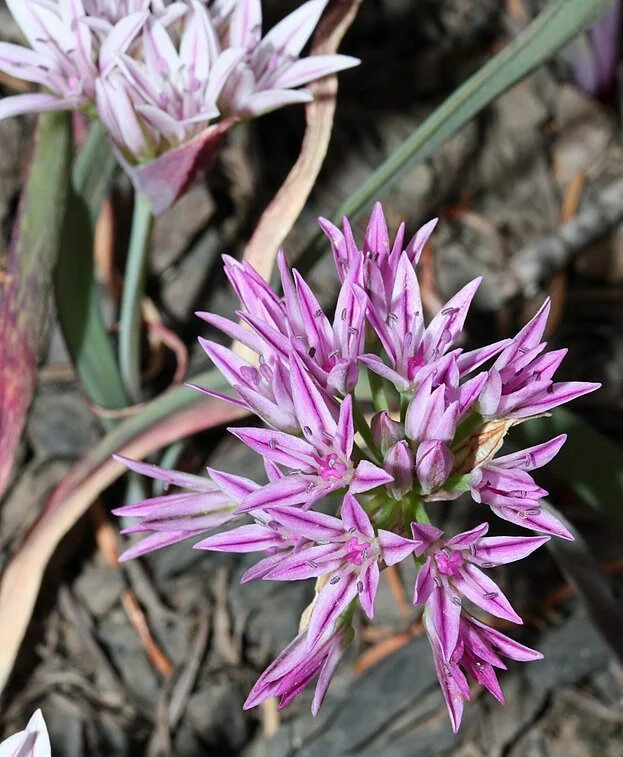
Flower Seeds
Olympic Onion Seeds – Allium crenulatum Flower Seeds – 10 Seed Pack – Outdoor Native Plant
Sold 50 products
Original price was: $25.00.$17.50Current price is: $17.50.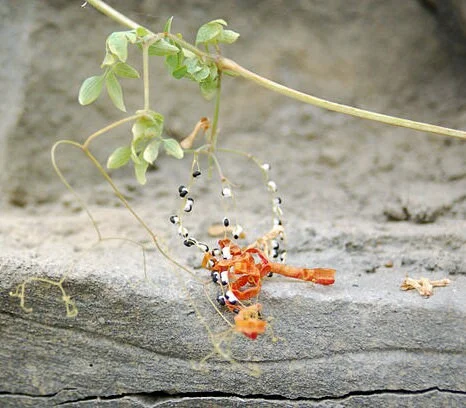
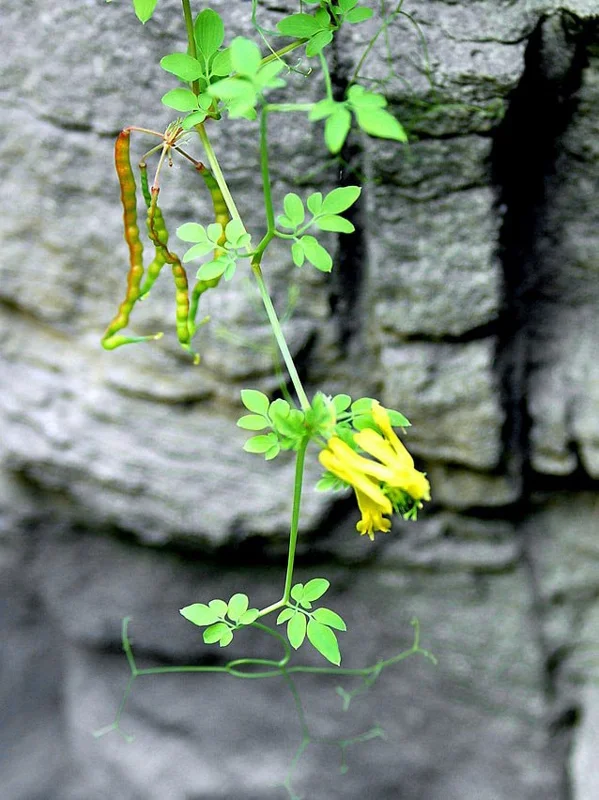
Sold 50 products
Original price was: $25.00.$17.50Current price is: $17.50.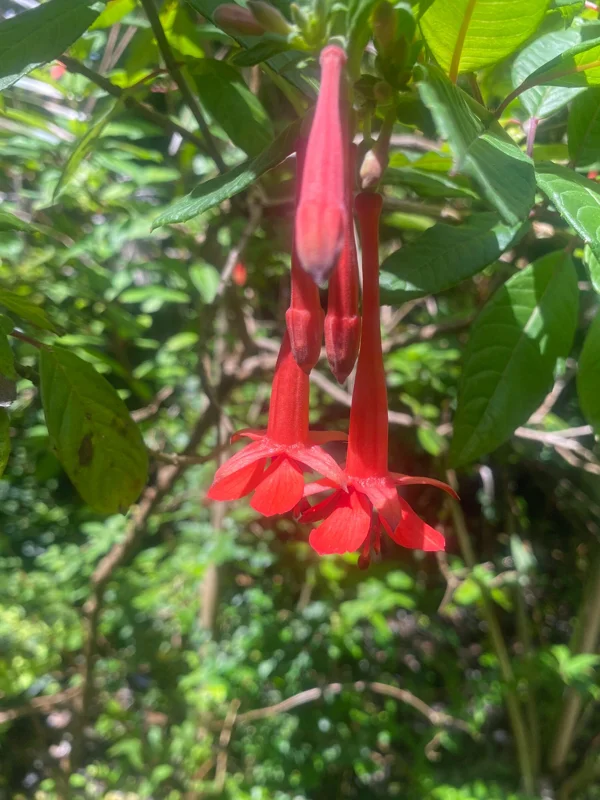
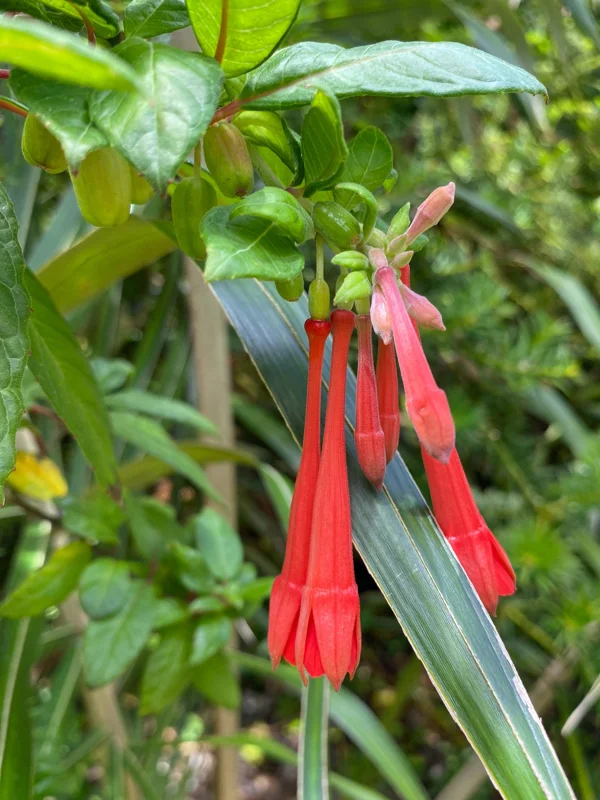
Flower Seeds
Fuchsia vulcanica Seeds – 20 Pack – Vibrant Orange Coral Flowers for Garden & Containers
Sold 50 products
Original price was: $25.00.$17.50Current price is: $17.50.
Sold 50 products
Original price was: $116.98.$95.68Current price is: $95.68.
Sold 50 products
Original price was: $21.00.$14.10Current price is: $14.10.
Aquatic Plant Seeds
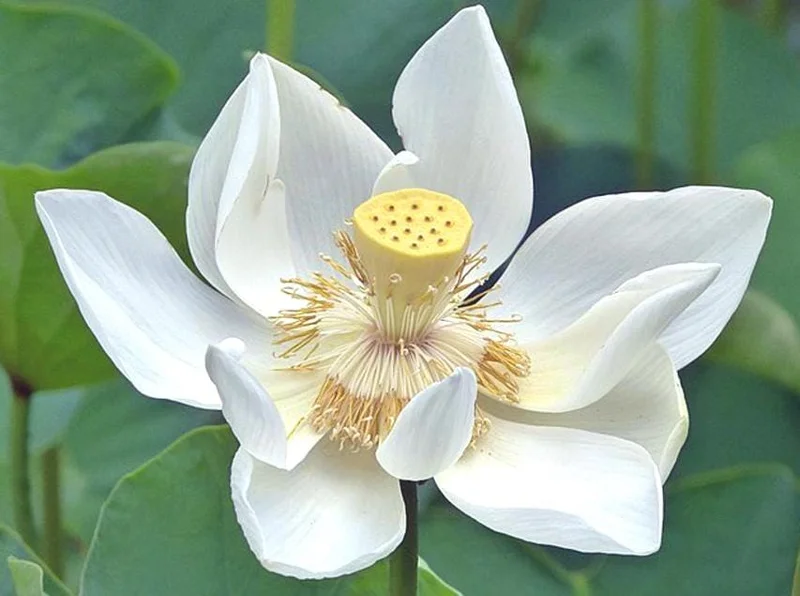
White Lotus Seeds – Nelumbo Nucifera Aquatic Pond Plant – 5 Seeds for Water Garden
Sold 50 products
Original price was: $29.00.$20.90Current price is: $20.90.RELATED posts
Awapuhi Wild Ginger Plant: Zones, Care, and Propagation
Learn which USDA zones suit awapuhi wild ginger, plus sunlight, water, planting, propagation, pests, size, [...]
Awapuhi Shampoo Ginger – Care, Growing Zones, and Differences
Learn how to grow awapuhi (shampoo) ginger, its USDA zones, watering schedule, propagation tips, and [...]
Awapuhi Shampoo Plant Buying Guide – Choose the Right Zingiber zerumbet
META: Learn which awapuhi (shampoo ginger) plant or rhizome pack gives the best natural shampoo, [...]
Awapuhi Plant for Sale: Complete Buying Guide
Find the right awapuhi (shampoo ginger) plant, size, price, soil mix, and online source. Practical [...]
Shampoo Ginger Plant for Sale – Buying Guide & Tips
Find the right shampoo ginger plant, size, price, and care tips. Quick guide for U.S. [...]
Shampoo Ginger Plant (Awapuhi) Care Guide
Learn how to grow, care for, and use shampoo ginger (Zingiber zerumbet), the tropical awapuhi [...]
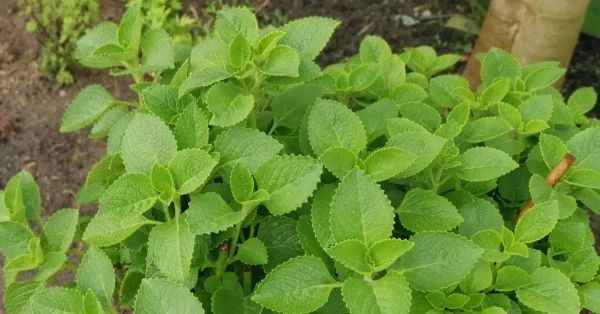
How to Grow Cuban Oregano Plants: A Complete Care Guide
If you’ve ever wanted a plant that combines the culinary punch of traditional oregano with [...]
Aug
How to Grow Habanero Pepper Plants: A Step-by-Step Guide
Habanero pepper plants are prized for their vibrant colors, intense heat, and exceptional flavor, making [...]
Aug

Reviews
There are no reviews yet.