
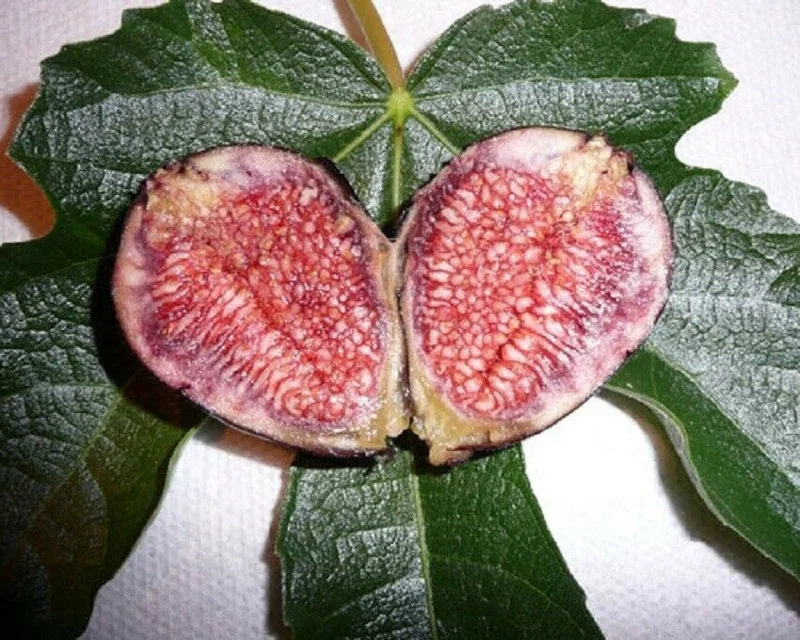
Violette de Bordeaux Fig Live Plant – Sweet Edible Fruit Tree – Starter Plant 5-7 Inch – Zone 6-10
Original price was: $37.90.$22.90Current price is: $22.90.
Cultivate your own delicious fruit with this Violette de Bordeaux fig live plant. A winter-hardy deciduous shrub, it produces small, sweet purple figs, often yielding two crops per year. Ideal for USDA Zones 6-10, this 5-7 inch starter plant is perfect for your garden or patio.
Shipping and Return policies:
We stand behind our plants with our Alive & Thrive Guarantee. If you experience any issues within the first 30 days, please email us, and our team will be happy to help. When needed, we’ll send you a one-time replacement free of charge to make sure your garden keeps growing strong.

Reasonable Price
We offer reasonable price

Support 24/7
Contact us 24 hrs a day
100% Money Back
You’ve 30 days to Return
Payment Secure
100% secure payment
Overview
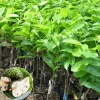
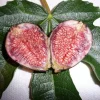
Bring the joy of home-grown fruit to your garden with the exquisite Violette de Bordeaux fig live plant. This highly sought-after variety, scientifically known as Ficus carica ‘Violette de Bordeaux’, is renowned for its exceptional flavor and reliable fruiting. Originating from France, this fig tree is a compact, deciduous shrub that typically reaches a manageable size of 3-5 feet tall, making it suitable for various garden spaces, including containers. The ‘Violette de Bordeaux’ fig is celebrated for its small to medium-sized, pear-shaped fruits with dark purple to black skin and a rich, sweet, reddish-pink interior. Many gardeners appreciate its ability to produce two crops per year, offering a prolonged harvest of delectable figs. This winter hardy fig plant is a fantastic addition for both novice and experienced growers looking for a rewarding and productive fruit tree.
This starter plant, approximately 5-7 inches tall, comes well-rooted in a 2.5 x 3.5 inch pot, ready for transplanting into your garden or a larger container. Its hardiness in USDA Zones 6-10 ensures it can withstand colder temperatures, making it a versatile choice for many regions. Whether you’re interested in fresh eating, preserves, or simply enjoying the beauty of a productive fruit tree, the ‘Violette de Bordeaux’ fig is an excellent choice. Its robust nature and delicious fruit make growing fig trees a truly satisfying experience.
Key Benefits
The ‘Violette de Bordeaux’ fig offers a multitude of benefits for any gardener. Its adaptability and delicious fruit make it a standout choice for both culinary use and ornamental appeal.
- Exceptional Flavor and Productivity: Enjoy a bounty of small, incredibly sweet purple figs, often yielding two harvests per year. The rich, complex flavor is perfect for fresh eating, baking, or preserves, offering a superior taste experience compared to store-bought figs. This makes the Violette de Bordeaux fig live plant a highly rewarding addition to any edible landscape.
- Winter Hardy and Adaptable: Thrives in USDA Zones 6-10, showcasing excellent cold hardiness for a fig variety. This robust nature allows it to be grown in a wider range of climates, making it a reliable choice for many gardeners concerned about winter survival.
- Compact Growth Habit: As a deciduous shrub growing 3-5 feet tall, it’s an ideal choice for smaller gardens, patios, or container growing. Its manageable size means it can be easily integrated into various landscape designs without becoming overwhelming.
- Ornamental Appeal: Beyond its delicious fruit, the ‘Violette de Bordeaux’ fig features attractive lobed leaves that provide lush greenery throughout the growing season, adding a touch of Mediterranean charm to your outdoor space.
- Low Maintenance: Once established, this fig tree requires relatively little care, making it a great option for busy gardeners. Its resilience contributes to easy growing fig trees.
- Versatile Use: The fruits are excellent for fresh consumption, drying, making jams and jellies, or as an addition to salads and desserts.
Plant Care & Growing Tips
Proper care is essential for a thriving Violette de Bordeaux fig live plant and a bountiful harvest. This hardy variety is relatively easy to grow, but understanding its specific needs will ensure optimal health and fruit production. For best results, plant your fig in a location that receives full sun, meaning at least 6-8 hours of direct sunlight per day. Adequate sunlight is crucial for fruit development and sweetness. In hotter climates, some afternoon shade can be beneficial to prevent scorching, but generally, more sun is better.
When it comes to soil, the ‘Violette de Bordeaux’ fig prefers well-drained, moist soil. While adaptable, a rich, loamy soil with a neutral to slightly alkaline pH is ideal. Avoid heavy clay soils that retain too much water, as this can lead to root rot. If planting in a container, use a high-quality potting mix specifically formulated for fruit trees or general outdoor plants. Water regularly, especially during dry spells and when the plant is establishing. The soil should remain consistently moist but not waterlogged. Reduce watering in fall as the plant prepares for dormancy.
Fertilize your fig tree in early spring before new growth begins, and again in mid-summer, using a balanced fertilizer. Avoid excessive nitrogen, which can promote leafy growth at the expense of fruit production. Pruning should be done in late winter or early spring while the plant is dormant. Remove any dead, damaged, or crossing branches to improve air circulation and sunlight penetration. You can also prune to maintain a desired size and shape. Protecting your winter hardy fig plant during extreme cold in Zone 6 may involve mulching heavily around the base or wrapping the plant if temperatures are expected to drop significantly below freezing for extended periods. This attention to detail will ensure successful growing fig trees for years to come.
Size & Details
This offering is for a Violette de Bordeaux fig live plant, provided as a starter plant. It measures approximately 5-7 inches in height, ensuring a healthy young specimen ready for transplanting. The plant arrives well-rooted in a 2.5 x 3.5 inch pot, which protects the root system during transit and provides a good foundation for growth. The ‘Violette de Bordeaux’ fig is a deciduous shrub that, when mature, typically grows to an average height of 3-5 feet with a similar spread, though it can be maintained at a smaller size with pruning, especially when grown in containers. Its compact nature makes it an excellent choice for home gardens where space might be limited.
Expected growth rate is moderate, and with proper care, you can anticipate your plant to establish quickly. Figs generally begin producing fruit within 2-3 years of planting, with this variety often yielding two crops per year once mature. The first crop (breba crop) appears on old wood in early summer, and the main crop develops on new wood in late summer to fall. This particular variety is known for its reliability and productivity, making it a rewarding addition to any fruit-growing endeavor.
Frequently Asked Questions
- Q: How big does this plant get? A: The Violette de Bordeaux fig live plant typically grows to a mature height of 3-5 feet tall and a similar spread, making it a compact and manageable shrub. Its size can also be controlled with regular pruning, especially when grown in a container.
- Q: What size pot does it come in? A: This starter plant is shipped well-rooted in a 2.5 x 3.5 inch nursery pot, providing a secure environment for its journey to your home. You will need to transplant it into a larger container or directly into your garden upon arrival.
- Q: Is this an indoor or outdoor plant? A: The ‘Violette de Bordeaux’ fig is primarily an outdoor plant, thriving in full sun. It is winter-hardy in USDA Zones 6-10. In colder zones, it can be grown in a container and brought indoors or protected during winter, making it a versatile option for growing fig trees.
- Q: How much sunlight does it need? A: For optimal growth and fruit production, this fig plant requires full sun, meaning at least 6-8 hours of direct sunlight per day. Ample sunlight is crucial for the development of sweet, abundant figs.
- Q: Is this plant easy to care for? A: Yes, the ‘Violette de Bordeaux’ fig is considered relatively easy to care for once established. It requires well-drained soil, consistent watering, and occasional fertilization. Its hardiness contributes to easy maintenance.
- Q: What condition will it arrive in? A: Your Violette de Bordeaux fig live plant will arrive as a well-rooted starter plant, approximately 5-7 inches tall, in a nursery pot. It is carefully packaged to ensure its health and safety during shipping.
- Q: How long until it blooms or fruits? A: Fig trees typically begin producing fruit within 2-3 years of planting. The ‘Violette de Bordeaux’ variety is known for often producing two crops per year once mature, offering a prolonged harvest season.
- Q: Will it survive winter in my zone? A: This is a winter hardy fig plant, suitable for USDA Zones 6-10. If you are in Zone 6, protection such as heavy mulching or wrapping may be beneficial during severe cold spells. In colder zones (below 6), container growing with indoor overwintering is recommended.
- Q: How can I ensure sweet purple fig production? A: Consistent full sun exposure, adequate watering, and proper fertilization are key to encouraging the production of delicious sweet purple fig fruits. Avoid over-fertilizing with nitrogen, which can lead to lush foliage but fewer fruits.
- Q: What is the best time to plant this fig tree? A: The best time to plant your fig tree is in spring after the last frost, allowing it ample time to establish its root system before the heat of summer or the cold of winter.
Be the first to review “Violette de Bordeaux Fig Live Plant – Sweet Edible Fruit Tree – Starter Plant 5-7 Inch – Zone 6-10”
You must be logged in to post a review.
People also Viewed
Sold 50 products
$32.38
Sold 50 products
$27.38
Sold 50 products
$32.38
Sold 50 products
$19.88
Sold 50 products
$62.38
Sold 50 products
$24.88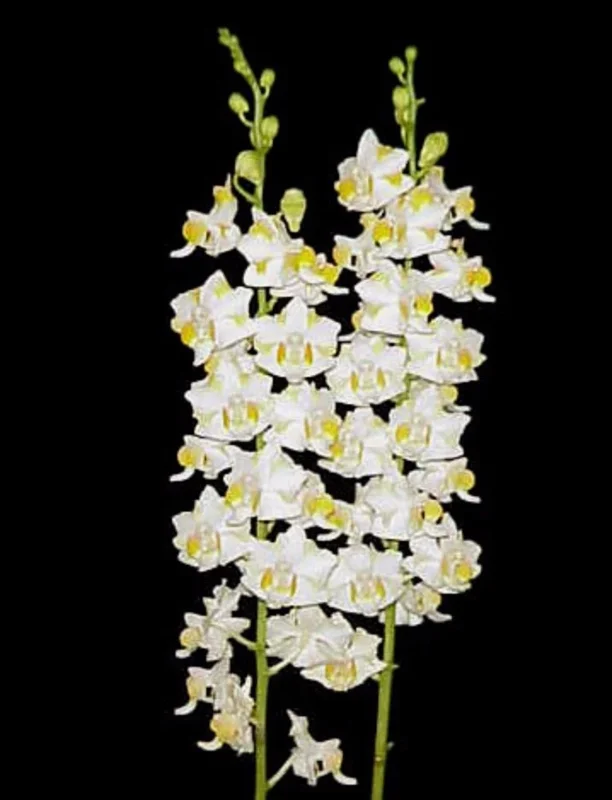
Houseplants
Phalaenopsis pulcherrima ‘Mauna Kea Snow’ Orchid Live Plant – White Flowers, Potted 2.5 in
Sold 50 products
$49.88
Sold 50 products
$49.88RELATED posts
Awapuhi Wild Ginger Plant: Zones, Care, and Propagation
Learn which USDA zones suit awapuhi wild ginger, plus sunlight, water, planting, propagation, pests, size, [...]
Awapuhi Shampoo Ginger – Care, Growing Zones, and Differences
Learn how to grow awapuhi (shampoo) ginger, its USDA zones, watering schedule, propagation tips, and [...]
Awapuhi Shampoo Plant Buying Guide – Choose the Right Zingiber zerumbet
META: Learn which awapuhi (shampoo ginger) plant or rhizome pack gives the best natural shampoo, [...]
Awapuhi Plant for Sale: Complete Buying Guide
Find the right awapuhi (shampoo ginger) plant, size, price, soil mix, and online source. Practical [...]
Shampoo Ginger Plant for Sale – Buying Guide & Tips
Find the right shampoo ginger plant, size, price, and care tips. Quick guide for U.S. [...]
Shampoo Ginger Plant (Awapuhi) Care Guide
Learn how to grow, care for, and use shampoo ginger (Zingiber zerumbet), the tropical awapuhi [...]
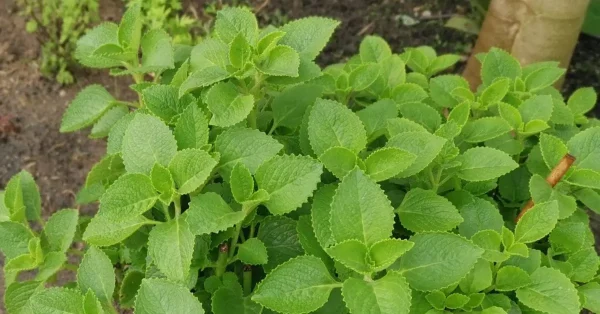
How to Grow Cuban Oregano Plants: A Complete Care Guide
If you’ve ever wanted a plant that combines the culinary punch of traditional oregano with [...]
Aug
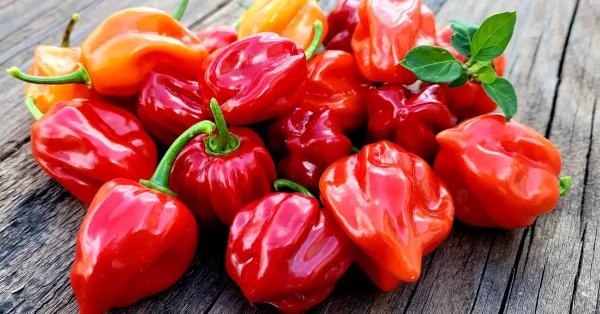
How to Grow Habanero Pepper Plants: A Step-by-Step Guide
Habanero pepper plants are prized for their vibrant colors, intense heat, and exceptional flavor, making [...]
Aug
Reviews
There are no reviews yet.