
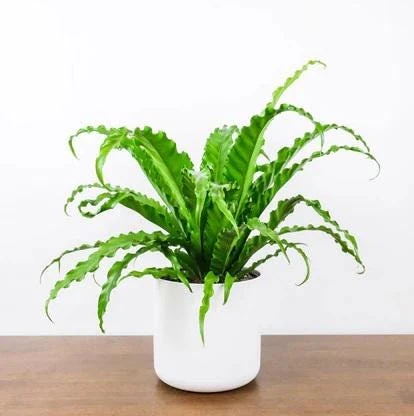
Victoria Bird’s Nest Fern Live Plant – Asplenium antiquum ‘Victoria’ – 2.5 inch pot – Indoor Houseplant
Original price was: $25.78.$20.84Current price is: $20.84.
Bring architectural beauty to your home with the victoria bird’s nest fern. This asplenium antiquum victoria features glossy, wavy fronds, perfect as an indoor fern plant for desks, terrariums, or humid bathrooms. Arrives in a 2.5 inch pot or bare root.
Shipping and Return policies:
We stand behind our plants with our Alive & Thrive Guarantee. If you experience any issues within the first 30 days, please email us, and our team will be happy to help. When needed, we’ll send you a one-time replacement free of charge to make sure your garden keeps growing strong.

Reasonable Price
We offer reasonable price

Support 24/7
Contact us 24 hrs a day
100% Money Back
You’ve 30 days to Return
Payment Secure
100% secure payment
Overview
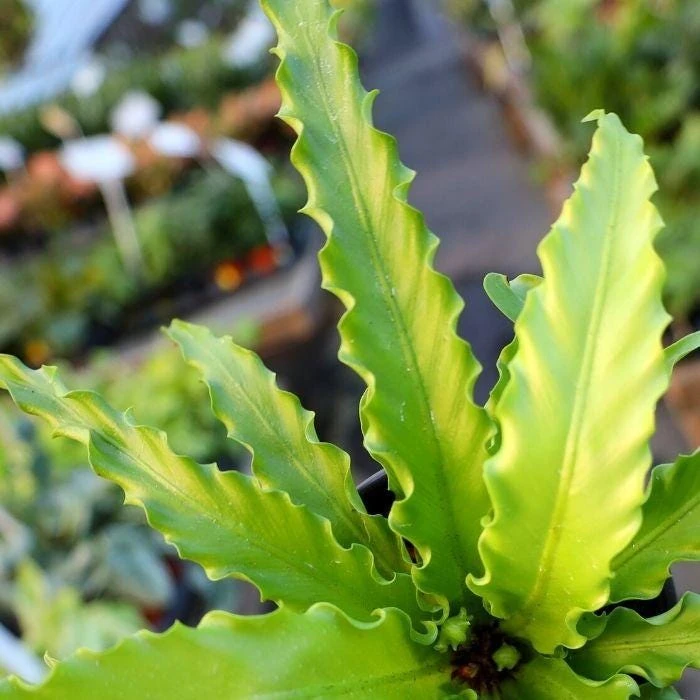
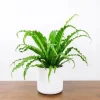
Introduce a touch of lush, prehistoric elegance to your indoor space with the magnificent victoria bird’s nest fern. This live plant, scientifically known as Asplenium antiquum ‘Victoria’, is a sculptural and architectural fern native to the tropical regions of East Asia. Unlike many delicate ferns, the Victoria Bird’s Nest Fern stands out with its strikingly glossy, bright green fronds that boast dramatically wavy and ruffled margins. Its leaves are thick and leathery, growing in a tight, upward-reaching rosette that beautifully resembles a bird’s nest at its center. This compact cultivar maintains a tidy, mounded habit, making it a superb choice for adding sophisticated greenery to desks, terrariums, or humid bathrooms where space is at a premium.
The unique form and vibrant color of this indoor fern plant make it a focal point in any interior design. Whether you’re a seasoned plant enthusiast or a beginner looking for a distinctive houseplant, the victoria bird’s nest fern offers both aesthetic appeal and relatively easy care, making it an ideal addition to a variety of indoor environments. Its robust nature and captivating appearance ensure it will be a conversation starter.
Key Benefits
The victoria bird’s nest fern provides numerous advantages, enhancing both the beauty and atmosphere of your home. Its distinctive appearance and straightforward care regime make it a favorite among plant lovers.
- Unique Aesthetic Appeal: The dramatically wavy, ruffled margins and glossy bright green fronds of the ruffled bird’s nest fern create a captivating and sculptural look, adding a modern yet timeless touch to any room.
- Compact Size: This cultivar maintains a tidy, mounded habit, making it perfectly suited for smaller spaces like desks, shelves, or as a vibrant addition to terrariums and humid bathrooms.
- Air Purification: Like many houseplants, the victoria bird’s nest fern contributes to improved indoor air quality by filtering out common airborne toxins, creating a healthier living environment.
- Low Maintenance: Known for its relative ease of care, this tropical houseplant is forgiving and suitable for both novice and experienced plant parents, requiring consistent but not overly demanding attention.
- Versatile Placement: Thrives in humid conditions, making it an excellent choice for bathrooms, kitchens, or terrariums, but also adapts well to other indoor settings with adequate humidity.
- Pet-Friendly: The asplenium antiquum victoria is generally considered non-toxic to pets, offering peace of mind for households with furry friends.
- Year-Round Greenery: Provides consistent vibrant green foliage throughout the year, ensuring your space always feels fresh and alive.
Plant Care & Growing Tips
Caring for your victoria bird’s nest fern is straightforward, allowing you to enjoy its beauty with minimal fuss. This indoor fern plant thrives in conditions that mimic its native tropical habitat.
Sunlight Requirements: The victoria bird’s nest fern prefers bright, indirect light. Avoid direct sunlight, which can scorch its delicate fronds and lead to browning. An east-facing window or a few feet away from a south or west-facing window is ideal. Too little light can result in slower growth and less vibrant foliage. Rotate your plant occasionally to ensure even growth and light exposure.
Watering Schedule and Soil Moisture: Keep the soil consistently moist but never waterlogged. Allow the top inch of soil to dry out slightly between waterings. Overwatering can lead to root rot, a common issue for ferns. Water directly into the soil, avoiding the ‘nest’ center of the plant, as water sitting there can encourage rot. Use lukewarm, filtered water if possible, as ferns can be sensitive to chemicals in tap water.
Soil Type and Drainage: A well-draining, peat-based potting mix is best for your asplenium antiquum victoria. A mix designed for ferns or a general houseplant mix amended with perlite or orchid bark will provide the necessary drainage and aeration. Ensure your pot has drainage holes to prevent water from accumulating at the bottom.
Temperature Range and USDA Hardiness Zone: This tropical houseplant thrives in warm temperatures, ideally between 65-80°F (18-27°C). Protect it from sudden temperature fluctuations and cold drafts, which can stress the plant. It is cold hardy in USDA Zones 9–11 when grown outdoors, but in all other zones, it should be grown as an indoor houseplant.
Humidity: High humidity is crucial for the ruffled bird’s nest fern. If your indoor air is dry, especially during winter, consider placing the plant on a pebble tray filled with water, misting it regularly, or using a humidifier. Bathrooms are often ideal locations due to their naturally higher humidity levels.
Fertilization: Fertilize sparingly during the growing season (spring and summer) with a balanced liquid fertilizer diluted to half strength. Avoid fertilizing in fall and winter when the plant’s growth naturally slows down. Over-fertilization can harm the plant.
Common Problems: Brown frond tips often indicate low humidity or inconsistent watering. Yellowing leaves can signal overwatering or nutrient deficiency. Keep an eye out for common pests like spider mites or mealybugs, and treat promptly with insecticidal soap if detected.
Size & Details
The victoria bird’s nest fern is typically supplied as a young plant, either bare root or in a 2.5 inch greenhouse pot, ready for you to transplant into your preferred decorative container. This compact cultivar is known for its tidy, mounded habit. When mature, it generally reaches a height and spread of 1-2 feet, making it an excellent choice for tabletops, shelves, and terrariums. Its growth rate is moderate, allowing you to enjoy its evolving beauty without it quickly outgrowing its space. The thick, leathery fronds unfurl from the central ‘nest’, creating a striking architectural silhouette. This plant is a long-lived addition to any indoor plant collection, providing years of vibrant greenery and unique texture.
Frequently Asked Questions
- Q: How big does this plant get? A: The victoria bird’s nest fern typically grows to an average height and spread of 1 to 2 feet when mature, making it a perfect size for indoor display on desks, shelves, or small tables.
- Q: What size pot does it come in? A: This plant arrives either bare root or in a 2.5 inch greenhouse pot, ready for you to replant into a larger, decorative container of your choice.
- Q: Is this an indoor or outdoor plant? A: While it can be grown outdoors in USDA Zones 9–11, the victoria bird’s nest fern is primarily cultivated as an indoor fern plant in most other climates due to its tropical nature and sensitivity to cold.
- Q: How much sunlight does it need? A: It thrives in bright, indirect light. Direct sunlight should be avoided as it can scorch the fronds. An east-facing window or a shaded spot near a bright window is ideal.
- Q: Is this plant easy to care for? A: Yes, the ruffled bird’s nest fern is considered relatively easy to care for, making it suitable for both beginner and experienced plant enthusiasts, provided its humidity and watering needs are met.
- Q: What condition will it arrive in? A: Your asplenium antiquum victoria will arrive either bare root or carefully packaged in a 2.5 inch greenhouse pot, ensuring it is healthy and ready for planting.
- Q: Is it shipped in soil? A: If shipped in a pot, it will be in its original greenhouse potting mix. Bare root plants will arrive without soil, with their roots carefully wrapped to retain moisture.
- Q: Can I put this plant in a terrarium? A: Absolutely! The compact size and preference for high humidity make the victoria bird’s nest fern an excellent choice for closed or open terrariums, where it can create a lush, miniature ecosystem.
- Q: Will it survive winter in my zone? A: If you live outside of USDA Zones 9–11, this plant will not survive winter outdoors and should be brought inside as a houseplant before temperatures drop.
- Q: What’s the minimum temperature it can tolerate? A: This tropical houseplant prefers temperatures above 60°F (15°C) and should not be exposed to temperatures below 50°F (10°C) for extended periods.
Be the first to review “Victoria Bird’s Nest Fern Live Plant – Asplenium antiquum ‘Victoria’ – 2.5 inch pot – Indoor Houseplant”
You must be logged in to post a review.
People also Viewed
Sold 50 products
$32.38
Sold 50 products
$27.38
Sold 50 products
$32.38
Sold 50 products
$19.88
Sold 50 products
$62.38
Sold 50 products
$24.88
Houseplants
Phalaenopsis pulcherrima ‘Mauna Kea Snow’ Orchid Live Plant – White Flowers, Potted 2.5 in
Sold 50 products
$49.88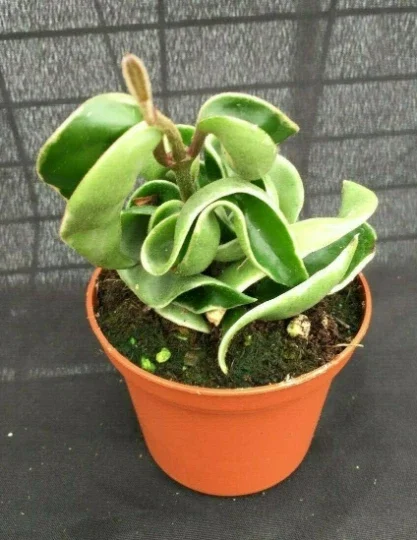
Sold 50 products
$49.88RELATED posts
Awapuhi Wild Ginger Plant: Zones, Care, and Propagation
Learn which USDA zones suit awapuhi wild ginger, plus sunlight, water, planting, propagation, pests, size, [...]
Awapuhi Shampoo Ginger – Care, Growing Zones, and Differences
Learn how to grow awapuhi (shampoo) ginger, its USDA zones, watering schedule, propagation tips, and [...]
Awapuhi Shampoo Plant Buying Guide – Choose the Right Zingiber zerumbet
META: Learn which awapuhi (shampoo ginger) plant or rhizome pack gives the best natural shampoo, [...]
Awapuhi Plant for Sale: Complete Buying Guide
Find the right awapuhi (shampoo ginger) plant, size, price, soil mix, and online source. Practical [...]
Shampoo Ginger Plant for Sale – Buying Guide & Tips
Find the right shampoo ginger plant, size, price, and care tips. Quick guide for U.S. [...]
Shampoo Ginger Plant (Awapuhi) Care Guide
Learn how to grow, care for, and use shampoo ginger (Zingiber zerumbet), the tropical awapuhi [...]
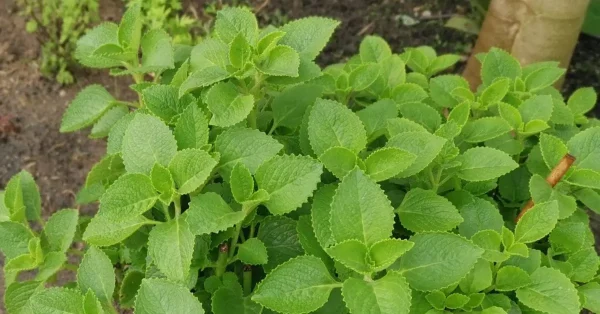
How to Grow Cuban Oregano Plants: A Complete Care Guide
If you’ve ever wanted a plant that combines the culinary punch of traditional oregano with [...]
Aug
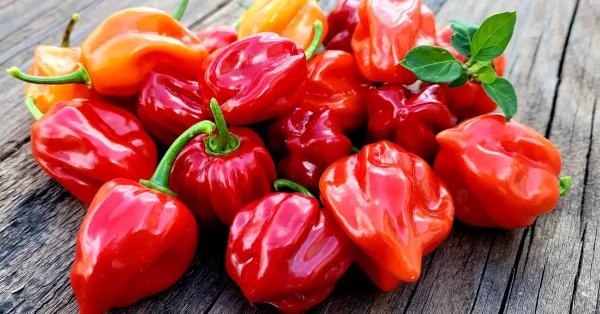
How to Grow Habanero Pepper Plants: A Step-by-Step Guide
Habanero pepper plants are prized for their vibrant colors, intense heat, and exceptional flavor, making [...]
Aug
Reviews
There are no reviews yet.