
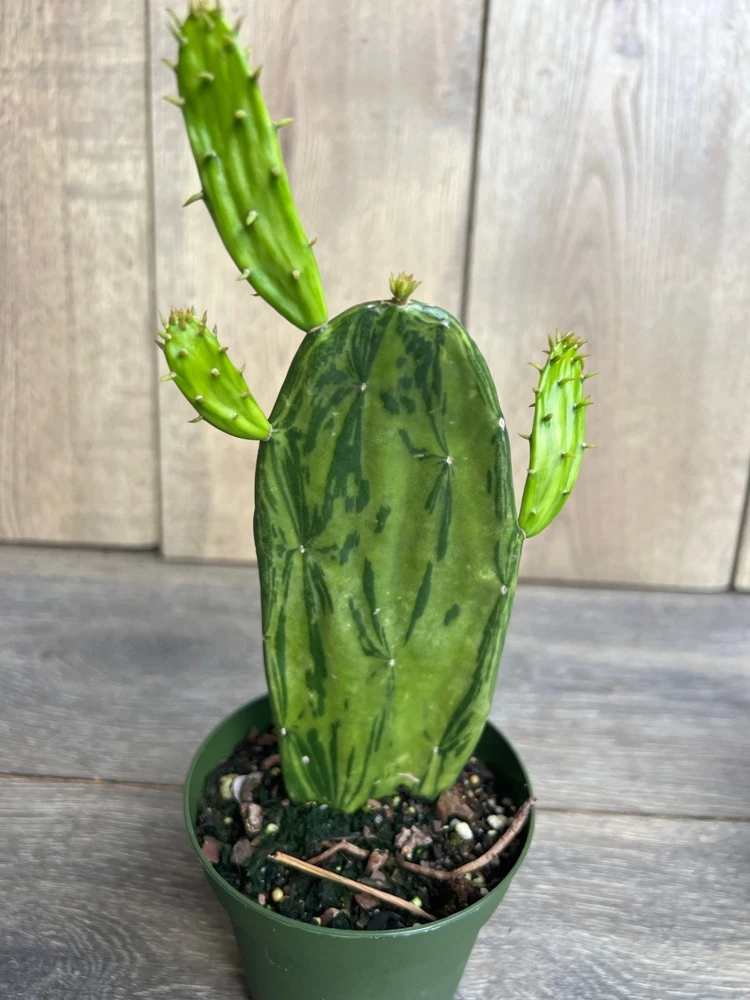
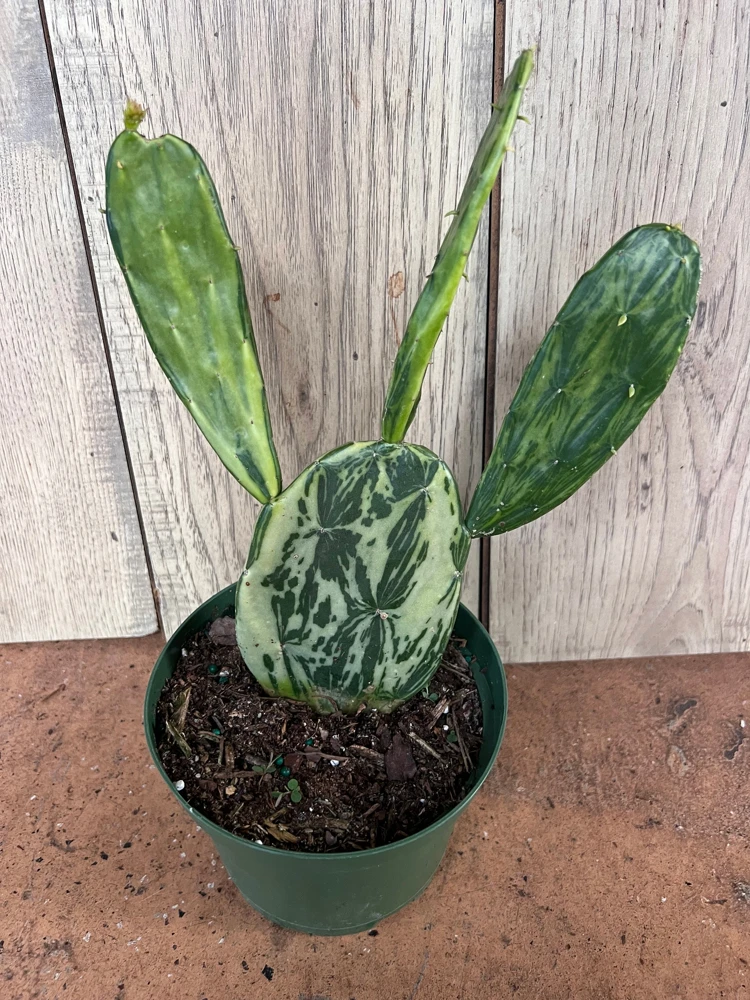
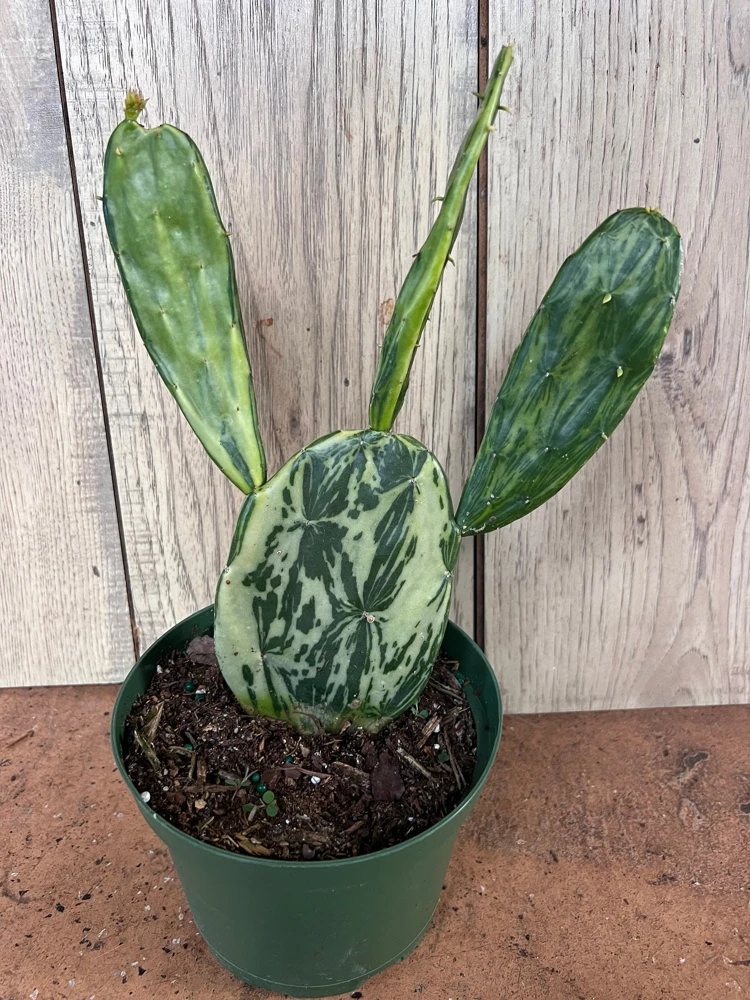
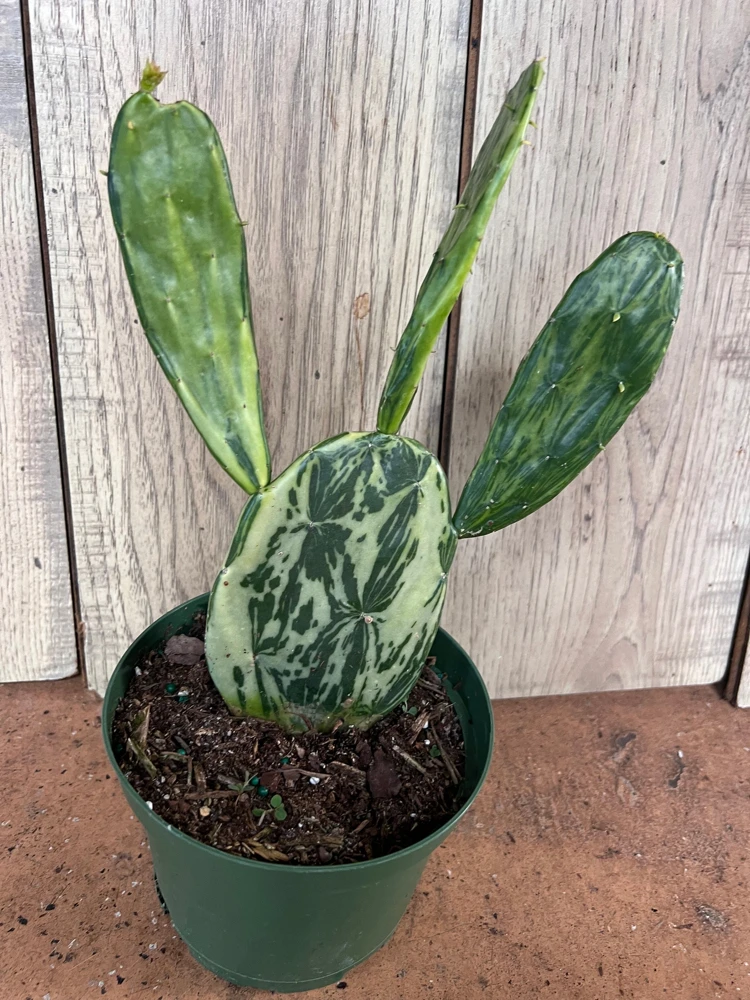
Variegated Opuntia Prickly Pear Cactus – Live Plant in 6 inch Pot – Indoor/Outdoor – Cannot ship to CA
Original price was: $71.87.$44.77Current price is: $44.77.
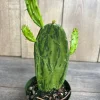
Bring home a unique desert gem with the variegated opuntia prickly pear cactus. This vibrant paddle cactus live plant comes in a 6-inch pot, perfect for adding architectural interest to your indoor or outdoor space. Known for its striking variegated pads and edible qualities, it’s a fascinating and low-maintenance addition to any collection.
Shipping and Return policies:
We stand behind our plants with our Alive & Thrive Guarantee. If you experience any issues within the first 30 days, please email us, and our team will be happy to help. When needed, we’ll send you a one-time replacement free of charge to make sure your garden keeps growing strong.

Reasonable Price
We offer reasonable price

Support 24/7
Contact us 24 hrs a day
100% Money Back
You’ve 30 days to Return
Payment Secure
100% secure payment
Overview
Introduce a touch of the desert to your home or garden with the exquisite variegated opuntia prickly pear cactus. This stunning live plant, often referred to as a paddle cactus live plant or nopales, is celebrated for its unique, mottled green and cream-colored pads that create a captivating visual display. Each variegated opuntia prickly pear comes ready to thrive in a 6-inch pot, making it an ideal choice for both seasoned collectors and new plant enthusiasts alike. Opuntia is a diverse genus within the Cactaceae family, known for its iconic flattened stems and often edible pads, flowers, and fruit. Our limited-quantity variegated variety offers a rare and beautiful specimen for your collection, promising to be a conversation starter and a focal point in any setting.
The variegated opuntia prickly pear is more than just a beautiful succulent; it’s a resilient and historically significant plant. Native Americans utilized various Opuntia species for their healing properties, noting their effectiveness for inflammation, burns, and antibacterial purposes. This particular opuntia cactus care is surprisingly straightforward, making it suitable for a wide range of growing conditions. Whether you’re looking for an exotic indoor accent or a drought-tolerant addition to your outdoor landscape, this prickly pear edible plant offers both aesthetic appeal and practical benefits. Its ability to adapt to different environments, from bright interiors to full sun outdoors, ensures that many can enjoy this beautiful and versatile cactus.
Key Benefits
The variegated opuntia prickly pear offers a multitude of benefits, making it a highly desirable addition to any plant enthusiast’s collection. Its unique characteristics contribute to both its ornamental value and its practical uses.
- Stunning Visual Appeal: The striking variegation of cream and green on its pads provides a unique, artistic element to any space. This opuntia cactus care results in a vibrant display that stands out from typical succulents.
- Edible Qualities: The pads (nopales), flowers, and fruits of most Opuntia varieties, including this one, are edible after careful preparation to remove spines. This makes the prickly pear edible and a fascinating plant for culinary experimentation.
- Low Maintenance: This paddle cactus live plant is incredibly resilient and requires minimal watering, making it perfect for busy individuals or those new to plant care. Its drought-tolerant nature simplifies its upkeep.
- Historical & Medicinal Value: Historically used for healing by Native Americans, the plant is known for potential anti-inflammatory and antibacterial properties, adding an intriguing dimension to its presence.
- Versatile Placement: Suitable for both indoor and outdoor environments, it can thrive in a large pot on a patio or as an eye-catching indoor accent, especially when considering proper indoor opuntia cactus conditions.
- Drought Tolerant: As a desert plant, the variegated opuntia prickly pear is naturally adapted to arid conditions, requiring infrequent watering and thriving in bright, sunny spots.
- Unique Collector’s Item: Due to its limited availability and distinctive variegation, this Opuntia is a prized possession for succulent and cactus collectors.
Plant Care & Growing Tips
Proper opuntia cactus care is relatively simple, making the variegated opuntia prickly pear an excellent choice for a variety of growers. This hardy succulent thrives with plenty of light and minimal water. For optimal growth, provide bright indirect light to full sun. While it can tolerate less sun than some desert plants, it’s crucial to acclimate it slowly to new light conditions, especially if moving from a shadier spot to full sun, to prevent scorching. An ideal outdoor spot would receive at least 6 hours of direct sunlight, while indoors, a south-facing window is often best for an indoor opuntia cactus.
Watering is perhaps the most critical aspect of paddle cactus live plant care. This plant is highly drought-tolerant and susceptible to root rot if overwatered. During spring and summer, thoroughly water once a month. In the cooler months of fall and winter, reduce watering to once every two months. Always check the soil moisture before watering; the soil should be completely dry several inches down before you re-water. Use a well-draining soil mix specifically formulated for cacti and succulents, which typically contains sand, perlite, or pumice to ensure excellent drainage. Repotting should be done cautiously, using thick gloves to protect against the small, often unnoticeable glochids (spines).
The variegated opuntia prickly pear prefers warm temperatures and can be brought indoors in cooler climates to protect it from frost. It is generally hardy in USDA zones 9-11 when grown outdoors. Fertilization is not usually necessary for Opuntia, but if you wish to encourage growth, use a diluted, balanced liquid fertilizer specifically for cacti during the growing season (spring and summer) once a month. Watch out for common pests like mealybugs or scale, which can be treated with insecticidal soap or neem oil. With these simple guidelines for opuntia cactus care, your variegated prickly pear will flourish and bring unique beauty to your space.
Size & Details
This offering is for one vibrant variegated opuntia prickly pear live plant, carefully cultivated and shipped in a 6-inch nursery pot. The plant you receive will be similar in size and variegation to the images provided, showcasing its unique patterns of cream and green. Opuntia typically exhibits a moderate growth rate, gradually developing new pads throughout the growing season. While the exact height and width vary with maturity and growing conditions, a plant in a 6-inch pot will generally be a compact, desk-friendly size, ready to be displayed or repotted into a larger container as it grows. The pads themselves can grow to several inches in diameter, contributing to the plant’s distinctive architectural form. This paddle cactus live plant is an excellent choice for those seeking a unique and hardy succulent.
When considering the long-term growth of your indoor opuntia cactus, anticipate that it can eventually reach several feet in height and width if given adequate space and care, though it can be pruned to maintain a desired size. The plant is shipped securely to ensure it arrives in excellent condition, ready for its new home. Its resilience makes it suitable for various environments, and with proper opuntia cactus care, you can expect to enjoy its striking appearance for many years. The potential for the prickly pear edible pads, flowers, and fruit adds an exciting dimension to its cultivation.
Frequently Asked Questions
- Q: How big does this variegated opuntia prickly pear get? A: In a 6-inch pot, it will be a compact size, but with proper care and repotting, it can grow several feet tall and wide over time, depending on its environment.
- Q: Is this an indoor or outdoor plant? A: The variegated opuntia prickly pear is versatile and can thrive both indoors in a bright location or outdoors in suitable climates, particularly in USDA zones 9-11.
- Q: How much sunlight does this paddle cactus live plant need? A: It prefers bright indirect light to full sun. Acclimate it slowly to direct sunlight to prevent scorching.
- Q: Is this plant easy to care for? A: Yes, opuntia cactus care is relatively easy. It’s a drought-tolerant succulent that requires infrequent watering, making it a good choice for beginners.
- Q: What condition will the plant arrive in? A: Your variegated opuntia prickly pear will arrive as a healthy live plant in its 6-inch nursery pot, carefully packaged to ensure its safe journey.
- Q: Can I eat the pads or fruit of this prickly pear? A: Yes, the pads (nopales), flowers, and fruit of most Opuntia varieties are considered prickly pear edible after careful cleaning to remove all spines and glochids.
- Q: What is the best soil for an indoor opuntia cactus? A: A well-draining cactus and succulent potting mix is ideal to prevent root rot.
- Q: How often should I water my variegated opuntia prickly pear? A: Water thoroughly once a month in spring and summer, and every two months during fall and winter. Always let the soil dry out completely between waterings.
- Q: Is this plant good for beginners? A: Absolutely! Its low-maintenance requirements and resilience make it an excellent choice for those new to plant care, as long as proper watering habits are followed.
- Q: Will it survive winter in my zone if grown outdoors? A: The variegated opuntia prickly pear is hardy in USDA zones 9-11. If you are in a colder zone, it’s best to bring the plant indoors during cooler months.
Be the first to review “Variegated Opuntia Prickly Pear Cactus – Live Plant in 6 inch Pot – Indoor/Outdoor – Cannot ship to CA”
You must be logged in to post a review.
People also Viewed
Sold 50 products
$32.38
Sold 50 products
$27.38
Sold 50 products
$32.38
Sold 50 products
$19.88
Sold 50 products
$62.38
Sold 50 products
$24.88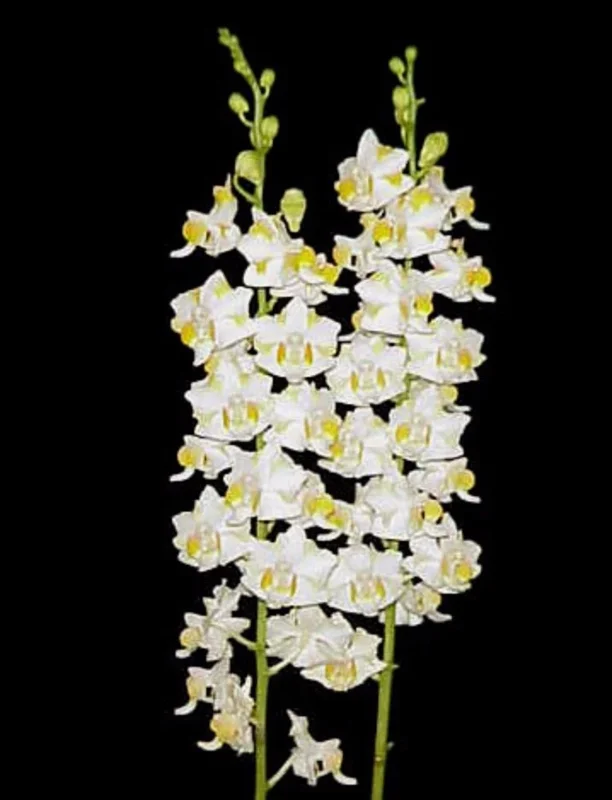
Houseplants
Phalaenopsis pulcherrima ‘Mauna Kea Snow’ Orchid Live Plant – White Flowers, Potted 2.5 in
Sold 50 products
$49.88
Sold 50 products
$49.88RELATED posts
Awapuhi Wild Ginger Plant: Zones, Care, and Propagation
Learn which USDA zones suit awapuhi wild ginger, plus sunlight, water, planting, propagation, pests, size, [...]
Awapuhi Shampoo Ginger – Care, Growing Zones, and Differences
Learn how to grow awapuhi (shampoo) ginger, its USDA zones, watering schedule, propagation tips, and [...]
Awapuhi Shampoo Plant Buying Guide – Choose the Right Zingiber zerumbet
META: Learn which awapuhi (shampoo ginger) plant or rhizome pack gives the best natural shampoo, [...]
Awapuhi Plant for Sale: Complete Buying Guide
Find the right awapuhi (shampoo ginger) plant, size, price, soil mix, and online source. Practical [...]
Shampoo Ginger Plant for Sale – Buying Guide & Tips
Find the right shampoo ginger plant, size, price, and care tips. Quick guide for U.S. [...]
Shampoo Ginger Plant (Awapuhi) Care Guide
Learn how to grow, care for, and use shampoo ginger (Zingiber zerumbet), the tropical awapuhi [...]
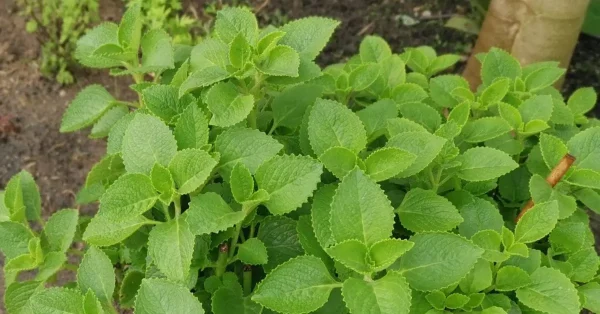
How to Grow Cuban Oregano Plants: A Complete Care Guide
If you’ve ever wanted a plant that combines the culinary punch of traditional oregano with [...]
Aug
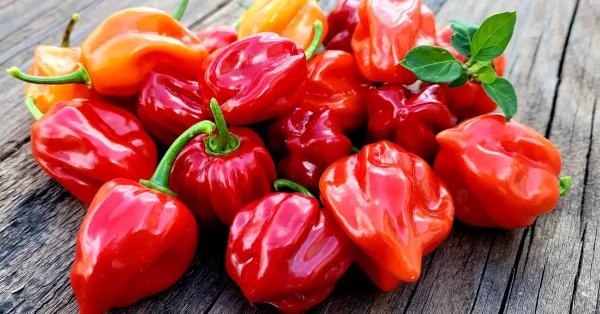
How to Grow Habanero Pepper Plants: A Step-by-Step Guide
Habanero pepper plants are prized for their vibrant colors, intense heat, and exceptional flavor, making [...]
Aug
Reviews
There are no reviews yet.