
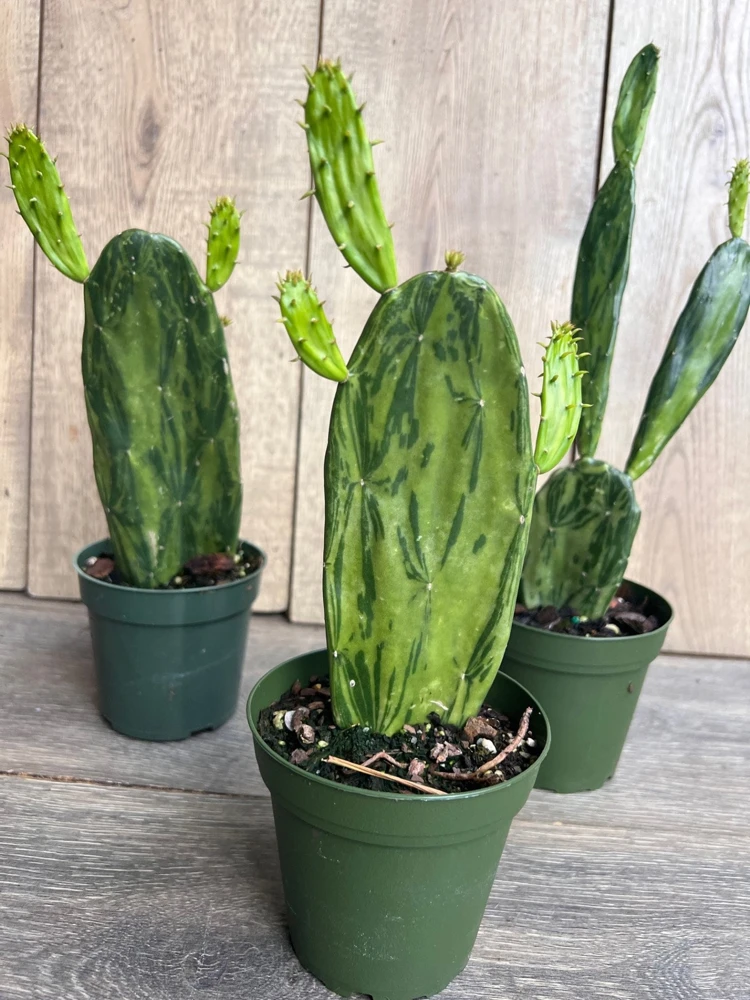
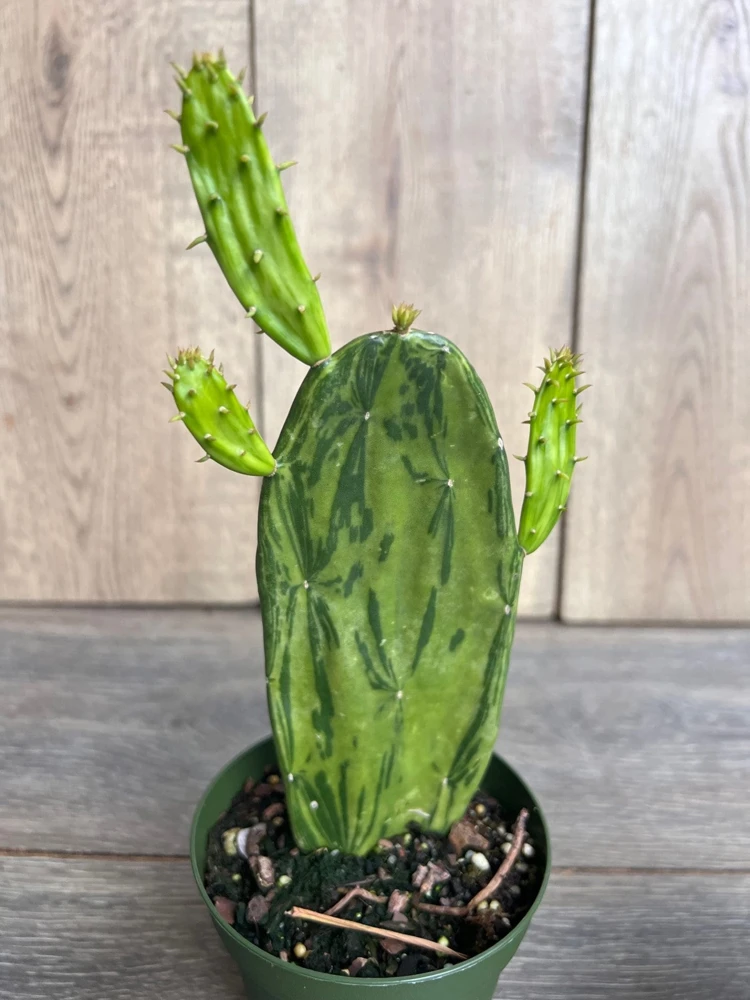
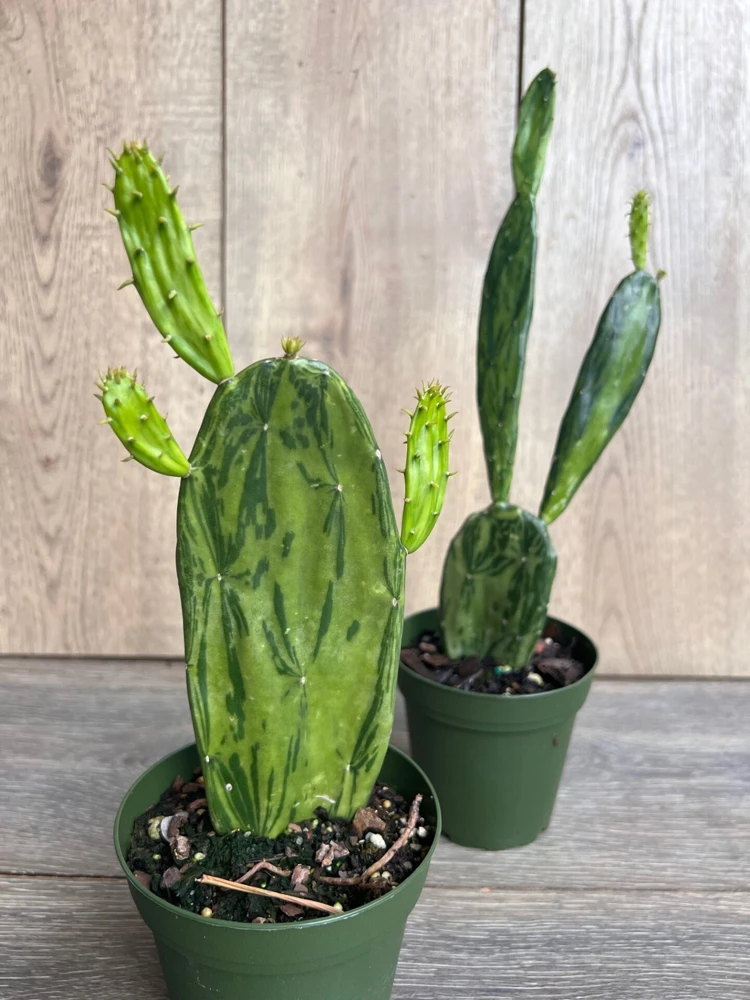
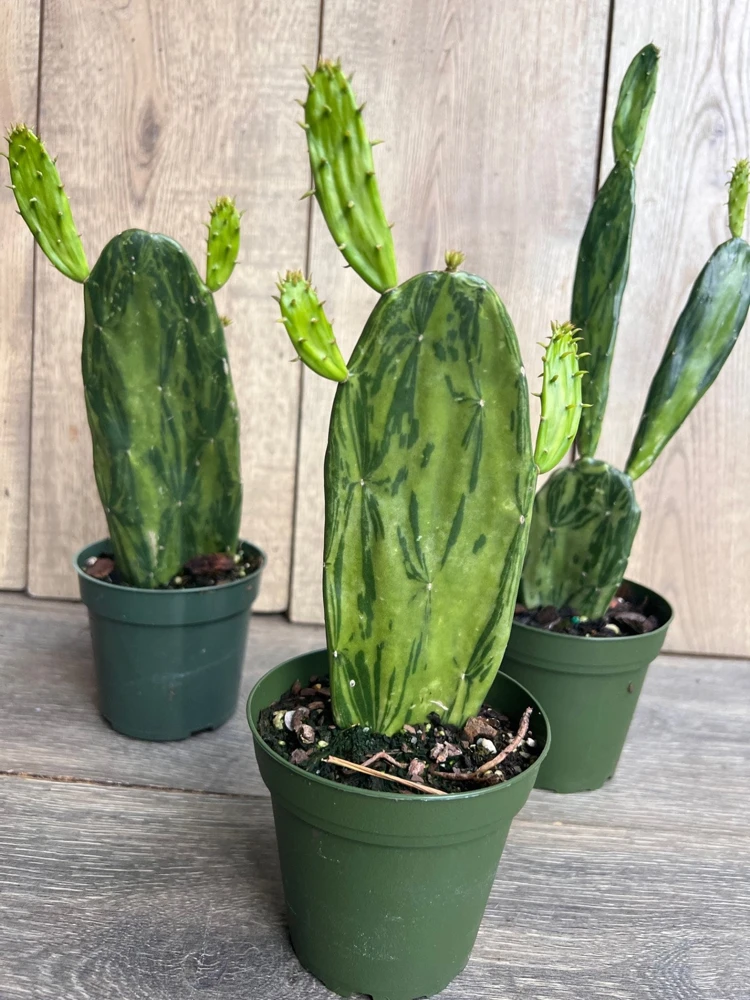
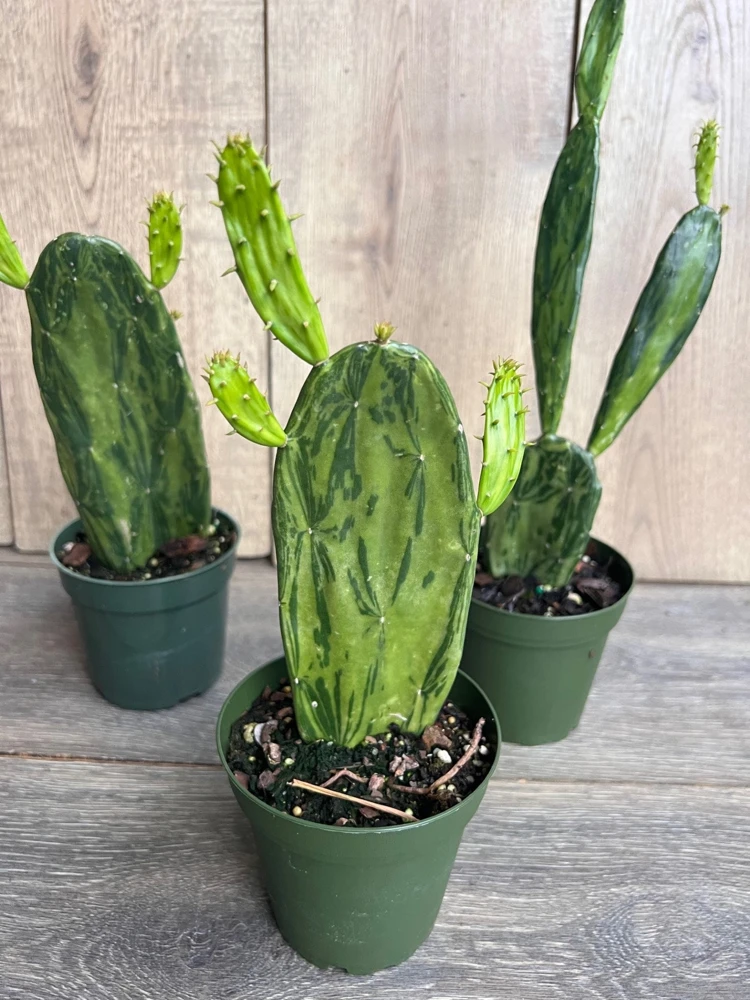
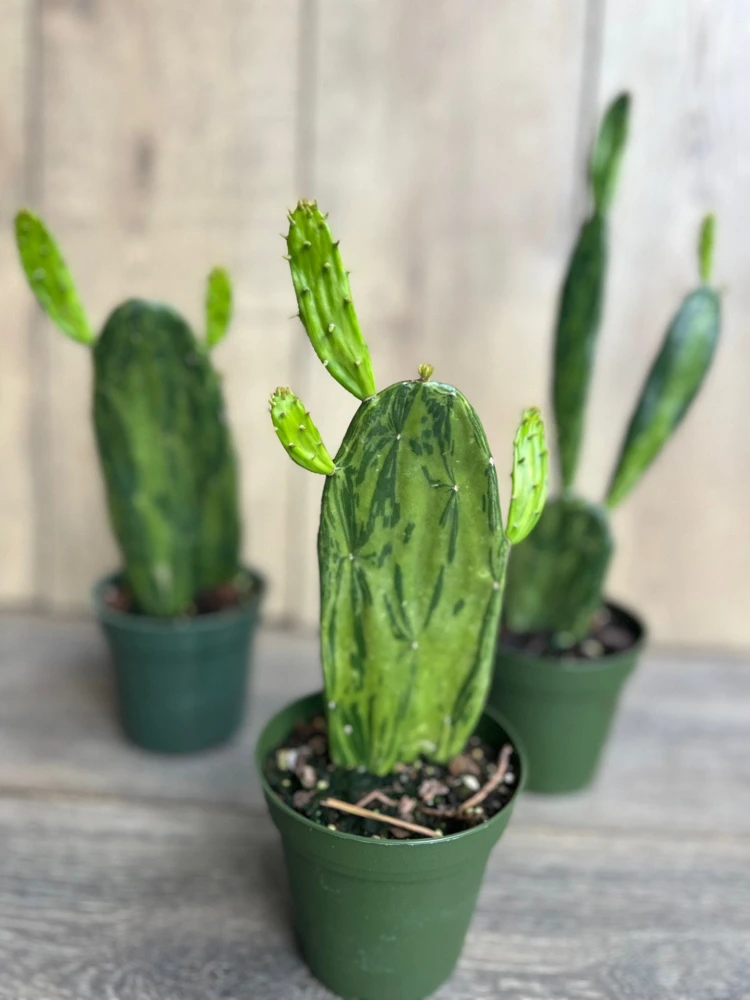
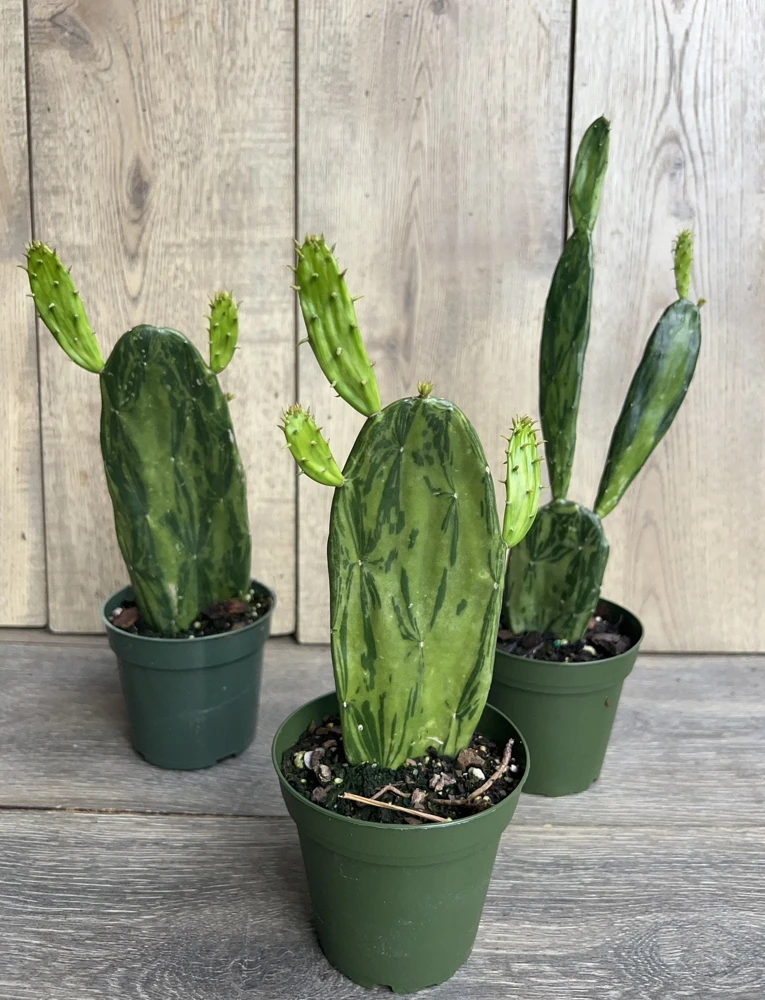
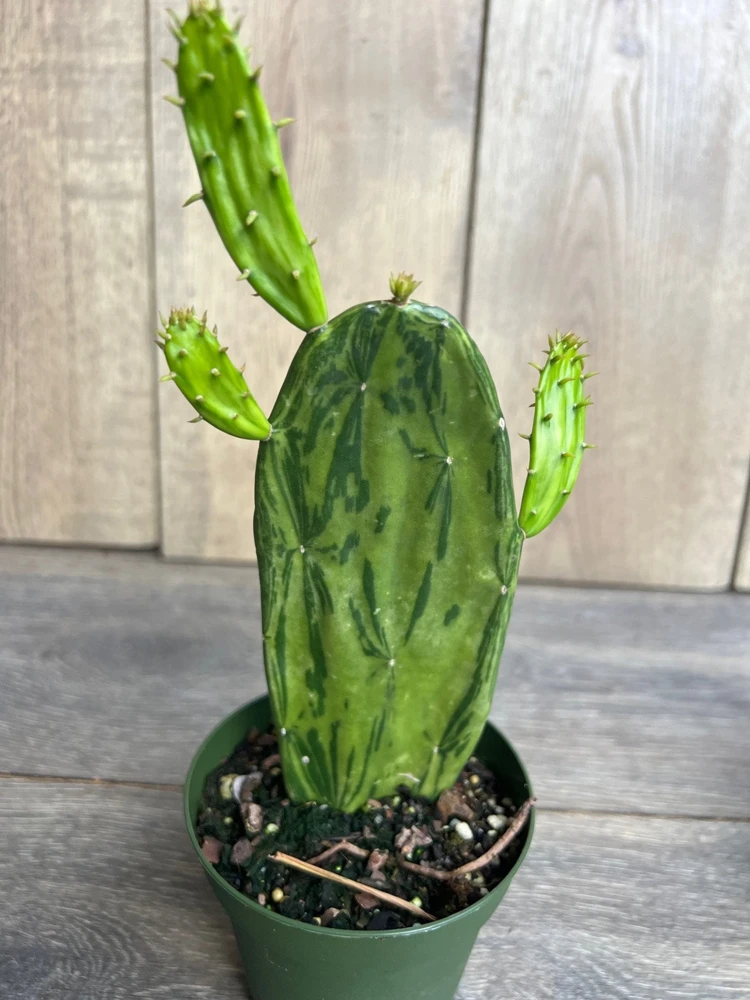
Variegated Opuntia Prickly Pear Cactus Live Plant – 4 inch Pot – Indoor/Outdoor – Cannot ship to CA
Original price was: $56.03.$34.99Current price is: $34.99.
Bring a touch of the desert to your home with this beautiful variegated Opuntia prickly pear. This unique succulent comes in a 4 inch pot, ready to thrive indoors or outdoors in warm climates. Known for its distinct paddles and easy maintenance, it’s a perfect choice for both beginners and experienced plant enthusiasts. Enjoy the striking patterns and architectural form of this resilient Opuntia cactus care is simple.
Shipping and Return policies:
We stand behind our plants with our Alive & Thrive Guarantee. If you experience any issues within the first 30 days, please email us, and our team will be happy to help. When needed, we’ll send you a one-time replacement free of charge to make sure your garden keeps growing strong.

Reasonable Price
We offer reasonable price

Support 24/7
Contact us 24 hrs a day
100% Money Back
You’ve 30 days to Return
Payment Secure
100% secure payment
Overview
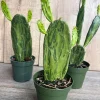
Introduce a truly distinctive specimen to your plant collection with the variegated Opuntia prickly pear. This listing offers one live variegated Opuntia cactus, often known as nopales or paddle cactus, planted in a 4 inch pot, similar to the vibrant examples pictured. Belonging to the Cactaceae family, this genus is celebrated for its unique paddle-like stems and remarkable resilience. Our variegated Opuntia prickly pear stands out with its eye-catching coloration, making it a focal point in any indoor display or outdoor garden in appropriate climates. This easy-to-grow succulent is not only a visual delight but also offers fascinating historical and practical uses, making it a truly enriching addition to your botanical family. Embrace the charm and hardiness of this exceptional cactus.
The variegated Opuntia prickly pear is a fantastic choice for those seeking a plant with character and minimal demands. Its striking appearance, combined with its ability to adapt to various environments, makes it a popular selection for diverse plantscapes. Whether you’re a seasoned gardener or just starting, this beautiful cactus provides an engaging and rewarding growing experience. Its unique form and patterns ensure it captures attention and sparks conversation, adding an exotic touch to your living space.
Key Benefits
The variegated Opuntia prickly pear offers a multitude of benefits, from its aesthetic appeal to its surprisingly practical uses. This resilient cactus is an excellent choice for adding unique texture and color to your home or garden.
- Striking Visual Appeal: The variegated patterns on the pads provide a stunning display of colors, making this prickly pear cactus an instant focal point. Its unique architectural form adds modern elegance to any setting, enhancing your decor with its desert charm.
- Low Maintenance: This Opuntia cactus care is remarkably straightforward, requiring infrequent watering and tolerating a wide range of light conditions. It’s an ideal plant for busy individuals or those new to plant care, offering beauty without demanding constant attention.
- Drought Tolerant: As a desert native, the variegated Opuntia prickly pear is highly adapted to dry conditions. It stores water efficiently in its pads, making it incredibly forgiving if you occasionally forget to water, and perfect for xeriscaping.
- Versatile Placement: Suitable for both indoor and outdoor environments, this cactus can thrive in a bright window sill or in a sunny garden bed. Its adaptability means you can enjoy its beauty regardless of your living situation, even growing prickly pear indoors in cooler climates.
- Edible Pads and Fruit: The pads (nopales) and fruit (prickly pear) of most Opuntia varieties are edible after careful cleaning to remove spines. This offers a unique culinary adventure, allowing you to explore traditional uses of this versatile plant.
- Historical Significance: Native Americans traditionally used this plant for various healing purposes, including inflammation and burns. Exploring the historical uses of this Cactaceae family plant adds another layer of appreciation for its natural properties.
- Air Purification: Like many plants, the Opuntia contributes to a healthier indoor environment by absorbing carbon dioxide and releasing oxygen, improving air quality in your home or office.
Plant Care & Growing Tips
Providing the right environment for your variegated Opuntia prickly pear ensures its continued health and vibrant growth. While generally low-maintenance, understanding its specific needs will help it thrive. This Opuntia cactus care guide will cover the essentials for success.
Light: This cactus thrives in bright indirect light to full sun. It can tolerate less sun than many desert plants, but for optimal variegation and health, aim for at least 6 hours of bright light daily. If moving from a shadier spot to full sun, acclimate it slowly to prevent sunburn. When growing prickly pear indoors, place it near a south or west-facing window. Outdoors, choose a location with ample sunlight but some protection from the most intense afternoon sun in very hot climates.
Water: The most common mistake with cacti is overwatering. This plant only needs to be thoroughly watered once a month during its active growing season (spring and summer). During the cooler months (fall and winter), reduce watering to once every two months. Always allow the soil to dry out completely between waterings. Check soil moisture by inserting a finger about two inches deep; if it feels dry, it’s time to water. Ensure excellent drainage to prevent root rot, which is critical for the health of this Cactaceae family plant.
Soil: Use a well-draining cactus or succulent potting mix. This type of soil prevents water from sitting around the roots, which is vital for desert plants. You can also create your own mix by combining regular potting soil with perlite, pumice, or coarse sand to improve drainage. A slightly acidic to neutral pH (6.0-7.0) is generally preferred. When repotting, choose a container with drainage holes to further aid in water management. This is a crucial aspect of successful Opuntia cactus care.
Temperature & Hardiness: Opuntia species generally prefer warm temperatures and are not tolerant of prolonged frost. If growing outdoors, it is best suited for USDA Zones 9-11. In cooler climates, it can be grown in a large pot and brought indoors when temperatures drop below 40°F (4°C). Protect it from cold drafts and extreme temperature fluctuations, especially when grown indoors. The ideal indoor temperature range is between 65-80°F (18-27°C).
Fertilization: Fertilize sparingly during the growing season (spring and summer) with a balanced, diluted liquid fertilizer formulated for cacti and succulents. Apply once every 2-3 months. Avoid fertilizing during fall and winter when the plant is dormant. Over-fertilization can lead to leggy growth and potential damage to the plant. This contributes to healthy growth of your paddle cactus edible plant.
Size & Details
This offering is for one live variegated Opuntia prickly pear cactus, carefully selected and shipped in a 4 inch nursery pot. The plant’s exact size will vary slightly due to natural growth, but it will be a healthy, well-rooted specimen ready for its new home. Opuntia cacti are moderate growers, with pads typically reaching several inches in diameter, and the plant can grow into a substantial shrub over time if given enough space. When mature, many varieties can reach heights of 3 to 6 feet, forming a dense clump of paddles. This Cactaceae family plant is shipped securely to ensure it arrives in excellent condition, prepared for transplanting into a decorative pot or your garden. Expect to see new paddle growth during the spring and summer months.
Frequently Asked Questions
- Q: How big does this plant get? A: This variegated Opuntia prickly pear is shipped in a 4 inch pot. While its initial size is compact, Opuntia can grow quite large, potentially reaching 3-6 feet tall and wide over several years, depending on growing conditions and pot size.
- Q: Is this an indoor or outdoor plant? A: This versatile Opuntia cactus care allows it to be grown both indoors and outdoors. It thrives outdoors in USDA Zones 9-11. In cooler climates, it makes an excellent potted houseplant and should be brought indoors before the first frost.
- Q: How much sunlight does it need? A: The variegated Opuntia prickly pear requires bright indirect light to full sun. For best results and vibrant variegation, aim for at least 6 hours of bright light daily. Acclimate it slowly to direct sun if it’s been in a shadier spot.
- Q: Is this plant easy to care for? A: Yes, this Cactaceae family plant is considered relatively easy to care for. Its drought tolerance and minimal watering needs make it a good choice for beginners and those looking for a low-maintenance succulent.
- Q: What condition will it arrive in? A: Your variegated Opuntia prickly pear will arrive as a healthy, well-rooted live plant in its 4 inch nursery pot. We pack carefully to ensure it withstands transit and reaches you in optimal condition.
- Q: How often should I water my Opuntia cactus? A: Water thoroughly once a month during spring and summer, and reduce to once every two months during fall and winter. Always allow the soil to dry out completely between waterings. This is key for proper Opuntia cactus care.
- Q: Can I eat the paddles or fruit of this prickly pear? A: Yes, the pads (nopales) and fruit (tuna) of most Opuntia varieties, including this paddle cactus edible type, are edible after careful preparation to remove the glochids (small barbed spines).
- Q: Is it good for beginners? A: Absolutely! Its resilience and minimal care requirements make growing prickly pear indoors or outdoors a rewarding experience for novice plant enthusiasts.
- Q: What kind of soil is best for this cactus? A: A well-draining cactus or succulent potting mix is ideal. This prevents waterlogging and promotes healthy root development, crucial for this desert plant.
- Q: What’s the minimum temperature this plant can tolerate? A: While mature plants can tolerate brief dips, it’s best to protect your variegated Opuntia prickly pear from temperatures below 40°F (4°C), especially for young plants or those in pots.
Be the first to review “Variegated Opuntia Prickly Pear Cactus Live Plant – 4 inch Pot – Indoor/Outdoor – Cannot ship to CA”
You must be logged in to post a review.
People also Viewed
Sold 50 products
$32.38
Sold 50 products
$27.38
Sold 50 products
$32.38
Sold 50 products
$19.88
Sold 50 products
$62.38
Sold 50 products
$24.88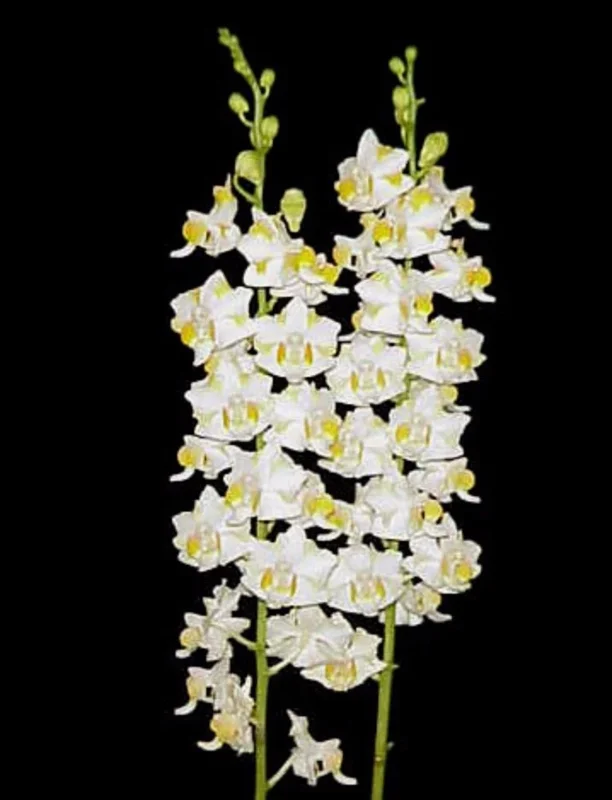
Houseplants
Phalaenopsis pulcherrima ‘Mauna Kea Snow’ Orchid Live Plant – White Flowers, Potted 2.5 in
Sold 50 products
$49.88
Sold 50 products
$49.88RELATED posts
Awapuhi Wild Ginger Plant: Zones, Care, and Propagation
Learn which USDA zones suit awapuhi wild ginger, plus sunlight, water, planting, propagation, pests, size, [...]
Awapuhi Shampoo Ginger – Care, Growing Zones, and Differences
Learn how to grow awapuhi (shampoo) ginger, its USDA zones, watering schedule, propagation tips, and [...]
Awapuhi Shampoo Plant Buying Guide – Choose the Right Zingiber zerumbet
META: Learn which awapuhi (shampoo ginger) plant or rhizome pack gives the best natural shampoo, [...]
Awapuhi Plant for Sale: Complete Buying Guide
Find the right awapuhi (shampoo ginger) plant, size, price, soil mix, and online source. Practical [...]
Shampoo Ginger Plant for Sale – Buying Guide & Tips
Find the right shampoo ginger plant, size, price, and care tips. Quick guide for U.S. [...]
Shampoo Ginger Plant (Awapuhi) Care Guide
Learn how to grow, care for, and use shampoo ginger (Zingiber zerumbet), the tropical awapuhi [...]
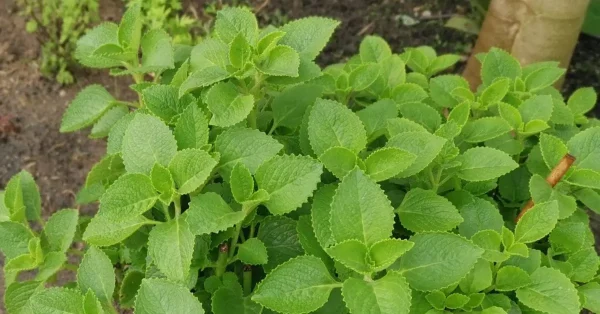
How to Grow Cuban Oregano Plants: A Complete Care Guide
If you’ve ever wanted a plant that combines the culinary punch of traditional oregano with [...]
Aug
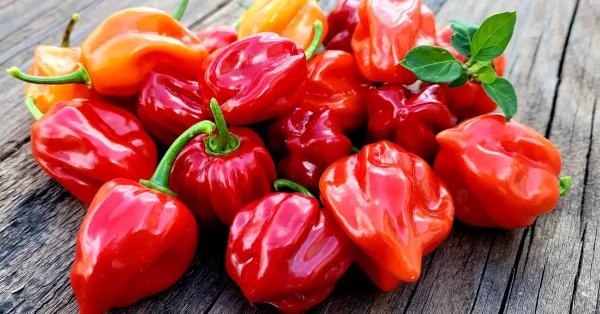
How to Grow Habanero Pepper Plants: A Step-by-Step Guide
Habanero pepper plants are prized for their vibrant colors, intense heat, and exceptional flavor, making [...]
Aug
Reviews
There are no reviews yet.