
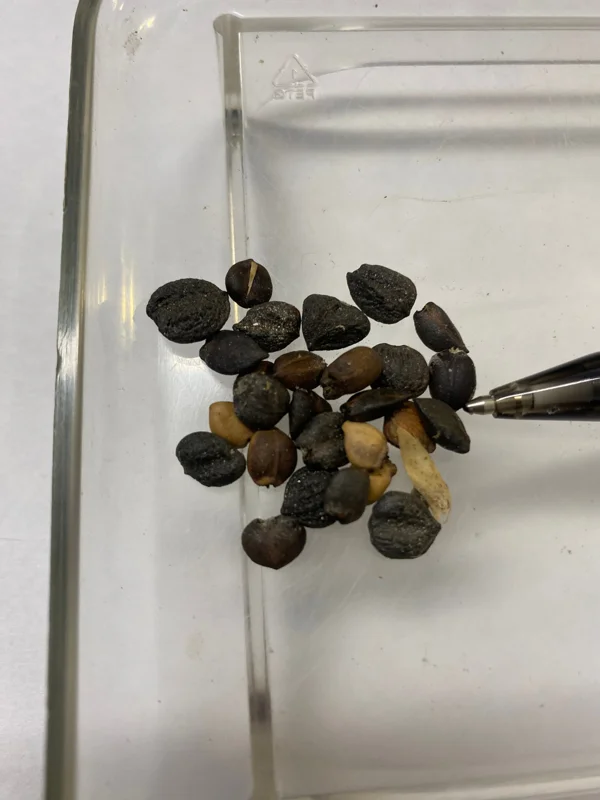
Umbrella Magnolia Seeds – Magnolia tripetala – 10 Seed Packet – Outdoor Tree
Original price was: $25.00.$17.50Current price is: $17.50.
Cultivate the striking umbrella magnolia seeds (Magnolia tripetala) with this pack of 10 viable seeds. Known for its dramatically large, tropical-looking leaves, this unique tree adds a bold statement to woodland gardens and naturalistic landscapes. Perfect for those seeking a distinctive ornamental tree.
Shipping and Return policies:
We stand behind our plants with our Alive & Thrive Guarantee. If you experience any issues within the first 30 days, please email us, and our team will be happy to help. When needed, we’ll send you a one-time replacement free of charge to make sure your garden keeps growing strong.

Reasonable Price
We offer reasonable price

Support 24/7
Contact us 24 hrs a day
100% Money Back
You’ve 30 days to Return
Payment Secure
100% secure payment
Overview
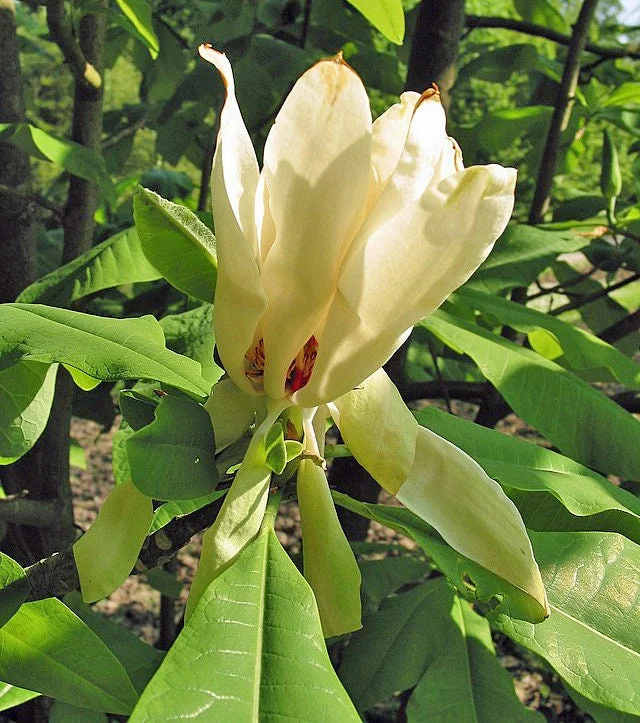
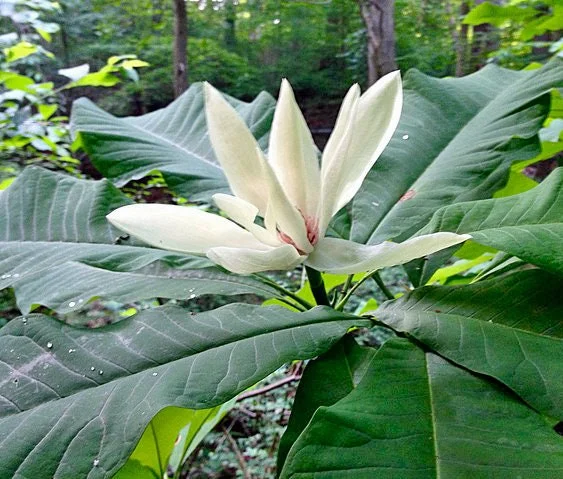
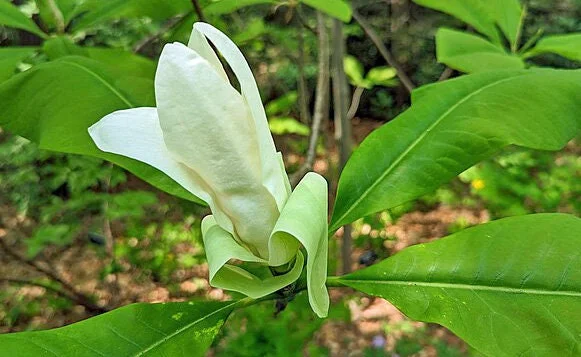
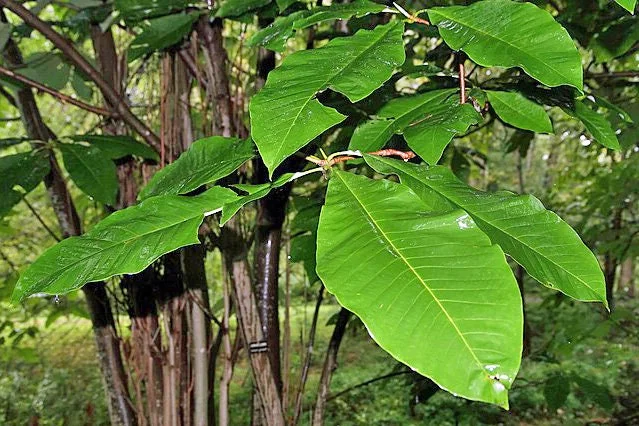
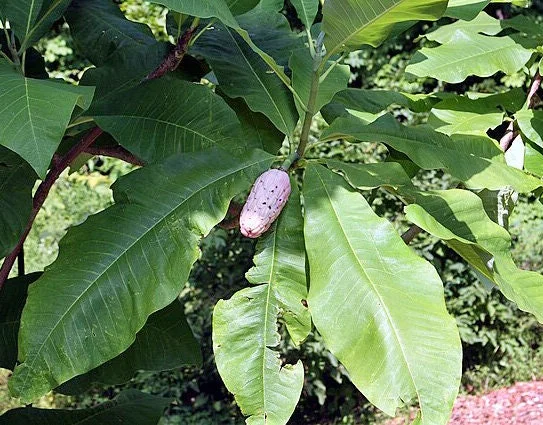
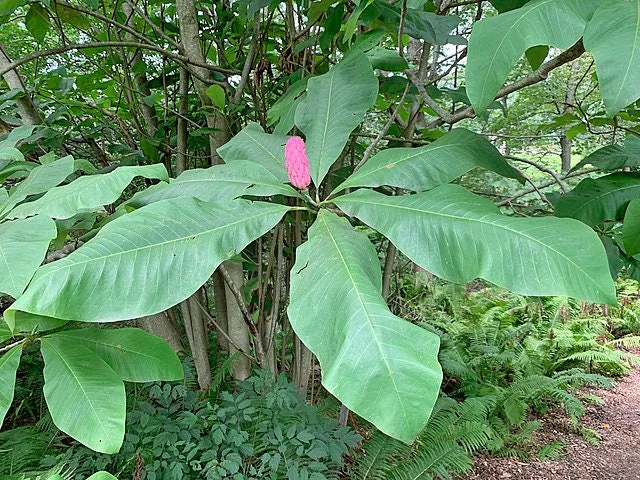
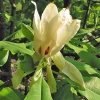
Embark on the rewarding journey of growing a truly unique specimen with these umbrella magnolia seeds. Each packet contains 10 seeds of Magnolia tripetala, commonly known as the umbrella magnolia or umbrella-tree, a distinctive deciduous tree native to the eastern United States. Renowned for its exceptionally large, umbrella-shaped leaves that can reach up to 3 feet in length, this magnolia species creates an undeniably striking presence in any landscape. While its greenish-yellow flowers are subtly nestled within the dense foliage in late spring to early summer, the tree’s primary appeal lies in its magnificent, broad leaves and unique structural form. Cultivating umbrella magnolia seeds offers the opportunity to introduce a touch of dramatic, tropical-looking foliage and intriguing character to your garden.
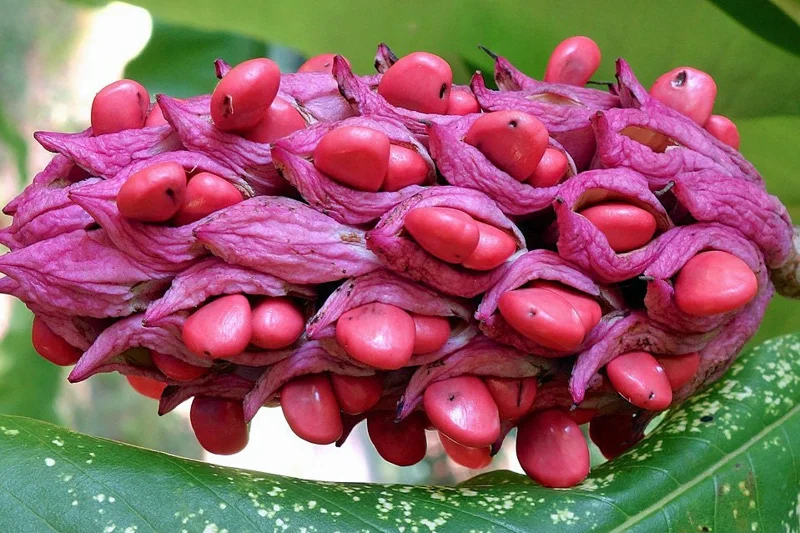
The Umbrella Magnolia is a prized ornamental tree, valued for its bold appearance that makes it a standout feature. Its cone-like fruits, which ripen in late summer to early fall, add further visual interest and can attract local wildlife. Ideal for woodland gardens, shaded landscapes, and naturalistic settings, this tree thrives in conditions ranging from partial shade to full sun, provided it has moist, well-drained soils. Patience is key when germinating and growing these magnolia tripetala seeds, but the reward is a magnificent, conversation-starting tree that will enhance your garden for years to come.
Key Benefits
Growing an umbrella magnolia from seed offers numerous benefits, transforming your garden into a captivating botanical haven. Its distinctive features provide both aesthetic appeal and ecological value:
- Dramatic Foliage: The most striking feature of the Umbrella Magnolia is its enormous, umbrella-shaped leaves, which can grow up to 3 feet long. These create a bold, tropical, and highly unusual visual impact, making it a focal point in any garden. Successfully germinating umbrella magnolia seeds allows you to witness this unique development firsthand.
- Unique Garden Presence: With its broad leaves and distinctive form, Magnolia tripetala adds a touch of drama and strangeness to woodland gardens, shaded landscapes, and naturalistic settings. It stands out from conventional trees, offering a truly original aesthetic.
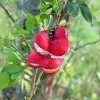
- Wildlife Attraction: The cone-like fruits that mature in late summer to early fall provide visual interest and serve as a food source, attracting various wildlife to your outdoor space.
- Adaptable Growing Conditions: This species is quite versatile, thriving in a range of light conditions from partial shade to full sun. It prefers moist, well-drained soils, making it adaptable to various garden environments within its hardiness zones.
- Long-Term Value: Once established, an Umbrella Magnolia is a long-lived tree that will continue to grow and impress for decades, representing a lasting investment in your landscape. Growing from magnolia tripetala seeds ensures you start with a healthy, strong specimen.
- Educational Experience: The process of germinating and nurturing these seeds provides a rewarding educational experience for gardeners of all levels, teaching patience and the intricacies of plant dormancy.
- Conversation Starter: Its unusual appearance makes the Umbrella Magnolia a fantastic conversation piece, drawing attention and admiration from visitors to your garden. Many will be curious about how to grow umbrella tree seeds themselves!
Plant Care & Growing Tips
Cultivating umbrella magnolia seeds into a thriving tree requires understanding its specific needs, particularly regarding germination and ongoing care. Begin by preparing the seeds for germination. Remove any remaining fruit pulp and soak the seeds in lukewarm water for 24 to 48 hours to help soften their hard seed coat. Following this, stratification is crucial. Place the seeds in a moist medium like peat moss or vermiculite, then refrigerate them for 2 to 3 months. This cold stratification period mimics winter conditions, breaking the seeds’ natural dormancy. After stratification, sow the seeds in a well-draining potting mix, barely covering them with soil. Maintain consistent moisture in the soil and provide warmth along with bright, indirect light to encourage sprouting. Germination can be slow and irregular, often taking several weeks to many months, so patience is paramount when growing magnolia tripetala seeds.
Once seedlings emerge, continue to provide optimal conditions for their growth. Umbrella magnolia trees thrive in partial shade to full sun; young seedlings may prefer more protection from intense afternoon sun. Ensure the soil remains consistently moist but not waterlogged, as good drainage is vital. A rich, well-drained soil, ideally slightly acidic, is preferred. These trees are hardy in USDA Zones 5-9. Fertilize sparingly with a balanced, slow-release fertilizer once the seedlings are established and showing vigorous growth, typically in spring. Protect young plants from strong winds. While generally robust, monitor for common pests like aphids or scale and address them promptly. Proper care will lead to a majestic large leaf magnolia tree that will be a highlight of your garden.
Size & Details
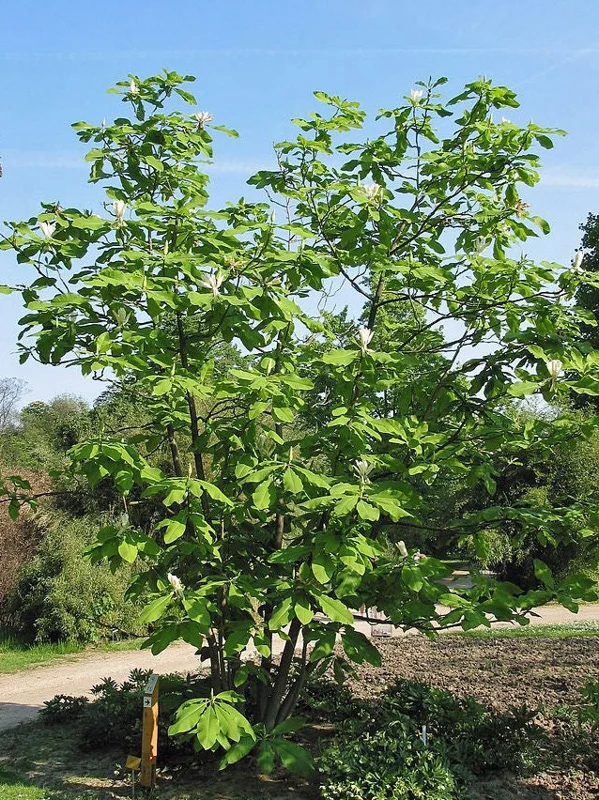
This product includes 10 high-quality umbrella magnolia seeds (Magnolia tripetala), ready for stratification and planting. These seeds offer the opportunity to grow a magnificent deciduous tree known for its impressive size and unique foliage. In maturity, the Umbrella Magnolia typically reaches a height of 15 to 30 feet, with a spread of 10 to 20 feet, forming a broad, open crown. Its distinct leaves can grow up to 3 feet in length, creating a tropical-like canopy.
The seeds are shipped in a protective packet, ensuring their viability upon arrival. While germination can be slow, with proper stratification and care, you can expect seedlings to emerge over several weeks to months. The tree’s growth rate is moderate once established. Expect several years for the tree to reach a significant size, with flowering typically beginning after 5-10 years. These umbrella tree seeds are perfect for gardeners looking for a long-term project and a dramatic addition to their landscape.
Frequently Asked Questions
- Q: How big does this plant get? A: The umbrella magnolia (Magnolia tripetala) typically grows to a height of 15 to 30 feet tall with a spread of 10 to 20 feet at maturity, making it a medium-sized deciduous tree. Its leaves are especially large, reaching up to 3 feet in length.
- Q: Is this an indoor or outdoor plant? A: The Umbrella Magnolia is an outdoor tree, best suited for large gardens, woodland settings, or naturalized landscapes. It is hardy in USDA Zones 5-9. You will grow these umbrella magnolia seeds outdoors.
- Q: How much sunlight does it need? A: This tree thrives in partial shade to full sun. While it can tolerate full sun, young trees and those in hotter climates may benefit from some afternoon shade to protect their large leaves.
- Q: Is this plant easy to care for? A: Growing umbrella magnolia seeds requires patience, especially during the germination phase due to its dormancy requirements. Once established, the tree is relatively low-maintenance, preferring consistent moisture and well-draining soil.
- Q: What condition will the seeds arrive in? A: Your 10 magnolia tripetala seeds will arrive in a protective packet, carefully prepared for shipping to ensure their viability. You will need to perform stratification upon arrival.
- Q: How long until it blooms? A: Umbrella Magnolias typically begin to flower when they are 5-10 years old, though this can vary depending on growing conditions and care. The flowers are generally inconspicuous, appearing in late spring to early summer.
- Q: When is the best time to plant these seeds? A: After the required 2-3 months of cold stratification, the best time to sow your umbrella tree seeds is in late winter or early spring, so they can germinate as temperatures rise.
- Q: Will it survive winter in my zone? A: The Umbrella Magnolia is cold-hardy and can survive winters in USDA Zones 5 through 9. Ensure proper care and mulching for young plants in the colder end of its range.
- Q: What type of soil does it prefer? A: This tree prefers moist, fertile, well-draining soil, ideally with a slightly acidic pH. Good drainage is crucial to prevent root rot.
- Q: Are these seeds suitable for beginners? A: While germinating large leaf magnolia seeds requires specific steps like stratification, a patient beginner can certainly succeed with careful adherence to the provided instructions.
Be the first to review “Umbrella Magnolia Seeds – Magnolia tripetala – 10 Seed Packet – Outdoor Tree”
You must be logged in to post a review.
People also Viewed
Sold 50 products
Original price was: $109.95.$79.98Current price is: $79.98.
Sold 50 products
Original price was: $25.00.$17.50Current price is: $17.50.
Flower Seeds
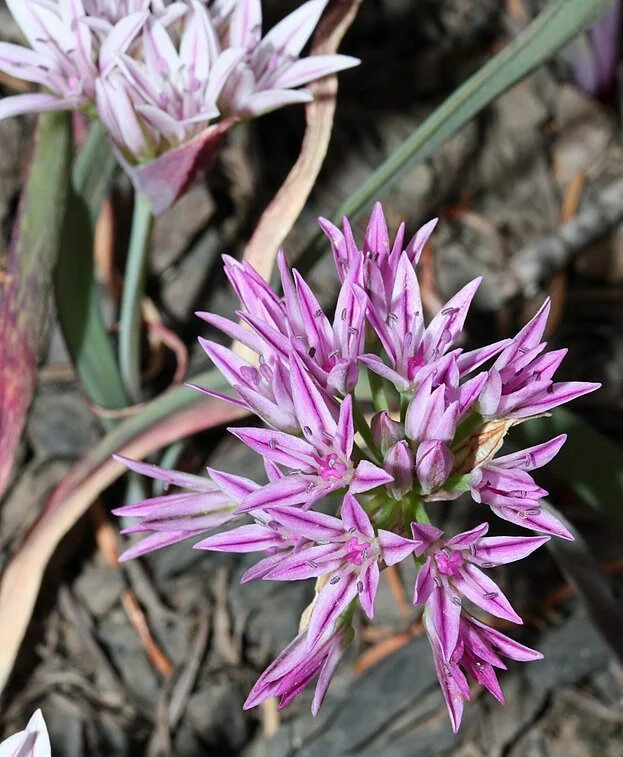
Olympic Onion Seeds – Allium crenulatum Flower Seeds – 10 Seed Pack – Outdoor Native Plant
Sold 50 products
Original price was: $25.00.$17.50Current price is: $17.50.
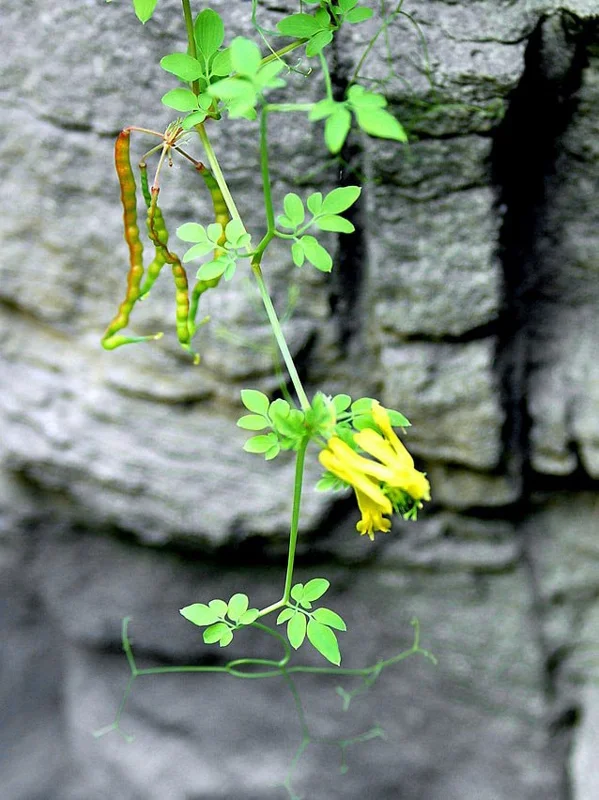
Sold 50 products
Original price was: $25.00.$17.50Current price is: $17.50.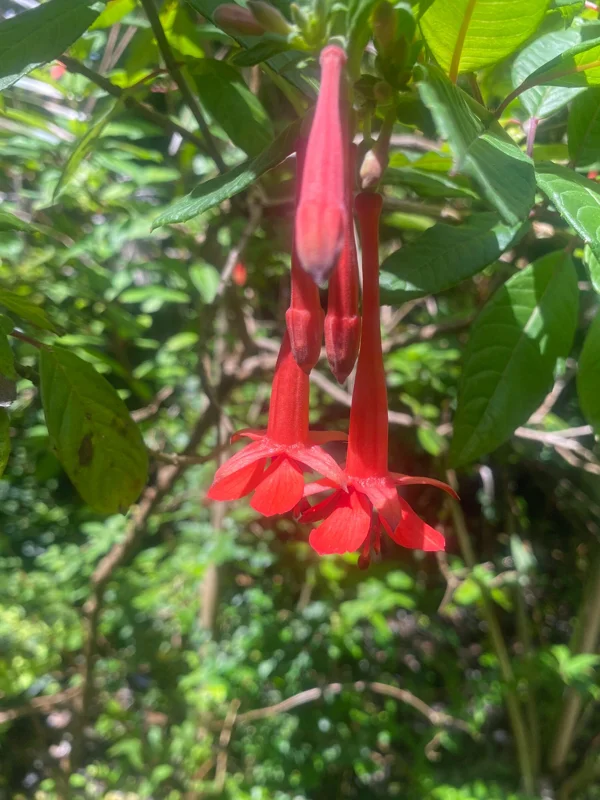
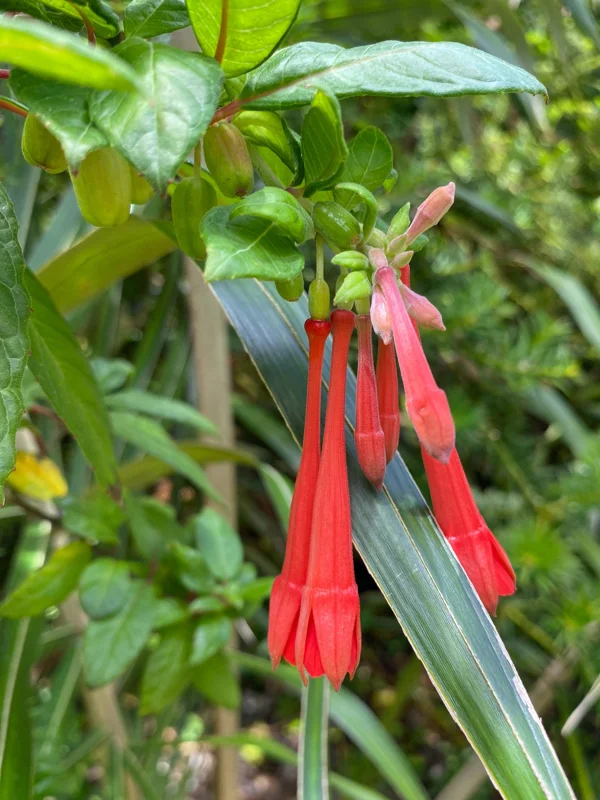
Flower Seeds
Fuchsia vulcanica Seeds – 20 Pack – Vibrant Orange Coral Flowers for Garden & Containers
Sold 50 products
Original price was: $25.00.$17.50Current price is: $17.50.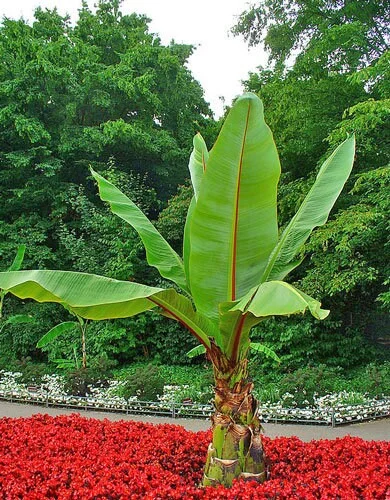
Sold 50 products
Original price was: $116.98.$95.68Current price is: $95.68.
Sold 50 products
Original price was: $21.00.$14.10Current price is: $14.10.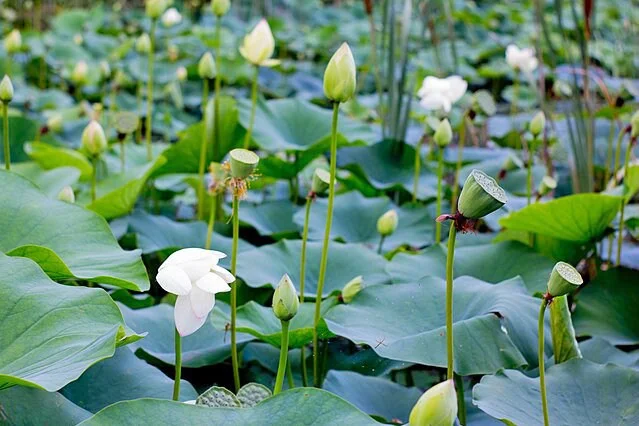
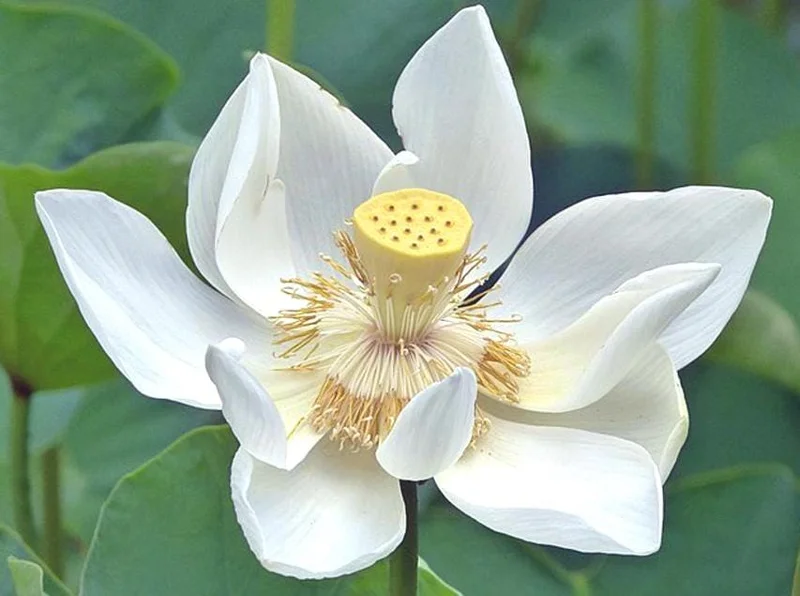
Aquatic Plant Seeds
White Lotus Seeds – Nelumbo Nucifera Aquatic Pond Plant – 5 Seeds for Water Garden
Sold 50 products
Original price was: $29.00.$20.90Current price is: $20.90.RELATED posts
Awapuhi Wild Ginger Plant: Zones, Care, and Propagation
Learn which USDA zones suit awapuhi wild ginger, plus sunlight, water, planting, propagation, pests, size, [...]
Awapuhi Shampoo Ginger – Care, Growing Zones, and Differences
Learn how to grow awapuhi (shampoo) ginger, its USDA zones, watering schedule, propagation tips, and [...]
Awapuhi Shampoo Plant Buying Guide – Choose the Right Zingiber zerumbet
META: Learn which awapuhi (shampoo ginger) plant or rhizome pack gives the best natural shampoo, [...]
Awapuhi Plant for Sale: Complete Buying Guide
Find the right awapuhi (shampoo ginger) plant, size, price, soil mix, and online source. Practical [...]
Shampoo Ginger Plant for Sale – Buying Guide & Tips
Find the right shampoo ginger plant, size, price, and care tips. Quick guide for U.S. [...]
Shampoo Ginger Plant (Awapuhi) Care Guide
Learn how to grow, care for, and use shampoo ginger (Zingiber zerumbet), the tropical awapuhi [...]
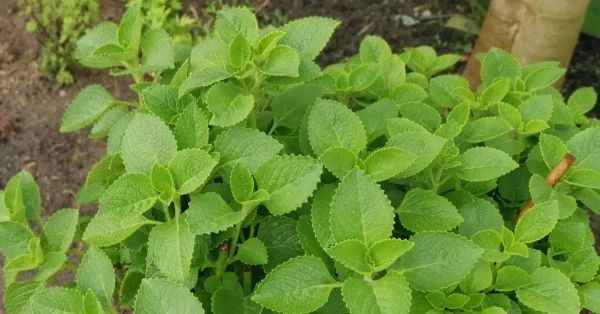
How to Grow Cuban Oregano Plants: A Complete Care Guide
If you’ve ever wanted a plant that combines the culinary punch of traditional oregano with [...]
Aug
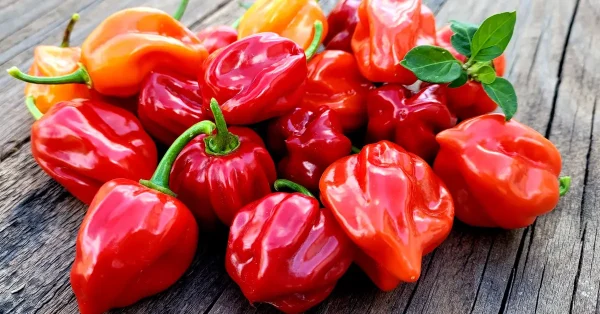
How to Grow Habanero Pepper Plants: A Step-by-Step Guide
Habanero pepper plants are prized for their vibrant colors, intense heat, and exceptional flavor, making [...]
Aug
Reviews
There are no reviews yet.