
Tropical Milkweed Live Plant – Asclepias curassavica – 3-6″ Tall – Pollinator Flower for Monarch Butterflies
Original price was: $20.39.$15.29Current price is: $15.29.
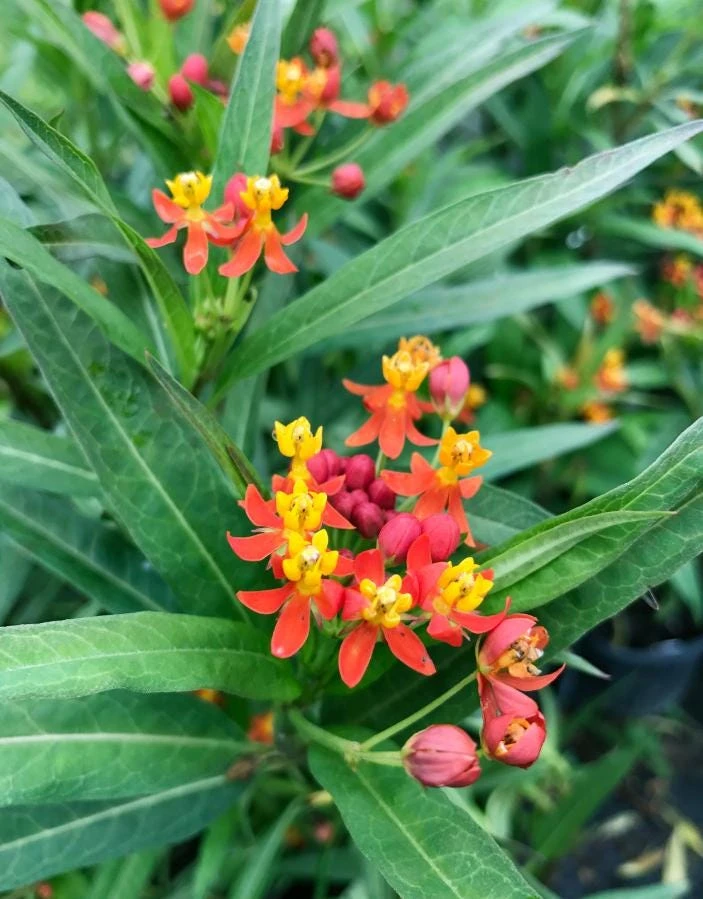
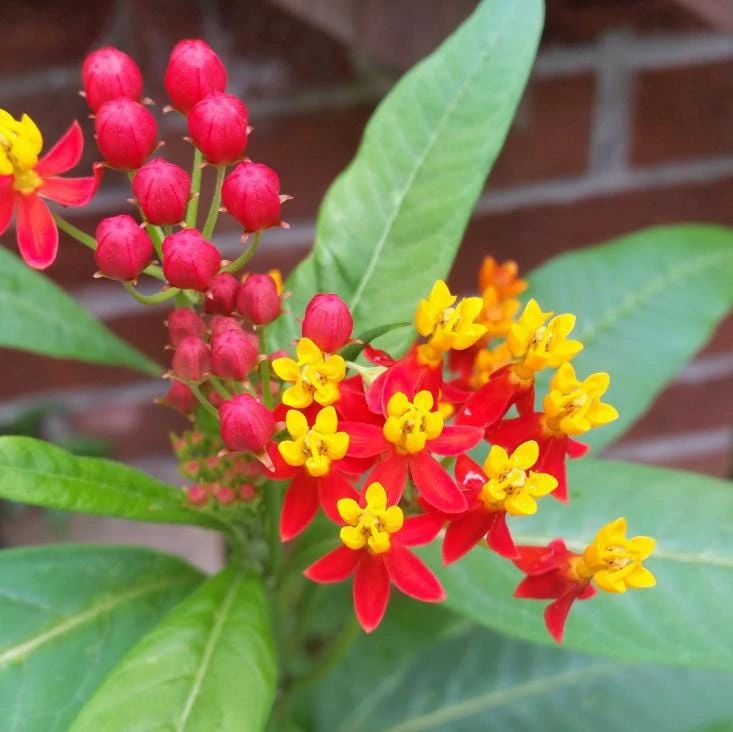
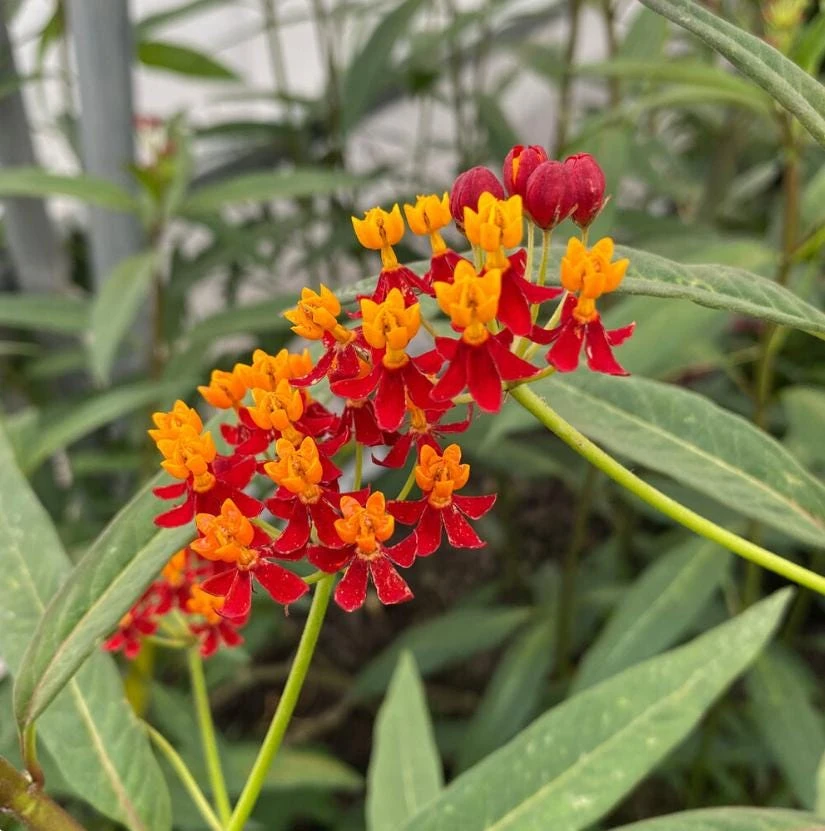
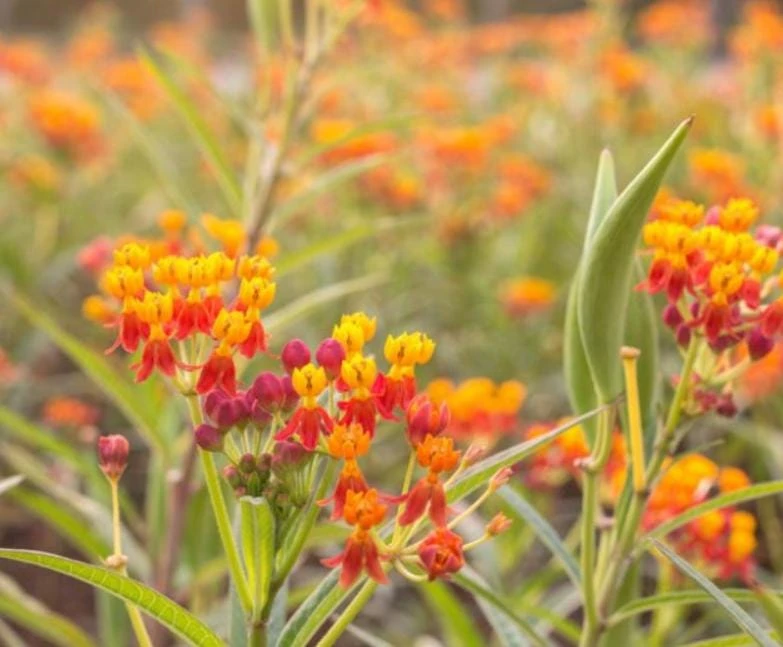
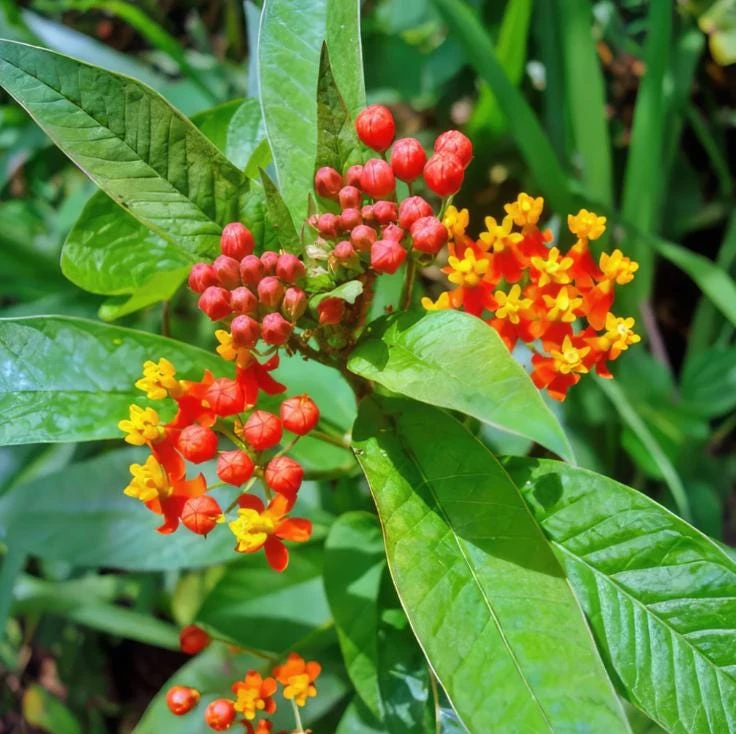
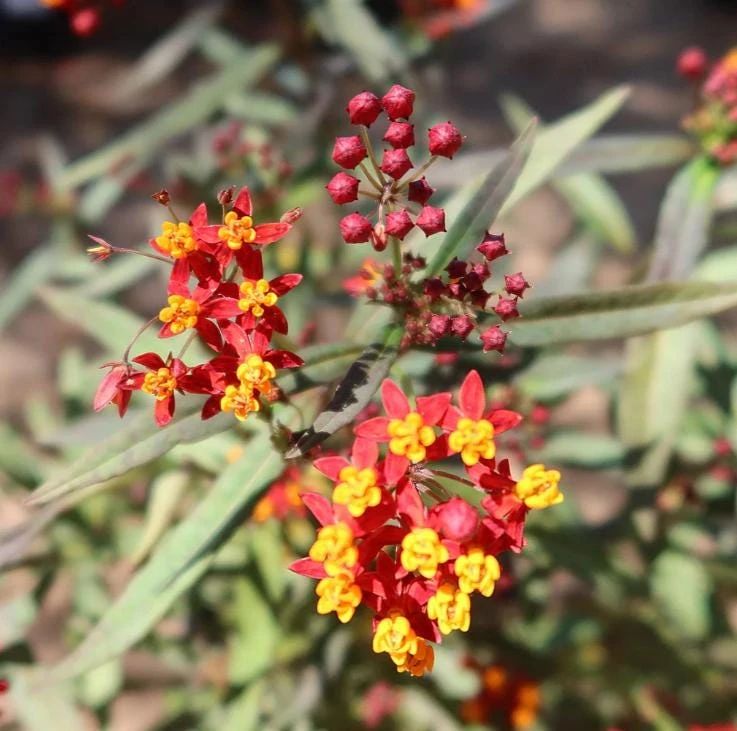
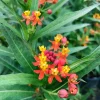
Bring life to your garden with a tropical milkweed live plant, also known as Asclepias curassavica. This vital monarch butterfly plant provides essential food for caterpillars and nectar for adult butterflies. Enjoy continuous orange and red blooms from this easy-care, 3-6 inch tall plant, perfect for any pollinator garden plant.
Shipping and Return policies:
We stand behind our plants with our Alive & Thrive Guarantee. If you experience any issues within the first 30 days, please email us, and our team will be happy to help. When needed, we’ll send you a one-time replacement free of charge to make sure your garden keeps growing strong.

Reasonable Price
We offer reasonable price

Support 24/7
Contact us 24 hrs a day
100% Money Back
You’ve 30 days to Return
Payment Secure
100% secure payment
Overview
Welcome a cornerstone of pollinator gardens with the vibrant tropical milkweed live plant, scientifically known as Asclepias curassavica. This crucial plant is renowned for its bright, showy flowers and its indispensable role in supporting Monarch butterfly populations. As a host plant, it provides essential food for Monarch caterpillars, making it a must-have for anyone looking to create an eco-friendly and visually stunning outdoor space. Beyond its ecological benefits, the tropical milkweed live plant offers continuous blooms, adding a splash of orange and red to your garden or patio, transforming it into a dynamic ecosystem where nature thrives. Originating from the American tropics, this perennial thrives in warm climates and can be grown as an annual in cooler regions. Its easy-care nature and prolific flowering make it a favorite among gardeners, from beginners to seasoned enthusiasts. Plant asclepias curassavica and witness the magic of nature unfold as Monarchs and other beneficial insects flock to its nectar-rich blossoms, contributing to a healthier, more diverse environment right in your backyard.
This tropical milkweed live plant is an excellent choice for creating a thriving ecosystem. Its distinctive orange and red flowers are not only beautiful but also highly attractive to a variety of pollinators. Whether you’re an experienced gardener or just starting, this plant offers a rewarding experience by bringing the wonders of nature directly to your home. The tropical milkweed live plant is a testament to the beauty and importance of native and beneficial flora.
Key Benefits
Adding a tropical milkweed live plant to your garden provides numerous advantages, enhancing both its aesthetic appeal and ecological value. This plant is a powerhouse for supporting local wildlife and bringing vibrant life to your outdoor spaces.
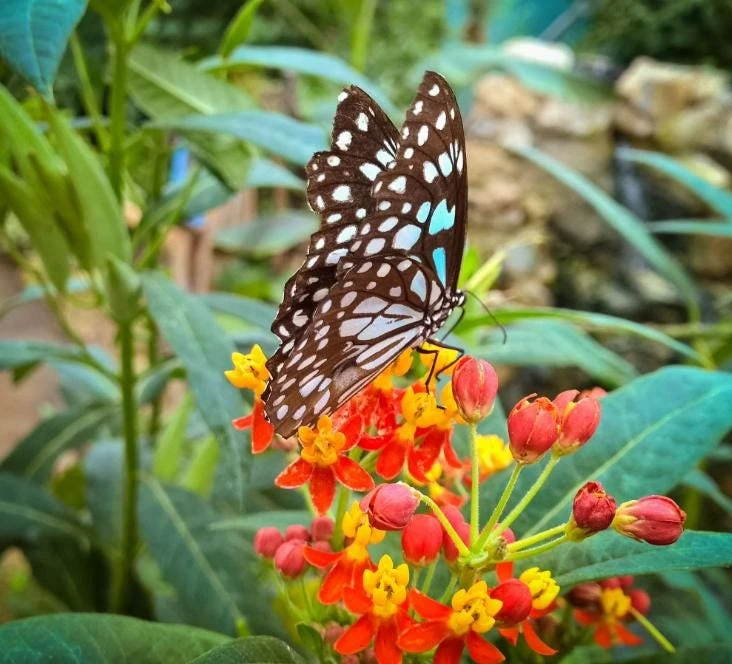
- Monarch Butterfly Magnet: The primary benefit of this plant is its crucial role as a host plant for Monarch butterfly caterpillars. Female Monarchs lay their eggs exclusively on milkweed, and the leaves provide the sole food source for the developing larvae. Planting this monarch butterfly plant directly contributes to the conservation of this iconic species.
- Continuous Blooms: Enjoy a long flowering season with bright, eye-catching orange and red flowers that bloom continuously from spring through fall in warm climates. These vivid blossoms add significant color and interest to any garden setting, making your pollinator garden plant a standout feature.
- Excellent Pollinator Attractor: Beyond Monarchs, the nectar-rich flowers attract a wide array of other beneficial pollinators, including bees, hummingbirds, and other butterfly species, promoting biodiversity in your garden.
- Low Maintenance: Once established, asclepias curassavica is relatively easy to care for, requiring minimal attention to thrive. It tolerates various conditions, making it suitable for busy gardeners and those new to milkweed plant care.
- Versatile Garden Addition: Perfect for garden beds, borders, and especially containers, its upright growth habit and vibrant flowers make it a flexible choice for various landscaping designs. It’s an ideal pollinator garden plant for both large and small spaces.
- Educational Value: Observing the life cycle of Monarch butterflies on your milkweed plants provides a fascinating and educational experience for children and adults alike, fostering an appreciation for nature and the importance of a tropical milkweed live plant.
- Drought Tolerant: Once established, tropical milkweed exhibits good drought tolerance, making it a sustainable choice for water-wise gardening in many regions, reducing the need for constant watering.
Plant Care & Growing Tips
Ensuring the health and vitality of your tropical milkweed live plant involves understanding its basic needs for light, water, and soil. This resilient plant is generally easy to grow, but a few key practices will help it flourish and attract more pollinators to your garden. Proper milkweed plant care will result in abundant blooms and a thriving ecosystem.
For optimal growth, a tropical milkweed live plant prefers a location with full sun, meaning at least 6-8 hours of direct sunlight per day. While it can tolerate some partial shade, too little sun will result in fewer flowers and leggy growth. When it comes to watering, keep the soil consistently moist but not waterlogged, especially during its active growing season. Once established, it becomes more drought-tolerant, but regular watering during dry spells will encourage more prolific blooming. Good drainage is crucial, so ensure your soil or potting mix allows water to pass through freely. The ideal soil type is a well-draining, moderately fertile soil, whether in the ground or in containers. Amend heavy clay soils with organic matter to improve drainage. This meticulous approach to asclepias curassavica care ensures robust growth and vibrant flowering.
Tropical milkweed is typically grown as a perennial in USDA Zones 9-11, where it can survive mild winters. In cooler climates (Zones 8 and below), it is usually treated as an annual or can be overwintered indoors. Fertilize your milkweed plant care regimen with a balanced, all-purpose fertilizer every 4-6 weeks during the growing season to support its vigorous flowering. Pruning is beneficial; ‘deadheading’ spent flowers will encourage more blooms, and cutting the plant back significantly in late fall or early spring can promote bushier growth and help manage potential disease or pest issues. Watch out for common pests like aphids, which can be managed with insecticidal soap or by introducing beneficial insects like ladybugs. Providing proper care ensures your pollinator garden plant remains a healthy and attractive food source for Monarchs, making it a truly effective monarch butterfly plant.
Size & Details
Each tropical milkweed live plant shipped is approximately 3-6 inches tall, measured from the soil line. These young plants are carefully selected to ensure a healthy start in your garden. They are shipped without a pot, with their roots protected, to minimize transplant shock and reduce shipping waste. Upon arrival, they are ready to be planted directly into your garden beds or chosen containers. With proper care, these plants will grow quickly, reaching a mature height of 2-3 feet and a spread of 1-2 feet within a single growing season. Expect continuous flowering from spring through fall, providing an extended season of beauty and ecological support. The vigorous growth rate ensures that your garden will soon be teeming with vibrant flowers and visiting Monarchs, making it an ideal monarch butterfly plant and a fantastic addition to any pollinator garden plant collection. This asclepias curassavica will establish quickly and become a focal point in your outdoor space.
Frequently Asked Questions
- Q: How big does this tropical milkweed live plant get? A: This plant typically grows to a height of 2-3 feet and spreads about 1-2 feet wide. The plants you receive will be 3-6 inches tall, ready to quickly establish and grow into a magnificent tropical milkweed live plant.
- Q: Is this an indoor or outdoor plant? A: Tropical milkweed live plant is primarily an outdoor plant, thriving in full sun. In colder climates (below USDA Zone 9), it is often grown as an annual or brought indoors during winter to protect it from frost.
- Q: How much sunlight does Asclepias curassavica need? A: For best flowering and growth, asclepias curassavica requires full sun, meaning at least 6-8 hours of direct sunlight per day. Less sun can lead to fewer blooms and leggy growth, impacting its effectiveness as a pollinator garden plant.
- Q: Is this plant easy to care for? A: Yes, tropical milkweed is considered relatively easy to care for. It’s drought-tolerant once established and doesn’t demand constant attention, making it a great option for various gardeners and an excellent choice for easy milkweed plant care.
- Q: What condition will the plant arrive in? A: Your tropical milkweed live plant will arrive as a healthy, young plant, 3-6 inches tall, shipped without a pot to ensure safe transit and readiness for planting. The roots will be protected for freshness and quick establishment.
- Q: When is the best time to plant this pollinator garden plant? A: The best time to plant your pollinator garden plant is in spring after the last frost, or in early summer, to allow the plant ample time to establish before the peak growing season begins.
- Q: Will this plant attract Monarch butterflies? A: Absolutely! The tropical milkweed live plant is a vital host plant for Monarch butterfly caterpillars and a significant nectar source for adult Monarchs, making it an excellent monarch butterfly plant and crucial for their life cycle.
- Q: What type of soil does it prefer? A: It prefers well-draining, moderately fertile soil. If planting in containers, use a good quality potting mix that drains well to ensure proper growth and health for your asclepias curassavica.
- Q: Is it safe for pets? A: Like many plants in the Asclepias family, tropical milkweed contains cardiac glycosides, which can be toxic if ingested in large quantities. It is generally advisable to keep it away from pets that might chew on plants.
- Q: How often should I water my tropical milkweed? A: Water regularly to keep the soil consistently moist, especially during hot, dry periods and while the plant is establishing. Reduce watering once established, as it becomes more drought-tolerant, which is a key aspect of good milkweed plant care.
Be the first to review “Tropical Milkweed Live Plant – Asclepias curassavica – 3-6″ Tall – Pollinator Flower for Monarch Butterflies”
You must be logged in to post a review.
People also Viewed

Sold 50 products
Original price was: $37.48.$23.98Current price is: $23.98.
Sold 50 products
$32.38
Sold 50 products
$27.38
Sold 50 products
$32.38
Sold 50 products
$19.88
Sold 50 products
$62.38
Sold 50 products
$24.88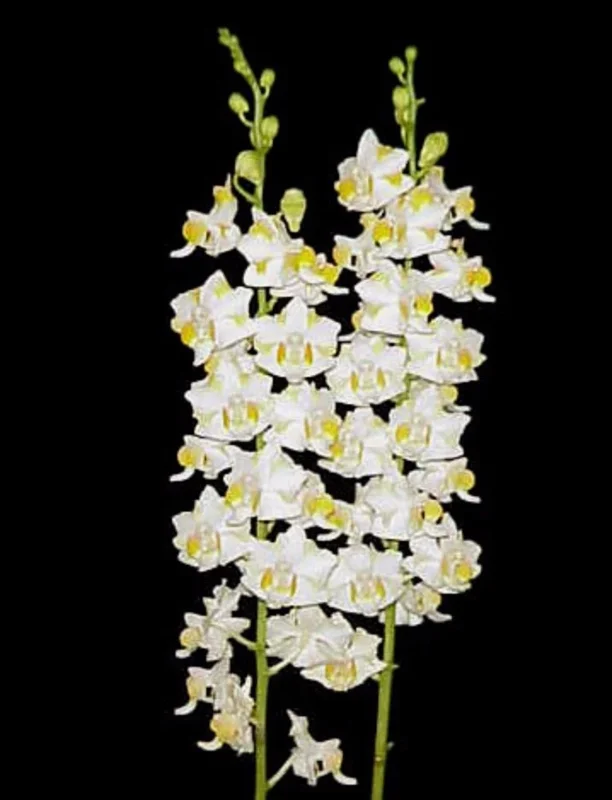
Houseplants
Phalaenopsis pulcherrima ‘Mauna Kea Snow’ Orchid Live Plant – White Flowers, Potted 2.5 in
Sold 50 products
$49.88RELATED posts
Awapuhi Wild Ginger Plant: Zones, Care, and Propagation
Learn which USDA zones suit awapuhi wild ginger, plus sunlight, water, planting, propagation, pests, size, [...]
Awapuhi Shampoo Ginger – Care, Growing Zones, and Differences
Learn how to grow awapuhi (shampoo) ginger, its USDA zones, watering schedule, propagation tips, and [...]
Awapuhi Shampoo Plant Buying Guide – Choose the Right Zingiber zerumbet
META: Learn which awapuhi (shampoo ginger) plant or rhizome pack gives the best natural shampoo, [...]
Awapuhi Plant for Sale: Complete Buying Guide
Find the right awapuhi (shampoo ginger) plant, size, price, soil mix, and online source. Practical [...]
Shampoo Ginger Plant for Sale – Buying Guide & Tips
Find the right shampoo ginger plant, size, price, and care tips. Quick guide for U.S. [...]
Shampoo Ginger Plant (Awapuhi) Care Guide
Learn how to grow, care for, and use shampoo ginger (Zingiber zerumbet), the tropical awapuhi [...]
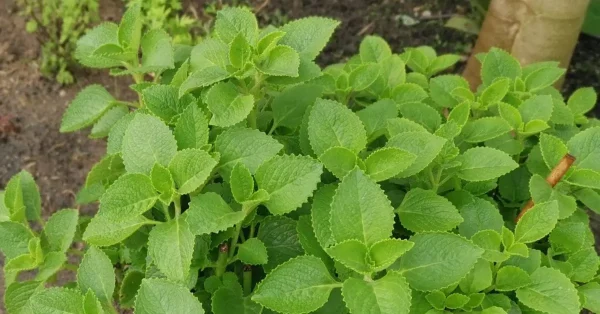
How to Grow Cuban Oregano Plants: A Complete Care Guide
If you’ve ever wanted a plant that combines the culinary punch of traditional oregano with [...]
Aug

How to Grow Habanero Pepper Plants: A Step-by-Step Guide
Habanero pepper plants are prized for their vibrant colors, intense heat, and exceptional flavor, making [...]
Aug
Reviews
There are no reviews yet.