
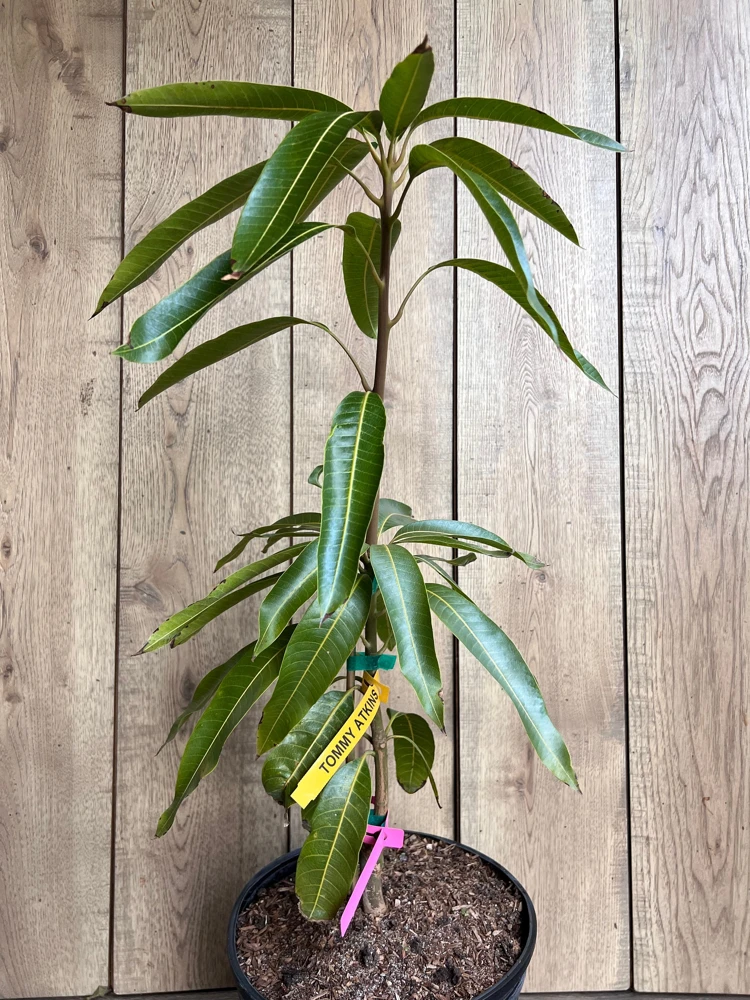
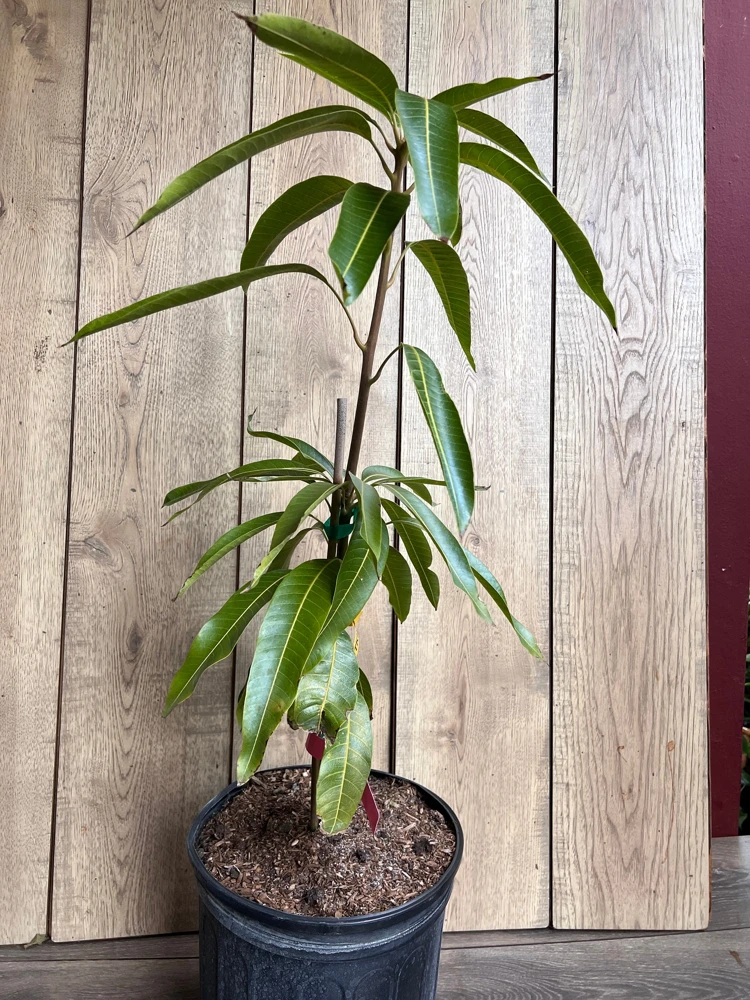
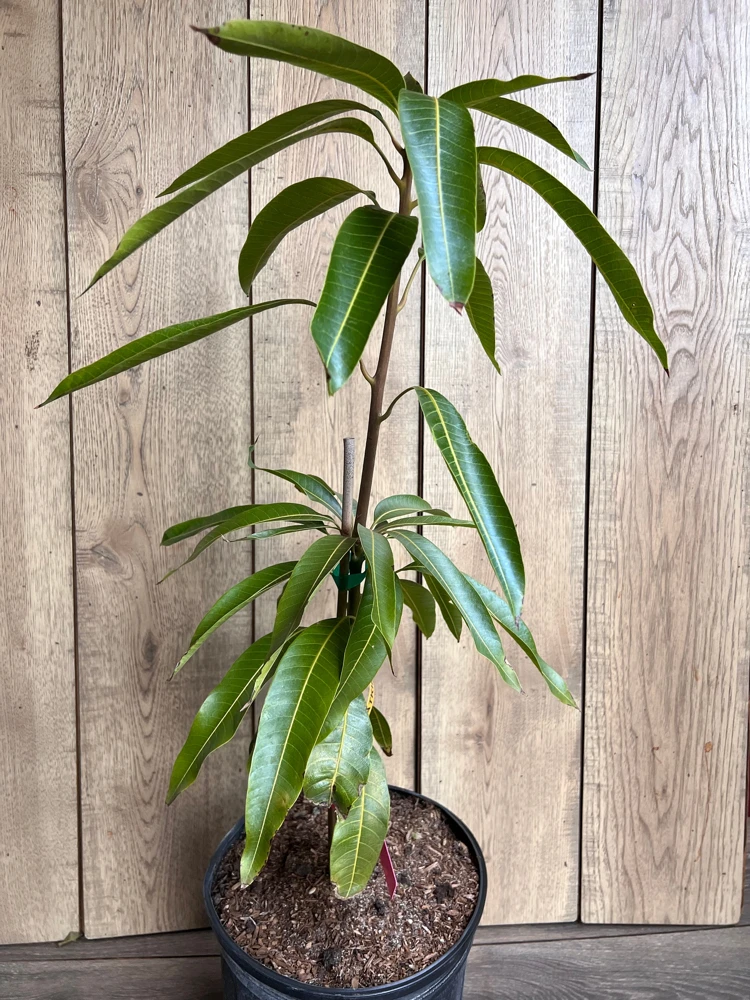
Tommy Atkins Mango Tree – Live Plant, Grafted, 3 Gallon Pot – Cannot ship to CA
Original price was: $267.81.$172.65Current price is: $172.65.
Bring the tropics to your home with a Tommy Atkins Mango Tree. This grafted live plant, supplied in a 3-gallon pot, is ready to grow and produce medium to large, flavorful mangoes with a mildly sweet taste. Perfect for container growing or planting in warm climates.
Shipping and Return policies:
We stand behind our plants with our Alive & Thrive Guarantee. If you experience any issues within the first 30 days, please email us, and our team will be happy to help. When needed, we’ll send you a one-time replacement free of charge to make sure your garden keeps growing strong.

Reasonable Price
We offer reasonable price

Support 24/7
Contact us 24 hrs a day
100% Money Back
You’ve 30 days to Return
Payment Secure
100% secure payment
Overview
Cultivate your own tropical paradise with the magnificent Tommy Atkins Mango Tree. This exceptional live plant, provided grafted in a 3-gallon pot, offers the exciting opportunity to grow delicious, fresh mangoes right in your garden or on your patio. The Tommy Atkins variety is renowned for its robust nature and reliable fruit production, making it a popular choice among home growers and commercial cultivators alike. Originating from Florida, this mango cultivar is celebrated for its attractive, colorful fruit and excellent shipping qualities, ensuring your homegrown mangoes will be a delight to share. The tree itself is vigorous and can be maintained at a manageable size with proper pruning, making it suitable for a range of growing environments.
The grafted mango tree ensures that you receive a plant with the desired characteristics of the Tommy Atkins variety, including its fruiting capabilities and disease resistance. Grafting also promotes earlier fruiting compared to seed-grown trees, meaning you can enjoy your first harvest sooner. With its lush green foliage and the promise of vibrant, juicy fruit, a Tommy Atkins Mango Tree adds both ornamental beauty and edible bounty to your landscape. This tropical fruit tree thrives in warm conditions and can be grown in large containers in cooler climates, allowing for protection during winter months. Embrace the joy of harvesting your own sweet mangoes with this rewarding plant.
Key Benefits
The Tommy Atkins Mango Tree offers a multitude of benefits, from its delicious fruit to its ornamental appeal, making it a valuable addition to any garden or patio. Enjoy the satisfaction of growing your own fresh, organic mangoes with this productive tree.
- Delicious, Homegrown Fruit: Produce your own medium to large Tommy Atkins Mango Tree fruits, known for their mildly sweet flavor and firm, juicy flesh. Enjoy fresh, healthy mangoes straight from your garden.
- Ornamental Appeal: With its dense, glossy green foliage and the promise of colorful fruit, this tree serves as an attractive landscape specimen, adding a tropical touch to your outdoor space.
- Reliable Production: The Tommy Atkins variety is a consistent bearer, offering a dependable harvest of mangoes once established, ensuring you have plenty of fruit to enjoy.
- Container Growing Potential: This grafted mango tree can be successfully grown in large containers, making it adaptable for patios, balconies, or regions with cooler winters where it can be moved indoors.
- Health Benefits: Mangoes are rich in vitamins A and C, fiber, and antioxidants, contributing to a healthy diet. Growing your own ensures pesticide-free, fresh produce.
- Educational Experience: Growing a tropical fruit tree provides a unique and engaging learning experience for gardeners of all ages, teaching about plant life cycles and tropical horticulture.
- Long-Term Investment: A well-cared-for live mango plant can provide decades of fruit production, offering a sustainable source of fresh mangoes for your family.
Plant Care & Growing Tips
Caring for your Tommy Atkins Mango Tree requires attention to its specific needs, particularly regarding water, soil, and temperature. While tropical, these trees are quite resilient with the right conditions. For optimal growth and fruit production, consistent care is key. Understanding the proper techniques for watering, feeding, and protecting your tree will ensure a healthy and productive plant for years to come. This live mango plant will reward your efforts with delicious fruit.
Sunlight and Temperature: Mango trees thrive in full sun, requiring at least 6-8 hours of direct sunlight daily. They prefer warm temperatures, ideally between the low 60s and high 90s Fahrenheit. Good air circulation and light penetration are crucial for the tree’s health. In cooler climates, consider growing your grafted mango tree in a container that can be moved indoors during winter to protect it from frost. USDA zones 9-11 are generally suitable for outdoor planting.
Watering and Soil: Water your mango tree a few times a week during warmer months, especially when young or fruiting, and reduce to once every two weeks in winter. The key is consistent moisture without waterlogging. Mangos prefer well-draining soil. If growing in a container, use a lightweight, nutritive potting mix. A suggested mixture is 40% compost, 40% mulch/peat moss, and 20% sand/perlite for excellent drainage. Ensure the pot has drainage holes to prevent root rot.
Fertilization: Fertilize your mango tree in spring, summer, and fall. Young trees need higher nitrogen, but once they begin bearing fruit, switch to fertilizers with higher phosphorus and potassium (e.g., 5-8-10 NPK) to promote flowering and fruiting. Organic options like compost, rock phosphate, guano, blood meal, bone meal, seaweed, or potassium sulfate can also provide these essential nutrients. Regular feeding supports the vigorous growth and fruit development of your Tommy Atkins Mango Tree.
Size & Details
This Tommy Atkins Mango Tree is a live, grafted plant, delivered in a 3-gallon nursery pot. Grafted trees offer the advantage of bearing fruit earlier than those grown from seed, typically within 2-4 years. The tree’s mature size can vary depending on growing conditions and pruning practices, but it generally reaches a height of 10-20 feet when grown in the ground, or can be kept smaller in a container. The 3-gallon pot provides a robust root system, ensuring a strong start for your plant.
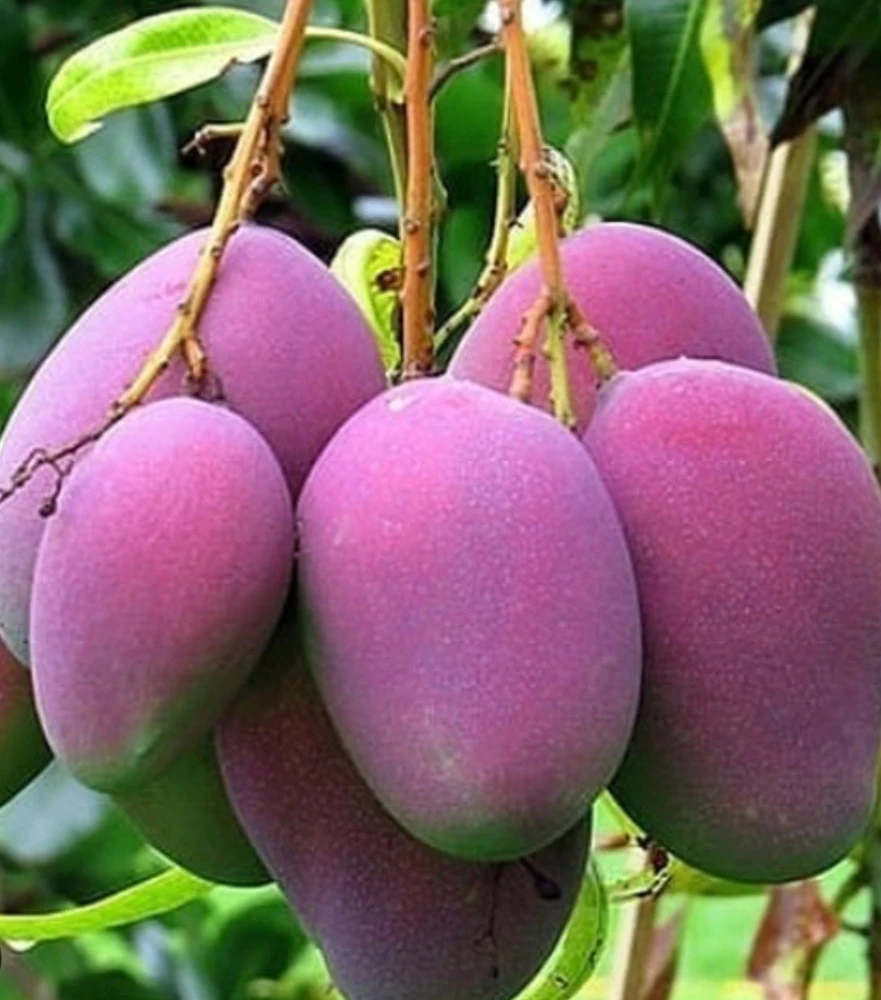
The fruit of the Tommy Atkins Mango Tree is medium to large, weighing up to two pounds. It has an oval shape with a green skin that blushes dark red, often with orange or yellow accents. The skin is thick, protecting the firm, deep yellow, somewhat fibrous flesh. This variety is prized for its mild sweetness and good shelf life. Expect your tree to establish well and begin producing fruit in a few years, bringing the taste of the tropics directly to your home.
Frequently Asked Questions
- Q: How big does this Tommy Atkins Mango Tree get? A: When planted in the ground, a Tommy Atkins Mango Tree can reach 10-20 feet tall, but it can be maintained at a smaller size with regular pruning. If grown in a large container, its size will be naturally more restricted, making it suitable for patios.
- Q: Is this an indoor or outdoor plant? A: The Tommy Atkins Mango Tree is a tropical plant best suited for outdoor growing in warm climates (USDA Zones 9-11). In cooler regions, it can be grown outdoors during warm months and brought indoors as a container plant during winter.
- Q: How much sunlight does it need? A: Mango trees require full sun, meaning at least 6-8 hours of direct sunlight per day, for optimal growth and fruit production. Ensure good air circulation around the plant.
- Q: Is this plant easy to care for? Is it good for beginners? A: While mango trees have specific needs for sunlight, water, and fertilization, they are generally considered moderately easy to care for once established. With proper attention to their tropical requirements, even beginners can successfully grow a grafted mango tree.
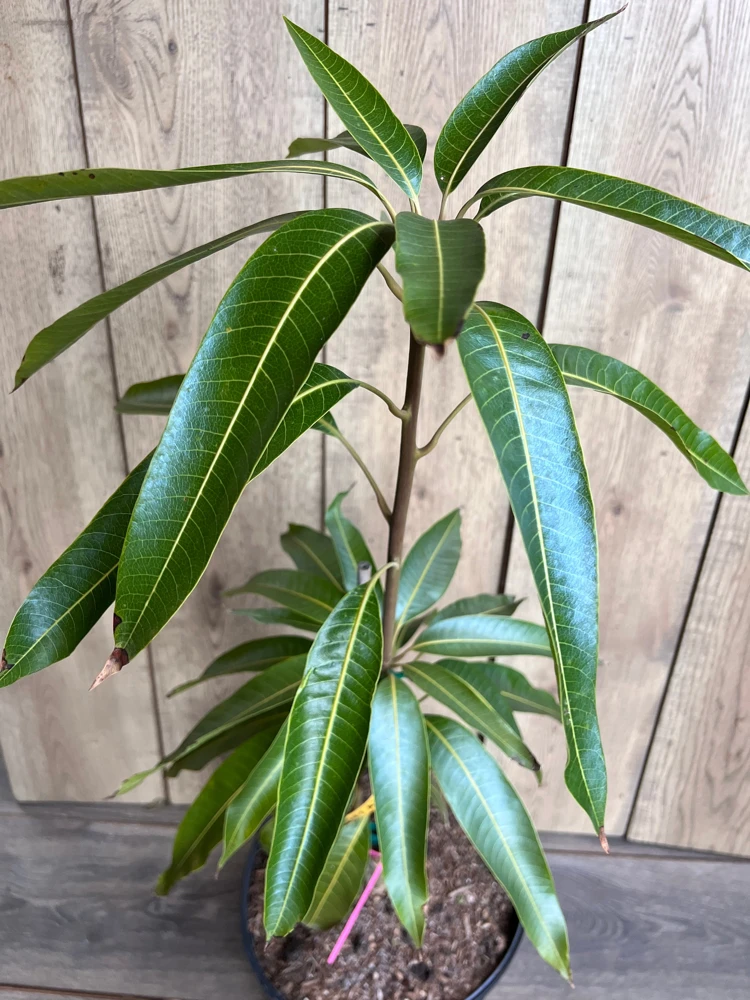
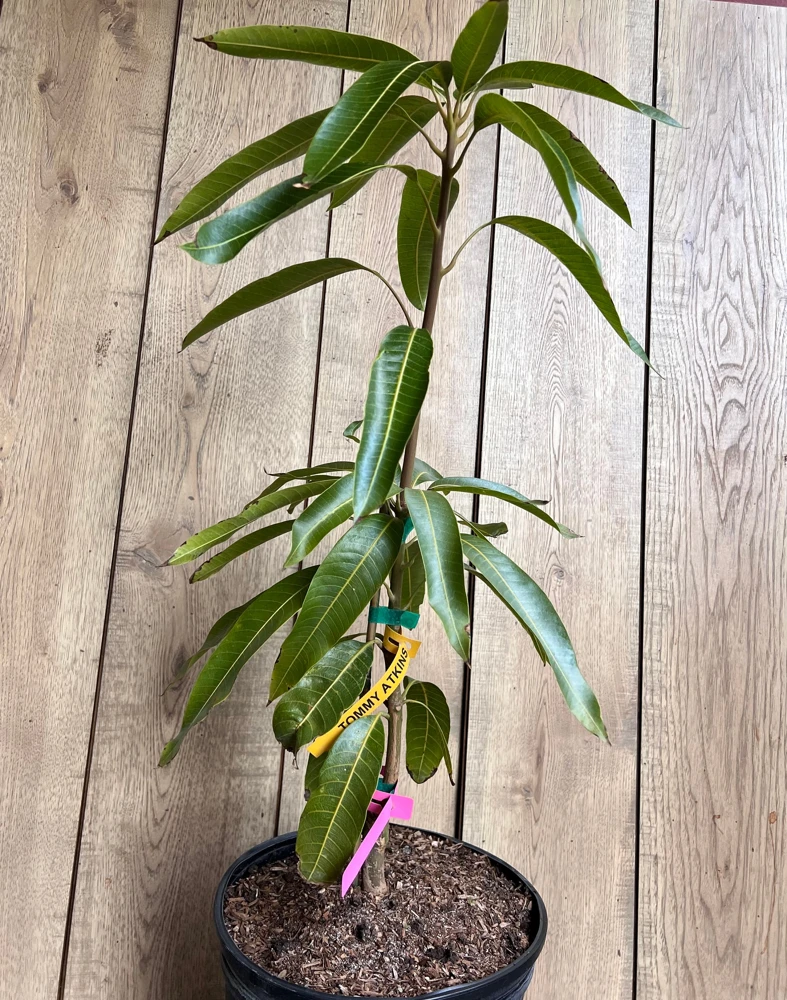
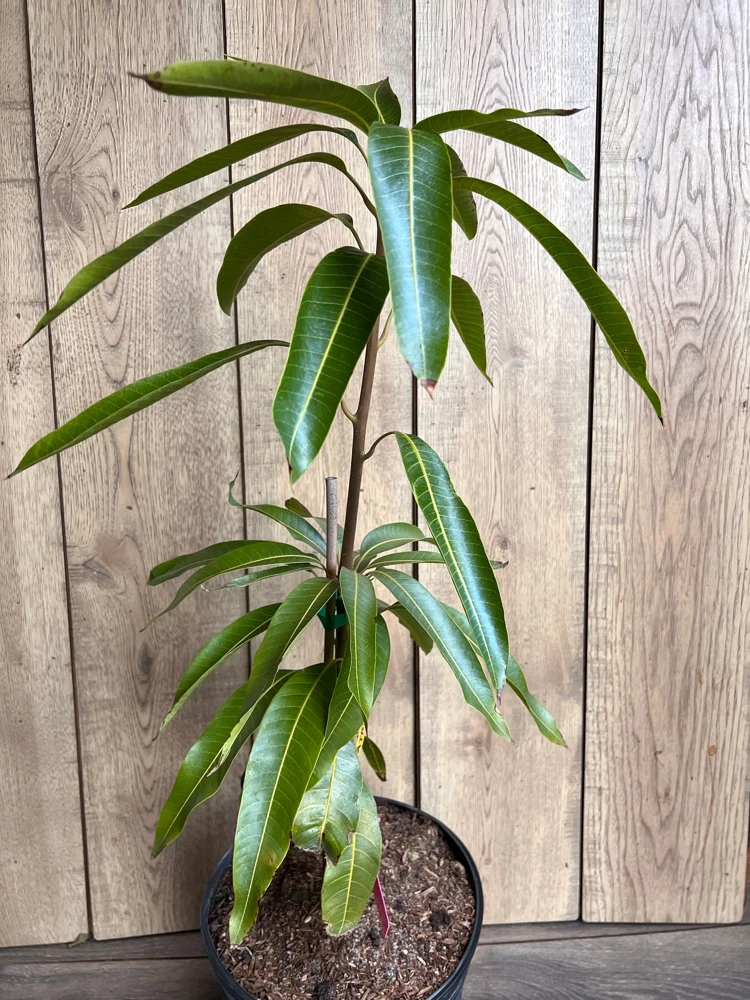
- Q: What condition will the live mango plant arrive in? A: You will receive a healthy, actively growing live mango plant in a 3-gallon pot, similar to the product images. It will be carefully packaged to ensure its safe arrival.
- Q: How long until it blooms and produces fruit? A: Since this is a grafted tree, it typically begins to bloom and produce fruit within 2-4 years of planting, much faster than a tree grown from seed. Fruiting time can vary based on care and growing conditions.
- Q: What’s the minimum temperature this tropical fruit tree can tolerate? A: A Tommy Atkins Mango Tree is sensitive to frost. While mature trees can tolerate brief dips to just above freezing, it’s best to protect them from temperatures below 30-32°F (0°C). Young trees are more vulnerable and should be protected if temperatures drop below 40°F (4°C).
- Q: What kind of soil does this mango tree prefer? A: This mango tree thrives in a wide variety of well-draining soil mixtures. For container growing, a lightweight, nutritive potting soil with excellent drainage is recommended, such as a mix of compost, peat moss, sand, and perlite.
- Q: How often should I water my mango tree? A: During warmer months, water a few times a week. In winter, reduce watering to once every two weeks. Always check the soil moisture and ensure it’s well-draining to prevent waterlogging.
- Q: Can I grow this Tommy Atkins Mango Tree in a pot indefinitely? A: Yes, with proper care, regular fertilization, and eventual repotting into a larger container (such as a 15-25 gallon pot), you can successfully grow this grafted mango tree in a pot for many years.
Be the first to review “Tommy Atkins Mango Tree – Live Plant, Grafted, 3 Gallon Pot – Cannot ship to CA”
You must be logged in to post a review.
People also Viewed
Sold 50 products
$32.38
Sold 50 products
$27.38
Sold 50 products
$32.38
Sold 50 products
$19.88
Sold 50 products
$62.38
Sold 50 products
$24.88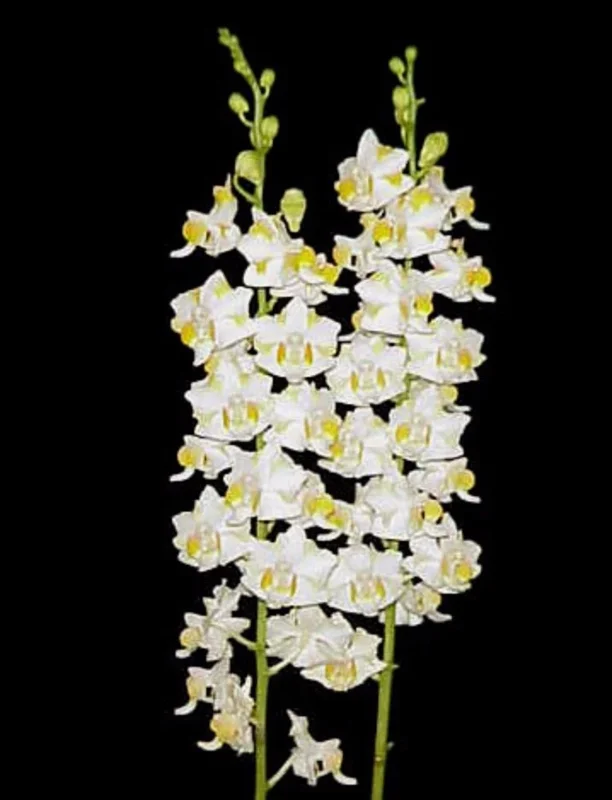
Houseplants
Phalaenopsis pulcherrima ‘Mauna Kea Snow’ Orchid Live Plant – White Flowers, Potted 2.5 in
Sold 50 products
$49.88
Sold 50 products
$49.88RELATED posts
Awapuhi Wild Ginger Plant: Zones, Care, and Propagation
Learn which USDA zones suit awapuhi wild ginger, plus sunlight, water, planting, propagation, pests, size, [...]
Awapuhi Shampoo Ginger – Care, Growing Zones, and Differences
Learn how to grow awapuhi (shampoo) ginger, its USDA zones, watering schedule, propagation tips, and [...]
Awapuhi Shampoo Plant Buying Guide – Choose the Right Zingiber zerumbet
META: Learn which awapuhi (shampoo ginger) plant or rhizome pack gives the best natural shampoo, [...]
Awapuhi Plant for Sale: Complete Buying Guide
Find the right awapuhi (shampoo ginger) plant, size, price, soil mix, and online source. Practical [...]
Shampoo Ginger Plant for Sale – Buying Guide & Tips
Find the right shampoo ginger plant, size, price, and care tips. Quick guide for U.S. [...]
Shampoo Ginger Plant (Awapuhi) Care Guide
Learn how to grow, care for, and use shampoo ginger (Zingiber zerumbet), the tropical awapuhi [...]
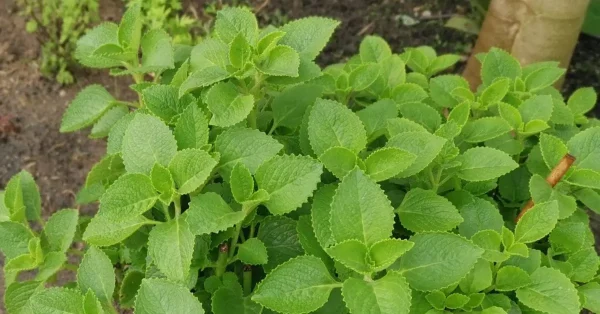
How to Grow Cuban Oregano Plants: A Complete Care Guide
If you’ve ever wanted a plant that combines the culinary punch of traditional oregano with [...]
Aug
How to Grow Habanero Pepper Plants: A Step-by-Step Guide
Habanero pepper plants are prized for their vibrant colors, intense heat, and exceptional flavor, making [...]
Aug
Reviews
There are no reviews yet.