
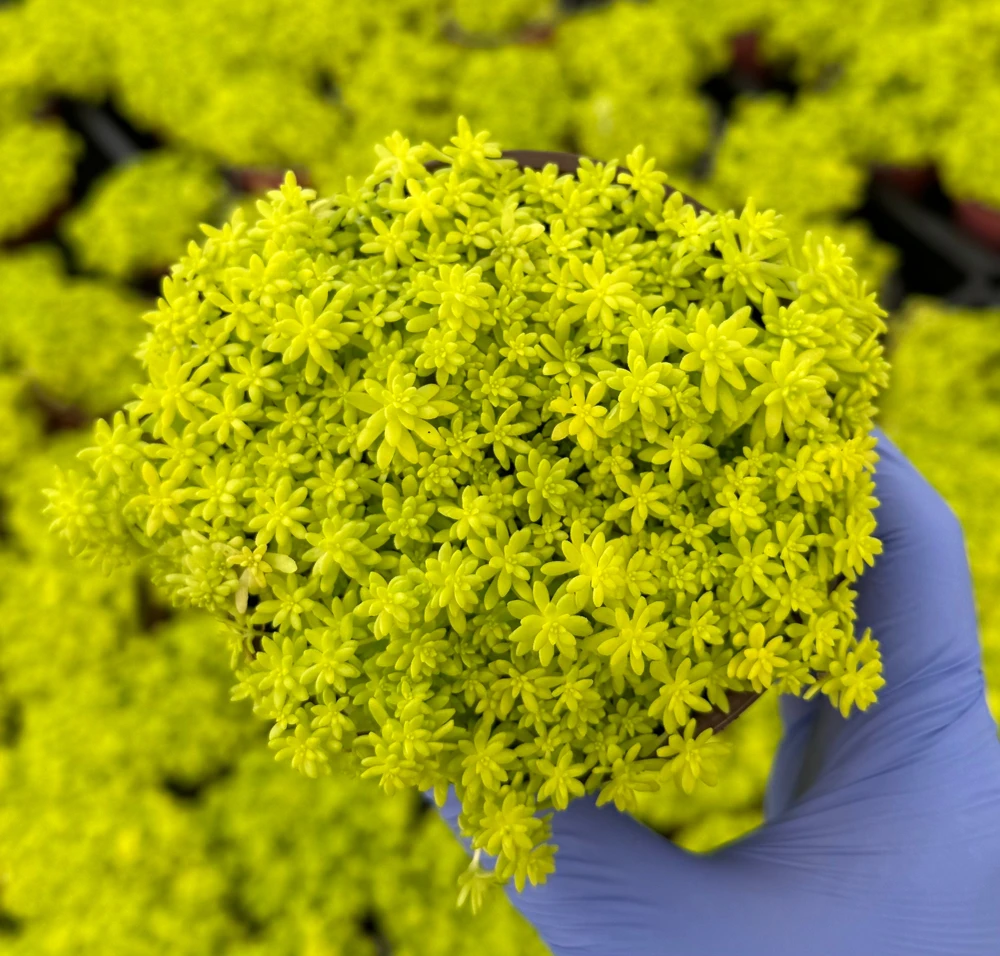
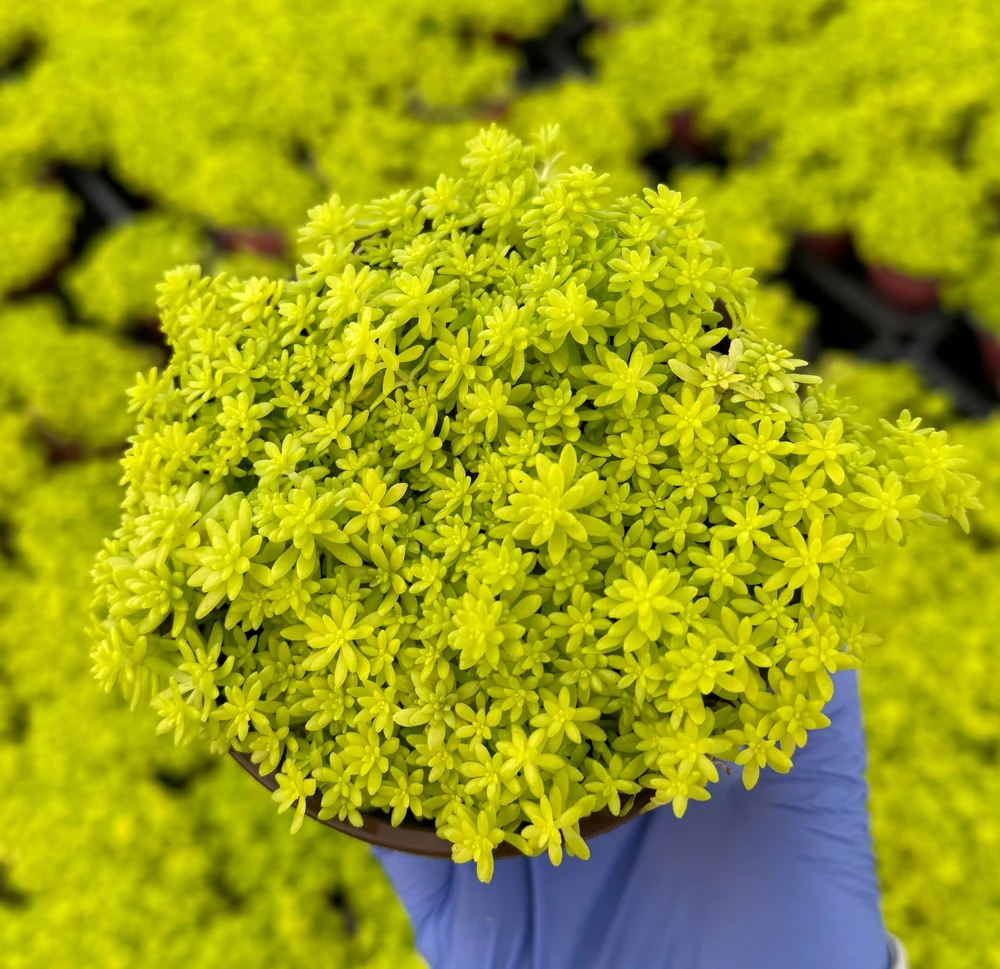
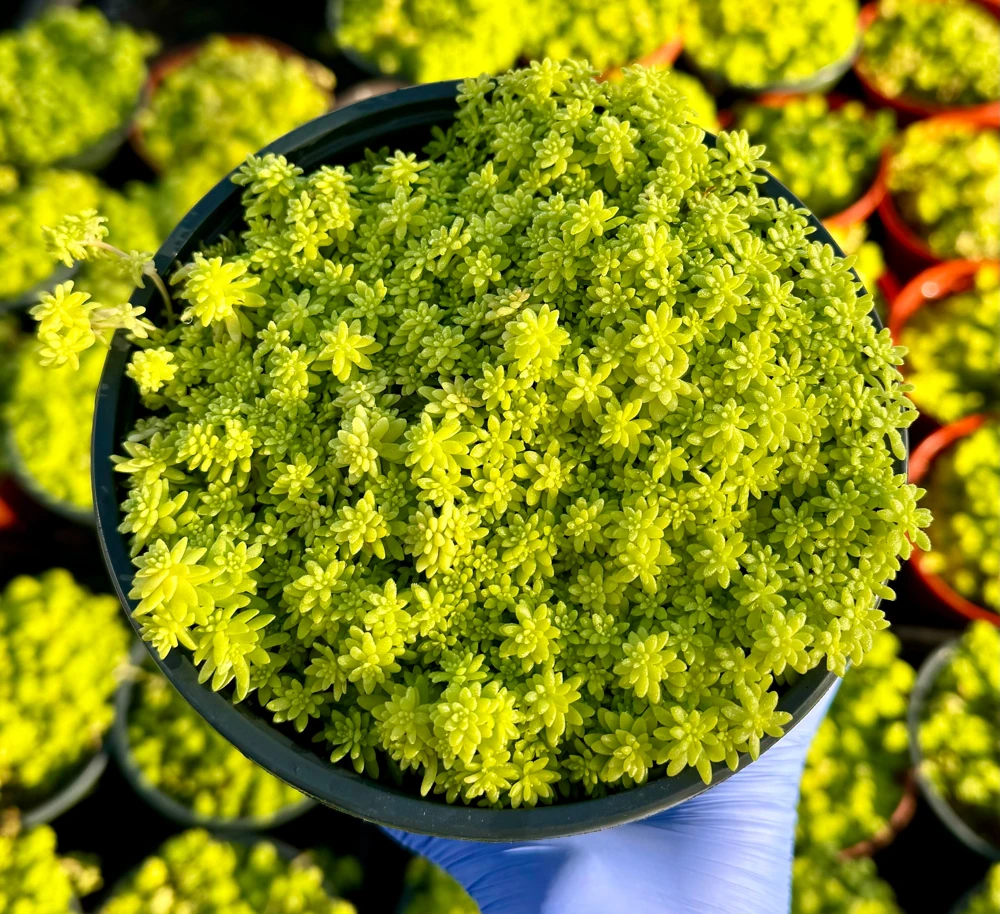
Tokyo Sun Stonecrop Live Plant – Sedum japonicum Japanese Succulent, Yellow, 2-4 inch
Original price was: $26.38.$18.46Current price is: $18.46.
Introduce a splash of vibrant color and texture to your garden with the Tokyo Sun Stonecrop live plant. This beautiful Sedum japonicum succulent forms a dense, mat-forming ground cover, showcasing bright green to yellow foliage, often with hints of red. It’s an exceptionally low-maintenance and drought-tolerant choice, ideal for rock gardens, borders, or containers, thriving in USDA zones 5-9.
Shipping and Return policies:
We stand behind our plants with our Alive & Thrive Guarantee. If you experience any issues within the first 30 days, please email us, and our team will be happy to help. When needed, we’ll send you a one-time replacement free of charge to make sure your garden keeps growing strong.

Reasonable Price
We offer reasonable price

Support 24/7
Contact us 24 hrs a day
100% Money Back
You’ve 30 days to Return
Payment Secure
100% secure payment
Overview
Introducing the captivating Tokyo Sun Stonecrop live plant, also known as Japanese Stonecrop or Sedum japonicum. This delightful succulent is a fantastic choice for gardeners seeking a vibrant, low-maintenance addition to their outdoor spaces. Native to Japan, Sedum japonicum succulent is celebrated for its lush foliage and resilient nature, making it an ideal candidate for various landscape applications. Whether you’re looking to create a striking Japanese Stonecrop ground cover, enhance a rock garden, or define a garden border, this plant offers both beauty and practicality. Its charming appearance and ease of care make it a favorite among both seasoned gardeners and beginners alike, providing continuous interest with its bright, often yellow-tinged foliage. This yellow succulent plant forms a dense mat of small, round leaves that often showcase a stunning range of colors, from bright green to blue-green, frequently accented with hints of purple or red. This creates a dynamic visual texture that can transform any area into a vibrant, living carpet. As a Tokyo Sun Stonecrop live plant, it arrives ready to thrive in your garden, bringing immediate appeal and long-lasting beauty. Its adaptability to various conditions and its striking appearance ensure it will be a cherished part of your plant collection.
Key Benefits
The Tokyo Sun Stonecrop live plant offers a multitude of benefits, making it an excellent choice for diverse garden styles and gardener preferences. Its unique characteristics contribute to both aesthetic appeal and environmental resilience:
-
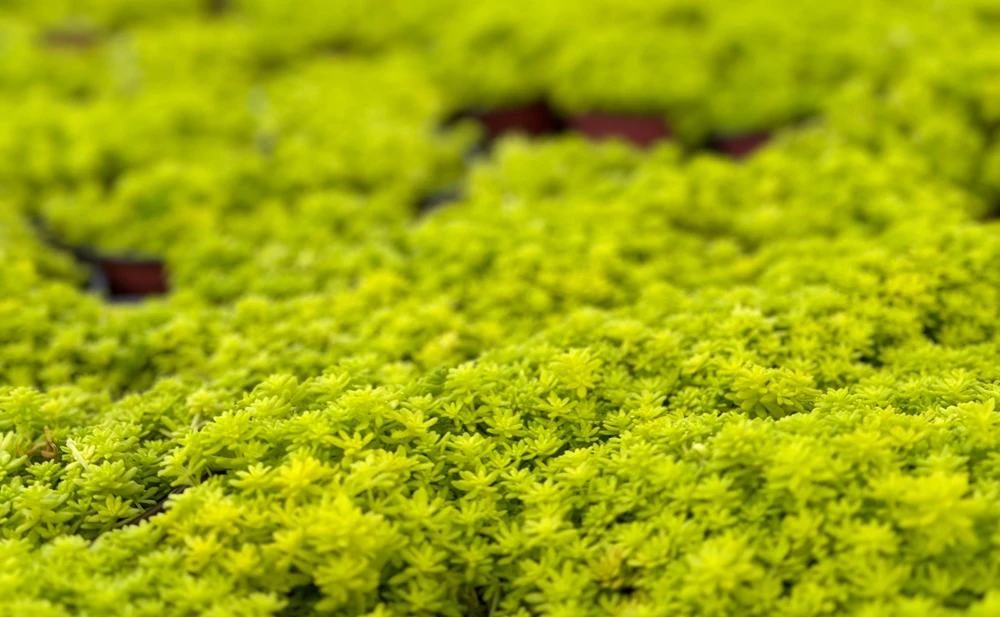
Exceptional Ground Cover: This plant forms a beautiful, dense mat, effectively covering rocky or sandy areas. It’s perfect for preventing soil erosion and creating a neat, uniform look in challenging spots where other plants might struggle, serving as an excellent Japanese Stonecrop ground cover.
-
Drought Tolerant: Once established, the Sedum japonicum succulent is remarkably drought-tolerant, requiring minimal watering. This makes it an eco-friendly choice, ideal for xeriscaping or gardens in arid climates, significantly reducing water consumption.
-
Low Maintenance: Enjoy the beauty of a lush garden without constant upkeep. This low maintenance stonecrop requires very little attention; occasional pruning is usually sufficient to maintain its desired spread and appearance, freeing up your time for other activities.
-
Versatile Landscaping: Its adaptability allows it to thrive in various settings, from enhancing the natural beauty of rock gardens to serving as an elegant border plant. It can also be grown in containers, adding a touch of succulent charm to patios and balconies.
-
Cold-Resistant: Hardy in USDA zones 5 to 9, this resilient plant can withstand chilly temperatures and even light frost. This broad hardiness range makes it suitable for a wide variety of climates across the United States.
-
Vibrant Foliage: The small, round leaves of Sedum japonicum succulent offer a spectrum of colors, often displaying green, blue-green, and even hints of purple or red. This colorful display adds year-round interest to your garden, making it a standout feature, especially as a yellow succulent plant.
-
Easy Propagation: Easily multiply your collection through stem or leaf cuttings. This allows you to expand your plantings, share with friends, or fill in new areas of your garden with minimal effort and cost.
Plant Care & Growing Tips
Caring for your Tokyo Sun Stonecrop live plant is straightforward, making it an excellent choice for both novice and experienced gardeners. This resilient yellow succulent plant thrives with minimal fuss, provided its basic needs are met. For optimal growth and vibrant foliage, ensure it receives full to partial sun. This means at least 6 hours of direct sunlight daily for full sun, or 3-6 hours for partial sun. In hotter climates, some afternoon shade can prevent scorching, helping the plant maintain its rich coloration.
Watering is crucial for succulents, but less is often more. The Japanese Stonecrop ground cover is remarkably drought-tolerant once established. Water thoroughly when the soil is completely dry to the touch, then allow it to dry out again before the next watering. Overwatering is the most common cause of problems, leading to root rot. Well-draining soil is paramount; a sandy or gritty mix designed for succulents or cacti is ideal. This ensures that excess water drains away quickly, preventing moisture from lingering around the roots. It is hardy in USDA zones 5 to 9, indicating its ability to withstand a significant range of temperatures, including light frost, making it a truly low maintenance stonecrop.
Fertilization is generally not essential for Sedum japonicum succulent, as it thrives in relatively lean conditions. If you choose to fertilize, do so sparingly in spring with a diluted, balanced liquid fertilizer. Propagation is incredibly easy; simply take stem or leaf cuttings and allow them to callus for a few days before planting them in well-draining soil. This makes it simple to expand your collection or share with others. Keep an eye out for common pests like aphids or mealybugs, though they are rare. If present, treat with insecticidal soap or neem oil. With these simple guidelines, your Tokyo Sun Stonecrop live plant will flourish, providing continuous beauty.
Size & Details
The Tokyo Sun Stonecrop live plant, commonly known as Japanese Stonecrop, typically forms a low-growing, mat-forming succulent, reaching an average height of about 2 to 4 inches (5-10 cm) with a spread of 6 to 12 inches (15-30 cm) or more, depending on growing conditions. It grows at a moderate rate, quickly filling in spaces to create a lush carpet, making it an effective Japanese Stonecrop ground cover. This plant is usually shipped as a young, actively growing specimen, often in a small nursery pot (e.g., 2-4 inch container) or as a well-rooted cutting, ready for immediate planting in your garden or a larger container. Its compact size makes it versatile for various applications, from small crevices in rock gardens to expansive ground cover areas. Expect it to establish quickly, with its vibrant foliage providing continuous interest throughout the growing season.
Frequently Asked Questions
-
Q: How big does this Tokyo Sun Stonecrop live plant get? A: This low-growing succulent typically reaches a height of 2 to 4 inches and can spread 6 to 12 inches or more, forming a dense mat over time.
-
Q: Is this an indoor or outdoor plant? A: While it can be grown indoors in bright, sunny conditions, the Sedum japonicum succulent thrives outdoors in full to partial sun and is an excellent choice for ground cover, rock gardens, and borders.
-
Q: How much sunlight does it need? A: It prefers full to partial sun, ideally receiving at least 3-6 hours of direct sunlight daily for the best growth and color development of this yellow succulent plant.
-
Q: Is this plant easy to care for? A: Yes, Tokyo Sun Stonecrop live plant is remarkably low maintenance stonecrop and drought-tolerant once established, making it an excellent choice for beginners and busy gardeners.
-
Q: What condition will it arrive in? A: Your plant will arrive as a healthy, actively growing specimen, typically in a nursery pot or as a well-rooted cutting, carefully packaged to ensure its safe journey.
-
Q: When is the best time to plant Japanese Stonecrop ground cover? A: Spring or early fall are ideal times for planting to allow the plant to establish its root system before extreme weather conditions.
-
Q: Will it survive winter in my zone? A: The Sedum japonicum succulent is hardy in USDA zones 5 to 9, meaning it can withstand cold temperatures and light frost in those regions.
-
Q: What type of soil does it prefer? A: It thrives in well-draining soil, such as a sandy or gritty succulent/cacti mix, to prevent waterlogging and root rot.
-
Q: How often should I water my low maintenance stonecrop? A: Water thoroughly only when the soil is completely dry to the touch. Allow the soil to dry out completely between waterings to avoid overwatering.
-
Q: Can I propagate this plant? A: Absolutely! Sedum japonicum is very easy to propagate from stem or leaf cuttings, allowing you to multiply your collection effortlessly.
Be the first to review “Tokyo Sun Stonecrop Live Plant – Sedum japonicum Japanese Succulent, Yellow, 2-4 inch”
You must be logged in to post a review.
People also Viewed
Sold 50 products
$32.38
Sold 50 products
$27.38
Sold 50 products
$32.38
Sold 50 products
$19.88
Sold 50 products
$62.38
Sold 50 products
$24.88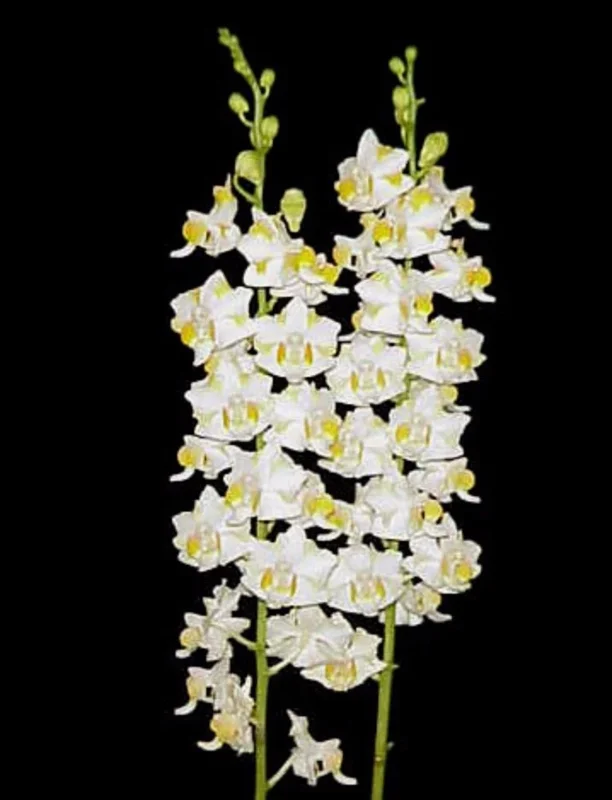
Houseplants
Phalaenopsis pulcherrima ‘Mauna Kea Snow’ Orchid Live Plant – White Flowers, Potted 2.5 in
Sold 50 products
$49.88
Sold 50 products
$49.88RELATED posts
Awapuhi Wild Ginger Plant: Zones, Care, and Propagation
Learn which USDA zones suit awapuhi wild ginger, plus sunlight, water, planting, propagation, pests, size, [...]
Awapuhi Shampoo Ginger – Care, Growing Zones, and Differences
Learn how to grow awapuhi (shampoo) ginger, its USDA zones, watering schedule, propagation tips, and [...]
Awapuhi Shampoo Plant Buying Guide – Choose the Right Zingiber zerumbet
META: Learn which awapuhi (shampoo ginger) plant or rhizome pack gives the best natural shampoo, [...]
Awapuhi Plant for Sale: Complete Buying Guide
Find the right awapuhi (shampoo ginger) plant, size, price, soil mix, and online source. Practical [...]
Shampoo Ginger Plant for Sale – Buying Guide & Tips
Find the right shampoo ginger plant, size, price, and care tips. Quick guide for U.S. [...]
Shampoo Ginger Plant (Awapuhi) Care Guide
Learn how to grow, care for, and use shampoo ginger (Zingiber zerumbet), the tropical awapuhi [...]
How to Grow Cuban Oregano Plants: A Complete Care Guide
If you’ve ever wanted a plant that combines the culinary punch of traditional oregano with [...]
Aug

How to Grow Habanero Pepper Plants: A Step-by-Step Guide
Habanero pepper plants are prized for their vibrant colors, intense heat, and exceptional flavor, making [...]
Aug
Reviews
There are no reviews yet.