
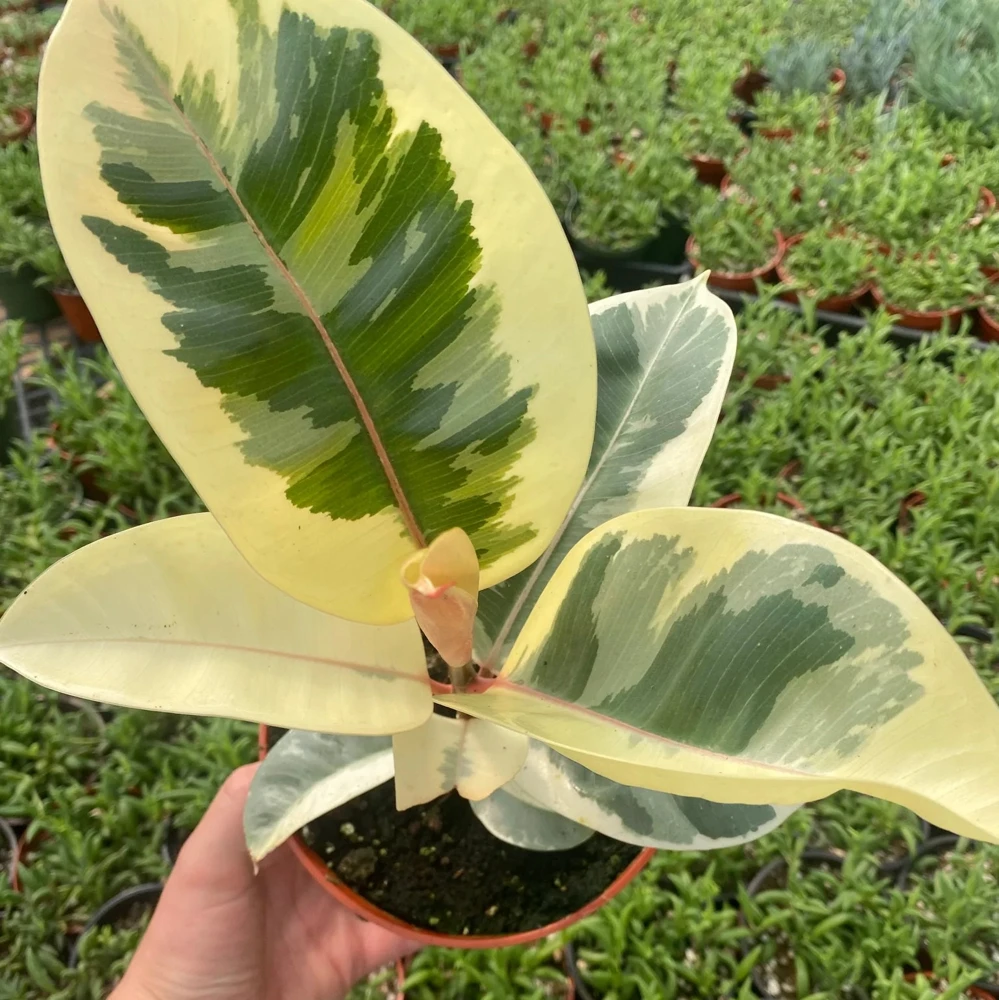
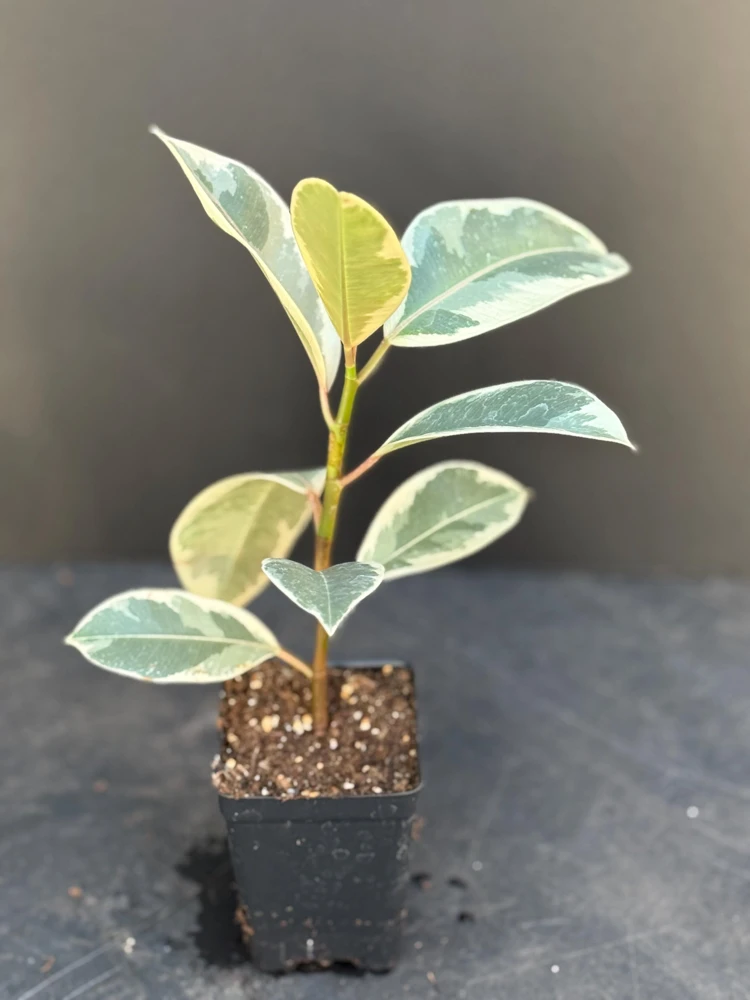
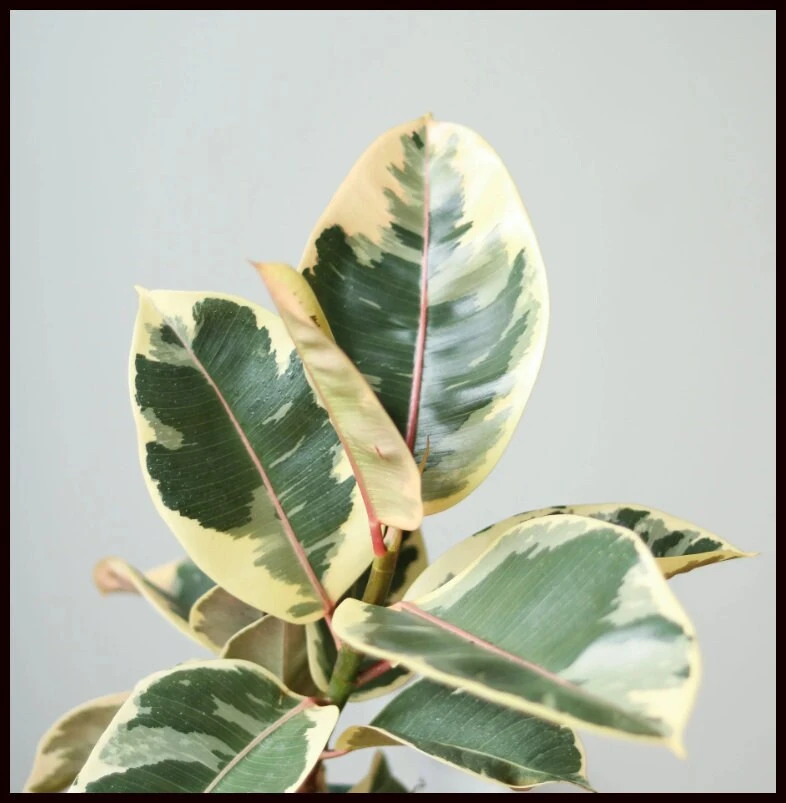
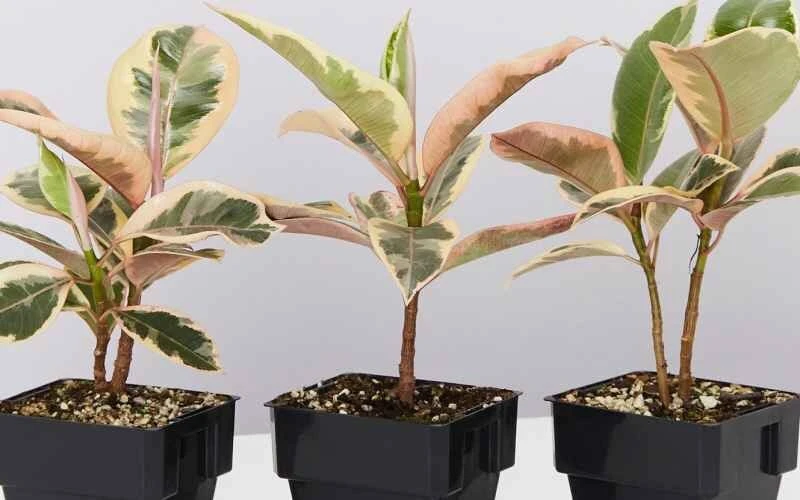
Tineke Rubber Tree Live Plant, Variegated Ficus Elastica ‘Tineke’, Indoor Houseplant
Original price was: $33.70.$26.78Current price is: $26.78.
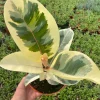
Elevate your indoor space with the striking Tineke rubber tree live plant, a captivating variety of Ficus elastica. Known for its beautiful white and green marbled leaves, this variegated Ficus elastica adds a dramatic and elegant touch to any home. It’s an ideal choice for plant enthusiasts seeking a resilient and visually appealing houseplant.
Shipping and Return policies:
We stand behind our plants with our Alive & Thrive Guarantee. If you experience any issues within the first 30 days, please email us, and our team will be happy to help. When needed, we’ll send you a one-time replacement free of charge to make sure your garden keeps growing strong.

Reasonable Price
We offer reasonable price

Support 24/7
Contact us 24 hrs a day
100% Money Back
You’ve 30 days to Return
Payment Secure
100% secure payment
Overview
Introduce a touch of elegance and natural beauty to your home with the Tineke rubber tree live plant. This captivating variety of Ficus elastica, often referred to as ‘Tineke’, is renowned for its strikingly variegated foliage. Each leaf features a mesmerizing blend of creamy white, soft pink, and vibrant green, creating a marbled effect that is truly unique. As a popular indoor houseplant, the Tineke rubber tree live plant is celebrated not only for its aesthetic appeal but also for its relatively easy care requirements, making it suitable for both novice and experienced plant parents. It grows in an upright, stately manner, adding vertical interest to your interior design and transforming any room into a lush, inviting sanctuary. This plant is a fantastic way to bring the beauty of nature indoors.
The variegated Ficus elastica ‘Tineke’ is a tropical plant that thrives in warm, humid environments, making it perfectly adapted to indoor living. Its large, glossy leaves are not just ornamental; they also contribute to a healthier indoor atmosphere by helping to purify the air. Whether you’re looking to create a focal point in your living room, add greenery to your office, or simply enjoy the presence of a living piece of art, the Tineke rubber tree is an excellent choice. This particular offering is for a rooted starter plant, ready to establish itself and grow into a magnificent specimen under your care.
Key Benefits
The Tineke rubber tree live plant offers a multitude of benefits, making it a highly sought-after addition to any indoor plant collection. Its unique characteristics provide both aesthetic pleasure and practical advantages for your home environment.
- Stunning Variegated Foliage: The most striking feature of this plant is its beautiful leaves, adorned with creamy white, green, and often pink margins. This vibrant variegation provides a dramatic contrast and makes it a captivating focal point in any room.
- Air Purification: Like many Ficus varieties, the variegated Ficus elastica is known for its ability to help filter indoor air, removing common toxins and contributing to a fresher, healthier living space.
- Easy to Care For: Despite its exotic appearance, the ‘Tineke’ rubber tree is surprisingly low-maintenance. It tolerates a range of indoor conditions and is resilient, making it a great choice for those new to houseplants or with busy schedules.
- Architectural Growth Habit: This plant naturally grows in a tall, upright shape with large, glossy leaves, adding a sophisticated and architectural element to your home decor. It can grow quite large, creating a lush, jungle-like feel.
- Versatile Decor Piece: Its elegant appearance allows it to seamlessly integrate into various interior design styles, from modern minimalist to bohemian chic. The Tineke rubber tree live plant enhances the aesthetic appeal of any setting.
- Boosts Mood and Well-being: Bringing natural elements into your home has been shown to reduce stress, improve focus, and enhance overall well-being. Caring for a beautiful plant like the ‘Tineke’ can be a rewarding and therapeutic experience.
- Long Lifespan: With proper care, a Tineke rubber tree can live for many years, becoming a long-term companion and a continuous source of joy and beauty in your home.
Plant Care & Growing Tips
Caring for your Tineke rubber tree live plant is straightforward, and with a few key considerations, it will thrive and display its magnificent foliage for years to come. One of the most important aspects of Tineke plant care is ensuring it receives adequate, but not excessive, light. Bright, indirect light is ideal; place it near a window where it can receive plenty of ambient light without direct sun exposure, which can scorch its delicate variegated leaves and cause the colors to fade. A north or east-facing window is often perfect, or a few feet away from a south or west-facing window.
When it comes to watering, consistency is key. Allow the top 1-2 inches of soil to dry out completely between waterings to prevent root rot, which is a common issue for Ficus plants. Water thoroughly until it drains from the bottom, then discard any excess water. Reduce watering in the cooler months when the plant’s growth slows. The ideal soil for your variegated Ficus elastica should be well-draining and fertile; a good quality potting mix designed for houseplants, possibly with added perlite or bark, will provide the necessary aeration and nutrients. Maintaining the right temperature, between 60°F-75°F, is crucial, and protecting it from cold drafts and sudden temperature fluctuations will help prevent stress. These Ficus elastica Tineke growing conditions are essential for a healthy, robust plant. Fertilize every 2-4 weeks during the growing season (spring and summer) with a balanced liquid fertilizer diluted to half strength. Wipe the leaves regularly with a damp cloth to remove dust, which not only keeps them shiny but also helps the plant photosynthesize more efficiently. Pruning can be done to maintain shape or encourage a bushier growth habit.
Size & Details
This offering is for a rooted starter plant of the Tineke rubber tree live plant. These young plants are typically shipped either bare root or in a 2.5×4 inch greenhouse pot, providing a healthy foundation for robust growth in your home. While exact dimensions vary as each living plant is unique and influenced by seasonal growth, you can expect a compact, vibrant starter ready for transplanting into a slightly larger pot upon arrival. The ‘Tineke’ variety is known for its moderate to fast growth rate under optimal conditions, eventually growing into a tall, stately specimen, often reaching several feet in height indoors with proper care and adequate space. Its large, glossy leaves can grow to be 6-12 inches long, showcasing the distinctive white and green variegation. This makes it an excellent choice for a statement plant.
Upon receipt, we recommend carefully potting your variegated Ficus elastica into a slightly larger container with fresh, well-draining potting mix. Allow it some time to acclimate to its new environment before expecting rapid growth. With consistent care, including appropriate light and watering, your starter plant will quickly establish itself and begin to develop into the magnificent indoor tree it is destined to be. The ultimate size of your plant will depend on pot size, pruning, and environmental factors, but it has the potential to become a significant presence in your living space.
Frequently Asked Questions
- Q: How big does this plant get? A: The Tineke rubber tree live plant can grow quite large indoors, often reaching heights of 6 to 10 feet with proper care and sufficient space. Its ultimate size depends on pot size, light, and pruning.
- Q: Is this an indoor or outdoor plant? A: While it can thrive outdoors in USDA Hardiness Zones 10-11, the ‘Tineke’ rubber tree is best grown as an indoor houseplant in most climates due to its sensitivity to cold temperatures.
- Q: How much sunlight does it need? A: This variegated Ficus elastica prefers bright, indirect light. Direct sunlight can scorch its leaves and cause the variegation to fade, so place it near a window with filtered light.
- Q: Is this plant easy to care for? A: Yes, the Tineke rubber tree is considered relatively easy to care for, making it suitable for beginners. Its resilience and striking appearance make the effort worthwhile.
- Q: What condition will it arrive in? A: Your Tineke rubber tree live plant will arrive as a rooted starter plant, shipped either bare root or in a 2.5×4 inch greenhouse pot, carefully packaged to ensure its health during transit.
- Q: What are the ideal Ficus elastica Tineke growing conditions? A: Ideal conditions include bright, indirect light, well-draining soil, temperatures between 60-75°F, and allowing the topsoil to dry between waterings. Protect it from cold drafts.
- Q: How often should I water my Tineke plant? A: Water when the top 1-2 inches of soil feel dry to the touch. It’s better to under-water than over-water to prevent root rot.
- Q: Can I propagate my Tineke rubber tree? A: Yes, Tineke plant care often includes propagation through stem cuttings, which is a popular way to create new plants from your existing one.
- Q: Is the Tineke rubber tree pet-safe? A: No, Ficus elastica plants, including the ‘Tineke’ variety, are considered toxic to pets if ingested. It’s best to keep them out of reach of curious animals.
- Q: What kind of soil is best for this plant? A: A well-draining, fertile potting mix is ideal for the Tineke rubber tree. Adding perlite or orchid bark can improve drainage.
Be the first to review “Tineke Rubber Tree Live Plant, Variegated Ficus Elastica ‘Tineke’, Indoor Houseplant”
You must be logged in to post a review.
People also Viewed
Sold 50 products
$32.38
Sold 50 products
$27.38
Sold 50 products
$32.38
Sold 50 products
$19.88
Sold 50 products
$62.38
Sold 50 products
$24.88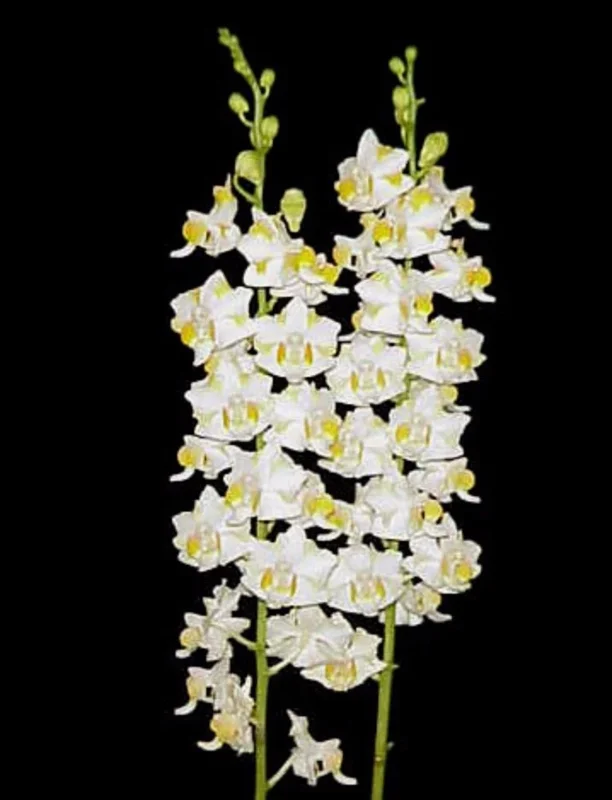
Houseplants
Phalaenopsis pulcherrima ‘Mauna Kea Snow’ Orchid Live Plant – White Flowers, Potted 2.5 in
Sold 50 products
$49.88
Sold 50 products
$49.88RELATED posts
Awapuhi Wild Ginger Plant: Zones, Care, and Propagation
Learn which USDA zones suit awapuhi wild ginger, plus sunlight, water, planting, propagation, pests, size, [...]
Awapuhi Shampoo Ginger – Care, Growing Zones, and Differences
Learn how to grow awapuhi (shampoo) ginger, its USDA zones, watering schedule, propagation tips, and [...]
Awapuhi Shampoo Plant Buying Guide – Choose the Right Zingiber zerumbet
META: Learn which awapuhi (shampoo ginger) plant or rhizome pack gives the best natural shampoo, [...]
Awapuhi Plant for Sale: Complete Buying Guide
Find the right awapuhi (shampoo ginger) plant, size, price, soil mix, and online source. Practical [...]
Shampoo Ginger Plant for Sale – Buying Guide & Tips
Find the right shampoo ginger plant, size, price, and care tips. Quick guide for U.S. [...]
Shampoo Ginger Plant (Awapuhi) Care Guide
Learn how to grow, care for, and use shampoo ginger (Zingiber zerumbet), the tropical awapuhi [...]
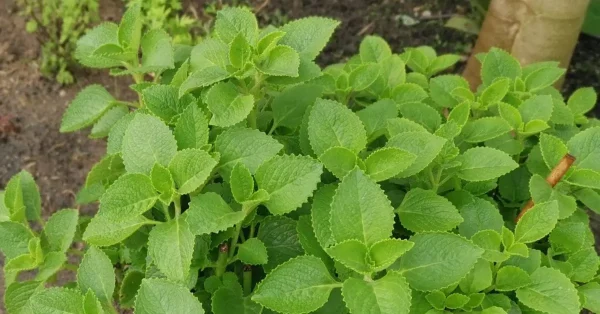
How to Grow Cuban Oregano Plants: A Complete Care Guide
If you’ve ever wanted a plant that combines the culinary punch of traditional oregano with [...]
Aug
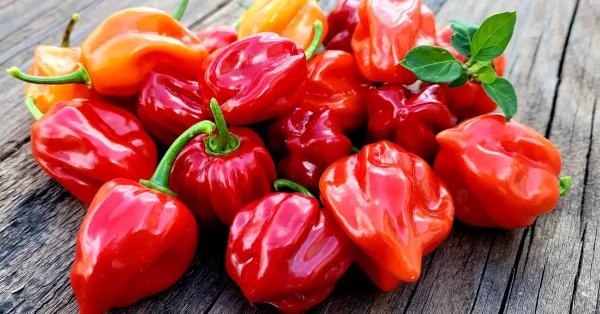
How to Grow Habanero Pepper Plants: A Step-by-Step Guide
Habanero pepper plants are prized for their vibrant colors, intense heat, and exceptional flavor, making [...]
Aug
Reviews
There are no reviews yet.