
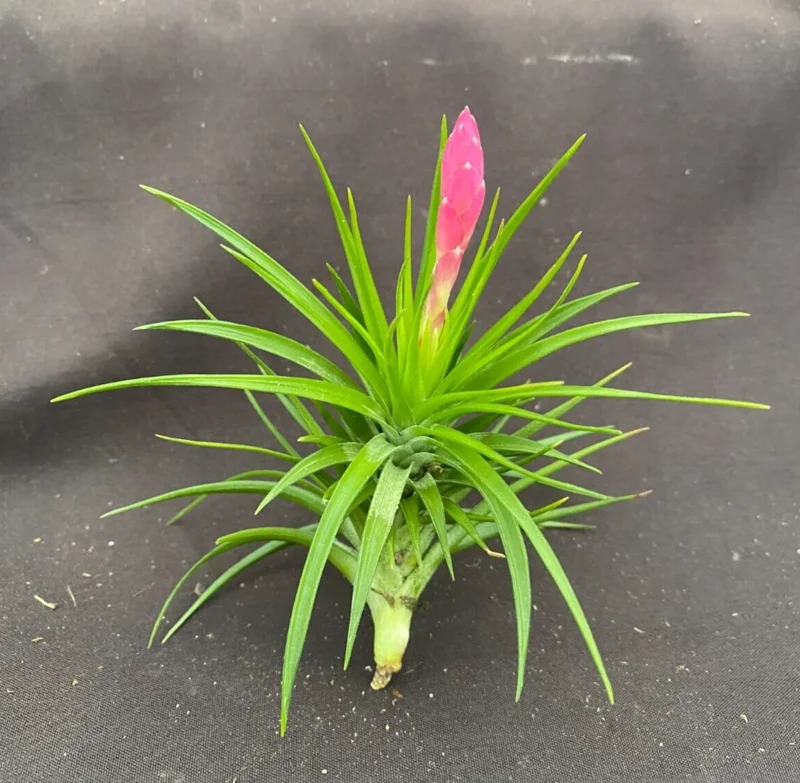
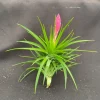
Tillandsia Tenuifolia ‘Emerald Forest’ Air Plant – Live Bromeliad Houseplant
$9.88
Bring a touch of natural beauty into your home with the Tillandsia Tenuifolia Emerald Forest air plant. This vibrant bromeliad features lush green leaves and unique pink spikelet flowers, making it a stunning addition to any space. Known for its minimal care requirements, it’s an ideal choice for both seasoned plant enthusiasts and beginners seeking an easy care air plant.
Shipping and Return policies:
We stand behind our plants with our Alive & Thrive Guarantee. If you experience any issues within the first 30 days, please email us, and our team will be happy to help. When needed, we’ll send you a one-time replacement free of charge to make sure your garden keeps growing strong.

Reasonable Price
We offer reasonable price

Support 24/7
Contact us 24 hrs a day
100% Money Back
You’ve 30 days to Return
Payment Secure
100% secure payment
Overview
Introduce a captivating element to your indoor garden with the Tillandsia Tenuifolia Emerald Forest air plant. This exquisite live bromeliad, often simply called an air plant, is celebrated for its striking appearance and remarkably low-maintenance nature. Unlike traditional potted plants, Tillandsias absorb nutrients and moisture directly from the air through specialized scales on their leaves, making them incredibly versatile for display in terrariums, on decorative mounts, or simply nestled among other decor. The ‘Emerald Forest’ cultivar stands out with its dense cluster of vibrant green, slender leaves and the charming pink spikelet flowers it produces during its blooming cycle. Originating from Mexico, this species thrives in environments that mimic its natural habitat, offering a unique and engaging botanical experience without the need for soil. It’s a perfect choice for adding a touch of living art to your home or office.
The Tillandsia Tenuifolia Emerald Forest air plant is not just a beautiful specimen; it’s also a testament to nature’s adaptability. Its epiphytic nature means it can grow without soil, attaching itself to trees or rocks in its native environment. This characteristic makes it an incredibly flexible plant for creative display, allowing you to incorporate greenery into spaces where traditional potted plants might not fit. Its compact size and unique growth habit make it a fascinating conversation starter and a rewarding plant to observe as it subtly changes and grows.
Key Benefits
The Tillandsia Tenuifolia Emerald Forest air plant offers numerous advantages, making it a popular choice for plant lovers. Its unique characteristics contribute to both aesthetic appeal and ease of care, enhancing any indoor environment.
- Low Maintenance & Easy Care: This air plant is incredibly forgiving and requires minimal attention. There’s no soil to water, and its light and watering needs are straightforward, making it perfect for busy individuals or those new to plant ownership. It truly lives up to its reputation as an easy care air plant.
- Unique Aesthetic Appeal: With its lush green foliage and potential for vibrant pink spikelet flowers, the ‘Emerald Forest’ adds a distinctive sculptural beauty to any setting. It can be displayed in countless creative ways, from hanging terrariums to decorative bowls.
- Versatile Decor: Its ability to grow without soil means it can be placed almost anywhere – on shelves, in glass globes, attached to driftwood, or as part of a centerpiece. This versatility allows for endless decorative possibilities, bringing life to unexpected corners.
- Air Purifying Qualities: Like many plants, Tillandsias contribute to a healthier indoor environment by absorbing carbon dioxide and releasing oxygen. While not a primary air purifier, it aids in maintaining fresh air circulation.
- Compact Size: The relatively small size of the Tillandsia Tenuifolia Emerald Forest air plant makes it ideal for apartments, small offices, or any space where room is limited. It provides a significant visual impact without taking up much space.
- Pet-Friendly: Tillandsias are generally considered non-toxic to pets, offering peace of mind for pet owners who want to introduce more greenery into their homes.
- Drought Tolerant: Air plants are adapted to periods of dryness, making them quite resilient. While regular watering is beneficial, they can withstand occasional neglect better than many other houseplants.
Plant Care & Growing Tips
Caring for your Tillandsia Tenuifolia Emerald Forest air plant is simple once you understand its basic needs. Unlike traditional plants, air plants don’t grow in soil, so their watering and nutrient absorption methods are unique. For optimal growth and vibrant health, consistent care is key. This Tillandsia Emerald Forest bromeliad thrives with proper light, water, and air circulation.
Sunlight Requirements
Tillandsia Tenuifolia Emerald Forest air plant prefers bright, indirect light. Place it near a window that receives plenty of natural light but avoids direct, harsh sun exposure, especially during the hottest parts of the day, which can scorch its leaves. East or north-facing windows are often ideal. If natural light is limited, artificial grow lights can be used, ensuring they are not too close to the plant to prevent burning. Good air circulation is also vital, so avoid placing it in enclosed, stagnant spaces unless there’s adequate ventilation.
Watering Schedule and Soil Moisture Preferences
Since air plants don’t have roots for absorbing water, they take it in through their leaves. The most common watering method is soaking. Submerge your Tillandsia Tenuifolia Emerald Forest air plant in a bowl of room-temperature water for 20-30 minutes once a week. After soaking, gently shake off excess water and place it upside down on a towel to dry completely for 2-4 hours. This prevents water from collecting in the base, which can lead to rot. If your environment is particularly dry or warm, you might need to mist your plant 2-3 times a week between soaks. Avoid using distilled or softened water; rainwater or tap water left out overnight to dissipate chlorine is best. Proper drying after watering is crucial for the health of your Tillandsia varieties.
Soil Type and Drainage Requirements
As an air plant, the Tillandsia Tenuifolia Emerald Forest air plant does not require soil. Its epiphytic nature means it grows on other plants or objects for support, not for nutrients. Therefore, ensure it has good air circulation around its base and leaves. When displaying, avoid embedding it in dense materials that hold too much moisture, which can cause rot. Open terrariums, decorative rocks, driftwood, or wire hangers are excellent choices.
Temperature Range and USDA Hardiness Zone
This air plant thrives in temperatures between 50°F and 90°F (10°C to 32°C). It is not frost-tolerant and should be kept indoors in climates where temperatures drop below 45°F (7°C). For outdoor display, bring it inside before the first frost. While USDA zones aren’t directly applicable to air plants in the same way they are for rooted plants, it’s generally suited for indoor environments in all zones.
Fertilization Schedule and Type
Air plants benefit from occasional fertilization to encourage robust growth and blooming. Use a specialized Tillandsia fertilizer or a very dilute orchid fertilizer (1/4 strength) once a month during the spring and summer growing seasons. Add the fertilizer to the soaking water. Avoid over-fertilizing, as this can harm the plant. Learning about air plant care includes understanding their specific nutritional needs.
Common Problems and Solutions
The most common issues for Tillandsia Emerald Forest bromeliad are rot from overwatering and drying out from underwatering. If leaves turn brown and crispy, it’s likely underwatering – increase soaking frequency. If the base turns mushy and dark, it’s rot – try to remove affected parts, ensure proper drying after watering, and increase air circulation. Pests are rare but can occur; isolate affected plants and treat with a gentle insecticide if necessary. Yellowing leaves can indicate too much direct sun.
Size & Details
The Tillandsia Tenuifolia Emerald Forest air plant is typically a compact specimen, making it ideal for various decorative applications. Individual plants generally grow to be about 3 to 6 inches tall and 2 to 4 inches wide, forming a dense clump of slender, vibrant green leaves. When mature, it produces an attractive pink spikelet inflorescence, adding a pop of color to its already appealing form. This live plant ships as a bare-root specimen, ready for you to display in your chosen setting without the need for a pot or soil. While growth rates can vary based on environmental conditions and care, this species is known for its relatively moderate growth, allowing you to enjoy its current size for an extended period. Expect the bloom cycle to occur once the plant reaches maturity, after which it will produce ‘pups’ (offsets) that can be separated and grown into new plants, continuing its life cycle.
Frequently Asked Questions
- Q: How big does the Tillandsia Tenuifolia Emerald Forest air plant get? A: This variety typically grows to a compact size, usually between 3 to 6 inches tall and 2 to 4 inches wide, making it perfect for small spaces and decorative arrangements.
- Q: Is this an indoor or outdoor plant? A: While it can thrive outdoors in warm, humid climates (USDA zones 9-11), it is primarily cultivated as an indoor houseplant due to its preference for bright, indirect light and protection from frost.
- Q: How much sunlight does it need? A: The Tillandsia Tenuifolia Emerald Forest air plant prefers bright, indirect sunlight. Avoid direct, harsh sun exposure, which can scorch its leaves.
- Q: Is this plant easy to care for? A: Yes, this is considered an easy care air plant, making it an excellent choice for beginners. Its main requirements are proper watering and adequate light.
- Q: What condition will it arrive in? A: Your air plant will arrive as a healthy, live bare-root specimen, carefully packaged to ensure its safe journey to your home. It will be ready for immediate display.
- Q: How often should I water my Tillandsia Emerald Forest bromeliad? A: The best method is to soak the plant in room-temperature water for 20-30 minutes once a week. In dry environments, you might also mist it 2-3 times a week between soaks.
- Q: Can I put my air plant in soil? A: No, air plants are epiphytes and do not grow in soil. Placing them in soil will cause them to rot. They absorb all their nutrients and water through their leaves.
- Q: When does the Tillandsia Tenuifolia Emerald Forest air plant bloom? A: This air plant typically blooms once it reaches maturity, producing vibrant pink spikelet flowers. The timing can vary based on care and environmental conditions.
- Q: Are Tillandsia varieties pet-safe? A: Yes, Tillandsias are generally considered non-toxic to cats and dogs, making them a safe choice for homes with pets.
- Q: Do air plants need fertilizer? A: While not strictly necessary, occasional fertilization with a specialized Tillandsia or very dilute orchid fertilizer (1/4 strength) once a month during the growing season can promote healthier growth and more vibrant blooms.
Be the first to review “Tillandsia Tenuifolia ‘Emerald Forest’ Air Plant – Live Bromeliad Houseplant”
You must be logged in to post a review.
People also Viewed
Sold 50 products
$32.38
Sold 50 products
$27.38
Sold 50 products
$32.38
Sold 50 products
$19.88
Sold 50 products
$62.38
Sold 50 products
$24.88
Houseplants
Phalaenopsis pulcherrima ‘Mauna Kea Snow’ Orchid Live Plant – White Flowers, Potted 2.5 in
Sold 50 products
$49.88
Sold 50 products
$49.88RELATED posts
Awapuhi Wild Ginger Plant: Zones, Care, and Propagation
Learn which USDA zones suit awapuhi wild ginger, plus sunlight, water, planting, propagation, pests, size, [...]
Awapuhi Shampoo Ginger – Care, Growing Zones, and Differences
Learn how to grow awapuhi (shampoo) ginger, its USDA zones, watering schedule, propagation tips, and [...]
Awapuhi Shampoo Plant Buying Guide – Choose the Right Zingiber zerumbet
META: Learn which awapuhi (shampoo ginger) plant or rhizome pack gives the best natural shampoo, [...]
Awapuhi Plant for Sale: Complete Buying Guide
Find the right awapuhi (shampoo ginger) plant, size, price, soil mix, and online source. Practical [...]
Shampoo Ginger Plant for Sale – Buying Guide & Tips
Find the right shampoo ginger plant, size, price, and care tips. Quick guide for U.S. [...]
Shampoo Ginger Plant (Awapuhi) Care Guide
Learn how to grow, care for, and use shampoo ginger (Zingiber zerumbet), the tropical awapuhi [...]
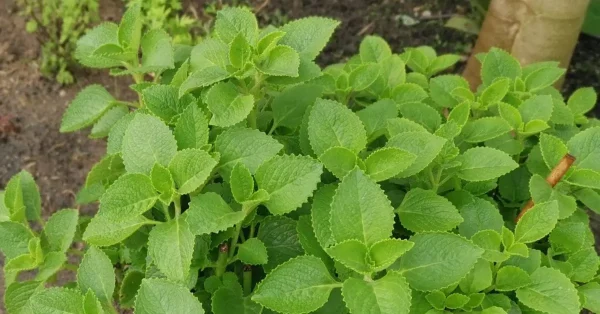
How to Grow Cuban Oregano Plants: A Complete Care Guide
If you’ve ever wanted a plant that combines the culinary punch of traditional oregano with [...]
Aug

How to Grow Habanero Pepper Plants: A Step-by-Step Guide
Habanero pepper plants are prized for their vibrant colors, intense heat, and exceptional flavor, making [...]
Aug
Reviews
There are no reviews yet.