
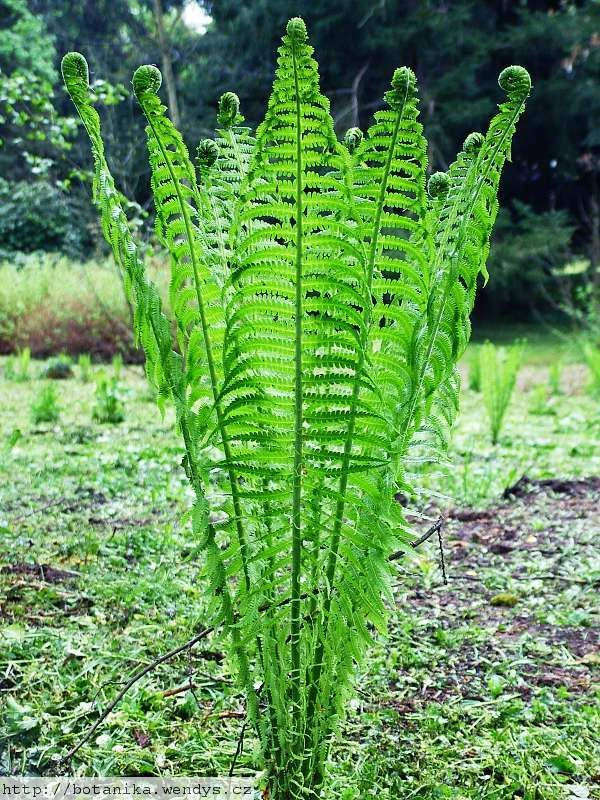
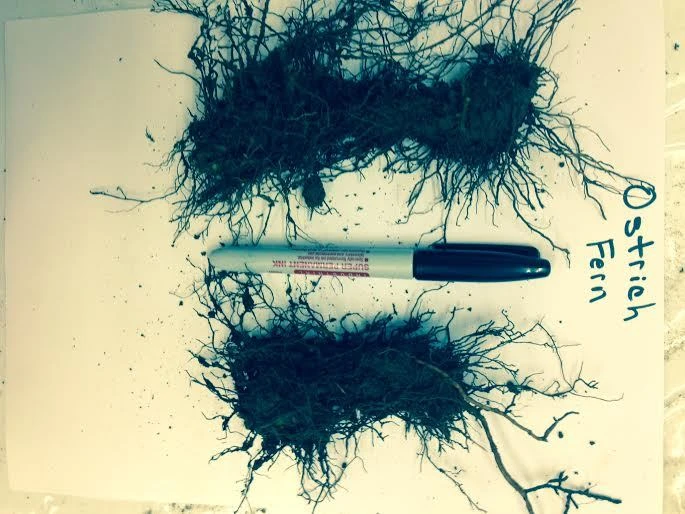
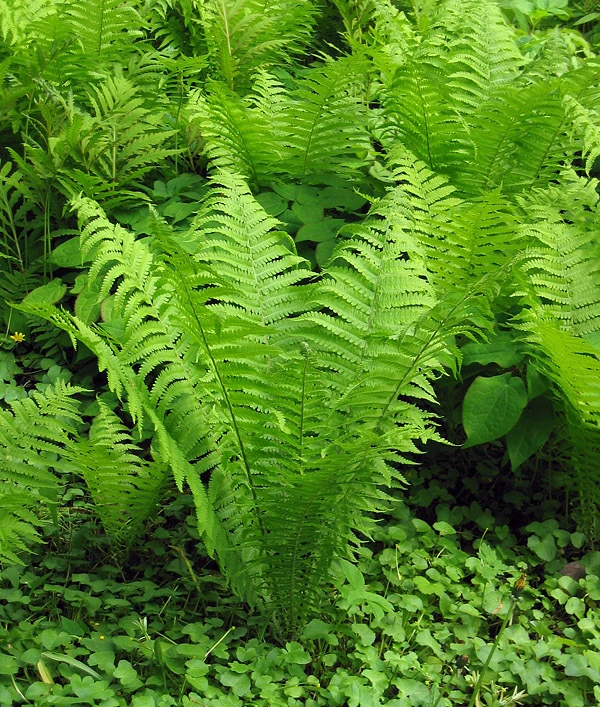

Tennessee Ostrich Fern Rhizomes – 20 Pack – Bare Root Plants – Shade Garden
Original price was: $57.40.$41.40Current price is: $41.40.
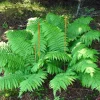
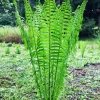
Transform your shaded areas into a vibrant green oasis with these Tennessee Ostrich Fern rhizomes. This pack of 20 bare roots offers an easy way to establish a beautiful, architectural fern display in your garden. Known for their striking, upright fronds, these ferns thrive in moist, shady conditions, creating a lush, natural backdrop or ground cover.
Shipping and Return policies:
We stand behind our plants with our Alive & Thrive Guarantee. If you experience any issues within the first 30 days, please email us, and our team will be happy to help. When needed, we’ll send you a one-time replacement free of charge to make sure your garden keeps growing strong.

Reasonable Price
We offer reasonable price

Support 24/7
Contact us 24 hrs a day
100% Money Back
You’ve 30 days to Return
Payment Secure
100% secure payment
Overview
Introduce elegance and natural beauty to your landscape with our premium Tennessee Ostrich Fern rhizomes. This offering provides 20 bare root rhizomes of the magnificent Ostrich Fern, scientifically known as Matteuccia struthiopteris. Renowned for its distinctive, vase-shaped growth habit and tall, feathery fronds that resemble ostrich plumes, this fern is a superb choice for creating a lush, woodland feel in shaded garden spots. Unlike some ferns, the Ostrich Fern is deciduous, providing fresh, vibrant green growth each spring. These Tennessee Ostrich Fern rhizomes are perfect for naturalizing, creating impressive borders, or adding architectural interest to damp, shady areas where other plants might struggle. They are hardy, adaptable, and a fantastic way to achieve a serene, green sanctuary in your outdoor space.
The Ostrich Fern is a popular choice for gardeners seeking a low-maintenance yet high-impact plant for their shade gardens. Its robust nature and ability to spread make it ideal for filling in challenging areas, providing excellent ground cover, and suppressing weeds. With this pack of 20 rhizomes, you’ll have ample material to start a significant planting, ensuring a dense and captivating display that will enhance your garden for years to come. Prepare to enjoy the graceful presence of these magnificent ferns as they unfurl their fronds and bring a touch of the wild forest to your home.
Key Benefits
The Ostrich Fern offers a multitude of benefits for the discerning gardener looking to enhance their shaded landscapes. Its unique characteristics make it a standout choice for various garden designs.
- Stunning Architectural Form: The Ostrich Fern’s upright, vase-shaped growth habit provides a striking architectural element to any garden. Its tall, graceful fronds create a dramatic focal point, adding vertical interest and texture that is unmatched by many other shade-loving plants.
- Excellent for Shade Gardens: Thriving in low light conditions, the Tennessee Ostrich Fern rhizomes are an ideal solution for those tricky, shady spots where other plants often fail. They bring life and vibrancy to areas under trees, along north-facing walls, or in deep woodland settings, ensuring every corner of your garden can be beautiful.
- Naturalizing and Groundcover: With its ability to spread via rhizomes, the Ostrich Fern is perfect for naturalizing large areas. It quickly forms dense colonies, creating an effective and attractive groundcover that helps suppress weeds and provides a uniform, lush green carpet. This makes Ostrich Fern care relatively easy once established.
- Low Maintenance Plant: Once established, Ostrich Ferns require minimal care. They are generally pest and disease resistant and do not demand frequent attention, making them an excellent choice for busy gardeners or those new to gardening.
- Seasonal Interest: As a deciduous fern, it offers beautiful fresh green growth in spring, a lush summer presence, and then fades gracefully in fall, providing seasonal variation and anticipation for the next year’s unfurling fronds.
- Erosion Control: Due to its spreading root system, the Ostrich Fern can be effectively used on slopes or banks to help prevent soil erosion, adding an ecological benefit to its aesthetic appeal.
- Adaptable to Various Soil Types: While preferring moist, rich soil, the Ostrich Fern is quite adaptable and can tolerate a range of soil conditions, as long as they are consistently moist and well-draining.
Plant Care & Growing Tips
Caring for Tennessee Ostrich Fern rhizomes is relatively straightforward, especially once they are established. Understanding their specific needs will ensure a healthy and thriving display. These ferns prefer consistent moisture and shade, mimicking their natural woodland habitat. When planting the bare root rhizomes, ensure the crown is just at or slightly below the soil surface, with the roots spread out. Water thoroughly after planting.
Sunlight Requirements: Ostrich Ferns are true shade lovers. They thrive in partial to full shade, meaning they should receive no more than 2-3 hours of direct morning sun, or dappled sunlight throughout the day. Avoid direct afternoon sun, which can scorch their delicate fronds and lead to browning. Too much sun can also inhibit their growth and reduce their vibrant green color. For optimal growth, plant them in areas that receive consistent shade, such as under deciduous trees or on the north side of buildings.
Watering Schedule and Soil Moisture: These ferns demand consistent moisture. The soil should remain evenly moist but not waterlogged. During dry spells, especially in their first year of establishment, regular watering is crucial. Once mature, they are more tolerant but will still perform best with adequate moisture. Consider mulching around the plants to help retain soil moisture and keep the roots cool. Poor drainage can lead to root rot, so ensure the soil drains well despite being moist.
Soil Type and Drainage Requirements: Ostrich Ferns prefer rich, organic, well-draining soil. A soil pH between 6.0 and 7.0 is ideal. Incorporating compost or other organic matter into the planting site will improve soil structure, fertility, and moisture retention. While they appreciate moisture, heavy clay soils that retain too much water can be detrimental. Amend heavy soils with sand or grit to improve drainage, or consider planting in raised beds if your native soil is particularly dense. Good drainage is key to preventing issues like root rot for Matteuccia struthiopteris.
Temperature Range and USDA Hardiness Zone: The Ostrich Fern is incredibly hardy, generally thriving in USDA Zones 3-7. It is well-adapted to cold winters, with its fronds dying back in the fall and new growth emerging in spring. They tolerate a wide range of temperatures within these zones but prefer cooler, more temperate climates. Protection from harsh winter winds can be beneficial in the colder ends of its hardiness range, though typically not necessary.
Fertilization Schedule and Type: Ostrich Ferns are not heavy feeders. If planted in rich, organic soil, they may not require additional fertilization. If your soil is poor or you want to encourage more vigorous growth, a light application of a balanced, slow-release granular fertilizer in early spring can be beneficial. Alternatively, top-dressing with a layer of compost each spring will provide a steady supply of nutrients and improve soil health. Avoid over-fertilizing, as this can harm the plant.
Common Problems and Solutions: Ostrich Ferns are generally robust and disease-resistant. The most common issues arise from improper watering or sunlight. Yellowing or browning fronds often indicate too much sun or insufficient water. Ensure they are in a shaded location and receiving consistent moisture. Slugs and snails can occasionally be a problem, especially on new growth; organic slug baits or hand-picking can manage these pests. Fungal diseases are rare but can occur in overly wet, poorly ventilated conditions, emphasizing the importance of good air circulation and well-draining soil. Proper Ostrich Fern care minimizes these issues.
Size & Details
This offering includes 20 bare root Tennessee Ostrich Fern rhizomes, ready for planting upon arrival. Each rhizome is carefully harvested and prepared to ensure viability and vigorous growth. When mature, Ostrich Ferns typically reach an impressive height of 3 to 6 feet, with a spread of 2 to 3 feet, though they can spread more widely over time through their rhizomatous growth. The vigorous growth rate means you can expect a significant display within the first few seasons after planting.
The bare root format allows for easy handling and planting, providing a cost-effective way to establish a large fern garden. These plants are deciduous, meaning their fronds will die back in the fall, and new growth will emerge in the spring, typically starting to unfurl in April or May depending on your local climate. They are ideal for creating a naturalized look, and their spreading habit will form dense colonies, enhancing the texture and depth of your shade garden. Expect these ferns to provide a lush, green presence for many years with minimal intervention once established.
Frequently Asked Questions
- Q: How big do these Ostrich Ferns get? A: Mature Tennessee Ostrich Fern rhizomes can grow quite tall, typically reaching 3 to 6 feet in height with a spread of 2 to 3 feet per plant. They also tend to spread outwards via rhizomes, forming dense clumps over time.
- Q: Is this an indoor or outdoor plant? A: The Ostrich Fern (Matteuccia struthiopteris) is an outdoor plant, highly valued for its performance in shade gardens and woodland settings. It is not typically grown as an indoor houseplant due to its size and specific environmental needs.
- Q: How much sunlight does the Ostrich Fern need? A: This fern thrives in partial to full shade. It requires protection from direct afternoon sun, which can scorch its fronds. Morning sun or dappled light is acceptable, but consistent shade is preferred for optimal growth and vibrant green color.
- Q: Is this plant easy to care for? Is it good for beginners? A: Yes, Ostrich Ferns are considered relatively easy to care for, especially once established. They are very hardy and generally pest-resistant, making them a great choice for beginner gardeners looking to fill shaded areas. Consistent moisture is the main requirement for good Ostrich Fern care.
- Q: What condition will the rhizomes arrive in? A: The Tennessee Ostrich Fern rhizomes will arrive as bare roots, carefully packed and ready for immediate planting. Bare root plants are dormant and are an excellent way to establish new plants efficiently.
- Q: When is the best time to plant Ostrich Fern rhizomes? A: The best time to plant Ostrich Fern bare root rhizomes is in early spring, after the last frost, or in early fall. This allows the plants to establish their root systems before the stresses of summer heat or winter cold.
- Q: Will it survive winter in my zone? What’s the minimum temperature? A: Ostrich Ferns are very cold hardy, thriving in USDA Zones 3-7. This means they can tolerate winter temperatures well below freezing, typically down to -40°F (-40°C). Their fronds will die back in winter, but the roots remain dormant and will re-emerge in spring.
- Q: What type of soil do Ostrich Ferns prefer? A: They prefer rich, organic, and consistently moist but well-draining soil. Amending the planting area with compost will significantly benefit their growth and health. Good drainage is crucial to prevent root rot.
- Q: How quickly do Ostrich Ferns spread? A: Ostrich Ferns are known for their vigorous spreading habit via underground rhizomes. You can expect them to form dense colonies within a few seasons, making them excellent for naturalizing and creating large groundcover areas.
- Q: Are these ferns deer resistant? A: While no plant is entirely deer-proof, Ostrich Ferns are generally considered to be highly deer resistant. Deer typically prefer other plants, making these a good choice for gardens in areas with deer populations.
Be the first to review “Tennessee Ostrich Fern Rhizomes – 20 Pack – Bare Root Plants – Shade Garden”
You must be logged in to post a review.
People also Viewed
Sold 50 products
$32.38
Sold 50 products
$27.38
Sold 50 products
$32.38
Sold 50 products
$19.88
Sold 50 products
$62.38
Sold 50 products
$24.88
Houseplants
Phalaenopsis pulcherrima ‘Mauna Kea Snow’ Orchid Live Plant – White Flowers, Potted 2.5 in
Sold 50 products
$49.88
Sold 50 products
$49.88RELATED posts
Awapuhi Wild Ginger Plant: Zones, Care, and Propagation
Learn which USDA zones suit awapuhi wild ginger, plus sunlight, water, planting, propagation, pests, size, [...]
Awapuhi Shampoo Ginger – Care, Growing Zones, and Differences
Learn how to grow awapuhi (shampoo) ginger, its USDA zones, watering schedule, propagation tips, and [...]
Awapuhi Shampoo Plant Buying Guide – Choose the Right Zingiber zerumbet
META: Learn which awapuhi (shampoo ginger) plant or rhizome pack gives the best natural shampoo, [...]
Awapuhi Plant for Sale: Complete Buying Guide
Find the right awapuhi (shampoo ginger) plant, size, price, soil mix, and online source. Practical [...]
Shampoo Ginger Plant for Sale – Buying Guide & Tips
Find the right shampoo ginger plant, size, price, and care tips. Quick guide for U.S. [...]
Shampoo Ginger Plant (Awapuhi) Care Guide
Learn how to grow, care for, and use shampoo ginger (Zingiber zerumbet), the tropical awapuhi [...]
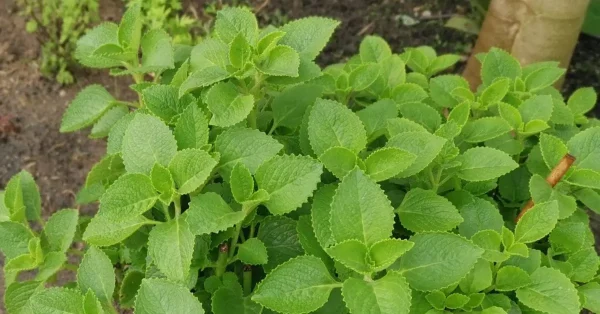
How to Grow Cuban Oregano Plants: A Complete Care Guide
If you’ve ever wanted a plant that combines the culinary punch of traditional oregano with [...]
Aug

How to Grow Habanero Pepper Plants: A Step-by-Step Guide
Habanero pepper plants are prized for their vibrant colors, intense heat, and exceptional flavor, making [...]
Aug
Reviews
There are no reviews yet.