
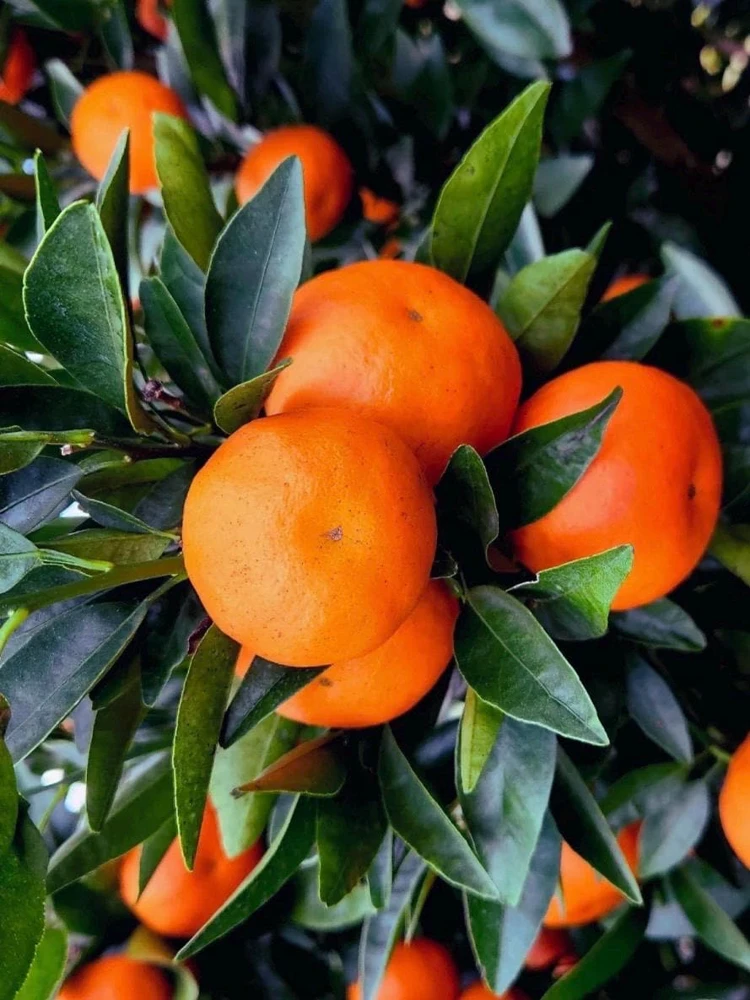
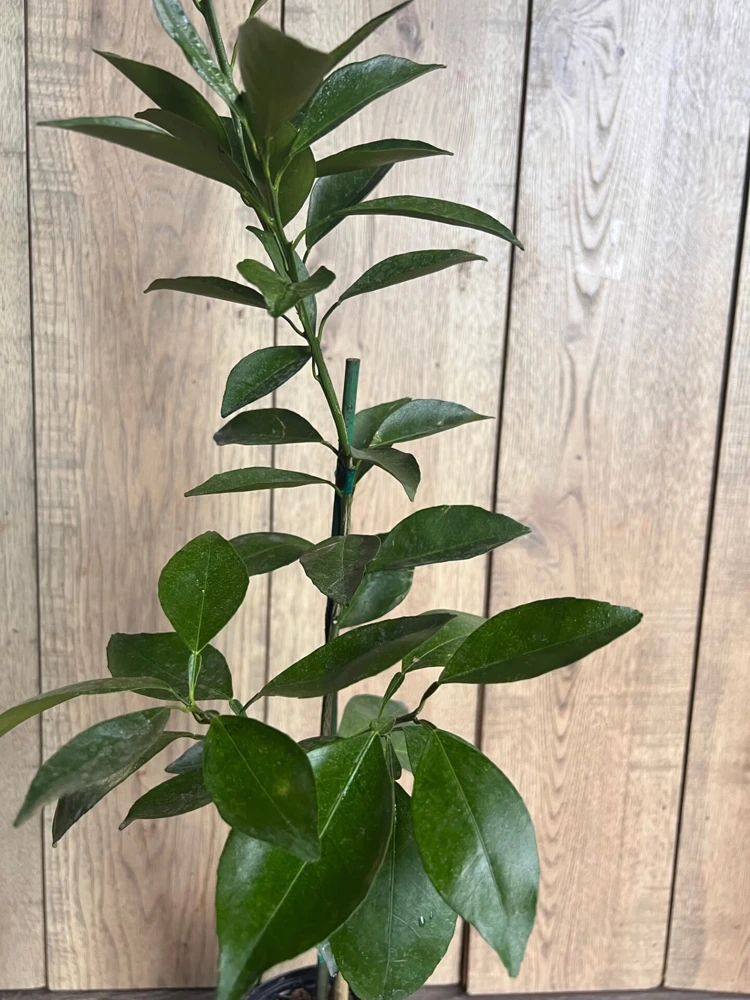
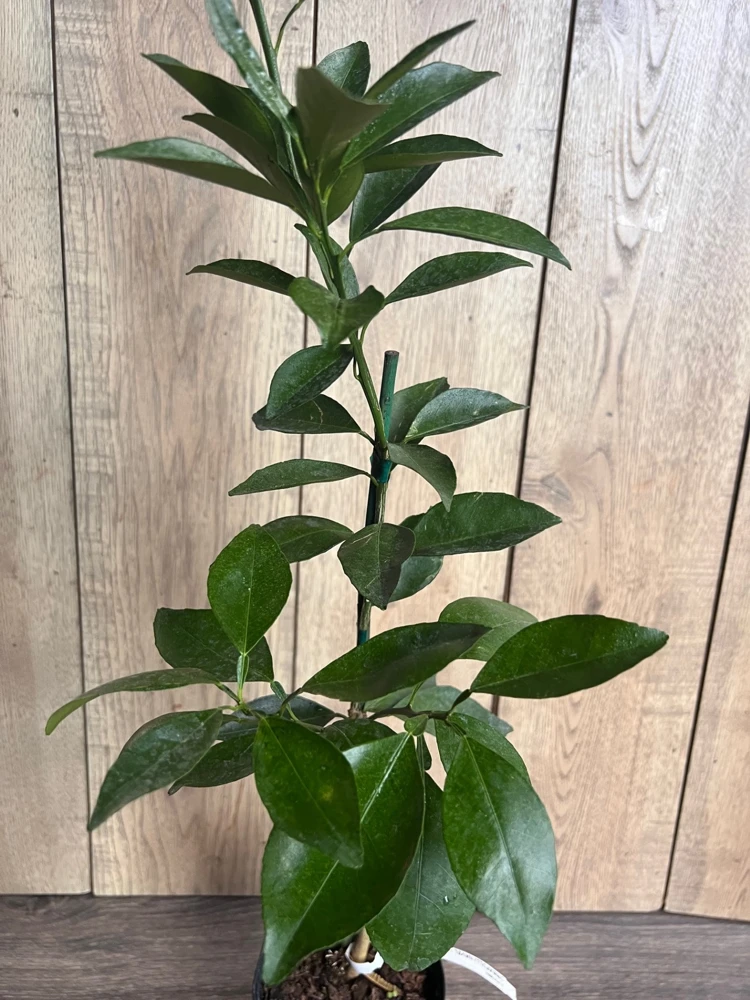
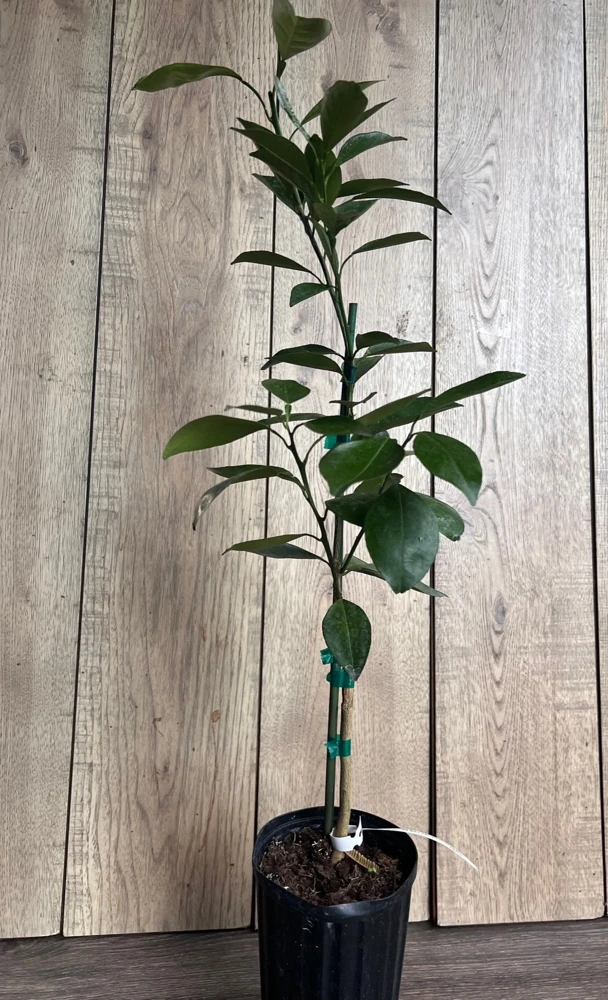
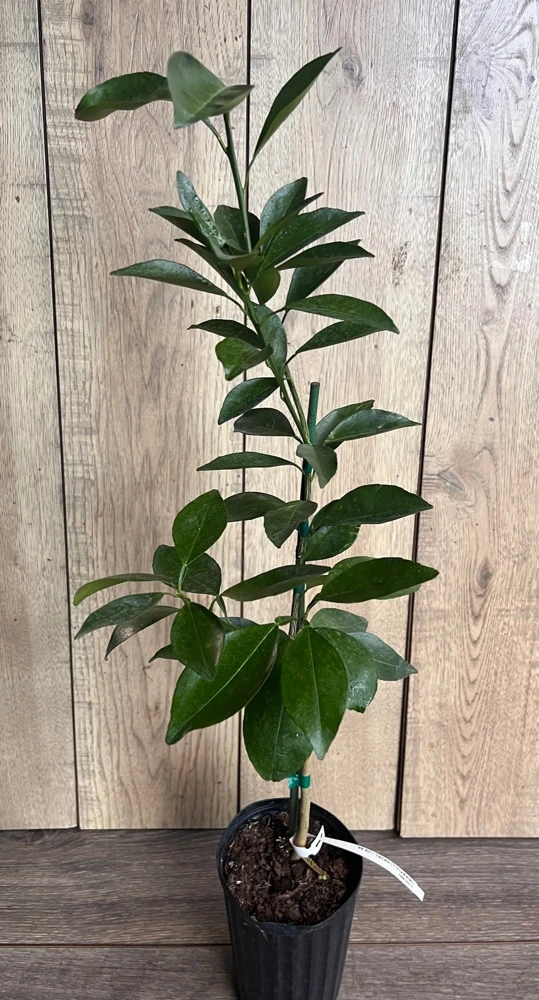
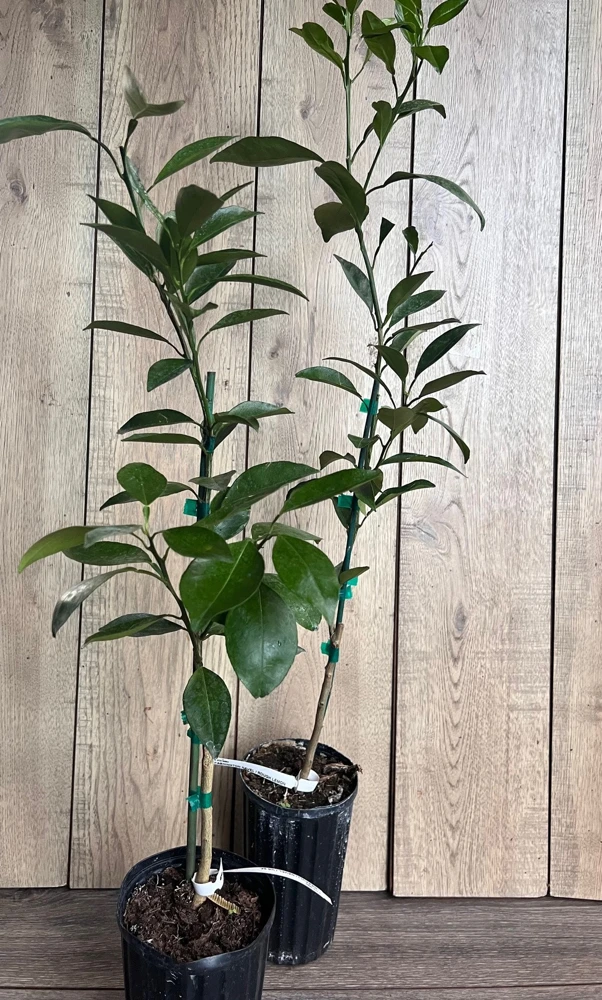
Tango Mandarin Tree Live Plant – Half Gallon Pot – Sweet, Seedless Tangerine – Cannot ship to CA
Original price was: $138.43.$85.67Current price is: $85.67.
Cultivate your own delicious tango mandarin tree with this vibrant live plant. Known for its sweet, virtually seedless fruit, the tango tangerine plant is perfect for fresh eating and juicing. Ideal for container growing on patios or as a beautiful addition to your garden.
Shipping and Return policies:
We stand behind our plants with our Alive & Thrive Guarantee. If you experience any issues within the first 30 days, please email us, and our team will be happy to help. When needed, we’ll send you a one-time replacement free of charge to make sure your garden keeps growing strong.

Reasonable Price
We offer reasonable price

Support 24/7
Contact us 24 hrs a day
100% Money Back
You’ve 30 days to Return
Payment Secure
100% secure payment
Overview
Bring the joy of fresh, homegrown citrus to your space with the tango mandarin tree. This highly sought-after live plant, scientifically known as Citrus reticulata ‘Tango’, produces an abundance of vibrant, deep-orange tangerines that are celebrated for their exceptionally sweet, juicy, and virtually seedless nature. Perfect for both novice and experienced gardeners, this attractive evergreen tree offers ornamental beauty with its glossy foliage and fragrant white blossoms, followed by a bountiful harvest. Whether you’re looking to enhance your patio, balcony, or garden, a tango mandarin tree is a rewarding choice that promises delicious fruit year after year.
The tango tangerine plant is a compact and productive variety, making it an excellent candidate for container growing. Its easy-to-peel rind makes the fruit ideal for fresh eating and snacking, while its rich flavor is also perfect for juicing. Enjoy the delightful citrus scent of its spring blossoms and the satisfaction of harvesting your own flavorful tangerines from late winter into spring.
Key Benefits
The tango mandarin tree offers numerous advantages for any home gardener or citrus enthusiast. From its delicious fruit to its aesthetic appeal, this plant is a true garden gem:
- Virtually Seedless Fruit: Enjoy sweet, juicy tangerines without the hassle of seeds, making them perfect for snacking and juicing. This feature is a major draw for the seedless mandarin tree.
- Exceptional Flavor: The ‘Tango’ variety is renowned for its rich, sweet taste that is superior to many other tangerine types, offering a gourmet experience right from your garden.
- Fragrant White Blossoms: In spring, the tree adorns itself with beautiful, aromatic white flowers that fill the air with a delightful citrus scent, enhancing your outdoor living space.
- Versatile Growing Options: This compact tree thrives in both ground plantings and containers, making it suitable for home gardens, patios, balconies, and even small spaces. It’s an excellent container citrus tree.
- Easy-to-Peel Rind: The fruit’s skin is thin and separates easily from the flesh, providing a convenient and enjoyable eating experience.
- Attractive Evergreen Foliage: With glossy green leaves year-round, the tango mandarin tree adds continuous beauty to your landscape, even when not in fruit.
- Reliable Production: Known for its consistent and abundant fruit production, ensuring a satisfying harvest each season.
Plant Care & Growing Tips
Caring for your tango mandarin tree is straightforward, ensuring a healthy plant and bountiful harvests. This citrus reticulata tango thrives with proper attention to light, water, and nutrients. It prefers a location that receives full sun, ideally at least 6–8 hours of direct sunlight daily, which is crucial for robust growth and optimal fruit development. If growing indoors or on a patio, ensure it’s placed in the sunniest spot available.
Watering should be deep and consistent; allow the top 1–2 inches of soil to dry out between waterings before rehydrating thoroughly. The soil should remain evenly moist but never waterlogged, as soggy conditions can lead to root rot. Reduce watering frequency during cooler months when the tree’s metabolic rate slows. For soil, a well-draining, fertile mix is essential. The tango mandarin tree thrives in sandy or loamy soils with a slightly acidic to neutral pH (6.0–7.0).
Temperature is a key factor; this tree is best grown in USDA Zones 9–11, with ideal temperatures ranging from 60–85°F (16–29°C). Protection from frost and freezing temperatures below 28°F (-2°C) is critical. While it adapts to average humidity, moderate levels are beneficial. Fertilize with a citrus-specific fertilizer rich in micronutrients every 6–8 weeks during the spring and summer growing seasons, reducing feeding in fall and winter. Light pruning after harvest helps maintain shape and airflow, and removing dead or damaged branches is always a good practice for your seedless mandarin tree.
Size & Details
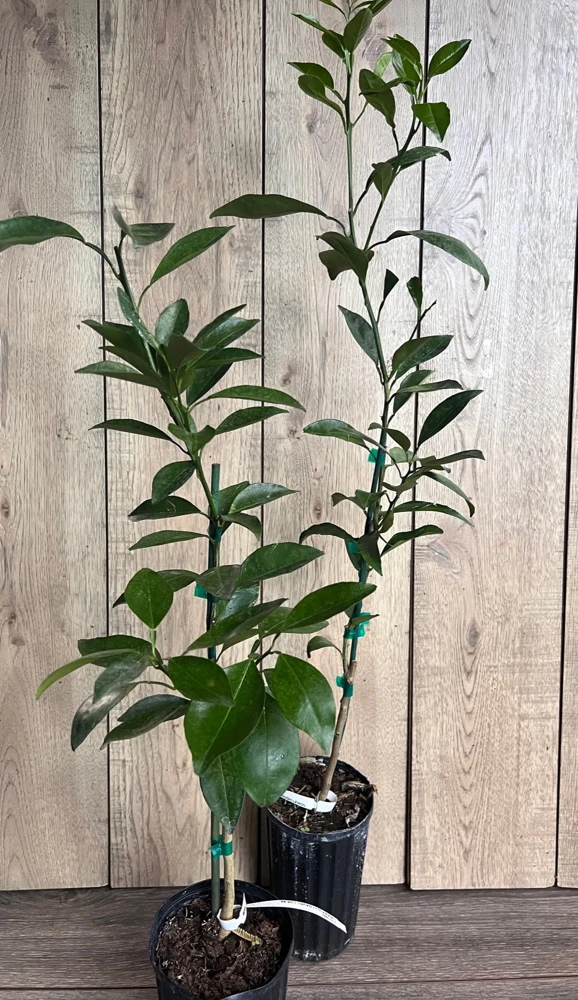
This tango mandarin tree is provided as a live plant in a Half Gallon Pot, ready for transplanting into a larger container or directly into your garden. In the ground, the tree typically reaches a moderate size of 8–12 feet tall and wide, while container-grown specimens will remain smaller, making it an ideal container citrus tree. Its moderate growth rate ensures a manageable plant that will develop into a productive fruit-bearing specimen over time. The tree produces fruit that typically ripens from late winter into spring, and the tangerines can remain on the tree for an extended period without losing their quality. You will receive a healthy, actively growing plant similar to the pictures, ready to begin its journey in your home or garden.
Frequently Asked Questions
- Q: How big does this tango mandarin tree get? A: In the ground, it typically reaches 8–12 feet tall and wide. When grown in a container, its size will be more compact and can be maintained with pruning, making it excellent for smaller spaces.
- Q: Is this an indoor or outdoor plant? A: The tango mandarin tree can be grown outdoors in USDA Zones 9–11. In cooler climates, it is best grown in a container and brought indoors during colder months.
- Q: How much sunlight does a tango tangerine plant need? A: It requires full sun for best growth and fruit production, meaning at least 6–8 hours of direct sunlight daily.
- Q: Is this seedless mandarin tree easy to care for? A: Yes, it is considered relatively low-maintenance, especially when provided with adequate sunlight, consistent watering, and appropriate fertilization. It’s a great choice for both beginners and experienced gardeners.
- Q: What condition will the plant arrive in? A: You will receive one healthy tango mandarin tree in a Half Gallon Pot, similar to the product images, ready for planting or repotting.
- Q: When does the citrus reticulata tango produce fruit? A: The fruit typically ripens from late winter into spring and can remain on the tree for an extended period without losing quality.
- Q: What type of soil is best for a container citrus tree? A: It prefers well-draining, fertile soil. A good quality potting mix formulated for citrus or a loamy soil with a slightly acidic to neutral pH (6.0–7.0) is ideal.
- Q: Will this tree survive winter in my zone? A: It is best suited for USDA Zones 9–11. If you live in a colder zone, you will need to protect it from frost or bring it indoors during winter.
- Q: Is the fruit truly seedless? A: The ‘Tango’ variety is known for being virtually seedless, making it a highly desirable choice for fresh eating and juicing.
- Q: How often should I fertilize my tango mandarin tree? A: During spring and summer, feed with a citrus fertilizer rich in micronutrients every 6–8 weeks. Reduce feeding in fall and winter.
Be the first to review “Tango Mandarin Tree Live Plant – Half Gallon Pot – Sweet, Seedless Tangerine – Cannot ship to CA”
You must be logged in to post a review.
People also Viewed
Sold 50 products
$32.38
Sold 50 products
$27.38
Sold 50 products
$32.38
Sold 50 products
$19.88
Sold 50 products
$62.38
Sold 50 products
$24.88
Houseplants
Phalaenopsis pulcherrima ‘Mauna Kea Snow’ Orchid Live Plant – White Flowers, Potted 2.5 in
Sold 50 products
$49.88
Sold 50 products
$49.88RELATED posts
Awapuhi Wild Ginger Plant: Zones, Care, and Propagation
Learn which USDA zones suit awapuhi wild ginger, plus sunlight, water, planting, propagation, pests, size, [...]
Awapuhi Shampoo Ginger – Care, Growing Zones, and Differences
Learn how to grow awapuhi (shampoo) ginger, its USDA zones, watering schedule, propagation tips, and [...]
Awapuhi Shampoo Plant Buying Guide – Choose the Right Zingiber zerumbet
META: Learn which awapuhi (shampoo ginger) plant or rhizome pack gives the best natural shampoo, [...]
Awapuhi Plant for Sale: Complete Buying Guide
Find the right awapuhi (shampoo ginger) plant, size, price, soil mix, and online source. Practical [...]
Shampoo Ginger Plant for Sale – Buying Guide & Tips
Find the right shampoo ginger plant, size, price, and care tips. Quick guide for U.S. [...]
Shampoo Ginger Plant (Awapuhi) Care Guide
Learn how to grow, care for, and use shampoo ginger (Zingiber zerumbet), the tropical awapuhi [...]
How to Grow Cuban Oregano Plants: A Complete Care Guide
If you’ve ever wanted a plant that combines the culinary punch of traditional oregano with [...]
Aug
How to Grow Habanero Pepper Plants: A Step-by-Step Guide
Habanero pepper plants are prized for their vibrant colors, intense heat, and exceptional flavor, making [...]
Aug

Reviews
There are no reviews yet.