
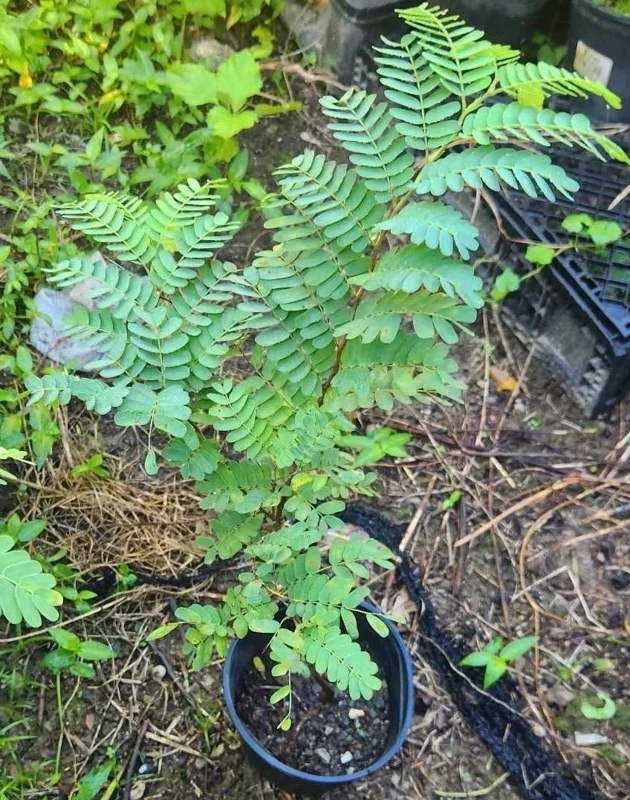
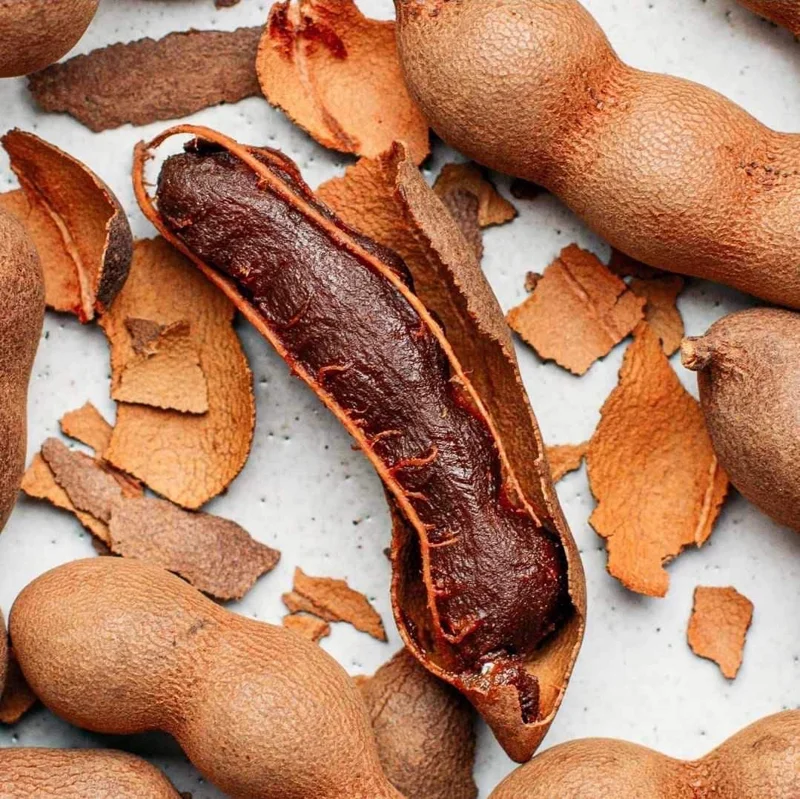
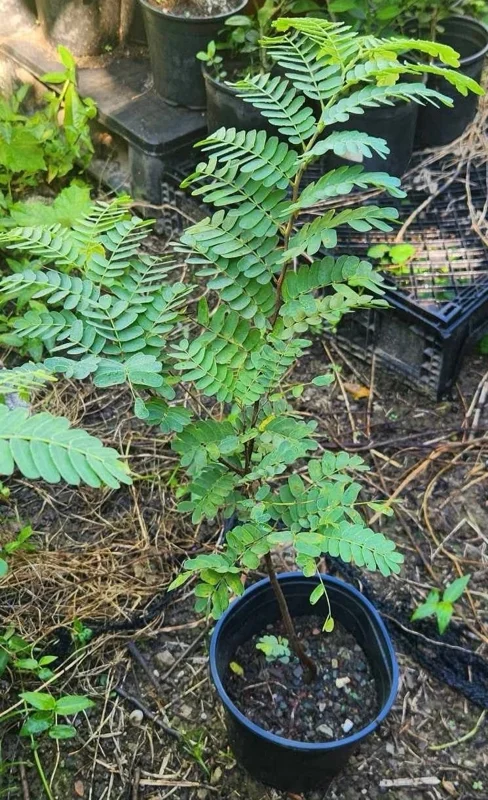
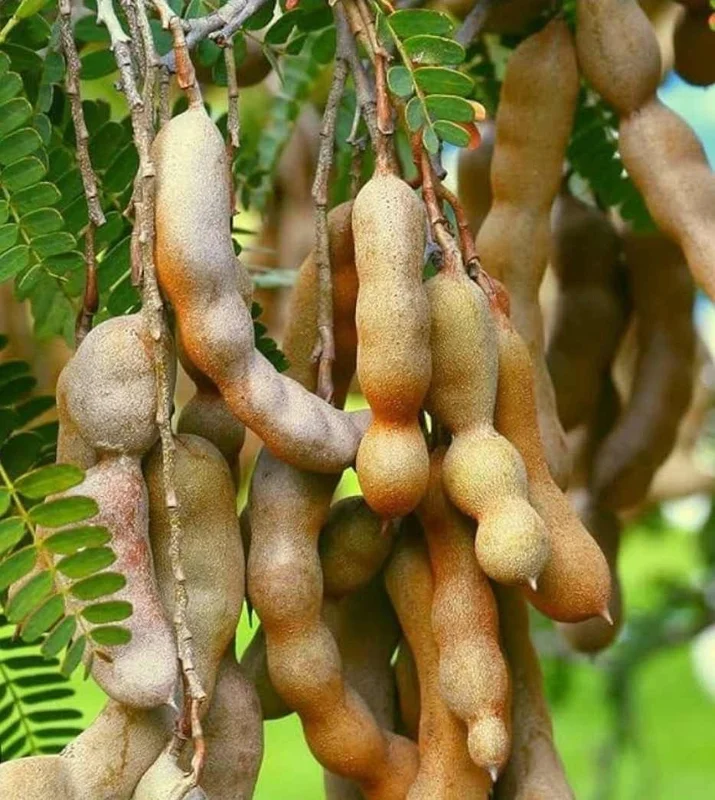
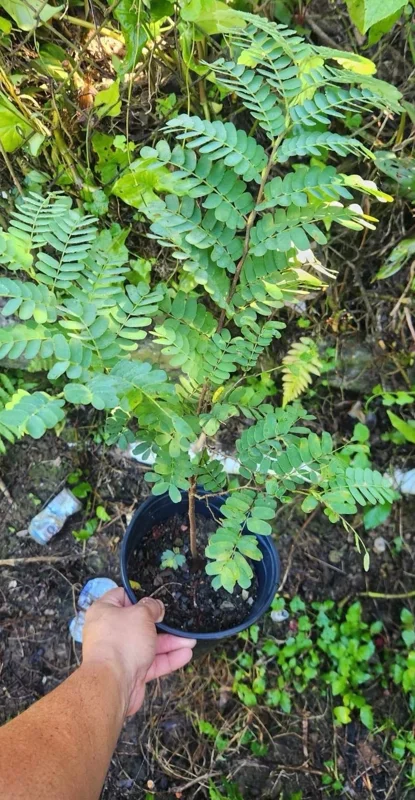
Tamarind Live Fruit Tree – Tamarindus indica – Tropical Fruit Plant 10-24 in
$124.88
Bring the exotic taste of the tropics to your garden with a tamarind live fruit tree. This tropical fruit tree, Tamarindus indica, is known for its delicious pods and ornamental appeal. Perfect for warm climates, it’s a low-maintenance, drought-tolerant addition to any outdoor space.
Shipping and Return policies:
We stand behind our plants with our Alive & Thrive Guarantee. If you experience any issues within the first 30 days, please email us, and our team will be happy to help. When needed, we’ll send you a one-time replacement free of charge to make sure your garden keeps growing strong.

Reasonable Price
We offer reasonable price

Support 24/7
Contact us 24 hrs a day
100% Money Back
You’ve 30 days to Return
Payment Secure
100% secure payment
Overview
Cultivate your own tropical bounty with this magnificent tamarind live fruit tree (Tamarindus indica). Known for its distinctive tangy-sweet pods, the tamarind tree is a cherished addition to any garden, providing both delicious fruit and a beautiful, shade-giving canopy. This versatile tropical fruit tree thrives in warm climates, making it an excellent choice for gardeners looking to add an exotic touch to their landscape. Whether you’re an experienced horticulturist or a budding green thumb, growing a tamarindus indica plant offers a rewarding experience, culminating in a harvest of fruit perfect for culinary delights and refreshing beverages.
Originating from Africa, the tamarind tree has spread across tropical regions worldwide, beloved for its robust nature and valuable fruit. Our tamarind live fruit tree arrives ready to plant, offering you the opportunity to enjoy its benefits for years to come. With proper care, this long-lived tree can become a focal point of your garden, attracting local wildlife and providing a continuous supply of its unique fruit.
Key Benefits
Choosing to grow tamarind tree in your garden offers a multitude of advantages beyond just its delicious fruit. This resilient plant is an excellent investment for both aesthetic and practical reasons, enhancing your outdoor environment significantly.
- Delicious Fruit Production: Enjoy a steady supply of fresh, tangy-sweet tamarind pods right from your backyard. The fruit is incredibly versatile, used in sauces, drinks, desserts, and candies, adding a unique flavor to your culinary creations.
- Ornamental Value: The tamarind live fruit tree boasts attractive, feathery foliage and a stately growth habit, providing excellent shade and a beautiful tropical aesthetic to your landscape. Its dense canopy is perfect for creating a cool, inviting outdoor living space.
- Low Maintenance & Drought Tolerant: Once established, this tree is remarkably easy to care for. It requires minimal watering and is highly resilient to dry conditions, making it suitable for gardeners seeking a low-effort, high-reward plant.
- Adaptable to Warm Climates: Thriving in USDA zones 9-11, the tamarind tree is perfectly suited for warmer regions, where it can grow vigorously and produce abundant fruit. It tolerates a wide range of soil types as long as they are well-draining.
- Air Purification: Like many trees, the tamarind contributes to a healthier environment by absorbing carbon dioxide and releasing oxygen, improving air quality around your home.
- Long Lifespan: Tamarind trees are known for their longevity, often living for many decades, ensuring you and future generations can enjoy its shade and fruit.
- Attracts Wildlife: The flowers and fruit can attract beneficial pollinators and birds, contributing to the biodiversity of your garden.
Plant Care & Growing Tips
Ensuring the success of your tamarind live fruit tree involves understanding its basic needs for sunlight, water, and soil. This resilient tamarindus indica plant is generally forgiving, but optimal conditions will lead to a healthier tree and more abundant fruit production. When you grow tamarind tree, consider its tropical origins.
For sunlight, the tamarind tree thrives in full sun, requiring at least 6-8 hours of direct sunlight per day. Plant it in a location where it will receive ample light throughout the growing season. While young trees can tolerate some partial shade, mature trees perform best in full sun. When it comes to watering, young trees need regular watering to establish their root system, especially during dry periods. Once mature, the tamarind is remarkably drought-tolerant and can withstand long periods without water. However, consistent watering during fruit development will result in larger, juicier fruit. Ensure the soil is well-draining to prevent root rot, as tamarinds do not like soggy feet.
The ideal soil for a tamarind live fruit tree is a sandy loam with good drainage. It can tolerate a range of soil types, from slightly acidic to slightly alkaline (pH 6.0-7.5), as long as it drains well. Fertilize your tree with a balanced, slow-release fertilizer twice a year, in spring and late summer, to support vigorous growth and fruit production. For those wondering about tamarind tree care, pruning is essential for shaping the tree, removing dead or diseased branches, and encouraging fruit production. Prune in late winter or early spring before new growth begins. Protect young trees from frost if you live in an area with occasional cold snaps, though mature trees are more tolerant. Pests are generally not a major issue for tamarinds, but keep an eye out for common garden pests and address them with organic solutions if necessary.
Size & Details
This tamarind live fruit tree typically arrives as a young plant, ranging in height from 10 inches to 24 inches. It is shipped as a potted plant, ensuring a healthy root system ready for transplanting into your garden or a larger container. The growth rate of a tamarindus indica plant is moderate, and it can eventually reach heights of 25 to 50 feet in ideal conditions, with a spread almost as wide, creating a substantial shade tree. The tree typically begins to bear fruit within 3-5 years of planting, with peak production occurring after 10-12 years. Our plants are carefully selected to provide you with a robust specimen that will quickly establish itself in your chosen location. This tropical fruit tree is a long-term investment that will provide beauty and bounty for many years.
Frequently Asked Questions
- Q: How big does this plant get? A: This tamarind live fruit tree is shipped between 10 to 24 inches tall. In ideal outdoor conditions, mature tamarind trees can grow to be 25 to 50 feet tall and equally wide, offering significant shade.
- Q: Is this an indoor or outdoor plant? A: The tamarind tree is primarily an outdoor plant, thriving in warm, tropical, and subtropical climates (USDA Zones 9-11). It can be grown in containers indoors in colder climates, but will require ample light and may not fruit as readily.
- Q: How much sunlight does it need? A: To ensure healthy growth and fruit production, your tamarindus indica plant requires full sun, meaning at least 6-8 hours of direct sunlight per day.
- Q: Is this plant easy to care for? A: Yes, the tamarind tree is considered relatively easy to care for, especially once established. It is drought-tolerant and requires minimal maintenance, making tamarind tree care straightforward.
- Q: What condition will it arrive in? A: Your tamarind live fruit tree will arrive as a healthy, actively growing plant in a nursery pot, carefully packaged to ensure its safe journey. Natural variations in size and shape are expected.
- Q: How long until it fruits? A: Typically, a tamarind tree grown from a young plant will start producing fruit within 3 to 5 years, with full production achieved after 10-12 years.
- Q: What is the best way to plant a tamarind tree? A: Choose a sunny location with well-draining soil. Dig a hole twice as wide as the root ball and just as deep. Carefully remove the plant from its container, loosen any circling roots, and place it in the hole. Backfill with soil, gently tamp down, and water thoroughly.
- Q: Can I use the fruit for cooking? A: Absolutely! The fruit from your tropical fruit tree is perfect for a wide range of culinary uses, including making traditional drinks, sauces, chutneys, and desserts.
- Q: Will it survive winter in my zone? A: The tamarind tree is best suited for USDA Hardiness Zones 9-11. If you are in a colder zone, you may need to grow it in a container and bring it indoors during winter to protect it from frost, which is key for those who grow tamarind tree outside its ideal zone.
- Q: What kind of soil does it prefer? A: This plant prefers well-draining, sandy loam soil. It can tolerate a range of pH levels but good drainage is crucial for successful tamarind tree care.
Be the first to review “Tamarind Live Fruit Tree – Tamarindus indica – Tropical Fruit Plant 10-24 in”
You must be logged in to post a review.
People also Viewed
Sold 50 products
Original price was: $37.48.$23.98Current price is: $23.98.
Sold 50 products
$32.38
Sold 50 products
$27.38
Sold 50 products
$32.38
Sold 50 products
$19.88
Sold 50 products
$62.38
Sold 50 products
$24.88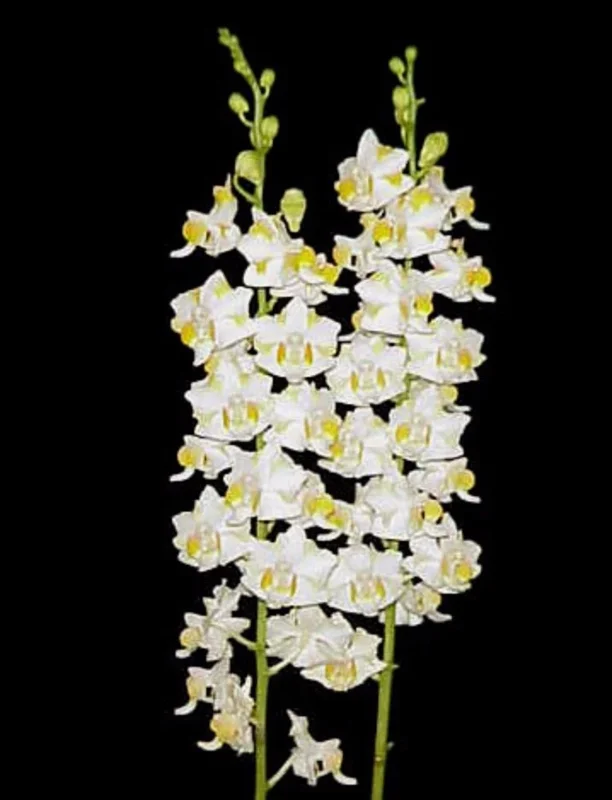
Houseplants
Phalaenopsis pulcherrima ‘Mauna Kea Snow’ Orchid Live Plant – White Flowers, Potted 2.5 in
Sold 50 products
$49.88RELATED posts
Awapuhi Wild Ginger Plant: Zones, Care, and Propagation
Learn which USDA zones suit awapuhi wild ginger, plus sunlight, water, planting, propagation, pests, size, [...]
Awapuhi Shampoo Ginger – Care, Growing Zones, and Differences
Learn how to grow awapuhi (shampoo) ginger, its USDA zones, watering schedule, propagation tips, and [...]
Awapuhi Shampoo Plant Buying Guide – Choose the Right Zingiber zerumbet
META: Learn which awapuhi (shampoo ginger) plant or rhizome pack gives the best natural shampoo, [...]
Awapuhi Plant for Sale: Complete Buying Guide
Find the right awapuhi (shampoo ginger) plant, size, price, soil mix, and online source. Practical [...]
Shampoo Ginger Plant for Sale – Buying Guide & Tips
Find the right shampoo ginger plant, size, price, and care tips. Quick guide for U.S. [...]
Shampoo Ginger Plant (Awapuhi) Care Guide
Learn how to grow, care for, and use shampoo ginger (Zingiber zerumbet), the tropical awapuhi [...]
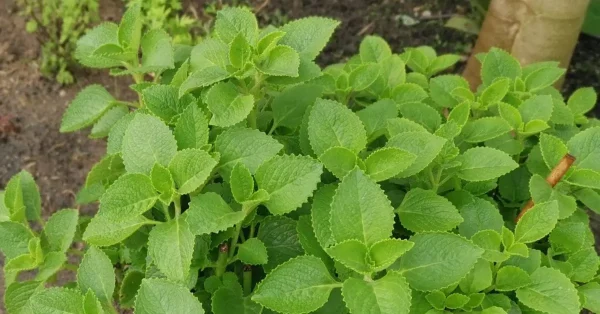
How to Grow Cuban Oregano Plants: A Complete Care Guide
If you’ve ever wanted a plant that combines the culinary punch of traditional oregano with [...]
Aug
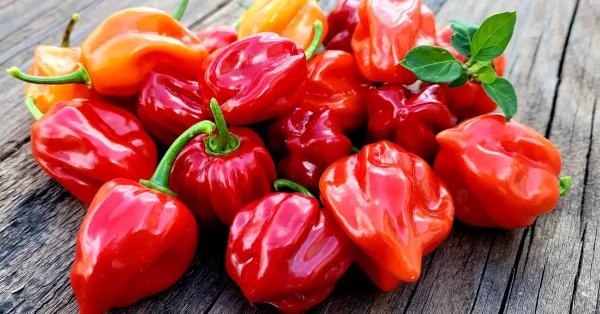
How to Grow Habanero Pepper Plants: A Step-by-Step Guide
Habanero pepper plants are prized for their vibrant colors, intense heat, and exceptional flavor, making [...]
Aug
Reviews
There are no reviews yet.