
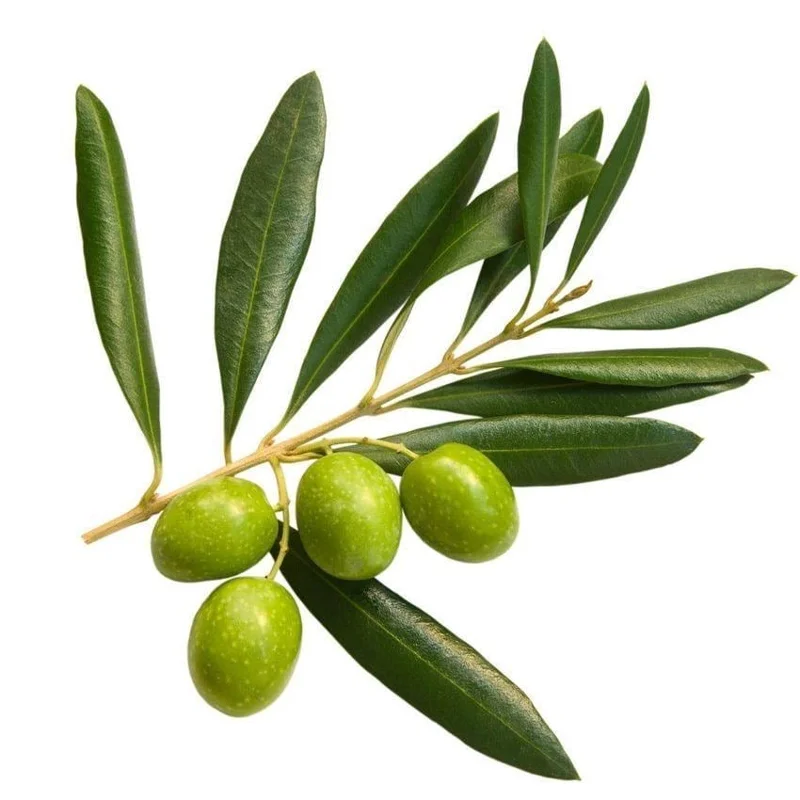
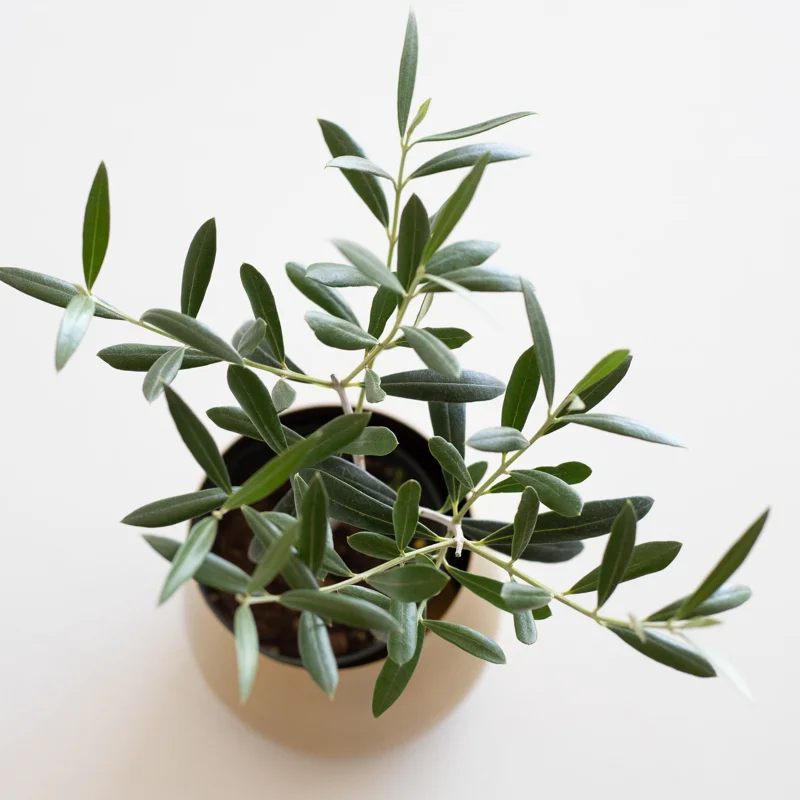
Tall Olive Tree Live Plant – Olea europaea – 2ft Tropical Aceituna
$170.00
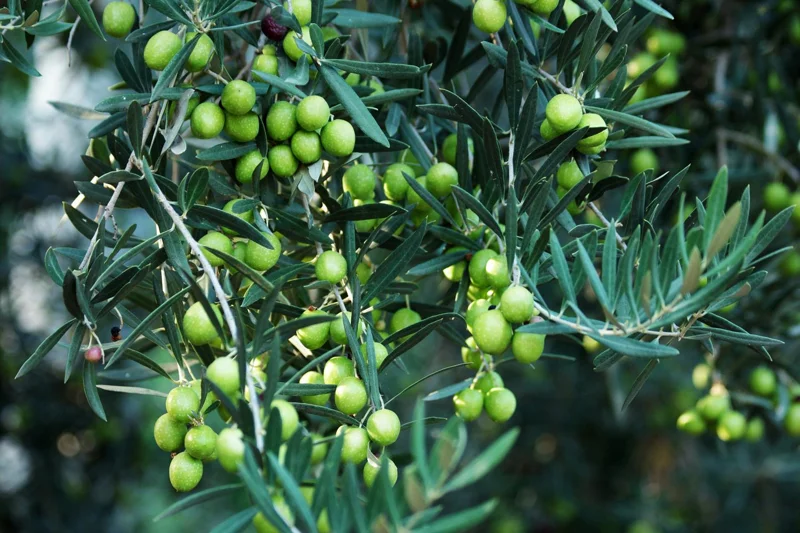
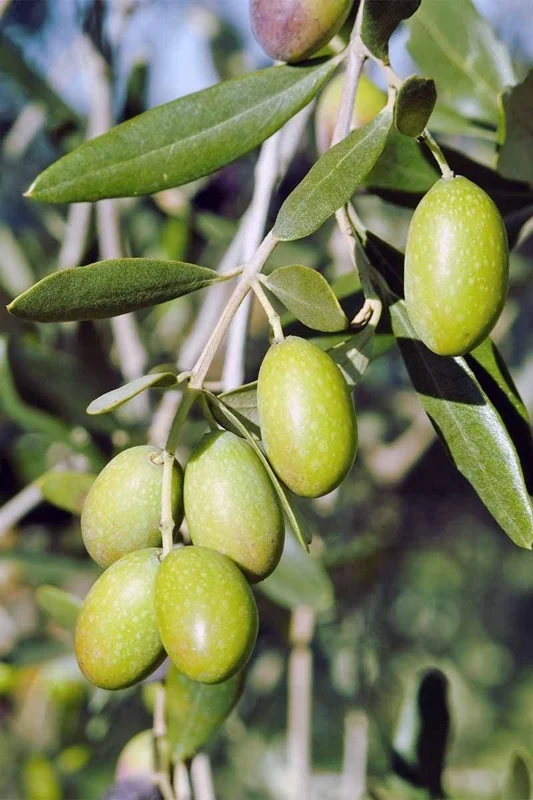
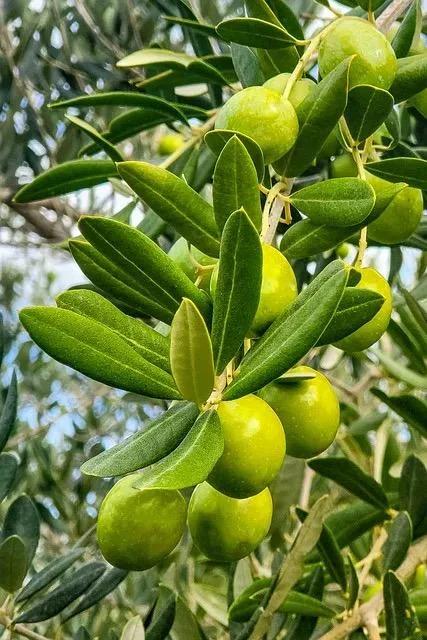
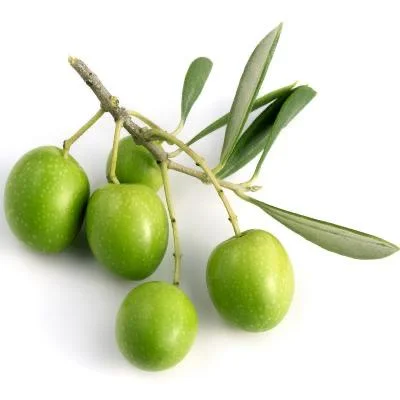
Cultivate your own Mediterranean charm with this olive tree live plant, standing 2ft tall. Known for its beautiful foliage and potential for producing delicious olives, the Olea europaea care is relatively straightforward, making it a rewarding addition to any home or garden. Ideal for both ornamental display and edible fruit production.
Shipping and Return policies:
We stand behind our plants with our Alive & Thrive Guarantee. If you experience any issues within the first 30 days, please email us, and our team will be happy to help. When needed, we’ll send you a one-time replacement free of charge to make sure your garden keeps growing strong.

Reasonable Price
We offer reasonable price

Support 24/7
Contact us 24 hrs a day
100% Money Back
You’ve 30 days to Return
Payment Secure
100% secure payment
Overview
Introduce a touch of ancient history and Mediterranean elegance into your space with this magnificent olive tree live plant. Scientifically known as Olea europaea, this 2ft tall specimen brings the iconic beauty and functionality of the olive grove directly to your home or garden. The olive tree is revered not only for its graceful, silvery-green foliage and gnarled trunk but also for its highly valued fruit. Whether you aspire to harvest your own olives for culinary delights or simply wish to enjoy the serene presence of this historic plant, this live olive tree is an exceptional choice. It’s an enduring symbol of peace and longevity, offering a unique blend of aesthetic appeal and practical benefits. This specific variety is a tropical aceituna, promising robust growth and adaptability, making growing olive trees a delightful experience for both novice and experienced gardeners.
Our olive tree live plant arrives ready to thrive, providing an instant focal point for patios, balconies, or sunny indoor locations. Its distinct appearance and rich cultural significance make it more than just a plant; it’s a living piece of art that tells a story. This particular size is perfect for starting your olive tree journey, allowing you to nurture it as it matures and potentially bears fruit over the years. Embrace the timeless allure of the Mediterranean right in your own environment with this exquisite live tree.
Key Benefits
The olive tree live plant offers a multitude of benefits, from its stunning visual appeal to its potential for providing fresh, home-grown produce. Discover why this ancient tree remains a favorite among plant enthusiasts:
- Ornamental Beauty: The olive tree boasts distinctive silvery-green leaves and a naturally elegant form, making it a beautiful decorative plant for both indoor and outdoor settings. Its timeless aesthetic enhances any landscape or interior design.
- Edible Fruit Production: With proper care, this olive tree live plant can produce its own delicious olives, which can be cured for eating or pressed for homemade olive oil. Enjoy the satisfaction of harvesting your own Mediterranean bounty.
- Symbolic Value: Historically, the olive tree symbolizes peace, longevity, and prosperity. Bringing an olive tree into your home adds a layer of cultural depth and positive symbolism to your living space.
- Drought Tolerance: Once established, olive trees are remarkably drought-tolerant, making them a sustainable choice for various climates and reducing the need for frequent watering. This resilience simplifies the Olea europaea care routine.
- Air Purification: Like many plants, olive trees contribute to healthier indoor air quality by absorbing carbon dioxide and releasing oxygen, creating a fresher and more pleasant environment.
- Adaptable Growth: While native to Mediterranean climates, this tropical aceituna variety demonstrates good adaptability, allowing it to thrive in a wider range of conditions, including suitable indoor environments.
- Low Maintenance: Compared to many fruit-bearing trees, the tropical olive plant is relatively low-maintenance, requiring minimal pruning and general care once established. This makes growing olive trees accessible to many.
Plant Care & Growing Tips
Proper Olea europaea care is essential for a healthy and productive olive tree. These resilient plants can thrive for many years with the right conditions. For sunlight, your olive tree live plant requires at least 6-8 hours of direct sunlight daily to flourish. If grown indoors, place it in the brightest south-facing window possible, or supplement with a grow light, especially during winter months. Outdoors, ensure it’s in a location that receives full sun. In extremely hot climates, some afternoon shade can be beneficial to prevent leaf scorch.
When it comes to watering, olive trees prefer well-draining soil and are sensitive to overwatering. Allow the top 2-3 inches of soil to dry out completely between waterings. During hot, dry periods, you may need to water more frequently, while in cooler months, reduce watering significantly. Good drainage is crucial; ensure your pot has drainage holes and consider adding perlite or sand to your potting mix. A good quality, well-draining potting mix formulated for citrus or Mediterranean plants is ideal. The edible olive tree thrives in slightly alkaline to neutral soil pH (6.5-8.0).
Olive trees are generally hardy in USDA zones 8-10, though some varieties can tolerate zone 7 with protection. This tropical olive plant can be brought indoors during colder months in non-hardy zones. Fertilize your olive tree during the growing season (spring and summer) every 2-4 weeks with a balanced liquid fertilizer, or use a slow-release granular fertilizer once a season. Reduce or stop fertilizing in fall and winter. Pests are generally not a major issue, but keep an eye out for scale insects or spider mites, especially on indoor plants. Good air circulation helps prevent fungal diseases. Pruning is best done in late winter or early spring to shape the tree, remove dead or crossing branches, and encourage fruit production for your edible olive tree.
Size & Details
This olive tree live plant is approximately 2ft tall from the base of the pot to the top of the foliage, offering a substantial young tree ready to establish itself. It is typically shipped in a nursery pot, ready for transplanting into a larger container or directly into the ground, depending on your climate and growing intentions. The growth rate of an olive tree is moderate, allowing for noticeable development each season without becoming unruly too quickly. With proper care, it will gradually increase in height and develop its characteristic gnarled trunk over time. While exact fruit production timelines vary, a healthy and mature Olea europaea care can lead to fruit within a few years.
The spread of the foliage can range from 1-2 feet at this size, gradually widening as the tree matures. This tropical olive plant is a fantastic starter specimen for anyone interested in growing olive trees for ornamental value or for the joy of harvesting their own olives. Expect it to arrive well-packaged, ensuring its health and vitality during transit.
Frequently Asked Questions
- Q: How big does this olive tree get? A: This olive tree live plant is currently 2ft tall. With proper care, olive trees can grow quite large over many years, often reaching 15-20 feet or more in ideal outdoor conditions. Indoors, their size can be managed with pruning.
- Q: Is this an indoor or outdoor plant? A: The tropical olive plant can thrive both indoors and outdoors. In USDA zones 8-10, it can be grown outdoors year-round. In colder climates, it’s best grown in a container and brought indoors during winter to protect it from frost.
- Q: How much sunlight does it need? A: Olive trees are sun-loving plants. For optimal health and potential fruit production, your olive tree live plant needs at least 6-8 hours of direct sunlight per day. Place it in a south-facing window indoors or a full-sun location outdoors.
- Q: Is this plant easy to care for? A: Yes, olive trees are generally considered low to moderate maintenance once established. They are drought-tolerant and relatively pest-resistant, making Olea europaea care manageable for many gardeners.
- Q: What condition will it arrive in? A: Your olive tree live plant will arrive carefully packaged in a nursery pot, ensuring it is healthy and ready to be transplanted upon arrival. We take great care to protect the plant during shipping.
- Q: Can I use the olives in cooking? A: Yes, with proper care and maturity, this edible olive tree can produce olives suitable for consumption. You will need to cure the olives after harvesting to make them palatable.
- Q: What’s the best soil for growing olive trees? A: Olive trees prefer well-draining soil. A good quality potting mix amended with perlite or sand to improve drainage is ideal. They can tolerate a range of soil types but do not like consistently wet feet.
- Q: How often should I water my olive tree? A: Water thoroughly when the top 2-3 inches of soil are dry to the touch. Reduce watering during cooler months. It’s better to underwater than overwater an olive tree live plant.
- Q: Will it survive winter in my zone? A: If you are in USDA zones 8-10, it should be fine outdoors. For zones below 8, it’s crucial to protect your tropical olive plant from freezing temperatures by bringing it indoors or providing adequate winter protection.
- Q: How long until it produces fruit? A: While this olive tree live plant is young, healthy olive trees typically begin producing fruit within 3-5 years of planting, with more significant yields as they mature. Consistent Olea europaea care is key.
Be the first to review “Tall Olive Tree Live Plant – Olea europaea – 2ft Tropical Aceituna”
You must be logged in to post a review.
People also Viewed
Sold 50 products
Original price was: $37.48.$23.98Current price is: $23.98.
Sold 50 products
$32.38
Sold 50 products
$27.38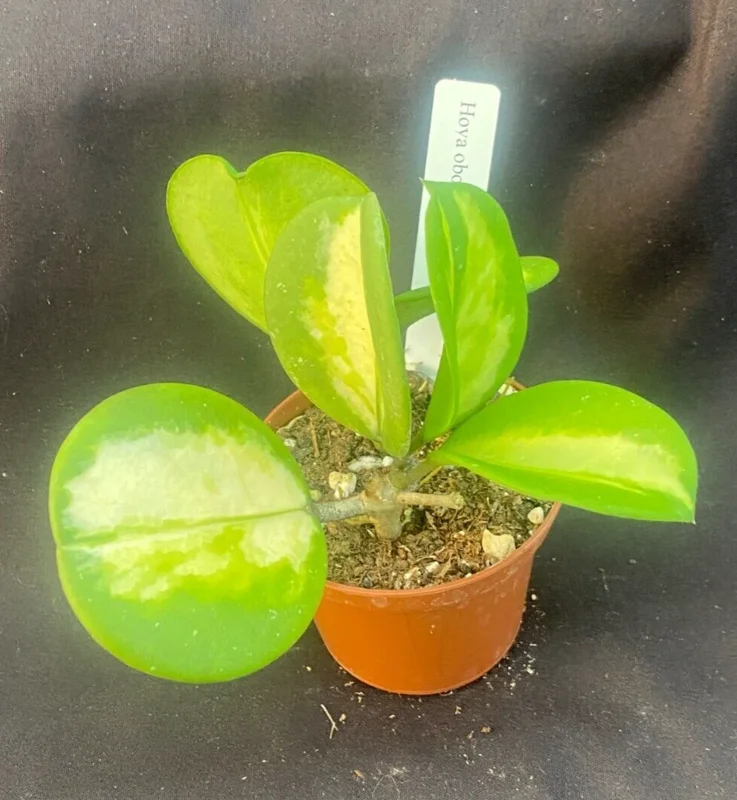
Sold 50 products
$32.38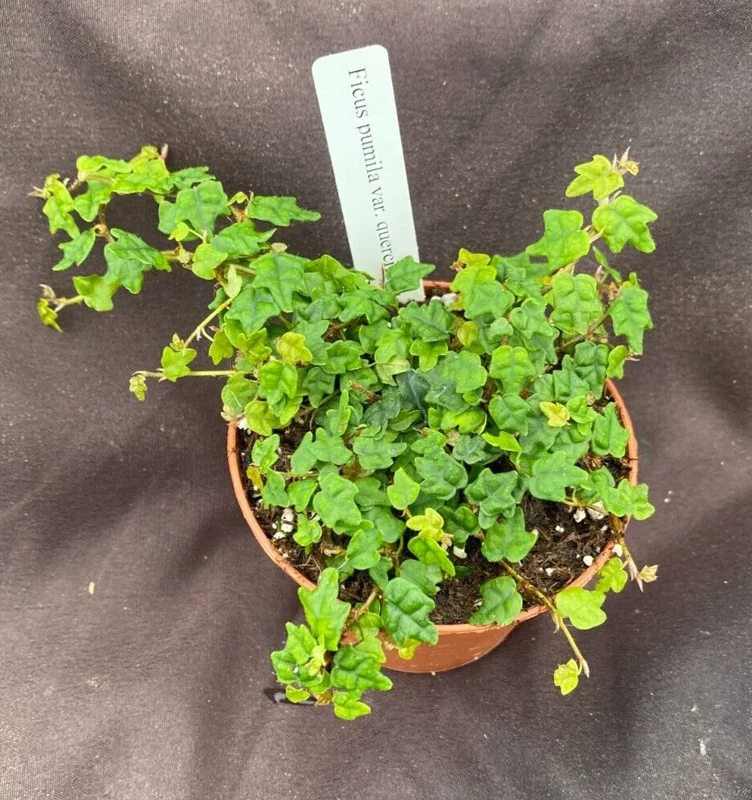
Sold 50 products
$19.88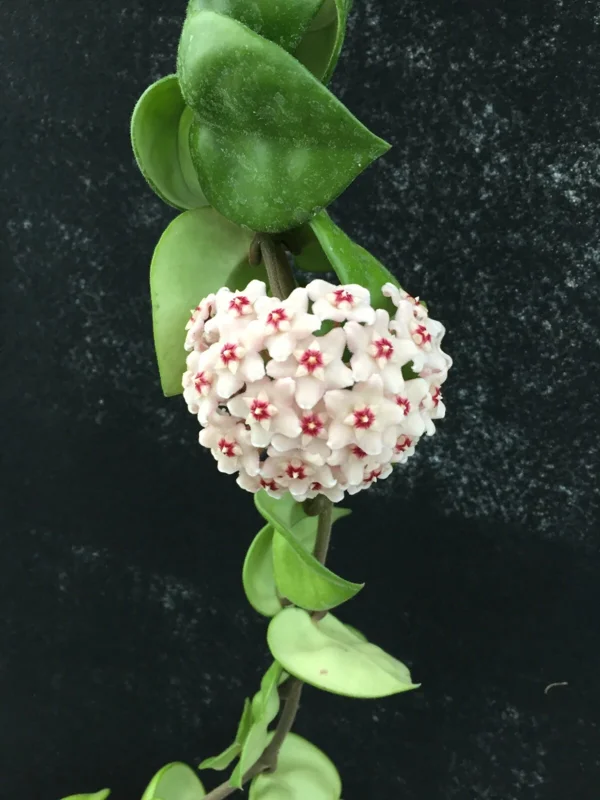
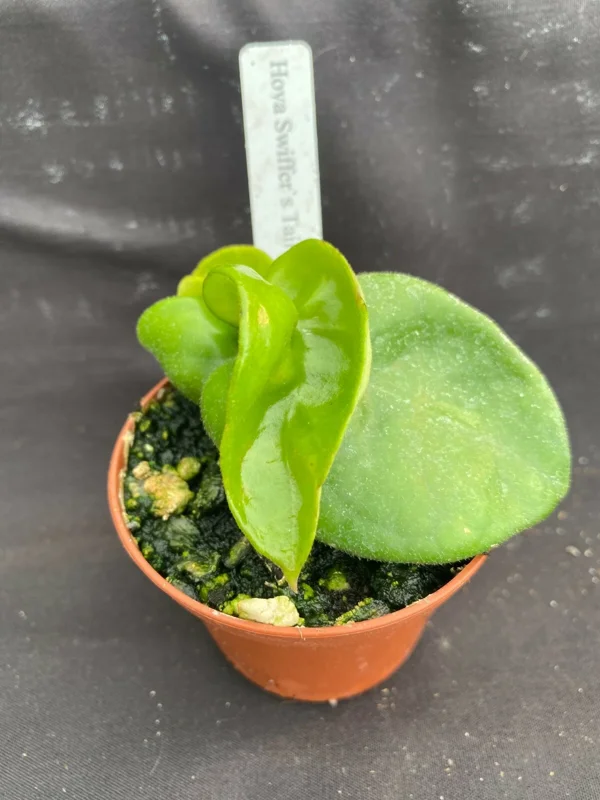
Sold 50 products
$62.38
Sold 50 products
$24.88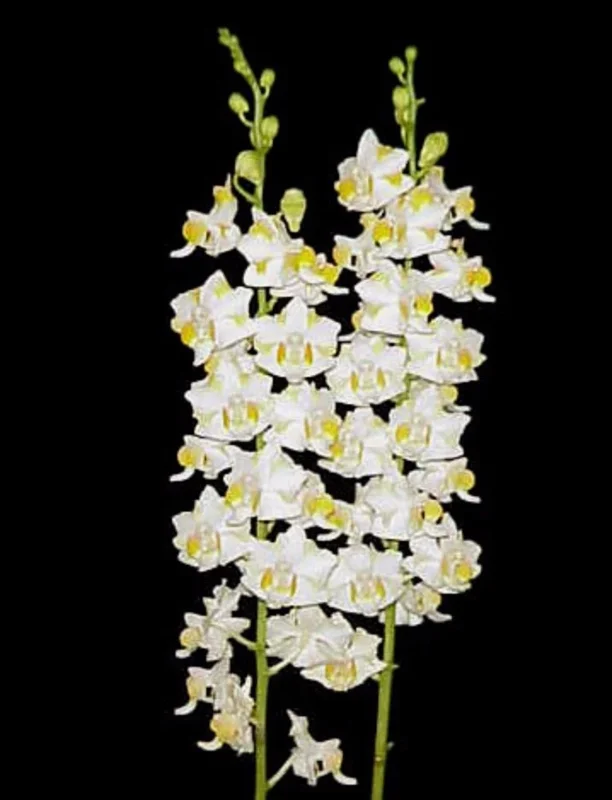
Houseplants
Phalaenopsis pulcherrima ‘Mauna Kea Snow’ Orchid Live Plant – White Flowers, Potted 2.5 in
Sold 50 products
$49.88RELATED posts
Awapuhi Wild Ginger Plant: Zones, Care, and Propagation
Learn which USDA zones suit awapuhi wild ginger, plus sunlight, water, planting, propagation, pests, size, [...]
Awapuhi Shampoo Ginger – Care, Growing Zones, and Differences
Learn how to grow awapuhi (shampoo) ginger, its USDA zones, watering schedule, propagation tips, and [...]
Awapuhi Shampoo Plant Buying Guide – Choose the Right Zingiber zerumbet
META: Learn which awapuhi (shampoo ginger) plant or rhizome pack gives the best natural shampoo, [...]
Awapuhi Plant for Sale: Complete Buying Guide
Find the right awapuhi (shampoo ginger) plant, size, price, soil mix, and online source. Practical [...]
Shampoo Ginger Plant for Sale – Buying Guide & Tips
Find the right shampoo ginger plant, size, price, and care tips. Quick guide for U.S. [...]
Shampoo Ginger Plant (Awapuhi) Care Guide
Learn how to grow, care for, and use shampoo ginger (Zingiber zerumbet), the tropical awapuhi [...]
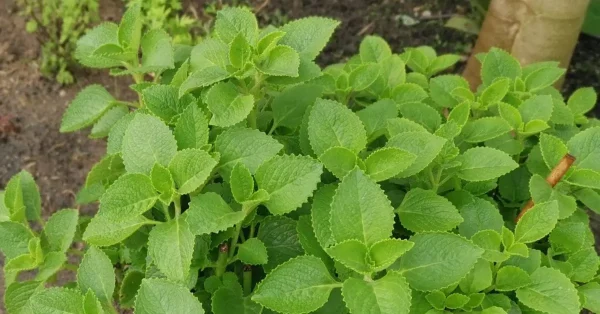
How to Grow Cuban Oregano Plants: A Complete Care Guide
If you’ve ever wanted a plant that combines the culinary punch of traditional oregano with [...]
Aug
How to Grow Habanero Pepper Plants: A Step-by-Step Guide
Habanero pepper plants are prized for their vibrant colors, intense heat, and exceptional flavor, making [...]
Aug
Reviews
There are no reviews yet.