

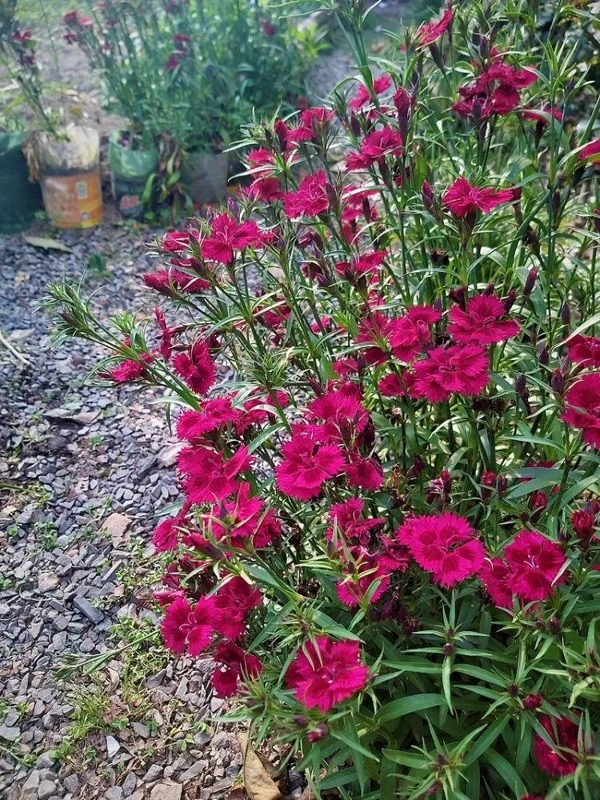
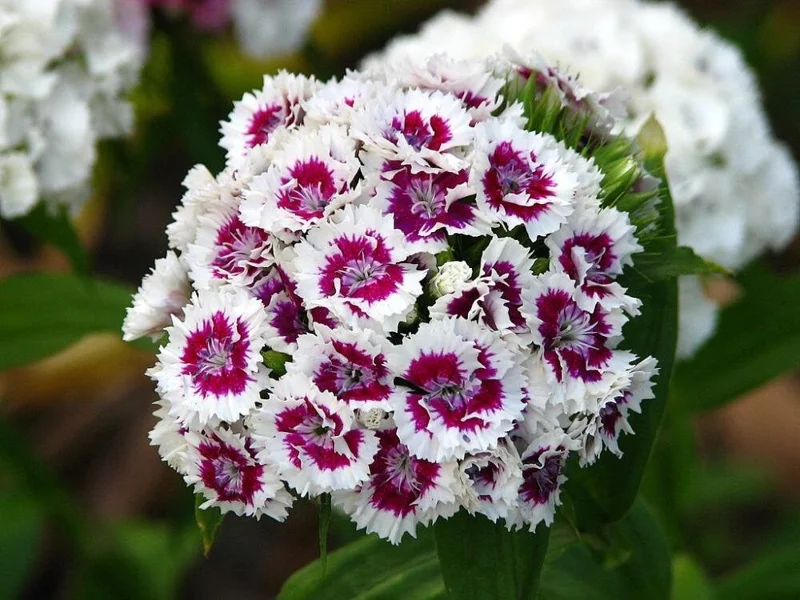
Sweet William Single Mix Seeds – 100 Seeds, Dianthus barbatus, Outdoor Flower Seeds
Original price was: $25.00.$17.50Current price is: $17.50.
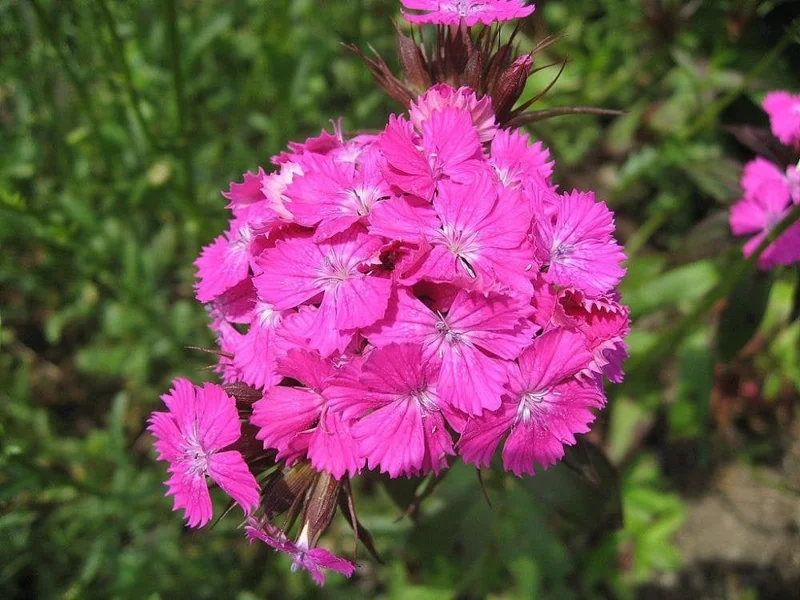
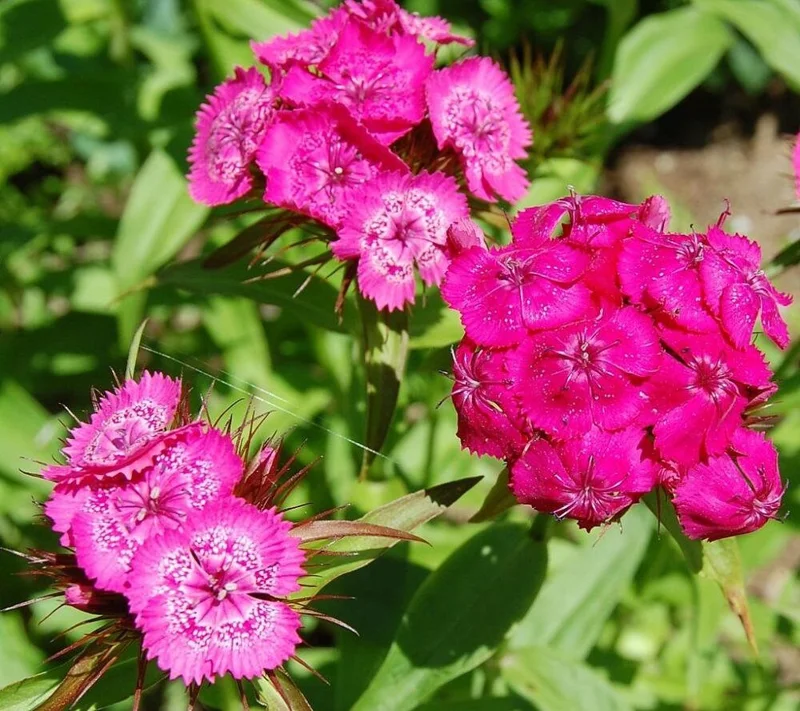
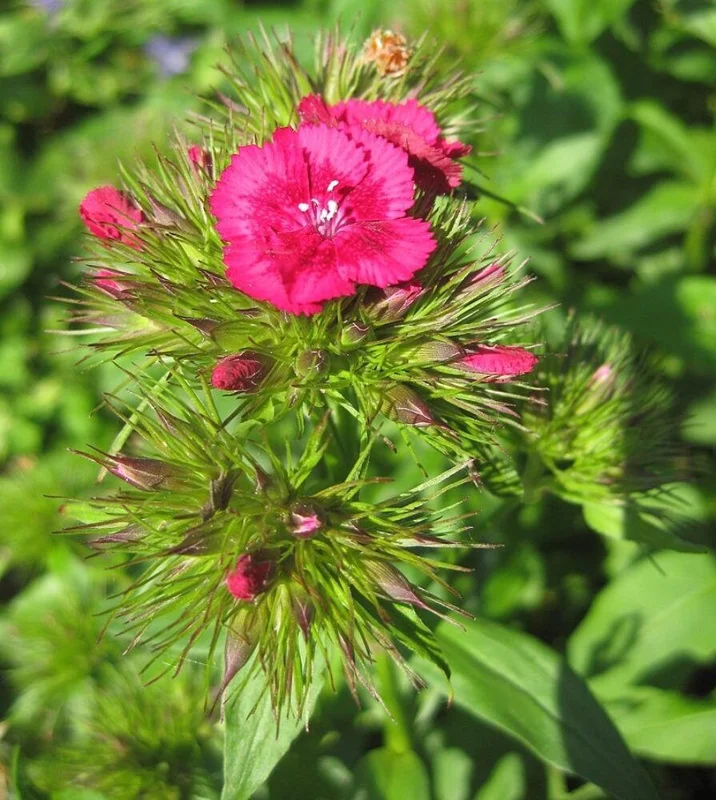
Cultivate a beautiful garden with Sweet William seeds (Dianthus barbatus Single Mix). This pack contains 100 seeds of a charming perennial flower, perfect for attracting bees and butterflies. Enjoy vibrant blooms from July to August, adding a delightful touch to your outdoor space. Ideal for Zones 4-10.
Shipping and Return policies:
We stand behind our plants with our Alive & Thrive Guarantee. If you experience any issues within the first 30 days, please email us, and our team will be happy to help. When needed, we’ll send you a one-time replacement free of charge to make sure your garden keeps growing strong.

Reasonable Price
We offer reasonable price

Support 24/7
Contact us 24 hrs a day
100% Money Back
You’ve 30 days to Return
Payment Secure
100% secure payment
Overview
Bring classic garden charm to your landscape with our premium Sweet William seeds. This collection of Dianthus barbatus seeds, specifically the Single Mix, offers 100 seeds to help you cultivate a stunning display of these beloved perennial flowers. Commonly known as Sweet William, this variety is celebrated for its beautiful, often bi-colored blooms that create a tapestry of color in any garden. Native to Southern Europe, Sweet William is a wonderful addition for gardeners looking to attract local wildlife, including a variety of bees, moths, and butterflies, making your garden a lively and vibrant ecosystem. These easy-to-grow seeds mature into plants that typically reach up to 2 feet in height, providing a medium growth rate and a rewarding flowering period from July to August.
Our Sweet William seeds are carefully selected to ensure high germination rates when proper care is followed. Whether you are an experienced gardener or just starting, growing Sweet William from seed is a fulfilling experience. The Single Mix offers a delightful array of colors and patterns, ensuring each bloom is a unique surprise. These hardy perennials are suitable for a wide range of climates, thriving in USDA Hardiness Zones 4-10, making them a versatile choice for many American gardens. Prepare to enjoy a profusion of charming flowers that will enhance borders, cottage gardens, and cut flower arrangements.
Key Benefits
Planting Sweet William seeds in your garden offers a multitude of benefits, transforming your outdoor space into a haven of beauty and biodiversity. These flowers are not only visually appealing but also contribute positively to the environment.
- Vibrant Floral Displays: The Single Mix of Dianthus barbatus seeds produces a stunning array of colorful blooms, creating eye-catching displays in your garden borders, flower beds, or containers. Their cheerful colors add an inviting touch to any landscape.
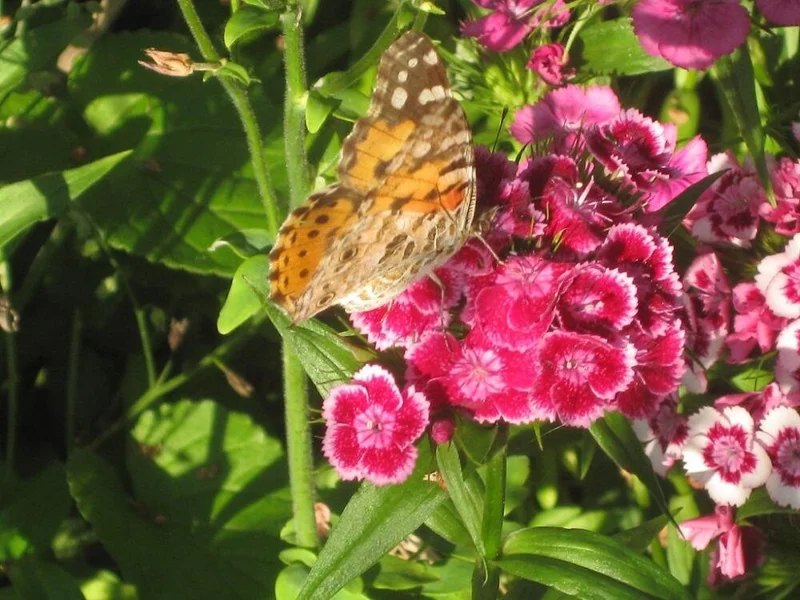
- Attracts Pollinators: Sweet William flowers are a known magnet for beneficial insects, including bees, moths, and butterflies. Planting these seeds helps support local pollinator populations, which are vital for ecosystem health and garden productivity.
- Long Blooming Season: Enjoy beautiful flowers from July through August. This extended blooming period ensures a continuous burst of color and fragrance in your garden during the peak summer months.
- Hardy Perennial: As a perennial, Sweet William returns year after year in suitable climates (Zones 4-10), providing lasting beauty with minimal re-planting effort. This makes them a cost-effective and sustainable choice for your garden.
- Easy to Grow from Seed: Our 100 seeds pack makes it simple to grow Sweet William. With straightforward germination and care instructions, even beginner gardeners can achieve success and enjoy a bountiful harvest of flowers.
- Versatile Garden Use: Perfect for cottage gardens, rock gardens, borders, or even as cut flowers to bring their beauty indoors. The moderate size of the plant makes it adaptable to various garden designs.
- Low Maintenance: Once established, Sweet William plants are relatively low maintenance, preferring dry or moist soil conditions and requiring minimal intervention to thrive. This allows you more time to enjoy their beauty.
Plant Care & Growing Tips
To successfully grow Sweet William from our 100 seeds, understanding their specific care requirements is key. These plants are relatively forgiving but thrive best under certain conditions. For germination, prepare a well-draining seed-starting mix by combining equal parts potting soil, sand, vermiculite, and peat moss. Press the seeds gently into the media, then cover with a thin layer of long-fibered sphagnum moss. Mist with a spray bottle to ensure the media is moist. Cover the seed tray with clear plastic, poking small holes for ventilation, and maintain a temperature between 64-75°F. Place under bright, indirect light until germination occurs, misting as needed to keep the media moist. Once seedlings emerge, remove the plastic cover.
For established plants, Sweet William flower thrives in full sun, meaning at least 6 hours of direct sunlight per day. While they prefer dry or moist soil, excellent drainage is crucial to prevent root rot. They are not tolerant of shade, so choose a sunny spot in your garden. These plants are adaptable to various soil types but perform best in well-draining, moderately fertile soil. Fertilization is generally not heavily required, but a balanced, slow-release granular fertilizer in early spring can promote vigorous growth and abundant blooms. Deadheading spent flowers will encourage more blooms and prevent self-seeding if desired. Common problems include fungal diseases in overly wet conditions or pest issues like aphids, which can be managed with organic insecticidal soap.
Dianthus barbatus seeds are hardy in USDA Zones 4-10. In colder zones, adequate mulch can help protect the roots through winter. In warmer zones, ensure they receive enough moisture during dry spells, though they are somewhat drought-tolerant once established. Proper spacing, typically 6-12 inches apart, will ensure good air circulation and help prevent disease. With these simple guidelines, you can successfully cultivate beautiful and long-lasting Sweet William flower plants in your garden.
Size & Details
This product includes 100 seeds of the Dianthus barbatus Single Mix, commonly known as Sweet William seeds. Each seed has the potential to grow into a vibrant flowering plant, adding beauty to your garden. The mature plants typically reach a height of up to 2 feet (approximately 60 cm) at a medium growth rate. The seeds ripen from August to September, following a flowering period from July to August. These perennial flowers are noted for their ability to attract wildlife, enhancing the biodiversity of your outdoor space. The seeds are shipped in a protective packet, ensuring their viability upon arrival, ready for planting.
Once planted, expect germination to occur within a few weeks under optimal conditions. The plants will establish themselves and typically begin to flower in their second year if started early enough, or in the first year if planted in warm climates. The size and vigor of the plants will depend on growing conditions, including soil quality, sunlight, and consistent watering. These perennial flower seeds offer a rewarding gardening experience, leading to a charming display of blooms year after year within their suitable hardiness zones.
Frequently Asked Questions
- Q: How big does this plant get? A: Sweet William plants typically grow to about 2 feet (60 cm) tall. Their spread can be similar, forming a lovely clump of foliage and flowers.
- Q: Is this an indoor or outdoor plant? A: Sweet William seeds are intended for outdoor cultivation. These plants thrive in garden beds, borders, and containers placed in sunny outdoor locations.
- Q: How much sunlight does it need? A: Sweet William requires full sun exposure, meaning at least 6 hours of direct sunlight per day, to produce the best blooms. They cannot grow in the shade.
- Q: Is this plant easy to care for? A: Yes, Sweet William is considered relatively easy to care for, especially once established. They require well-draining soil and consistent sunlight. The germination process for Dianthus barbatus seeds is also straightforward with the right conditions.
- Q: What condition will the seeds arrive in? A: Your 100 seeds of Sweet William will arrive in a protective seed packet, ensuring they are fresh and ready for planting.
- Q: How long until it blooms? A: If sown early in the season, Sweet William can sometimes bloom in its first year, but they are typically biennial or short-lived perennials, often blooming profusely in their second year.
- Q: What’s the best time to plant Sweet William seeds? A: The seeds can be started indoors 6-8 weeks before the last frost or directly sown outdoors in spring after the danger of frost has passed, or in late summer for blooms the following year. This allows them to establish before winter.
- Q: Will it survive winter in my zone? A: Sweet William is hardy in USDA Zones 4-10. In colder zones (4-6), mulching can help protect the plants over winter. In zones 7-10, they generally overwinter without extra protection.
- Q: Does this plant attract pollinators? A: Yes, the Sweet William flower is well-known for attracting bees, moths, and butterflies, making it an excellent choice for a pollinator-friendly garden.
- Q: What kind of soil does Sweet William prefer? A: Sweet William prefers dry or moist, well-draining soil. It can tolerate a range of soil types but good drainage is essential to prevent root issues.
Be the first to review “Sweet William Single Mix Seeds – 100 Seeds, Dianthus barbatus, Outdoor Flower Seeds”
You must be logged in to post a review.
People also Viewed

Sold 50 products
Original price was: $109.95.$79.98Current price is: $79.98.
Sold 50 products
Original price was: $25.00.$17.50Current price is: $17.50.
Flower Seeds
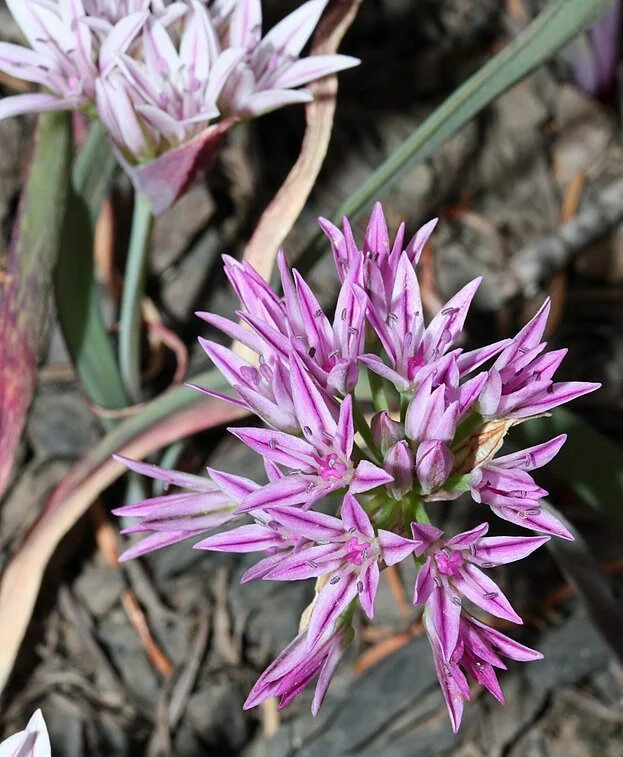
Olympic Onion Seeds – Allium crenulatum Flower Seeds – 10 Seed Pack – Outdoor Native Plant
Sold 50 products
Original price was: $25.00.$17.50Current price is: $17.50.
Sold 50 products
Original price was: $25.00.$17.50Current price is: $17.50.
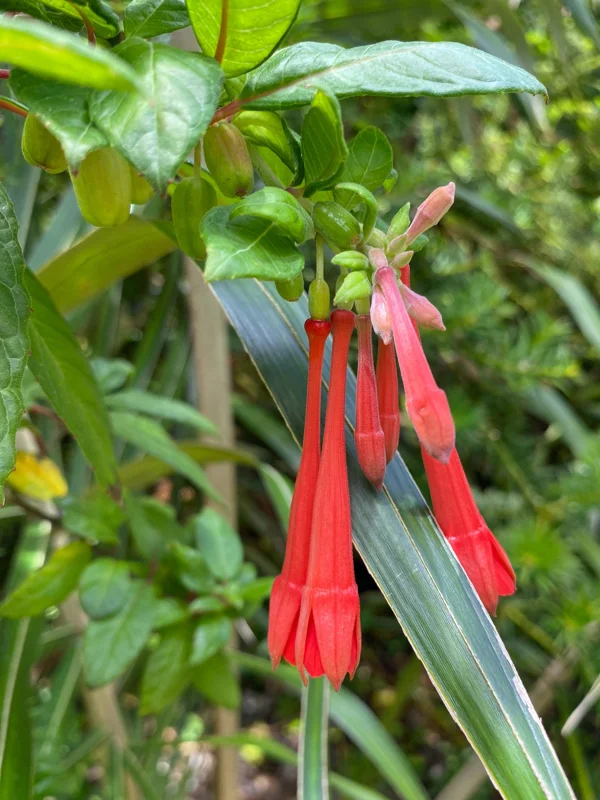
Flower Seeds
Fuchsia vulcanica Seeds – 20 Pack – Vibrant Orange Coral Flowers for Garden & Containers
Sold 50 products
Original price was: $25.00.$17.50Current price is: $17.50.
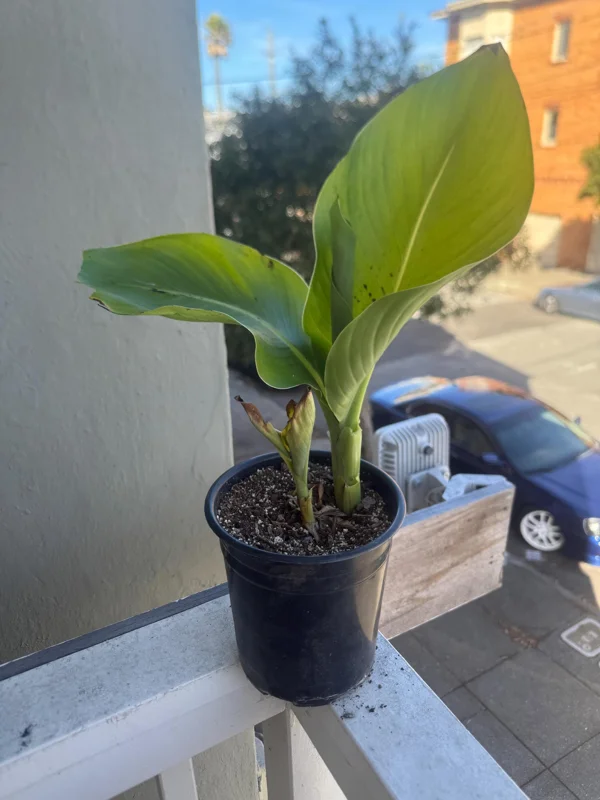
Sold 50 products
Original price was: $116.98.$95.68Current price is: $95.68.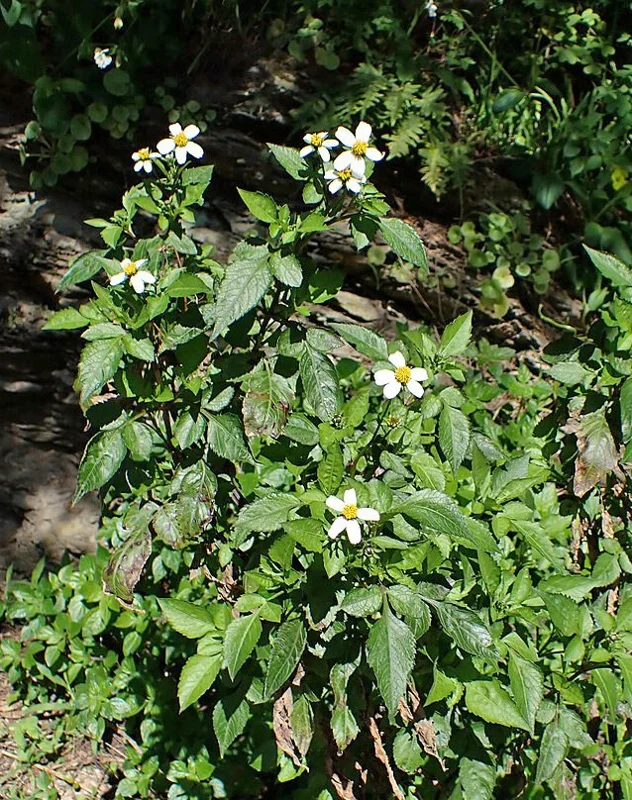
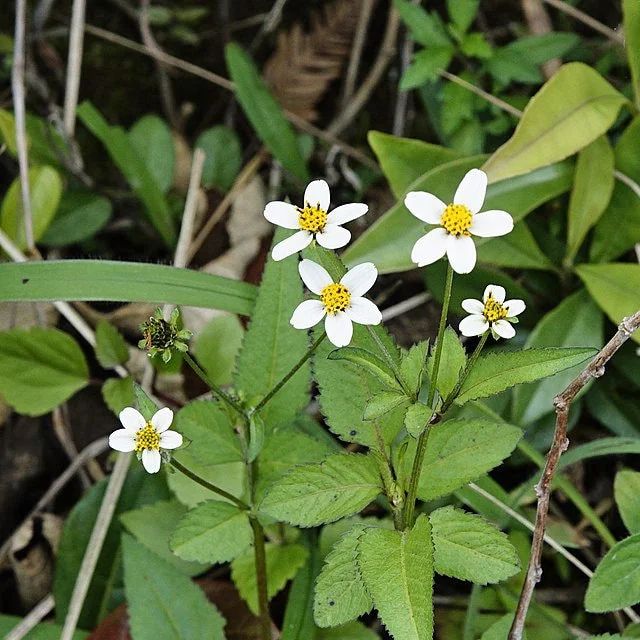
Sold 50 products
Original price was: $21.00.$14.10Current price is: $14.10.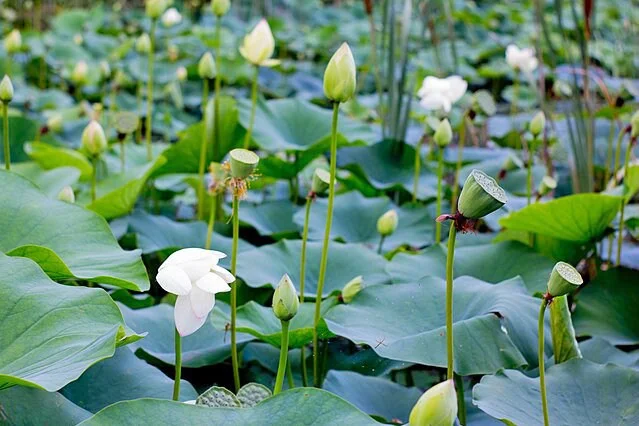
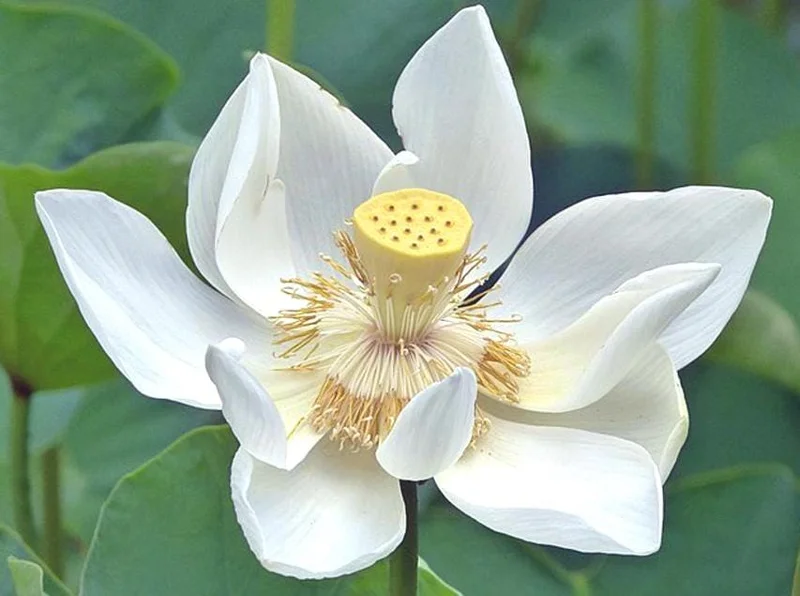
Aquatic Plant Seeds
White Lotus Seeds – Nelumbo Nucifera Aquatic Pond Plant – 5 Seeds for Water Garden
Sold 50 products
Original price was: $29.00.$20.90Current price is: $20.90.RELATED posts
Awapuhi Wild Ginger Plant: Zones, Care, and Propagation
Learn which USDA zones suit awapuhi wild ginger, plus sunlight, water, planting, propagation, pests, size, [...]
Awapuhi Shampoo Ginger – Care, Growing Zones, and Differences
Learn how to grow awapuhi (shampoo) ginger, its USDA zones, watering schedule, propagation tips, and [...]
Awapuhi Shampoo Plant Buying Guide – Choose the Right Zingiber zerumbet
META: Learn which awapuhi (shampoo ginger) plant or rhizome pack gives the best natural shampoo, [...]
Awapuhi Plant for Sale: Complete Buying Guide
Find the right awapuhi (shampoo ginger) plant, size, price, soil mix, and online source. Practical [...]
Shampoo Ginger Plant for Sale – Buying Guide & Tips
Find the right shampoo ginger plant, size, price, and care tips. Quick guide for U.S. [...]
Shampoo Ginger Plant (Awapuhi) Care Guide
Learn how to grow, care for, and use shampoo ginger (Zingiber zerumbet), the tropical awapuhi [...]
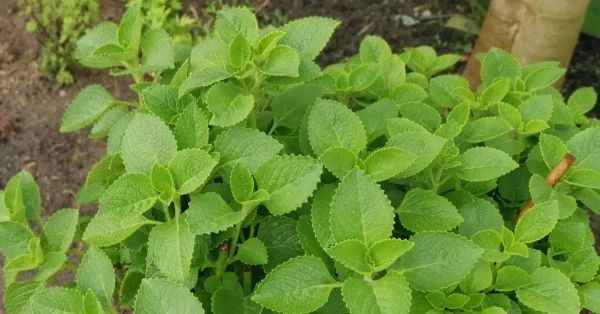
How to Grow Cuban Oregano Plants: A Complete Care Guide
If you’ve ever wanted a plant that combines the culinary punch of traditional oregano with [...]
Aug
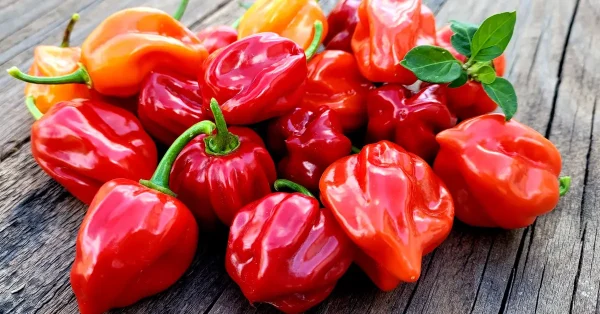
How to Grow Habanero Pepper Plants: A Step-by-Step Guide
Habanero pepper plants are prized for their vibrant colors, intense heat, and exceptional flavor, making [...]
Aug



Reviews
There are no reviews yet.