
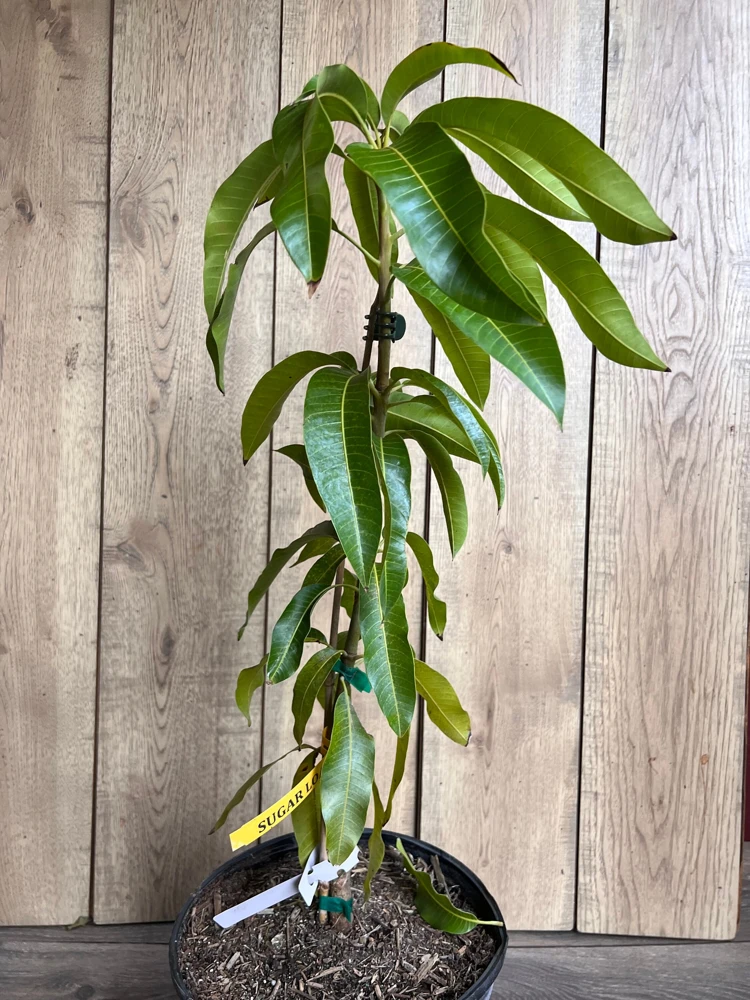
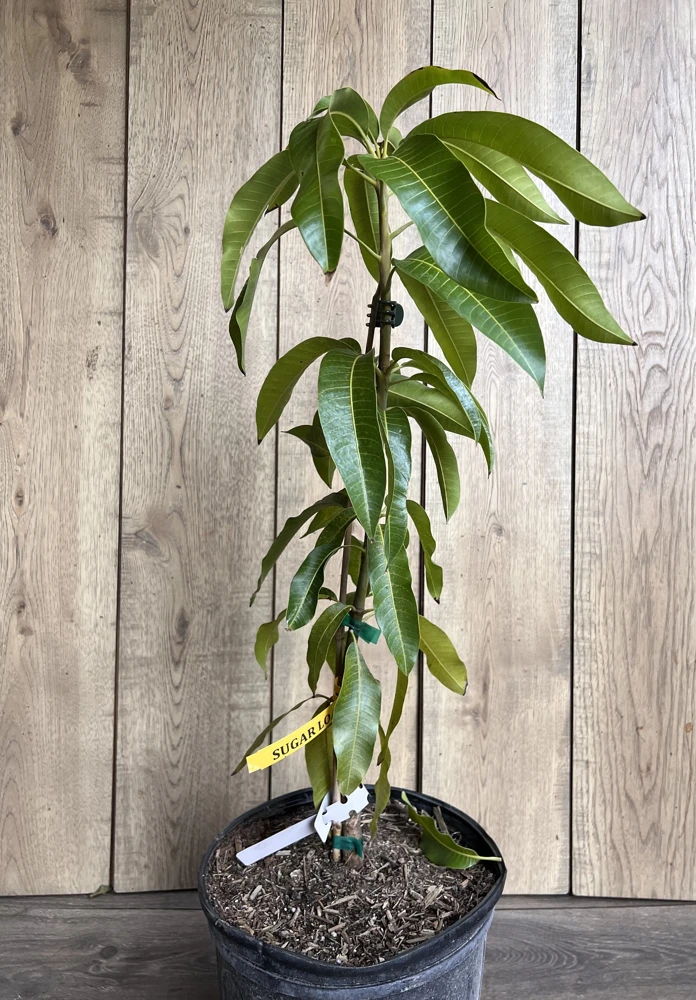
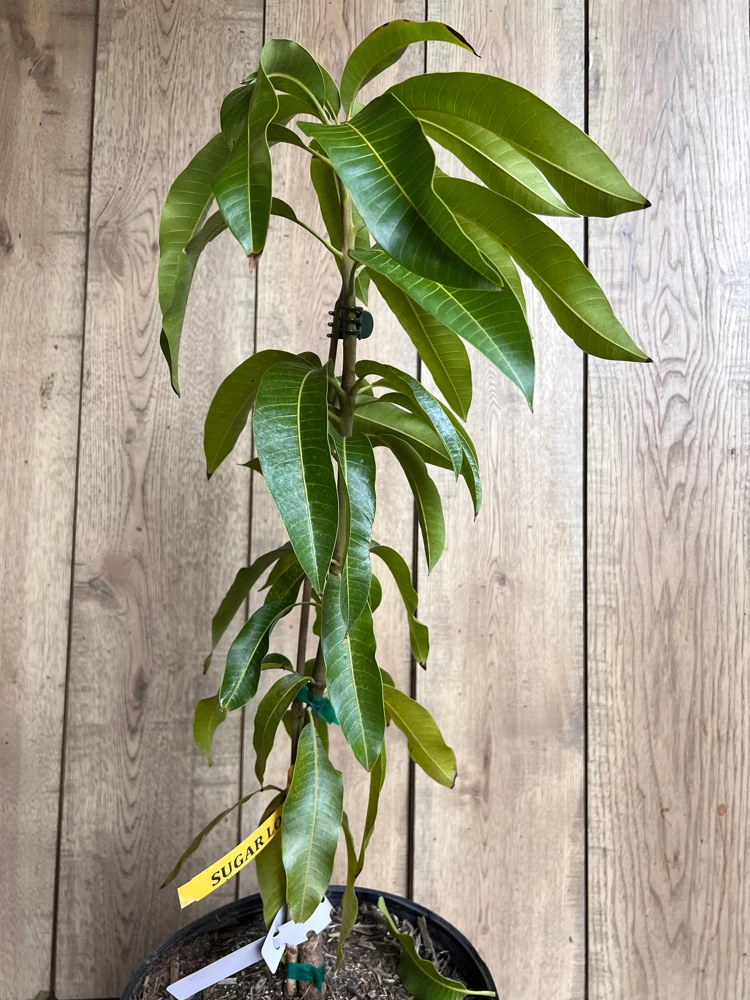
Sugar Loaf Mango Tree – Grafted Live Plant – 3 Gallon Pot – 26-33″ Tall – Cannot ship to CA
Original price was: $264.65.$169.49Current price is: $169.49.
Cultivate your own delicious Sugar Loaf Mango Tree with this grafted live plant. Known for its distinct tropical flavor with notes of coconut and pineapple, this variety produces creamy, fiber-free fruit. Shipped at 26-33 inches tall in a 3-gallon pot, it’s ready to thrive in your home garden, though not ideal for long-term container growing.
Shipping and Return policies:
We stand behind our plants with our Alive & Thrive Guarantee. If you experience any issues within the first 30 days, please email us, and our team will be happy to help. When needed, we’ll send you a one-time replacement free of charge to make sure your garden keeps growing strong.

Reasonable Price
We offer reasonable price

Support 24/7
Contact us 24 hrs a day
100% Money Back
You’ve 30 days to Return
Payment Secure
100% secure payment
Overview
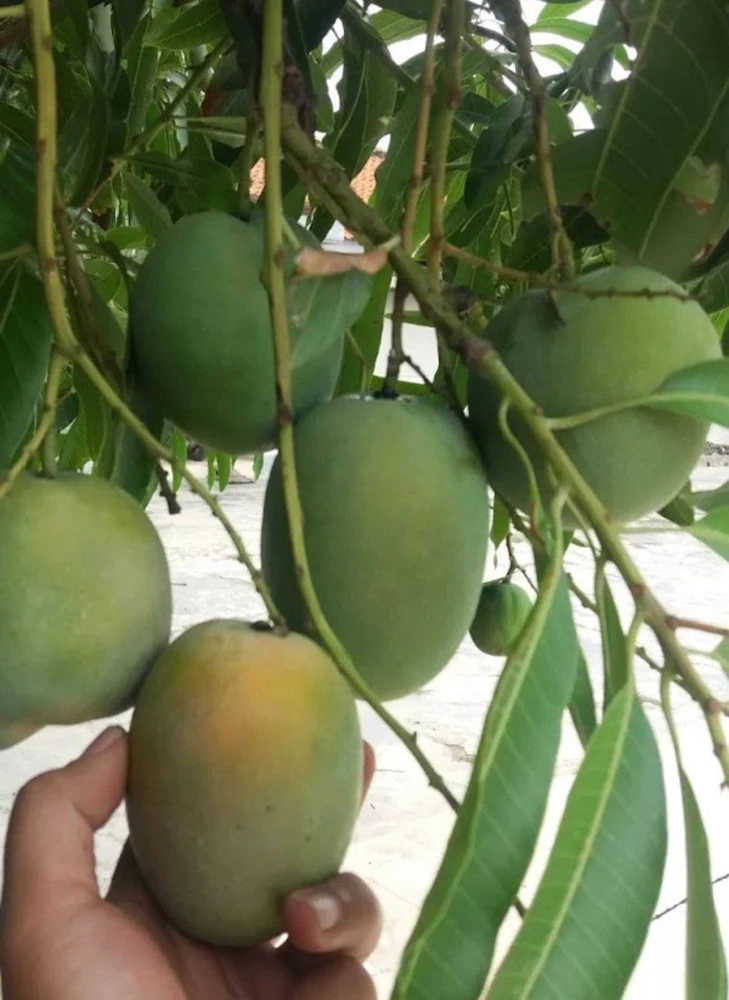
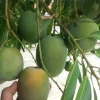
Introduce a taste of the tropics to your garden with a Sugar Loaf Mango Tree. This grafted live plant is a highly sought-after variety, celebrated for its uniquely tropical flavor profile, featuring prominent notes of coconut and pineapple. When fully ripe, the coconut essence is particularly strong, while a slightly under-ripe fruit will reveal more pronounced pineapple flavors. The skin of the ‘Sugar Loaf’ mango remains green even when fully mature, adding to its distinctive charm. This exceptional mango is renowned for its incredibly creamy flesh and complete lack of fibrous strings, making every bite a smooth, delightful experience. While mature trees can reach medium to large sizes, making them less suitable for permanent container growth, young plants can be nurtured in pots before transplanting to a suitable outdoor location.
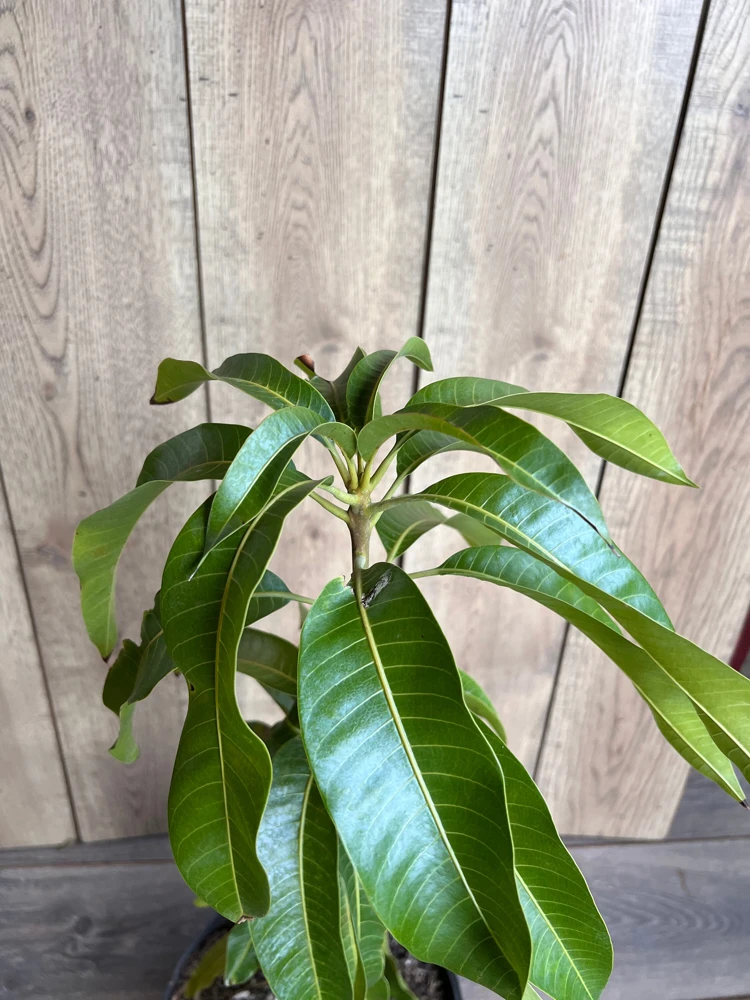
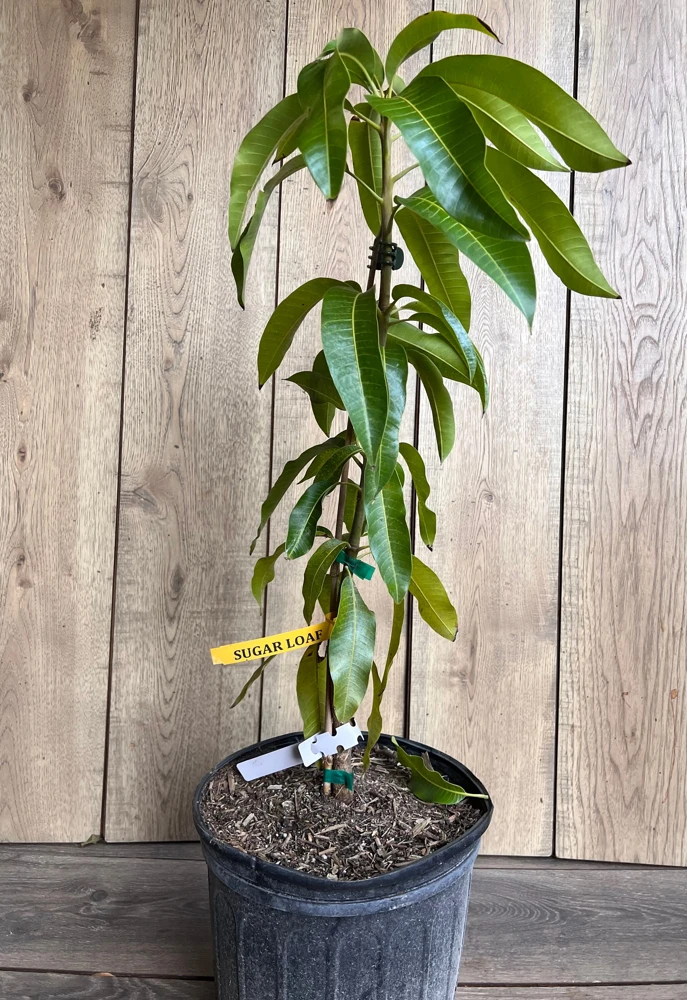
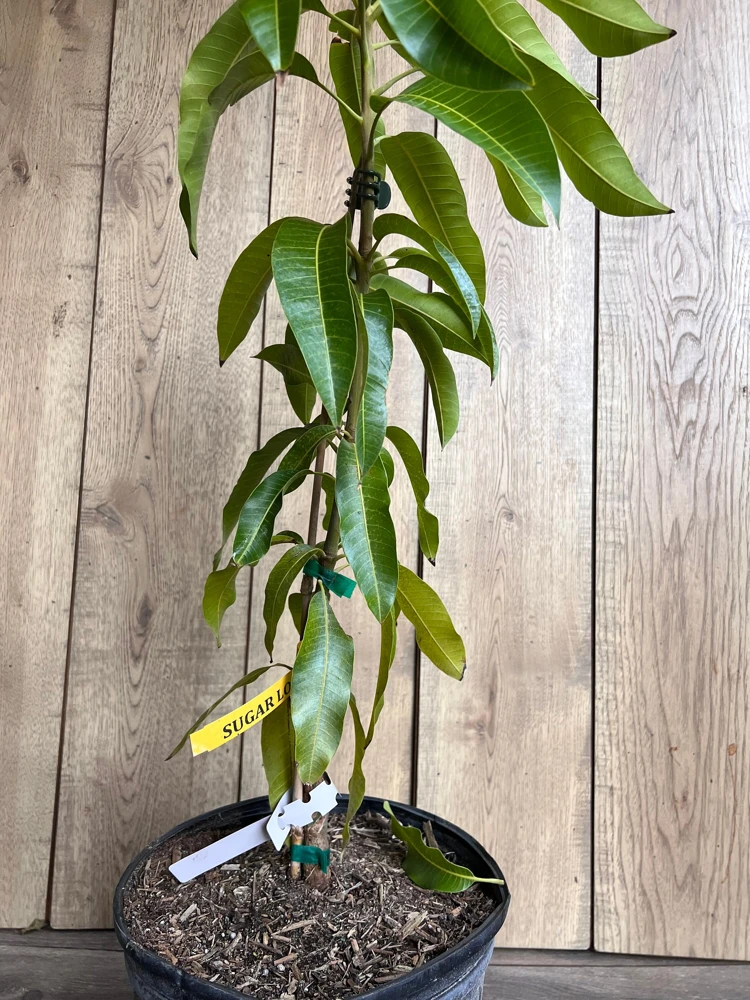
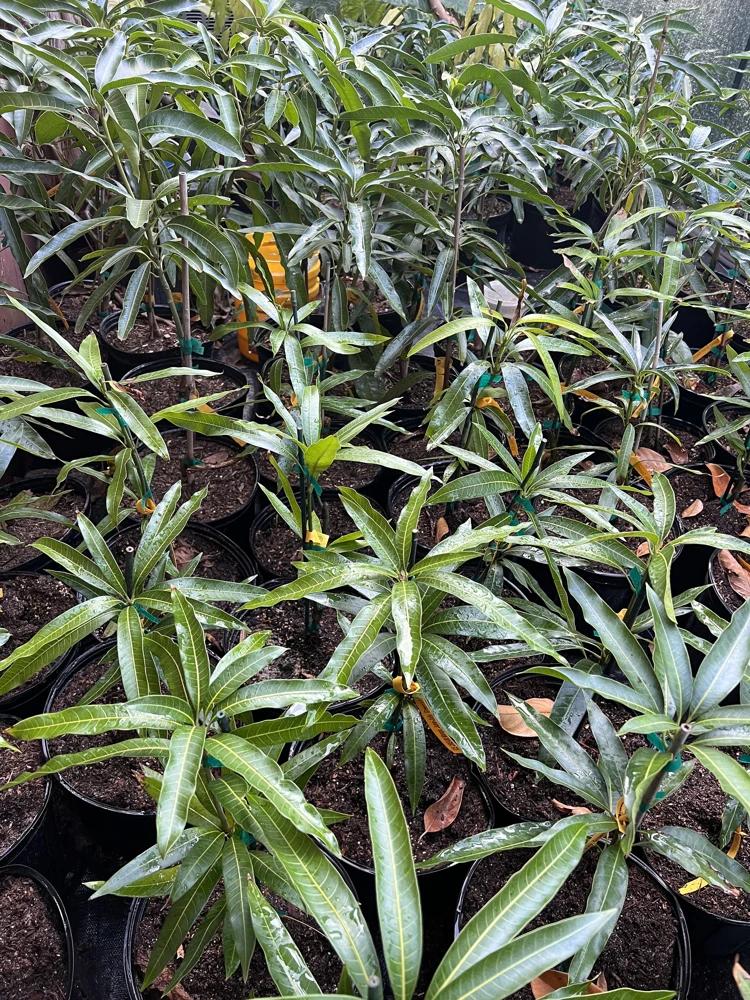
Our Sugar Loaf Mango Tree is shipped as a healthy, grafted specimen in a 3-gallon pot, typically measuring between 26 to 33 inches in height. Grafting ensures that the tree will bear fruit true to the ‘Sugar Loaf’ variety and often results in earlier fruit production. This tropical fruit tree promises a rewarding harvest of delicious, high-quality mangoes, perfect for fresh eating, desserts, or tropical beverages. Embrace the joy of growing your own exotic fruit with this exceptional Sugar Loaf mango plant.
Key Benefits
Growing your own Sugar Loaf Mango Tree offers numerous advantages, from fresh, delicious fruit to enhancing your garden’s aesthetic and biodiversity. Here are some of the key benefits:
- Exquisite Flavor Profile: Enjoy the unique tropical taste of ‘Sugar Loaf’ mangoes, featuring a delightful combination of coconut and pineapple notes. This distinctive flavor sets it apart from other mango varieties, providing a truly gourmet experience right from your backyard.
- Creamy, Fiber-Free Flesh: Experience the luxurious texture of this mango, which is completely free of fiber. This makes it incredibly smooth and enjoyable to eat, whether fresh or incorporated into culinary creations.
- Reliable Fruit Production: As a grafted mango tree, this plant is designed to bear fruit faster and more reliably than trees grown from seed, ensuring you can enjoy your harvest sooner.
- Home Orchard Addition: A wonderful addition to any home orchard or large garden, providing a source of fresh, organic fruit. Growing your own tropical fruit tree is a rewarding endeavor.
- Attractive Foliage: Beyond its fruit, the Sugar Loaf Mango Tree boasts lush green foliage, adding a vibrant, tropical aesthetic to your landscape.
- Mid-Season Harvest: Expect your delicious mangoes to ripen in mid-season, typically June-July, allowing you to enjoy fresh fruit during the warmer months.
- Potential for Large Harvests: Mature trees produce medium to large fruits, weighing between 1 to 1.5 lbs each, offering a generous yield for personal consumption or sharing.
Plant Care & Growing Tips
Caring for your Sugar Loaf Mango Tree involves understanding its specific needs for sunlight, water, soil, and nutrients to ensure healthy growth and abundant fruit production. While not ideal for permanent container growing due to its mature size, young trees can be grown in pots for a period.
Sunlight: Mango trees thrive in full sun, requiring at least 6-8 hours of direct sunlight per day to produce the best fruit. Good air circulation and light penetration are also crucial for the tree’s overall health. Position your tree in the brightest spot available, whether in the ground or in a container.
Watering: During warmer months, especially when the tree is actively growing and fruiting, water a few times a week, ensuring the soil remains consistently moist but not waterlogged. In winter, reduce watering frequency to about once every two weeks, allowing the soil to dry out slightly between waterings. Proper drainage is key to preventing root rot.
Soil: Mangoes are adaptable and can grow in a wide variety of well-draining soil mixtures. If growing in a container, the potting soil needs to be lightweight and nutrient-rich. A recommended container mix includes 40% compost, 40% mulch/peat moss, and 20% a combination of sand and perlite to ensure excellent drainage. For in-ground planting, amend heavy clay soils with organic matter to improve drainage and aeration. This careful attention to soil will help your grafted mango tree flourish.
Fertilization: Fertilize your tropical fruit tree in spring, summer, and fall. Young mango trees benefit from higher nitrogen ratios to promote vegetative growth. Once the tree begins to bear fruit, its nutrient needs shift to higher doses of phosphorus and potassium, which are essential for flowering and fruiting. A commercial organic fertilizer with an NPK ratio like 5-8-10 is suitable for fruit-bearing trees. You can also supplement with organic materials such as compost (good for phosphorus and potassium), rock phosphate, guano, blood meal, or bone meal for phosphorus, and seaweed or potassium sulfate for potassium. Always follow fertilizer instructions carefully to avoid over-fertilization.
Temperature: Mangoes prefer average temperatures between the low 60s and high 90s Fahrenheit. They are sensitive to frost, so if you live in an area with cold winters, ensure adequate protection or consider growing them in a large container that can be moved indoors during colder periods. The ideal USDA hardiness zones for outdoor planting are 9-11.
Size & Details
This Sugar Loaf Mango Tree is a grafted live plant, ensuring genetic fidelity and earlier fruiting. It is shipped in a 3-gallon nursery pot, providing a well-established root system for successful transplanting. Upon arrival, the tree will typically measure between 26 to 33 inches in height, offering a robust start for your garden. The fruit produced by this variety is medium to large, generally weighing between 1 to 1.5 lbs. With proper care and pruning, a mature tree can reach a height of 10 to 15 feet. The harvest season for ‘Sugar Loaf’ mangoes is mid-season, usually during June and July, allowing for a delightful summer fruit experience. While adaptable, these trees are not ideal for long-term container growing due to their potential mature size and extensive root system. For optimal growth and fruit production, planting in the ground in a suitable climate is recommended.
Frequently Asked Questions
- Q: How big does this Sugar Loaf Mango Tree get? A: With proper pruning and ideal growing conditions, a mature Sugar Loaf Mango Tree can reach a height of 10 to 15 feet. For optimal health and fruit production, regular pruning is recommended.
- Q: What size pot does it come in? A: The grafted mango tree will arrive in a 3-gallon nursery pot, providing a good head start for the plant. You can keep it in this pot for a short period before transplanting to a larger container or directly into the ground.
- Q: Is this an indoor or outdoor plant? A: While young Sugar Loaf mango plants can be grown in containers and brought indoors during cold weather, they are primarily outdoor plants that thrive in full sun and warm, tropical to subtropical climates. They are not considered a good choice for long-term indoor container growing.
- Q: How much sunlight does it need? A: This tropical fruit tree requires full sun exposure, meaning at least 6-8 hours of direct sunlight daily, to ensure healthy growth and abundant fruit production.
- Q: Is this plant easy to care for? A: While not extremely difficult, caring for a Sugar Loaf Mango Tree requires consistent attention to watering, fertilization, and sunlight. It is a rewarding plant for those willing to provide its specific tropical growing conditions.
- Q: What condition will it arrive in? A: Your Sugar Loaf Mango Tree will arrive as a healthy, live grafted plant in a 3-gallon pot, typically 26-33 inches tall, ready for planting. We take great care in packaging to ensure its safe arrival.
- Q: When is the best time to plant a mango tree? A: The best time to plant a mango tree is in the spring or early summer, after the last chance of frost has passed and when temperatures are consistently warm. This allows the tree to establish its root system before cooler weather sets in.
- Q: Will it survive winter in my zone? A: Sugar Loaf Mango Trees are tropical and are best suited for USDA Hardiness Zones 9-11. They are sensitive to frost and cold temperatures. If you live in a colder zone, you will need to provide winter protection or grow it in a container that can be moved indoors.
- Q: What are the main characteristics of the Sugar Loaf mango fruit? A: The ‘Sugar Loaf’ mango is known for its distinct tropical flavor with strong coconut and pineapple notes. Its skin remains green when ripe, and its flesh is exceptionally creamy and completely fiber-free. Fruits are medium to large, weighing 1-1.5 lbs.
- Q: What kind of soil does a grafted mango tree need? A: A grafted mango tree thrives in well-draining soil. For container growing, a lightweight, nutritive potting mix with good drainage is recommended, such as a blend of compost, peat moss, sand, and perlite. For in-ground planting, ensure your soil drains well and amend with organic matter if it’s heavy clay.
Be the first to review “Sugar Loaf Mango Tree – Grafted Live Plant – 3 Gallon Pot – 26-33″ Tall – Cannot ship to CA”
You must be logged in to post a review.
People also Viewed
Sold 50 products
$32.38
Sold 50 products
$27.38
Sold 50 products
$32.38
Sold 50 products
$19.88
Sold 50 products
$62.38
Sold 50 products
$24.88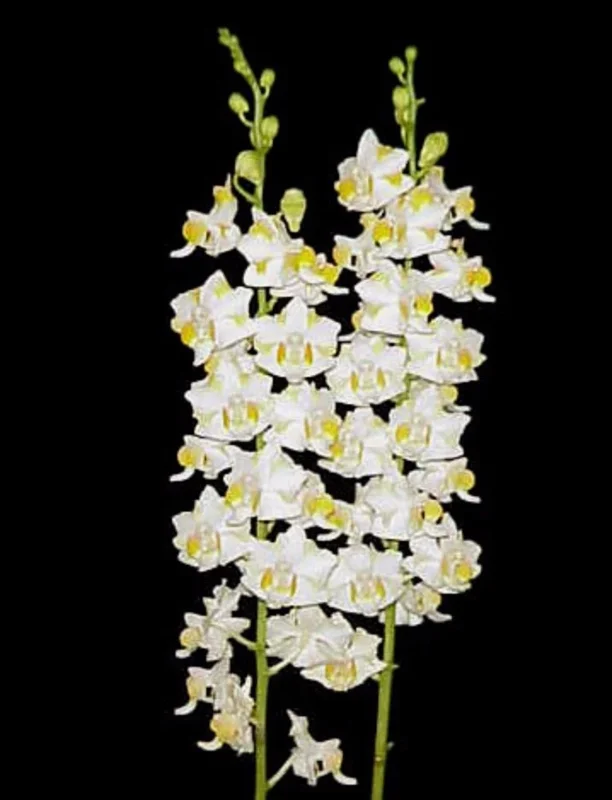
Houseplants
Phalaenopsis pulcherrima ‘Mauna Kea Snow’ Orchid Live Plant – White Flowers, Potted 2.5 in
Sold 50 products
$49.88
Sold 50 products
$49.88RELATED posts
Awapuhi Wild Ginger Plant: Zones, Care, and Propagation
Learn which USDA zones suit awapuhi wild ginger, plus sunlight, water, planting, propagation, pests, size, [...]
Awapuhi Shampoo Ginger – Care, Growing Zones, and Differences
Learn how to grow awapuhi (shampoo) ginger, its USDA zones, watering schedule, propagation tips, and [...]
Awapuhi Shampoo Plant Buying Guide – Choose the Right Zingiber zerumbet
META: Learn which awapuhi (shampoo ginger) plant or rhizome pack gives the best natural shampoo, [...]
Awapuhi Plant for Sale: Complete Buying Guide
Find the right awapuhi (shampoo ginger) plant, size, price, soil mix, and online source. Practical [...]
Shampoo Ginger Plant for Sale – Buying Guide & Tips
Find the right shampoo ginger plant, size, price, and care tips. Quick guide for U.S. [...]
Shampoo Ginger Plant (Awapuhi) Care Guide
Learn how to grow, care for, and use shampoo ginger (Zingiber zerumbet), the tropical awapuhi [...]
How to Grow Cuban Oregano Plants: A Complete Care Guide
If you’ve ever wanted a plant that combines the culinary punch of traditional oregano with [...]
Aug
How to Grow Habanero Pepper Plants: A Step-by-Step Guide
Habanero pepper plants are prized for their vibrant colors, intense heat, and exceptional flavor, making [...]
Aug
Reviews
There are no reviews yet.