
Sugar Apple Live Plant (Annona squamosa) – Exotic Fruit Tree
$137.50
Cultivate your own delicious sugar apple live plant, also known as Annona squamosa. This exotic fruit tree produces unique, sweet, and custardy fruits, offering a taste of the tropics right in your garden or patio.
Shipping and Return policies:
We stand behind our plants with our Alive & Thrive Guarantee. If you experience any issues within the first 30 days, please email us, and our team will be happy to help. When needed, we’ll send you a one-time replacement free of charge to make sure your garden keeps growing strong.

Reasonable Price
We offer reasonable price

Support 24/7
Contact us 24 hrs a day
100% Money Back
You’ve 30 days to Return
Payment Secure
100% secure payment
Overview
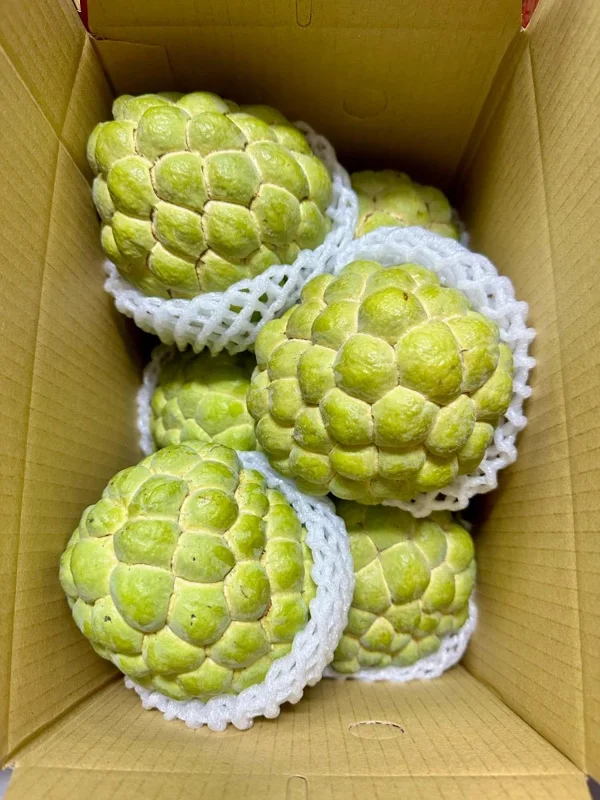
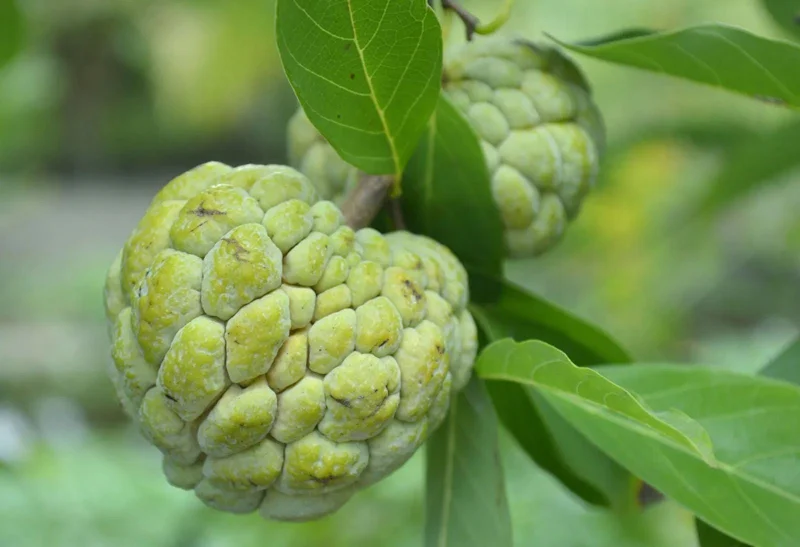
Experience the joy of growing your own exotic fruit with this sugar apple live plant (Annona squamosa). Often referred to as the Custard Apple or Sweetsop, the Sugar Apple is a tropical delight renowned for its distinctive, sweet, and creamy fruit. This small, bushy tree is a captivating addition to any garden or collection of edible plants, providing both ornamental beauty and a bountiful harvest. Our annona squamosa tree is carefully nurtured to ensure it arrives healthy and ready to thrive, bringing a touch of the tropics to your home. Whether you’re an experienced gardener or a budding enthusiast, cultivating this unique fruit tree is a rewarding endeavor. The Sugar Apple fruit is characterized by its segmented, scaly exterior and soft, aromatic white flesh, which is truly a culinary treat. It’s a fantastic choice for those looking to expand their edible landscape with an exotic fruit tree.
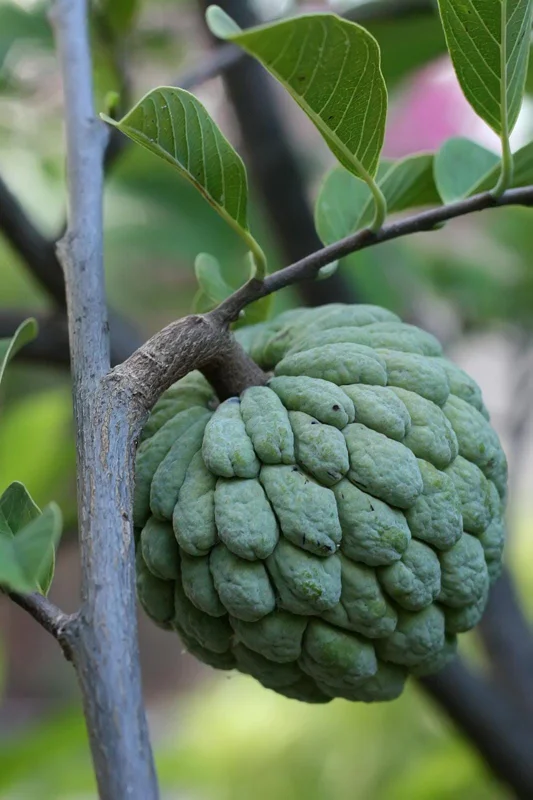
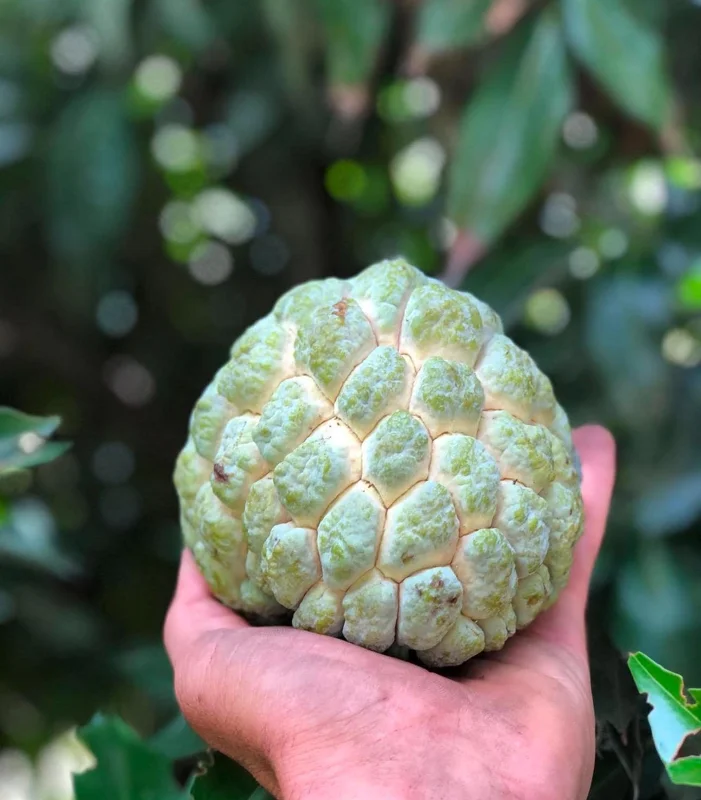
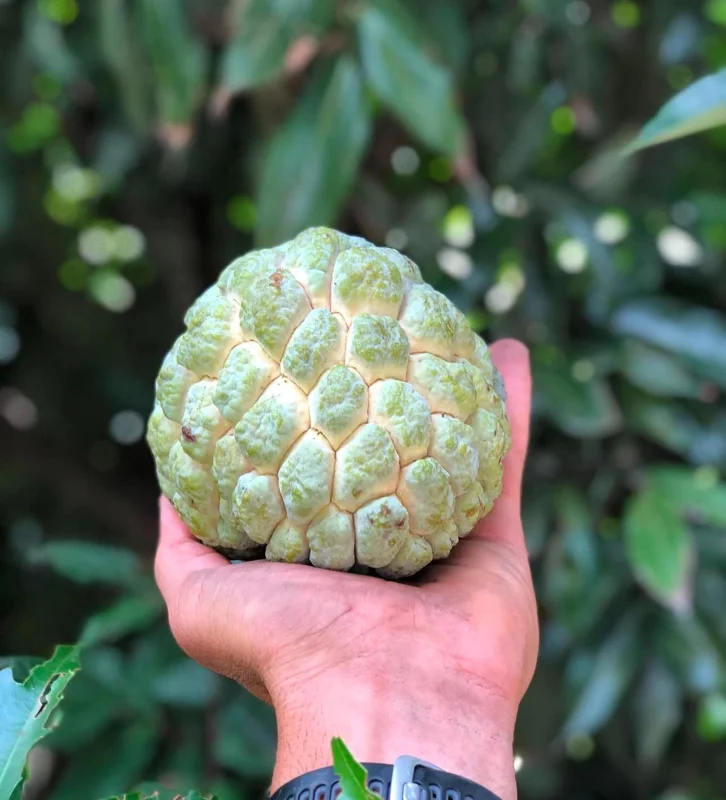
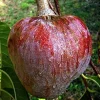
The fruit itself is typically round or oval, measuring about 6-10 cm in diameter and weighing between 100-230 grams. Its skin is covered with very pronounced green scales, giving it a pine cone-like appearance, which sometimes leads to confusion with cherimoya. However, the taste and texture of the sugar apple fruit are distinctly its own, offering a rich, sweet flavor profile with hints of custard and pear. This live plant is perfect for enthusiasts eager to grow their own tropical produce and enjoy fresh, homegrown fruit.
Key Benefits
Adding a sugar apple live plant to your collection offers numerous advantages, from its unique fruit to its ornamental appeal. Here are some of the key benefits:
- Unique, Delicious Fruit: Enjoy the incredibly sweet, aromatic, and custardy flesh of fresh Sugar Apples, a true tropical delicacy that’s hard to find in regular grocery stores. The distinct flavor of sugar apple fruit is a gourmet experience.
- Ornamental Value: The Annona squamosa tree features attractive foliage and a compact growth habit, making it a beautiful specimen plant for patios, gardens, or as part of a tropical landscape.
- High in Nutrients: Sugar Apples are a good source of Vitamin C, B vitamins, and essential minerals like potassium and magnesium, contributing to a healthy diet.
- Easy to Grow: While tropical, Sugar Apple trees are relatively low-maintenance once established, making them suitable for gardeners of varying experience levels who are interested in growing sugar apple.
- Drought Tolerance: Once mature, the annona squamosa tree shows good resilience to dry periods, making it a robust choice for appropriate climates.
- Fast Growing: Compared to many other fruit trees, the Sugar Apple has a relatively fast growth rate, allowing you to enjoy fruits sooner.
- Perfect for Containers: Its moderate size makes it an excellent candidate for container planting, allowing it to be moved indoors during colder months, extending its viable growing range.
Plant Care & Growing Tips
Proper care is essential for a thriving sugar apple live plant and a bountiful harvest. This exotic fruit tree prefers warm, tropical, or subtropical climates. For optimal growth, provide plenty of sunlight. Sugar Apple trees thrive in full sun, meaning at least 6-8 hours of direct sunlight per day. If growing indoors or in a greenhouse, ensure it receives bright, direct light, possibly supplemented with grow lights during shorter days. Protection from strong winds is also beneficial, as young trees can be susceptible to damage.
Watering should be consistent, especially during flowering and fruiting periods. The soil should be kept consistently moist but not waterlogged. Allow the top inch or two of soil to dry out slightly before watering again. Reduce watering during cooler, dormant periods. Good drainage is crucial to prevent root rot, which can be a common issue if the soil remains too wet. The ideal soil for growing sugar apple is well-draining, rich in organic matter, and slightly acidic to neutral (pH 6.0-7.0). A good quality potting mix amended with compost or perlite works well for container-grown plants. For in-ground planting, ensure the soil is loosened and amended to improve drainage.
Fertilize your annona squamosa tree regularly during the growing season (spring through fall) with a balanced fertilizer. A slow-release granular fertilizer or a liquid feed applied every 4-6 weeks can be beneficial. Reduce or stop fertilization during winter dormancy. The Sugar Apple is generally hardy in USDA zones 9-11. In colder climates, it must be grown in a container and brought indoors when temperatures drop below 40°F (4°C). Protect young trees from frost. Pruning should be done to maintain shape, remove dead or diseased branches, and encourage fruit production. Light pruning after harvest is usually sufficient. Watch out for common pests like mealybugs and scale insects, and treat with horticultural oil or insecticidal soap if necessary.
Size & Details
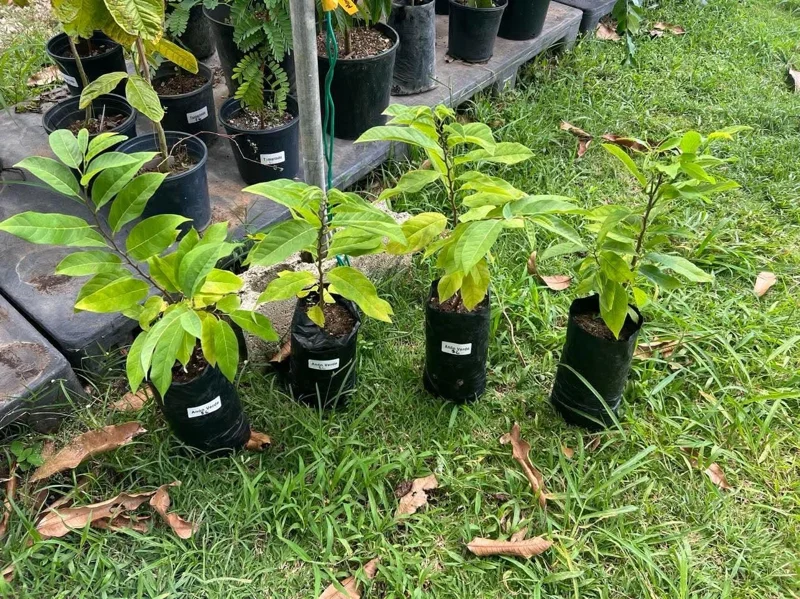
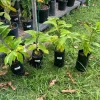
This sugar apple live plant typically ships as a young tree, ready for planting and establishment in your garden or a larger container. The exact size will vary based on availability but is usually in a 1-gallon or 3-gallon nursery pot, standing approximately 1-2 feet tall. These plants are propagated from seed or grafts and are selected for their vigor and potential to produce high-quality sugar apple fruit. With proper care, your annona squamosa tree can reach a mature height of 10-20 feet in ideal conditions, though it can be kept smaller with regular pruning, especially when container-grown. You can expect your tree to begin fruiting within 2-4 years under optimal conditions. The growth rate is considered medium to fast, allowing you to enjoy its benefits relatively quickly. Each plant is carefully packaged to ensure it arrives in excellent condition, ready for its new home.
Frequently Asked Questions
- Q: How big does this sugar apple live plant get? A: In ideal tropical conditions, a mature Sugar Apple tree can reach 10-20 feet tall. However, it can be maintained at a smaller, more manageable size (6-10 feet) through regular pruning, especially when grown in a container.
- Q: Is this an indoor or outdoor plant? A: The Sugar Apple is a tropical plant best suited for outdoor growing in USDA zones 9-11. In colder climates, it thrives as a container plant that can be moved indoors during winter months to protect it from frost.
- Q: How much sunlight does the annona squamosa tree need? A: This tree requires full sun, meaning at least 6-8 hours of direct sunlight daily, to produce the best fruit. If growing indoors, place it in the brightest possible location or use supplemental grow lights.
- Q: Is this plant easy to care for? A: While tropical, the Sugar Apple is considered relatively easy to care for once established, especially for those familiar with tropical fruit trees. Consistent watering and adequate sunlight are key for growing sugar apple successfully.
- Q: What condition will it arrive in? A: Your sugar apple live plant will arrive carefully packaged in a nursery pot, with its root ball intact and protected, ensuring it is healthy and ready for transplanting.
- Q: How long until it produces sugar apple fruit? A: Under optimal growing conditions, a young Sugar Apple tree typically begins to produce fruit within 2-4 years after planting. Fruit production usually peaks in late summer to early fall.
- Q: What type of soil is best for this tree? A: A well-draining soil rich in organic matter is ideal. For container planting, use a high-quality potting mix amended with compost or perlite. In-ground, ensure good drainage to prevent waterlogging.
- Q: Will it survive winter in my zone? A: The Sugar Apple tree is sensitive to frost and cold temperatures. It will only survive outdoors year-round in USDA zones 9-11. In colder zones, it must be protected from frost or brought indoors.
- Q: Can I grow this exotic fruit tree in a container permanently? A: Yes, the Sugar Apple tree adapts very well to container culture. Growing it in a large pot allows you to control its size and move it indoors during cold weather, extending its range.
- Q: How often should I water my Sugar Apple plant? A: Water regularly to keep the soil consistently moist but not soggy, especially during warm weather and fruiting. Allow the top inch or two of soil to dry out before watering again. Reduce watering in cooler months.
Be the first to review “Sugar Apple Live Plant (Annona squamosa) – Exotic Fruit Tree”
You must be logged in to post a review.
People also Viewed
Sold 50 products
$185.00
Sold 50 products
$157.50
Sold 50 products
$297.50
Sold 50 products
$120.00
Sold 50 products
$212.50
Sold 50 products
$122.50
Sold 50 products
$2,510.00
Sold 50 products
$400.00RELATED posts
Awapuhi Wild Ginger Plant: Zones, Care, and Propagation
Learn which USDA zones suit awapuhi wild ginger, plus sunlight, water, planting, propagation, pests, size, [...]
Awapuhi Shampoo Ginger – Care, Growing Zones, and Differences
Learn how to grow awapuhi (shampoo) ginger, its USDA zones, watering schedule, propagation tips, and [...]
Awapuhi Shampoo Plant Buying Guide – Choose the Right Zingiber zerumbet
META: Learn which awapuhi (shampoo ginger) plant or rhizome pack gives the best natural shampoo, [...]
Awapuhi Plant for Sale: Complete Buying Guide
Find the right awapuhi (shampoo ginger) plant, size, price, soil mix, and online source. Practical [...]
Shampoo Ginger Plant for Sale – Buying Guide & Tips
Find the right shampoo ginger plant, size, price, and care tips. Quick guide for U.S. [...]
Shampoo Ginger Plant (Awapuhi) Care Guide
Learn how to grow, care for, and use shampoo ginger (Zingiber zerumbet), the tropical awapuhi [...]
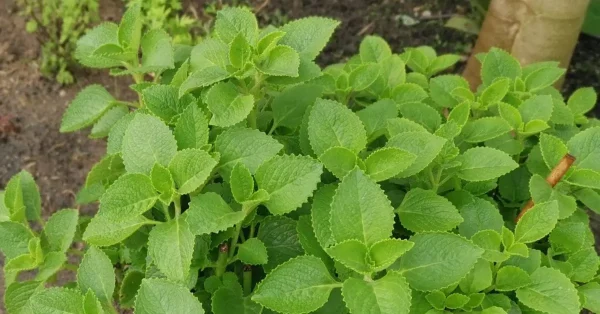
How to Grow Cuban Oregano Plants: A Complete Care Guide
If you’ve ever wanted a plant that combines the culinary punch of traditional oregano with [...]
Aug
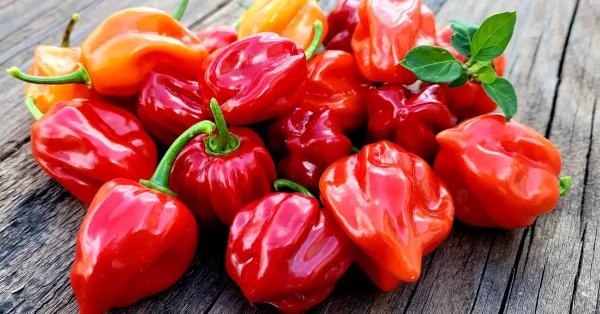
How to Grow Habanero Pepper Plants: A Step-by-Step Guide
Habanero pepper plants are prized for their vibrant colors, intense heat, and exceptional flavor, making [...]
Aug
Reviews
There are no reviews yet.