
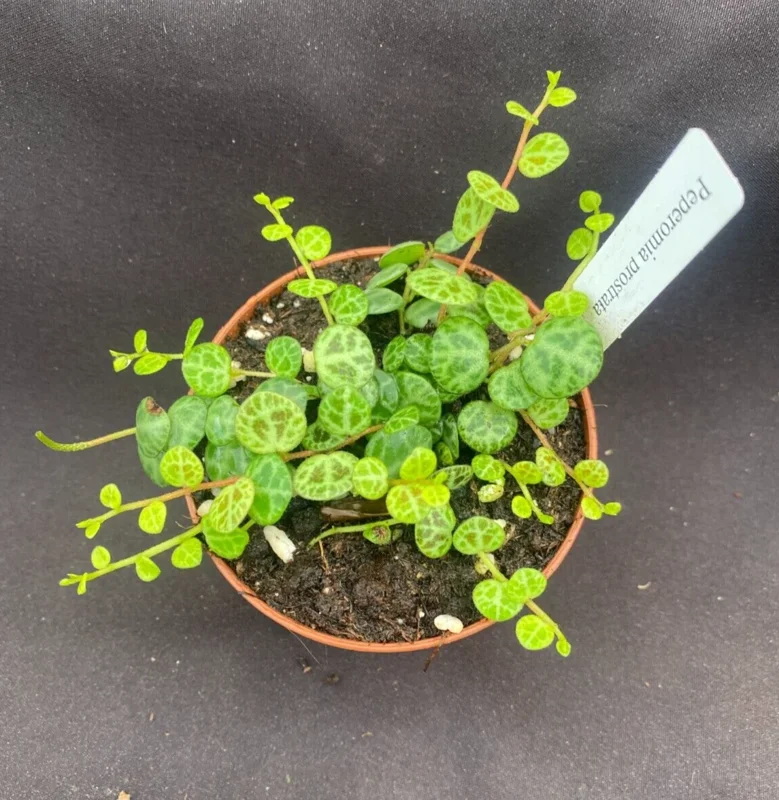
String of Turtles Peperomia Prostrata Live Plant – Rooted, 3 inch Pot, Indoor
$24.88
Bring home a beautiful string of turtles peperomia prostrata live plant, shipped rooted in a 3-inch pot. This unique trailing houseplant is ideal for adding a touch of natural elegance to any indoor space, known for its distinctive foliage and easy care.
Shipping and Return policies:
We stand behind our plants with our Alive & Thrive Guarantee. If you experience any issues within the first 30 days, please email us, and our team will be happy to help. When needed, we’ll send you a one-time replacement free of charge to make sure your garden keeps growing strong.

Reasonable Price
We offer reasonable price

Support 24/7
Contact us 24 hrs a day
100% Money Back
You’ve 30 days to Return
Payment Secure
100% secure payment
Overview
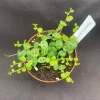
Introducing the captivating string of turtles peperomia prostrata, a delightful live plant that will bring a unique aesthetic to your indoor garden. Also known simply as ‘String of Turtles’ due to its small, round, variegated leaves that resemble turtle shells, this plant is a true conversation starter. Each leaf features an intricate pattern of dark green veins against a lighter green background, creating a mosaic effect that trails gracefully. This particular offering is a rooted plant, carefully prepared and shipped in a 3-inch pot, ready to thrive in its new home. The peperomia prostrata care is straightforward, making it an excellent choice for both novice and experienced plant enthusiasts looking for a distinctive and charming houseplant.
The peperomia prostrata indoor plant is celebrated for its compact growth habit and its ability to adapt well to various indoor environments. Its trailing nature makes it perfect for hanging baskets, shelves, or as a vibrant groundcover in larger planters. Originating from the rainforests of Brazil, this semi-succulent plant appreciates humidity but is surprisingly resilient. Its unique foliage provides continuous visual interest, and its relatively slow growth allows for easy management within your living space. Embrace the beauty of this miniature wonder and let it add a touch of lush, intricate greenery to your home.
Key Benefits
The string of turtles peperomia prostrata offers numerous advantages, making it a highly desirable addition to any plant collection. Its striking appearance and manageable nature contribute to a fulfilling plant ownership experience.
- Unique Ornamental Appeal: The distinctive, patterned leaves resembling tiny turtle shells create an eye-catching display, adding an exotic and charming touch to your home decor. This plant is a true living piece of art.
- Compact & Trailing Growth: Its naturally trailing habit makes it perfect for showcasing in hanging planters, on high shelves, or cascading over the edges of pots, optimizing vertical space and creating dynamic visual interest.
- Low Maintenance: This string of turtles plant is relatively easy to care for, requiring infrequent watering and moderate light, making it suitable for busy individuals or those new to houseplants. Consistent peperomia prostrata care ensures a happy plant.
- Air Purifying Qualities: Like many houseplants, the Peperomia prostrata contributes to a healthier indoor environment by helping to filter airborne toxins, promoting better air quality in your home.
- Pet-Friendly: Peperomia plants are generally considered non-toxic to cats and dogs, offering peace of mind for pet owners who want to enjoy lush greenery without worry.
- Versatile Placement: Thrives in various indoor settings, from bright bathrooms to cozy living rooms, as long as its basic light and humidity needs are met. Its small size allows for creative placement options.
- Conversation Starter: The unusual and adorable appearance of this trailing peperomia is sure to capture attention and spark conversations among guests.
Plant Care & Growing Tips
Proper peperomia prostrata care ensures your plant remains vibrant and healthy. This delightful houseplant thrives with consistent, yet not overly demanding, attention. For optimal growth, provide bright, indirect light. Direct sunlight can scorch its delicate leaves, while too little light may lead to leggy growth and duller foliage. An east or north-facing window is often ideal, or a few feet away from a south or west-facing window. Rotate your plant periodically to ensure even growth and light exposure across all sides.
When it comes to watering, the ‘String of Turtles’ prefers its soil to dry out slightly between waterings. Overwatering is a common pitfall and can lead to root rot. Check the soil moisture by sticking your finger about an inch or two into the pot; if it feels dry, it’s time to water. Ensure the pot has good drainage to prevent waterlogging. This plant appreciates higher humidity, reminiscent of its native rainforest habitat. You can increase humidity by misting regularly, placing the pot on a pebble tray with water, or using a humidifier. The ideal temperature range for your string of turtles plant is between 65-75°F (18-24°C). Avoid sudden temperature drops or cold drafts.
Use a well-draining potting mix, ideally one formulated for succulents or a standard houseplant mix amended with perlite or orchid bark for extra drainage. Fertilize sparingly during the growing season (spring and summer) with a diluted liquid houseplant fertilizer, about once a month. Reduce or stop fertilizing during the dormant winter months. Common problems include root rot from overwatering and pests like mealybugs or spider mites. Inspect your plant regularly and address any issues promptly. With these simple guidelines, your peperomia prostrata indoor will flourish, showcasing its unique beauty.
Size & Details
This string of turtles peperomia prostrata is shipped as a robust, rooted live plant in a 3-inch nursery pot. The plant’s trailing vines typically extend several inches, offering immediate visual appeal upon arrival. While its growth rate is moderate, with proper peperomia prostrata care, the vines can eventually reach lengths of 12-18 inches or more, making it an excellent choice for a cascading display. The small, succulent-like leaves are approximately 0.5 inches in diameter, densely packed along the stems.
The plant is carefully packaged to ensure it arrives healthy and ready to thrive. It is already established in its pot, reducing transplant shock. Expect a compact yet vibrant specimen that will continue to grow and develop its characteristic ‘turtle shell’ patterns. This trailing peperomia is suitable for USDA zones 10-11 if grown outdoors, but it is primarily cultivated as an indoor houseplant due to its preference for consistent, warmer temperatures. It’s a fantastic choice for those seeking a unique and manageable indoor green companion.
Frequently Asked Questions
- Q: What size pot does the String of Turtles plant come in? A: The string of turtles peperomia prostrata is shipped as a rooted live plant in a 3-inch nursery pot, providing a good foundation for its continued growth.
- Q: Is this an indoor or outdoor plant? A: The Peperomia prostrata is primarily cultivated as an indoor houseplant in most climates. While it can be grown outdoors in very warm, humid, frost-free USDA zones (like 10-11), it thrives best indoors where temperatures are consistent.
- Q: How much sunlight does the String of Turtles need? A: This plant prefers bright, indirect light. Avoid direct, harsh sunlight which can scorch its leaves. A spot near an east or north-facing window is often ideal for optimal peperomia prostrata care.
- Q: Is this plant easy to care for? A: Yes, the string of turtles plant is considered relatively easy to care for, making it suitable for beginners. Its main requirements are consistent indirect light and careful watering to avoid overwatering.
- Q: What condition will it arrive in? A: Your string of turtles peperomia prostrata will arrive as a healthy, rooted plant, carefully packaged to minimize stress during transit, ready for placement in your home.
- Q: How often should I water my Peperomia prostrata? A: Water when the top inch or two of the soil feels dry to the touch. It’s better to underwater slightly than to overwater, as it is prone to root rot if the soil remains soggy.
- Q: Is the String of Turtles plant pet-safe? A: Yes, Peperomia species, including the trailing peperomia, are generally considered non-toxic to cats and dogs, making it a safe choice for homes with pets.
- Q: Does this plant need high humidity? A: While not strictly necessary, the Peperomia prostrata appreciates higher humidity, especially during drier months. Misting or using a pebble tray can help create a more favorable environment.
- Q: How big will my Peperomia prostrata get? A: The trailing vines of a mature string of turtles peperomia prostrata can reach lengths of 12-18 inches or more, creating a beautiful cascading effect.
- Q: Can I propagate this plant? A: Yes, peperomia prostrata indoor plants are relatively easy to propagate from stem cuttings, which can be rooted in water or directly in moist soil.
Be the first to review “String of Turtles Peperomia Prostrata Live Plant – Rooted, 3 inch Pot, Indoor”
You must be logged in to post a review.
People also Viewed
Sold 50 products
$32.38
Sold 50 products
$27.38
Sold 50 products
$32.38
Sold 50 products
$19.88
Sold 50 products
$62.38
Sold 50 products
$24.88
Houseplants
Phalaenopsis pulcherrima ‘Mauna Kea Snow’ Orchid Live Plant – White Flowers, Potted 2.5 in
Sold 50 products
$49.88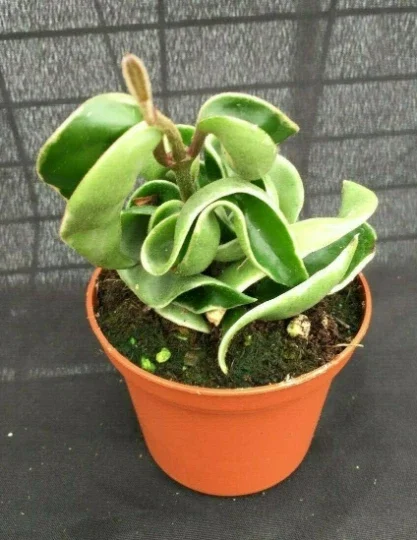
Sold 50 products
$49.88RELATED posts
Awapuhi Wild Ginger Plant: Zones, Care, and Propagation
Learn which USDA zones suit awapuhi wild ginger, plus sunlight, water, planting, propagation, pests, size, [...]
Awapuhi Shampoo Ginger – Care, Growing Zones, and Differences
Learn how to grow awapuhi (shampoo) ginger, its USDA zones, watering schedule, propagation tips, and [...]
Awapuhi Shampoo Plant Buying Guide – Choose the Right Zingiber zerumbet
META: Learn which awapuhi (shampoo ginger) plant or rhizome pack gives the best natural shampoo, [...]
Awapuhi Plant for Sale: Complete Buying Guide
Find the right awapuhi (shampoo ginger) plant, size, price, soil mix, and online source. Practical [...]
Shampoo Ginger Plant for Sale – Buying Guide & Tips
Find the right shampoo ginger plant, size, price, and care tips. Quick guide for U.S. [...]
Shampoo Ginger Plant (Awapuhi) Care Guide
Learn how to grow, care for, and use shampoo ginger (Zingiber zerumbet), the tropical awapuhi [...]
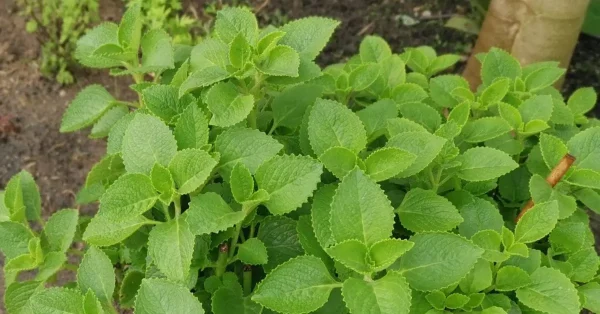
How to Grow Cuban Oregano Plants: A Complete Care Guide
If you’ve ever wanted a plant that combines the culinary punch of traditional oregano with [...]
Aug
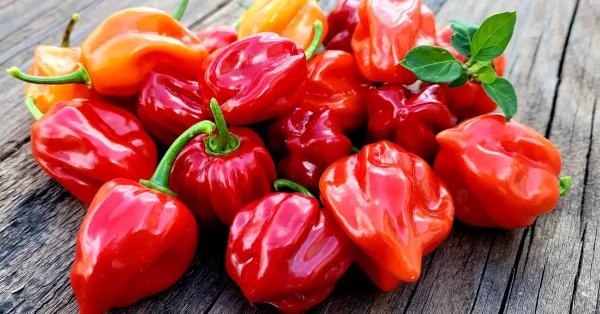
How to Grow Habanero Pepper Plants: A Step-by-Step Guide
Habanero pepper plants are prized for their vibrant colors, intense heat, and exceptional flavor, making [...]
Aug
Reviews
There are no reviews yet.