
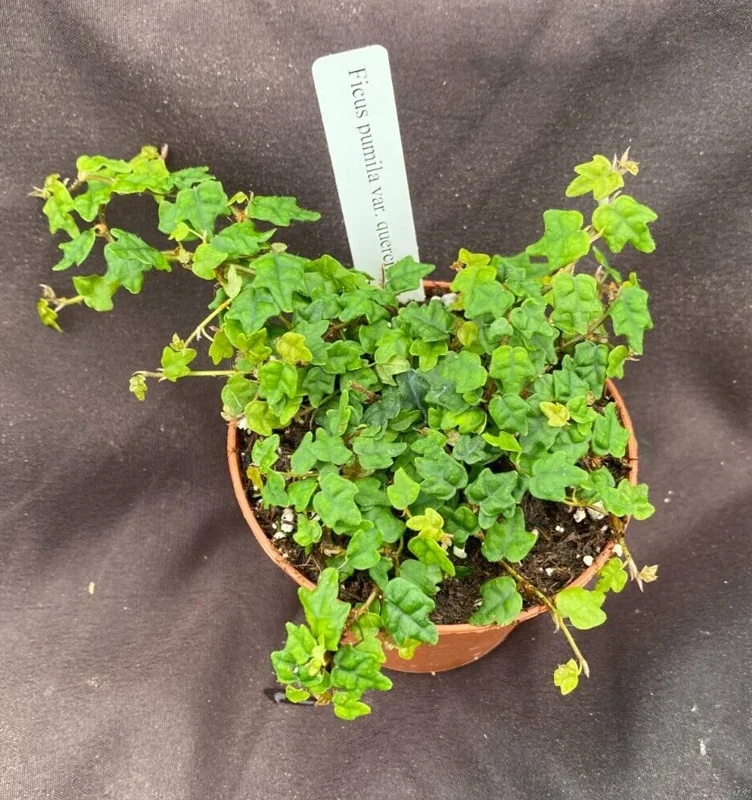
String of Frogs Ficus Pumila Quercifolia Live Plant – 3 inch Pot, Indoor Houseplant
$19.88
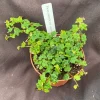
Bring home the delightful string of frogs live plant, also known as Ficus pumila quercifolia. This charming indoor foliage plant is rooted and shipped in a 3-inch pot, perfect for adding unique texture to your home decor. Its small green leaves with brown stems create a captivating display.
Shipping and Return policies:
We stand behind our plants with our Alive & Thrive Guarantee. If you experience any issues within the first 30 days, please email us, and our team will be happy to help. When needed, we’ll send you a one-time replacement free of charge to make sure your garden keeps growing strong.

Reasonable Price
We offer reasonable price

Support 24/7
Contact us 24 hrs a day
100% Money Back
You’ve 30 days to Return
Payment Secure
100% secure payment
Overview
The string of frogs live plant, scientifically known as Ficus pumila quercifolia, is a captivating and unique houseplant cherished for its distinctive foliage. This particular variety of creeping fig stands out with its small, oak-leaf-shaped green leaves that tightly hug their brown stems, creating a visually appealing texture often likened to a string of tiny frogs. Originating from East Asia, this plant is a miniature version of the well-known creeping fig, making it an ideal choice for terrariums, fairy gardens, or as a charming trailing plant in a small pot. It thrives in humid conditions and can be trained to climb or allowed to cascade gracefully, adding a touch of natural elegance to any indoor space. Our ficus pumila quercifolia is shipped as a healthy, rooted plant in a 3-inch pot, ready to bring life and character to your collection.
Known for its robust nature and relatively easy care, the string of frogs live plant is an excellent choice for both novice and experienced plant enthusiasts. Its unique appearance makes it a conversation starter, and its versatility allows it to adapt to various indoor environments. This indoor foliage plant is not only decorative but also contributes to a vibrant living space. The intricate leaf patterns and growth habit provide continuous visual interest, making it a rewarding plant to observe as it matures. Enhance your indoor garden with this charming and distinctive variety of Ficus.
Key Benefits
The string of frogs live plant offers a multitude of benefits that make it a highly desirable addition to any home or office. Its distinctive appearance is just the beginning of its appeal.
- Unique Aesthetic Appeal: The small, oak-leaf-shaped green leaves and their tight arrangement on brown stems provide a truly unique and intricate texture, making it a standout indoor foliage plant. It’s a natural piece of living art.
- Versatile Decor: Perfect for terrariums, fairy gardens, small pots, or as a trailing plant, its compact size and growth habit allow for creative placement in various indoor settings. It can be trained to climb or allowed to cascade.
- Air Purification: Like many houseplants, Ficus pumila quercifolia can help improve indoor air quality by filtering out common airborne toxins, contributing to a healthier living environment.
- Relatively Low Maintenance: Once its basic needs for humidity and consistent moisture are met, this plant is quite forgiving and does not demand constant attention, making ficus pumila care manageable.
- Compact Size: Ideal for smaller spaces, desks, shelves, or windowsills where larger plants might not fit. Its miniature nature allows for intricate displays.
- Continuous Growth: With proper care, the creeping fig plant will continuously produce new foliage, offering ongoing visual interest and a sense of vitality in your home.
- Engaging Texture: The dense, overlapping leaves create a rich, tactile surface that adds depth and dimension to your plant collection.
Plant Care & Growing Tips
Proper ficus pumila care is essential to ensure your string of frogs live plant thrives and displays its full beauty. This plant prefers bright, indirect light. Avoid direct, harsh sunlight, which can scorch its delicate leaves. An east or north-facing window is often ideal, or a spot a few feet away from a south or west-facing window. Insufficient light can lead to sparse growth and less vibrant foliage. Consistency is key with watering; keep the soil consistently moist but never waterlogged. Allow the top inch of soil to dry out slightly between waterings, but do not let the plant sit in standing water, as this can lead to root rot. Good drainage is crucial, so ensure your pot has drainage holes.
This creeping fig plant thrives in high humidity, making it an excellent choice for bathrooms, kitchens, or terrariums. If your home has dry air, consider misting the plant regularly, placing it on a pebble tray with water, or using a humidifier nearby. The ideal temperature range for Ficus pumila quercifolia is between 60-80°F (15-27°C). Protect it from cold drafts and sudden temperature fluctuations. Use a well-draining potting mix that retains some moisture, such as a mix formulated for houseplants or a blend of peat, perlite, and bark. Fertilize every 2-4 weeks during the growing season (spring and summer) with a balanced liquid fertilizer diluted to half strength. Reduce fertilization in fall and winter. Watch out for common pests like spider mites and mealybugs; inspect your plant regularly and treat any infestations promptly with insecticidal soap.
Size & Details
Each string of frogs live plant is carefully cultivated and shipped as a healthy, rooted specimen in a 3-inch nursery pot. At the time of shipping, the plant typically has established roots and a good amount of foliage, ready to continue growing in its new home. The trailing vines can reach lengths of several feet over time if allowed to grow, but can also be pruned to maintain a more compact shape. The small leaves are generally less than half an inch in size, contributing to the plant’s delicate and intricate appearance. This indoor foliage plant has a moderate growth rate, allowing you to enjoy its development without it quickly outgrowing its space. Expect your plant to settle in and begin actively growing within a few weeks of arrival, especially with consistent ficus pumila care.
The plant’s mature size is highly dependent on its growing conditions and whether it is allowed to trail or climb. When grown in a terrarium, it will typically remain more compact. If given support, it can climb surfaces using its aerial roots. When grown as a hanging plant, its ‘string of frogs’ vines will cascade beautifully. This versatile plant offers various display options, making it a dynamic addition to your plant collection. Its natural growth habit and charming details make it a delightful subject for close observation and appreciation.
Frequently Asked Questions
- Q: How big does this string of frogs live plant get? A: The string of frogs live plant is a trailing vine that can reach several feet in length over time. Its small leaves, however, remain miniature, typically under half an inch, contributing to its delicate appearance. You can prune it to maintain a desired size and shape.
- Q: Is this an indoor or outdoor plant? A: While Ficus pumila quercifolia can grow outdoors in very warm, humid climates (USDA Zones 9-11), it is primarily cultivated as an indoor foliage plant in most regions due to its need for consistent warmth and high humidity.
- Q: How much sunlight does it need? A: This creeping fig plant thrives in bright, indirect light. Avoid direct sun exposure, which can burn its leaves. A spot near an east or north-facing window is often ideal for optimal growth and color.
- Q: Is this plant easy to care for? A: Yes, with consistent humidity and watering, ficus pumila care is considered relatively easy. It’s a forgiving plant that is suitable for both beginners and experienced plant enthusiasts who can meet its basic needs.
- Q: What condition will it arrive in? A: Your string of frogs live plant will arrive rooted and healthy, shipped securely in a 3-inch nursery pot. We take great care in packaging to ensure it reaches you in excellent condition, ready to thrive in its new home.
- Q: When is the best time to plant or repot it? A: You can plant or repot your Ficus pumila quercifolia any time of year when grown indoors. However, spring or early summer is generally preferred as the plant is in its active growing phase, making it easier to adapt to new conditions.
- Q: What’s the minimum temperature this plant can tolerate? A: The string of frogs live plant prefers temperatures between 60-80°F (15-27°C). It is sensitive to cold and should be protected from temperatures below 50°F (10°C), which can cause damage or even kill the plant.
- Q: Is the creeping fig plant pet-safe? A: Like many Ficus varieties, the sap of Ficus pumila quercifolia can be mildly irritating to pets if ingested. It’s best to keep it out of reach of curious animals to prevent any potential discomfort.
- Q: What kind of soil is best for this indoor foliage plant? A: A well-draining potting mix that retains some moisture is ideal. A standard houseplant mix amended with perlite or orchid bark works well to provide both drainage and moisture retention for your string of frogs live plant.
- Q: How often should I fertilize my ficus pumila? A: Fertilize your Ficus pumila quercifolia every 2-4 weeks during the spring and summer growing seasons with a diluted liquid fertilizer. Reduce or stop fertilizing during the fall and winter months.
Be the first to review “String of Frogs Ficus Pumila Quercifolia Live Plant – 3 inch Pot, Indoor Houseplant”
You must be logged in to post a review.
People also Viewed
Sold 50 products
$32.38
Sold 50 products
$27.38
Sold 50 products
$32.38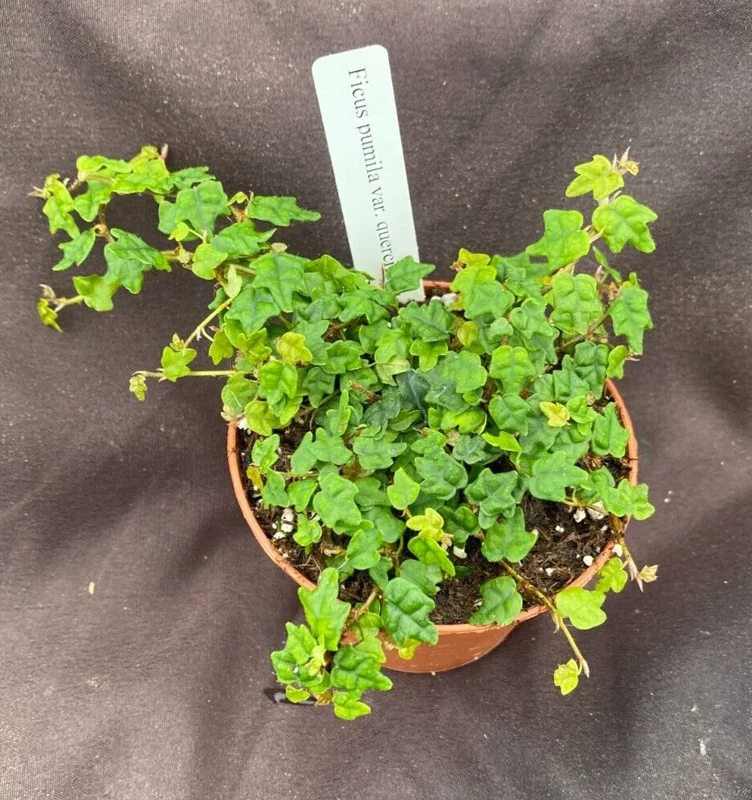
Sold 50 products
$19.88
Sold 50 products
$62.38
Sold 50 products
$24.88
Houseplants
Phalaenopsis pulcherrima ‘Mauna Kea Snow’ Orchid Live Plant – White Flowers, Potted 2.5 in
Sold 50 products
$49.88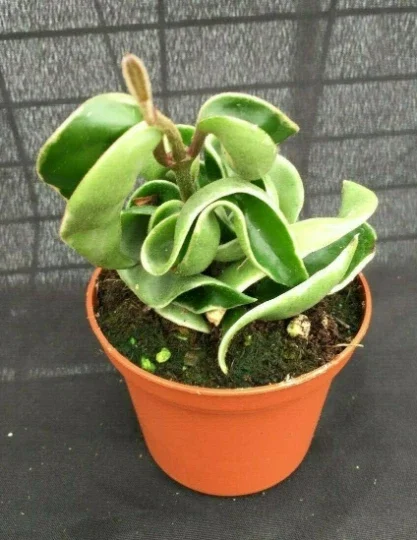
Sold 50 products
$49.88RELATED posts
Awapuhi Wild Ginger Plant: Zones, Care, and Propagation
Learn which USDA zones suit awapuhi wild ginger, plus sunlight, water, planting, propagation, pests, size, [...]
Awapuhi Shampoo Ginger – Care, Growing Zones, and Differences
Learn how to grow awapuhi (shampoo) ginger, its USDA zones, watering schedule, propagation tips, and [...]
Awapuhi Shampoo Plant Buying Guide – Choose the Right Zingiber zerumbet
META: Learn which awapuhi (shampoo ginger) plant or rhizome pack gives the best natural shampoo, [...]
Awapuhi Plant for Sale: Complete Buying Guide
Find the right awapuhi (shampoo ginger) plant, size, price, soil mix, and online source. Practical [...]
Shampoo Ginger Plant for Sale – Buying Guide & Tips
Find the right shampoo ginger plant, size, price, and care tips. Quick guide for U.S. [...]
Shampoo Ginger Plant (Awapuhi) Care Guide
Learn how to grow, care for, and use shampoo ginger (Zingiber zerumbet), the tropical awapuhi [...]
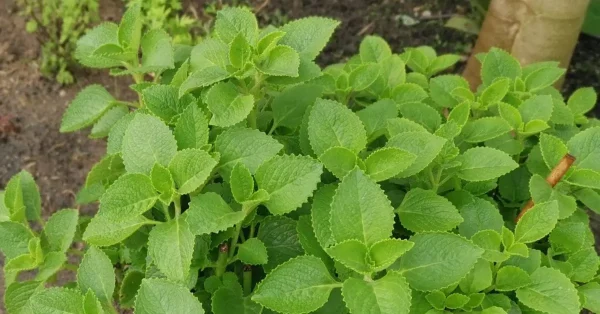
How to Grow Cuban Oregano Plants: A Complete Care Guide
If you’ve ever wanted a plant that combines the culinary punch of traditional oregano with [...]
Aug
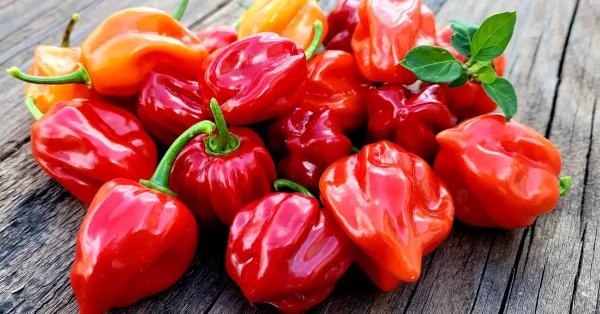
How to Grow Habanero Pepper Plants: A Step-by-Step Guide
Habanero pepper plants are prized for their vibrant colors, intense heat, and exceptional flavor, making [...]
Aug
Reviews
There are no reviews yet.